
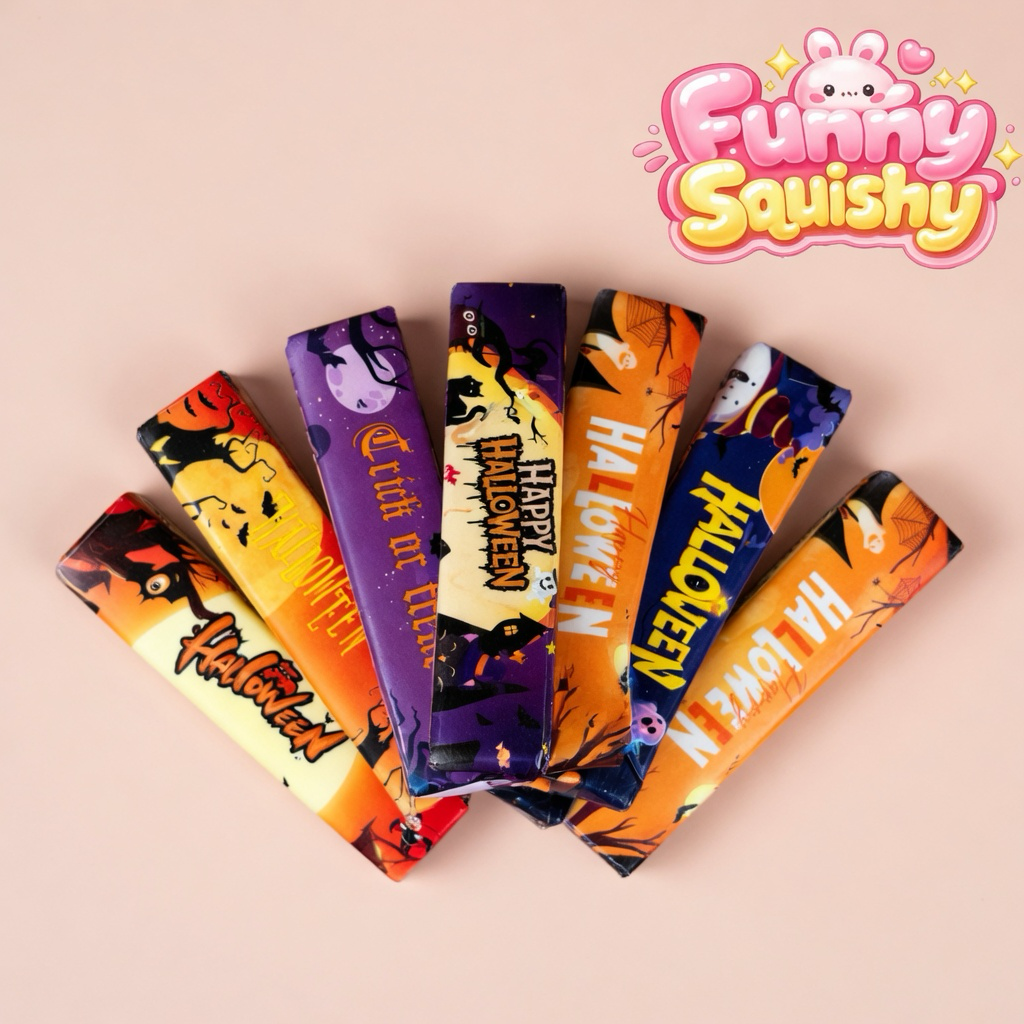
 Halloween Butter Squishy Assorted Set — Bulk Multi-Color Slow-Rising Fidget Toys
 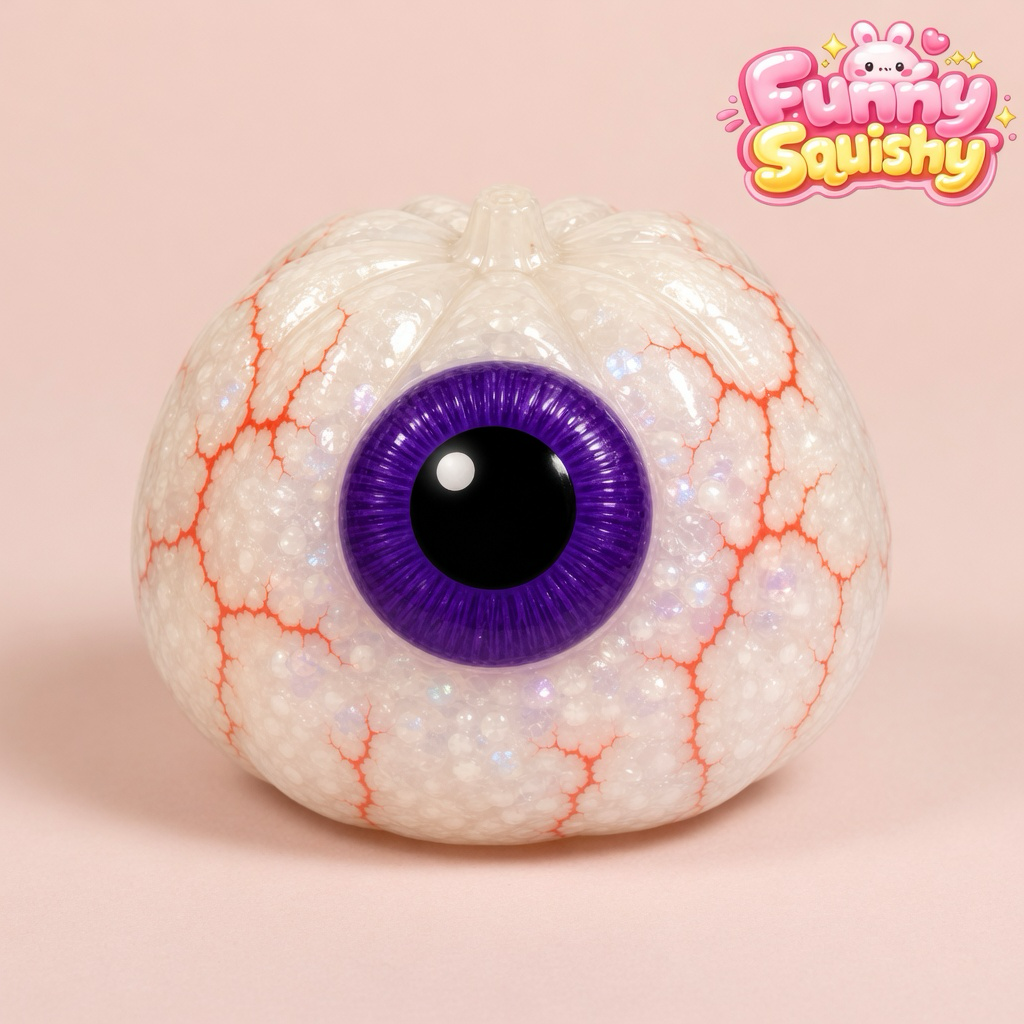 Eye Squeeze Toy — Bloodshot Eyeball Squishy Stress Relief
 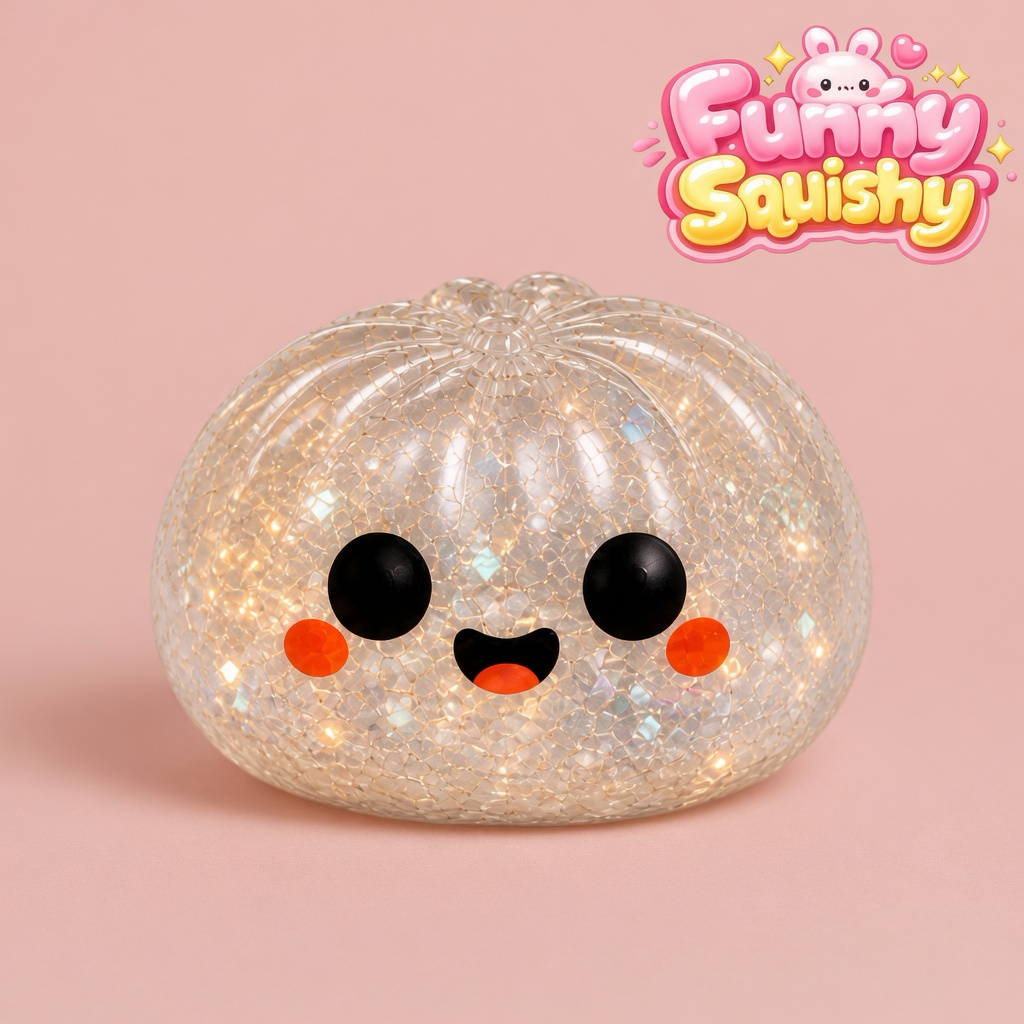 Ghost Squishy – Glitter Slow Rising Halloween Sensory Toy
 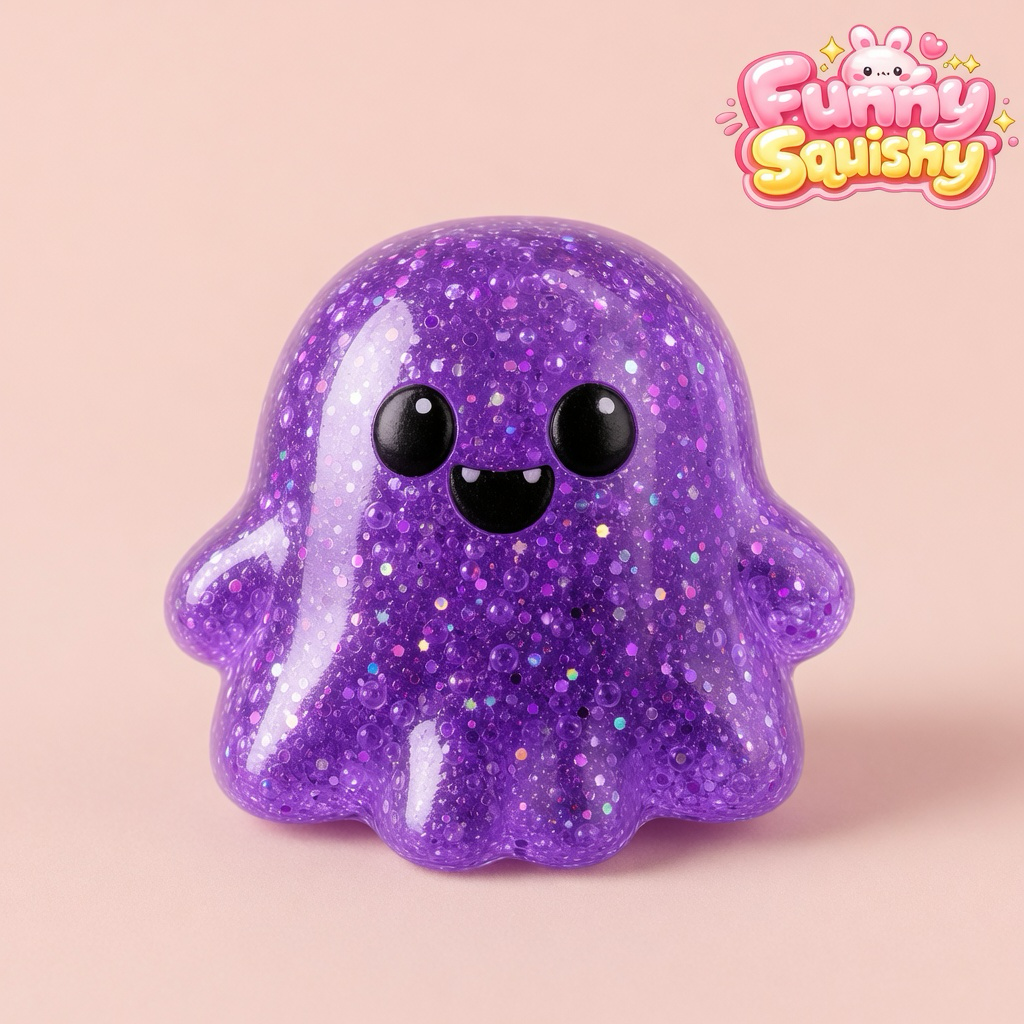 Ghost Squishy Purple Glitter Slow Rising Kawaii Stress Toy
 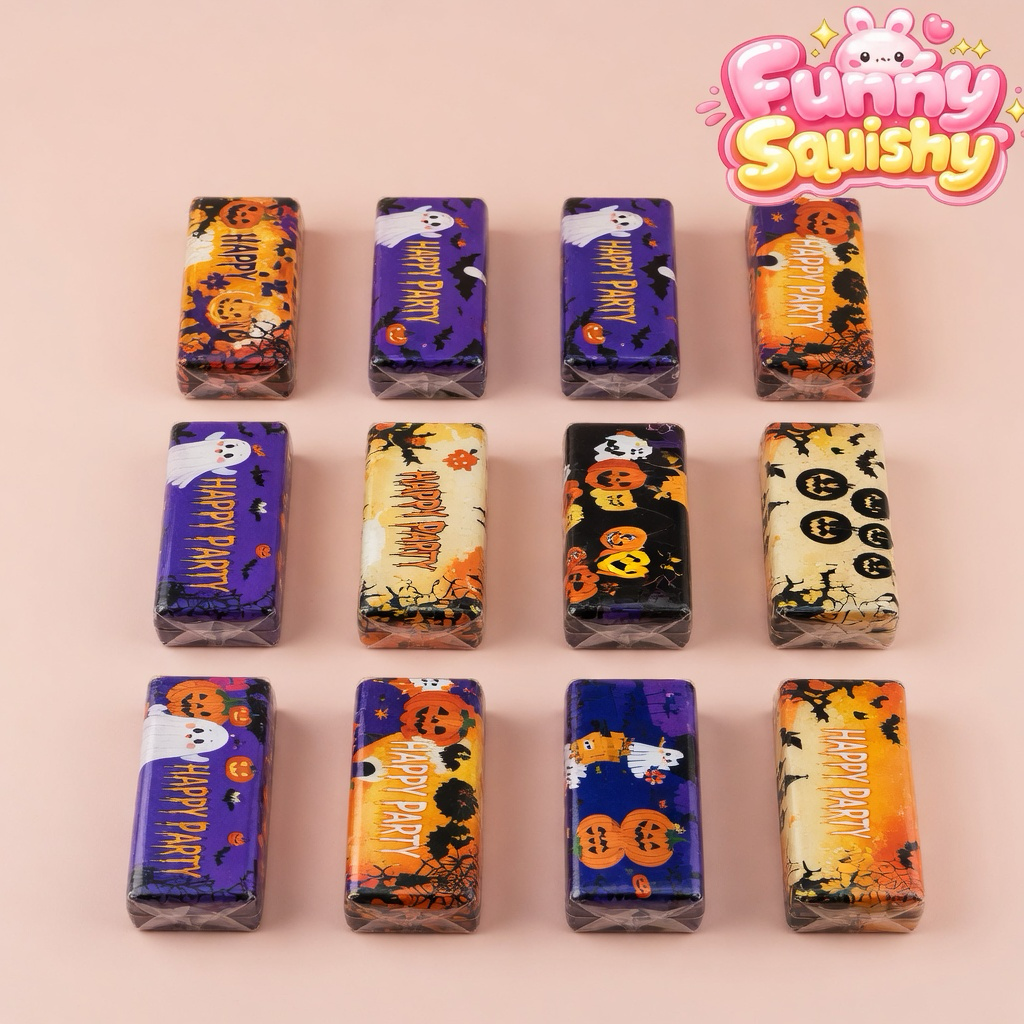 Halloween Butter Squishy 12-Pack Display Box — Assorted Slow-Rising Party Favors
 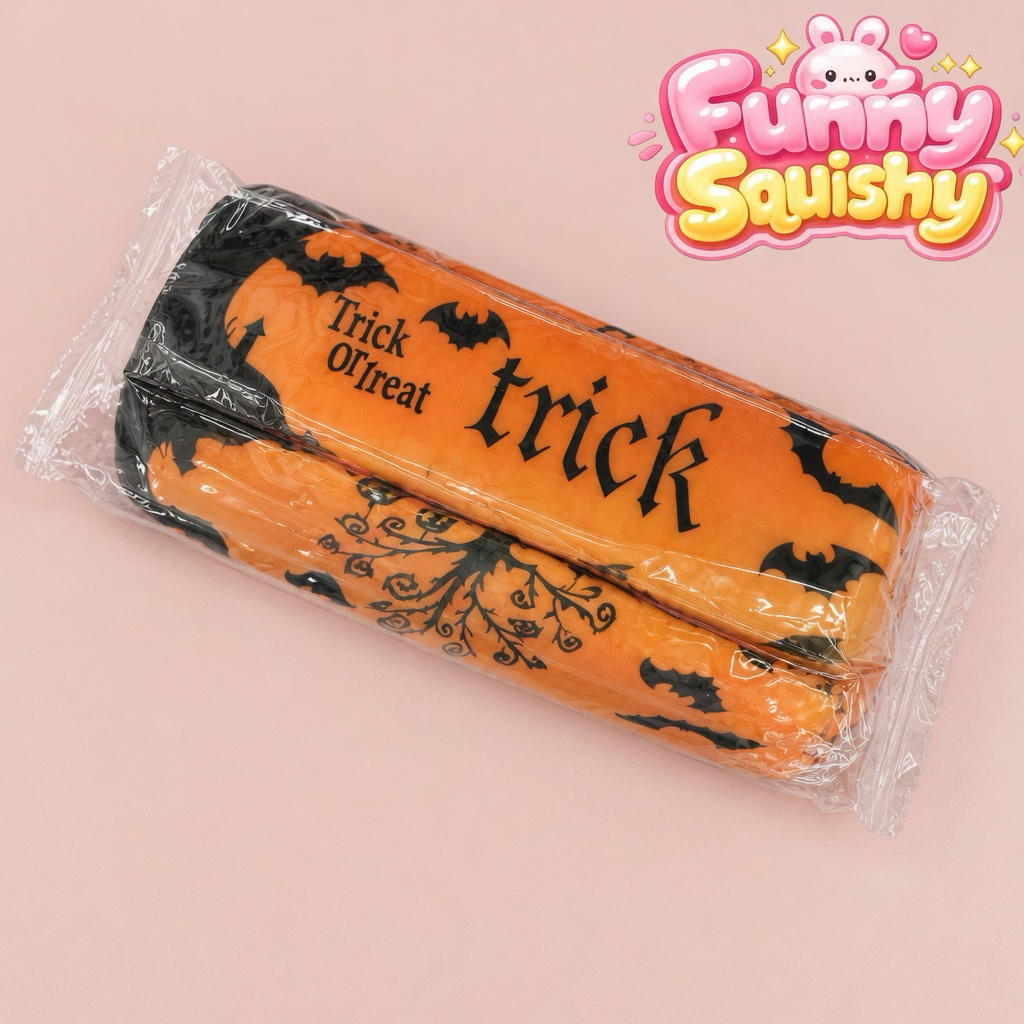 Halloween Butter Squishy — Orange Trick-or-Treat Slow-Rising Stress Toy
 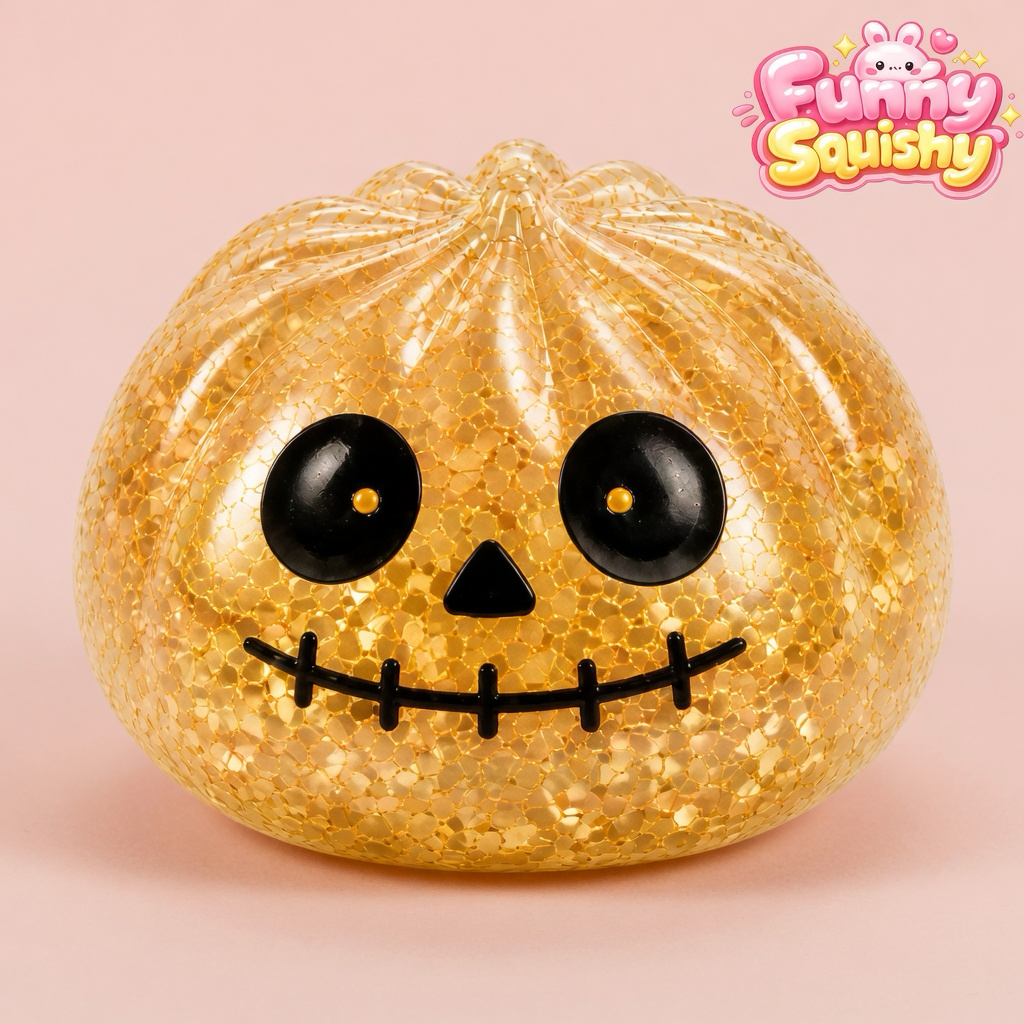 Halloween Skull Squishy — Glitter Slow Rising Stress Toy
 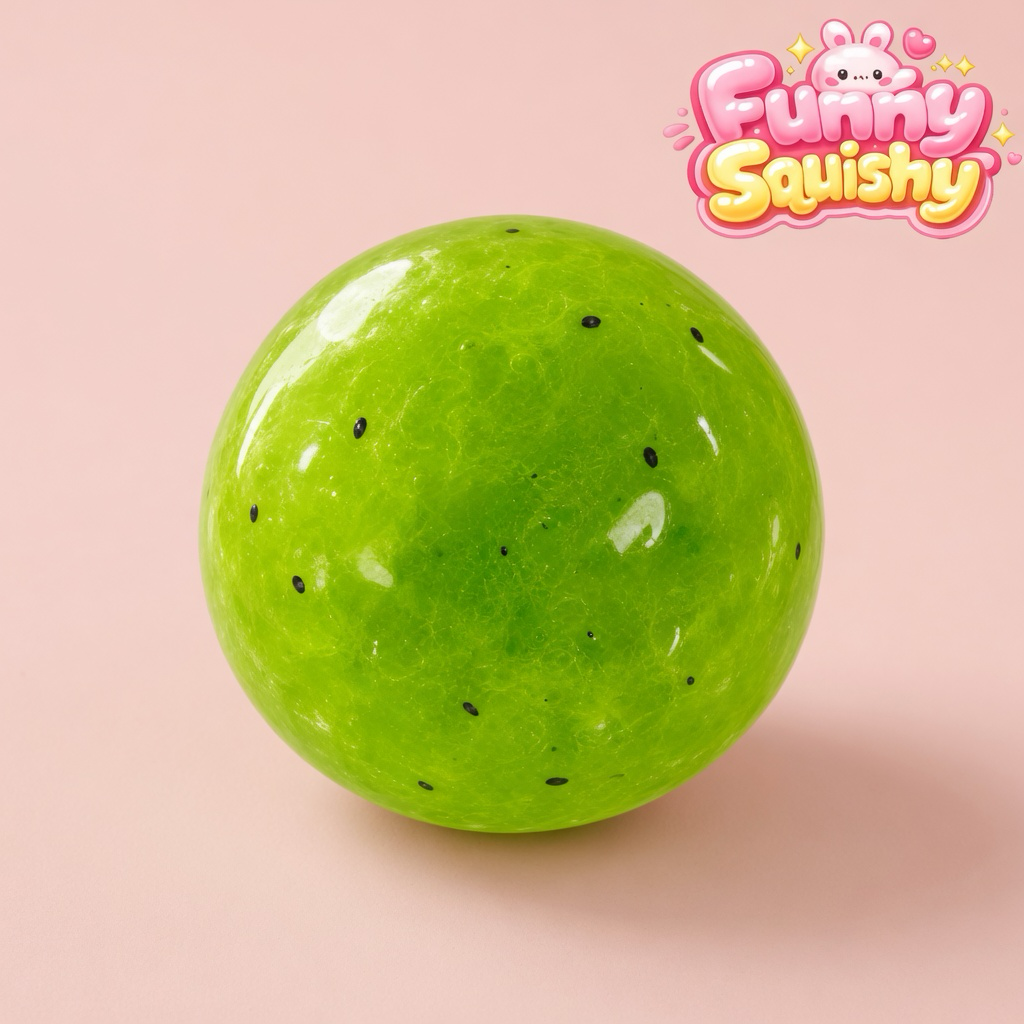 Kiwi Slushie Squishy Ball — Handmade Moldable Fruit Stress Ball
 A TABA squishy is a dumpling-shaped, slow-rising squishy with an almost liquid softness — press it flat and it slumps back into shape like warm dough. The name comes from a specific viral version of the classic dumpling squishy, and it blew up because the squeeze looks ridiculously satisfying on camera. Same family as other dumpling squishies, just denser and slower.
What Is a TABA Squishy, Exactly?
Picture a steamed bun the size of your palm: matte skin, a pinched little topknot, usually a tiny printed face. Now make it absurdly soft. That’s the template.
The TABA name got attached to one hyper-soft take on the dumpling squishy — a dense, slow-rising foam with a slightly tacky, mochi-like skin that holds a thumbprint for a beat before it fades. Press one flat and it doesn’t spring back; it swells back, like dough proofing in fast-forward. Slow, even, weirdly hypnotic.
Many versions sell in blind-box packaging, so the face and color stay a surprise until you tear the wrapper. That collectible twist is half the reason the trend snowballed — our mystery boxes exist for people who decided the gamble is the best part.
One thing a TABA-style toy is not: food. These look like dessert and are firmly inedible, and like all squishies they’re toys for ages 3 and up.
Why the Search Bar Exploded
The dumpling squishy has been around for years. What changed was the camera. This style of squish is built for short video: fold it in half, pin it under two fingers, let go, and watch a fifteen-second rise in total silence. The loop is soothing, the sound is nothing, and the comments fill up with people asking where to buy one.
From there the momentum fed itself. Creators compared rise times, ranked faces, and cut a few open (a tragedy, honestly). The name spread by ear faster than by text, which is why so many people arrive here after typing tamba squishy into a search bar. Same toy, bonus letter.
If you enjoy the trend-anatomy side of this, we ran the same autopsy on the butter craze in why butter squishies went viral.
TABA vs the Classic Dumpling Feel
They’re cousins, not twins. Here’s the honest side-by-side:
| Trait | TABA-style dumpling | Classic dumpling |
|---|---|---|
| Rise speed | Very slow, creeping | Slow to medium |
| Density | Heavy, dough-like | Lighter, airier foam |
| Surface | Slightly tacky mochi skin | Smooth, dry matte |
| Squeeze sound | Near silent | Near silent |
| Best at | ASMR centerpiece | Everyday desk fidget |
A classic bao like our Azure Dumpling Squishy gives you the same shape with a friendlier, lighter compression — better for rapid-fire fidgeting because you’re not waiting out a long rise between squeezes. TABA-style leans denser and slower: a two-hand, sink-your-thumbs-in experience. Neither wins outright. They’re different snacks for your hands.
How to Pick a Good One
Quality inside this trend swings from wonderful to regrettable, so check a few things before you commit:
- Rise behavior. If a listing shows the rise on video, look for a smooth, even return with no dead spots. Lopsided swelling usually means uneven foam.
- Skin feel. You want soft and faintly tacky, not greasy. Anything that leaves residue on your fingers is a bad sign.
- Smell. A light sweet scent is normal for many versions; a sharp chemical sting is not. Our guide to spotting a fake or sketchy squishy walks through the red flags.
- Seams. Check where the topknot meets the body — cheap ones split there first, usually mid-squeeze.
- Blind box vs known design. If a duplicate pull would genuinely annoy you, buy a specific face instead of gambling.
Want the dumpling texture with zero mystery? The Unicorn Bun Squishy with Ears has that maltose-dough density and you can see exactly which face you’re getting.
Where to Start if You Just Want the Squish
Skip the resale chaos. Our dumpling squishy collection covers the bao shapes and slow rises without scalper math, and the Unicorn Bun blind-box version scratches the surprise itch if that’s what pulled you into this trend to begin with.
Two practical notes while you’re here: US orders over $30 ship free, and everything is covered by our 30-Day Squishfaction Guarantee. If the squish disappoints your thumbs, we make it right.
FAQ
Is a TABA squishy just a dumpling squishy? Same family, different branch. TABA refers to a viral style known for extreme softness and a very slow rise, while dumpling squishy is the broader bao-shaped category. Every TABA-style toy is a dumpling squishy; not every dumpling squishy has that dense mochi-skin feel.
Why do some people spell it tamba squishy? The name traveled through videos faster than through text, so phonetic spellings stuck. Tamba, taba — both searches end up at the same doughy toy.
What is a TABA squishy made of? Like most slow-rising squishies, these are typically a soft polyurethane-type foam with a coated outer skin. Food-shaped, never food — keep them away from anyone who bites first and asks questions later.
Are they okay for kids? They’re toys rated for ages 3 and up. For younger kids, skip squishies entirely and stick to toys graded for that age — soft foam and tiny teeth are a bad pairing.