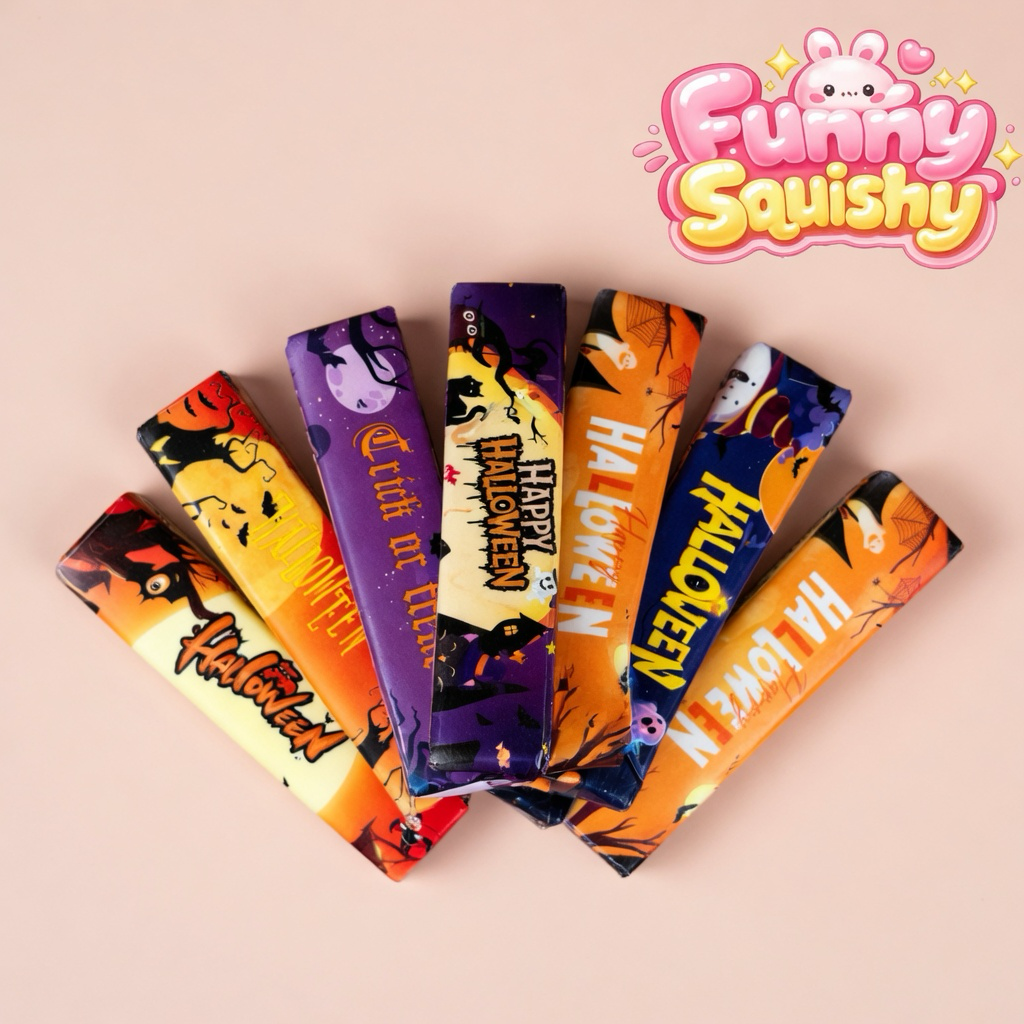
 Halloween Butter Squishy Assorted Set — Bulk Multi-Color Slow-Rising Fidget Toys
 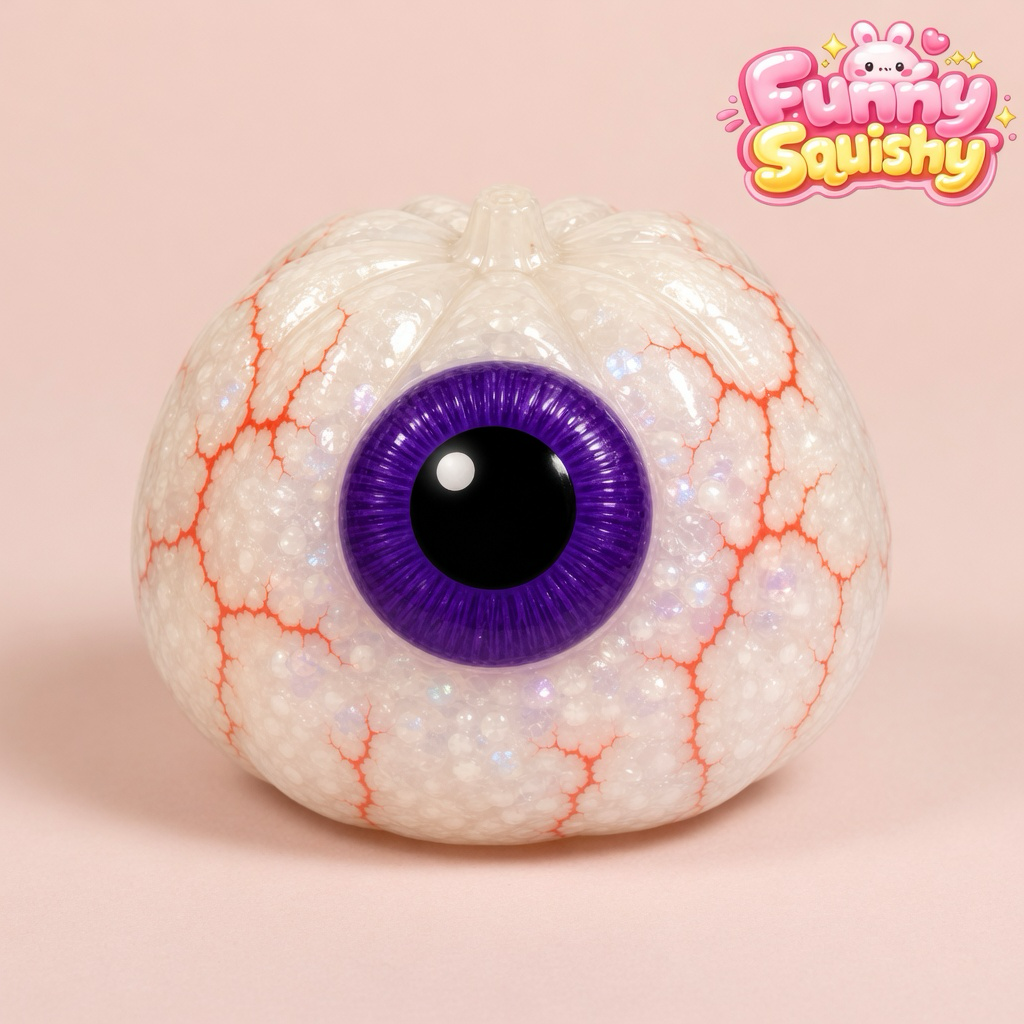 Eye Squeeze Toy — Bloodshot Eyeball Squishy Stress Relief
 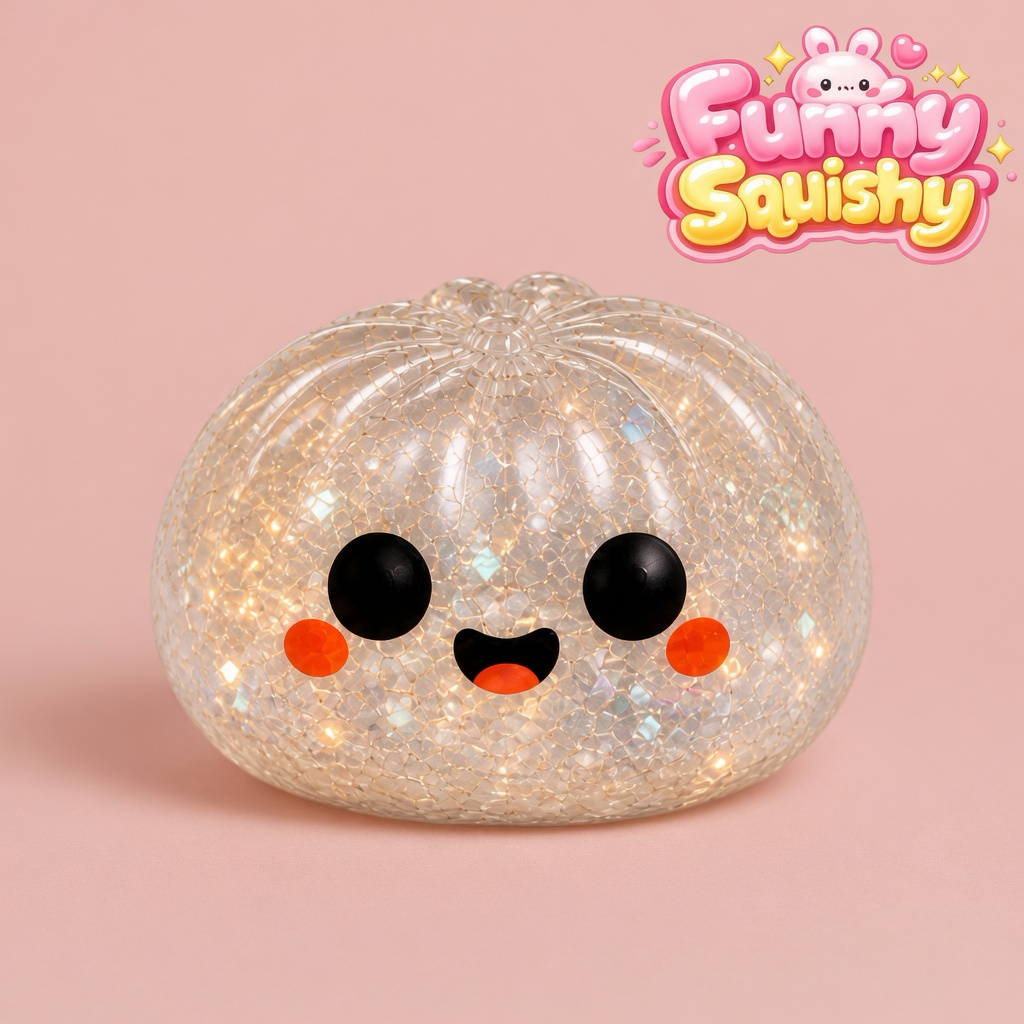 Ghost Squishy – Glitter Slow Rising Halloween Sensory Toy
 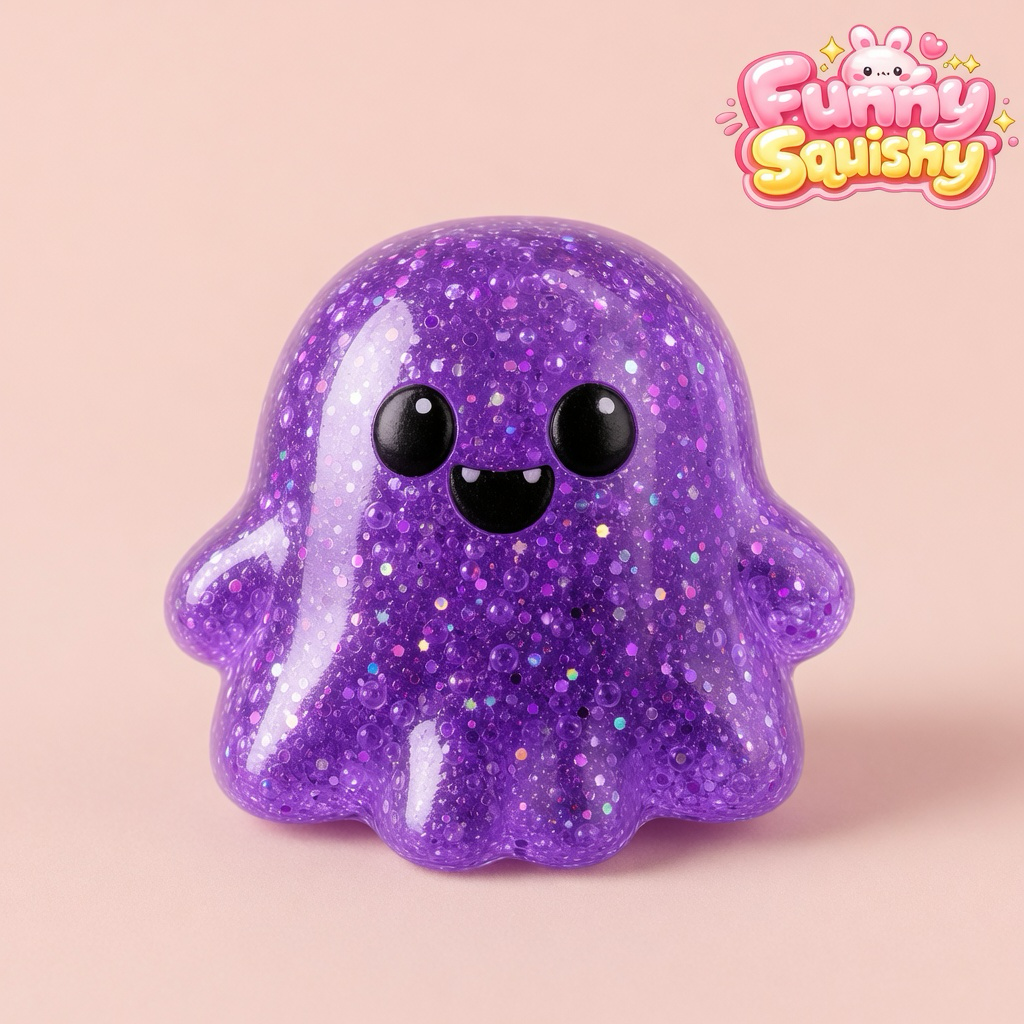 Ghost Squishy Purple Glitter Slow Rising Kawaii Stress Toy
 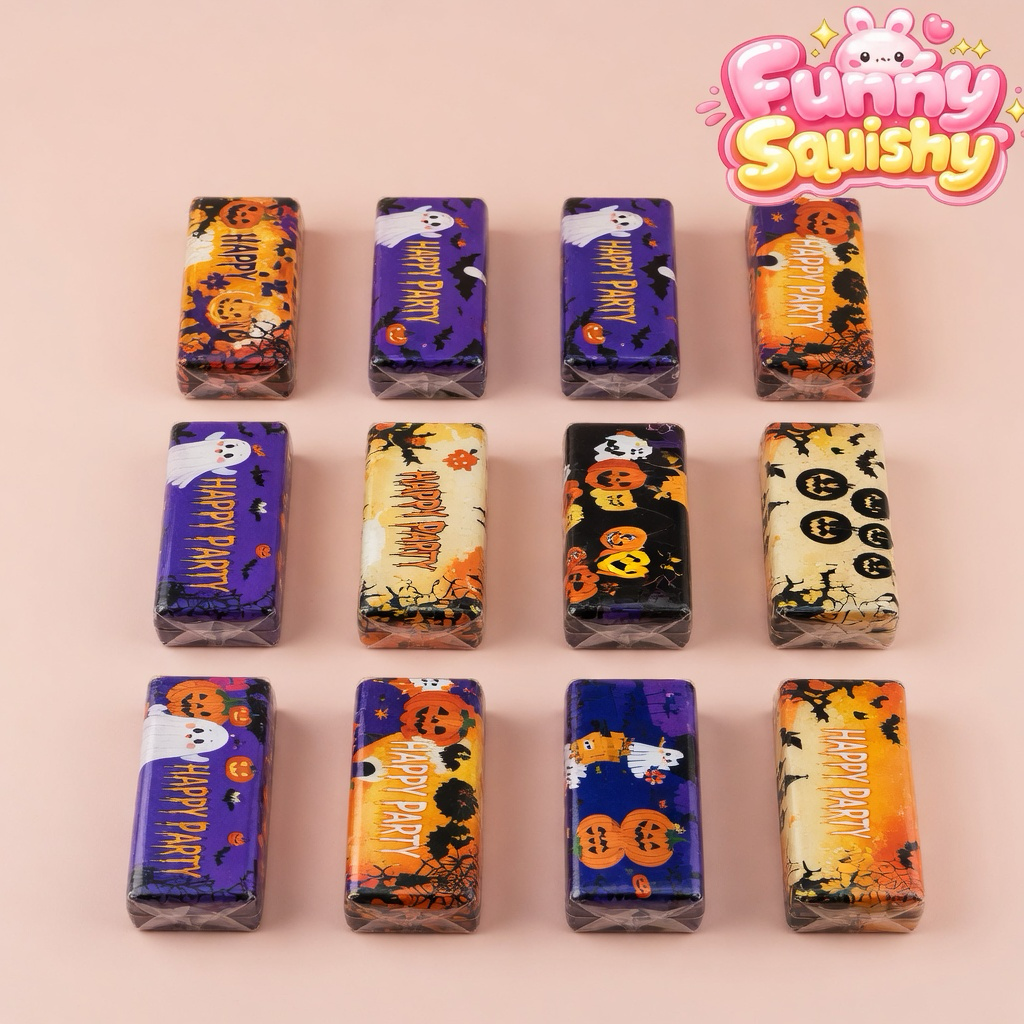 Halloween Butter Squishy 12-Pack Display Box — Assorted Slow-Rising Party Favors
 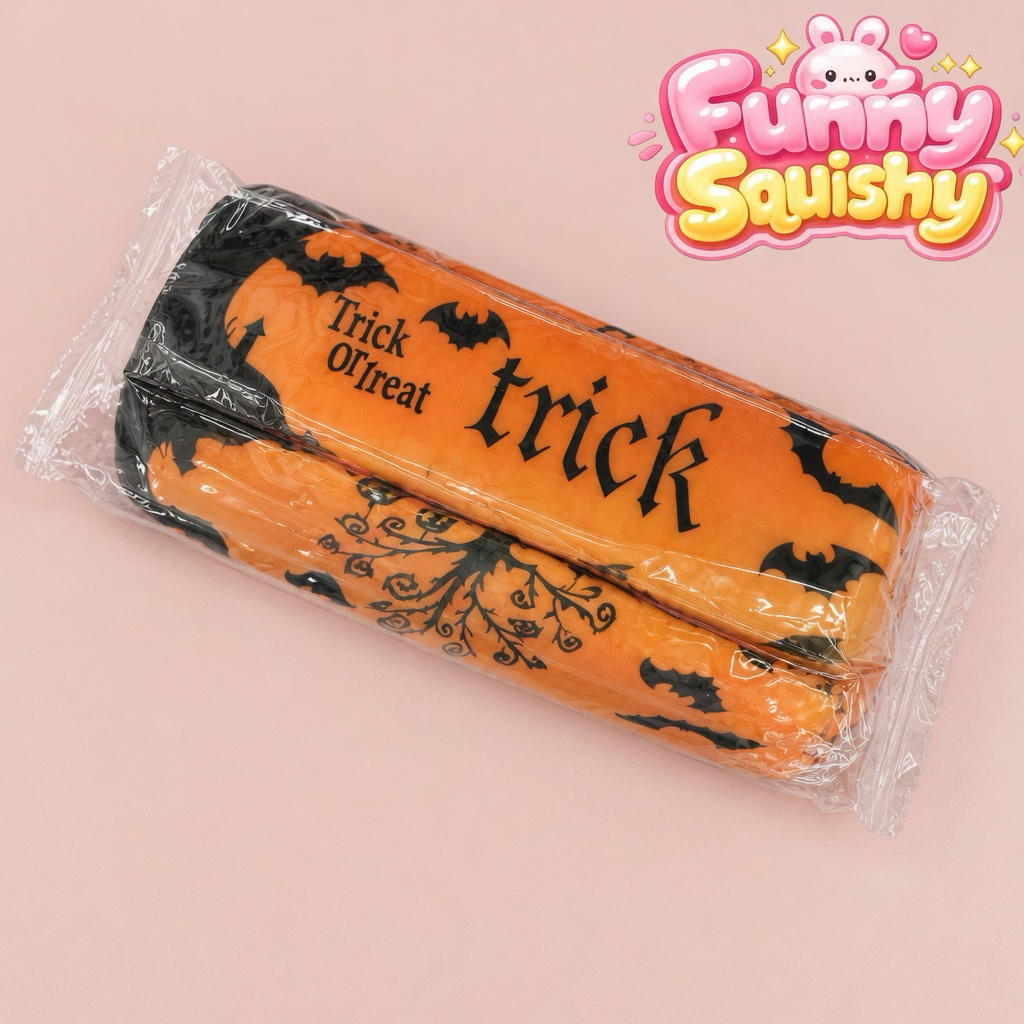 Halloween Butter Squishy — Orange Trick-or-Treat Slow-Rising Stress Toy
 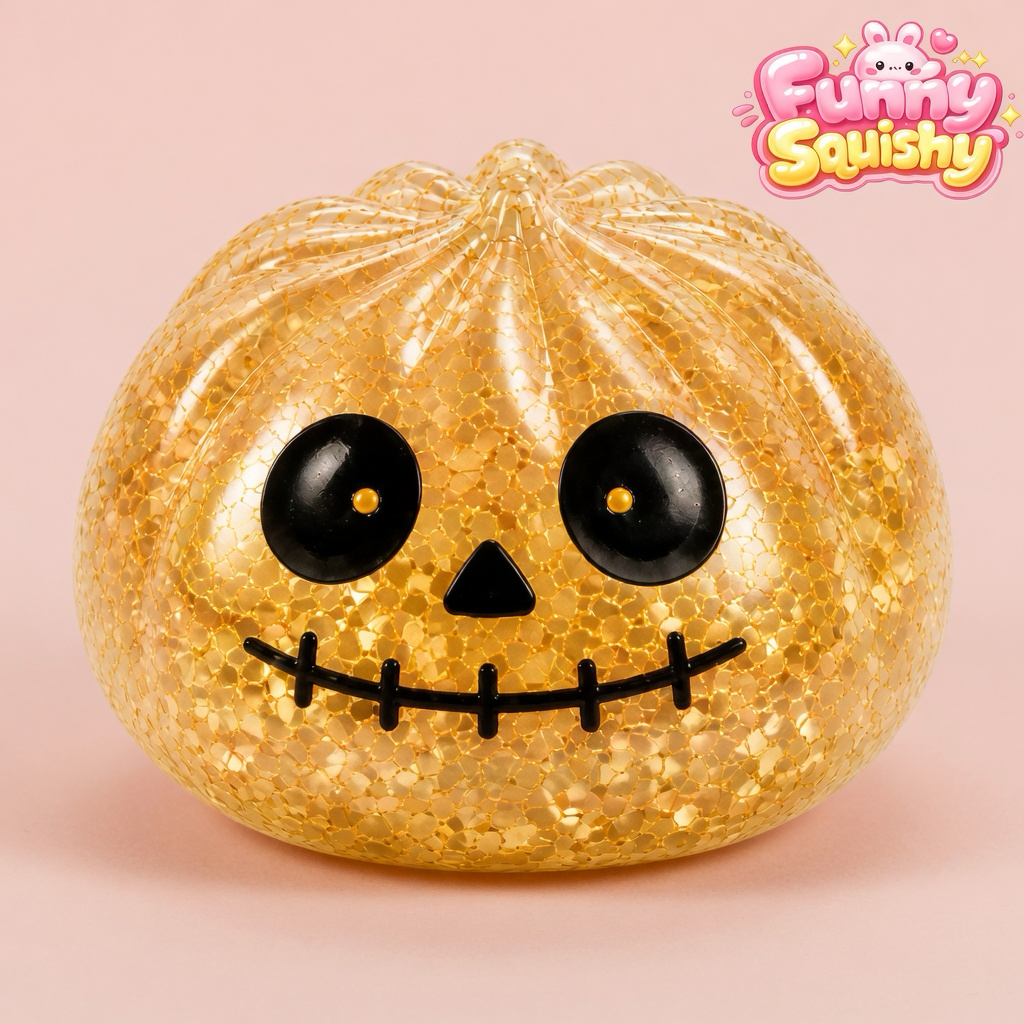 Halloween Skull Squishy — Glitter Slow Rising Stress Toy
 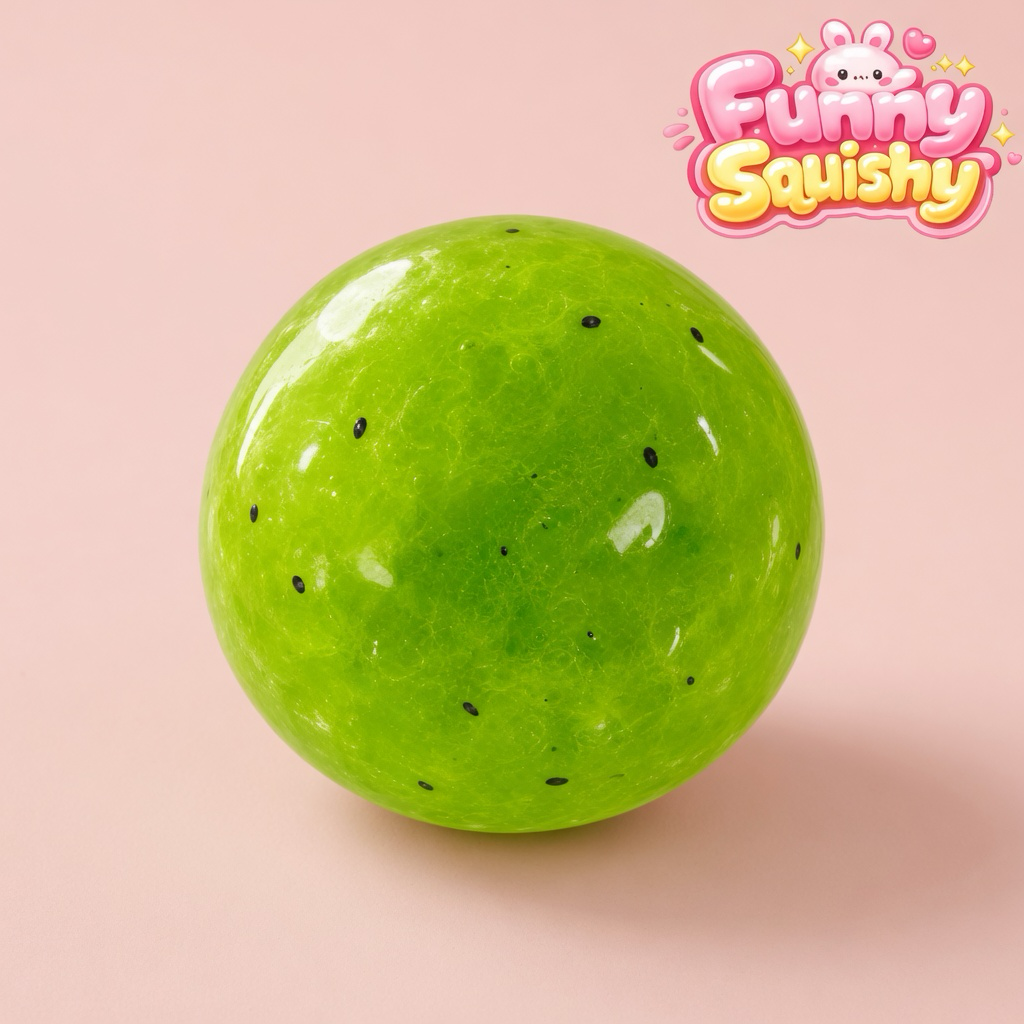 Kiwi Slushie Squishy Ball — Handmade Moldable Fruit Stress Ball
 Last updated: July 2026 · Funny Squishy team
There is no single winner between squishies, mochi squishies, and NeeDoh-style stress balls — the best sensory toy depends on the feel you want, how much noise you can tolerate, and where you plan to fidget. In short: classic squishies offer the widest range of shapes and textures (from slow-rising foam to zero-bounce gel), mochi squishies are tiny, bouncy, pocket-sized minis that are cheap and collectible, and NeeDoh-style toys are palm-sized gel or dough balls built for quiet, repetitive squeezing. Below we compare them fairly on feel, size, price, durability, noise, and best use so you can pick with confidence.
Quick definitions: how these three families differ
All three are squeeze toys, and the categories overlap, so it helps to define each one clearly before comparing.
Classic squishies
"Squishy" is the broad umbrella term for a soft, hand-sized squeeze toy. The two most common types are slow-rising PU foam (you press a dent and it springs back over roughly 5–10 seconds) and TPR gel-filled designs that are zero bounce-back — they hold the dent and settle slowly. Squishies come as fake food, cubes, animals, and hundreds of other shapes, in sizes from mini charms to jumbo. If you want the full landscape, our squishy buyer's guide breaks down every type.
Mochi squishies
Mochi squishies are a style of squishy: small, semi-translucent, rounded animal or food minis (named after the Japanese rice cake). They are usually one to two inches, springy, and sold in big multipacks. Think of them as the bite-sized, high-quantity end of the squishy family rather than a separate technology.
NeeDoh-style gel and dough balls
"NeeDoh" is a popular brand of squeeze ball, and "NeeDoh-style" has become shorthand for palm-sized balls filled with a soft gel, dough, or bead core. They are round rather than shaped, designed to be squished, rolled, and molded repeatedly. Their appeal is tactile and repetitive, not visual variety.
Side-by-side comparison
Here is how the three families stack up across the qualities that matter most when choosing a fidget or sensory toy.
| Feature | Classic squishies | Mochi squishies | NeeDoh-style balls |
|---|---|---|---|
| Typical size | Mini to jumbo (very wide range) | Small, ~1–2 inches | Palm-sized, ~2.5–3 inches |
| Feel | Slow-rising foam or zero-bounce gel; textures vary widely | Springy, light, quick rebound | Squishy, moldable, slow to reshape |
| Shape variety | Huge — food, animals, cubes, novelty | Moderate — mostly cute animals/foods | Low — mostly round balls |
| Price range | Budget to mid, single or multipack | Very budget-friendly, sold in bulk | Mid, usually sold singly |
| Durability | Varies; quality gel and foam last well | Lower — minis tear more easily | Generally sturdy, thicker skin |
| Noise | Silent to soft (some gel/crackle types) | Nearly silent | Nearly silent |
| Best use | Desk fidgeting, collecting, gifting, sensory play | Party favors, class prizes, quick grabs | Focused, repetitive stress squeezing |
Feel, durability, and noise in more detail
The biggest practical difference is feel. Mochi minis are light and springy — fun for a quick squeeze but they don't give much resistance. NeeDoh-style balls have a satisfying, slow-to-reshape resistance that many people find calming or grounding during focus work. Classic squishies span the whole spectrum: a slow-rising foam cheese block feels airy and springs back, while a zero-bounce gel toy holds the dent for a slow, mesmerizing reset. If that difference matters to you, our guide to zero-bounce vs slow-rising squishies explains which sensation suits which person.
On durability, tiny mochi squishies have the thinnest skins and are the easiest to nick or tear, especially with fingernails — which is one reason they're sold in packs. NeeDoh-style balls tend to have a thicker outer skin. Quality gel-filled squishies, like a Gummy Bear gel squishy, hold up well to repeated squeezing as long as you don't puncture the sealed skin.
On noise, all three are quiet, making them good for class or the office — though a few gel and "crackle" squishy styles make a soft crunch. If silence is the priority, see our picks for quiet fidget squishies for the classroom and office.
How to choose the right one for you
Match the toy to how and where you'll use it:
- Want variety, novelty, or a collectible? Classic squishies win by a landslide — the range of shapes, sizes, and textures is unmatched, from fake food to blind-box surprises.
- Buying in bulk for a party, classroom, or goody bags? Mochi squishies are cheap, cute, and come in big packs, so a small budget goes a long way.
- Want a single go-to toy for focused, repetitive squeezing? A NeeDoh-style gel or dough ball is purpose-built for exactly that.
- Want a slow, mesmerizing "hold the dent" sensation? Choose a zero-bounce gel squishy over springy foam or bouncy minis.
- Love a surprise? A dumpling squishy blind box combines the squishy feel with the fun of not knowing which design (or rare glitter variant) you'll get.
For most people who fidget at a desk, want a range of textures, and enjoy collecting, classic squishies offer the best all-round value and the most fun over time. NeeDoh-style balls are the specialist choice for pure repetitive squeezing, and mochi squishies are the budget bulk-buy for events.
Safety basics for all three
Whichever you choose, the same simple rules apply. Squishies and squeeze toys are recommended for ages 6 and up because small or detachable parts can be a choking hazard, and young children should be supervised. Never microwave, heat, or freeze a squishy to change its feel — it can degrade or split the material. Reputable squishies are non-toxic and phthalate-free; a strong, lasting chemical smell is a red flag, so air out a new toy and stop using anything that smells persistently harsh. To keep foam squishies fresh, wipe them rather than soaking; sealed gel toys can be gently rinsed.
Frequently asked questions
Is a mochi squishy the same as a regular squishy?
A mochi squishy is a type of squishy — specifically the small, rounded, semi-translucent animal and food minis named after the rice cake. It sits inside the broader squishy family alongside larger foam and gel designs. So all mochi squishies are squishies, but most squishies are not mochi. Mochi versions are simply the tiny, springy, bulk-sold end of the range.
Are NeeDoh-style balls better than squishies for stress relief?
Neither is universally better; it comes down to feel. NeeDoh-style gel or dough balls give a firm, slow-to-reshape resistance that many people find calming or grounding for repetitive squeezing. Squishies offer more variety and textures, including zero-bounce gel that holds a dent. Try both feels and keep the one your hands prefer — personal preference matters more than the category.
Which type is most durable?
NeeDoh-style balls and quality gel-filled squishies tend to be the most durable, thanks to thicker or sealed skins that resist tearing. Tiny mochi squishies are the most fragile and nick easily with fingernails, which is why they're usually sold in multipacks. With any sealed gel toy, avoid puncturing the skin and it should last through heavy, repeated use.
Which is best for young kids?
All three are recommended for ages 6 and up because of small parts, and any child should be supervised while playing. For younger fidgeters, a larger, sturdier squishy or a thick NeeDoh-style ball is harder to tear or bite pieces off than a tiny mochi mini. Whatever you pick, check for a non-toxic, phthalate-free label and avoid anything with a strong chemical smell.
Find your favorite feel
The fairest verdict is that classic squishies offer the widest range and the most fun for most people, while NeeDoh-style balls and mochi minis each own a niche. The best way to decide is to feel a few for yourself. Browse our full range of squishy stress toys, try a surprise dumpling blind box, or start with a satisfying zero-bounce Gummy Bear gel squishy — check the current price on each product page.