



Last updated: July 2026 · Funny Squishy team
The quietest fidget squishies for a classroom or office are slow-rising PU foam squishies — like Butter, Dumpling, and Cheese styles. They are silent to squeeze, make no clicky or beady noise, and spring back slowly, so a hand can rest on one during a lesson or meeting without a single sound. If a room needs to stay near-silent, foam beats gel-bead "crunch" squishies every time.
Below we explain why foam is so quiet, list the best discreet picks, and cover how to buy enough for a whole class without breaking the budget. Many people find that a quiet fidget helps them stay focused and settle their hands, and the key to keeping it teacher- and coworker-friendly is choosing one that no one else can hear.
Quiet vs. noisy squishies: what actually makes the sound
Not all squishies are silent, and the difference comes down to what's inside them.
- Slow-rising PU foam (quiet): A soft polyurethane foam that compresses under your hand and slowly re-inflates over a few seconds. There are no beads, no air pockets, and no hard shell — so squeezing it makes essentially no sound. This is the material you want for a classroom, library, meeting room, or shared office.
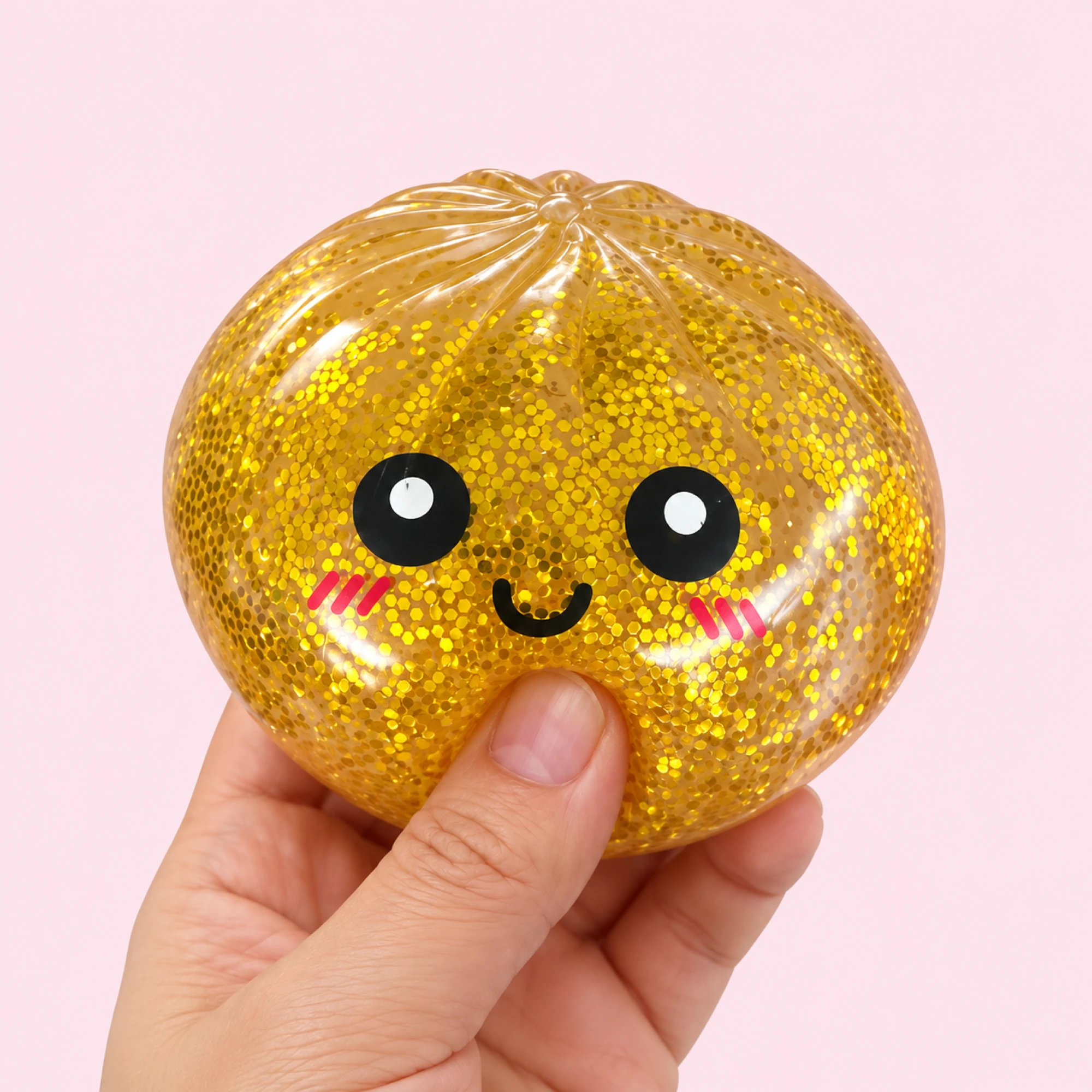
- Gel-bead / "crunch" squishies (soft noise): These are filled with tiny gel beads inside a stretchy skin. They feel amazing and make a gentle crunching or squelching sound as the beads shift. That soft noise is part of the appeal at home, but it carries in a silent room and can distract people nearby.
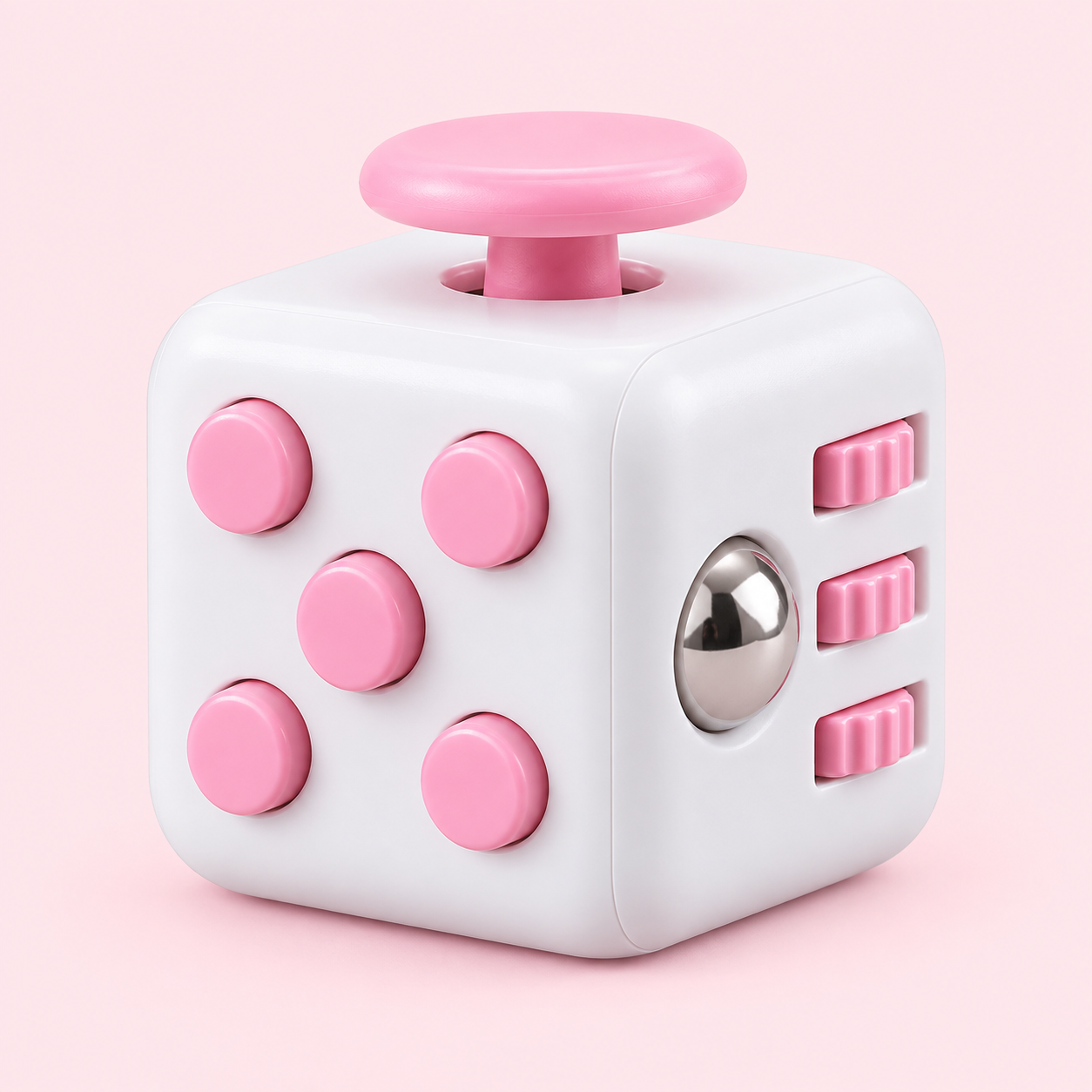
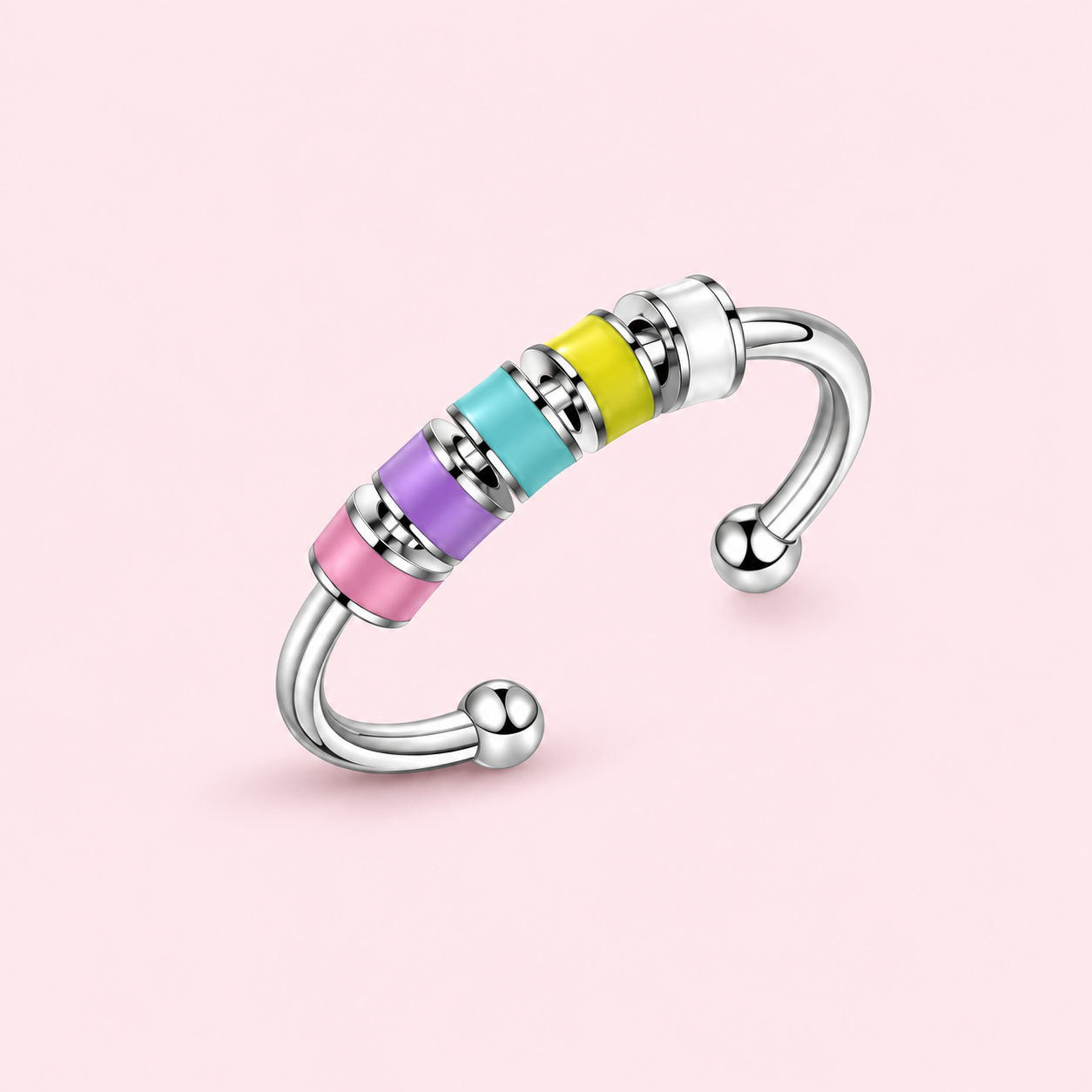
- Clicky and beaded fidgets (loud): Not squishies at all, but worth flagging — snap buttons, clicker cubes, and beaded rings are the usual culprits teachers ask students to put away. Foam squishies avoid this problem entirely.
Foam is also light and pocketable, so it disappears into a pencil case, backpack pouch, or desk drawer. If you want a deeper breakdown of how these materials feel and behave, our guide to zero bounce-back vs. slow-rising squishies walks through the differences hands-on.
Best silent squishy picks for class and work
Each of these is a slow-rising foam style — near-silent to squeeze and durable enough for daily handling.
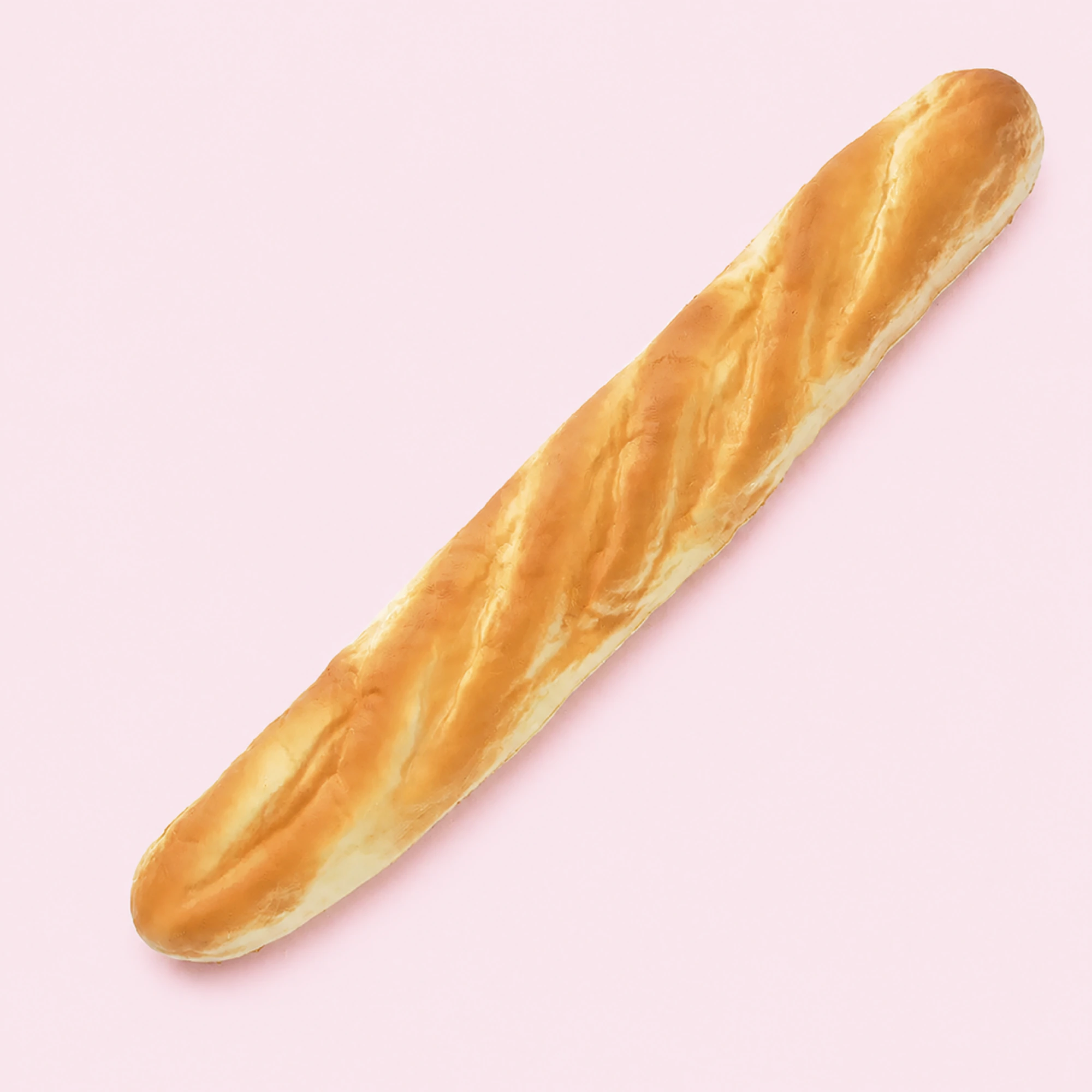
1. Butter squishy
A classic slow-rising stick shape that's easy to hold discreetly under a desk. The dense foam compresses smoothly and rises back with zero noise, making it one of the most office-appropriate options. Browse the Butter squishy collection for the current styles.
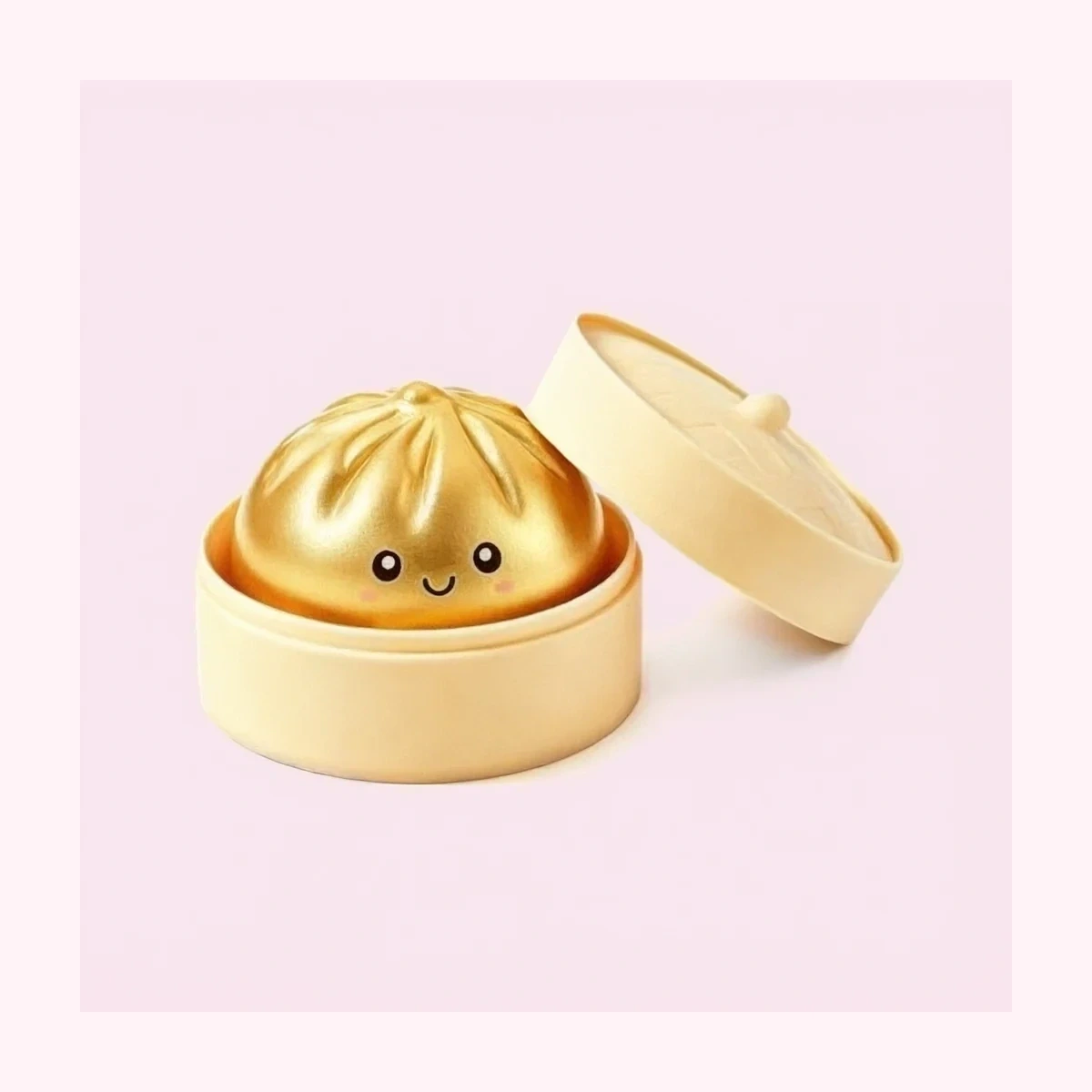
2. Dumpling squishy
Small, rounded, and pocket-sized — the Dumpling shape fits fully inside a closed hand, so it stays out of sight during a lesson or call. It's a strong choice for anyone who wants something to fidget with quietly and privately. See the Dumpling squishy collection.
3. Cheese squishy
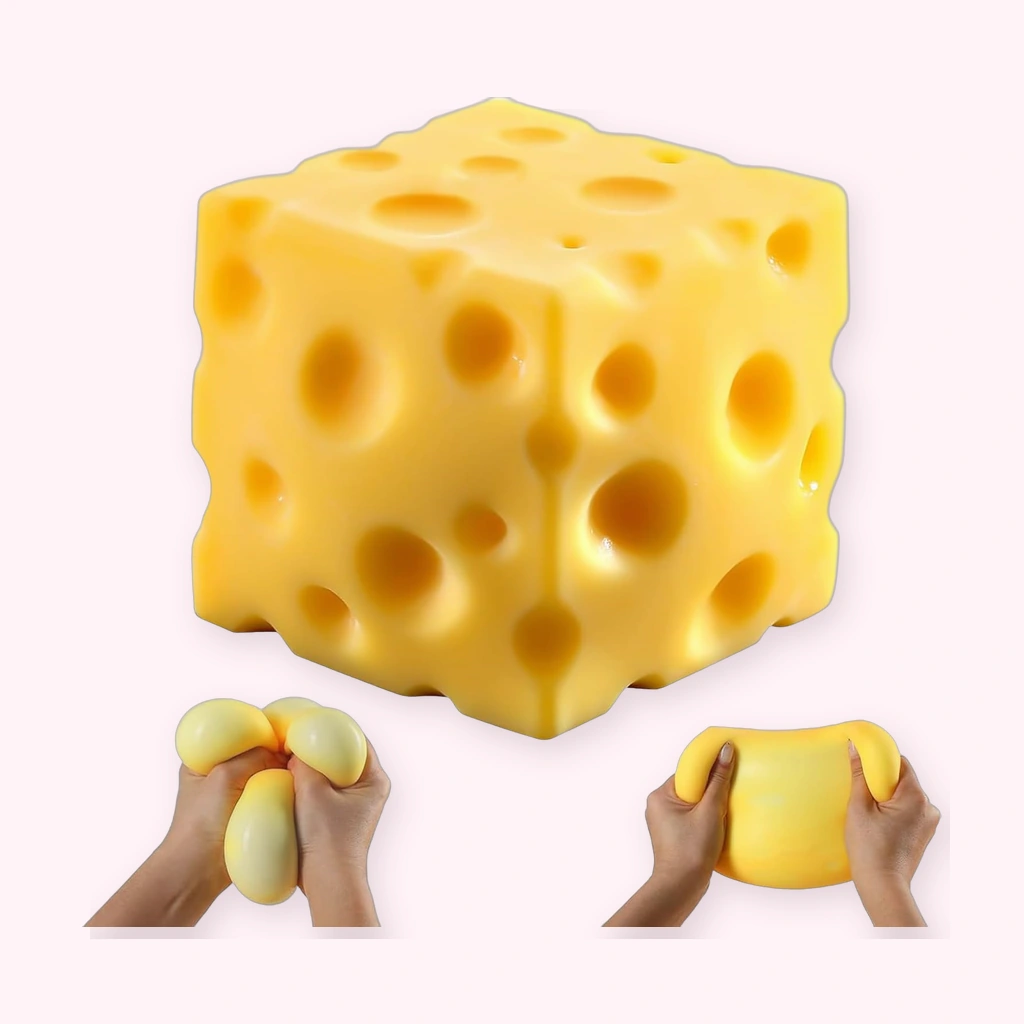
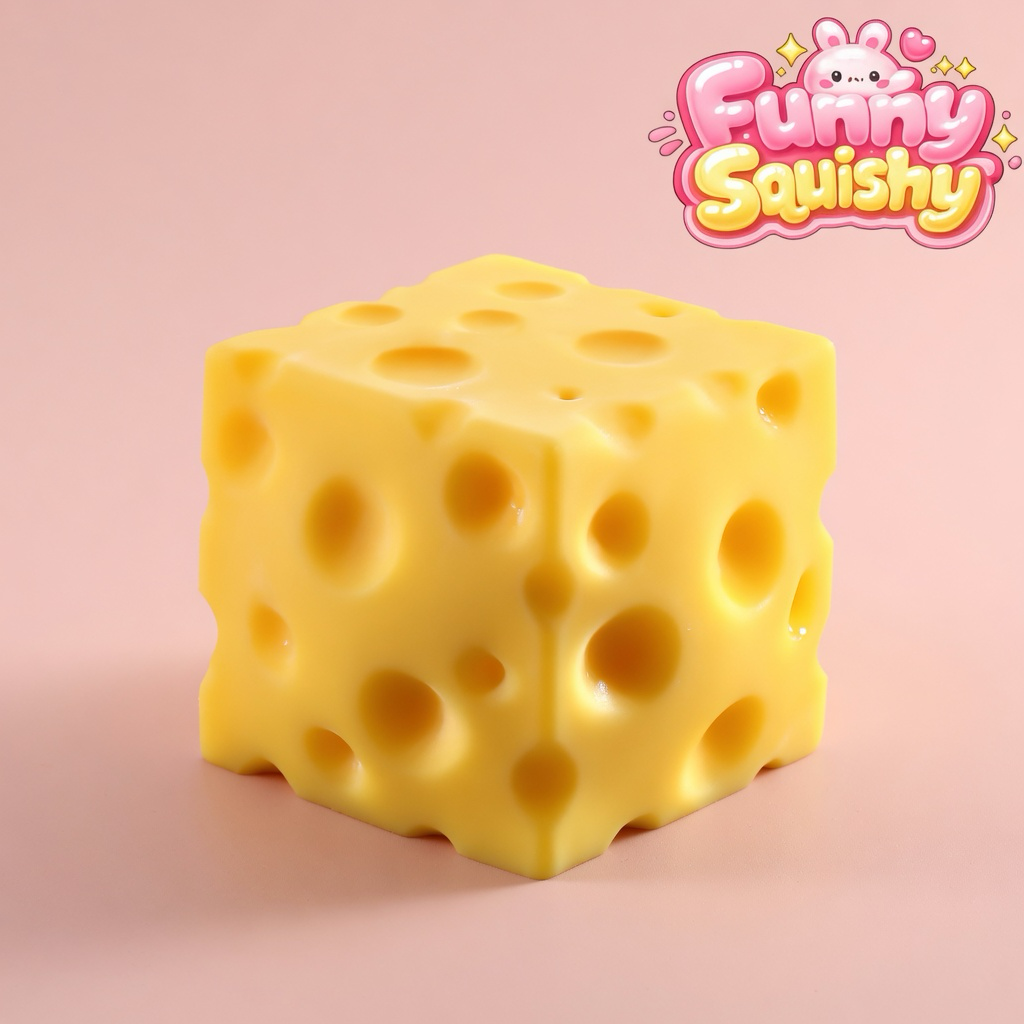
The realistic Swiss cheese block squishy has a satisfying give and slow rise. The block shape gives your fingers plenty to press into, and because it's solid foam, it stays silent even when you squeeze hard. A fun, low-key desk companion.
4. Mini foam shapes for the pocket
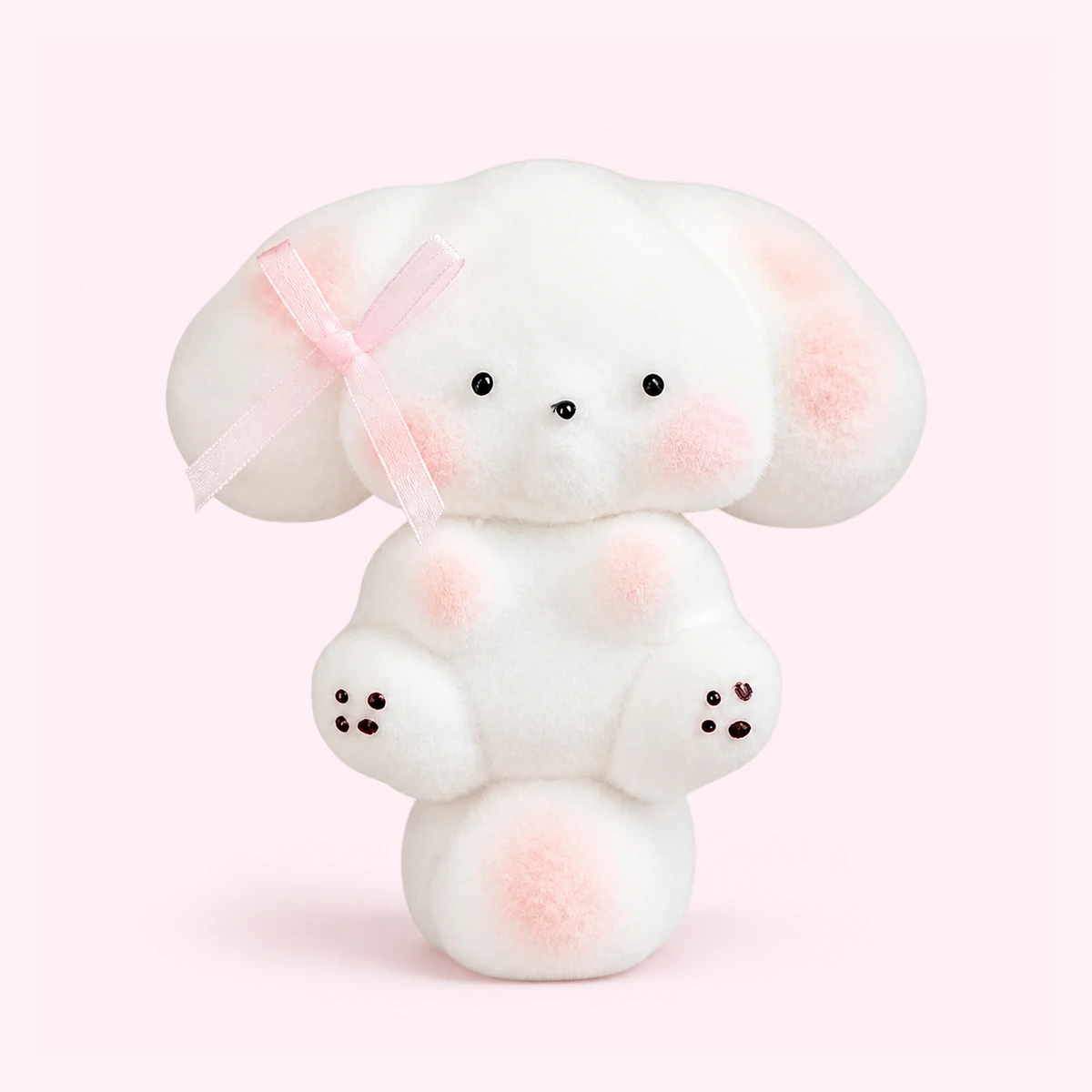
Smaller foam squishies — mini foods, animals, and novelty shapes — are ideal when discretion matters most. Tuck one in a uniform pocket or laptop sleeve and it's ready without anyone noticing. Explore the full squishies collection to find the shapes your class or team will like.
5. A slow-rising "starter" for the undecided
If you're not sure which shape suits you, start with any solid-foam slow-rising style rather than a bead-filled one. The rule of thumb: if it re-inflates slowly and has no visible beads, it will be quiet. Prioritize foam density and a size that hides in a closed hand.
Buying for a whole classroom
Kitting out a full class is where quiet foam squishies really shine — they're inexpensive per unit, hard to break, and don't need charging or refilling. A few practical tips:
- Buy in multi-packs. Multi-packs and assorted lots bring the per-piece cost down and give you a shared "fidget bin" of options so students can pick a shape that works for them.
- Choose a mystery box for variety. A Dumpling squishy mystery box (around $13) is an easy, budget-friendly way to get a spread of colors and styles in one order — good for a reward drawer or a calm-corner basket. Prices change, so check the current price on the product page.
- Stick to foam for the classroom set. Save the gel-bead crunch squishies for take-home rewards, and keep the daily desk supply all slow-rising foam so the room stays quiet.
- Plan for wear. Foam squishies are durable, but shared items get handled constantly. Order a few extras so a torn or lost one can be swapped without fuss.
Simple classroom fidget rules that work
- Silent means silent. Only slow-rising foam at desks during quiet work — no clicky or beaded fidgets.
- Stays below the desk, eyes stay up. A fidget is a hand tool, not a toy to watch or show off.
- One per person, back in the bin when done. Keeps handling clean and stops trading mid-lesson.
- If it becomes a distraction, it takes a break. A clear, calm reset keeps everyone on the same page.
Frequently asked questions
What is the quietest fidget squishy for class or work?
A slow-rising PU foam squishy — such as a Butter, Dumpling, or Cheese style — is the quietest. Solid foam has no beads or air pockets to make noise, so squeezing it is essentially silent. Choose a shape small enough to hide in a closed hand for maximum discretion.
Are gel-bead squishies too loud for a classroom?
Gel-bead "crunch" squishies make a soft squelching sound as the beads shift inside. It's gentle and satisfying at home, but it carries in a quiet room and can distract nearby people. For classrooms, offices, and libraries, solid slow-rising foam is the better, silent choice.
Are quiet squishies durable enough for daily use?
Yes. Slow-rising foam squishies hold up well to constant squeezing and are a practical pick for daily handling. They don't leak, need charging, or have parts that snap. For shared classroom sets, order a few extras so a worn or lost one can be replaced easily.
What age are quiet squishies suitable for?
Foam squishies are generally suited to ages 6 and up. Younger children should be supervised, since small foam pieces are not meant to be chewed or swallowed. Keep them for hand-fidgeting only, and put damaged ones aside so no loose bits come off.
How many should I buy for a classroom?
Aim for at least one per student plus a handful of spares for wear and loss. Multi-packs and mystery boxes are the most economical way to build a shared fidget bin with varied shapes, so each student can pick the one that helps them focus.
Keep the room quiet, keep hands busy
For a classroom, office, or meeting, the answer is simple: choose slow-rising foam over gel-bead crunch, pick a size that hides in a closed hand, and buy in multi-packs so everyone has one. Browse the full squishies collection to build your quiet set, and if you'd like more background on materials, sizes, and safety before you buy, our squishy toy buyer's guide covers it all.