How to Make a Slow Rising Squishy: Homemade Recipes vs Factory Rebound
Crafting sensory toys has become a popular hands-on hobby for tactile enthusiasts, educators, and makers seeking calming tactile stimulation. While store-bought squishies provide immediate sensory feedback, discovering how to make a slow rising squishy using household supplies offers complete creative control over shape, texture, and visual design. However, many crafters encounter immediate frustrations during their first DIY attempts: kitchen sponges snap back instantaneously without delay, standard acrylic paints crack upon the first gentle pinch, and makeshift doughs turn gummy or brittle within hours.
Understanding the physics of cellular air restriction transforms an amateur sponge into an authentic slow-rising fidget toy. In this comprehensive guide, we examine the polymer science governing slow recovery, provide three tested recipes for making a homemade slow rising squishy at home, outline diagnostic troubleshooting matrices for common crafting failures, and benchmark your homemade crafts against five commercial FunnySquishy engineering architectures.
1. The Science of Slow Rise: Open-Cell Foam vs. Viscoelastic Dynamics
To understand how to make squishies slow rising, one must first demystify what creates the sluggish recovery sensation in viscoelastic polymers. The tactile sensation of slow rise is governed by two complementary physical mechanisms: internal polymer hysteresis and pneumatic airflow resistance.
Polymer Hysteresis and Glass Transition Temperature
Commercial slow-rising squishies utilize low-resilience polyurethane (PU) chemistry formulated so that its glass transition temperature sits close to ambient room temperature. When compressed, the polymer chains slide past one another and dissipate mechanical energy as microscopic frictional heat rather than storing it as potential elastic energy. Consequently, the material lacks the immediate spring-back force found in natural latex or high-rebound rubber.
Pneumatic Throttling Through Micro-Cellular Morphology
The second governing factor is airflow throttling. Viscoelastic foam consists of millions of microscopic interconnected cells. When you compress the foam, air is forced out through tiny open cell windows (reticulated pores). When released, the foam can only return to its original shape as fast as ambient air can re-enter these constricted microscopic channels.
When beginners ask how to make a squishy rise slower using everyday craft supplies, the mechanical answer lies in creating this pneumatic throttle:
- Core Density Selection: Standard open-cell kitchen cellulose sponges feature macro-pores (0.5 mm to 2.0 mm diameter) that allow instantaneous air exchange, resulting in a snap recovery under 0.2 seconds. In contrast, high-density memory foam (50D to 70D upholstery or mattress toppers) features dense micro-pores that naturally restrict air transit.
- Surface Membrane Barrier: Factory toys feature an integral micro-skin formed against the mold wall during reaction injection molding. In home crafting, crafters replicate this barrier by applying thin, flexible elastomer layers (such as dimensional fabric paint or polyurethane glaze) that seal 85% to 90% of outer cell windows, forcing air to slowly seep back through controlled microscopic perforations.
2. Three Tested DIY Slow Rising Squishy Methods
Achieving consistent tactile performance requires precise material measurement and systematic application. Below are three tested crafting recipes ranging from beginner sponge carving to advanced silicone casting.
Recipe 1: Carved Memory Foam with Elastic Paint Sealing (The Gold Standard)
This method produces the closest tactile analog to commercial polyurethane foam squishies.
Materials Required:
- High-density viscoelastic memory foam block (50D or higher density; scraps from mattress toppers or orthopedic pillows work best).
- Curved embroidery scissors and heavy-duty utility shear blades.
- High-elasticity dimensional fabric paint (puffy fabric paint; avoid rigid acrylic craft paint).
- Standard white PVA craft glue or cosmetic latex liquid.
- Fine-mesh makeup wedge sponges for dappled application.
- Pure cornstarch or cosmetic talc for surface de-tackifying.
Step-by-Step Procedure:
- Rough Dimension Blocking: Cut a square or rectangular blank of memory foam using a fresh utility knife. Ensure your workpiece is approximately 10% larger than your intended finished shape to allow for trimming.
- 3D Contour Carving: Use curved embroidery scissors to make tiny, millimeter-scale snips. Slowly round the edges and sculpt your target silhouette (e.g., fruit, bakery roll, or animal paw). Work in concentric passes rather than making large gouges.
- Pore-Sealing Primer Coat: In a small mixing cup, blend 3 parts flexible dimensional fabric paint with 1 part white PVA glue and a few drops of water. Using a cosmetic wedge sponge, gently stipple the primer across the entire foam surface. Crucial rule: Do not saturate the core. You want an ultra-thin surface film that seals outer pores while leaving the interior cell structure dry and airy.
- Controlled Cure Cycle: Allow the primer to dry naturally for 4 to 6 hours at room temperature. Avoid high-heat hair dryers, as forced thermal drying causes the paint film to skin over prematurely and bubble.
- Decorative Pigment Layer: Apply your colored fabric paint coats using fine stippling. Keep each colored layer micro-thin. If modeling bread crusts or fruit gradients, build depth through three translucent layers rather than one heavy opaque coat.
- Airflow Calibrated Micro-Venting: Once the decorative layers have cured for 24 hours, perform a test squeeze. If the squishy stays completely flattened and fails to reinflate after 15 seconds, use a clean sewing needle to create 2 to 3 microscopic vent pricks in an inconspicuous seam or bottom crease.
- Cornstarch Finishing Buff: Dust the cured surface with pure cornstarch using a soft makeup brush, then buff away the excess with a microfiber cloth. This eliminates surface tackiness and produces a soft, velvety hand-feel.
Recipe 2: Cast Two-Part Silicone & Starch Putty (Taba-Style Hybrid)
For crafters who prefer a squishy with a weightier, dough-like drag and superior tear resistance, cast silicone putty offers an excellent alternative to foam.
Materials Required:
- Platinum-cure liquid silicone rubber (Shore 00-20 or Shore 00-30 ultra-soft) or two-part translucent silicone caulk.
- Pure cornstarch (acts as a micro-structural filler and rheology modifier).
- Oil-based silicone pigment or mica powder (water-based acrylic paint will inhibit silicone curing).
- Release-coated silicone craft mold.
Step-by-Step Procedure:
- Ratio Preparation: Combine equal parts (1:1 by weight) of Part A and Part B liquid silicone.
- Starch Viscosity Modification: Fold in pure cornstarch gradually (approximately 25% of total silicone volume). The starch platelets disrupt rapid molecular rebound, introducing sluggish viscous recovery.
- Degassing and Pouring: Stir steadily for 2 minutes to minimize bubble entrapment, then pour into your mold in a thin stream from 30 cm height.
- Thermal Cure: Allow the silicone to cure undisturbed for 4 to 8 hours according to ambient humidity.
- Surface Mattification: Demold and immediately dust with cornstarch to seal surface oils and produce an ultra-soft skin.
Recipe 3: Double-Membrane Emulsion Fidget (Quick Balloon Hack)
When high-density slow rising squishy foam is unavailable, you can create a zero-rebound clay-feel fidget using membrane hydraulics.
Materials Required:
- High-grade 12-inch heavy-duty latex balloons (2 per fidget).
- Cornstarch and water slurry (Oobleck ratio: 2 parts starch to 1 part water) or slow-flow hair conditioner and flour paste.
- Funnel and smooth wooden dowel.
Step-by-Step Procedure:
- Primary Membrane Filling: Stretch the first balloon neck over the funnel and slowly pack 120 g of dense conditioner-flour putty into the bulb. Massage out all entrapped air bubbles.
- Hermetic Neck Knotting: Tie off the balloon neck tightly, trimming any excess tail within 3 mm of the knot.
- Secondary Reinforcement Sheath: Cut the neck off a second balloon and stretch it completely over the filled core, placing the knot of the inner balloon at the bottom of the outer balloon. This double-layer design prevents accidental seam bursts under rapid compression.
3. Diagnostic Troubleshooting: Paint Cracking, Rapid Rebound, and Surface Tack
DIY squishy crafting involves subtle chemical and physical balances. When problems arise, use this diagnostic matrix to identify and correct the root cause:
| Observed Crafting Failure | Underlying Physical Root Cause | Corrective Action |
|---|---|---|
| Instant snap-back (<0.5 sec) | Sponge core pores are too large or paint layer is too porous to restrict airflow. | Switch to 50D+ viscoelastic memory foam; apply an extra stippled layer of dimensional fabric paint primer to throttle air exchange. |
| Squishy stays permanently flat | Surface membrane is 100% airtight, preventing atmospheric pressure re-entry. | Use a fine sewing needle to pierce 2–3 micro-perforations along the bottom seam to restore balanced pneumatic recovery. |
| Surface paint cracking upon pinch | Standard acrylic paint was used instead of flexible dimensional elastomer; acrylic cures rigid and brittle. | Strip or peel cracked layers; recoat exclusively with high-elongation dimensional fabric paint blended with PVA glue. |
| Sticky, gummy surface texture | Uncured paint components or tacky silicone surface plasticizer migration. | Thoroughly buff surface with pure food-grade cornstarch or cosmetic talcum powder using a dry microfiber brush. |
| Foam tearing at seam corners | Rough shear cuts left angular notch-stress points that concentrate tearing forces. | Smooth sharp edges with curved cuticle scissors; apply PVA-reinforced elastomeric primer along perimeter seams. |
| Bubbled paint finish | Artificial heat gun or hair dryer caused top surface skinning while wet moisture was trapped below. | Allow all primer and decorative pigment coats to cure exclusively via ambient room-temperature drying (minimum 6 hours per coat). |
4. Commercial Material Benchmarks: Five Engineering Architectures
While homemade slow rising squishy techniques can produce charming, tactile sensory pieces, commercial manufacturing utilizes precision reaction injection molding (RIM) and sealed elastomer engineering that provide structural durability, consistent rebound timings, and hygienic wipe-clean surfaces.
Below, we benchmark DIY crafting performance against five FunnySquishy catalog products representing distinct polymer engineering architectures:
+----------------------------------------------------------------------------------------------------+
|                           SENSORY REBOUND SPECTRUM & MATERIAL ARCHITECTURES                        |
|                                                                                                    |
|  [0.2 sec] -----------> [3 sec] -------------> [5 sec] ------------> [10 sec] --------> [No Snap]   |
|   Kitchen               Golden Dumpling        Butter Stick          Kawaii Avocado     Fluid Spud |
|   Dish Sponge           Molded Bao Bun         Dense PU Bar          Micro-Skin Fruit   Gel Core   |
|   (Rapid Snap)          (FS-DUMPLING-Q003)     (FS-CZ2570)           (FS-AVOCADO-002)   (FS-CZ4678)|
+----------------------------------------------------------------------------------------------------+
1. Jumbo Scale Foam Architecture: Pineapple Squishy (FS-CZ5214)
One large 600 g pineapple squishy, 20 cm high × 16 cm wide, with soft slow-rising foam, a bright yellow raised rind serves as the definitive benchmark for large-format viscoelastic foam engineering. In DIY crafting, creating objects larger than 15 cm using stacked memory foam blocks frequently results in delamination along glue seams. In contrast, this jumbo commercial model utilizes monolithic cast polyurethane foam where the cell structure remains uniform throughout all 600 grams of material. Squeezing this fruit toy requires full two-handed engagement, and its 4-to-6 second recovery time demonstrates consistent pneumatic damping across a massive volume.
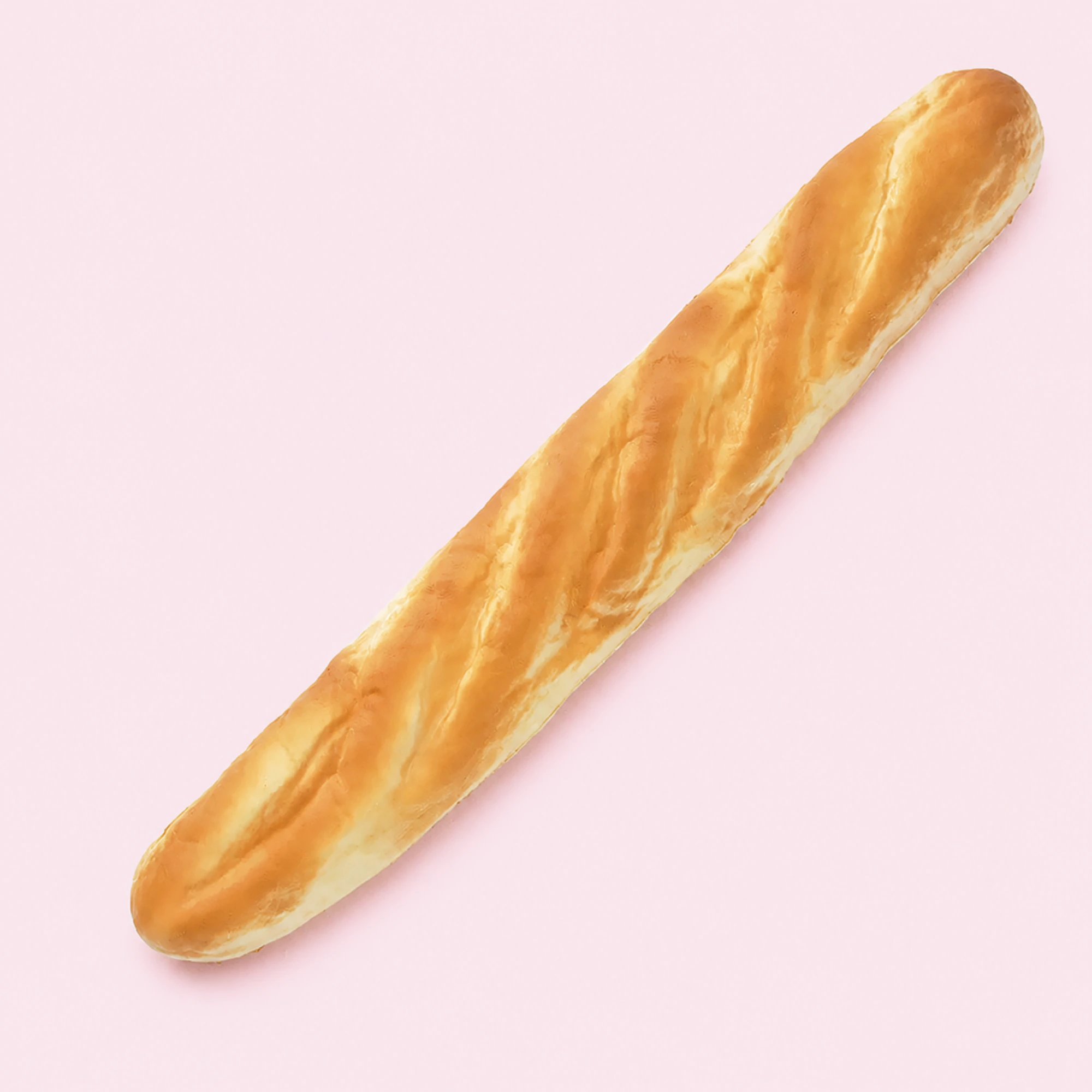
2. High-Density Form-Factor Architecture: Butter Squishy (FS-CZ2570)
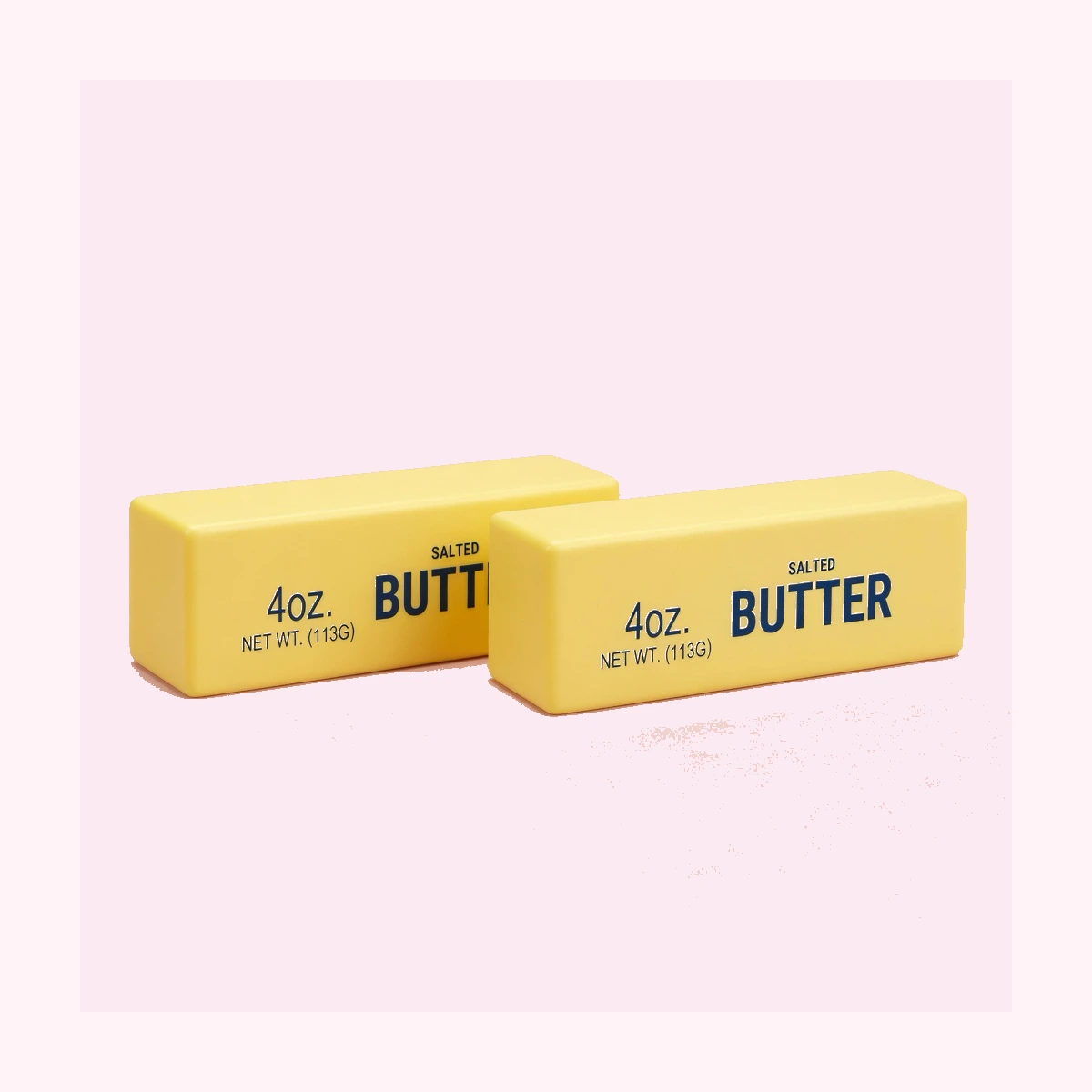
A slow-rising squishy in a wrapped butter-stick shape. Choose 1, 2 or 3 pieces. Color and print selected at random. This model represents the classic rectangular handheld format crafters frequently attempt to emulate. While carved homemade memory foam often exhibits rough scissor faceting along flat planes, commercial reaction injection molding creates glass-smooth flat sidewalls with sharp, authentic package creases. The dense interior foam formulation delivers a buttery drag with zero acoustic crunch, making it an ideal silent fidget tool for quiet desks and classroom study environments.
3. Fluid Displacement Gel Architecture: Fluid Potato Squishy (FS-CZ4678)
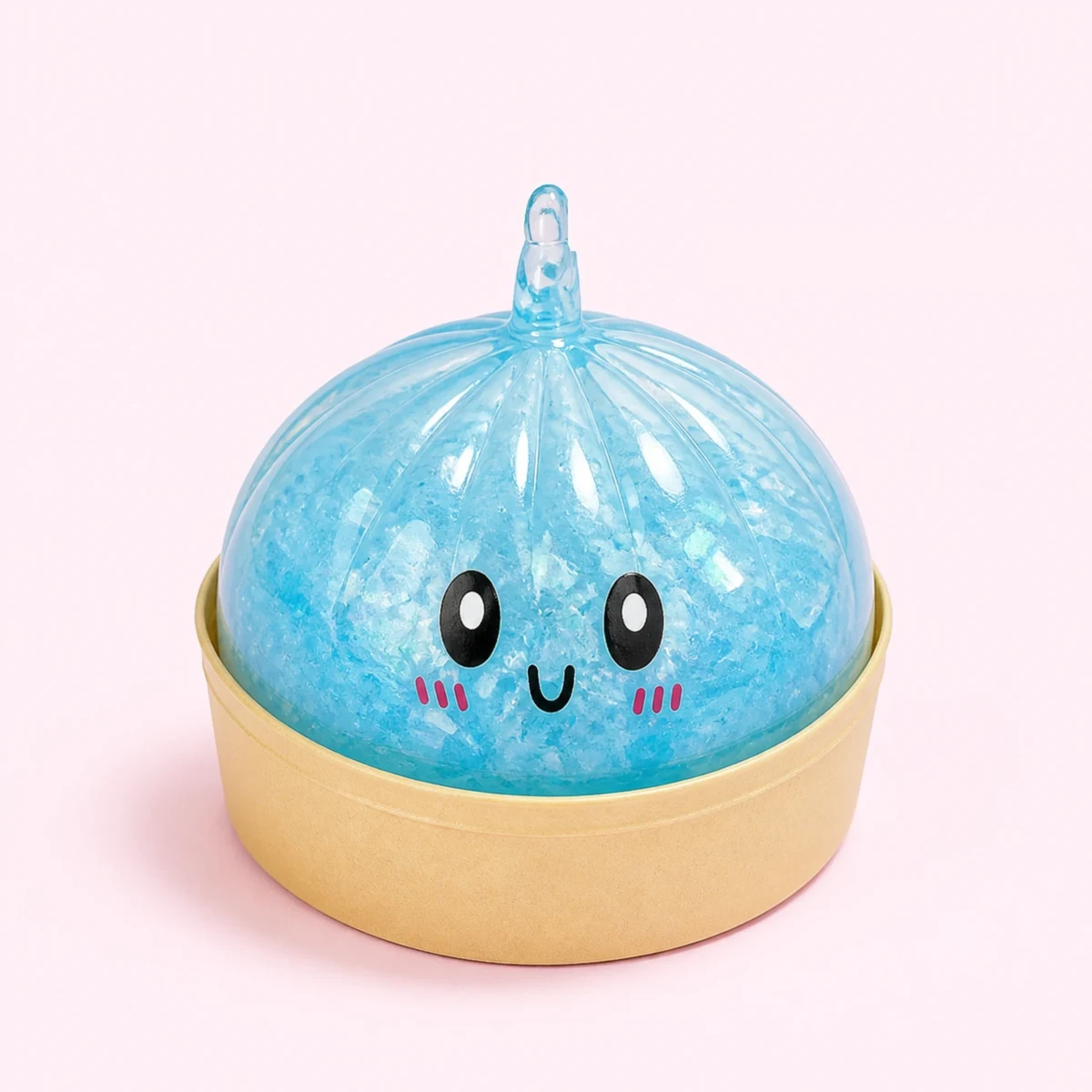
This fluid potato squishy is a palm-sized, spud-shaped slow-rising stress ball with a soft gel core under a stretchy skin. Press it and the claylike fill oozes back with a slow, mud-like rebound instead of a snappy bounce. For makers attempting the balloon-putty recipe described above, this spud toy illustrates the summit of fluid-core engineering. Unlike household balloons that degrade over time through latex oxidation, the potato squishy uses a thick, tear-resistant elastomer membrane encasing a cohesive polymer gel that slowly flows back under atmospheric pressure without ever bursting or separating into liquid phases.
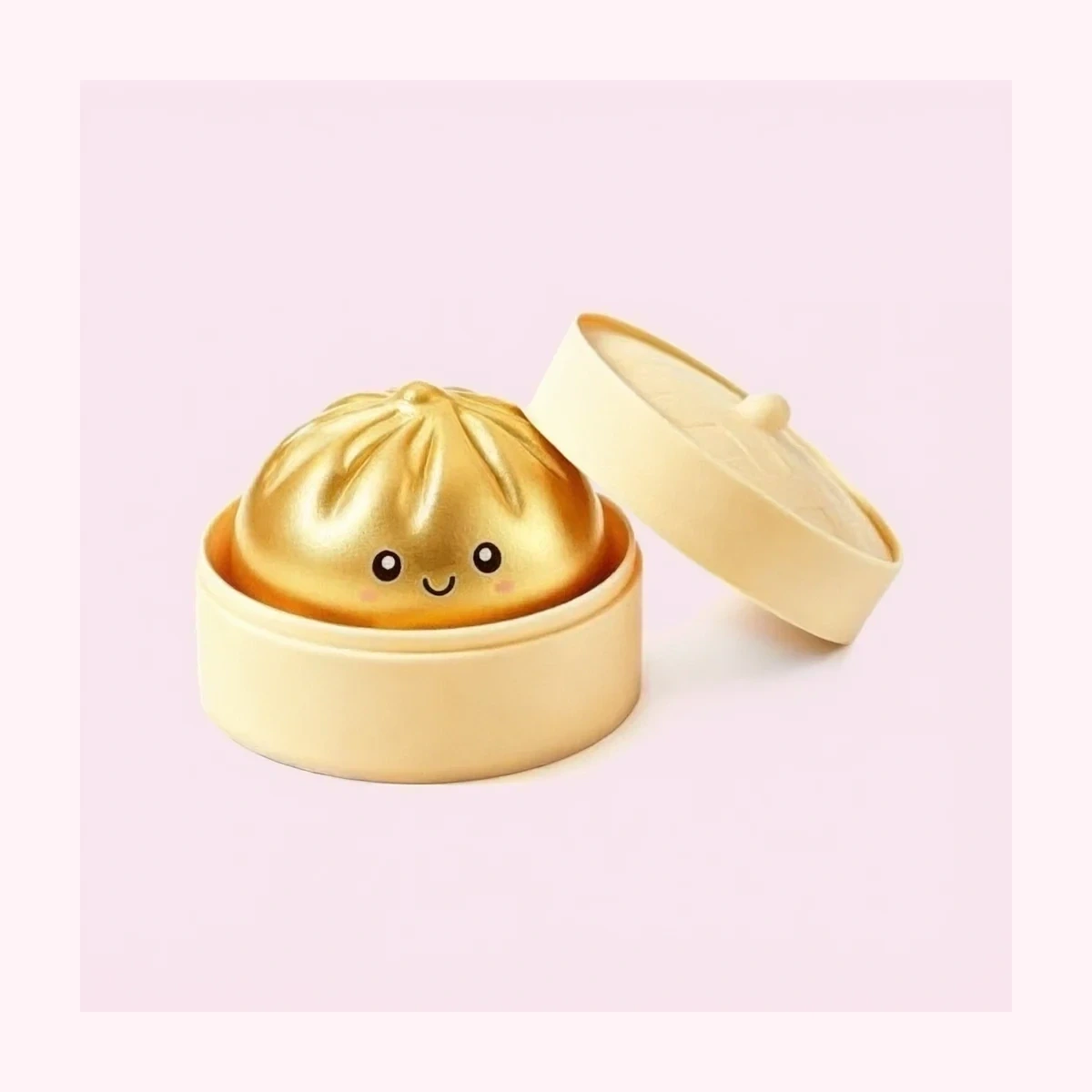
4. Sculpted Cultural Sensory Toy: Golden Dumpling Squishy (FS-DUMPLING-Q003)
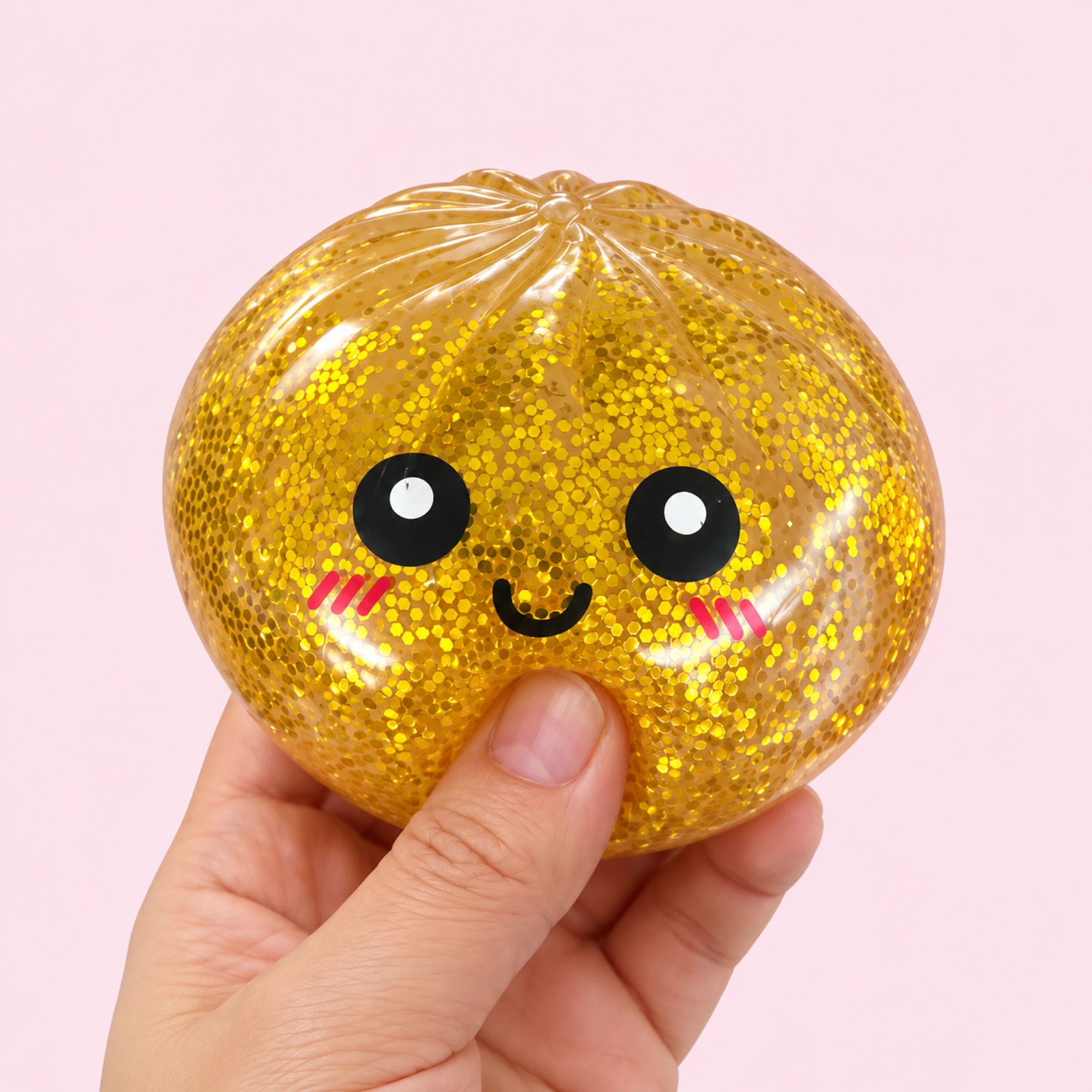
Golden dumpling squishy in a mini steamer basket - a soft, slow-rising fidget toy for stress relief and sensory play, made for kids 3+ and adults. Emulating sculpted culinary pleats at home requires intricate scissor work that frequently leaves fragile foam points prone to tearing. The Golden Dumpling utilizes precision steel tooling to mold authentic bao bun folds into soft slow-rising foam that climbs back in about 3 seconds, pairing culinary realism with an authentic mini steamer display base.
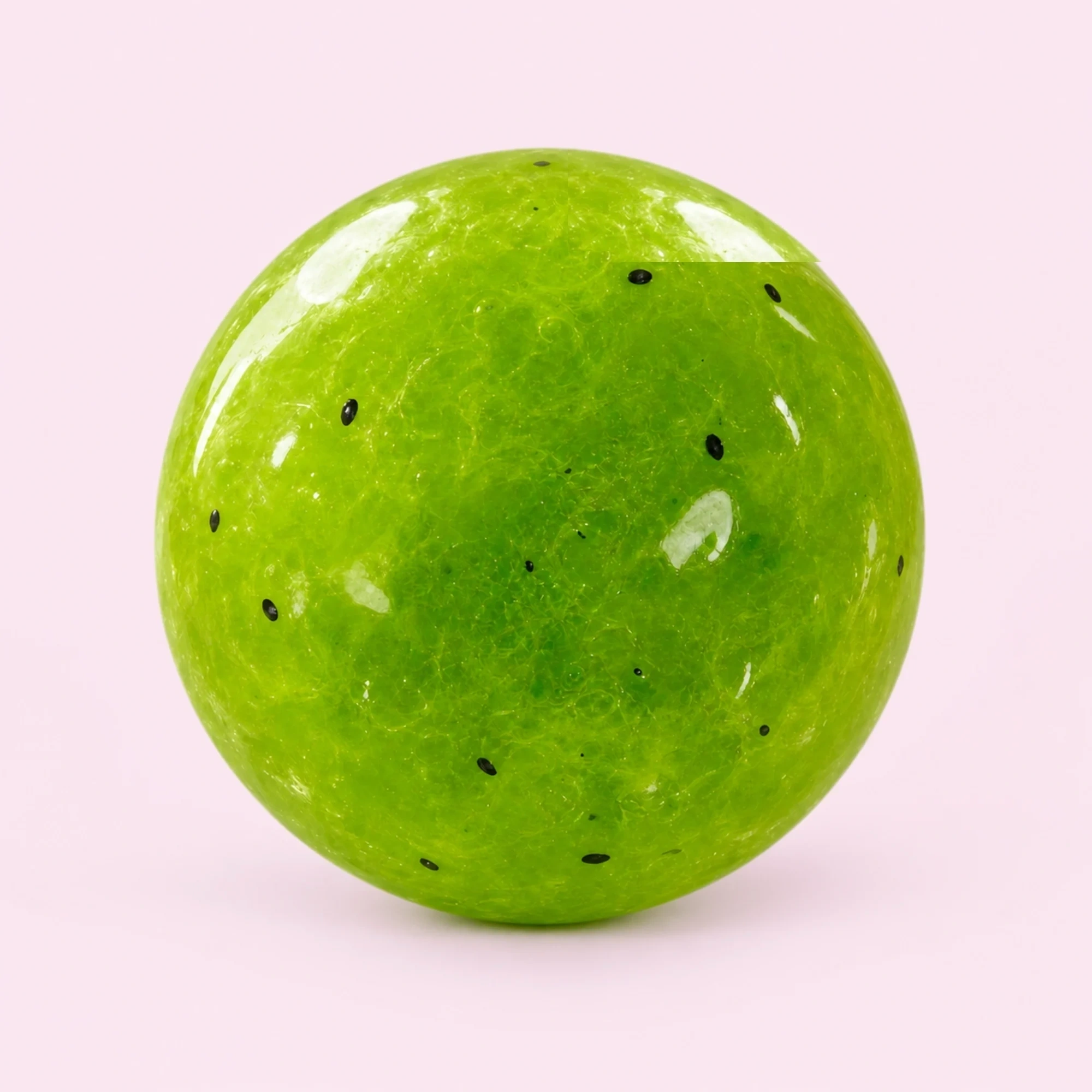
5. Dual-Pack Extended Viscoelastic Damping: Kawaii Avocado Squishy 2 Pack (FS-AVOCADO-002)
The slow rising squishy foam takes about ten seconds to fill out again, which is half the fun. Set of two — keep one, gift one, or trade with a friend. This twin pack demonstrates the extreme end of the slow-rise spectrum. Achieving a genuine 10-second rebound at home is nearly impossible with standard memory foam without completely suffocating the pores and causing permanent collapse. FunnySquishy engineers achieve this sustained, unhurried reinflation through an ultra-dense chemical formulation paired with a micro-thin integrated outer skin.
Comprehensive Material Comparison Matrix
| Product Name & Model | Core Material Architecture | Measured Dimensions & Mass | Verified Rebound Timing | Durability & Care Benchmark | Store Catalog Reference |
|---|---|---|---|---|---|
Pineapple Squishy (FS-CZ5214) | Reaction Injection Molded PU Foam | 20 cm × 16 cm; 600 g | 4–6 seconds full recovery | Tear-resistant monolithic skin; wipe clean with damp cloth | Pineapple Squishy |
Butter Squishy (FS-CZ2570) | Dense Viscoelastic PU Foam | Handheld rectangular butter stick; ~90 g | 3–5 seconds buttery drag | Enclosed wrapper graphic; resistant to repetitive pinching | Butter Squishy |
Fluid Potato Squishy (FS-CZ4678) | Cohesive Gel Core with Elastomer Skin | Palm-sized ergonomic spud; ~110 g | Oozing mud-like recovery; zero bounce | Thick reinforced skin; dust with cornstarch if tacky | Fluid Potato Squishy |
Golden Dumpling Squishy (FS-DUMPLING-Q003) | Molded Slow-Rise PU Foam with Steamer Base | ~7 cm bao bun; mini steamer basket | ~3 seconds gentle climb | Sculpted pleats; includes display and storage container | Golden Dumpling Squishy |
Kawaii Avocado Squishy 2 Pack (FS-AVOCADO-002) | Ultra-Dense Viscoelastic PU (2 Pack) | Two avocado halves; ~85 g each | ~10 seconds ultra-slow recovery | High-durability micro-skin; packaged for gifting and trading | Kawaii Avocado Squishy |
5. Squishy Care, Sanitation, and Maintenance
Whether you choose to craft your own homemade squishies or invest in commercial sensory models, proper care and sanitation ensure prolonged material lifespan, vibrant colors, and hygienic tactile handling.
Cleaning Protocols by Material Type
- Polyurethane Foam Squishies (DIY Memory Foam & Factory PU Models):
- Never submerge in standing water. Open-cell foam absorbs moisture deep into its internal matrix, promoting mold growth and hydrolytic degradation of urethane bonds.
- Clean exclusively by wiping the outer surface with a damp microfiber cloth moistened with mild, diluted soapy water.
- Pat dry immediately with a clean towel and allow to air-dry completely in a shaded, well-ventilated space away from direct sun.
- Elastomer Skin & Gel Core Models (Fluid Potato & Silicone Crafts):
- Wash gently under lukewarm running water using mild hand soap to remove desk dust, hair, and lint.
- Pat dry with a lint-free cloth. Because silicone and thermoplastic elastomers naturally attract ambient micro-debris, immediately apply a light dusting of pure cornstarch or cosmetic talcum powder to restore a smooth, dry-touch velvety finish.
Safe Storage and Environmental Boundaries
- UV and Thermal Protection: Keep all squishy toys away from direct sunlight, vehicle dashboards, and baseboard radiators. Ultraviolet radiation breaks down elastomeric crosslinks, causing foam yellowing, surface brittleness, and paint flaking.
- Ventilated Storage: Store squishies in breathable cloth pouches, ventilated bins, or original open containers. Avoid sealing damp homemade squishies inside airtight ziplock bags where trapped moisture can degrade residual craft adhesives.
- Age 3+ Safety Boundaries: Novelty squishies designed in culinary or fruit shapes (such as butter sticks, bao buns, and pineapples) are sensory fidget toys, not food items. Supervise young children under age 3 at all times to prevent accidental biting, tearing, or ingestion hazards.
6. Frequently Asked Questions
Can I make a slow rising squishy using a regular kitchen dish sponge?
Standard kitchen dish sponges are made from coarse cellulose or high-resilience polyurethane designed to absorb liquid rapidly. Their large open cells allow instantaneous air return, resulting in a snappy rebound under 0.2 seconds. While you can paint a dish sponge for visual fun, it will not produce an authentic slow-rising sensory experience unless you coat the entire surface in multiple dense primer layers of dimensional fabric paint to restrict internal airflow. For best results, use 50D+ high-density viscoelastic memory foam.
What is the best paint to use so homemade squishies do not crack?
Always use flexible dimensional fabric paint (commonly sold as puffy paint) or specialized liquid latex craft coatings. Never use standard student acrylic paint, enamel, or spray paint. Standard acrylics dry into rigid, brittle plastic sheets that fracture as soon as the underlying foam compresses. Dimensional fabric paints contain flexible elastomeric binders that stretch, wrinkle, and rebound alongside the foam core through hundreds of compressions.
How can crafters make a slow rising squishy at home, and how does DIY foam rebound compare to commercial factory slow-rising squishies?
Crafters can make slow-rising squishies at home by sculpting high-density memory foam, sealing open cell windows with stippled dimensional fabric paint, and applying a cornstarch finish. Homemade squishies typically achieve a 2-to-5 second rebound time. In comparison, factory squishies from FunnySquishy utilize reaction injection molded polyurethane or fluid gel cores that achieve ultra-slow rebounds up to 10 seconds (as seen in the Kawaii Avocado 2-pack) with superior tear resistance, seamless aesthetic detailing, and mold-cured protective skins that homemade glues cannot replicate long-term.