How to Make a Squishy Sticky (or Not Sticky): Taba, Mochi & Foam Guide
Quick Summary: Whether you want to know how to make a squishy sticky again after it collects desktop dust, or how to make a squishy not sticky when it clings to pet hair and keyboard keys, the solution depends entirely on the polymer in your hand. Platinum-cure liquid silicone (Taba) and thermoplastic rubber (TPR Mochi) squishies regain natural tackiness when washed with lukewarm water and mild lotion-free soap. Conversely, applying a light dusting of cosmetic cornstarch or velvet flocking powder creates an instant silky matte finish. Meanwhile, open-cell polyurethane (PU) memory foam squishies should never be soaked or glued; they are engineered for a naturally dry, slow-rising buttery squeeze that stays 100% mess-free on office desks and study tables.
Few topics in the modern sensory toy community generate as much confusion as surface stickiness. Browse viral crafting and ASMR videos, and you will see conflicting advice everywhere: one creator insists that running your squishy under tap water restores its irresistible jelly peel, while another warns that washing permanently destroys the surface.
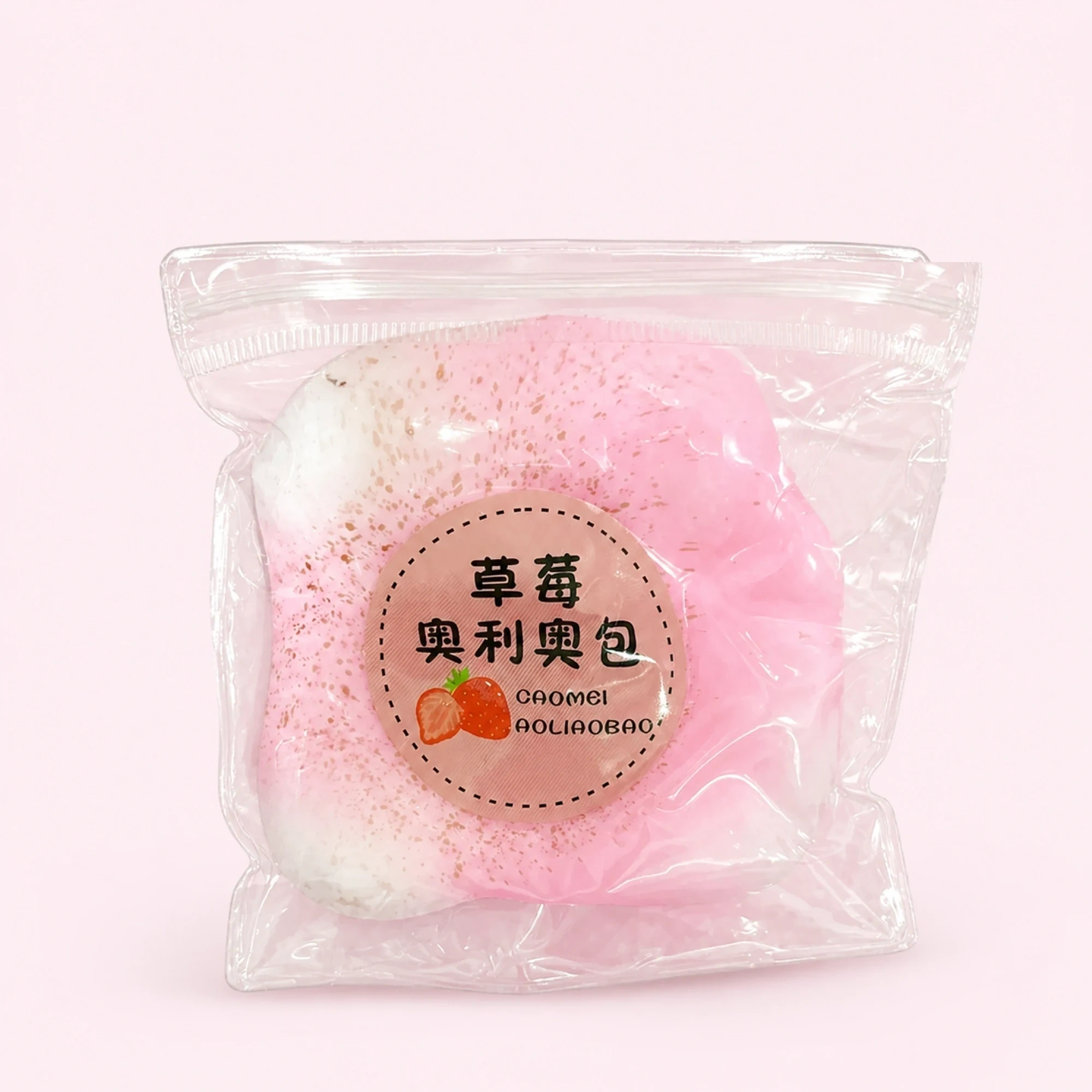
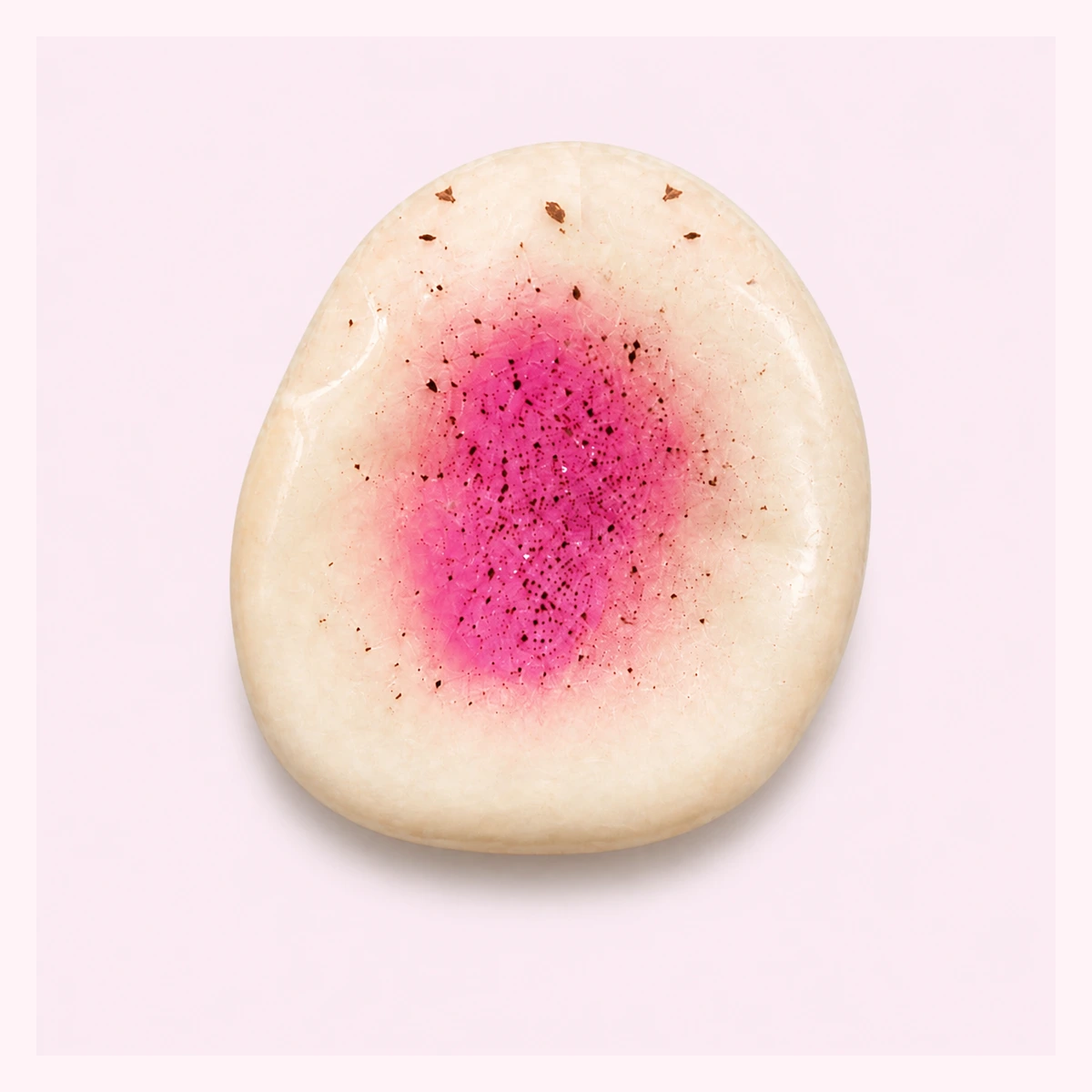
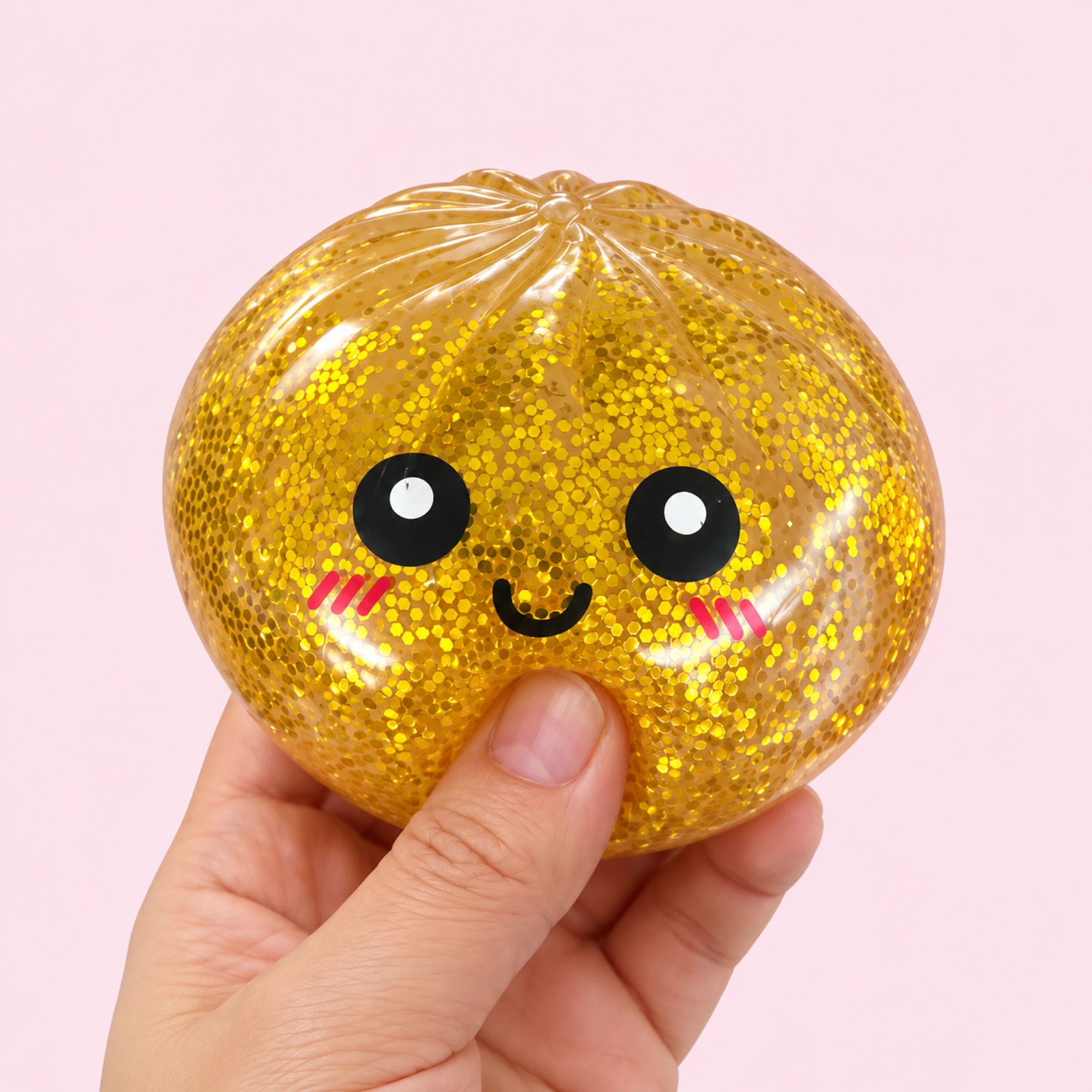
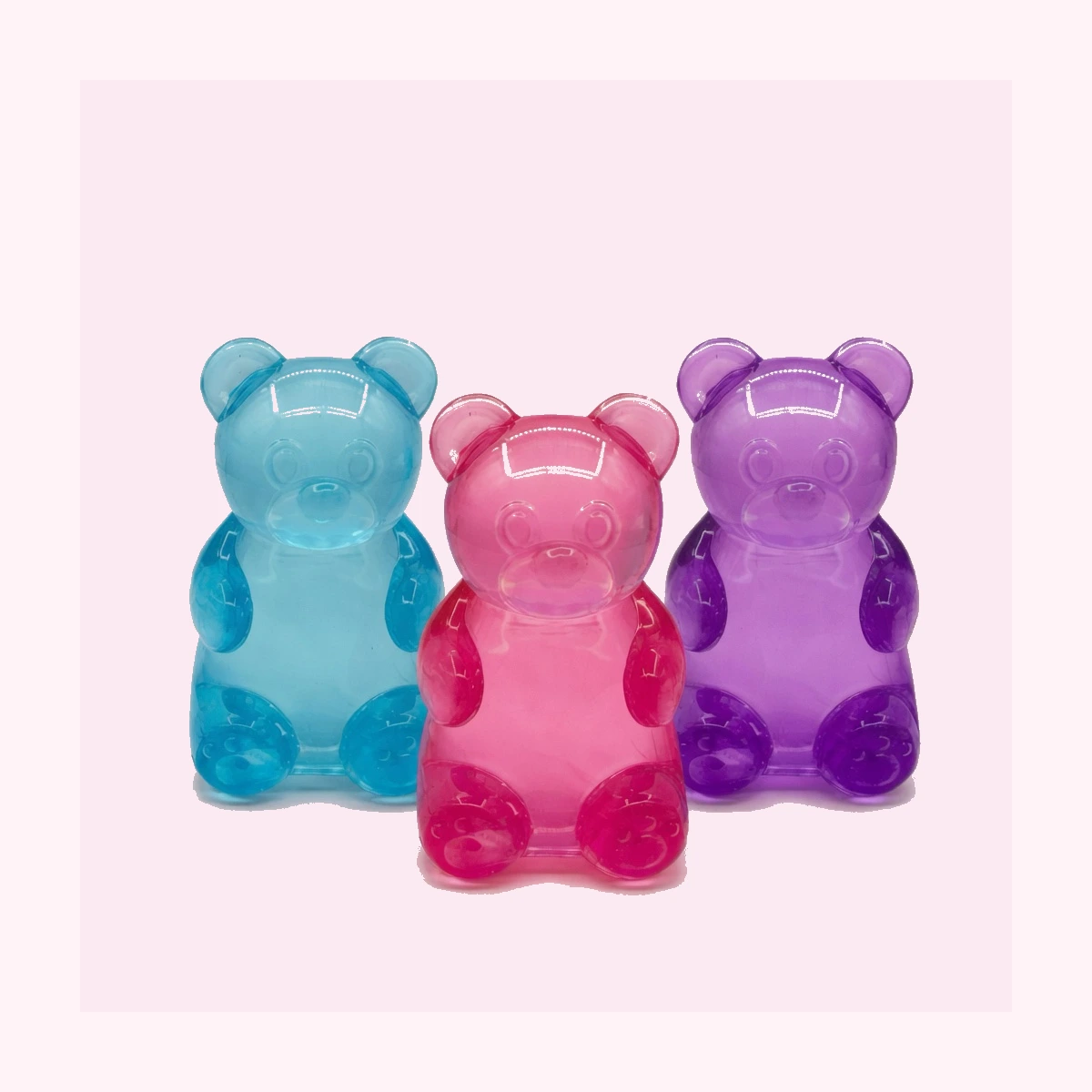
Both creators are actually describing real outcomes—they are simply handling completely different materials. The word “squishy” is used casually across four distinct toy categories: ultra-soft platinum silicone (Taba), injection-molded thermoplastic elastomer (Mochi TPR), tape-laminated paper crafts, and molded open-cell polyurethane (PU) foam. Each material has unique surface energy, porosity, and chemical stability.
In this guide, we break down the exact physics behind squishy stickiness, provide step-by-step instructions to increase or decrease surface grip safely, and explore why molded PU foam butter squishies offer the ultimate non-sticky alternative for clean desktop focus.
The Polymer Science of Squishy Stickiness: 4 Material Families
Before reaching for water, baby powder, or adhesive tape, take thirty seconds to identify your toy’s construction material. Treating an open-cell foam toy like a solid silicone casting can cause permanent waterlogging and cell tearing.
| Squishy Material | Polymer Architecture | Inherent Tactile Feel | Lukewarm Water Reaction | Cornstarch / Flocking Reaction | Best Use Case |
|---|---|---|---|---|---|
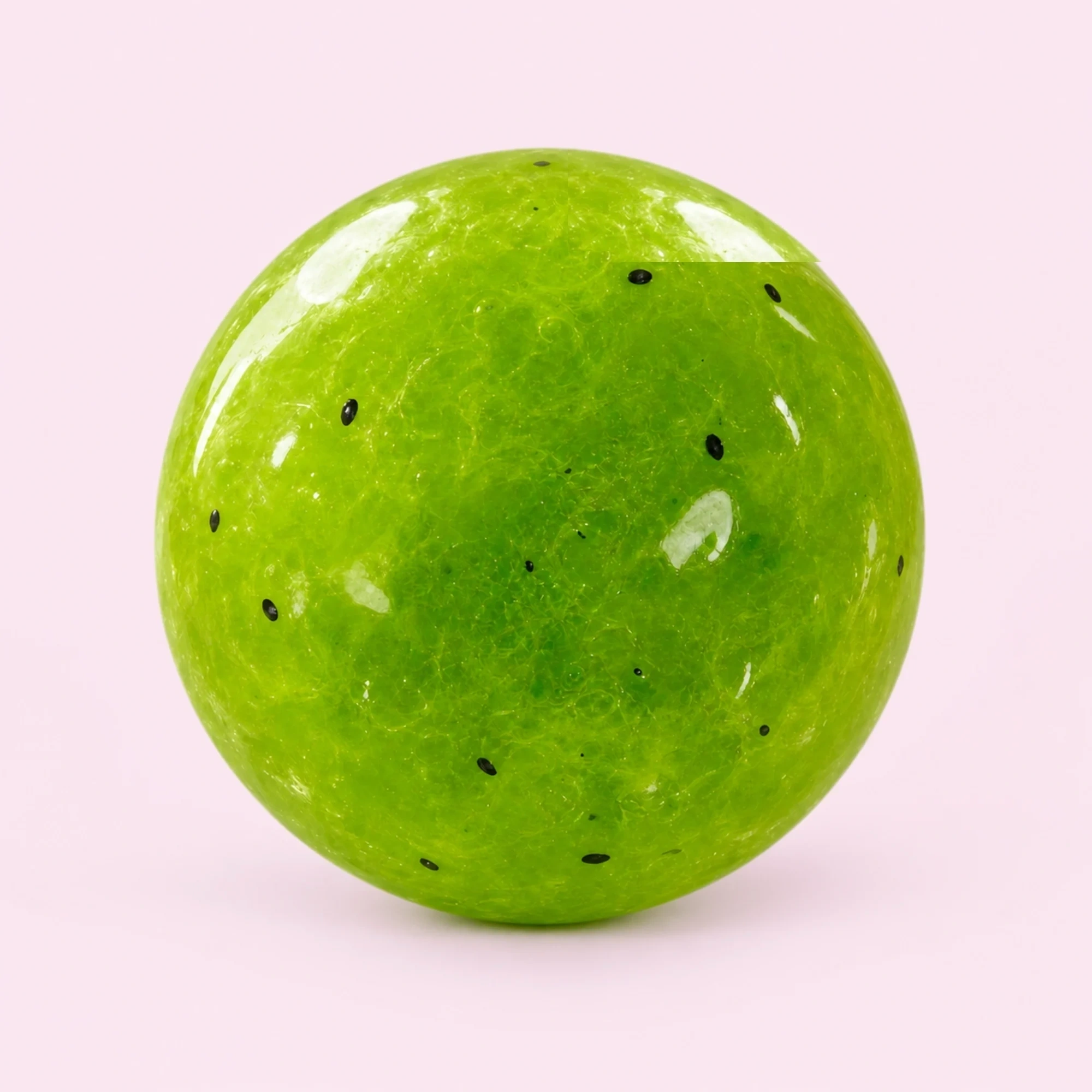
| Taba Squishy | Platinum-cure liquid silicone gel | Highly tacky, gelatinous, heavy drag | Strips dust & powder; restores maximum tackiness | Coats gel surface; creates silky matte barrier | Tactile peeling, sensory ASMR, display mat play |
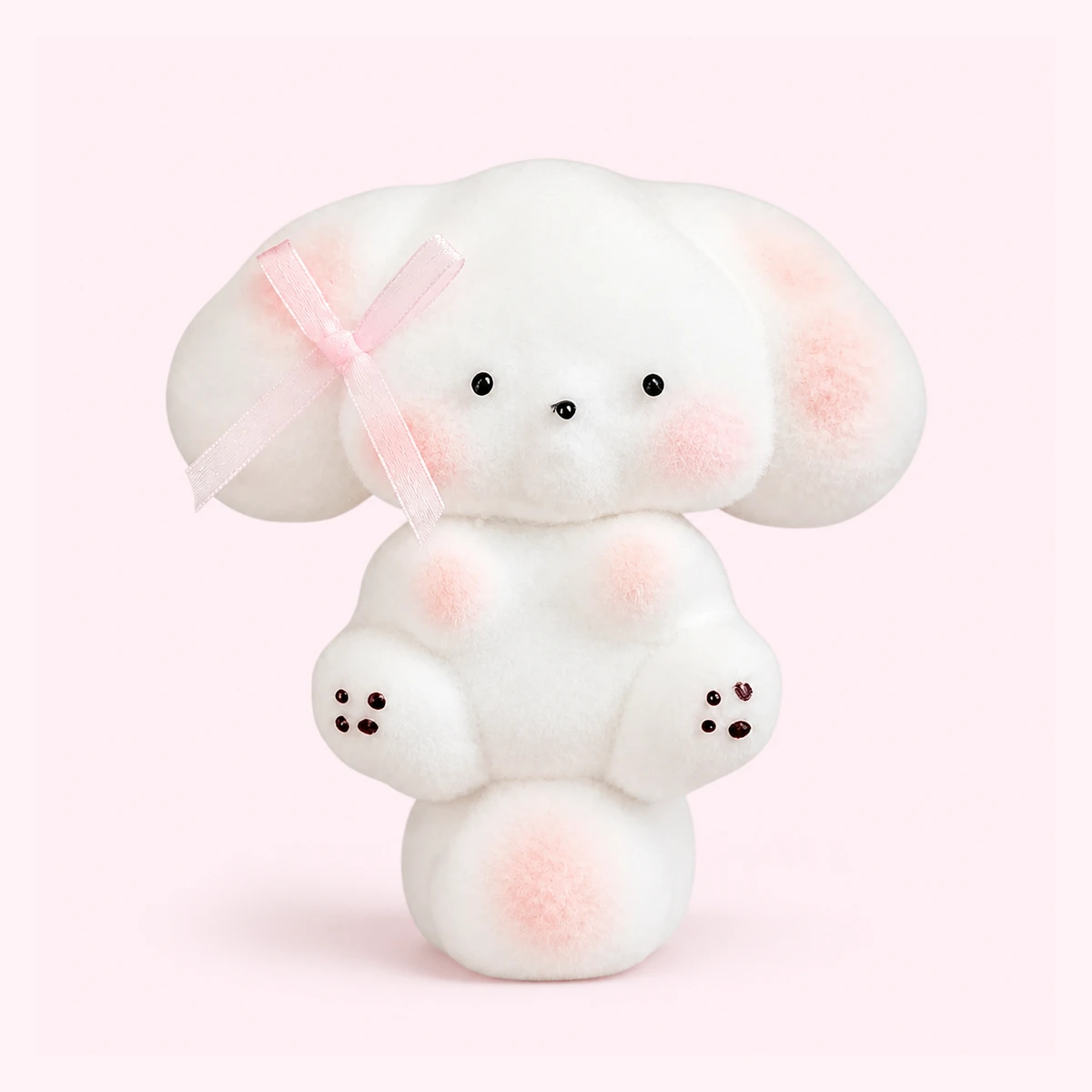
| Mochi Squishy | Thermoplastic rubber (TPR) | Gummy, semi-tacky elastomer skin | Removes surface lint; restores moderate grip | Absorbs surface oils; creates velvety finish | Pocket fidgeting, quick stress relief, blind-bag collecting |
| Paper Squishy | Paper core + acrylic packing tape | Smooth, glossy, non-porous plastic | Avoid soaking; water seeps into unsealed paper seams | Unnecessary; add outer nano-tape strip for tack | Budget DIY crafting, classroom art projects |
| PU Foam Squishy | Molded open-cell polyurethane foam | Pillowy, matte, slow-rising memory foam | Spot-clean only; immersion waterlogs inner micro-cells | Unnecessary; inherently dry-touch and non-sticky | Typing desk fidgeting, library study, bilateral stress relief |
Understanding these distinctions prevents costly mistakes and allows you to adjust the surface texture to match your sensory preferences.
Part 1: How to Make a Squishy Sticky Again (Restoring Surface Tack)
When a silicone Taba toy or TPR Mochi squishy loses its grip, the polymer itself has not degraded. Instead, microscopic skin oils, airborne dust, and pet dander have formed an insulating film over the exposed polymer chains. Here is how to dissolve that barrier and restore authentic tackiness.
Method 1A: The Lukewarm Soap Bath for Taba Silicone Squishies
Taba squishies made from two-part platinum silicone are prized for their heavy, jelly-like stickiness and satisfying peel-away resistance. When dust dulls that sensation, follow this three-step restoration routine:
- Rinse in Lukewarm Water: Hold the silicone squishy under a gentle stream of lukewarm tap water (approximately 25°C to 30°C). Avoid hot or boiling water, which can weaken delicate color pigments and embedded glitter.
- Lather With Mild, Lotion-Free Soap: Add one small drop of clear baby wash or basic liquid dish soap. Gently massage the surface with the pads of your fingers in circular motions. The lather will lift accumulated dust and cosmetic powders within twenty seconds.
- Air-Dry on Non-Stick Silicone or Plastic: Never dry a freshly washed Taba squishy with paper towels, cotton washcloths, or microfiber cloths. Freshly exposed silicone will instantly grip loose cellulose fibers. Instead, place the toy on a smooth acrylic board or silicone baking mat and let it air-dry undisturbed for fifteen minutes.
Once completely dry, the silicone chains re-establish direct contact with your skin, restoring 100% of its viral peel stickiness.
Method 1B: Cool-Water Rinse for TPR Mochi Squishies
Thermoplastic rubber (TPR) squishies behave similarly to silicone, but they are softer and more sensitive to thermal stress. When cleaning Mochi squishies:
- Use cool water rather than warm water to prevent the rubber’s internal mineral plasticizers from migrating to the surface.
- Swish the toy briefly in soapy water, rinse thoroughly, and shake off excess droplets.
- Place it on a clean ceramic plate to dry. If you leave a damp TPR toy on varnished wood or printed cardboard, it can absorb wood finishes or ink.
Method 1C: Adding Sticky Nano-Tape to Paper and DIY Squishies
DIY paper squishies and dense craft-foam cutouts are naturally dry. If you want to make a homemade squishy sticky without introducing moisture:
- Cut strips of transparent, heavy-duty acrylic nano-tape.
- Press the tape firmly across the outer perimeter of your sealed paper squishy.
- Peel away the protective backing. The exposed acrylic gel adhesive provides intense surface stickiness without compromising the paper core inside.
Part 2: How to Make a Squishy Not Sticky (Eliminating Lint and Finger Cling)
While high-tack Taba squishies are deeply satisfying on display trays, an overly sticky toy can become frustrating on a busy office desk where it picks up crumbs, pet hair, and eraser shavings. If your squishy feels uncomfortably gummy, use these methods to create a dry, smooth finish.
Method 2A: The Cornstarch or Rice Starch Buffing Technique
The most dependable way to neutralize squishy tackiness is with ultra-fine culinary starch:
- Ensure the squishy is 100% dry and free of surface moisture.
- Place one teaspoon of pure cornstarch, tapioca flour, or baby powder (cornstarch-based, talc-free) into a shallow bowl.
- Using a clean, fluffy cosmetic powder brush, gently tap powder over every crevice of the toy.
- Dust away excess powder with a soft brush until only a microscopic, invisible layer remains. The squishy will instantly feel like soft velvet and slide effortlessly across fingertips.
Method 2B: Electrostatic Flocking Powder (Fuzzy Velvet Skin)
For a premium aesthetic upgrade, apply nylon or rayon cosmetic flocking fibers:
- Clean the Taba squishy so it is moderately tacky.
- Lightly tap colored flocking fibers over the surface using a tea strainer.
- Press the fibers gently into the silicone matrix. The resulting fuzzy peach-fuzz texture permanently stops lint adhesion while providing an ultra-soft tactile sensory experience.
Method 2C: High-Clarity OPP Cellophane Bag Play
Professional Taba collectors frequently enjoy sticky squishies without ever touching the bare silicone:
- Slide the tacky squishy into an ultra-clear oriented polypropylene (OPP) display pouch.
- Punch a tiny pinhole in an upper corner to allow air displacement.
- Squeeze and knead the toy through the smooth cellophane. You enjoy the deep gelatinous compression while your fingers, keyboard, and desk stay completely clean and powder-free.
Why Open-Cell PU Foam Should NEVER Be Made Sticky
A common mistake among beginners is trying to wash or coat open-cell polyurethane (PU) memory foam squishies with water, liquid glue, or silicone sprays to make them sticky.
Polyurethane foam is manufactured with an open-cell microporous structure: millions of tiny interconnected air cells that compress under hand pressure and slowly refill with ambient air. Here is why you should never attempt to make PU foam sticky:
- Capillary Water Trapping: Submerging PU foam causes the internal capillary network to drink water like a sponge. Squeezing a waterlogged foam toy tears internal cell walls, permanently destroying slow-rising rebound.
- Microbial and Mold Risks: Trapped moisture inside dark foam chambers creates an ideal breeding ground for mildew and bacterial odor that cannot be rinsed out.
- Adhesive Surface Hardening: Painting glue or sticky resin onto PU foam clogs surface air vents, turning a soft, slow-rising toy into a stiff, crusty block that cracks upon compression.
Authentic molded PU foam is designed to be inherently dry-touch, velvety, and matte. It delivers stress relief through slow, buttery viscous resistance rather than sticky peel adhesion.
The Clean Desktop Alternative: Molded PU Foam Butter Squishies
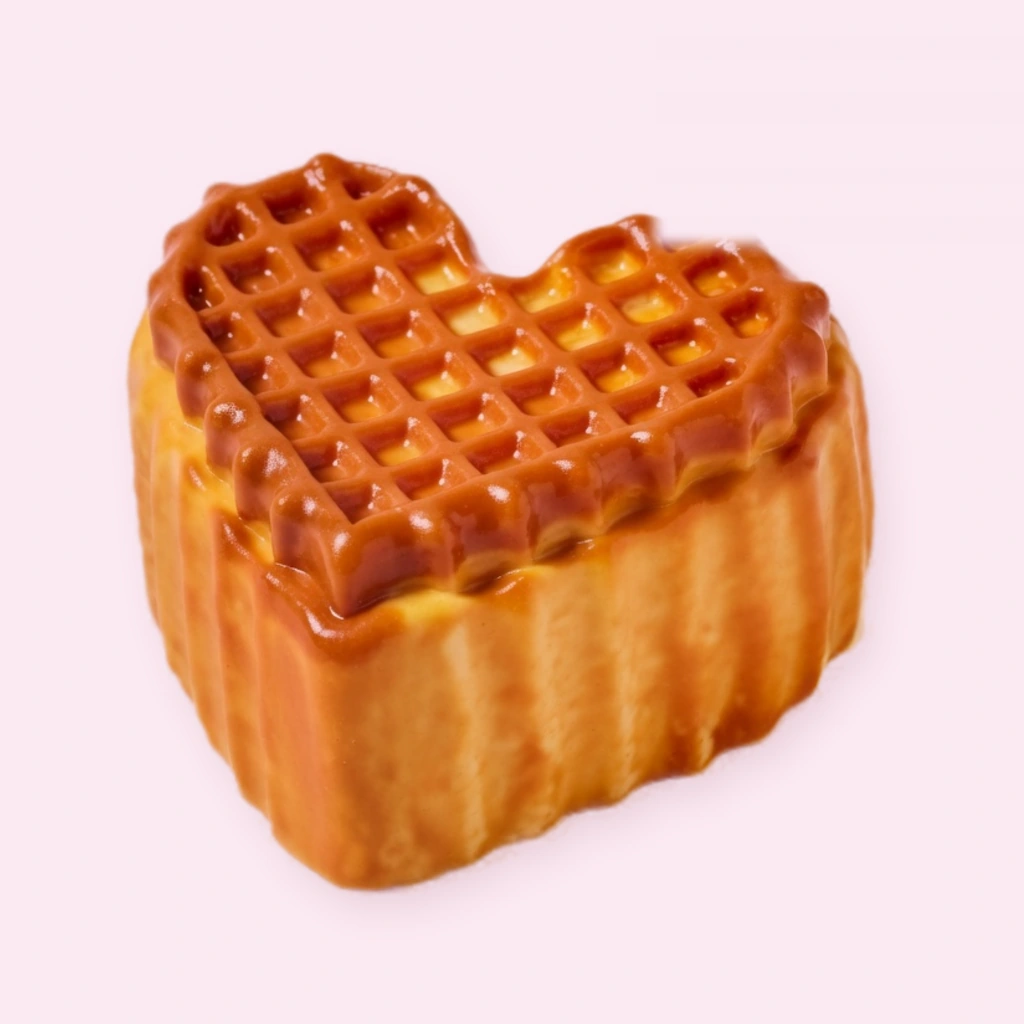
If you love the calming tactile relief of squishy toys but dislike washing sticky Taba paws, wiping off loose cornstarch, or cleaning hair from TPR surfaces, molded PU foam butter squishies are the ideal solution.
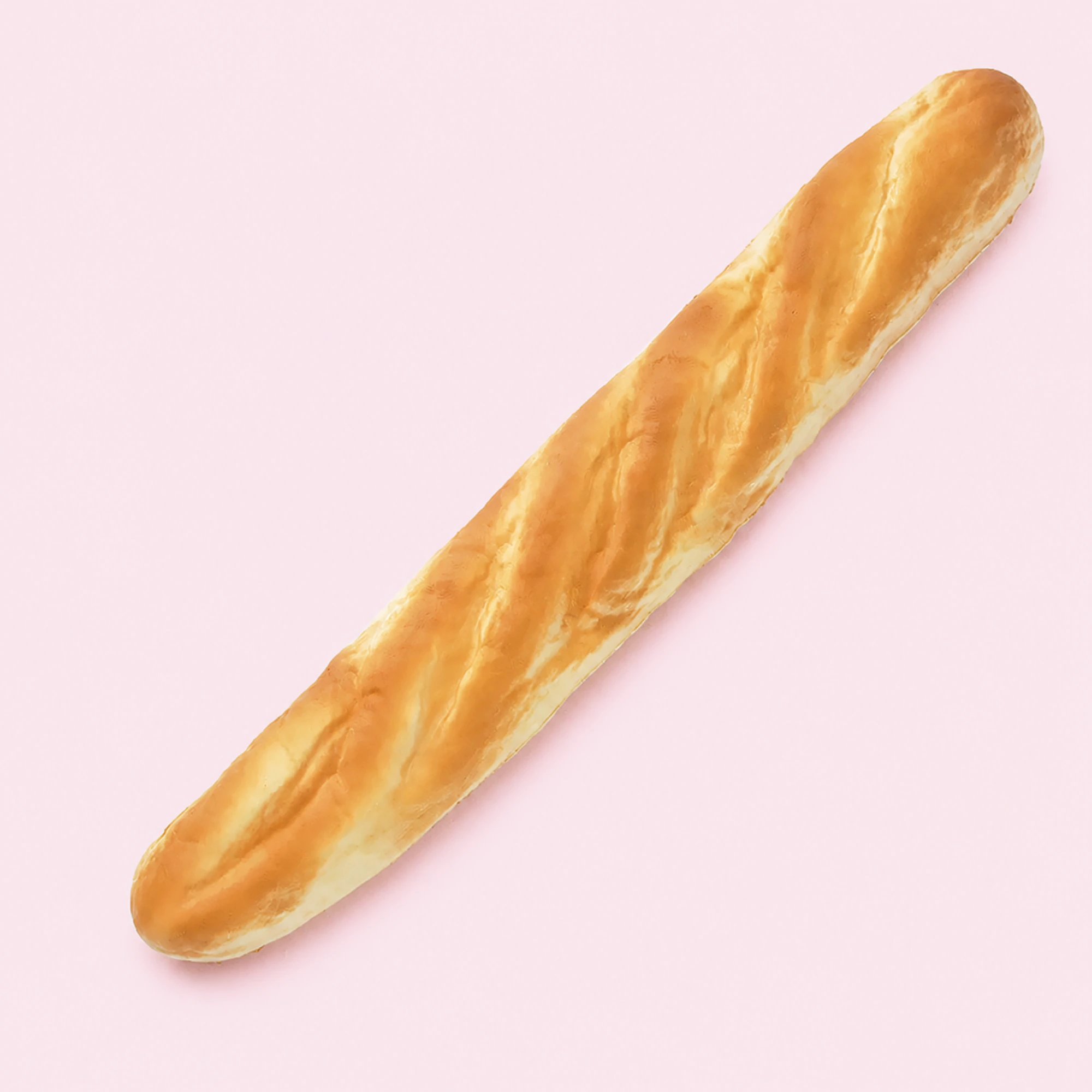
Engineered from dense, high-grade open-cell polyurethane foam, our butter squishy collection offers a luxurious, slow-sinking compression followed by a relaxed 8-to-12 second rebound. They produce zero residue, attract zero lint, and glide smoothly across workbooks and laptop keyboards.
       +-------------------------------------------------------------+
       |             FUNNYSQUISHY BUTTER SQUISHY LINEUP              |
       +-------------------------------------------------------------+
       |  [FS-BUTTER-005] Single Butter Stick (45g, Classic Squeeze) |
       |  [FS-BUTTER-011] 2-Pack Butter Squishy (Bilateral Grounding)|
       |  [FS-BUTTER-007] 3-Pack Butter Squishy (Home, Office & Bag) |
       |  [FS-BRICK-P006] Blue Butter Brick 2-Pack (Full-Palm Grip)  |
       +-------------------------------------------------------------+
Verified Catalog Models & Specifications
Explore our four verified slow-rising butter squishy editions designed for quiet sensory regulation:
- PU Foam Butter Squishy — That Buttery Slow Squeeze (
FS-BUTTER-005, $12.99 USD): Our flagship molded single stick. Boasting a supplier reference weight of approximately 45 grams, this soft, slow-rising stick-of-butter squishy toy is crafted from dense premium foam that molds smoothly under your fingers and slowly springs back. It provides a pillowy yet substantial feel with a satisfying buttery drag on every squeeze. Built for stress relief, quiet fidgeting, and calming sensory play for kids aged 3+ and adults alike. - 2 Pack Butter Squishy — Keep One, Gift the Other (
FS-BUTTER-011, $19.99 USD, compare at $32.49): A dual-stick set featuring two slow-rising butter bars per order. Perfect for bilateral stress relief—allowing both hands to compress matching foam sticks simultaneously during intensive study or remote work sessions. - 3 Pack Butter Squishy — One to Keep, Two to Share (
FS-BUTTER-007, $22.99 USD, compare at $37.49): A family-and-classroom value bundle containing three individually molded slow-rising sticks. Keep one at your office workstation, stash one in your commuting bag, and share one with a friend or sensory-seeking child. - Blue Butter Brick Squishy 2 Pack - Squeezy Stress Relief Block (
FS-BRICK-P006, $19.99 USD, compare at $37.49): Finished in cool calming blue with two generous rectangular blocks per order. Built with ultra-dense memory foam that folds flat under a full-palm squeeze and rises back on its own drawn-out schedule, delivering deep proprioceptive pressure relief without clicking or noise.
Comprehensive Comparison: Verified Butter Squishy Specifications
| Product Edition & SKU | Price (Compare) | Unit Pack Count | Physical Form & Dimensions | Material Chemistry | Compression & Rebound Dynamics | Optimal Usage Scenario |
|---|---|---|---|---|---|---|
PU Foam Butter Squishy (FS-BUTTER-005) | $12.99 ($24.49) | 1 piece (~45g ref.) | Molded dairy butter stick | Dense open-cell PU foam | 10-second buttery slow rise; pillowy drag | Focused desk fidgeting, pocket sensory grounding |
2 Pack Butter Squishy (FS-BUTTER-011) | $19.99 ($32.49) | 2 pieces | Dual matching butter sticks | High-density PU memory foam | Synchronized slow recovery; quiet tactile feedback | Bilateral motor coordination, dual-hand desk relief |
3 Pack Butter Squishy (FS-BUTTER-007) | $22.99 ($37.49) | 3 pieces | Trio of butter squishy sticks | Premium molded PU foam | Smooth, consistent slow rebound across all pieces | Classroom sensory corners, family sharing, gifting |
Blue Butter Brick 2-Pack (FS-BRICK-P006) | $19.99 ($37.49) | 2 pieces | Large rectangular brick blocks | Extra-dense memory PU foam | Maximum palm resistance; drawn-out slow rebound | High-pressure stress discharge, adult executive desk |
Workspace Hygiene: Protecting Electronics and Desk Surfaces
Integrating sensory squishies into your daily study or work routine requires basic workspace hygiene:
- Keep Liquids Away From Foam: Unlike solid silicone Taba toys, never place PU foam squishies next to open water tumblers or damp coffee mugs. If liquid spills on your foam toy, blot immediately with dry paper towels without wringing.
- Prevent Silicone Oil Transfer: If using cosmetic silicone oil to condition a Taba toy, handle the toy exclusively on a designated craft mat. Silicone oils can leave stubborn optical smudges on matte laptop screens and keyboard keycaps.
- No Solvent Cleaning: Never clean squishies of any material with acetone, nail polish remover, or isopropyl rubbing alcohol. Solvents leach plasticizers from TPR and melt the outer micro-skin of PU foam.
Sustainable Care: Extending Squishy Lifespan & Repurposing Foam
Sensory toys endure thousands of compression cycles over their lifespan. Practicing conscious toy maintenance keeps them out of landfills and extends their usefulness:
- UV Protection: Store both silicone and polyurethane squishies away from direct window sunlight. Ultraviolet radiation cross-links polymers, making TPR yellow and causing PU foam to become brittle.
- Surface Dusting for Longevity: For PU foam butter squishies, wipe the exterior once a week with a barely damp, lint-free microfiber cloth to remove hand oils before they oxidize.
- Creative Upcycling for Aging Foam: If a beloved foam squishy eventually develops edge tears after years of continuous play, do not toss it into the garbage. Cut the clean foam core into miniature slow-rising cubes to stuff homemade DIY paper squishies, use flat slices as vibration-dampening feet under desktop speakers, or repurpose them as protective padding in hobby storage drawers.
Frequently Asked Questions
How do I clean a squishy so it’s not sticky?
To clean a squishy without leaving it sticky, determine its material first. For silicone Taba and TPR Mochi squishies, wash with lukewarm water and a drop of clear dish soap, let it air-dry completely, then dust the surface with pure cornstarch using a soft makeup brush to create an instant dry, non-sticky matte finish. For PU foam squishies, do not submerge in water; wipe the surface with a barely damp microfiber cloth and allow it to dry naturally.
Why did my Taba squishy stop being sticky after a few days?
Airborne household dust, fabric lint, and natural finger oils coat the exposed silicone polymer chains, neutralizing surface tack. Washing the Taba squishy in lukewarm soapy water lifts this microscopic debris and restores 100% of its original sticky peel sensation.
Can I wash a PU foam butter squishy under the tap?
No. Open-cell polyurethane foam absorbs water deep into its internal micro-cellular structure. Soaking causes water retention, slows down rebound performance, and can lead to internal mold growth. Spot-clean only with a lightly moistened cloth.
What is the difference between Taba squishies and PU foam squishies?
Taba squishies are cast from soft, gelatinous liquid silicone that is naturally tacky, heavy, and flexible, often requiring powdering to prevent lint attraction. PU foam squishies (such as our Butter Squishy series) are molded from airy polyurethane memory foam that is inherently dry, lightweight, and slow-rising, requiring zero washing or powder maintenance.
What age group are FunnySquishy butter squishies designed for?
FunnySquishy PU foam butter squishies—including FS-BUTTER-005, FS-BUTTER-011, FS-BUTTER-007, and FS-BRICK-P006—are designed for children aged 3 and up as well as adults seeking quiet tactile stress relief. Because they feature realistic butter and bakery styling, adult supervision is recommended for young children to ensure they understand the items are novelty sensory toys and not edible food.
Conclusion
Mastering how to make a squishy sticky—or how to eliminate unwanted tackiness—comes down to respecting the polymer chemistry of your toy. Use gentle lukewarm soap washes to revive the clingy peel of silicone Taba toys, apply cosmetic cornstarch to achieve velvety matte perfection on Mochi TPR, and choose molded PU foam butter squishies when you need a silent, non-sticky, zero-maintenance fidget for focused desk work.