



Sensory Activity Boards vs 500g Wooden Rolling Maze: Track Boards & 3D Maze Keychains
Sensory activity boards and tabletop mazes have emerged as popular tools for people seeking steady tactile engagement during long study or work sessions. When individuals evaluate tabletop sensory equipment, they often compare flexible silicone track surfaces with weighted wooden rolling labyrinths. Each construction format targets different sensory pathways, balancing physical weight, motion control, and desktop noise levels.
Understanding these structural differences helps parents, therapists, and desk workers choose the right sensory tool for specific environments like quiet classrooms or dedicated home focus stations.
Rainbow Sensory Activity Boards: Silent Flexible Tactile Exploration
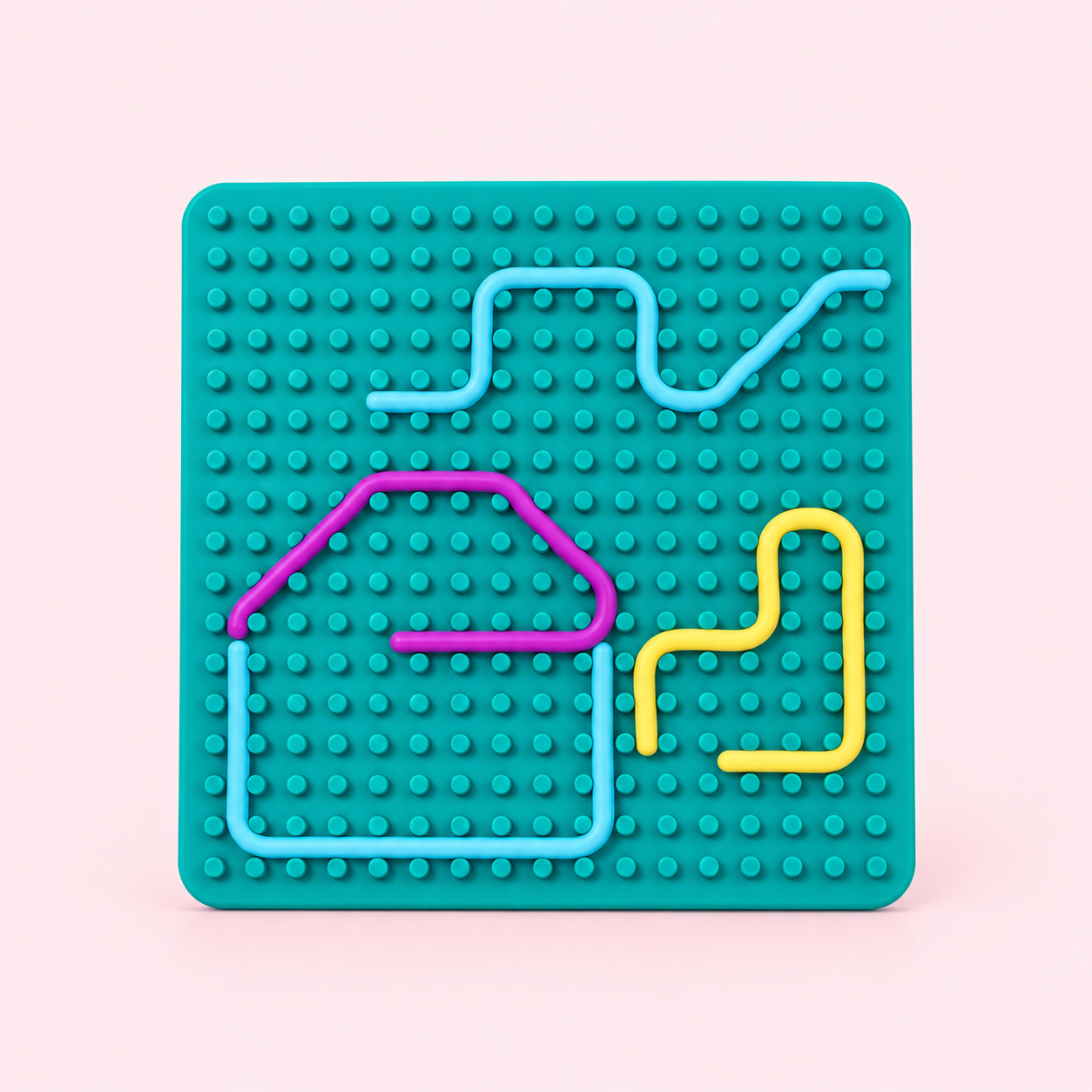
Flexible silicone sensory boards emphasize quiet, repetitive manual exploration. Unlike rigid mechanical toys that click or rattle, soft polymer surfaces provide varied tactile zones without disrupting nearby workers.
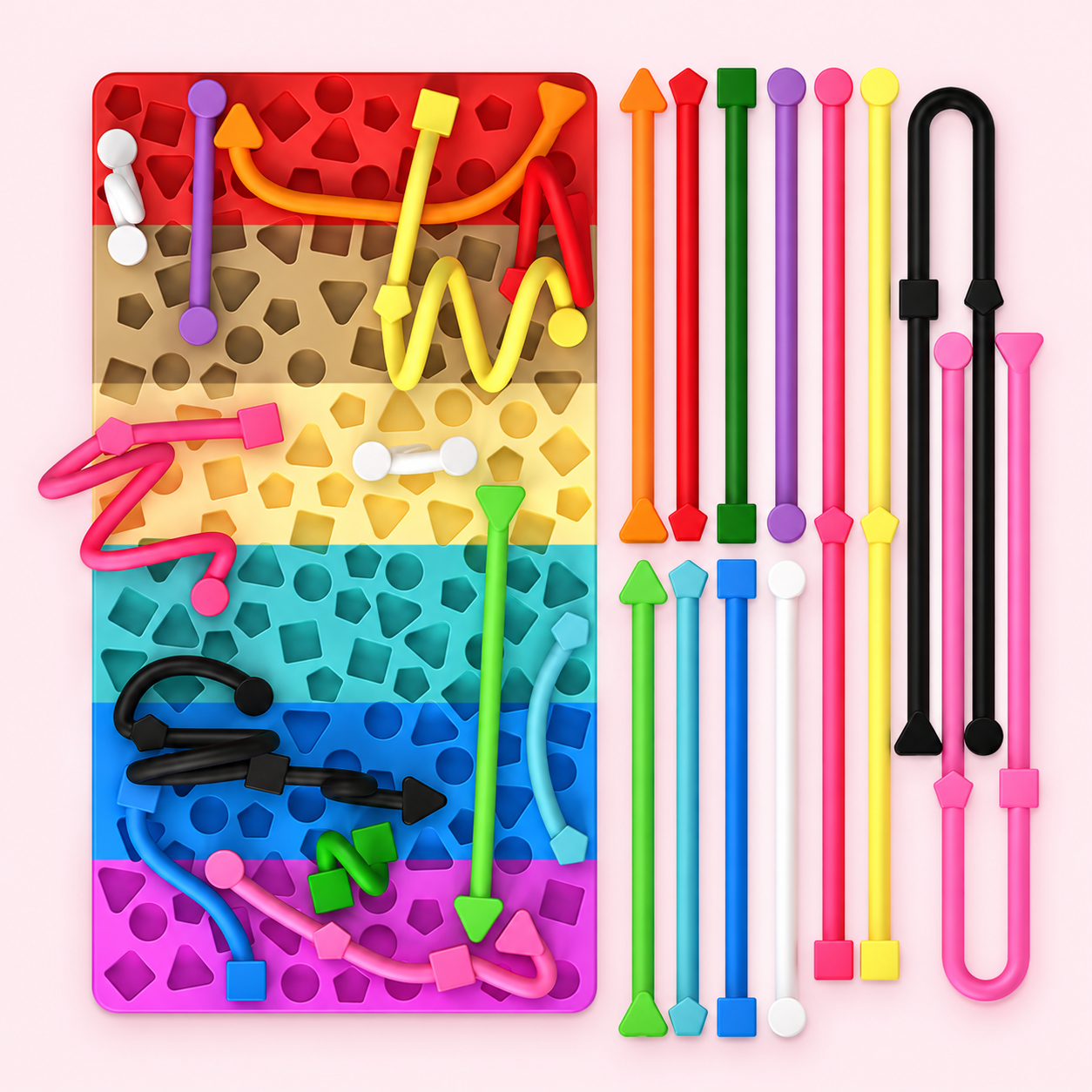
The FunnySquishy catalog lists FS-BOARD-821016227046 as Rainbow Sensory Board priced at $14.99 USD. This colorful activity board features multiple textured channels and tactile nodes across its surface. Users can press flexible silicone ribbons into grooved pathways, trace raised lines with their fingertips, or squeeze tactile bubbles to channel nervous tension. Weighing under two hundred grams, the board flexes easily into backpacks and settles flat on small school desks without sliding.
Because silicone dampens vibrations naturally, students can engage with the board during lectures or group study without generating clatter. Cleaning requires only a rinse under warm water, making silicone surfaces practical for daily classroom rotations.
500g Wooden Rolling Mazes: Physics, Weight, and Bilateral Focus
Weighted wooden rolling mazes take an entirely different physical approach to sensory regulation. Rather than focusing on soft fingertip textures, wooden labyrinths rely on gravitational physics, mass, and two-handed spatial coordination.
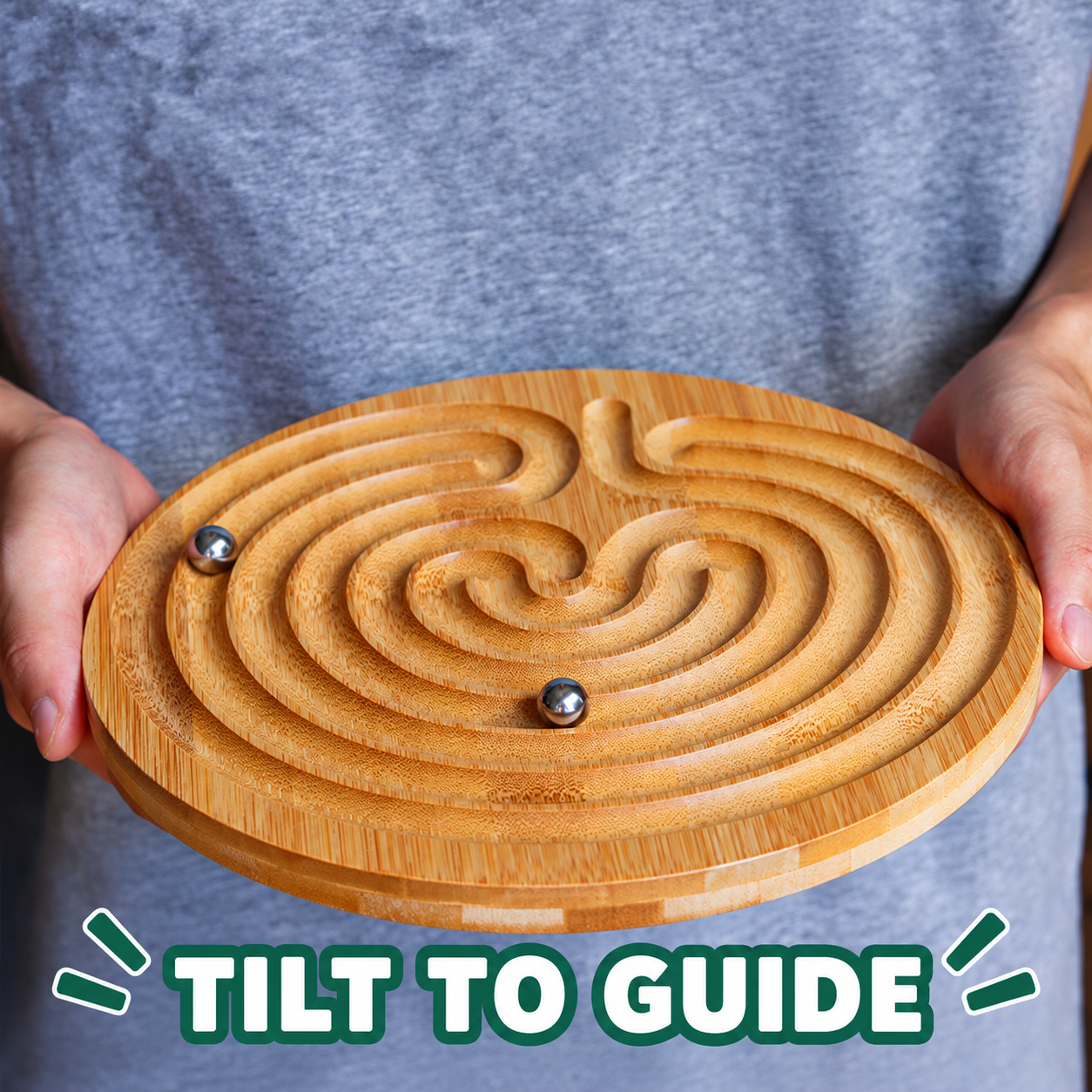
A typical five-hundred-gram wooden rolling maze features a routed hardwood track covered by clear protective acrylic. Users tilt the heavy wooden frame slowly using both hands to navigate a steel ball bearing through intricate corridors. The substantial five-hundred-gram weight grounds the toy firmly against tabletop vibrations and provides deep proprioceptive feedback to forearms and wrists.
However, rolling mazes require dedicated flat surfaces and visual tracking. The steel ball bearing produces an audible rolling hum as it glides along wood grain channels. In quiet libraries or shared test rooms, this rolling sound can distract neighbors. For home sensory rooms or occupational therapy clinics, the heavy wooden construction offers durable physical substance that lightweight plastic toys cannot match.
Comparing Tabletop Boards with Compact 3D Maze Keychains
When selecting sensory toys, portability often dictates daily usability. While flat activity boards and wooden mazes excel on stable desks, portable 3D maze keychains provide mobile alternatives for commutes and hall transitions.
| Feature | Rainbow Sensory Board | 500g Wooden Rolling Maze | 3D Maze Keychain | | :