Why Realistic Bread Squishies Have Different Crust Textures: Split, Braided & Spiral Loaves
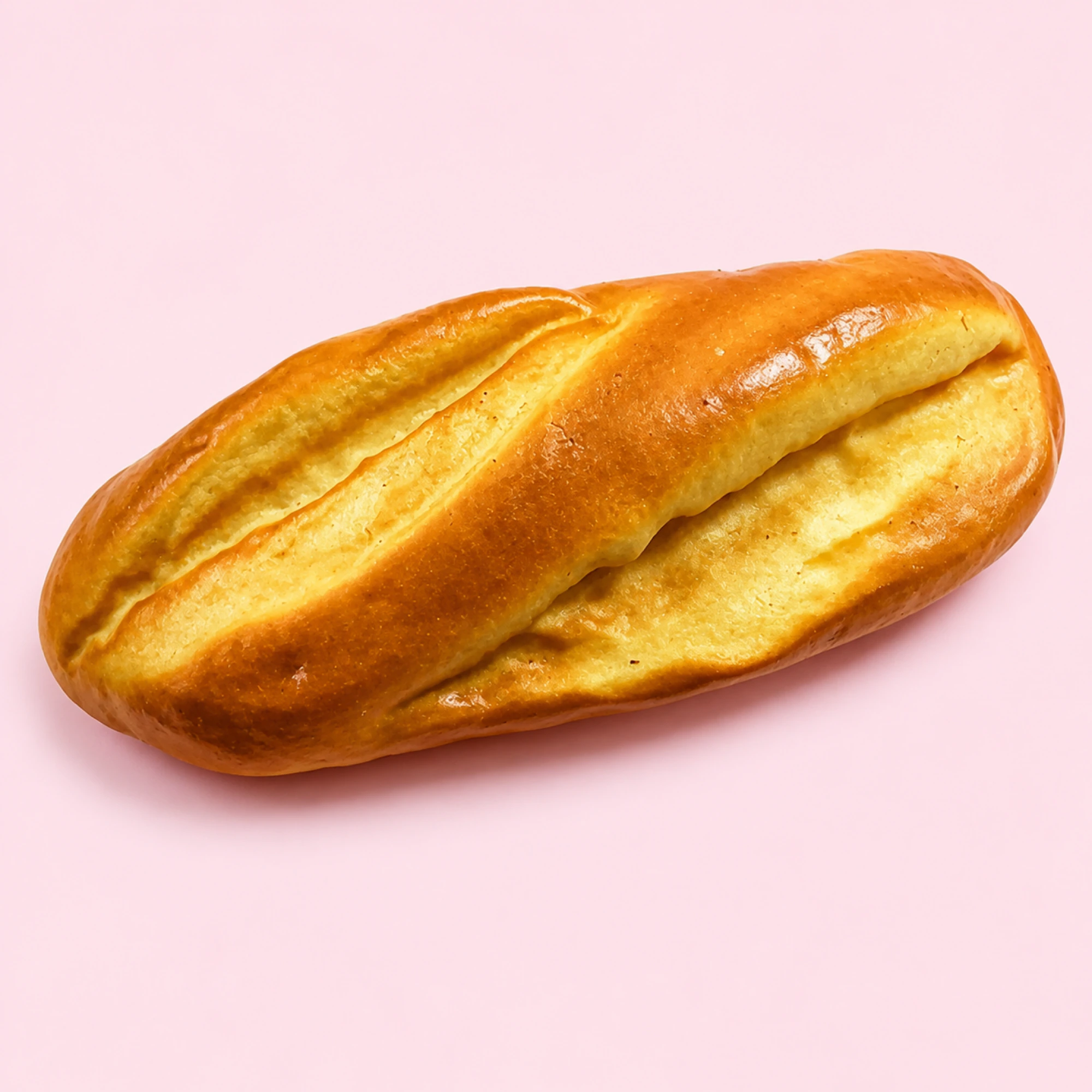
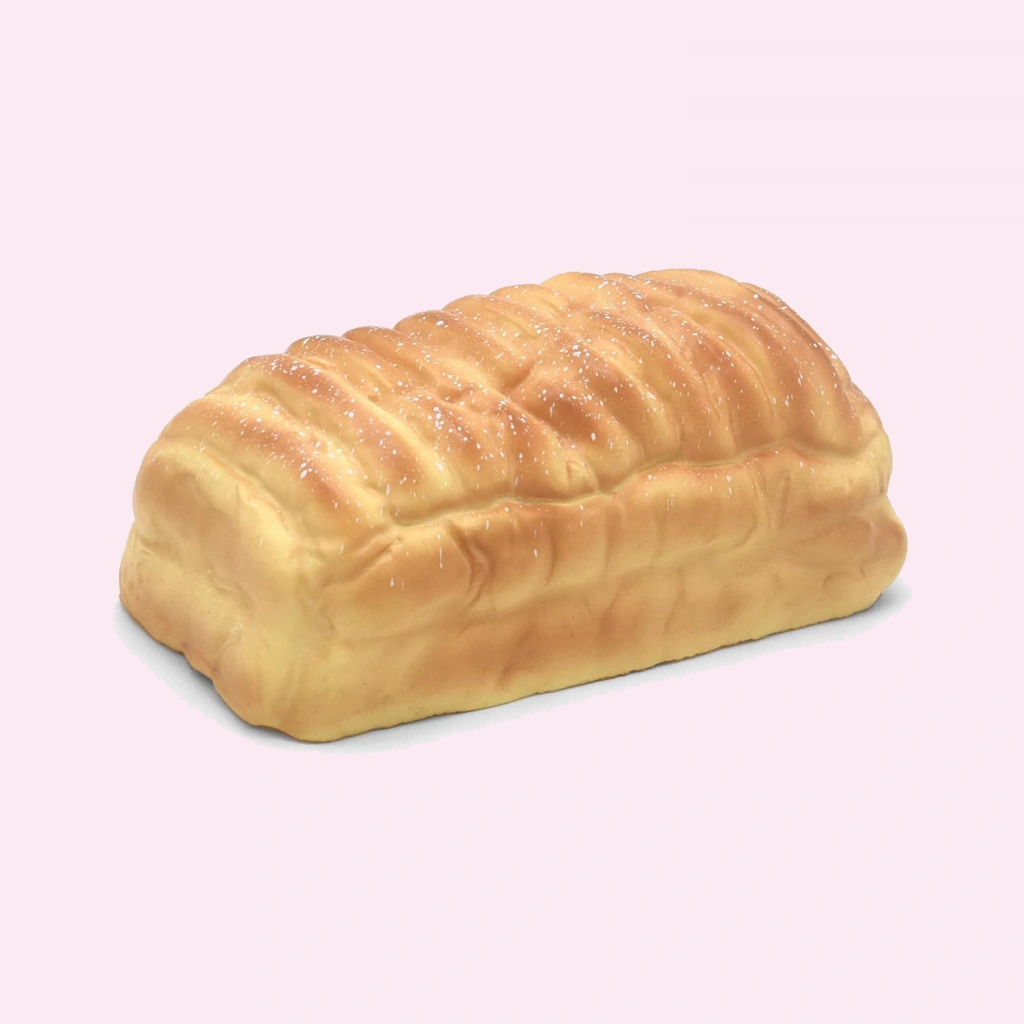
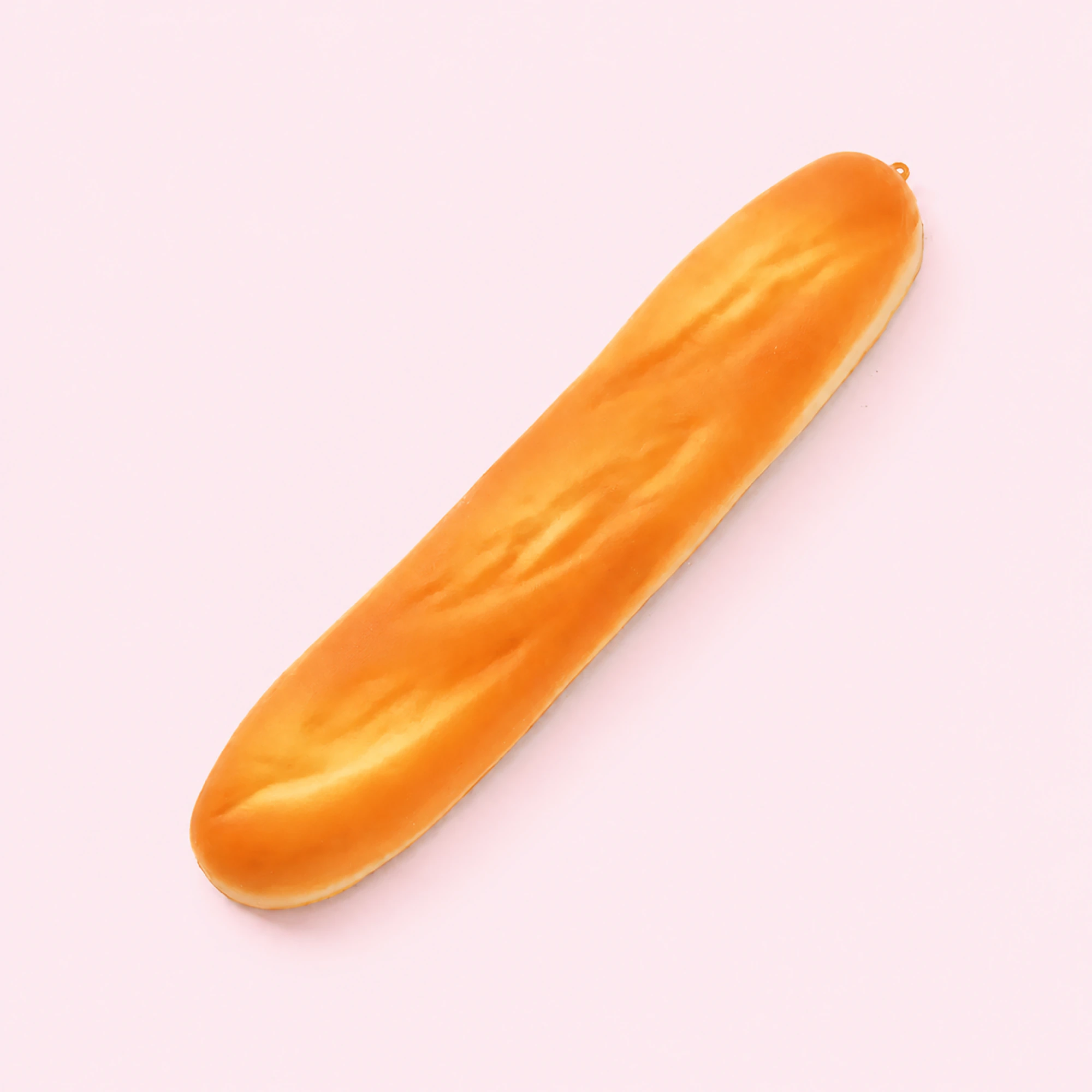
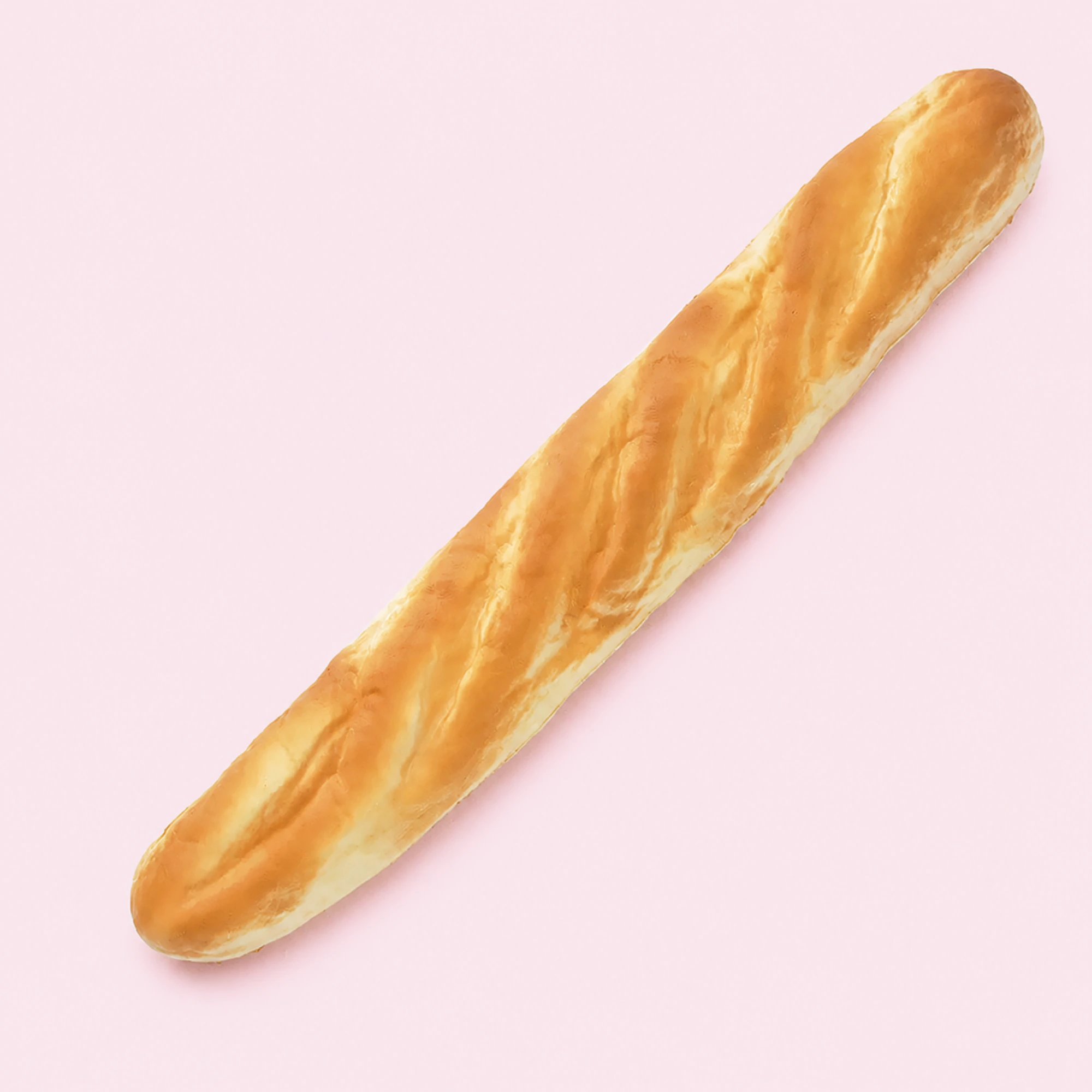
Bakery-themed sensory toys have developed into one of the most sophisticated categories in the squishy market. When inspecting realistic bread squishies, collectors quickly notice that surface textures vary dramatically from piece to piece. A split-crust French baguette features rugged crevices, a braided brioche showcases smooth interlocking cords, and a spiral roll displays radial expansion grooves.
These textural variations are deliberate engineering choices rather than random aesthetic flourishes. In artisanal baking, scoring patterns and braiding techniques control how steam expands and releases during baking. Toy mold engineers replicate these physical principles using open-cell polyurethane foam and elastic surface finishes. Different crust architectures determine how squeezing pressure disperses through the foam core, how durable exterior paints remain over repeated compressions, and how long the piece takes to recover its shape.
Mold Engineering: Scoring, Braiding, and Spiral Grooves
Creating authentic bread textures requires precise mold design that balances visual realism with mechanical durability:
- Split-Crust Scoring Channels: In traditional sourdough and French baguettes, deep cuts known as scoring create expansion joints. On a polyurethane squishy, these channels act as mechanical stress-relief zones. When you squeeze the loaf, the foam folds neatly into the pre-formed channels without causing sharp wrinkles across smooth surface areas.
- Interlocking Braided Strands: Braided bread loaves, such as challah or pastry twists, distribute tensile force across curved segment boundaries. The multi-strand surface prevents lateral tearing because shear forces dissipate along rounded valley seams rather than concentrating at a single focal point.
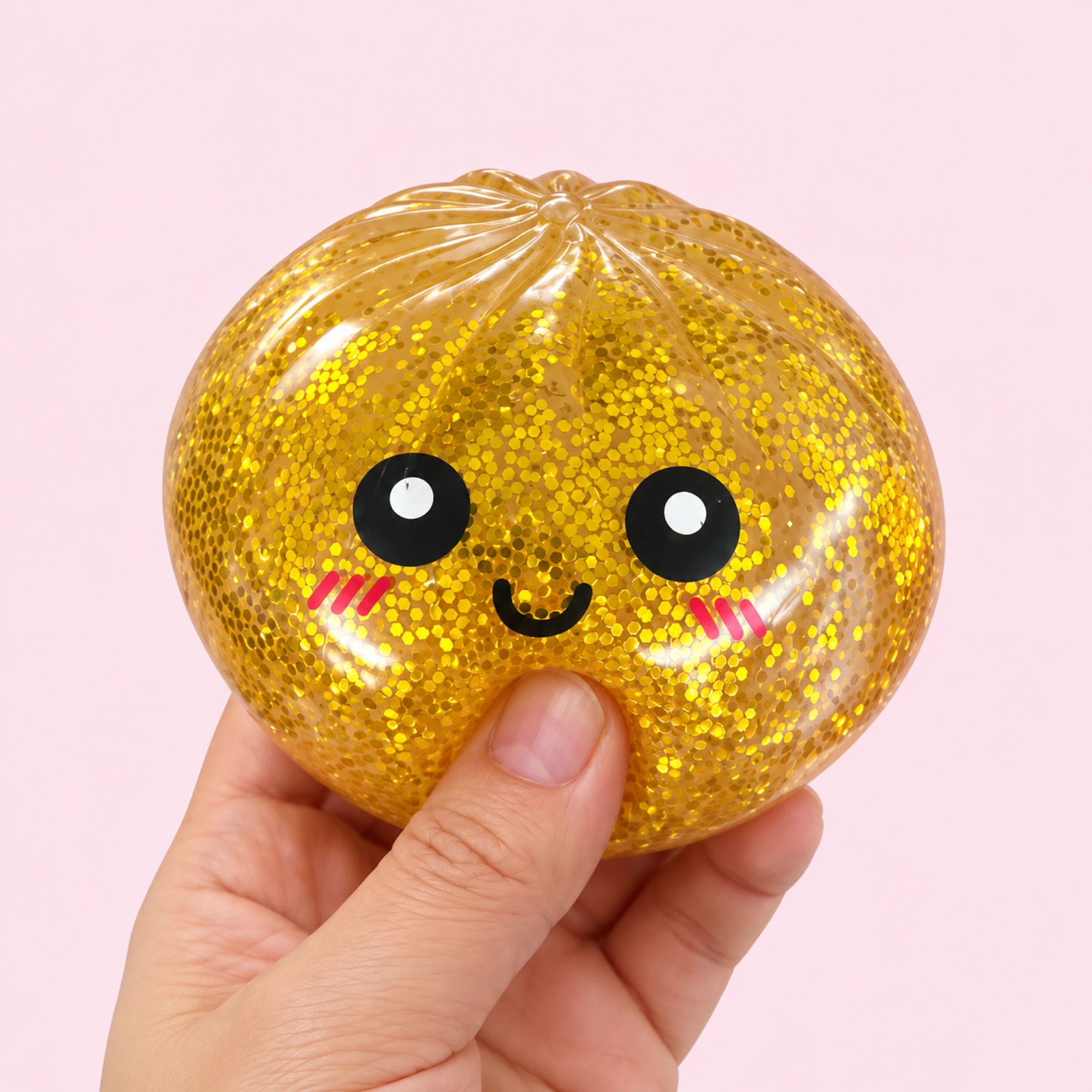
- Radial Spiral Grooves: Spiral rolls and snail-shaped buns employ concentric circular seams. Pressing down on the center compresses the inner core while the outer spirals expand outward smoothly, producing a balanced, multi-stage rebound.
Understanding these geometric differences helps enthusiasts choose models that best match their tactile preferences.
Surface Paint Elasticity and Crease Recovery
The tactile feel of a bread squishy depends heavily on the chemical formulation of its decorative crust layer. Manufacturers utilize two distinct coating strategies to simulate crust varieties:
First, Matte Micro-Crack Coatings create the rustic appearance of crusty hearth breads. Formulators apply elastic matte airbrush coatings with microscopic textured fissures. Because the coating remains flexible, pressing the loaf causes the micro-cracks to flex open momentarily before snapping back without flaking.
Second, High-Elasticity Gloss and Satin Glazes replicate egg-washed brioches, sweet dinner rolls, and milk buns. These coatings form an uninterrupted elastomeric skin over the polyurethane core. The skin feels silky and pillowy, providing gentle resistance before the inner air expels smoothly.
Low-quality imitation squishies frequently fail at the coating stage by using rigid enamel paints. These substandard finishes crack upon initial compression and leave unsightly white stress marks. Genuine bread squishies utilize flexible urethane inks that stretch alongside the underlying memory foam.
Bread Squishy Crust Comparison Matrix
To guide collectors and gift buyers in selecting the right loaf style, the following matrix compares the four primary bread squishy formats across key tactile and mechanical attributes:
| Loaf Style | Crust Texture | Compression Feel | Rebound Speed | Durability Profile |
|---|---|---|---|---|
| Split-Crust Loaf | Deep matte fissures, crisp ridges | Firm initial resistance, airy core | 4 to 6 seconds | Excellent crease resistance |
| Braided Baguette | Smooth rounded cords, recessed seams | Flexible torsion, balanced grip | 3 to 5 seconds | High tear resistance along seams |
| Spiral Bun | Concentric grooves, pillowy top | Multi-stage radial compression | 4 to 6 seconds | Low surface stress concentration |
| Smooth Dinner Roll | Velvety uniform skin, soft curve | Cloud-like, gentle cushioning | 2 to 4 seconds | High paint flex life under palms |
While split loaves offer the most realistic bakery aesthetic, smooth dinner rolls and milk buns provide the softest tactile cushioning for prolonged desktop fidgeting.
FunnySquishy Catalog Verification: Authentic Bakery Models
The FunnySquishy catalog maintains active production runs for verified bakery-themed sensory toys, ensuring collectors receive authentic foam construction and factory-calibrated rebound timing.
The FunnySquishy catalog lists FS-BREAD-Q010 as Chocolate Bread Squishy Cracked Roll Slow Rising Toy priced at $22.99 USD. This premium split-crust collectible showcases deep textured cocoa crevices and a substantial slow-rising rebound that mimics freshly baked hearth bread.
The FunnySquishy catalog lists FS-BREAD-Q019 as Round Bread Squishy Soft Milk Bun Slow Rising Toy priced at $12.99 USD. Featuring a smooth satin dome and pillowy softness, it delivers a gentle three-second puff-back suitable for quiet desk decompression.
The FunnySquishy catalog lists FS-BREAD-Q018 as Mini Bread Squishy Soft Dinner Roll Slow Rising Toy priced at $12.99 USD. Designed in a compact palm-friendly format, this model replicates golden-baked dinner rolls with a soft matte crust and lightweight foam core.
The FunnySquishy catalog lists FS-CZ0501 as Strawberry Milk Bread Squishy , Slow-Rising Scented Bun Stress Toy priced at $14.99 USD. Combining subtle pastel pink accents with delicate sweet scenting, it offers an engaging multi-sensory unboxing experience.
Frequently Asked Questions
Why do realistic bread squishies have different crust textures?
Different crust textures reflect distinct baking techniques replicated through mold engineering. Split loaves, braided rolls, and smooth buns use specialized surface grooves to distribute squeezing pressure and simulate authentic bakery crusts.
Do textured crust bread squishies tear more easily than smooth buns?
No. Quality textured bread squishies utilize engineered grooves that channel folding stress safely. However, users should avoid digging sharp fingernails into recessed seams to prevent localized punctures.
How do you clean and maintain a bread squishy without damaging the crust paint?
Rinse the squishy gently under cool tap water with a single drop of mild dish soap, pat dry with a microfiber cloth, and dust lightly with cornstarch. Never use hot water or alcohol wipes, which can degrade elastic paint finishes.