Silicone Glue for Squishies: Fix Torn Foam, TPR & Silicone Toys
Searching for silicone glue for squishies after spotting a fingernail nick or seam split can save a favorite desk toy, provided you match the adhesive to the exact polymer in your hand. Applying standard household super glue to a soft squishy almost always ends in disappointment: the glue cures into a sharp, brittle crust that cracks the surrounding foam on the very next squeeze.
This guide explains how to identify your squishy’s material, select the right flexible adhesive for open-cell polyurethane (PU) foam versus solid silicone, mend minor surface tears cleanly, and recognize when a damaged toy should be retired.
Why Polymer Type Determines Which Squishy Glue Actually Holds
Not all squishies share the same chemistry, and each polymer reacts differently to solvents and adhesives:
- Why cyanoacrylate (super glue) fails on every squishy: Standard super glue cures into rigid acrylic plastic. When you compress a soft toy, the flexible body stretches away from the stiff glue seam, tearing a wider hole right beside the original repair.
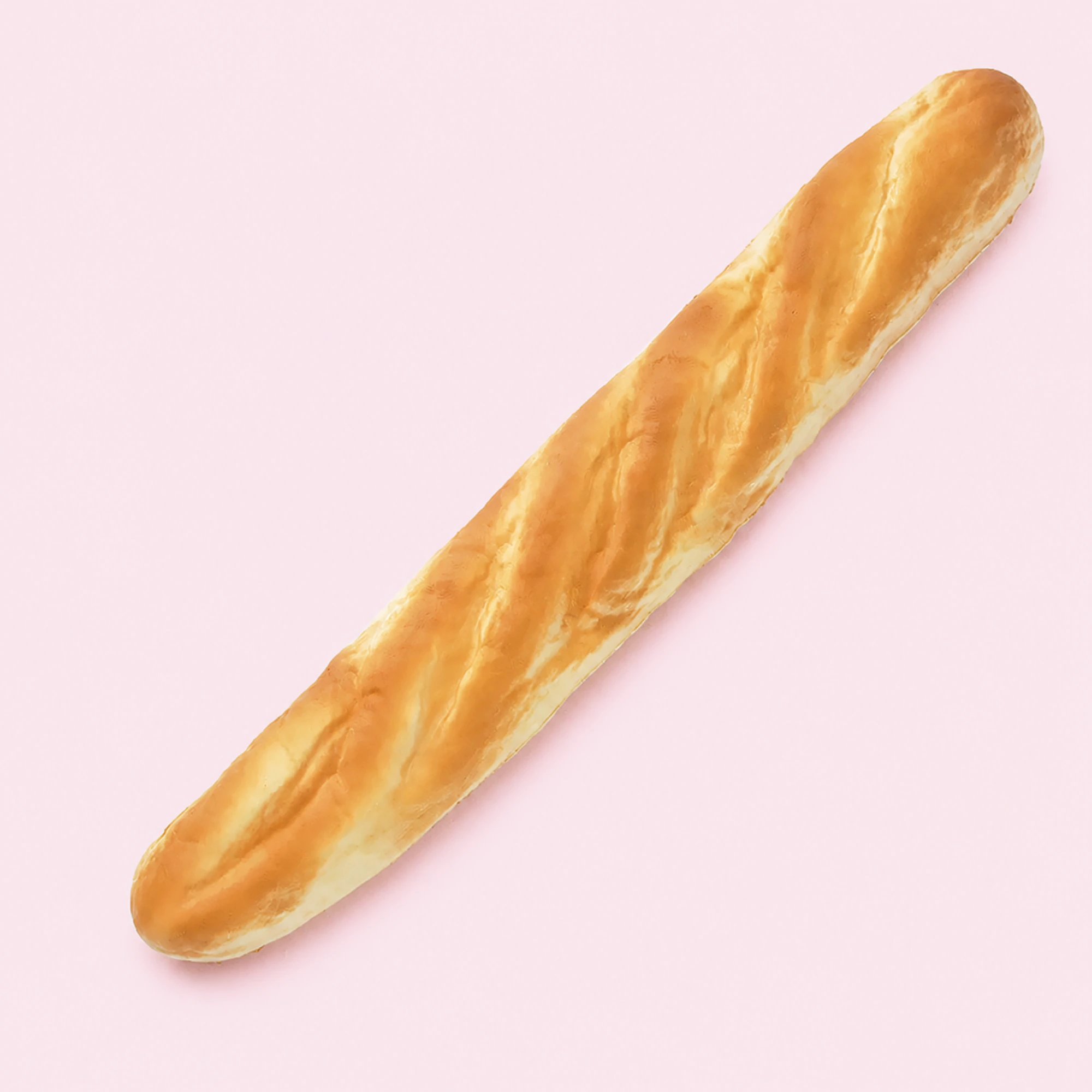
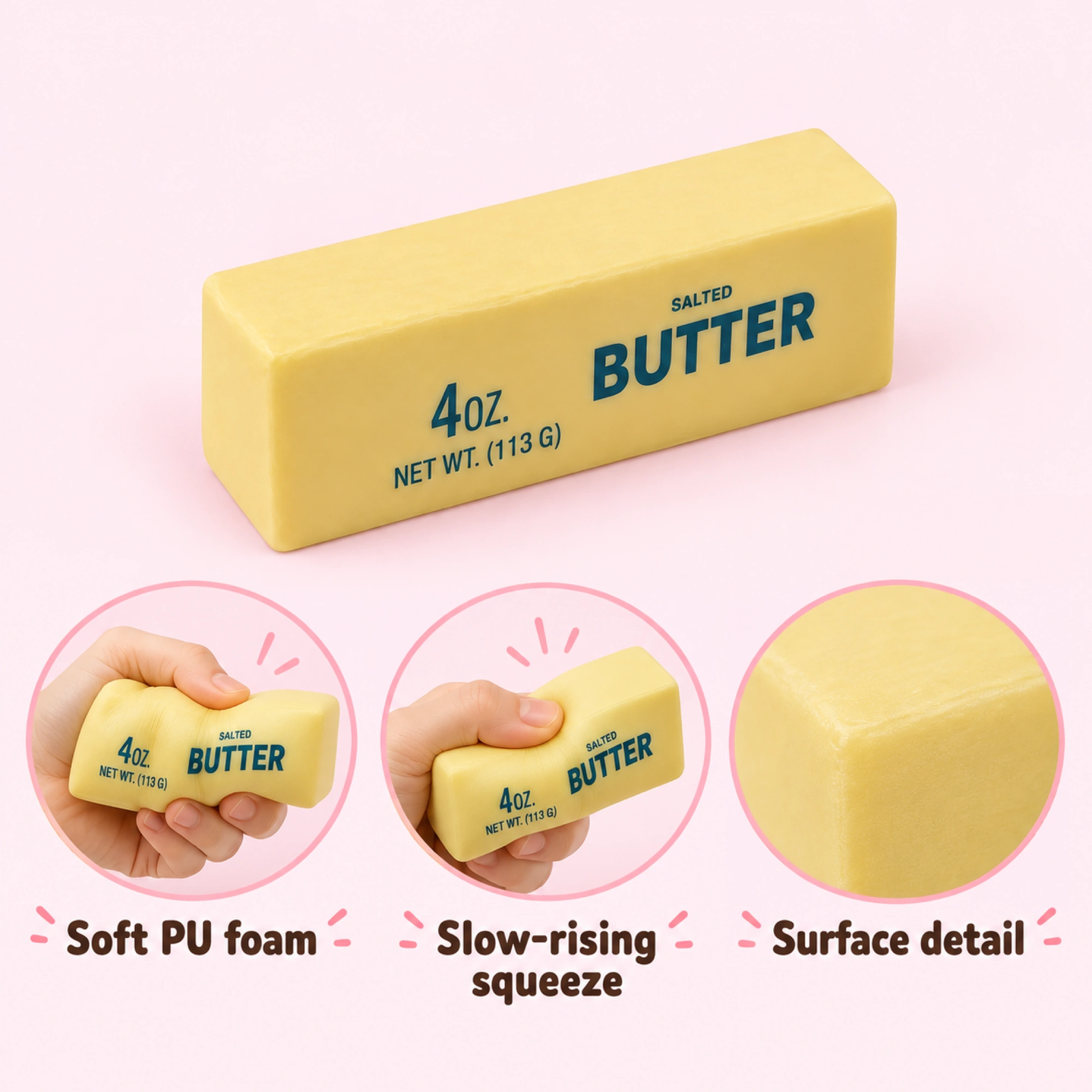
- Open-cell PU foam (slow-rising bread, butter blocks, and bakery shapes): PU foam relies on microscopic interconnected air pockets. It bonds best with flexible, non-foaming fabric glue or specialized elastic craft adhesive applied sparingly so the air cells stay open.
- Solid platinum-cured silicone (taba paws and mochi cats): Nothing sticks to cured silicone except 100% RTV (room-temperature vulcanizing) silicone adhesive. Fabric glue will peel right off a silicone surface once dry.
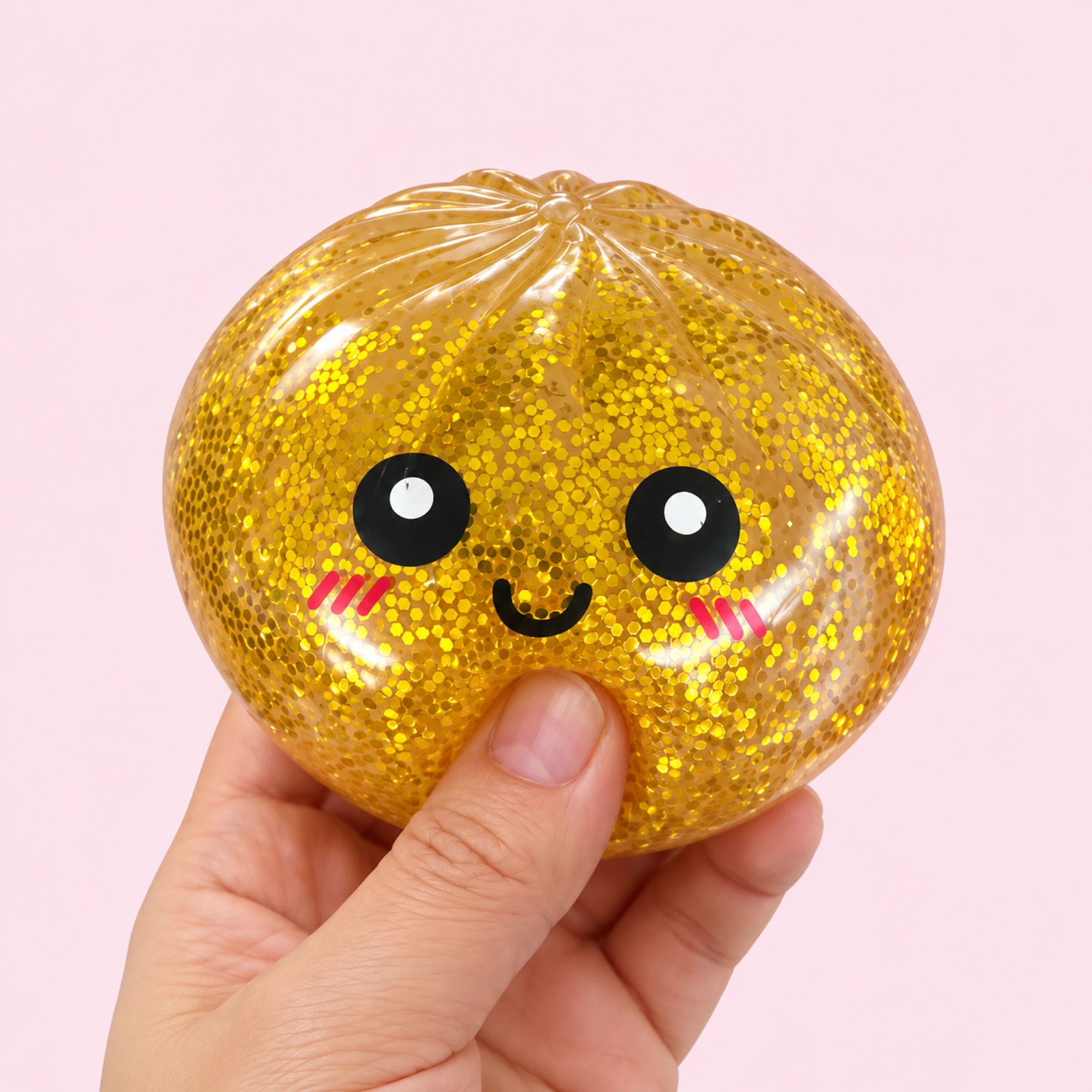
- Liquid- or gel-filled TPR bladders: Pressurized thermoplastic rubber balls stretched around maltose gel, water beads, or liquid cannot hold a patch under hand pressure and should never be glued.
Squishy Adhesive Compatibility Table: PU Foam, Silicone, and TPR
Check this reference table before opening any adhesive tube:
| Squishy Material | Best Flexible Adhesive | What to Avoid | Full Cure Time | Repair Verdict |
|---|---|---|---|---|
| Slow-Rising Open-Cell PU Foam | Flexible fabric glue or elastic craft cement | Cyanoacrylate super glue, hot glue guns | 12 to 24 hours unpressed | Great for shallow corner or seam splits |
| Solid Silicone (Taba / Mochi) | 100% RTV silicone adhesive | Water-based PVA school glue, fabric glue | 24 hours in ventilated area | Bonds surface nicks; leaves faint seam line |
| Dry Hollow TPR Shell | Flexible contact adhesive for elastomers | Rigid epoxy or standard super glue | 24 hours | Temporary cosmetic mend only |
| Liquid / Gel / Bead TPR Ball | None (do not patch) | All glues and tape patches | Not applicable | Retire immediately if punctured or leaking |
Step-by-Step: How to Fix a Minor Seam Tear in Slow-Rising PU Foam
If a slow-rising PU foam block develops a shallow surface split along an edge, follow this micro-bonding method so you do not clog the internal air cells:
- Clean and dry the tear: Gently wipe dust away from the outer painted skin with a dry microfiber cloth. Never wet the interior foam before gluing.
- Apply a pinpoint drop with a wooden toothpick: Squeeze a tiny bead of flexible fabric adhesive onto a scrap card, dip the tip of a toothpick into it, and lightly coat only the torn inner walls. Flooding the crack with glue creates a hard internal lump that ruins the slow-rising rebound.
- Align the edges without clamping tightly: Gently press the two foam edges together for 30 seconds until tacky, then let the toy rest flat and uncompressed. Tight clamps or rubber bands leave permanent dents in cured PU foam.
- Wait a full 24 hours before squeezing: Allow the elastic polymer bond to cure completely before testing full-palm compression.
When to Retire a Damaged Toy and Refresh Your Butter Squishy Set
Cosmetic seam mending works well for minor fingernail nicks, but safety comes first whenever a toy shows deep structural wear:
- Retire any toy with flaking foam or leaking filling: If chunks of PU foam are detaching, or if a gel ball has ruptured, discard the item immediately so small pieces or sticky filling never pose a hazard around children or pets.
- Prevent future tears with flat-palm compression: Squeezing with the flat center of your palm rather than digging sharp fingernails into corners extends the life of painted PU foam skins significantly.
The FunnySquishy catalog lists FS-BUTTER-005 as the PU Foam Butter Squishy, featuring palm-sized proportions, dense foam construction, and a gentle buttery drag priced at $12.99 USD.
When an older foam block is ready for retirement, keeping multipacks on hand makes rotation simple. The 2-Pack Butter Squishy Slow Rising Fidget Set gives you a fresh backup block for your desk drawer, while the 3-Pack Butter Squishy Fidget Toy Set stocks shared family or classroom trays. For collectors who want a cool color variation alongside classic yellow butter blocks, the Blue Butter Brick Squishy 2-Pack Stress Relief Block offers the same dense, leak-free open-cell PU foam construction.