Squishies in Japan: How Bakery and Mochi Styles Compare to PU Foam
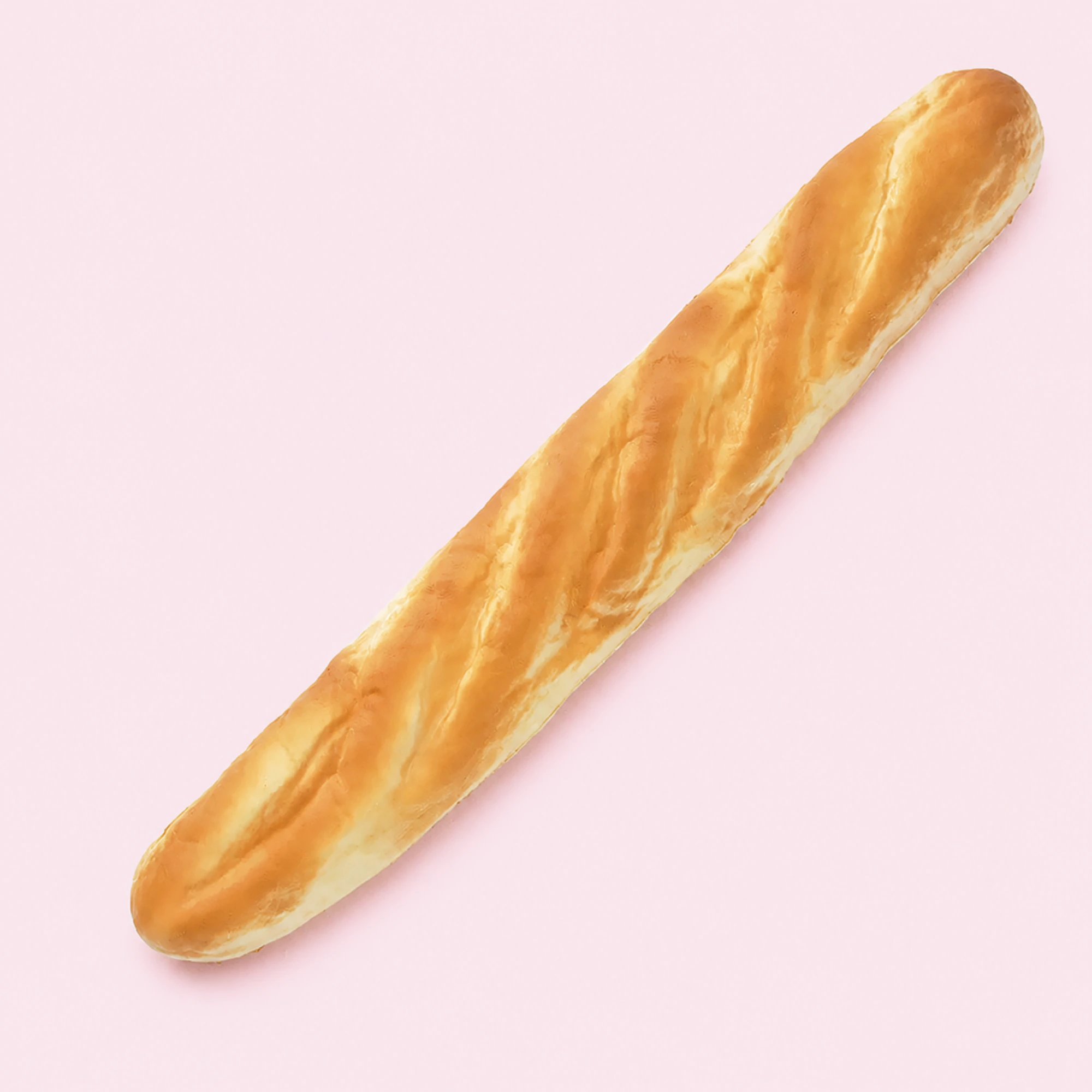
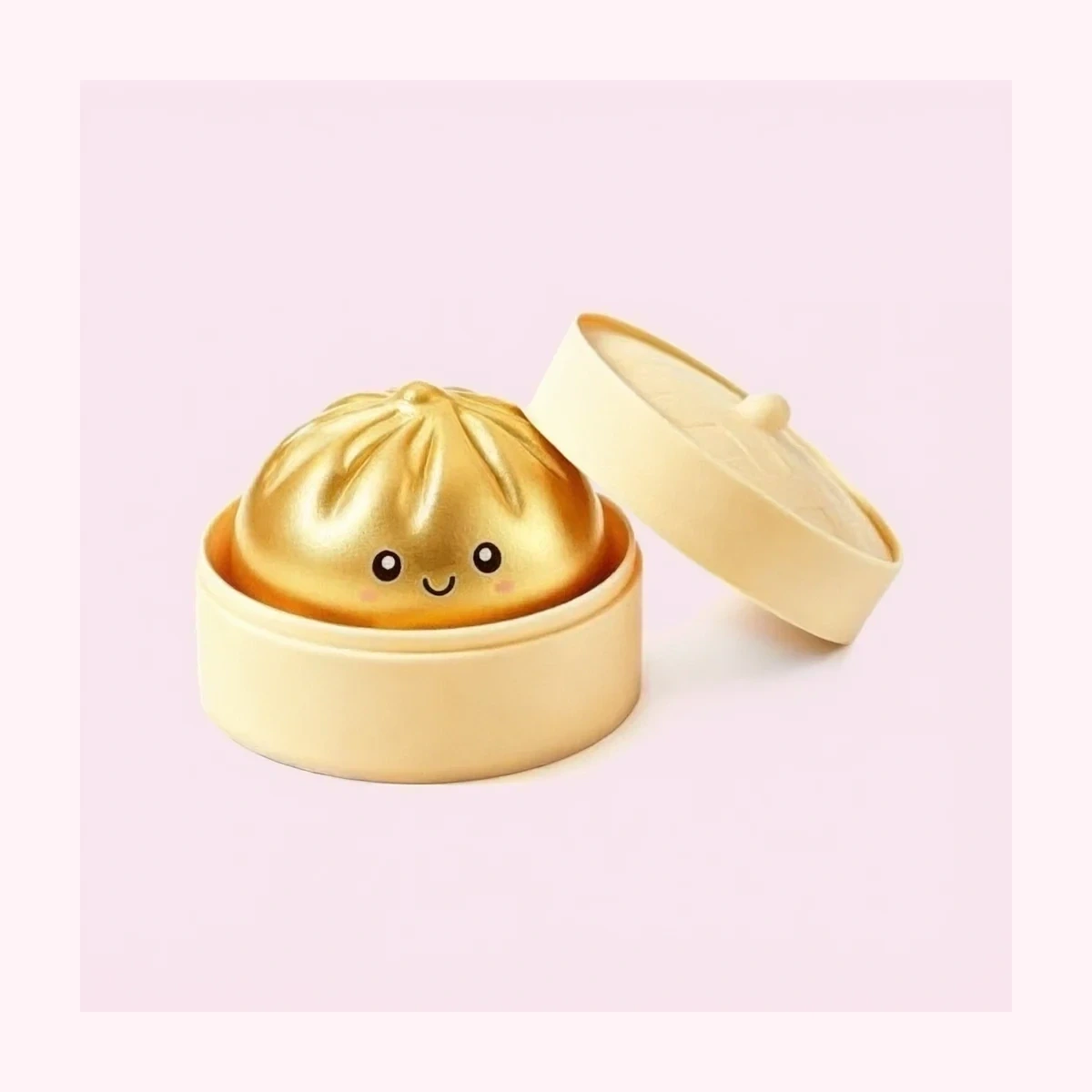
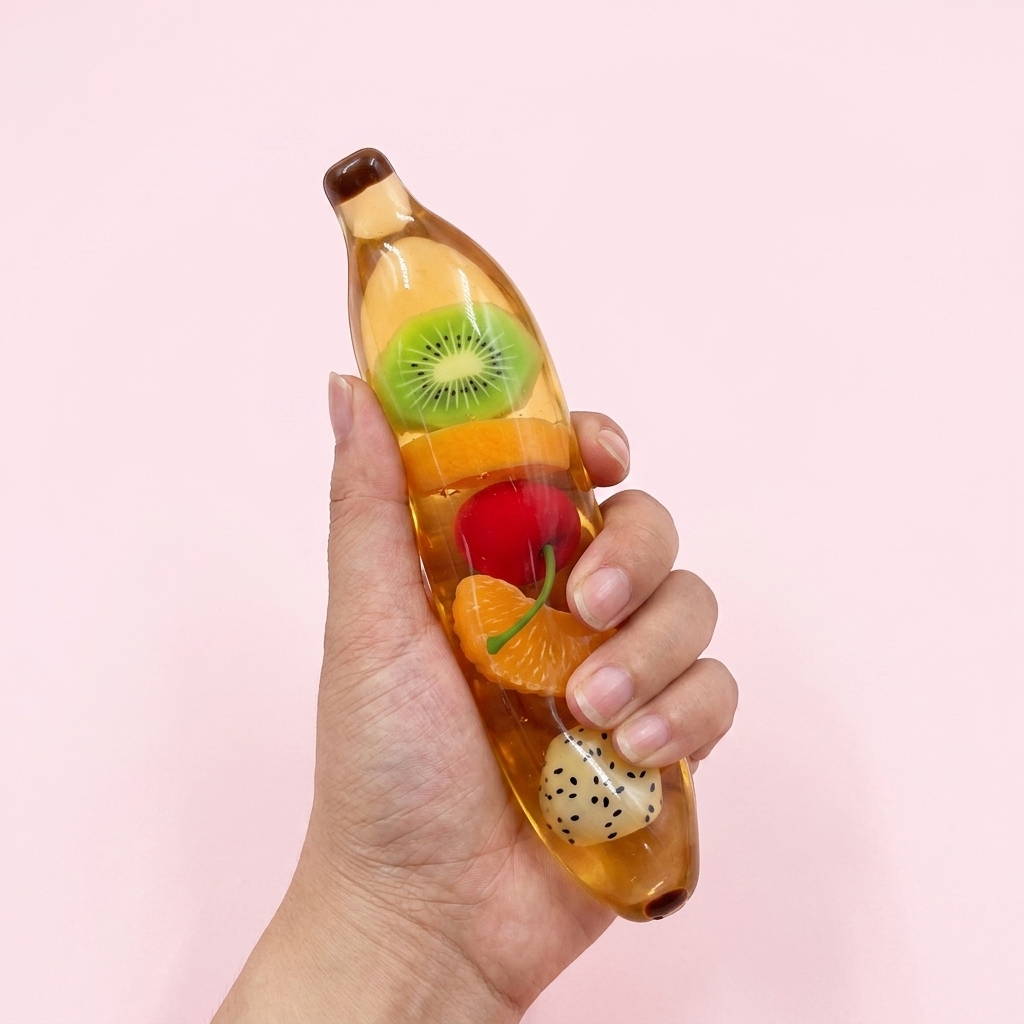
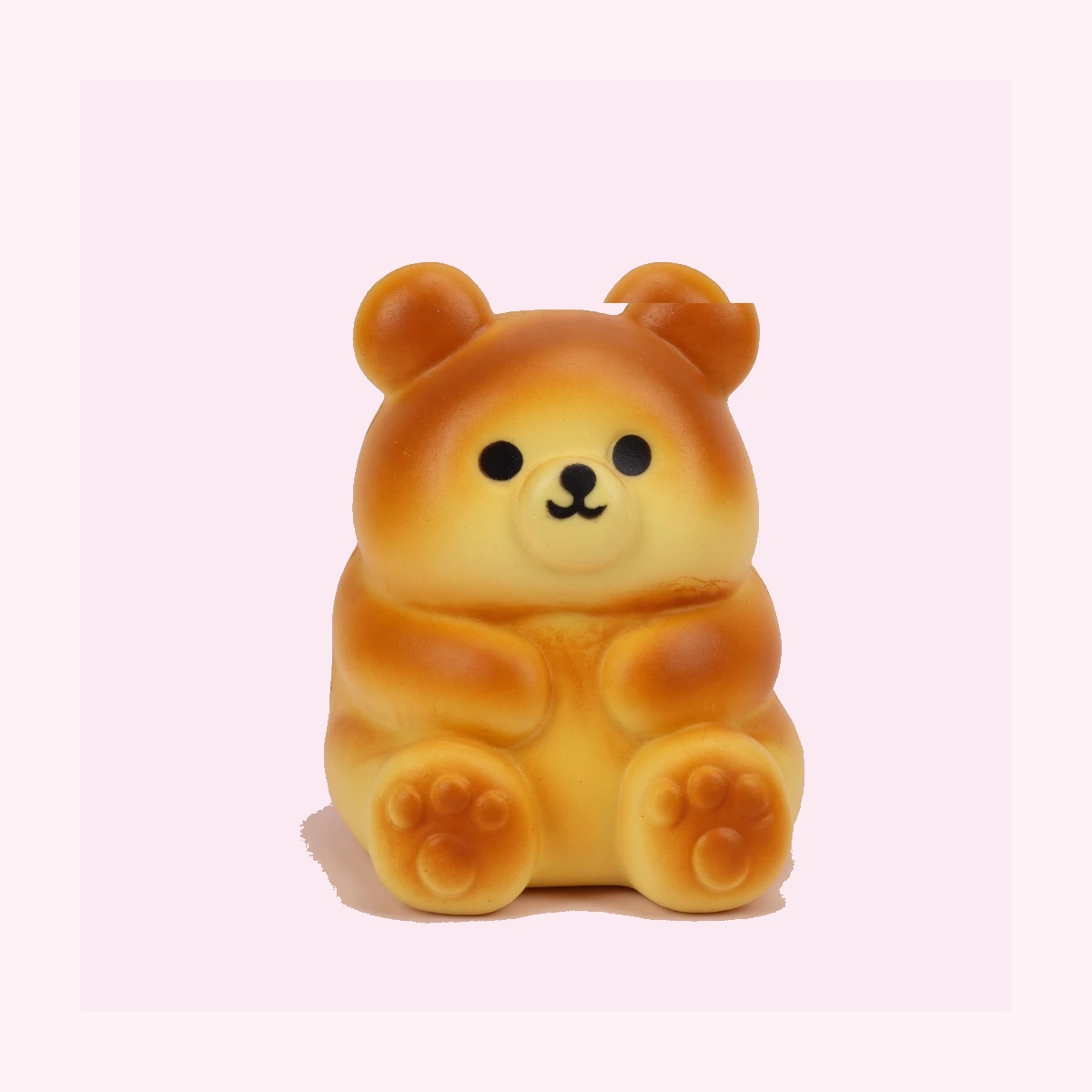
Squishies in Japan began as novelty bakery replicas and kawaii boutique trends in Tokyo shopping districts like Harajuku. Collectors sought delicate textures shaped like fresh bread, French pastries, and animal buns. These early pieces emphasized realism, sweet scents, and miniature details.
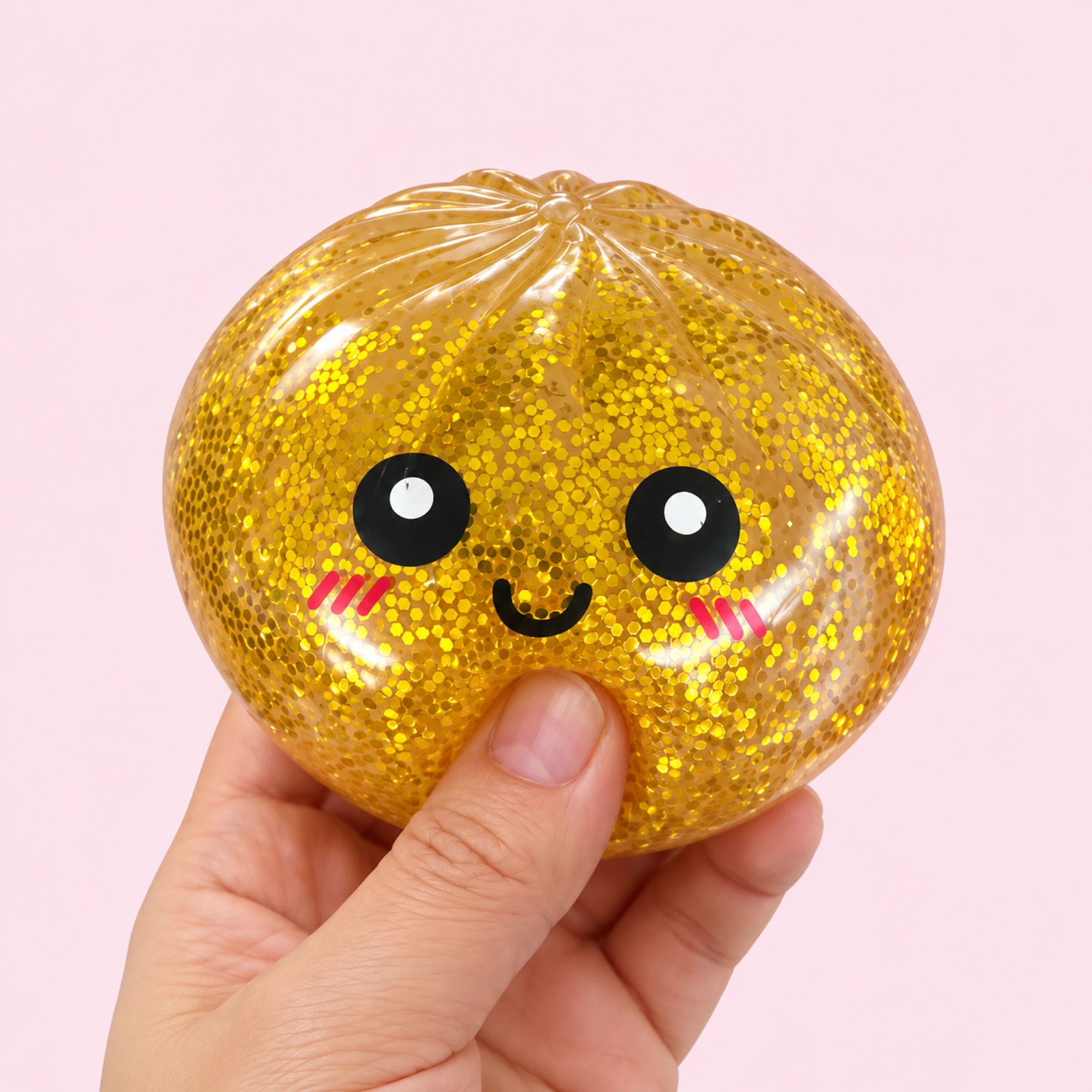
Over time, manufacturers branched into two distinct tactile categories: ultra-soft thermoplastic rubber (TPR) mochi squishies and dense polyurethane (PU) memory foam. TPR mochi toys feel soft and doughy, offering an elastic squish that mimics traditional rice cakes. However, they pick up lint easily and require frequent washing and powdering.
Comparing Tactile Profiles: Japanese Mochi Fidgets vs Dense Polyurethane Foam
Choosing the right sensory companion depends on whether you prefer delicate surface detail or resilient compression that lasts under daily pressure:
- Delicate Painted Crusts (Visual Realism): Japanese bakery squishies use thin exterior paint coats to recreate flaky pastry textures, creating charming display pieces that reward gentle handling.
- Ultra-Soft Mochi Elasticity (Doughy Squish): Thermoplastic rubber replicates the gummy, stretchy bounce of fresh mochi cakes, providing an immediate tactile melt between fingers.
- Resilient Memory Foam Density (Desk Durability): Open-cell polyurethane memory foam withstands heavy daily squeezing without peeling paint layers or gathering dust from office surfaces.
Material Breakdown: Japanese Bakery Molds vs PU Foam Butter Bricks
Use this comparison table to contrast sensory motion, surface finish, and everyday desk durability:
| Feature | Japanese Bakery and Mochi Squishies | PU Foam Butter Bricks |
|---|---|---|
| Primary Material | Painted TPR skin or soft silicone core | Open-cell polyurethane memory foam |
| Tactile Resistance | Ultra-soft doughy stretch or crumbly squish | Dense palm compression with slow rebound |
| Surface Finish | Painted crust details or matte mochi powder | Smooth wipe-clean uniform foam surface |
| Desk Durability | Prone to peeling crusts and lint pickup | Highly tear-resistant under repetitive squeezing |
Three Practical Maintenance Rules for Japanese Squishy Collectors
Proper care preserves the slow-rise rebound and painted finishes of collectible novelty fidgets:
- Rinse sticky TPR mochi toys under cool tap water: Use mild liquid soap to remove surface dust, pat dry with lint-free towels, and dust with cornstarch to restore smooth matte textures.
- Wipe polyurethane foam surfaces with damp cloths only: Never submerge open-cell PU memory foam in water, as trapped moisture degrades the internal foam cellular structure.
- Store delicate painted bakery pieces away from direct heat: High ambient temperatures and prolonged sunlight exposure cause painted pastry crusts to turn tacky and crack prematurely.
Catalog Verification and Pairing Authentic Desk Fidgets
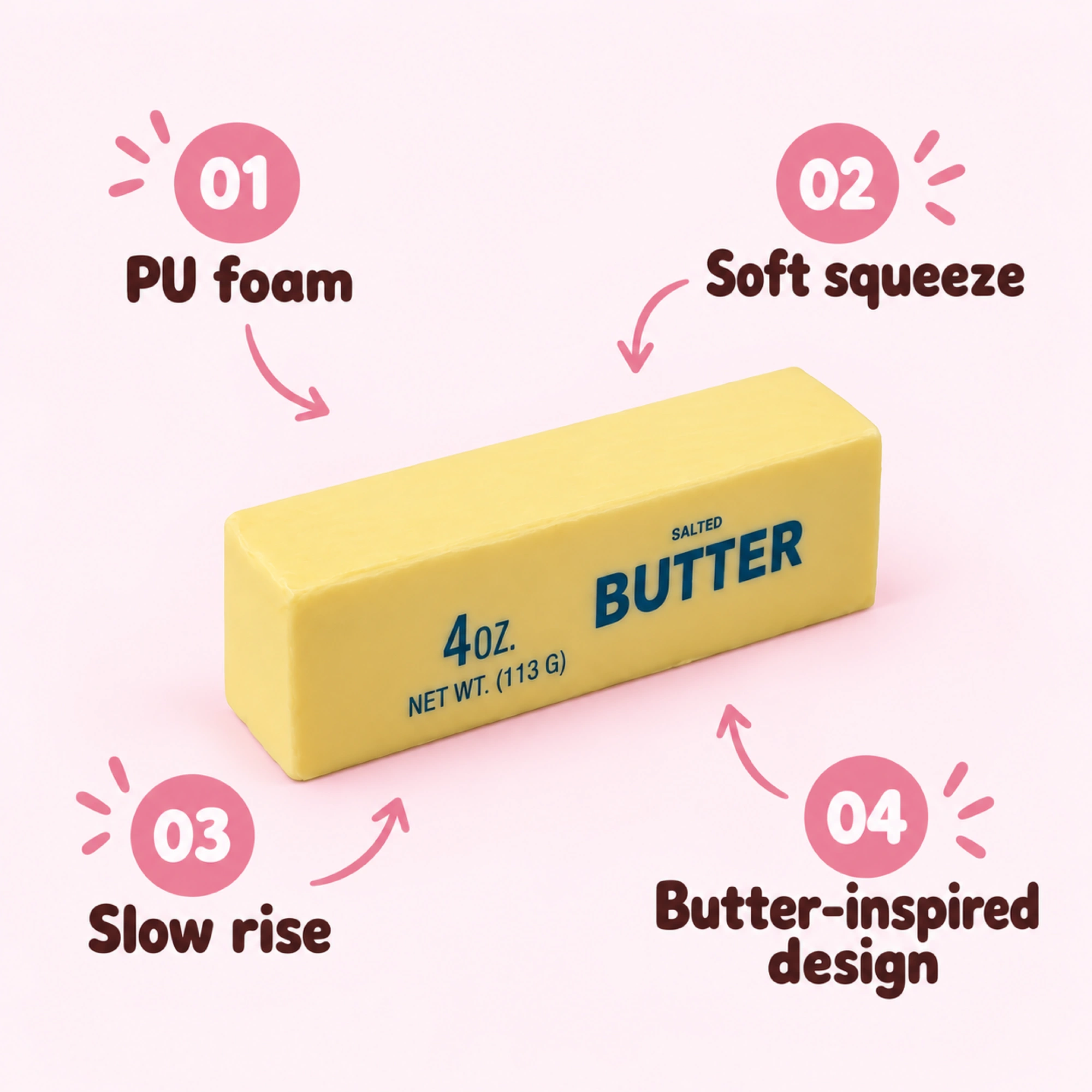
For desk workers who want reliable sensory satisfaction without fragile coatings, authentic PU foam delivers dependable stress relief.
The FunnySquishy catalog lists FS-BUTTER-005 with priceCents 1299. The PU foam butter squishy is a soft, slow-rising stick-of-butter squishy toy made from dense premium foam, with Material/Fill Dense premium PU foam.
Explore our sensory collection by discovering the classic PU Foam Butter Squishy, our convenient 2-Pack Butter Squishy Set, and our colorful Blue Butter Brick Squishy 2-Pack.