FREE worldwide shipping at $49+ 30-Day “Squishfaction” Guarantee Mix & match: 2 for $32.38 · 3 for $45.87 · 4 for $57.57

GUIDES · ANGER MANAGEMENT

Anger Management Stress Ball Guide: Somatic Tension Release & Deep Squeeze Protocols

· Updated August 29, 2026

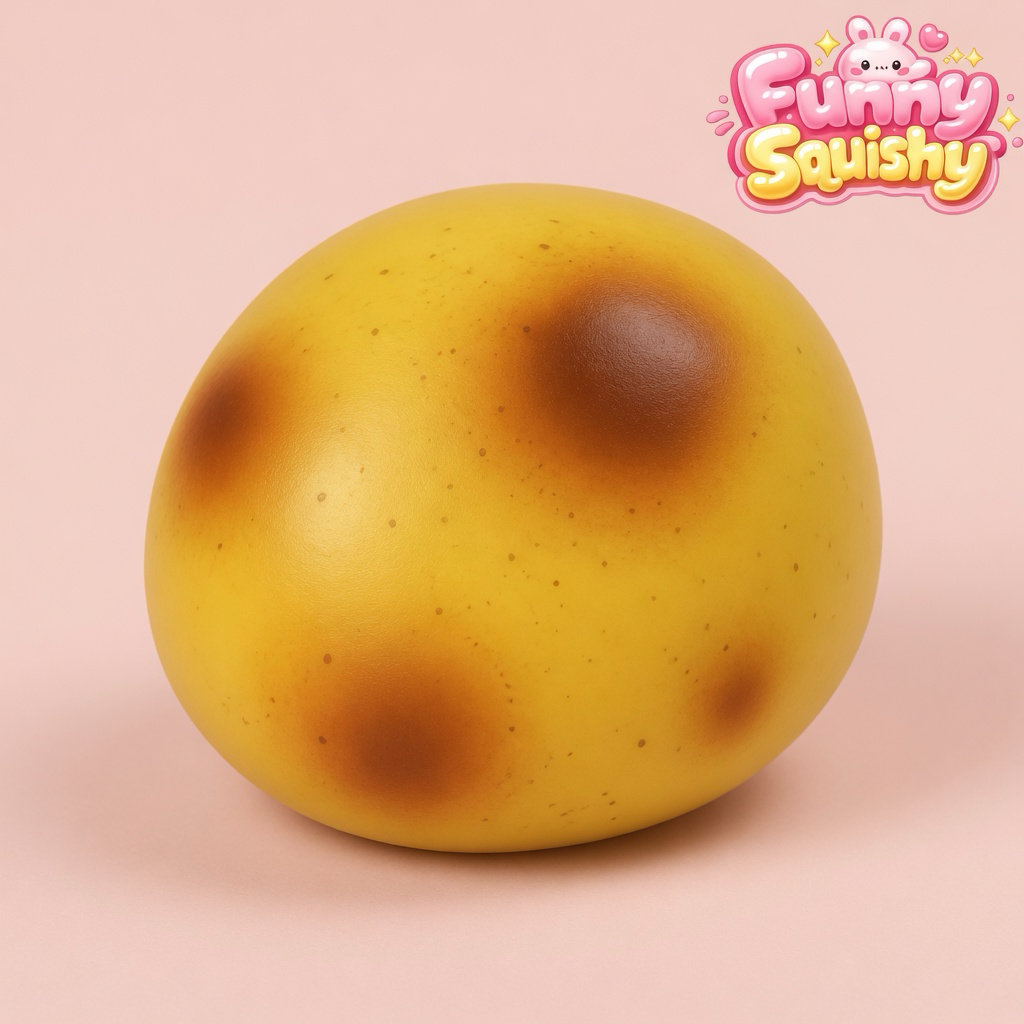
Yellow potato-shaped squishy with brown spots on a pale pink background

An anger management stress ball can be an optional hand activity while you pause, breathe, and decide what to do next. It does not treat anger, remove adrenaline, release neuromuscular tension, or change blood pressure or heart rate variability. Think of it as a tactile object that some people like—not as anger management care or a somatic therapy.

Start with the evidence boundary

Anger is a normal emotion, but it can become difficult or dangerous when it drives aggression, self-harm, broken relationships, or choices you regret. A stress ball may give your hands one quiet task during a pause. There is no good basis for saying that squeezing one treats anger, “discharges” adrenaline, performs somatic tension release, lowers blood pressure, or stabilizes HRV.

The word somatic simply means related to the body. In this guide, somatic awareness means noticing sensations such as heat, tight hands, faster breathing, or an urge to act. It does not mean that a squishy removes a stored substance or releases so-called neuromuscular tension. Likewise, “deep squeeze” describes a preferred hand sensation, not a medical protocol or a prescribed amount of force.

What official guidance actually says about anger management

The NHS page Get help with anger explains that anger may involve a faster heartbeat, tense muscles, clenched fists, feeling hot, irritability, shouting, fighting, breaking things, or self-harm. Its self-help suggestions include noticing anger early, allowing time before reacting, counting to 10, trying calming breathing exercises, talking to someone, exercising, considering peer support, and using self-help cognitive behavioural therapy techniques.

That is a broader anger management plan, not evidence for an anger management stress ball. The NHS advises seeing a GP when you are struggling to cope, self-help is not working, you are acting abusively or violently, or stress, anxiety, depression, or persistent low mood are involved. It also points people toward counselling, anger-management programmes, and talking therapies such as CBT. If anyone may be harmed, seek local urgent or emergency help now.

What NIH/NCCIH says—and what it does not say

The NIH’s National Center for Complementary and Integrative Health page Relaxation Techniques: What You Need To Know defines relaxation techniques as practices intended to bring about a relaxation response. It lists progressive relaxation, guided imagery, biofeedback-assisted relaxation, self-hypnosis, and breathing exercises. Progressive relaxation involves intentionally tensing and releasing different muscle groups; that is not the same thing as using a stress ball.

NCCIH reports that evidence varies by technique and condition, and that some supporting research is low quality or inconclusive. It also notes that negative experiences can occasionally occur and advises professional care for severe or long-lasting symptoms. Crucially, the page does not test or endorse a clay-feel squishy. Physiological findings from studied relaxation methods cannot be transferred to a toy, so a clay-feel product must not be advertised as lowering blood pressure, changing heart rate, or stabilizing HRV.

A low-pressure, optional somatic pause

If hand activity helps you delay an impulsive reaction, the following is a modest option. It is not a somatic tension release protocol, treatment, or substitute for care:

  1. Create space. Stop the conversation if you safely can. Put down anything that could hurt someone, step away, and notice your feet, jaw, hands, and breathing. This somatic check is for awareness, not diagnosis.
  2. Choose or skip the object. Hold an anger management stress ball only if the texture feels welcome. Some people prefer a clay-feel object; others find touch irritating and should skip it.
  3. Use comfortable pressure. Make a gentle, self-chosen squeeze and release. If you want a deep squeeze sensation, “deep” still does not mean maximum effort. Never use a percentage of maximum grip. Stop for pain, numbness, tingling, swelling, or worsening agitation.
  4. Add an established pause skill. Count slowly, use a calming breathing exercise, or name what you want to say after the intensity passes. The somatic object can occupy your hand, but it is not what makes these skills effective.
  5. Choose the next safe action. Set the object down. Walk, talk to someone unconnected to the conflict, write a short note, or contact professional support. Good anger management continues after the squeezing stops.

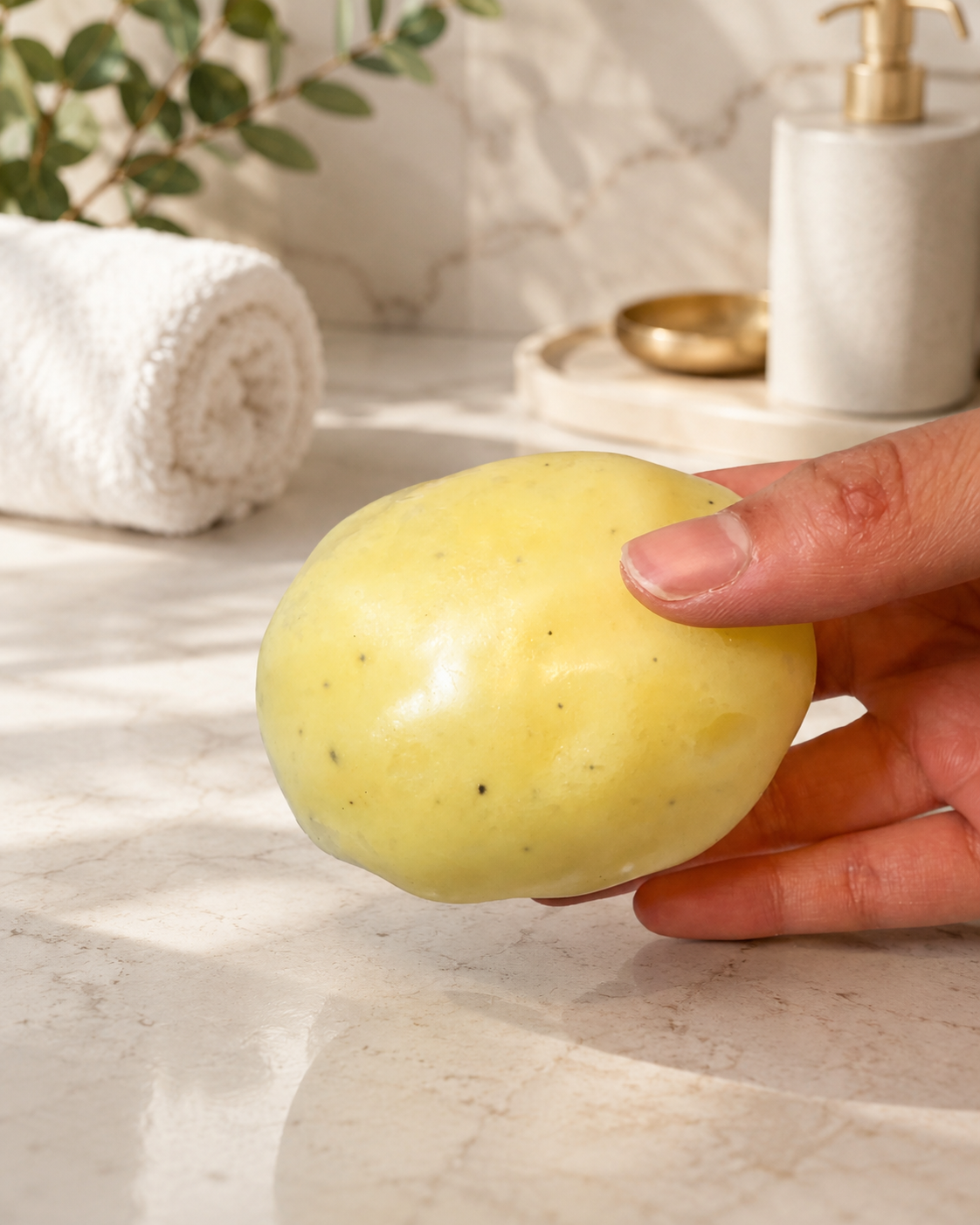
Hand holding a pale yellow potato-shaped squishy beside a rolled white towel and green plants
A hand holds the potato-shaped product; the photo does not demonstrate force, durability, somatic effects, or a health outcome.

Where “somatic tension release” language can mislead

People often use somatic tension release as shorthand for feeling less wound up after movement, breathing, or sensory activity. That personal description is valid as an experience, but it is not proof that tissue, nerves, hormones, or trauma were mechanically “released.” A somatic practice can help someone notice a change without establishing why it happened.

For the same reason, an anger management stress ball should not carry promises about adrenaline, blood pressure, HRV, trauma, or mental illness. A clay-feel texture may be pleasant, neutral, or unpleasant depending on the person. If the object increases frustration, throw urges, or compulsive squeezing, put it away and use another pause strategy.

Verified Funny Squishy product and service facts

Funny Squishy maintains a dedicated squishy catalog with separate curated, novelty, new-arrival, and general squishy collections. Its production catalog listed the Fluid Potato Squishy — Slow-Rising Clay-Feel Squishy Spud Stress Ball as active with 100 units in stock and a price of US$17.99 when checked on August 29, 2026. The catalog record had six current product images. “Clay-feel” is part of the product name and a texture description, not a clinical claim.

The store provides support through [email protected] and its contact form. Its FAQ states a 30-Day Squishfaction Guarantee: customers who are not completely happy can contact support within 30 days for a replacement or refund. These are commercial service facts. They do not show that the fluid potato squishy, a clay-feel item, treats anger or produces a physiological somatic effect.

Bottom line

Use a stress ball only as an optional hand activity within a wider anger management plan. A fluid potato squishy may suit someone who likes a slow clay-feel sensation, but no anger management stress ball can deliver treatment or guaranteed somatic tension release. Keep the claims modest, stop if it hurts or agitates you, and seek psychological, medical, crisis, or emergency support when the situation calls for it.


Official sources used

NHS: Get help with anger (current page heading: “Anger”), reviewed August 4, 2026. NIH/NCCIH: Relaxation Techniques: What You Need To Know, last updated June 2021. These sources support the guidance and evidence boundaries above; neither source endorses a stress ball or Funny Squishy product.

Shop the lineup More guides
WhatsApp Support