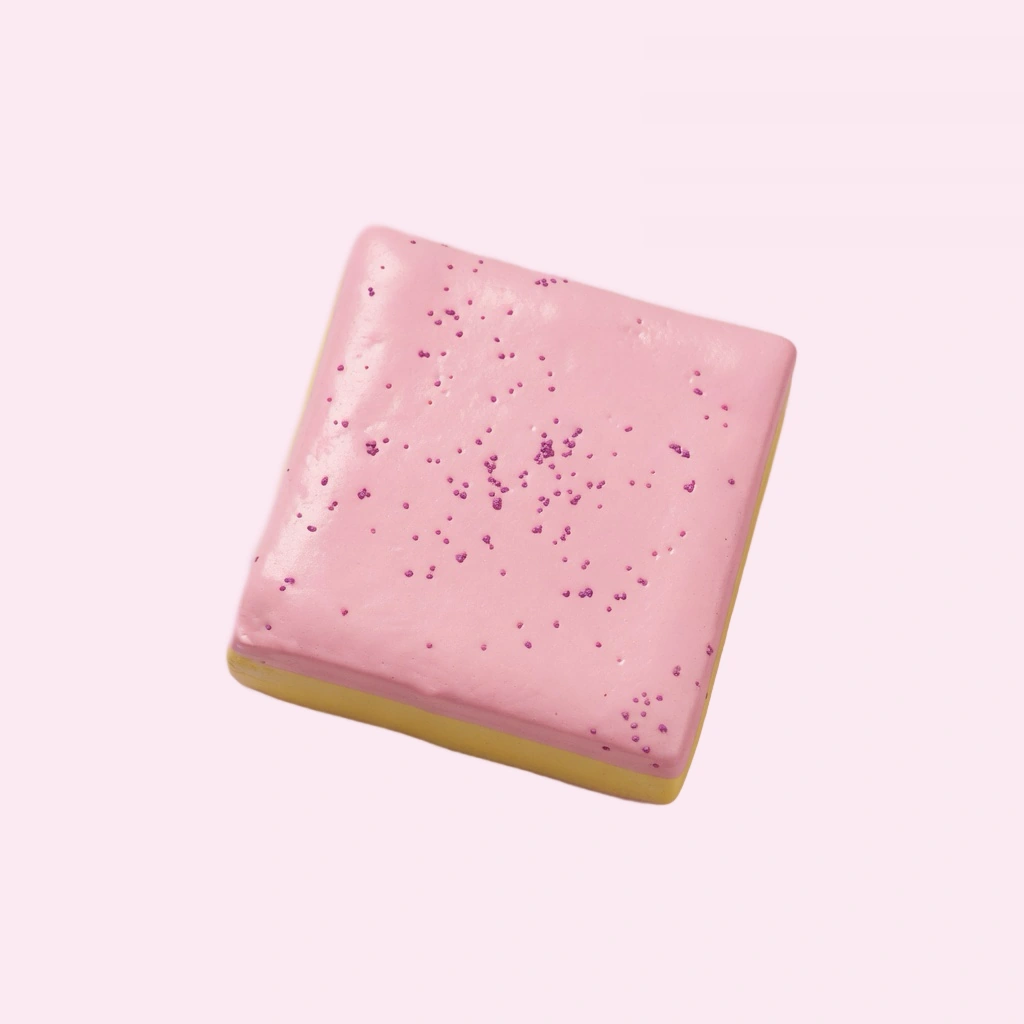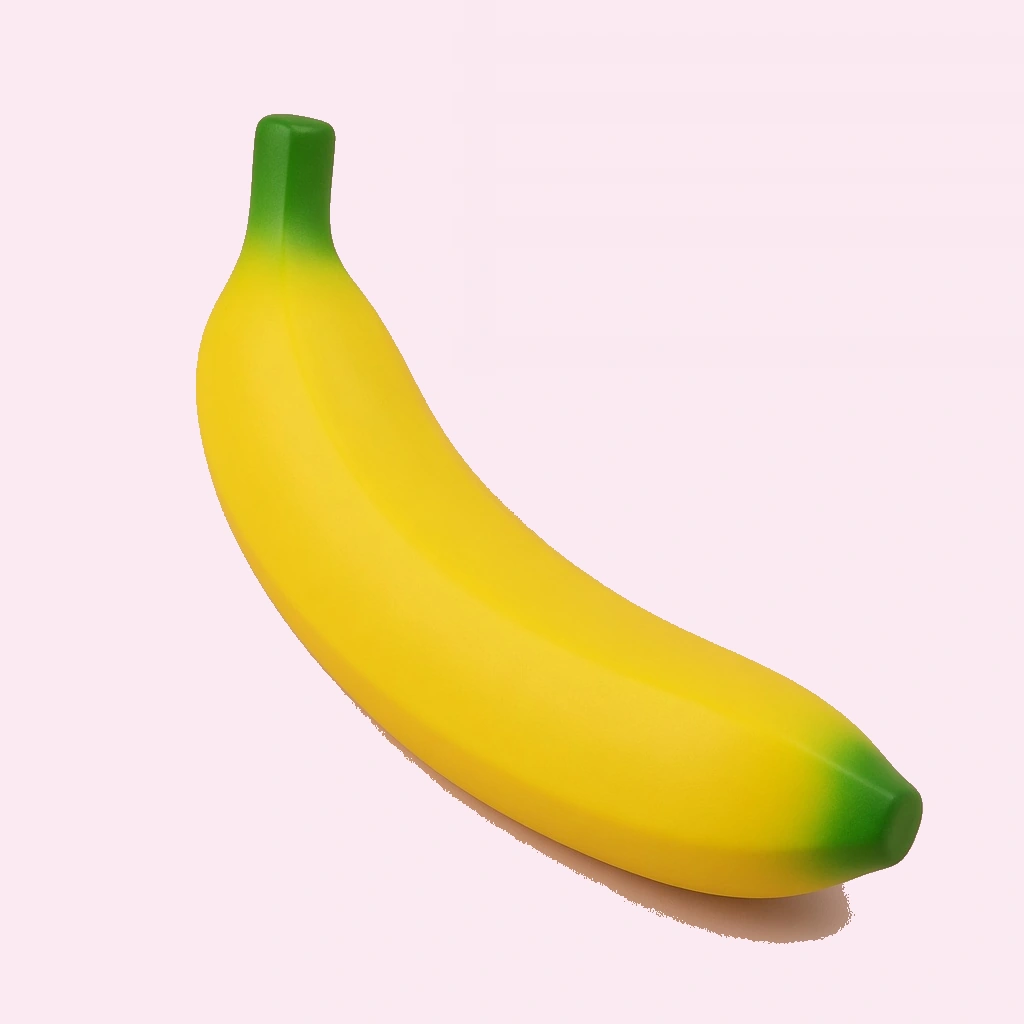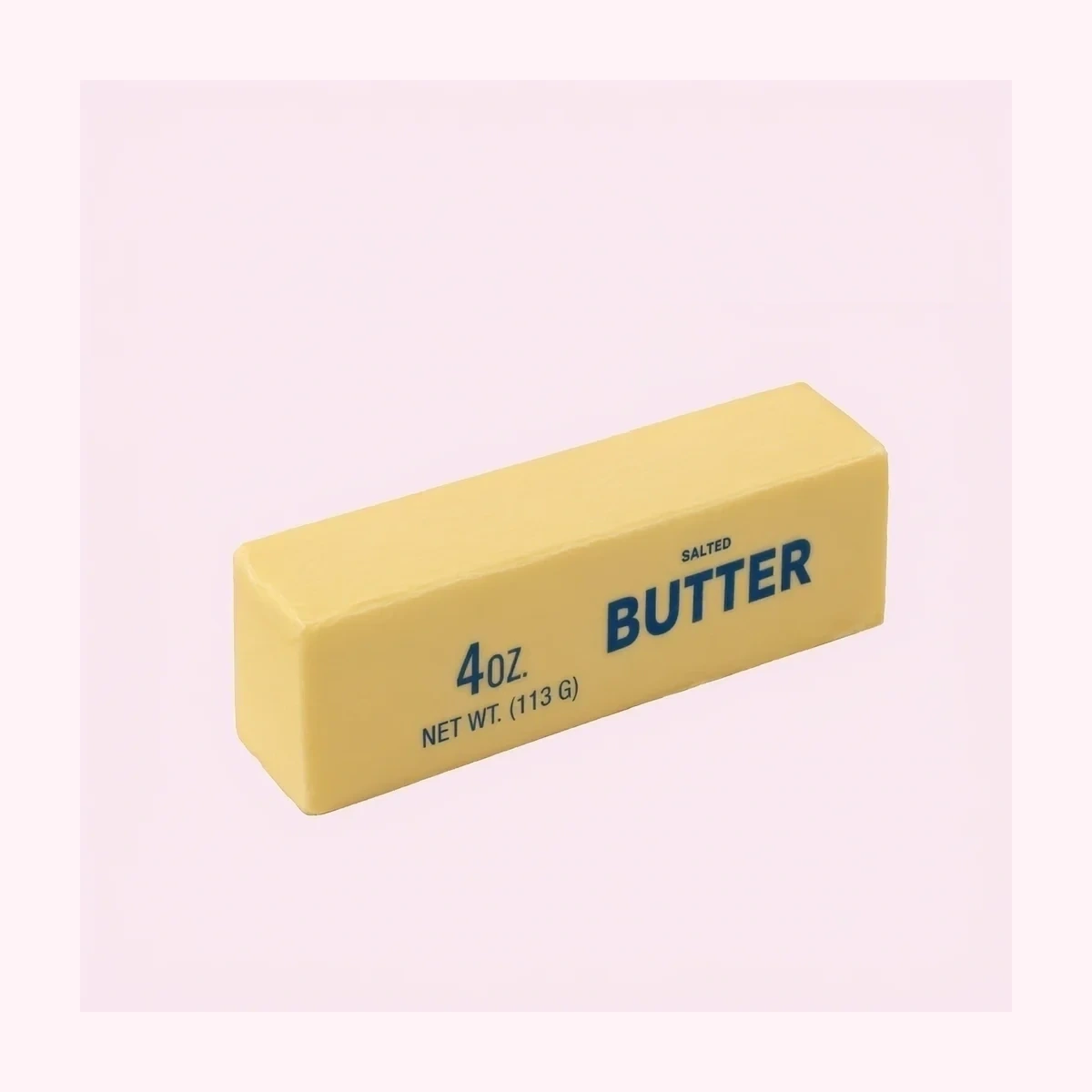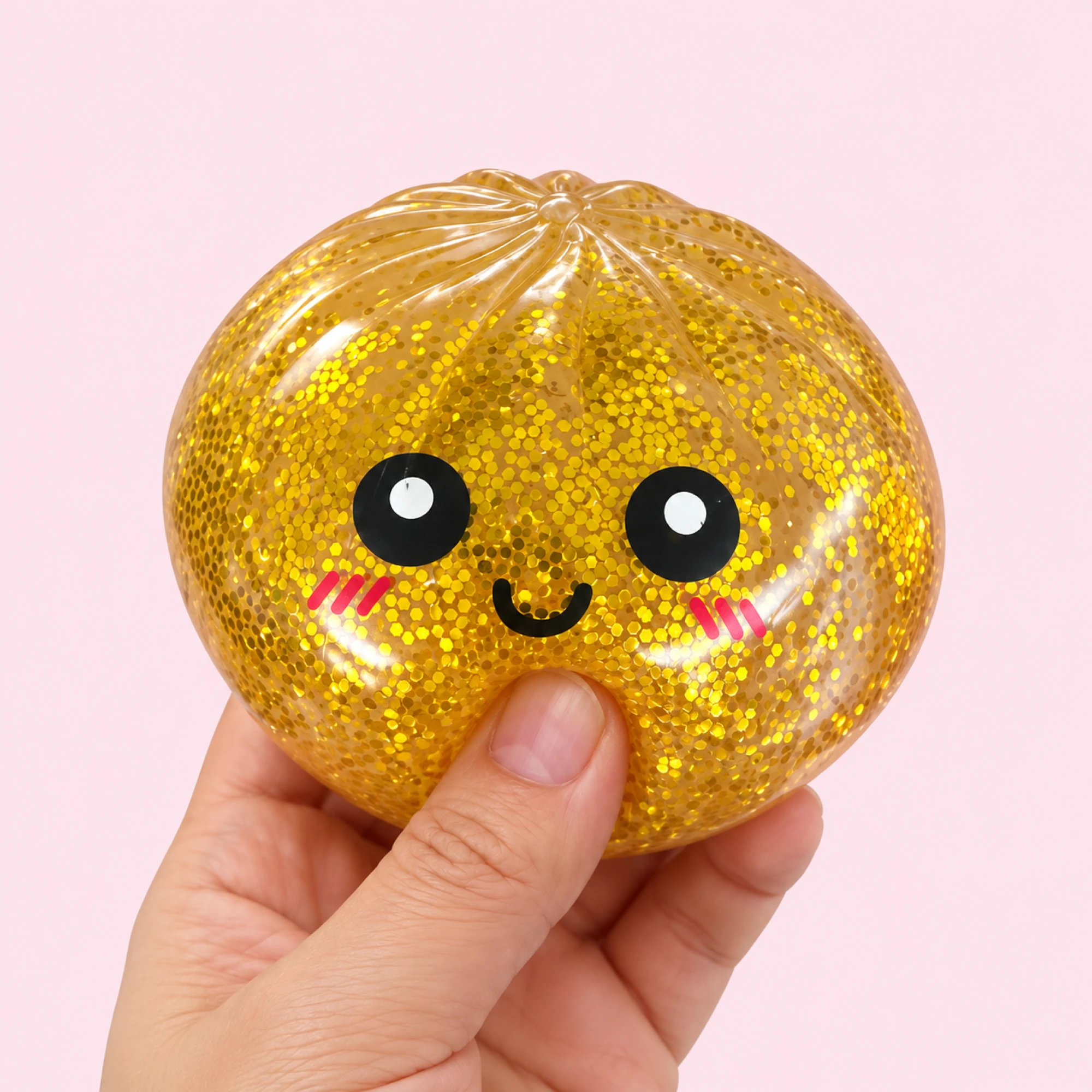


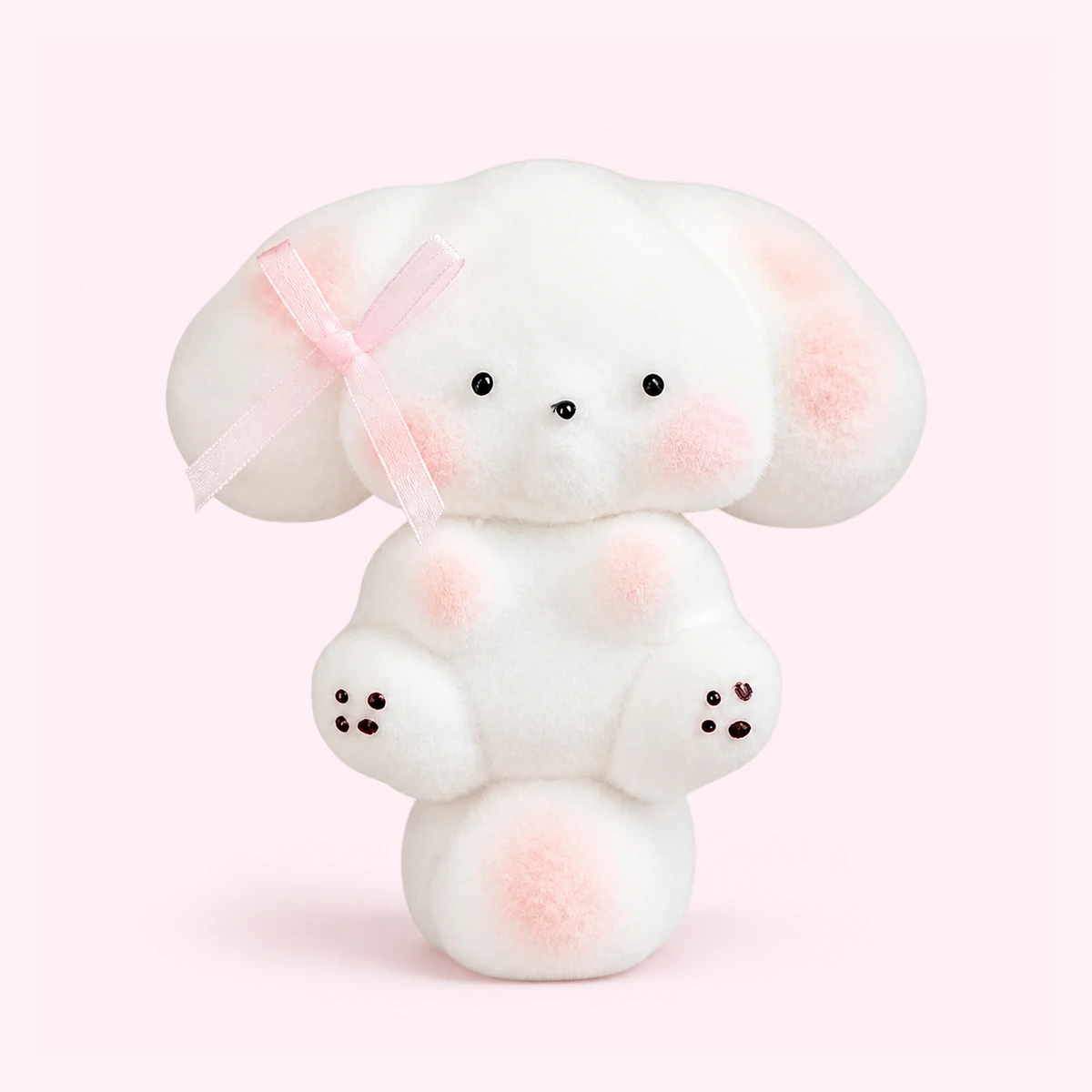
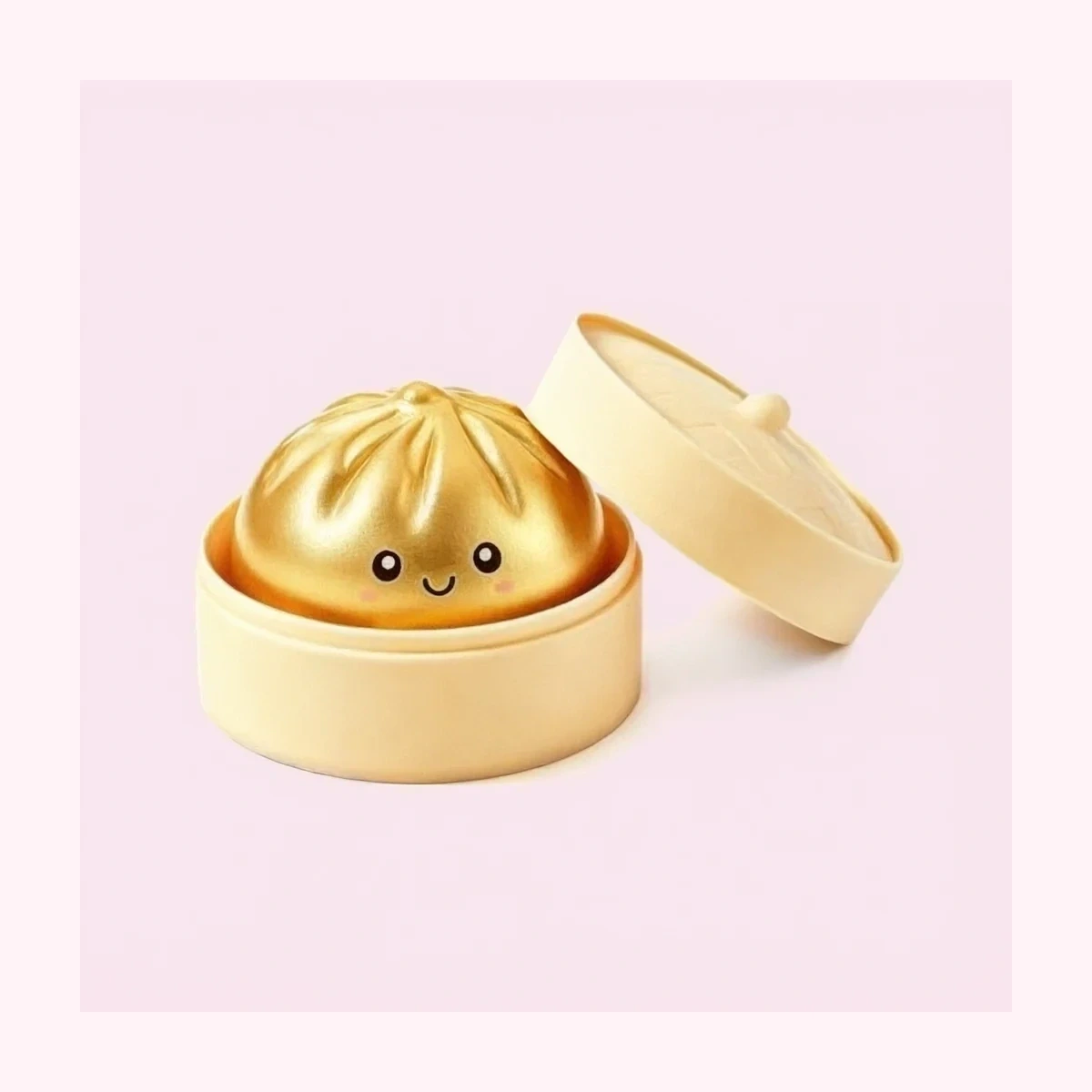

Squishies are everywhere right now: in pencil cases, on desks, and filling up TikTok feeds with oddly satisfying slow-motion squeezes. But behind the fun, a fair question keeps surfacing among parents and buyers: are squishies safe? The honest answer is that it depends almost entirely on what they're made of and who made them. A well-manufactured squishy from a reputable brand can be perfectly safe to handle. A cheap, unregulated knockoff can release fumes you'd rather your child not breathe.
This guide breaks down the materials behind squishies, explains what's actually in them, and gives you concrete ways to tell a non toxic squishy from a risky one.
Table of Contents
- What Are Squishies, and What Are They Made Of?
- The Truth About Butter Squishy Materials
- PU Foam and the Offgassing Problem
- TPR Squishy: What It Really Is
- Silicone: The Safest Common Option
- Safety Certifications That Actually Matter
- How to Spot a Toxic Squishy
- Age-by-Age Safety Guidance
- FAQ
- The Bottom Line
What Are Squishies, and What Are They Made Of?
A squishy is a soft, slow-rising or springy toy designed to be squeezed for stress relief and sensory play. They come in four main material families, and the differences matter more than the cute shapes suggest:
- PU foam squishies — the classic slow-rising kind shaped like buns, cakes, and animals.
- TPR squishies — stretchy, springy, often translucent or jelly-like.
- Butter squishies — the viral category, named for their dense, smooth, butter-stick feel.
- Silicone squishies — firmer, food-grade, and increasingly marketed as the premium safe choice.
Each material has a different chemistry, a different risk profile, and a different range of quality between the cheapest and most reputable versions.
The Truth About Butter Squishy Materials
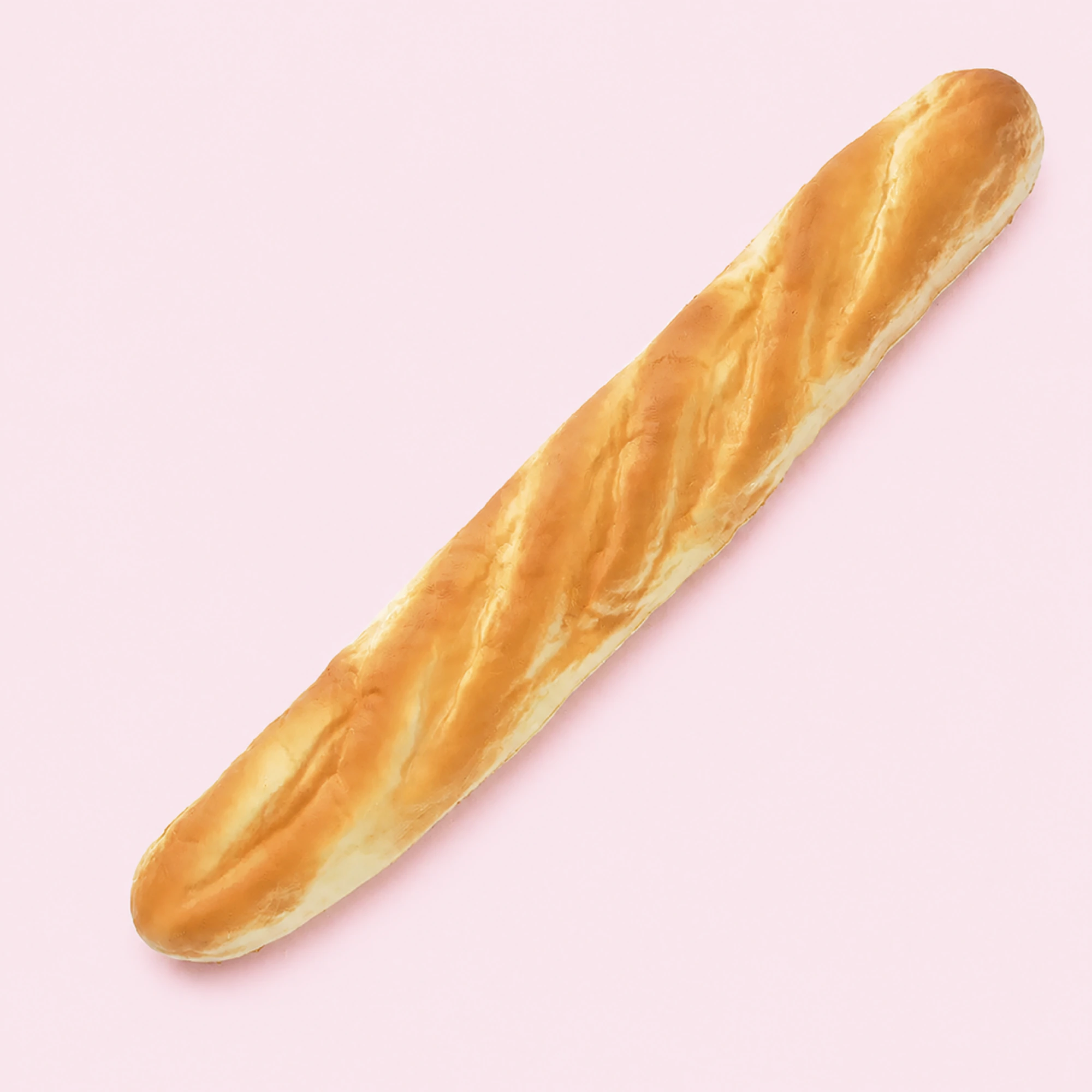
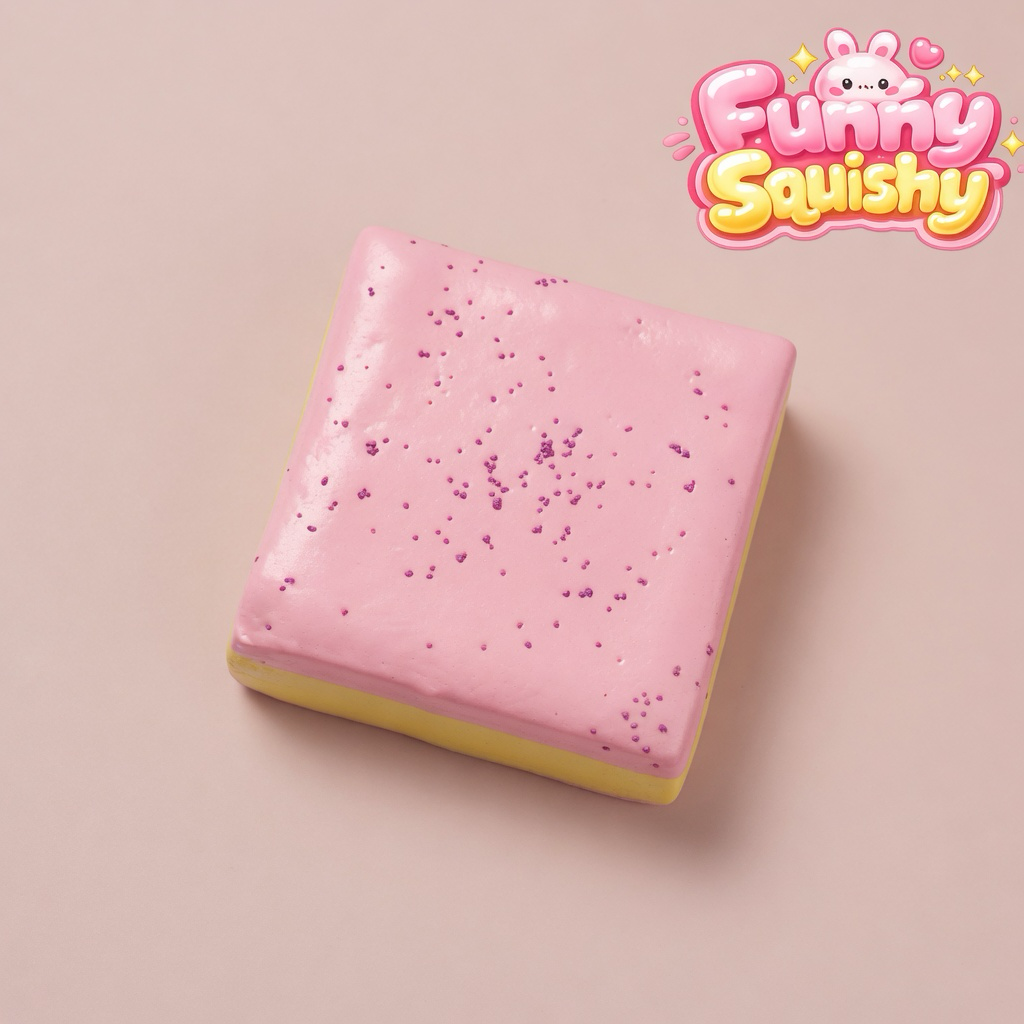
The foam butter squishy went viral largely through social media, where its slow, sliceable squish made for hypnotic videos. That popularity created a flood of look-alike products, and quality varies enormously between them.
Here's the part no one explains clearly: a butter squishy isn't a single material. Most are made from either a soft TPR formulation or a slow-rebound PU foam, and some combine elements of both. That ambiguity is exactly why buyers get confused about safety. A butter squishy from a brand that publishes test certificates is a different product from a no-name version shipped in unlabeled packaging, even if they look identical in a video.
This matters because newer outlets and poison control centers have flagged cheap butter squishies after children mistook them for actual food or chewed on them. The risk isn't the concept of a butter squishy. It's the unregulated, untested versions riding the trend.
PU Foam and the Offgassing Problem
Polyurethane (PU) foam is the material behind most traditional slow-rising squishies, and it's the source of the longest-running safety concern: offgassing.
Offgassing is the release of volatile organic compounds (VOCs) as the foam cures and ages. In poorly manufactured PU squishies, testing has detected compounds such as toluene, xylene, and dimethylformamide (DMF). These are solvents and processing chemicals that can irritate the eyes, nose, and lungs, and prolonged exposure to some is a recognized health concern.
A few practical points:
- The strongest emissions usually occur when a product is brand new and freshly unwrapped.
- Emissions typically taper off over days to weeks as the foam finishes curing.
- A persistent chemical or solvent smell that doesn't fade is a warning sign, not normal "new toy" odor.
Reputable manufacturers use cleaner formulations and cure their foam properly, which dramatically reduces VOC output. The problem is concentrated in cheap, fast-produced foam that skips quality controls.
TPR Squishy: What It Really Is
TPR stands for thermoplastic rubber (often grouped with thermoplastic elastomers, or TPE). It's the same broad material family used in many toothbrush grips, toy figures, and medical components. A tpr squishy is prized for its stretchy, durable, springy feel.
TPR itself can be very safe. The catch is that "TPR" describes a base material, not a fixed recipe. The safety of any given TPR product depends heavily on what's blended into it:
- Plasticizers — added to soften the material. High-quality products avoid banned phthalates; cheap ones may not.
- Stabilizers and colorants — necessary additives that can introduce heavy metals if low-grade pigments are used.
- Oil fillers — inexpensive extender oils used to cut costs, which can contribute to odor and surface residue.
This is why two TPR squishies can be worlds apart. A certified TPR squishy made with phthalate-free plasticizers and food-safe colorants is a genuinely good option. A bargain-bin version filled with cheap oils and unverified additives is the kind of product safety testers flag. The material isn't the issue; the formulation is.
Silicone: The Safest Common Option
Food-grade silicone is the material most often recommended as the safest squishy option, and for good reason. It's chemically stable, doesn't rely on plasticizers to stay soft, resists heat, and doesn't offgas the way PU foam can. The trade-off is feel and price: silicone squishies are firmer and cost more.
If safety is your top priority, especially for younger children, silicone is the easiest material to trust, provided it's genuinely labeled food-grade.
Safety Certifications That Actually Matter
This is where most buyers are left in the dark. The single most reliable way to judge a squishy is to check which standards it meets. Look for these marks:
| Certification | Region | What It Covers |
|---|---|---|
| ASTM F963 | USA | Mandatory toy safety standard: heavy metals, small parts, mechanical hazards |
| EN71 | EU | Toy safety, including chemical limits (EN71-3) for migrating elements |
| REACH | EU | Restricts hazardous substances, including certain phthalates and heavy metals |
| CPSIA | USA | Limits lead and phthalates in children's products |
| CA Prop 65 | California | Requires warnings for listed chemicals; absence of a warning is reassuring |
A product that proudly states ASTM F963 or EN71 compliance has been tested against real chemical limits. A product with no certification information at all is an unknown, and you're trusting the seller's word alone.
How to Spot a Toxic Squishy
Smell is the most repeated piece of advice, and there's logic behind it: a strong chemical odor often signals high VOC content or cheap filler oils. But the smell test has limits. Some manufacturers mask odors with fragrance, and a few unsafe products are nearly odorless. Use smell as one signal, not the only one.
A fuller checklist:
- Check for certification labels (ASTM, EN71, CPSIA). No labeling is a red flag.
- Smell it after unwrapping. Sharp solvent or "burnt plastic" odors that don't fade are concerning.
- Inspect the packaging. Reputable brands include manufacturer info and age recommendations; counterfeit products often don't.
- Watch for greasy residue on the surface, which can indicate cheap extender oils in TPR.
- Be skeptical of viral bargains. If a trending product is suspiciously cheap and from an unknown seller, treat it with caution.
Age-by-Age Safety Guidance
Risk depends on how a child interacts with the toy.
- Infants and toddlers (under 3): Avoid foam and TPR squishies entirely. They're a choking and ingestion hazard, and small children put everything in their mouths. Stick to age-appropriate, certified teething toys instead.
- Preschool to early school age (3–6): Choose only certified products and supervise play. This is the age most likely to bite or tear a squishy.
- Older children (7–12): Generally fine with reputable squishies; teach them not to chew or cut them open.
- Teens and adults: Lowest risk, though air out a new squishy and avoid products with a persistent chemical smell.
FAQ
Are squishies toxic? Not inherently. Well-made, certified squishies are safe to handle. The toxicity concern comes from cheap, untested products that may offgas VOCs or contain banned plasticizers.
Is a butter squishy safe for kids? A certified butter squishy is fine for older children with supervision. The viral cheap versions are the problem, especially because they can be mistaken for food. Keep them away from toddlers.
Which squishy material is safest? Food-grade silicone, followed by properly certified TPR. PU foam is fine when made well but carries the highest offgassing risk when made poorly.
Why does my new squishy smell like chemicals? Some "new" smell from PU foam is normal and fades within days. A strong, lingering solvent smell suggests high VOC content, so air it out and consider returning it if the odor persists.
Can squishies cause health problems? Repeated exposure to VOCs from low-quality foam can irritate airways, and ingestion is a real hazard for young children. Choosing certified products and supervising play removes most of the risk.
Are odorless squishies always safe? No. Some manufacturers mask odors with fragrance or use additives that don't smell. Certification is more reliable than smell alone.
The Bottom Line
Squishies aren't dangerous by nature. The difference between a safe toy and a risky one comes down to material quality, formulation, and whether the product was actually tested. Favor silicone or certified TPR, give new foam squishies time to air out, and treat unlabeled viral bargains with healthy skepticism. Check for an ASTM F963 or EN71 mark, match the toy to your child's age, and you can enjoy the squish without the worry.
Want the real thing instead of a craft? Grab our butter squishy, browse the full butter squishy collection, or explore all our squishy fidget toys.