
FREE worldwide shipping at $49+ 30-Day “Squishfaction” Guarantee Mix & match: 2 for $32.38 · 3 for $45.87 · 4 for $57.57

GUIDES · QUIT SMOKING

Fidget Toys for Quitting Smoking & Vaping: Tactile Hand Habit Replacement Guide

· Updated August 29, 2026

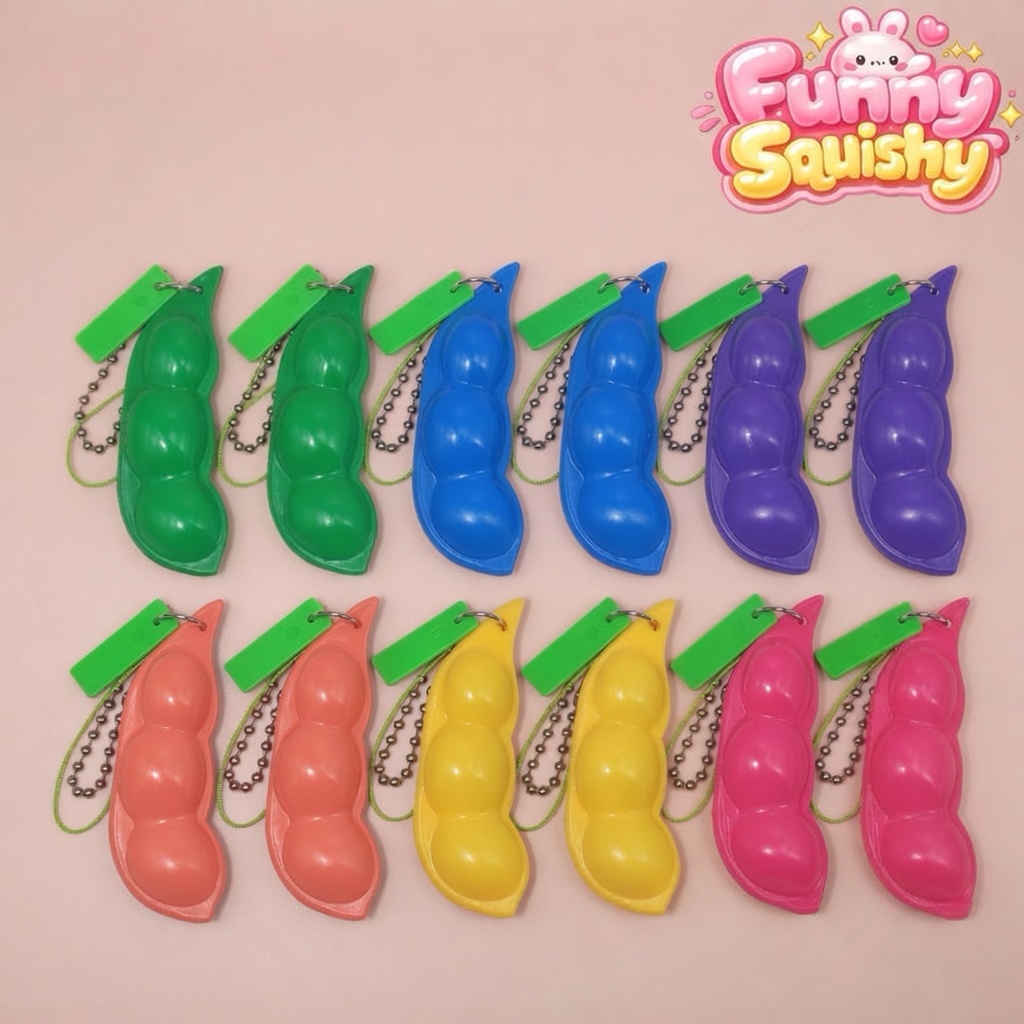
Twelve colorful pea pod keychains arranged in two rows on a pale pink background

Fidget toys for quitting smoking can be an optional way to keep one hand occupied during a familiar smoking or vaping cue. They do not treat nicotine dependence, and evidence does not show that a toy reliably reduces a craving. Use one only as a personal habit-support option alongside—not instead of—a quit plan, counseling, medication when appropriate, or a quitline.

What Official Quitting Guidance Actually Supports

The CDC describes tobacco use and dependence as a chronic, relapsing condition that can require repeated intervention and long-term support. For non-pregnant adults who smoke, its clinical guidance identifies behavioral counseling and seven FDA-approved smoking-cessation medications as evidence-based options. Counseling may be individual, group, or telephone-based. The CDC says counseling and medication are effective separately, while using them together can more than double the chances of quitting smoking.

For vaping, the evidence boundary matters. The CDC says scientists are still studying the best ways to help people quit vaping. It explains that quitting vaping is likely similar to quitting smoking because both can involve nicotine addiction and withdrawal. Its practical advice includes making a quit plan, talking with a health care provider, learning ways to manage withdrawal, and using free coaching through 1-800-QUIT-NOW. A clinician may discuss medication for withdrawal symptoms and cravings; a toy cannot fill that clinical role.

Smokefree.gov, a National Cancer Institute resource, defines nicotine cravings as strong urges to smoke. A craving may come from nicotine withdrawal or from people, places, and situations associated with smoking. Its suggestions include preparing several responses, changing what you are doing, walking or moving, taking slow breaths, contacting support, and discussing nicotine replacement therapy when appropriate. It does not present fidget toys as a treatment or promise that distraction will end every craving.

Where the Hand-to-Mouth Habit Fits

A craving and a habit are related, but they are not the same thing. A craving is an urge; a habit is a learned sequence tied to a cue. You might notice a hand-to-mouth routine with coffee, after a meal, during a phone call, or while taking a work break. That observation is personal pattern-mapping, not proof that the hand movement causes nicotine dependence.

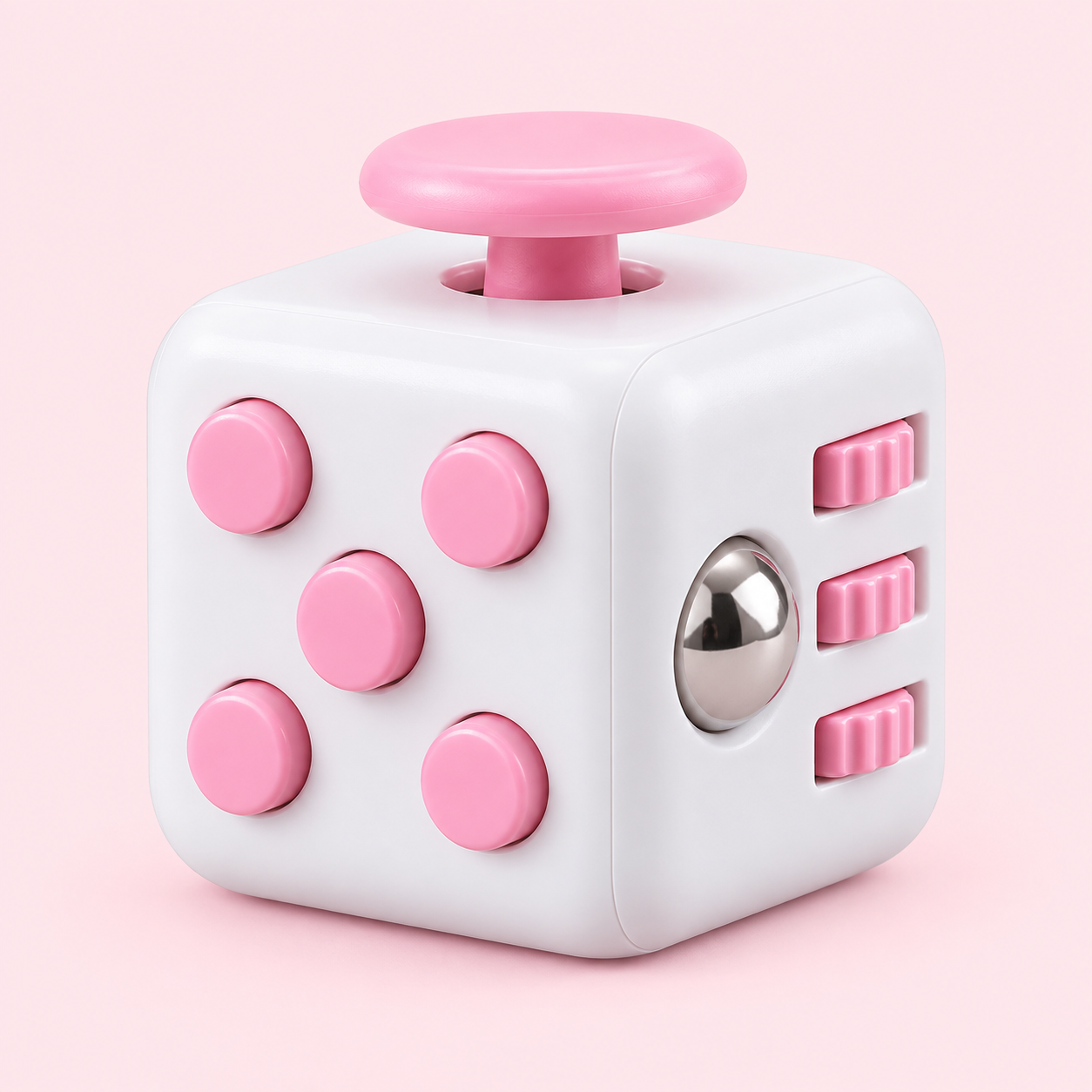
If an empty hand makes a familiar smoking or vaping moment feel awkward, an ordinary object may give your hand something else to do. A pen, coin, textured keychain, or pea pod fidget can serve that limited purpose. Used this way, fidget toys for quitting smoking are optional hand-occupation tools. They do not guarantee a lower craving, erase a hand-to-mouth habit, or make withdrawal medically safer.

Pink three-bean pea pod keychain with a silver ball chain and green tag shown in detail panels
A pink three-bean pea pod keychain, silver ball chain, and green tag shown in close-up detail panels.

A Practical Plan for Craving Moments

  1. Put evidence-based support first. Before shopping for fidget toys for quitting smoking, make a quit plan. Consider a health care conversation about counseling and smoking-cessation medication, especially if earlier attempts were difficult. In the United States, 1-800-QUIT-NOW provides free, confidential coaching.
  2. Map the cue and the habit. For several days, note what happened before each smoking or vaping urge: the time, place, activity, feeling, and strength of the craving. Also record what helped. This turns a vague habit into specific situations you can plan for.
  3. Choose a neutral hand task. Keep a pea pod, pen, or another simple object where a known cue occurs, provided it does not distract from driving, machinery, child care, or other safety-sensitive tasks. The goal is simply to occupy a hand, not to perform a timed protocol.
  4. Pair distraction with a supported strategy. When a craving appears, Smokefree suggests switching activities, moving your body, taking slow breaths, or contacting someone. A fidget may accompany one of those actions if you find it comfortable. If it adds frustration, put it aside.
  5. Review, adjust, and ask for help. Track whether the object was convenient, whether the habit cue changed, and whether you still smoked or vaped. Do not interpret one easier moment as a treatment effect. If craving intensity or nicotine withdrawal is hard to manage, contact a clinician or quit coach and revise the plan.

How to Assess a Pea Pod Without Overclaiming

A useful optional object should fit the situation, feel acceptable in your hand, and be easy to set down. The pictured pea pod has three raised bean shapes, a ball chain, and a small tag. Those visible features may help you decide whether this style suits your own habit routine; they do not establish a smoking- or vaping-cessation benefit.

People comparing fidget toys for quitting smoking can inspect the 12 Pack Colorful Soybean Squishy Pea Pod Sensory Keychains. At the production-catalog check on August 29, 2026, this product was active, showed 100 units in stock, and was priced at $19.99. The listing name identifies a 12-pack of colorful pea pod sensory keychains; current photos and product information are available on its product page. Price and inventory can change.
What Funny Squishy Can Verify

Funny Squishy maintains a dedicated squishy catalog with hundreds of active squishy-toy listings, including this pea pod set. Customers can inspect current product photos and disclosed information before buying, use the store contact channel or [email protected] for help, and rely on the stated 30-Day Squishfaction Guarantee by contacting support within 30 days about a replacement or refund.

These are shopping and service details only. They are not evidence that this product treats nicotine dependence, reduces craving frequency, improves quit rates, or replaces smoking-cessation counseling, medication, text support, or a quitline. Funny Squishy has not presented merchant testing that establishes a cessation effect.

Sources and Evidence Boundary

Bottom Line

Use a fidget only if it makes a particular habit cue easier to navigate. Fidget toys for quitting smoking are optional hand-occupation objects, not nicotine treatment. Keep counseling, appropriate medication, a quit plan, and quitline support at the center of quitting smoking or vaping—and treat every pea pod or other toy as a small personal preference, not a promise.

Shop the lineup More guides
WhatsApp Support