Fish Squishy Guide: Best Ocean Fidgets, Materials & Care
Quick Answer: Fish and marine squishies combine aquatic animal aesthetics with tailored tactile resistance. Collectors choose between three primary filling architectures: ultra-viscous maltose gel encased in thick TPR (like the 260g Blue Narwhal Whale) for deep resistance and slow deformation, elastic silicone-like TPR mochi (like the Pink Mochi Jellyfish) for light, airy finger compression, and hydraulic water beads (like the Jumbo Dolphin) for shifting, granulated hand therapy. Regular lukewarm water washing followed by cornstarch dusting prevents surface tackiness and preserves membrane elasticity over years of daily tactile decompression.
Unlike standard polyurethane foam novelty toys that rely exclusively on open-cell air recovery, aquatic squishies leverage advanced thermoplastic elastomer (TPR) membranes and fluid polymer interiors to simulate real aquatic textures.
Whether you are an adult desk worker managing daily workplace tension, a sensory seeker requiring bilateral tactile input, or a marine life enthusiast curating a kawaii desk aquarium, choosing the right aquatic squishy requires understanding interior rheology, exterior membrane durability, and post-wash maintenance protocols.
Below, we examine the physics of fluid cores, review verified catalog specifications, break down stress relief biomechanics, and provide step-by-step restoration techniques.
1. Hydrodynamic Tactile Architectures: Core Fillings and Compression Dynamics
The defining quality of fish and sea creature squishies lies in how they disperse mechanical energy when squeezed. Traditional foam toys compress by expelling air through microscopic open cells; once pressure releases, ambient atmospheric pressure forces air back in. In contrast, aquatic fidget toys rely on fluid mechanics, polymer viscoelasticity, or granular hydrodynamics.
A. Maltose Gel Fluid Dynamics (Deep Resistance)
High-density marine fidgets utilize food-grade maltose syrup gel or cross-linked synthetic polysaccharides sealed inside a reinforced 2.0 mm to 2.8 mm vulcanized TPR casing. When pressure is applied to a model like the Blue Glitter Narwhal Whale, the internal fluid resists displacement through sheer dynamic viscosity.
- Kinetic Resistance Profile: Yields smoothly under continuous heavy grip pressure, creating an intensely satisfying “slow flow” hydraulic sensation that prevents abrupt finger bottoming.
- Recovery Dynamics: Deforms slowly and holds compressed silhouettes temporarily before gradually settling or responding to gentle manual kneading.
- Target Sensory Application: Ideal for deep hand strengthening, intense anxiety grounding, and adult fidgeters who find standard lightweight foam toys unchallenging.
B. Solid Viscoelastic Mochi TPR (Delicate Rebound)
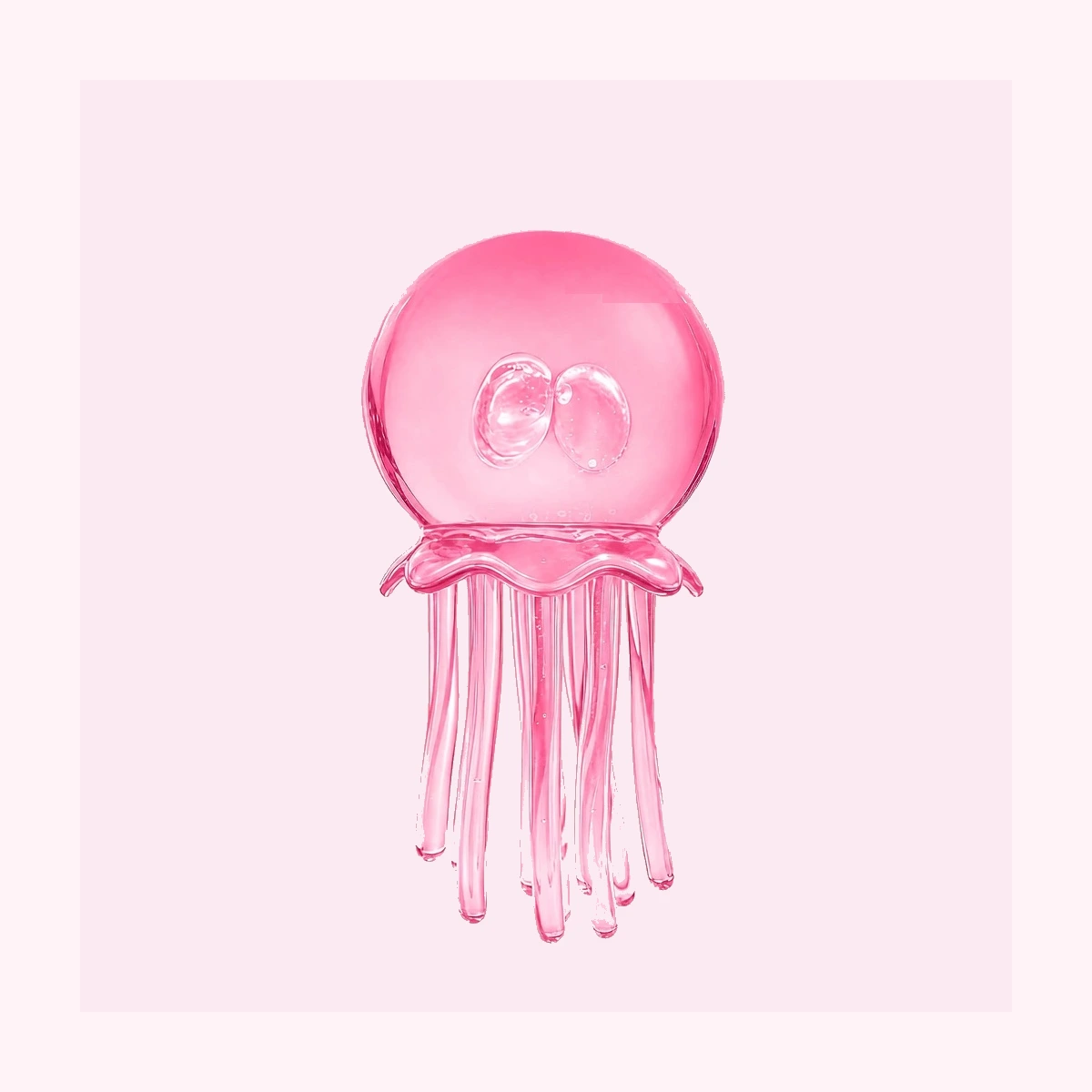
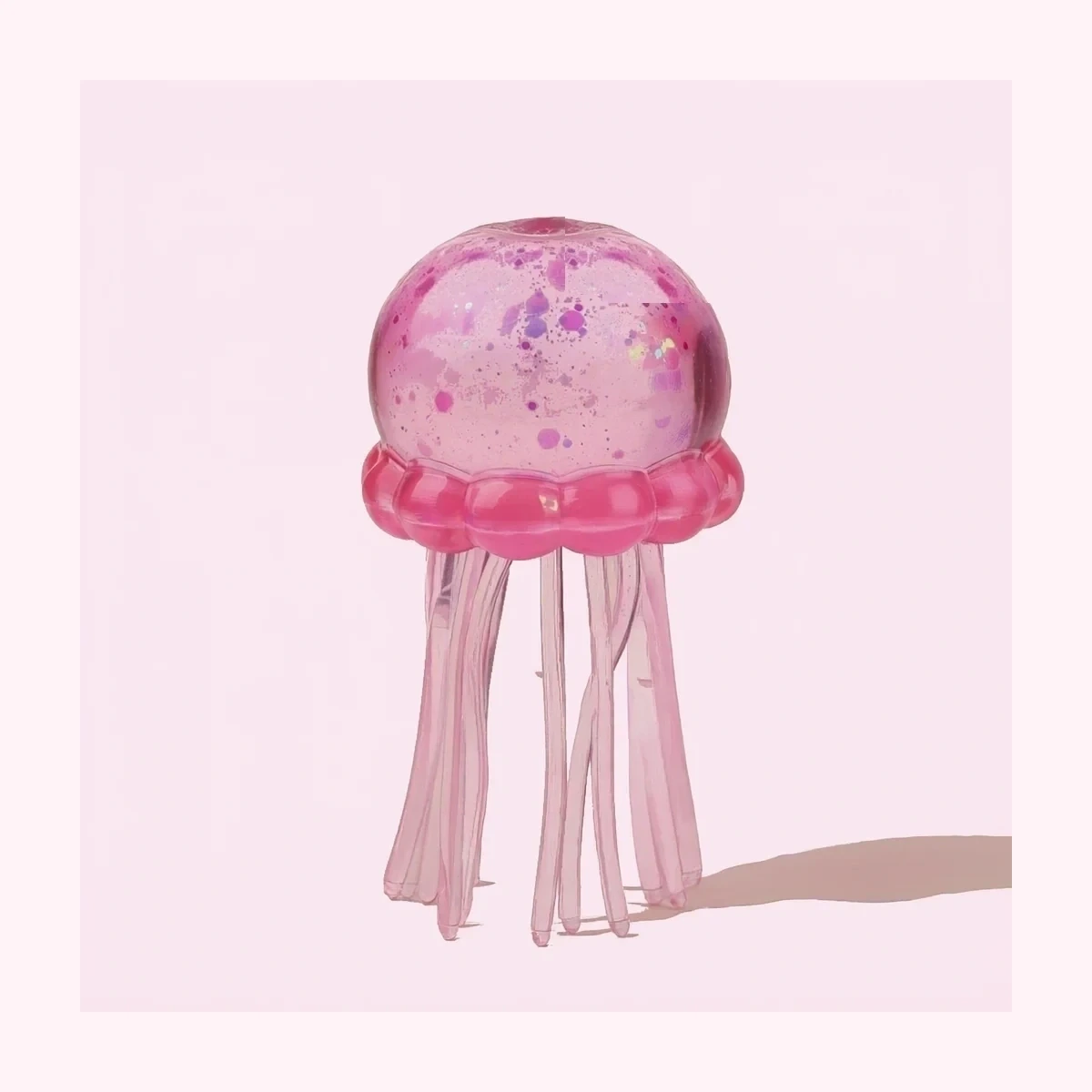
Mochi squishies emulate traditional Japanese rice cakes using ultra-soft thermoplastic rubber compounds without fluid cores. The Mochi Jellyfish Squishy showcases this engineering: its clear pink dome features twin internal air pockets that allow the bell to collapse completely flat against the palm before snapping back into shape.
- Kinetic Resistance Profile: Cool to the touch, pillowy, and responsive under subtle fingertip taps or gentle rolling motions.
- Recovery Dynamics: Instantaneous elastomeric recovery within 0.2 to 0.5 seconds, delivering immediate tactile feedback.
- Target Sensory Application: Best for quiet office fidgeting, gentle repetitive pinching during meetings, and visual desk ornamentation.
C. Hydrogel Bead Suspensions (Granular Hydraulic Feedback)
Granular fluid models encase hundreds of individual hydrated polyacrylamide beads inside a flexible, transparent skin. As seen in the Jumbo Dolphin Squishy, pressure forces individual spheres to glide and roll against each other in a shifting fluid matrix.
- Kinetic Resistance Profile: Texturized, semi-liquid crunch that gives discrete tactile feedback to each fingertip as beads displace laterally.
- Recovery Dynamics: Fluid redistribution that settles instantly when external pressure is released.
- Target Sensory Application: Excellent for proprioceptive stimulation, classroom sensory breaks, and bilateral hand therapy.
2. Comprehensive Marine Squishy Lineup & Specifications
To help collectors compare actual scale, tactile firmness, and internal construction, the table below highlights verified models from the FunnySquishy aquatic catalog:
| Model & Character | SKU | Catalog Price (Compare) | Verified Dimensions | Physical Weight | Internal Core Medium | Tactile Firmness & Squeeze Dynamic | Primary Setting & Application |
|---|---|---|---|---|---|---|---|
| Mochi Jellyfish Squishy (Pink) | FS-JELLYFISH-Q012 | $14.99 ($31.49) | 7.5 × 6.0 cm | 65 grams | Solid TPR with twin glossy air pockets | Ultra-soft, bouncy dome with fluttery tentacles | Quiet desk fidgeting, subtle finger tapping & kawaii displays |
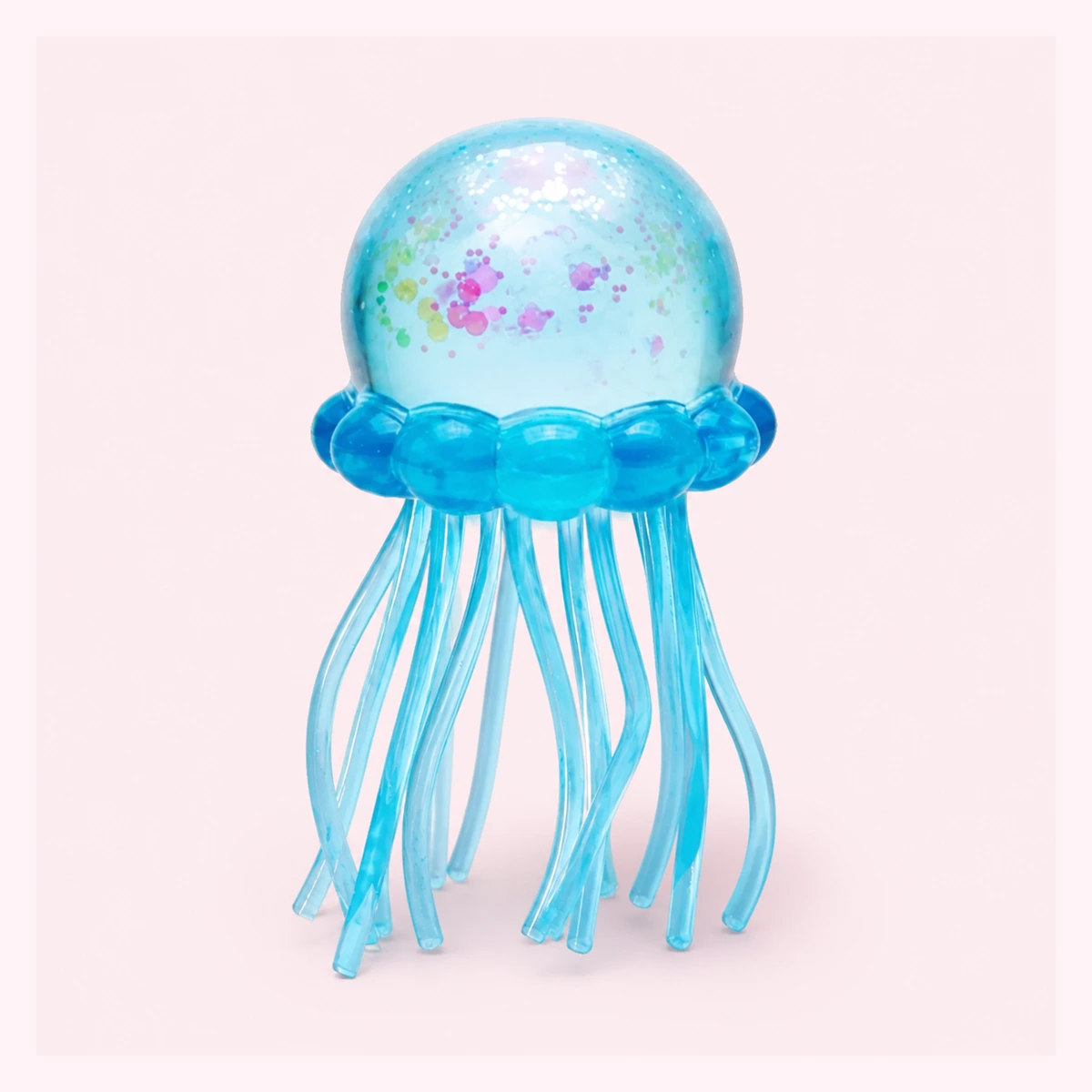
| Blue Glitter Narwhal Whale Squishy | FS-WHALE-008 | $12.99 ($20.99) | 13.5 × 7.0 cm | 260 grams | Viscous maltose polymer gel core | Heavy hydraulic resistance with slow fluid glide | Two-handed deep squeeze, workplace anxiety relief & grip therapy |
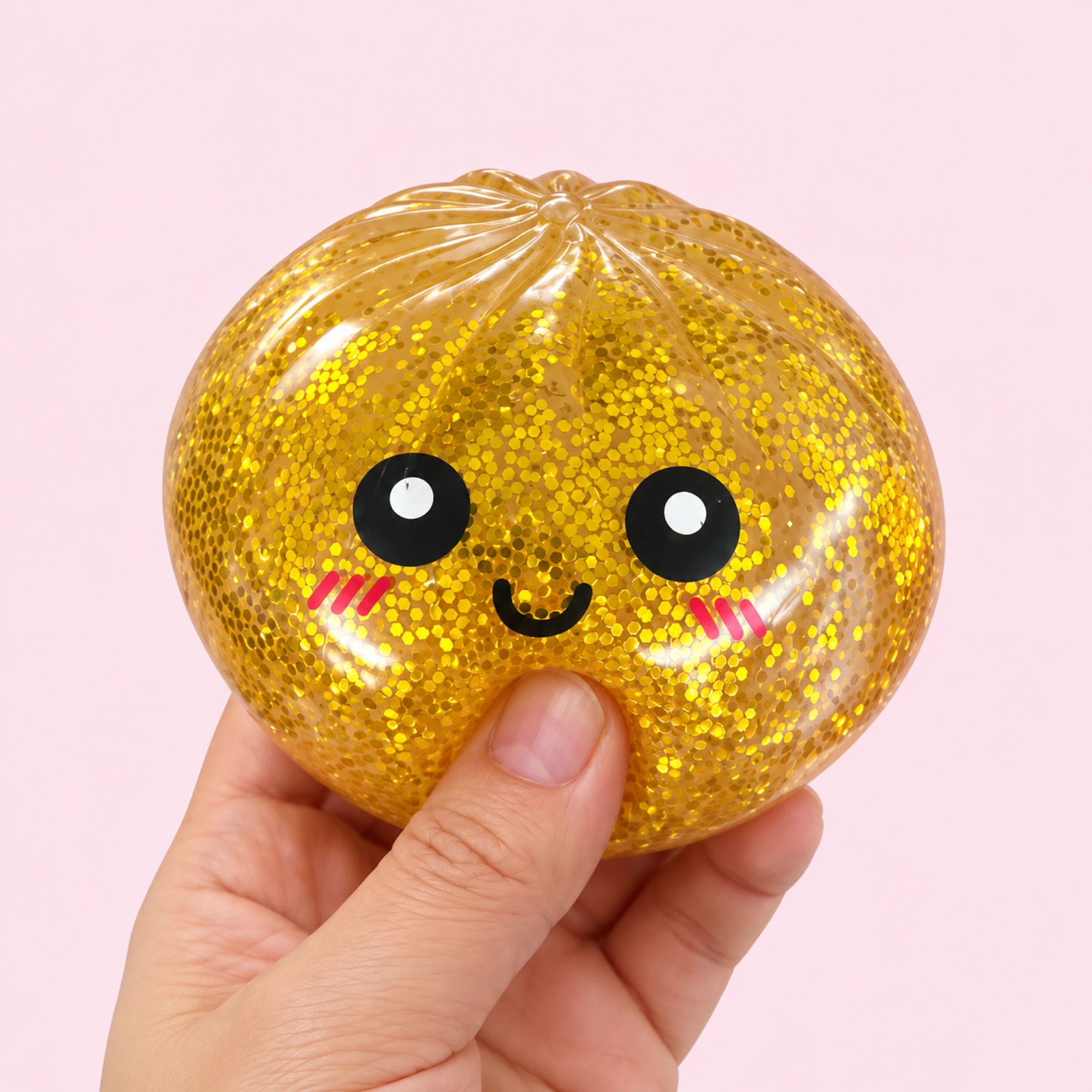
| Cool Shark Dumpling Squishy | FS-DUMPLING-N020 | $14.99 ($22.99) | 8.0 × 7.5 cm | 95 grams | Micro-cellular memory foam / TPR hybrid | Medium-firm doughy compression with slow rise | Conversation piece, whimsical desk companion & palm rests |
| Jumbo Dolphin Water Bead Squishy | FS-DOLPHIN-012 | $12.99 ($24.99) | 14.0 × 6.5 cm | 145 grams | Cross-linked hydrated hydrogel beads | Granulated hydraulic shift under focused finger pressure | Sensory regulation, occupational hand therapy & classroom focus |
| Octopus Squishy 3 Pack | FS-OCTOPUS-018 | $22.99 ($34.99) | 5.5 × 5.0 cm (ea.) | 40g each (120g set) | Viscoelastic stretchy mochi TPR | High elasticity with stretchable cephalopod arms | Pocket travel, bilateral fidgeting & party favor sets |
3. Tactile Ergonomics: Why Aquatic Fidgets Relieve Stress
The biomechanical benefits of marine squishies stem from their varied tactile resistance profiles. Unlike rigid plastic spinners or repetitive clickers, soft elastomeric squishies engage the full hand:
- Bilateral Motor Engagement: Squeezing the 260g Blue Glitter Whale activates the flexor digitorum superficialis and thenar muscle groups in the hand, redirecting physical restlessness without demanding cognitive attention.
- Cool Thermal Biofeedback: Medical-grade thermoplastic rubbers have higher thermal conductivity than porous foam, meaning a toy like the Mochi Jellyfish feels refreshing against warm, tired palms during stressful screen sessions.
- Zero-Acoustic Stealth Operation: While mechanical switches and bubble poppers produce audible clicks that can distract coworkers or classmates, smooth TPR and fluid gels deform in total silence, making them safe for libraries, open-plan offices, and video calls.
- Visual Grounding: The vibrant ocean palettes—translucent sapphire blues, soft jellyfish pinks, and glittering aquatic narwhals—provide an inviting sensory cue that encourages spontaneous stress relief breaks throughout the workday.
4. Maintenance, Cleaning & De-Sticking Protocols for TPR Squishies
Because premium aquatic squishies rely on non-toxic thermoplastic elastomers, their surfaces naturally develop micro-static attraction over time, collecting dust, desk lint, and stray fibers. Follow this three-step protocol to keep your marine squishies pristine and non-sticky:
[ Step 1: Lukewarm Water Rinse ]
Wash under lukewarm running tap water (below 35°C / 95°F) using 1-2 drops of mild, fragrance-free liquid dish soap. Gently massage away surface debris with your fingertips. Never use rubbing alcohol, acetone, bleach, or abrasive scouring pads.

[ Step 2: Lint-Free Air Drying ]
Rinse thoroughly to remove all soap film. Place the squishy on a clean ceramic plate or silicone mat to air dry completely. Avoid paper towels or terrycloth fabrics, which shed fibers onto wet TPR.

[ Step 3: Cornstarch Velvet Finish ]
Once 100% dry, lightly dust the squishy with cosmetic-grade cornstarch, baby powder, or talc powder using a soft makeup brush. Tap off excess powder. This restores an ultra-smooth, non-tacky "peach skin" tactile glide that resists future dust accumulation.
[!TIP] Storage Best Practice: Store fluid-filled squishies away from direct sunlight and extreme radiator heat. UV exposure degrades polymer plasticizers over time, while excessive thermal cycling can weaken sonic seal plugs. Keep them in a dedicated breathable pouch or acrylic display case when not in active rotation.
5. Collector’s Buyer Guide: Matching Marine Fidgets to Your Needs
When building an aquatic fidget collection, align the product’s physical properties with your primary use scenario:
- For High-Pressure Office Desks: Choose the Blue Glitter Narwhal Whale Maltose Gel Squishy. Its 260-gram ballast anchors it securely on your desk, and its dense maltose syrup core absorbs aggressive two-handed tension squeezes without bottoming out.
- For Lightweight Keyboard Breaks: Keep the Mochi Jellyfish Squishy next to your trackpad. Its soft dome collapses under light finger taps, offering a gentle micro-break between typing bursts.
- For Whimsical Desk Styling: The Cool Shark Dumpling Squishy blends sunglasses-wearing ocean swagger with plush dough bun aesthetics, sparking smiles and conversation.
- For Multi-Sensory Therapy & Classrooms: Select the Jumbo Dolphin Squishy or Octopus Squishy 3 Pack, giving kids and students varied sensory inputs from rolling water beads and stretchy tentacles.
6. Safety, Membrane Integrity and Longevity Precautions
To maximize the service life of fluid-filled and mochi aquatic fidgets, heed the following material precautions:
- Tensile Pull vs Radial Compression: Thermoplastic elastomers are engineered for compressive deformation (squeezing and kneading) rather than extreme tensile pulling. Excessive stretching of thin appendages, such as jellyfish tentacles or dolphin flippers, can cause micro-tears near seams.
- Puncture Hazards: Keep sharp fingernails, pens, paperclips, and keys away from hydrostatic water bead shells. While the outer TPR shell is puncture-resistant against blunt force, concentrated pinpoint pressure can breach the membrane.
- Non-Toxic Material Guarantee: All FunnySquishy models feature BPA-free, phthalate-free materials meeting international toy safety standards. Although cores use food-grade maltose or inert hydrogels, squishies are tactile toys and should never be chewed or ingested.
Frequently Asked Questions (FAQ)
How do you wash and restore sticky mochi fish squishies?
Rinse the squishy under lukewarm water with mild liquid soap to remove surface lint, let it air dry completely on a clean non-porous surface, and gently dust it with cornstarch or baby powder. The powder bonds with the TPR surface, eliminating stickiness and creating a silky matte touch.
What is the difference between maltose gel whales and regular foam squishies?
Maltose gel whales (like the 260g FS-WHALE-008) feature an ultra-thick liquid sugar syrup core inside an elastic TPR skin that yields slowly under high grip force. Polyurethane foam squishies, by contrast, use lightweight air-filled foam that compresses easily and rebounds automatically without fluid resistance.
Are water bead fish squishies safe for young children?
FunnySquishy aquatic toys utilize non-toxic polymers and securely sealed casings. However, hydrogel bead toys should not be subjected to sharp fingernails or teeth, and they are intended for ages 3 and older under adult supervision to prevent accidental puncture or small-part hazards.
Can marine TPR squishies be submerged in bath water?
While mochi TPR squishies are water-resistant and washable, they should not be stored submerged long-term or exposed to hot chlorinated water, as high heat and harsh chemicals can degrade the membrane’s structural elasticity.
How do you tell if a marine squishy needs to be retired?
If a fluid-filled or water bead squishy develops an internal air bubble larger than 2 cm, weeps liquid along a sonic weld seam, or shows deep surface crazing from UV damage, retire it to display status or dispose of it safely.