



Last updated: July 2026 · Funny Squishy team
To clean a squishy, match the method to the material. Wipe slow-rising PU foam squishies with a barely-damp, mildly soapy cloth and let them air-dry completely — never soak them, because trapped water breaks foam down from the inside. Sealed gel/TPR squishies can be rinsed under lukewarm water and patted dry. Silicone squishies are the easiest: plain soap and water, then dry. Whatever the material, skip heat, freezing, alcohol, and harsh chemicals — those are what actually ruin a squishy.
Below is a quick, material-by-material care routine, a clear do/don't list, and answers to the questions people ask most. If you're still deciding what to buy, our buyer's guide explains the different squishy types and what to look for.
First, identify your squishy's material
Cleaning goes wrong when you treat every squishy the same. There are three common materials, and each reacts differently to water:
- Slow-rising PU foam — soft, spongy, and slow to spring back (think bread, cake, or a Cheese Squishy). Foam is porous, so it soaks up and traps liquid.
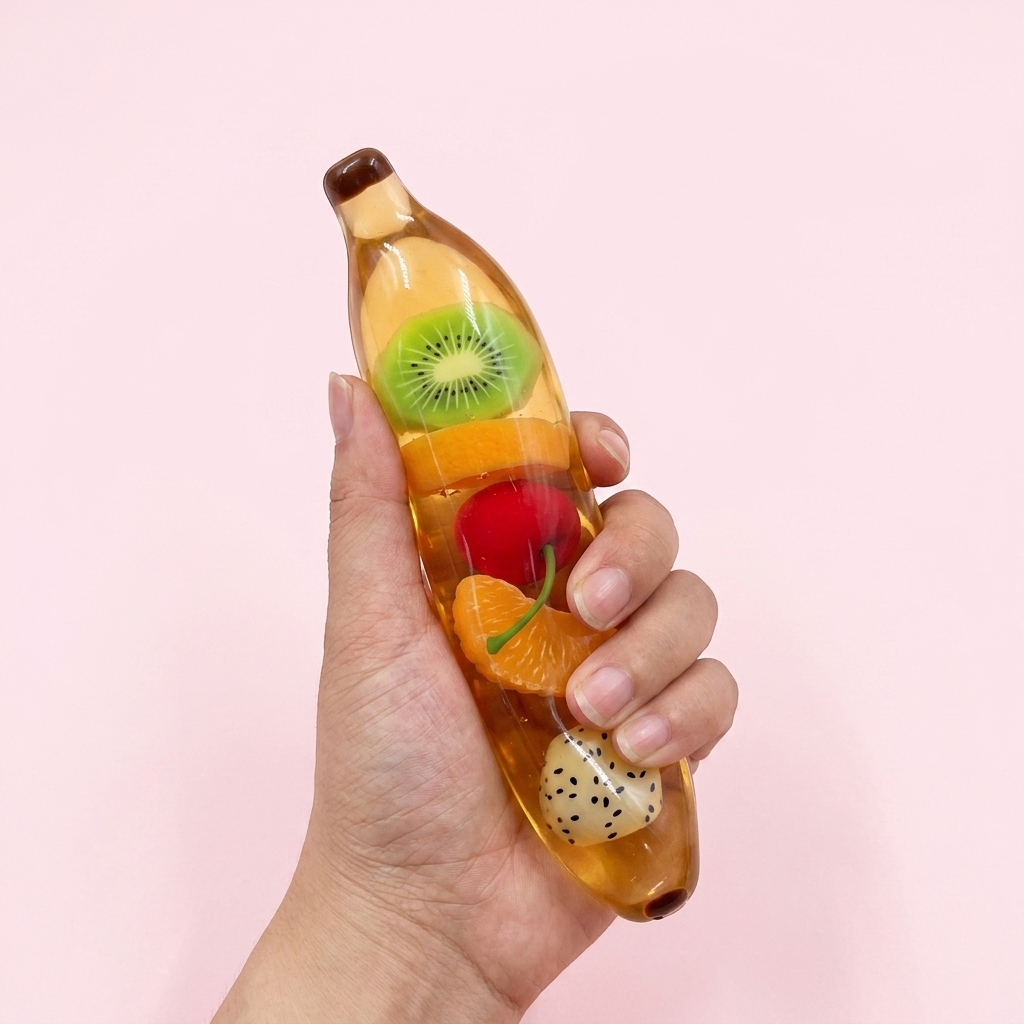
- Gel / TPR — squishier, denser, often stretchy or "moldable" with a sealed skin (like a Mashed Potato Squishy). The sealed surface keeps water out.
- Silicone — smooth, rubbery, and firm. It's non-porous, which makes it the most forgiving of all.
When in doubt, treat an unknown squishy like foam (gentle, barely-damp wiping). That's the safest default, since the foam method won't harm gel or silicone either.
How to clean a slow-rising foam squishy
Foam is porous, so the golden rule is never submerge it. Water that gets trapped inside can't fully evaporate, and over time it breaks the foam down, leaving it crumbly, discolored, or smelly. Surface-clean it instead:
- Mix a drop of mild soap (dish soap or gentle hand soap) into a bowl of lukewarm water.
- Dampen a soft cloth, then wring it out hard so it's barely moist — not dripping.
- Gently wipe the surface, working over sticky spots without pressing water deep into the foam.
- Wipe again with a second cloth dampened in plain water to lift any soap residue.
- Blot with a dry towel, then let it air-dry completely at room temperature, away from direct sunlight, before playing with it or storing it.
Give it several hours to a full day to dry through. If a foam squishy ever gets truly soaked, press it gently in a dry towel and let it dry longer than you think it needs.
How to clean a sealed gel or TPR squishy
Because gel and TPR squishies have a sealed outer skin, water can't soak inside the way it does with foam — so these you can rinse.
- Hold the squishy under lukewarm running water (cool or room-temperature is fine; hot is not).
- Add a little mild soap and rub the surface gently with your fingers or a soft cloth.
- Rinse thoroughly until no soap remains.
- Pat it dry with a towel and let it finish air-drying before storing.
Keep the water lukewarm, never hot, and don't leave a gel squishy sitting in a full sink or bath. A quick rinse is all it needs. If yours has a printed face or design, rub lightly around it so you don't scrub the artwork off.
How to clean a silicone squishy
Silicone is non-porous and the easiest of the three. Wash it with warm water and a little mild soap, rub gently with your fingers or a soft cloth, rinse well, and dry with a towel. That's it — no special products required. For everyday dust, a quick wipe with a slightly damp cloth keeps it looking new between deeper cleans.
What NOT to do
Most "ruined" squishies aren't dirty — they were damaged by the wrong cleaning method. Avoid these:
| Do | Don't |
|---|---|
| Wipe foam with a barely-damp cloth | Soak or submerge foam (trapped water rots it) |
| Rinse sealed gel/TPR in lukewarm water | Microwave or heat any squishy — it can warp, melt, or become a burn hazard |
| Use plain mild soap and water | Use alcohol, bleach, acetone, or harsh chemicals (they dry out and crack the material) |
| Air-dry fully at room temperature | Freeze a squishy to "firm it up" — cold makes gel and foam brittle and prone to splitting |
| Store away from windows | Leave it in direct sunlight (UV fades colors and hardens the surface) |
In short: no heat, no freezer, no solvents, no long soaks, no sun. Gentle and dry-as-you-go always wins.
Getting rid of the smell
A faint scent when you first unwrap a squishy is normal and usually fades on its own. To speed it up, leave the toy out in a well-ventilated room for a day or two — open air does most of the work. You can also set it (dry) near a bowl of baking soda overnight to help absorb odor. Avoid perfumes, sprays, or scented cleaners, which can react with the material.
One important exception: a strong, chemical or solvent-like smell that doesn't fade after airing out is a red flag. It suggests low-quality material and poor curing, not a normal "new toy" smell — and it's a reason to stop using that squishy and not to buy that brand again. Quality squishies air out to nearly odorless within a couple of days.
Storage tips to keep squishies in good shape
- Store clean and fully dry — putting away a damp squishy invites odor and breakdown.
- Keep them out of direct sunlight and heat (no sunny windowsills, car dashboards, or radiators).
- Avoid crushing them under heavy objects for long periods, which can leave permanent dents in slow-rising foam.
- A drawer, bin, or shelf at normal room temperature is ideal.
- Keep dust down with an occasional light wipe so grime never builds up in the first place.
Frequently asked questions
Can you wash a squishy in water?
It depends on the material. Sealed gel/TPR and silicone squishies can be rinsed under lukewarm water and patted dry, because water doesn't soak in. Slow-rising foam squishies should not be washed or soaked — foam is porous, so trapped water breaks it down over time. Wipe foam with a barely-damp, mildly soapy cloth instead, then air-dry it fully.
How do you get the chemical smell out of a squishy?
Air it out. Leave the squishy in a well-ventilated room for a day or two, and a normal "new toy" scent will fade. Setting it near baking soda overnight can help. But if a strong chemical smell lingers after airing out, that signals low-quality material — it's a reason to stop using it, not a stain to scrub away.
Can I put a squishy in the fridge or microwave?
No. Never microwave or heat a squishy — it can warp, melt, or become a burn hazard, especially gel-filled ones. Freezing is also a bad idea: cold makes foam and gel brittle, so they can crack or split. Squishies do best at normal room temperature. Clean gently and air-dry rather than using any appliance to speed things up.
How often should I clean a squishy?
For most toys, a light surface wipe every week or two and a fuller clean when it looks or feels grimy is plenty. If a squishy is handled by younger kids or passed around, clean it more often. Because these are hands-on sensory toys, keeping the surface tidy is really about comfort and longevity, not deep sanitizing.
What age are squishies suitable for?
Squishies are generally recommended for ages 6 and up, and younger children should always be supervised, since small or breakable parts can pose a choking risk. If a squishy tears, throw it away rather than trying to patch it. Choosing well-made toys from a trusted shop is the best way to keep sensory play safe and long-lasting.
Keep your collection squishy for longer
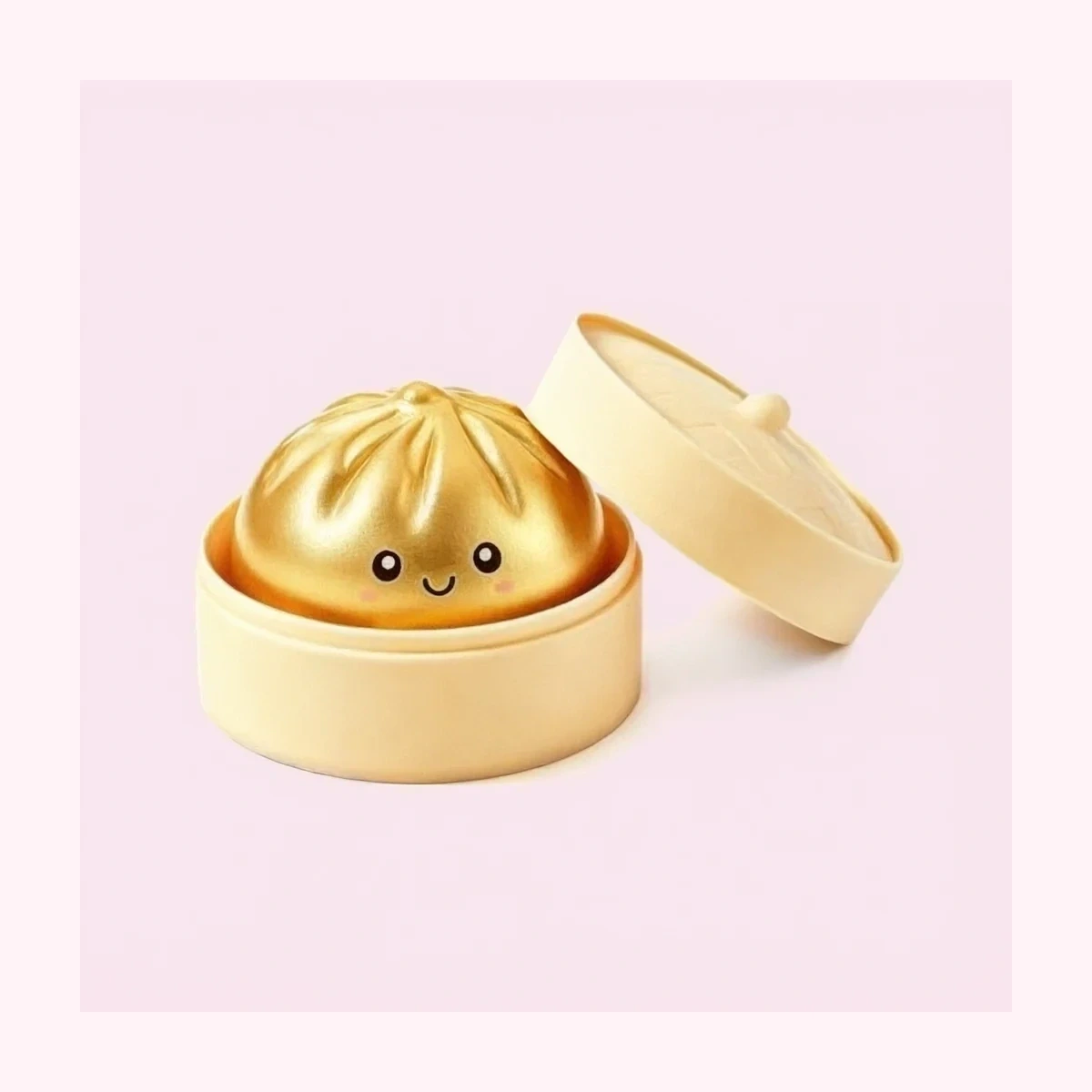
Cleaning a squishy the right way comes down to one habit: match the method to the material, and keep heat, cold, and harsh chemicals far away. Do that, and a good squishy stays soft and springy for a long time. Ready for a fresh, well-made one? Browse all our squishies, sink into the satisfying butter squishies, or grab a fan-favorite dumpling squishy.