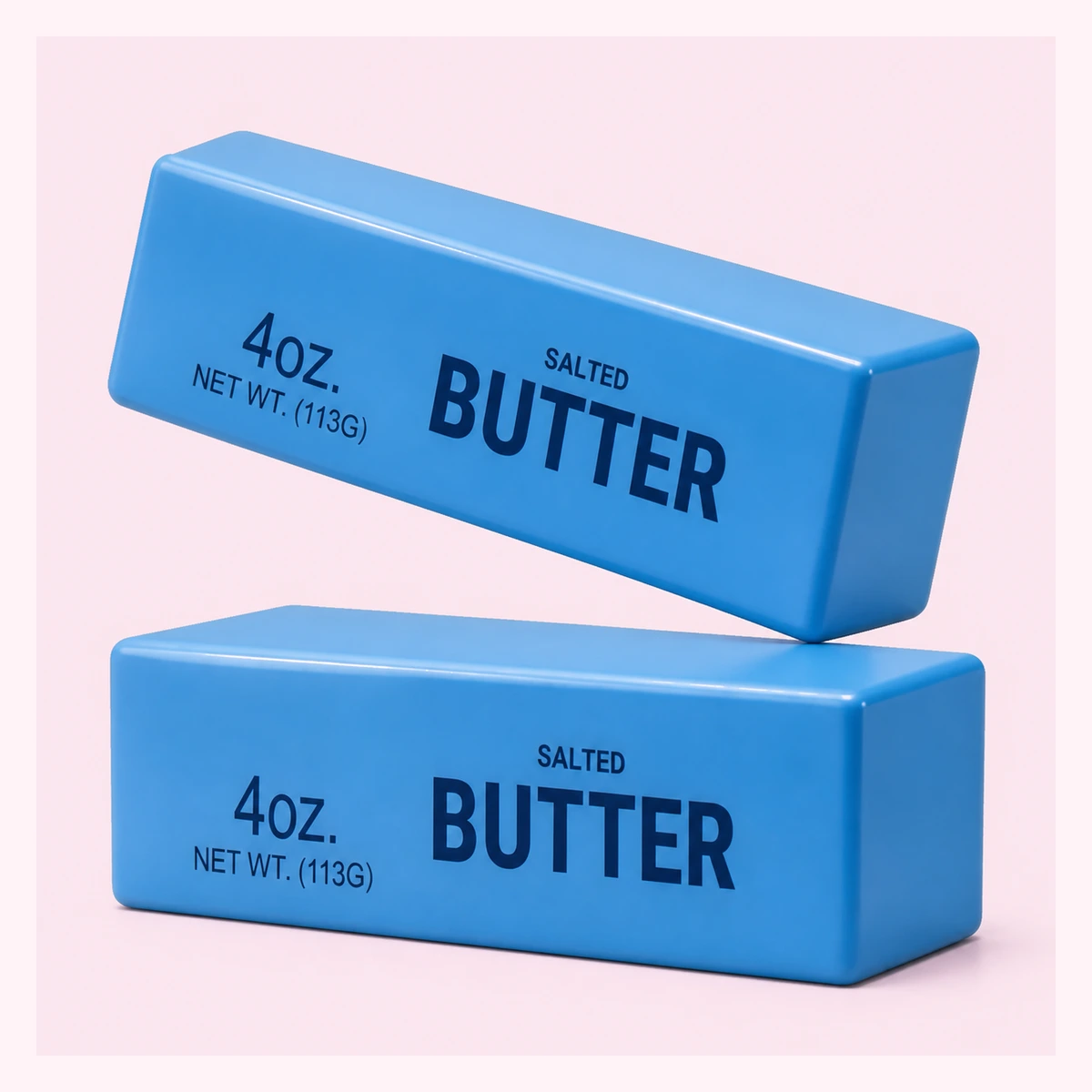


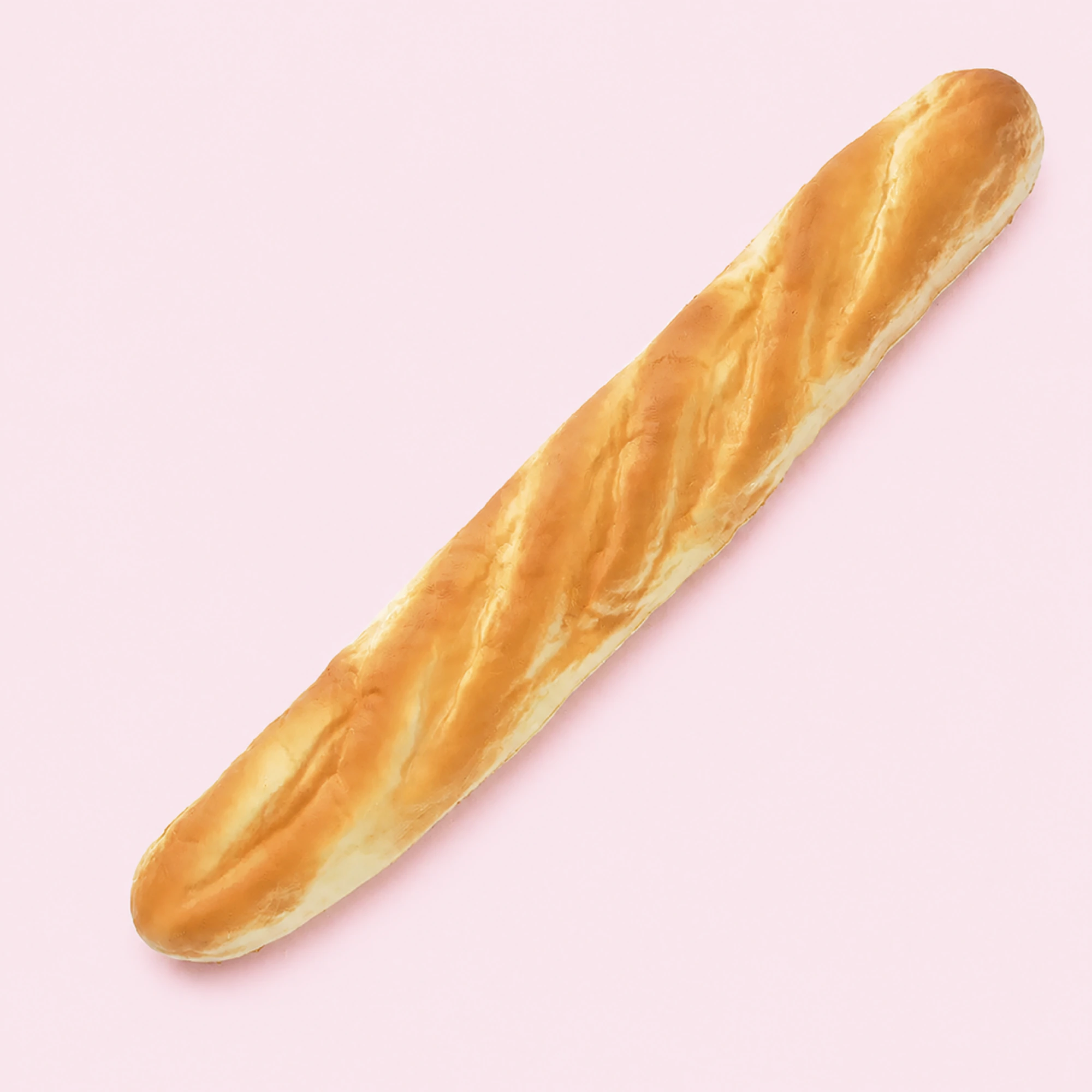
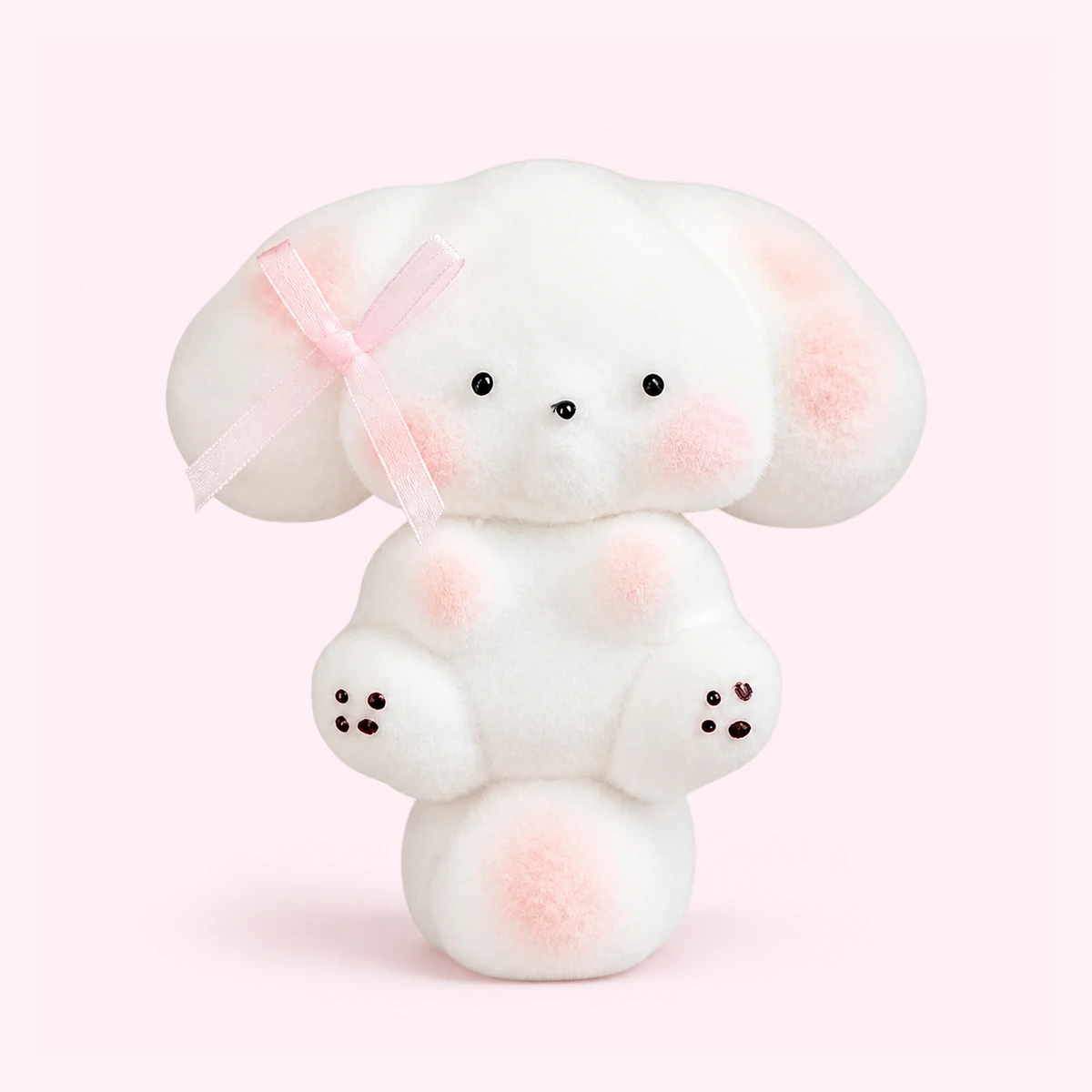
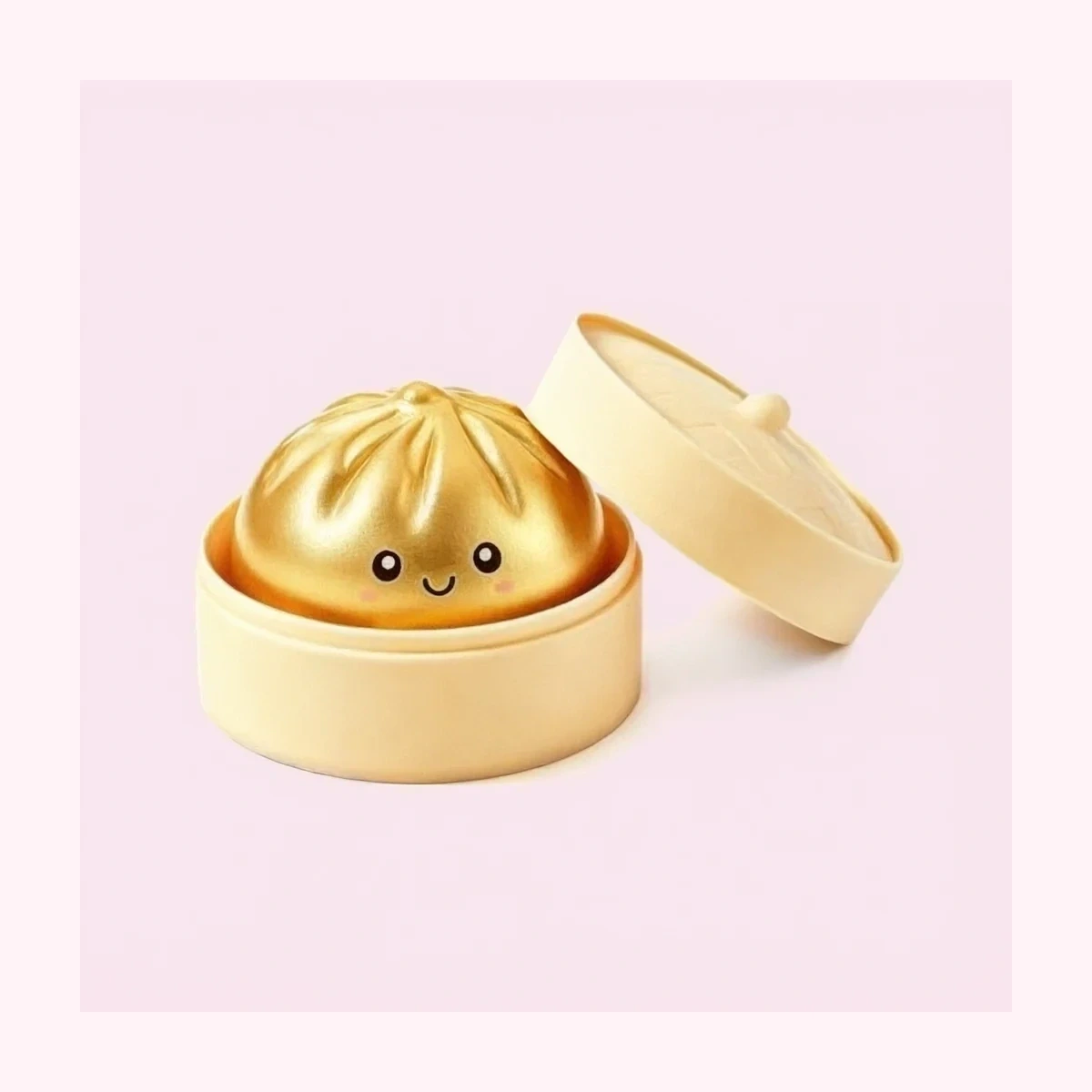
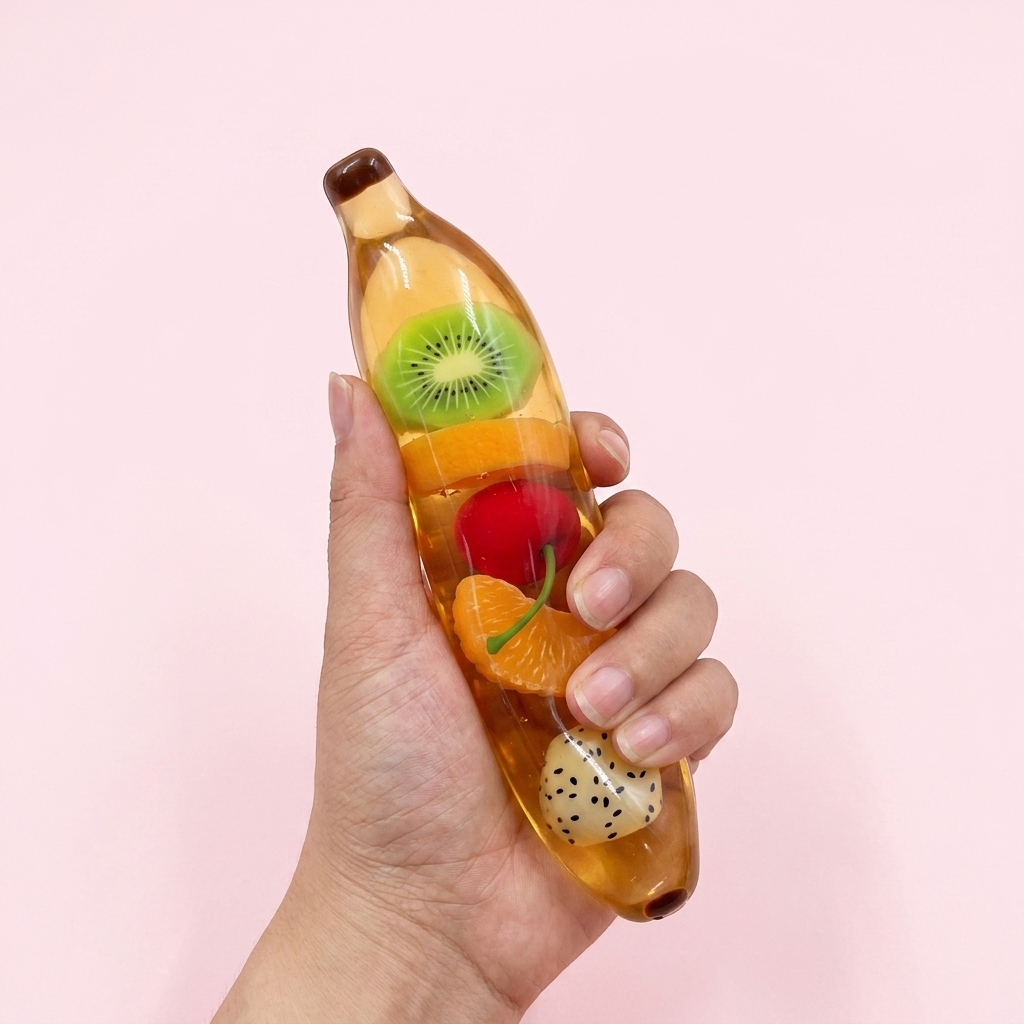

A butter squishy is one of life's small joys — that slow, satisfying rise as it springs back into shape after a squeeze. But these soft toys collect dust, pick up odors, and lose their signature bounce faster than most owners expect. The good news: most problems are fixable, and almost all of them are preventable once you understand what your squishy is actually made of.
This guide walks you through everything in one place — gentle cleaning, banishing that chemical smell, and reviving a squishy that won't rise anymore — without ruining the painted surface or the foam beneath it.
Table of Contents
- What a Butter Squishy Is Made Of
- How to Clean a Squishy (Step by Step)
- How to Fix Butter Squishy Smell
- Squishy Not Rising? Diagnose and Restore Rebound
- Daily Butter Squishy Care and Prevention
- Quick Reference Cheat Sheet
- FAQ
What a Butter Squishy Is Made Of
Before you clean anything, it helps to know what you're handling. A butter squishy is molded from slow-rise polyurethane (PU) foam — the same family of material as memory foam, but softer and squishier. The outside is then sealed with a thin painted or printed coating that gives it color and detail.
Two facts from this material define all proper butter squishy care:
- The foam is porous and absorbent. It soaks up water, soap, and odors like a sponge, which is exactly why you should never submerge or drench it.
- The surface coating is delicate. Heat, alcohol, and hard scrubbing strip the paint, leaving faded or peeling patches.
That new-toy chemical smell? It comes from two sources: leftover blowing agents (such as TDI/MDI residues used to create the foam's airy structure) and fragrance additives slowly off-gassing. Both fade over time — and you can speed that up safely.
This is also why advice written for plush toys or solid foam toys can mislead you. Butter squishies need a gentler hand than almost any other squishy on the market.

How to Clean a Squishy (Step by Step)
The golden rule of how to clean a squishy: dab, never soak; pat, never scrub. Keep water to an absolute minimum and let the foam do as little absorbing as possible.
You'll need: lukewarm water, a tiny amount of baby shampoo or mild clear dish soap (Dawn works well), cotton swabs, a soft cloth, paper towels, and optionally a sticky lint roller or tape.
Step 1 — Dry-remove loose dust. Gently press a piece of tape or a lint roller against the surface to lift dust and lint. This alone solves most "my squishy looks dirty" complaints without any moisture at all.
Step 2 — Mix an ultra-diluted soap solution. Add a single drop of soap to a cup of lukewarm water and stir. You want barely-sudsy water — the foam should never be exposed to concentrated soap.
Step 3 — Spot-clean with a damp swab. Dip a cotton swab or the corner of a soft cloth into the solution, then wring or blot it nearly dry. Lightly pat the dirty area. Work in gentle dabbing motions and resist the urge to rub — friction is what damages the paint.
Step 4 — Rinse the residue. Wipe the same spot with a separate cloth dampened in plain water to lift away soap. Leftover soap attracts dirt and can leave the surface tacky.
Step 5 — Pat dry and air-cure. Press paper towels gently against the squishy to absorb moisture, then leave it to dry in a well-ventilated spot away from direct sunlight, radiators, and hair dryers. Heat warps the foam and fades the print. Drying may take several hours — be patient.
For stubborn stains, an extra-soft toothbrush with feather-light pressure can help, but stop the moment you see the coating react.
How to Fix Butter Squishy Smell
A persistent butter squishy smell is almost always residual chemicals or fragrance, not dirt. Try these methods in order, from gentlest to most thorough.
Method 1 — Air it out. Place the squishy in a well-ventilated room out of direct sun for several days to a couple of weeks. Off-gassing is a natural process, and fresh airflow accelerates it dramatically. For many new squishies, this is all you need.
Method 2 — Baking soda absorption. Seal the squishy in a container or zip bag with an open dish of baking soda (don't pour soda directly on it). Baking soda absorbs odor molecules without touching the surface. Leave it 2–3 days, then air it out.
Method 3 — Activated charcoal. For tougher smells, swap baking soda for an activated charcoal odor-absorber bag in the same sealed-container method. It's slower but more powerful for lingering chemical notes.
Avoid masking the smell with perfume or essential oils — they soak into the foam, can react with the coating, and often make things worse. Time and absorption are your real allies.
Squishy Not Rising? Diagnose and Restore Rebound
A squishy not rising is the most frustrating problem because slow rebound is the whole appeal. Diagnose the severity first, then treat accordingly.
Mild: Slow or stiff rebound
Often caused by cold temperatures, dust clogging the foam's surface, or simple aging. Warm it gently — hold it in your hands, or leave it in a warm (not hot) room for a while. Foam rebound improves with warmth. A light surface clean to remove clogging dust can also help it breathe and spring back.
Moderate: Sticky and sluggish
A tacky surface that won't bounce back usually means soap residue, hand oils, or breakdown of the coating. Re-clean using the rinse step above to strip residue, dry fully, and let it rest. Some squishies recover noticeably once the surface is clean and the foam is dry.
Severe: Hard, crumbly, or permanently deformed
If the foam has gone rock-hard, started crumbling, or holds a dent permanently, the polyurethane structure has degraded — often from heat exposure, water saturation, or age. This is generally not repairable. Foam doesn't regenerate once its cell walls collapse. The best move is prevention going forward.
A useful test: press the squishy and count the rise. If it recovers slowly but fully, it's healthy. If it stays dented, the foam is failing.
Daily Butter Squishy Care and Prevention
Most damage is avoidable. Build these habits and your butter squishy stays bouncy for far longer:
- Wash your hands before playing. Oils and dirt are the number-one cause of grimy, sticky surfaces.
- Keep it out of direct sun and heat. Sunlight fades paint and bakes the foam stiff.
- Store it in a clean, dry, dust-free spot — a closed box or display shelf, not the bottom of a bag.
- Never soak it. Water trapped inside breeds odor and breaks down rebound.
- Avoid alcohol, bleach, and harsh wipes entirely; they dissolve the coating.
- Don't over-squeeze or twist beyond its natural shape, which fatigues the foam.
Quick Reference Cheat Sheet
| Problem | Do This | Avoid This |
|---|---|---|
| Surface dust | Lint roller or tape | Wetting unnecessarily |
| Dirt / stains | Diluted soap, dab & rinse, air dry | Scrubbing, soaking |
| Chemical smell | Air out + baking soda/charcoal | Perfume, essential oils |
| Slow rebound | Warm it, clean off dust | Hot water, hair dryer |
| Sticky surface | Re-rinse to remove residue, dry fully | Adding more soap |
| Hard / crumbling | Replace; prevent in future | Trying to "soak it soft" |
FAQ
Why is my butter squishy sticky after washing? You almost certainly left soap residue behind. Wipe it again with a cloth dampened in plain water, then let it dry completely. Hand oils and humidity can also cause stickiness over time.
Can I wash a butter squishy in water or the washing machine? No. The foam absorbs water deeply, which ruins rebound and breeds odor, and a machine will shred the coating. Spot-cleaning only.
How long does the chemical smell take to go away? With airflow alone, anywhere from a few days to two or three weeks. Baking soda or activated charcoal in a sealed container can cut that significantly.
My squishy stopped rising — can I fix it? If it's just cold or dusty, warming and cleaning often helps. If the foam is hard, crumbling, or permanently dented, the material has degraded and can't be restored.
Is rubbing alcohol safe for cleaning a squishy? No. Alcohol dissolves the painted coating and dries out the foam. Stick to heavily diluted mild soap and water.
How do I keep my squishy from yellowing? Keep it out of sunlight and away from heat, and store it clean. UV exposure and trapped oils are the main causes of discoloration.
Treat your butter squishy like the soft, porous, painted thing it really is — gentle hands, minimal water, no heat — and most "ruined" squishies turn out to be perfectly rescuable. A quick lint-roll, an occasional careful spot-clean, and a smart storage spot are usually all it takes to keep that slow, springy rise alive for years.
Want the real thing instead of a craft? Grab our butter squishy 2-pack, or explore the full butter squishy and food squishy collections.