How to Make a Crunchy Squishy: Easy DIY Guide & Sensory Toy Comparison
Quick Answer / Core Takeaway: Making a crunchy squishy at home requires encasing granular, acoustic materials - such as polystyrene micro-beads, plastic bingsu pellets, or crunchy craft slime - inside a flexible, stretchable container like a double-layered latex balloon. While DIY crunchy squishies offer an addictive, crackling ASMR sound and customizable colors, thin balloon membranes naturally wear down under repetitive shear strain. By contrast, commercial crunchy squishies use a soft TPR outer skin packed with dense flour and crunchy block fill, engineered to endure high-pressure hand compression without bursting.
The sensory satisfaction of a “crunchy squishy” comes down to an irresistible combination of physical resistance and acoustic feedback. Unlike classic slow-rising memory foam toys that compress silently and rebound over several seconds, a crunchy squishy crackles, pops, and crunches under your fingers like fresh snow or bubble wrap.
Whether you want to craft a custom ASMR sensory stress ball at home using simple craft supplies or you are deciding whether a factory-molded elastomer squishy is worth adding to your desk collection, this guide covers complete DIY recipes, burst-prevention techniques, and an objective durability breakdown.
What Gives a Squishy Its Signature Sound and Crunch?
The satisfying soundscape of a crunchy squishy is governed by particle friction and membrane tension:
- Granular Shear Friction: When you squeeze a pouch packed with rigid micro-pellets (such as polystyrene foam beads, hard plastic aquarium gravel, or hollow bingsu beads), the particles slide and tumble against one another. This micro-collision creates high-frequency acoustic vibrations - the crackling ASMR “crunch” that gives these toys their name.
- Viscous Slime Suspension: If the crunchy beads are suspended within a thick clear glue matrix, the slime acts as a hydraulic damper. Instead of a sharp rattle, you get a deep, squelching pop that mimics kneaded honeycomb or crackling cellophane.
- Membrane Compression: The elastic outer layer (latex balloon, polyurethane craft film, or thermoplastic rubber) maintains inward pressure on the filling. If the skin is too loose, the beads disperse without friction; if it is stretched too taut, the material loses its slow, malleable give and risks immediate seam puncture.
Commercial crunchy squishies use a soft TPR outer skin packed with dense flour and crunchy block fill to achieve a unified, dough-like density that neither hardens over time nor punctures under sharp finger pressure.
Method 1: The Double-Balloon & Foam Bead Crunchy Squishy
The double-balloon method is the fastest, most accessible way to craft a crunchy sensory fidget toy using standard household materials.
Required Craft Supplies
- 2 high-quality 9-inch or 12-inch latex balloons (opaque or marble swirl work best)
- 1/2 cup to 3/4 cup of polystyrene micro-foam beads (bean-bag refill beads or craft slime foam beads)
- 1 plastic kitchen funnel or the cut-off neck of a clean plastic water bottle
- 1 tablespoon of cornstarch or baby powder (for surface dusting)
- Scissors
Step-by-Step Instructions
- Pre-Stretch the Balloons: Inflate both balloons halfway with air and hold them inflated for 30 seconds to expand the latex elastomer. Deflate them completely. Pre-stretching softens the rubber, allowing the beads to flow smoothly without tearing the balloon neck.
- Insert the Funnel: Stretch the neck of the inner balloon securely over the spout of your plastic funnel.
- Funnel the Crunchy Beads: Slowly pour your foam micro-beads into the funnel. Tap the funnel neck gently with a pencil to prevent bead clogging. Fill the balloon until it forms a rounded sphere roughly 2.5 to 3 inches in diameter.
- Purge Excess Air: Gently squeeze the body of the balloon from the base upward to expel any trapped air pockets. Trapped air creates a balloon that feels like an inflated party balloon rather than a dense, crackling stress toy.
- Tie the Primary Knot: Tie a tight knot at the very base of the balloon neck, keeping the knot as close to the bead body as possible. Snip off the excess neck stem roughly 1/4 inch above the knot.
- Apply the Outer Reinforcement Layer: Take your second balloon and snip off its narrow roll collar. Stretch the opening of this second balloon wide with your fingers and invert it completely over the filled balloon, positioning the knot of the inner balloon at the very bottom of the outer shell.
- Tie and Seal: Tie off the outer balloon neck firmly. The double-layered wall adds essential puncture resistance against fingernails and repetitive pinch compression.
Method 2: Crunchy Clear Slime & Bingsu Bead Squishy
For crafters who want a transparent visual aesthetic where shifting glitter beads are visible through a crystal-clear shell, clear slime paired with bingsu beads creates an extraordinary ASMR acoustic experience.
Supplies Needed
- 1/2 cup clear PVA craft glue
- 1/4 teaspoon baking soda dissolved in 1 tablespoon warm water
- 1 to 2 tablespoons contact lens saline solution (containing boric acid as active cross-linker)
- 1/3 cup iridescent plastic bingsu beads (straw-cut faceted beads)
- 1 clear transparent latex or TPR craft balloon / balloon tape dome
Step-by-Step Recipe
- Mix the Clear Base: Pour the clear glue into a glass mixing bowl. Stir in the dissolved baking soda water thoroughly until clear.
- Activate the Slime: Add contact lens solution a few drops at a time, folding gently with a spatula. You want a slightly firm, low-tack clear slime that holds its shape without adhering aggressively to rubber membranes.
- Fold in the Bingsu Beads: Knead the bingsu beads evenly into the slime until the beads outnumber the free gel matrix. When compressed, the beads should audibly grind against one another.
- Load into Membrane: Stretch the clear balloon neck over a wide-mouth funnel or squeeze bottle applicator. Push the crunchy slime into the balloon core.
- Evacuate Air and Seal: Squeeze out all residual air bubbles before double-knotting. Clear squishies provide a hypnotic visual display as internal air pockets vanish, leaving only faceted beads suspended in amber or crystal-clear gel.
Tactile Comparison: DIY Homemade Crafts vs. Commercial Molded TPR Toys
While crafting squishies at home is a creative and rewarding sensory project, understanding the physical engineering differences between homemade craft materials and commercial retail models ensures realistic expectations regarding longevity.
| Feature / Metric | DIY Double-Balloon Bead Squishy | DIY Crunchy Clear Slime Squishy | Commercial Molded TPR Flour & Block Squishy | Commercial Bead-Filled ASMR Squishy |
|---|---|---|---|---|
| Primary Outer Material | Thin natural latex (0.2-0.4 mm) | Transparent latex or vinyl film | Molded Thermoplastic Rubber (TPR, 1.5-3.0 mm) | Thick seamless TPR / polymer skin |
| Core Filling | Dry polystyrene micro-foam beads | Bingsu beads in PVA borate polymer | Dense flour compound with crunchy blocks | High-friction acoustic beads in gel |
| Typical Longevity | 1 to 3 weeks of daily squeezing | 2 to 4 weeks (slime may melt/harden) | Months to years of continuous desk play | Extended high-stress tactile life |
| Puncture & Burst Risk | High (sharp fingernails, seam fatigue) | Moderate to High (adhesive bond fatigue) | Very Low (solid vulcanized elastomeric wall) | Very Low (reinforced sealed injection port) |
| Washability | Wipe-only (water deteriorates knots) | Wipe-only (moisture alters skin tack) | Fully water-washable with mild soap | Washable and dustable with cornstarch |
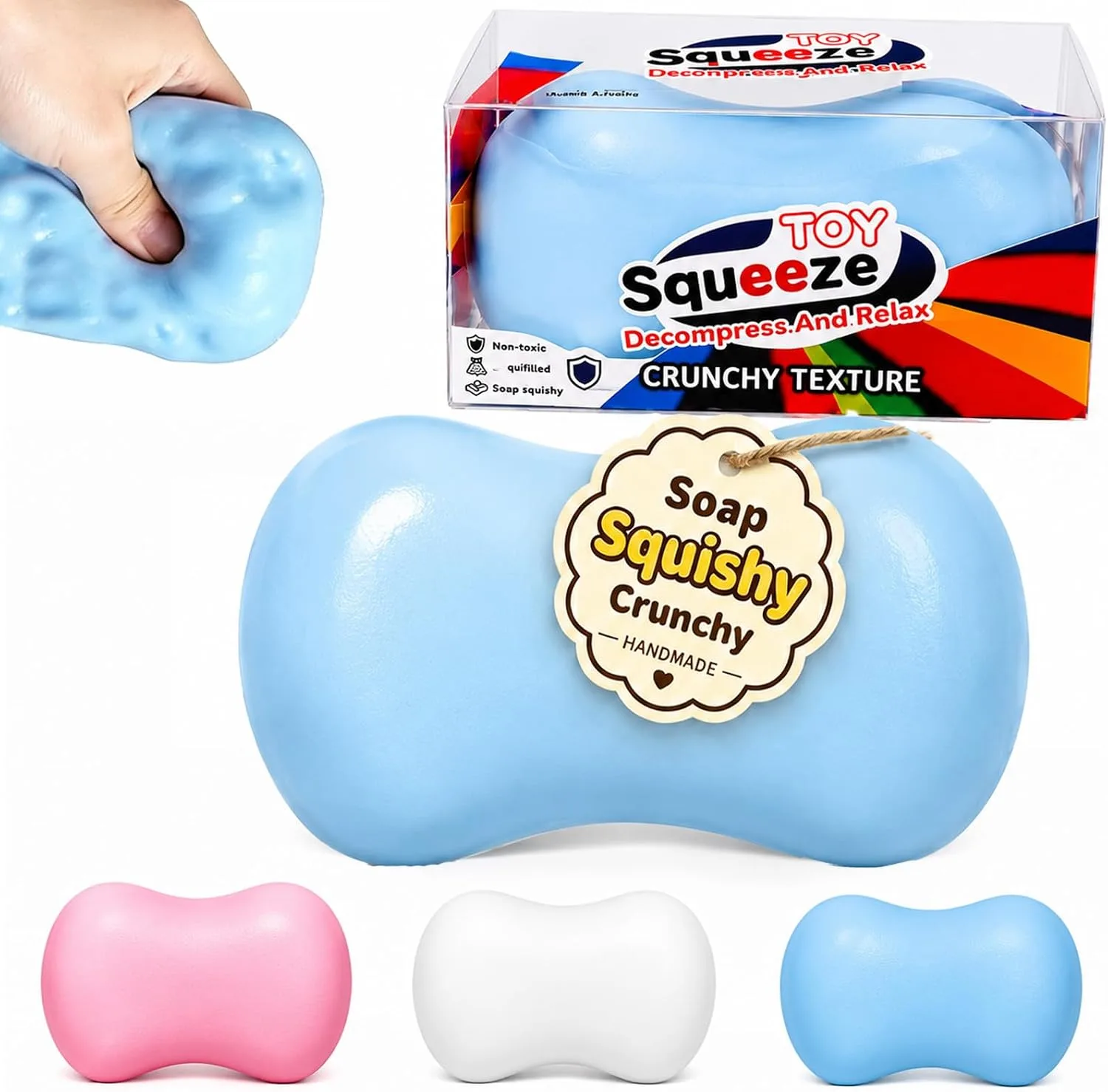
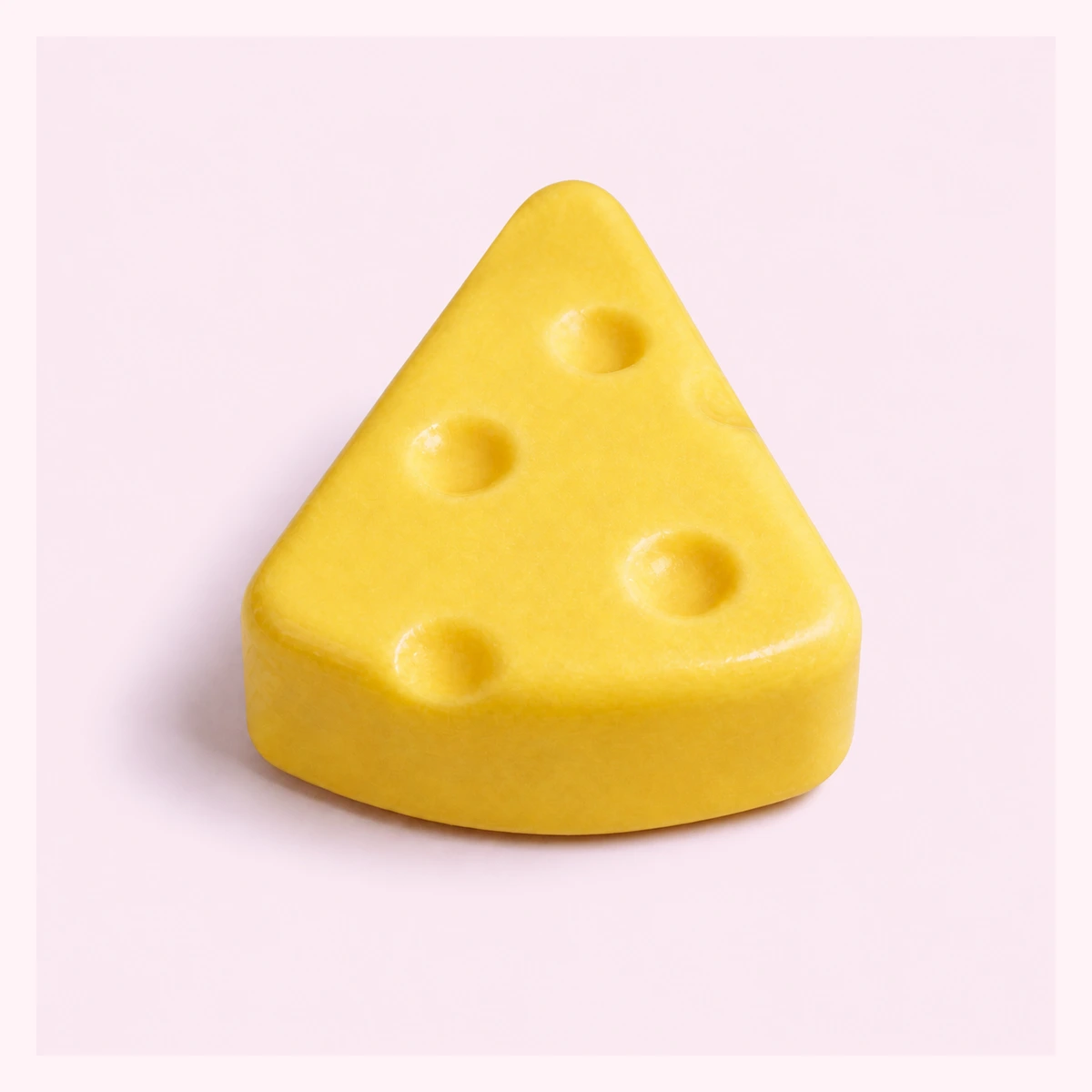
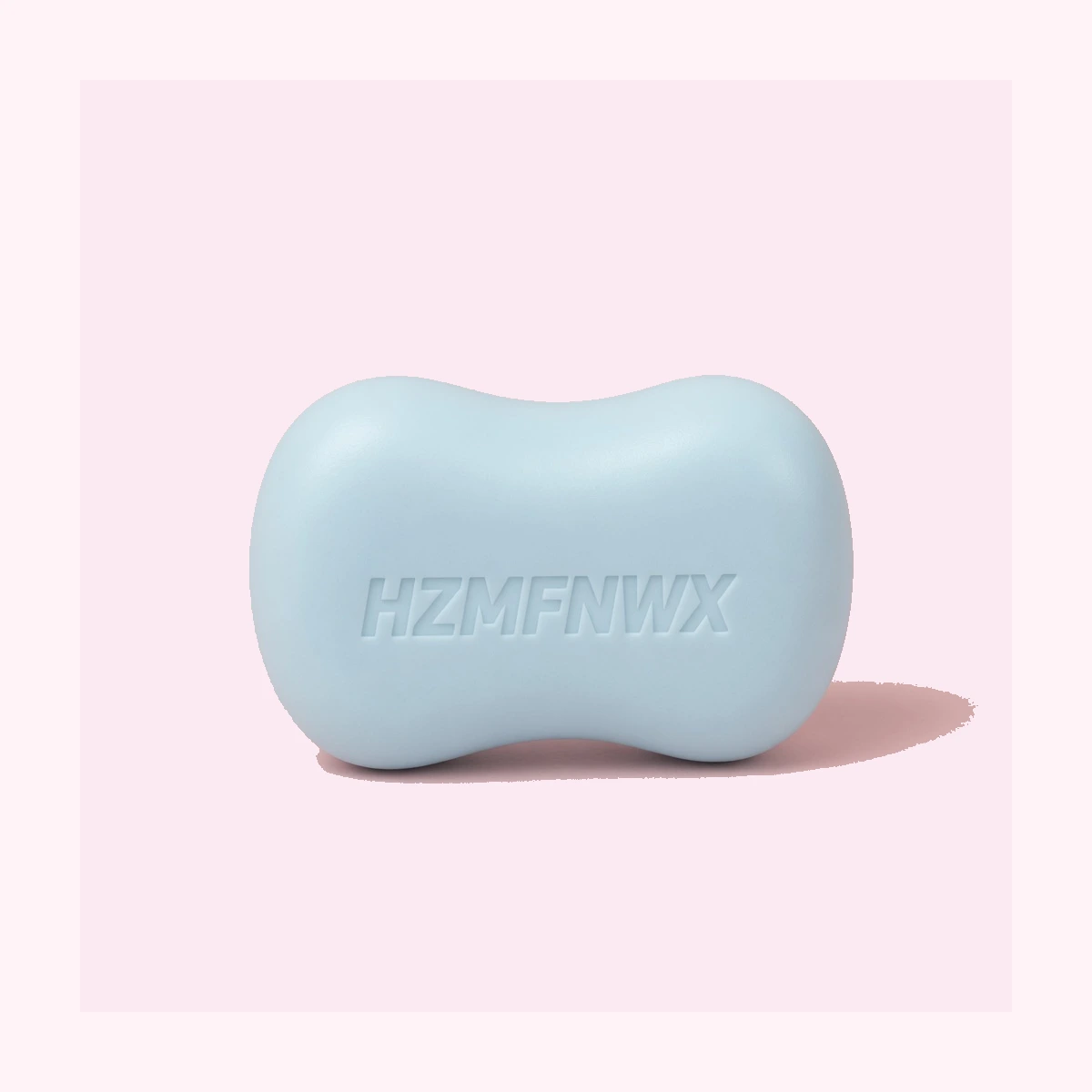
| Catalog Reference Model | - | - | Triangle Cheese Wedge Squishy (FS-CZ8725) | Blue Soap Squishy (FS-SOAP-P015) |
Specification Spotlight: Triangle Cheese Wedge TPR Squishy (FS-CZ8725)
Supplier reference weight for the triangle cheese wedge squishy is approx. 120 g with 11 × 5 × 3 cm dimensions and TPR outer skin. Unlike homemade balloons that rely on knotted necks, this model utilizes an injection-molded TPR casing packed with dense flour and crunchy block filling. When kneaded, it replicates the slow, heavy resistance of refrigerated pastry dough paired with an internal crackling structure that rebounds smoothly into its cartoon Swiss-cheese wedge silhouette.
Similarly, models like the Blue Soap Squishy (FS-SOAP-P015) encase crackling bead chambers within a soft bar-shaped mold, allowing sensory fidgeters to enjoy continuous acoustic whispering and bubble-wrap-like crackling without the fear of a messy living room burst.
Burst Prevention, Seam Sealing, and Lifespan Care
If you choose to craft your crunchy squishies at home, keep these four essential safety and maintenance guidelines in mind:
- Always Double-Layer Latex Skins: A single balloon membrane under dynamic shear friction will develop micro-tears within dozens of squeezes. Stacking two balloons distributes tensile stress evenly across the outer surface.
- Never Overfill Beyond Elastic Limit: Keep the filling volume to roughly 70% of the balloon’s relaxed capacity. Overstretching thins out the latex wall, leaving it vulnerable to instant bursting under sudden two-handed compression.
- Cornstarch Finishing Powder: Natural latex becomes tacky when handled frequently due to natural skin oils. Lightly dusting the exterior of your DIY balloon squishy with cornstarch or baby powder removes stickiness and prevents lint accumulation.
- Cradle with Flat Palms: Whether playing with homemade balloon fidgets or molded commercial TPR toys, compress using flat finger pads and open palms. Gouging the toy with fingernails concentrates pressure into a single micro-point, accelerating membrane failure.
Frequently Asked Questions (FAQ)
How do you make a crunchy squishy without balloons?
You can make a crunchy squishy without latex balloons by using heavy-duty clear zip-top freezer bags reinforced with clear packing tape, heat-sealed vinyl craft pouches, or flexible silicone cosmetic blenders stuffed with micro-pellets. Seal all perimeter seams with waterproof vinyl cement or multi-layer acrylic packing tape.
What is the best filling for an acoustic crunchy squishy?
Polystyrene micro-foam beads (1-3 mm diameter) provide the lightest, most consistent crackle. For a louder, sharper ASMR crunch, faceted plastic bingsu beads suspended in low-tack clear slime provide the closest sensation to popping bubble wrap or crushing honeycomb.
Why do commercial crunchy squishies last longer than DIY balloons?
Commercial models feature seamless, thick-walled thermoplastic rubber (TPR) shells molded under high temperature and pressure. Their material thickness (1.5-3.0 mm) is up to ten times thicker than thin party balloon latex, giving them substantial tear strength, elasticity, and puncture resistance against continuous fingernail pressure.
Can you wash a homemade balloon squishy with water?
You can gently wipe the surface of a latex balloon squishy with a damp cloth, but avoid submerging it completely in warm water. Moisture can seep into the tied knot or compromise adhesive tape seals, leading to interior mildew or weakened knot tension. Commercial TPR squishies, however, can be freely rinsed with warm water and mild dish soap.