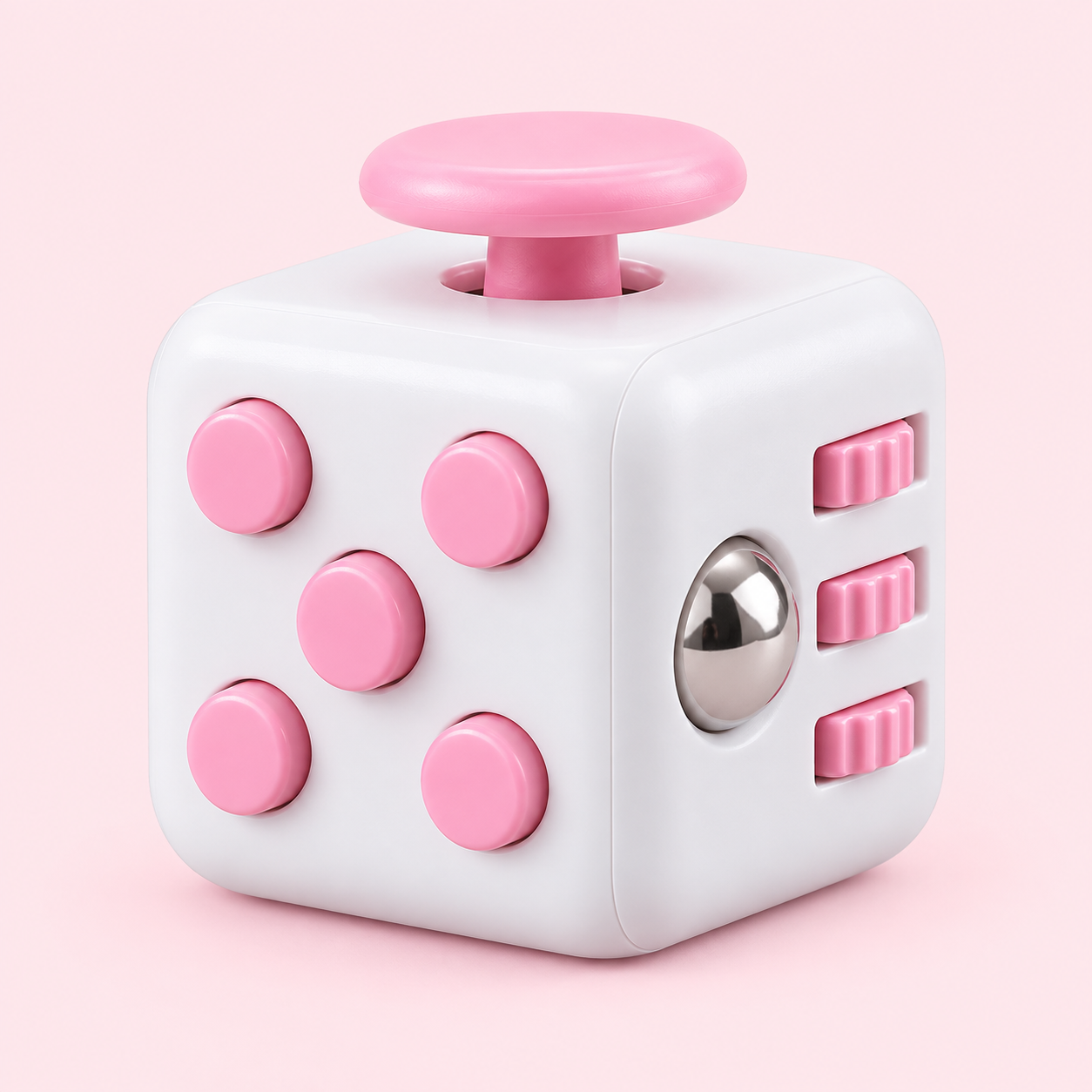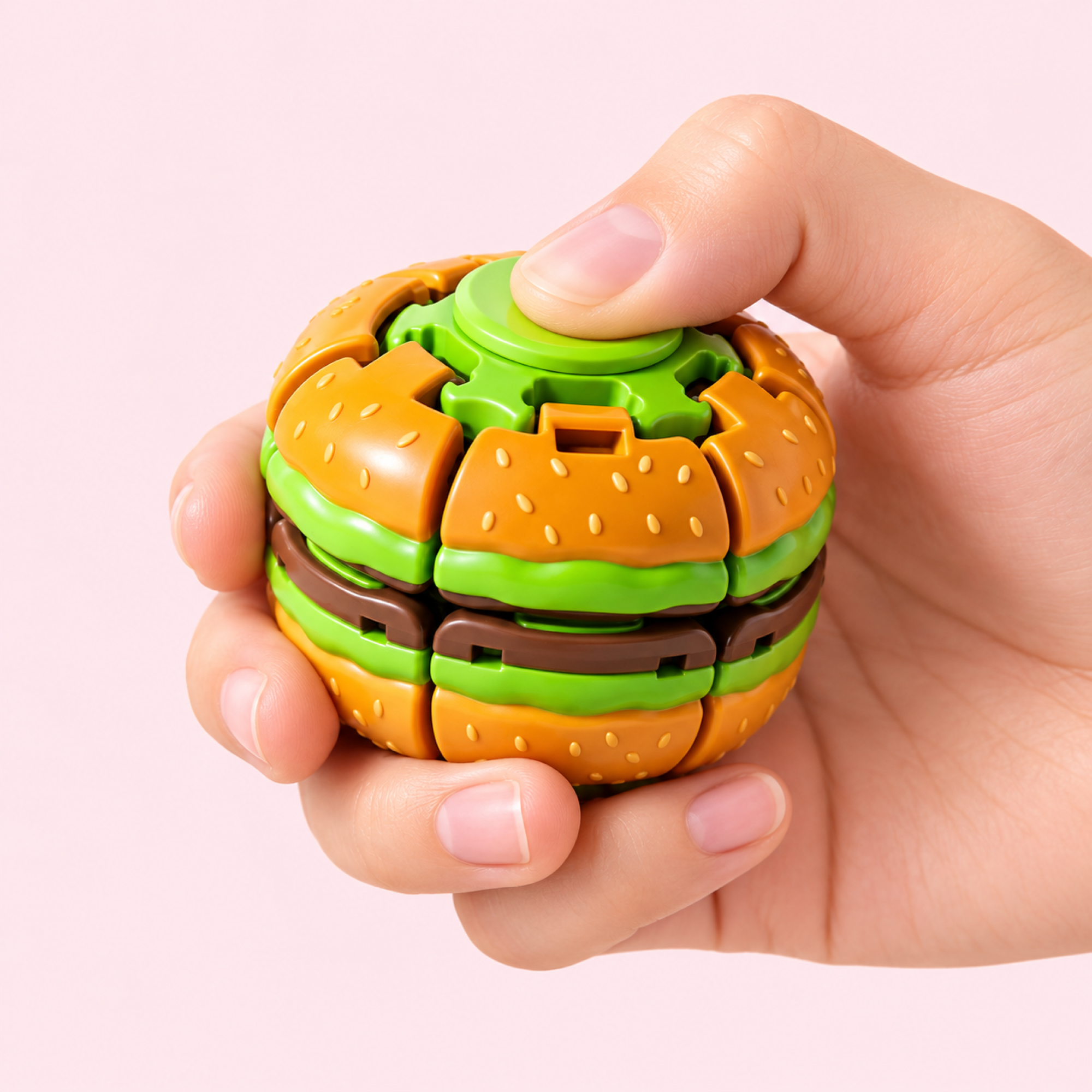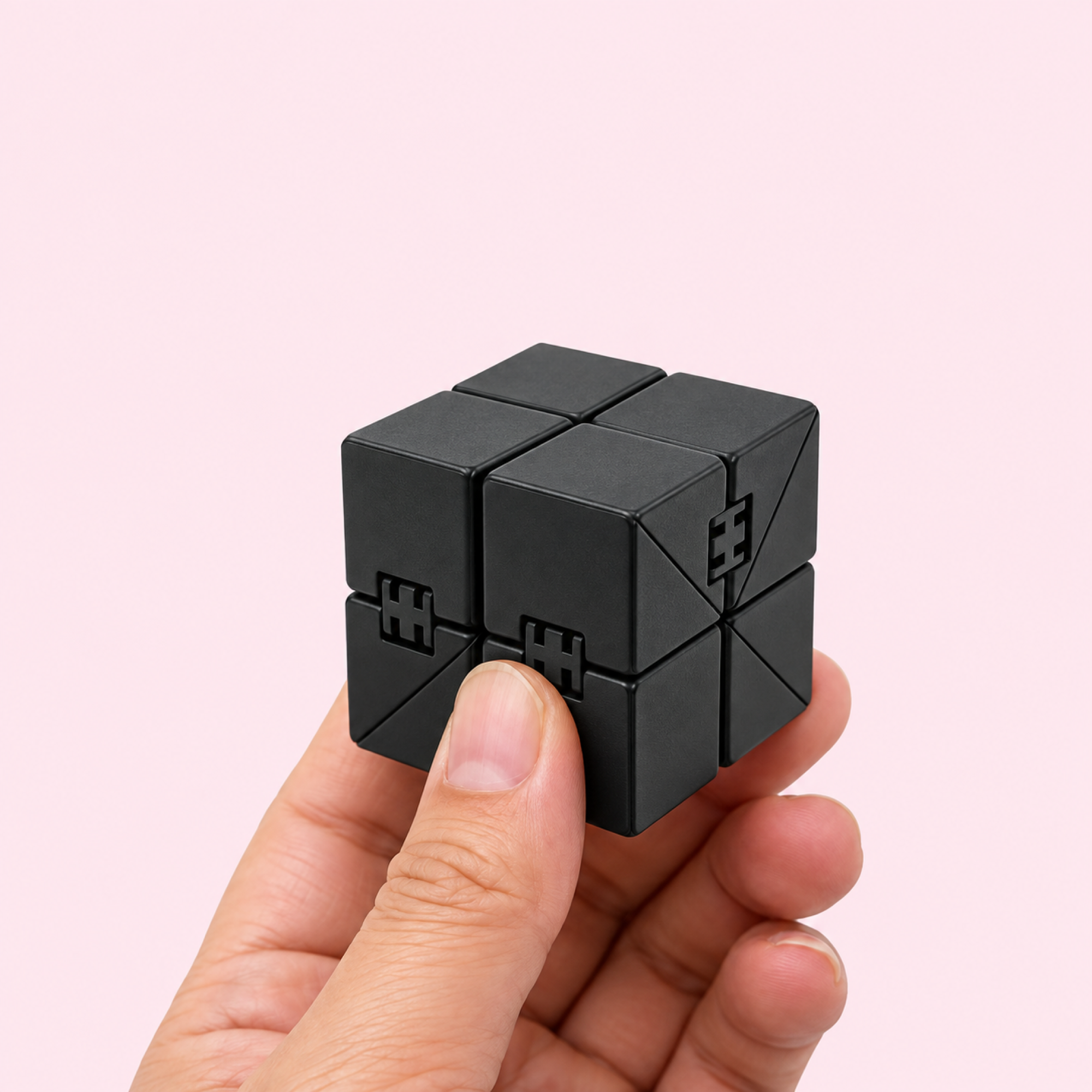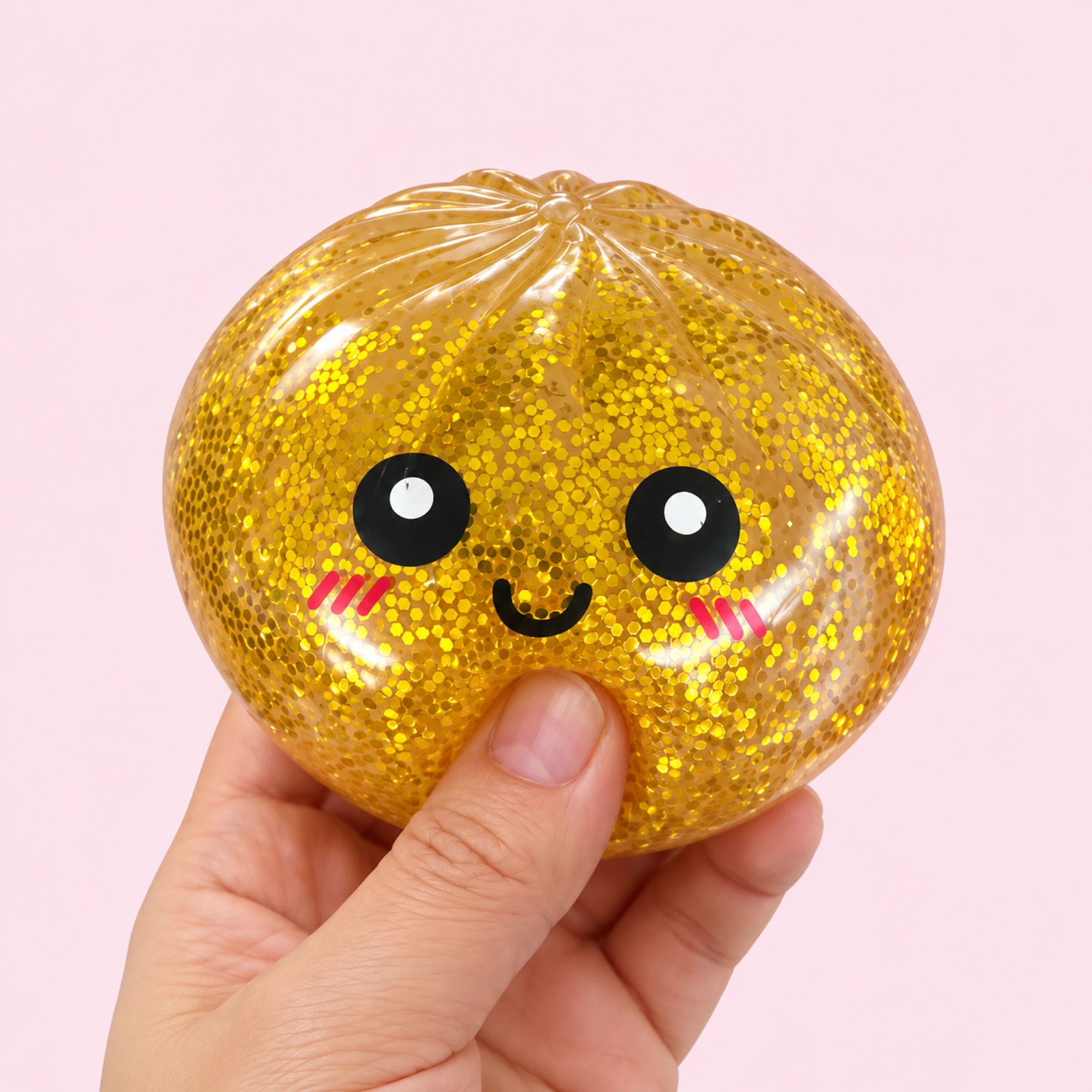
How to Make a Fidget Toy at Home: 5 DIY Builds vs Factory Toys
Whether you are looking to channel restless energy during study sessions, soothe afternoon work tension, or enjoy a creative weekend craft project with family, learning how to make a fidget toy using everyday household supplies offers immediate satisfaction. From humble scrap paper to spare keyrings, everyday materials can transform into surprisingly satisfying tactile tools in under twenty minutes.
However, anyone who has ever spent three hours building an intricate origami flipper only to watch the paper soften and tear after a single afternoon of intense tapping understands the fundamental tension in sensory play: DIY accessibility versus factory durability.
In this comprehensive hands-on guide, we walk you through five proven DIY fidget toy tutorials step-by-step, evaluate their real-world tactile sensory profiles, and examine how homemade crafts measure up against engineered factory mechanical clickers and high-rebound sensory squishies.
5 Easy DIY Fidget Toys You Can Make at Home Right Now
Each of these five home projects uses inexpensive materials commonly found in kitchen drawers, desk pencil holders, or utility closets. If you have wondered how to make fidget toys without specialty craft kits, these tutorials demonstrate how to make paper fidgets, balloon squishies, and pocket chains using everyday household items. We have rated each build by assembly time, tactile feedback style, and expected durability under continuous fidgeting.
1. Origami Paper Infinity Cube
The paper infinity cube is a classic tactile craft that folds seamlessly inside-out along alternating hinges, providing endless directional flipping. It is one of the most popular projects for anyone learning how to make paper fidgets with zero extra expense.
- Difficulty: Beginner to Intermediate
- Build Time: 15–20 minutes
- Tactile Profile: Light resistance, soft papery flick, rhythmic geometric flipping
- Estimated Lifespan: 3–7 days of frequent pocket use
Materials Needed
- 2 sheets of standard letter or A4 printer paper (approx. 70–80 gsm)
- Clear packing tape or sturdy scotch tape
- Scissors or craft ruler
- Bone folder or butter knife (for crisp creases)
Step-by-Step Assembly
- Cut 8 identical squares: Measure and cut eight identical paper squares, ideally 5 cm × 5 cm (2 in × 2 in) each. Precision matters—uneven edges create friction during rotation.
- Fold miniature cubes: Fold each square into a six-sided origami cube box (Sonobe unit or classic box fold), tucking tabs securely inside. You now have eight loose paper dice.
- Arrange a 2×2×2 cluster: Lay four cubes in a bottom row and four in a top row, oriented symmetrically.
- Tape the hinges in precise sequence:
- Tape the middle two pairs horizontally across the front face.
- Flip the entire assembly over; tape the outside two pairs vertically.
- Open the block outward from the center; tape the top and bottom connecting faces.
- Test the kinetic fold: Gently press the side columns toward the middle. The cube should rotate smoothly on its taped tape hinges, opening outward into a 2×4 rectangular brick and collapsing back into a 2×2 cube.
Builder Tip: Reinforce high-friction fold edges with matte book repair tape rather than glossy cellophane tape to prevent premature tearing.
2. Flour & Balloon Tactile Squishy (Dough Stress Ball)
For sensory seekers who prefer deep, doughy resistance over geometric movement, a flour-filled balloon mimics the satisfying squeeze of dense bakery dough. This is a foundational project when exploring diy fidget toys at home.
- Difficulty: Beginner
- Build Time: 10 minutes
- Tactile Profile: High-density moldable compression, slow recovery, silent
- Estimated Lifespan: 1–2 weeks (punctures easily with sharp fingernails)
Materials Needed
- 2 durable latex balloons (standard 9-inch or 12-inch party balloons)
- 1/2 cup all-purpose flour or cornstarch (cornstarch provides a firmer, silkier resistance)
- Plastic funnel or empty 500 ml plastic water bottle
- Spoon and pencil (to guide flour through the funnel)
Step-by-Step Assembly
- Pre-stretch the balloons: Blow up the primary balloon halfway to stretch the latex, then release the air completely.
- Transfer the filling: Secure the balloon neck over the spout of your funnel or water bottle mouth. Spoon flour into the funnel, gently tapping the neck with a pencil handle to eliminate air pockets until the balloon base reaches roughly 6–7 cm in diameter.
- Expel excess trapped air: Squeeze the filled balloon gently upward until flour reaches the very base of the neck with zero trapped air bubble. Trapped air makes the balloon prone to popping under intense pressure.
- Tie and double-layer: Tie a firm, tight knot at the neck. Trim off the excess rolled lip. Slide a second stretched balloon over the knotted core in the opposite direction to provide a secondary safety membrane against burst leaks.
Caution: Keep homemade flour balloons away from pets and coarse desk surfaces. Never submerge in water if the outer seal is unvulcanized.
3. Keyring & Bike Chain Link Pocket Fidget
If you need a quiet, durable fidget tool for high school desks or office cubicles, linked steel rings offer silent rolling and flipping motion that fits discreetly in a palm.
- Difficulty: Easy
- Build Time: 5 minutes
- Tactile Profile: Cool metal rolling, fluid looping, zero acoustic noise
- Estimated Lifespan: Months to years
Materials Needed
- 2 standard stainless steel split keyrings (20 mm to 25 mm diameter)
- 2 clean bicycle chain inner links (or small silicone rubber O-rings / silicone hair ties)
- Needle-nose pliers (optional, to ease ring spreading)
Step-by-Step Assembly
- Prepare the links: Clean any chain oil residue off the chain links with isopropyl alcohol.
- Interlock the primary loop: Thread the first split keyring through both roller barrels of one chain link.
- Attach the counterweight: Thread the second split keyring through the opposite side, interlocking the metal loops so they can pivot independently without binding.
- Add silicone bumper rings (optional): Wrap small rubber O-rings around the center link to dampen metal-on-metal clinking during vigorous thumb rolling.
4. Popsicle Stick & Rubber Band Tension Clicker
Tactile clickers provide the physical sensation of toggling switches or snapping levers. This lightweight build uses wood flex tension to generate a crisp snap.
- Difficulty: Beginner
- Build Time: 5 minutes
- Tactile Profile: Springy lever resistance, audible wooden tap, responsive flex
- Estimated Lifespan: 1–2 weeks
Materials Needed
- 3 wide wooden craft (popsicle) sticks
- 4 small elastic rubber bands
- 1 wooden craft bead (or plastic pony bead, approx. 8 mm diameter)
Step-by-Step Assembly
- Stack base sticks: Lay two popsicle sticks flush against each other and wrap two rubber bands tightly around one end to form a rigid fulcrum.
- Insert the fulcrum spacer: Insert the wooden bead between the two sticks, roughly 2 cm in from the banded end.
- Attach the lever stick: Place the third popsicle stick on top, wrapping the remaining rubber bands around the opposite end to create spring tension across the fulcrum.
- Click and toggle: Press down on the extended wooden tip with your thumb and release. The lever snaps briskly against the lower base, delivering acoustic and haptic feedback.
5. Marble & Mesh Calming Sensory Sleeve
For quiet tactile regulation during reading or lectures, the mesh marble slide allows continuous back-and-forth thumb gliding without distracting classmates or coworkers.
- Difficulty: Very Easy
- Build Time: 5 minutes
- Tactile Profile: Smooth spherical sliding, textured woven friction, completely silent
- Estimated Lifespan: 3–6 weeks
Materials Needed
- 10–12 cm length of braided plastic expandable sleeving or mesh ribbon (15 mm diameter)
- 1 standard glass marble
- Iron or hot glue gun (or sturdy craft needle and thread)
Step-by-Step Assembly
- Seal end one: Fold over one end of the braided mesh tube and seal it securely using a thin line of hot glue or two tight rows of sewing stitches.
- Insert marble: Slide the glass marble inside the open sleeve.
- Seal end two: Fold and seal the remaining open end, leaving roughly 8–10 cm of travel room so the marble can glide smoothly between your thumb and forefinger.
DIY Builds vs Factory Toys: Structural Comparison
While home crafting provides an unmatched creative outlet and instant zero-cost problem solving, homemade tactile tools face physical material limits under cyclic stress.
| Comparison Factor | Homemade DIY Fidgets | Engineered Factory Fidgets |
|---|---|---|
| Primary Materials | Paper, party latex, wooden sticks, tape | Polycarbonate, PBT plastic, mechanical switches, molded TPR/PU |
| Fatigue Resistance | 500 to 2,000 cycles before fatigue/wear | 50,000+ clicks / compressions without structural decay |
| Tactile Consistency | Variable; degrades as paper softens or tape slips | Calibrated spring actuation grams and consistent foam rebound rate |
| Acoustic Feedback | Muffled paper rubs or dull wooden clacks | Authentic clicky tactile mechanical switch acoustics |
| Sanitary Cleaning | Unwashable; paper and tape degrade in moisture | Non-porous, alcohol-wipable, washable non-toxic silicone/TPR |
| Cost to Produce | $0 to $2 from household pantry scraps | $8 to $20 for dedicated everyday-carry sensory tools |
When to Upgrade: Factory Mechanical Clickers & Sensory Squishies
When your daily focus demands reliable tactile resistance, pocket portability, or silent durability in professional meetings, dedicated sensory tools bridge the gap between temporary crafts and everyday focus companions.
+-------------------------------------------------------------+
|               TACTILE SENSORY EVOLUTION                     |
|                                                             |
|   [DIY Paper Infinity Cube]    --> [Four-Key Mechanical]     |
|   (Soft paper hinges, wears)       (Crisp clicky mechanical) |
|                                                             |
|   [Flour Balloon Stress Ball]  --> [Yellow Holey Cheese TPR] |
|   (Risk of burst/powder leaks)     (Dense sealed resistance) |
|                                                             |
|   [DIY Foam Sponges]           --> [4 Color Dice Squishy]    |
|   (Inconsistent rebound)           (Certified PU slow-rise)  |
+-------------------------------------------------------------+
1. Four-Key Mechanical Fidget: Dedicated Acoustic Tactile Focus
According to FunnySquishy catalog listing, the Four-Key Mechanical Fidget (FS-KEYBOARD-1068974947334) provides tactile mechanical switch clicking. Unlike wooden popsicle clickers that loosen under repetitive pressure, this tool incorporates four genuine mechanical keyboard switches housed in a sturdy clear casing with responsive spring-loaded keycaps. Each key press delivers crisp tactile travel, satisfying click acoustics, and built-in LED illumination for rhythmic desk fidgeting.
2. Mini Keyboard Fidget Keychain: Ultra-Portable Pocket EDC
According to FunnySquishy catalog listing, the Mini Keyboard Fidget Keychain (FS-FIDGET-KEYCHAIN-1077765100587) provides portable tactile clicking on a keychain. Sized for single-thumb toggling, this keychain fidget delivers dependable mechanical spring resistance on your car keys or backpack, making it an ideal silent or clicky fidget for commutes and study breaks.
3. 4 Color Dice Squishy Pack: Engineered Slow-Rising Foam Recovery
According to FunnySquishy catalog listing, the 4 Color Dice Squishy Pack (FS-DICE-P008) contains foam stress relief dice cubes. Where homemade sponge cubes tear at the edges, these molded polyurethane foam dice provide uniform cell structure, soft velvet finish, and measured slow-rising rebound that withstands thousands of deep compressions.
4. Yellow Holey Cheese Block: Moldable Resistance Without Balloon Leaks
According to FunnySquishy catalog listing, the Yellow Holey Cheese Block (FS-CZ3716) is a TPR flour-filled squishy cube. Crafted with a thick, elastomeric thermoplastic rubber (TPR) skin holding a dense flour-core interior, it offers deep moldable squishing and textured finger holes without the puncture anxiety of thin household latex party balloons.
5. Fluid Swirl Cube Squishy: Calming Visual & Slow-Rise Compression
According to FunnySquishy catalog listing, the Fluid Swirl Cube Squishy (FS-CZ8490) is a marbled glitter slow-rising cube. Combining mesmerizing glitter swirl aesthetics with progressive memory-foam elasticity, it provides a soothing, silent decompression anchor for high-stress work desks.
Practical Maintenance and Safety Tips for DIY Fidgets
If you choose to make your own sensory tools at home, following basic safety practices ensures a cleaner, longer-lasting experience:
- Watch for Material Fatigue: Check balloon seams daily for micro-tears or powder dusting. Discard flour balloons at the first sign of thinning rubber to prevent messy desktop blowouts.
- Sanitize Non-Porous Surfaces: While paper infinity cubes cannot be cleaned, metal keyring chains and plastic mesh sleeves can be wiped down with mild soap water or disinfectant wipes weekly.
- Small Parts Awareness: Keep glass marbles, split keyrings, and small craft beads strictly away from toddlers and pets to eliminate choking hazards.
- Match Noise to Environment: Use silent mesh marble sleeves or smooth PU foam squishies in lecture halls and quiet library zones, reserving wooden snap clickers and audible mechanical switches for private study sessions or noisy environments.
Frequently Asked Questions
How do you make an easy fidget toy at home in under 5 minutes?
The fastest DIY fidget toy is the Keyring & Bike Chain Link or the Marble & Mesh Sleeve. Both require only two components, zero glue drying time, and provide instant silent fidgeting right off your desk.
What household items can be turned into fidget toys?
Common household items include printer paper, paperclips, binder clips, rubber bands, plastic bottle caps, keyrings, party balloons, flour, cornstarch, and wooden craft sticks.
Are DIY fidget toys better than buying factory sensory tools?
DIY fidget toys are ideal for immediate craft entertainment, classroom STEM activities, and testing which sensory sensation (acoustic click, slow squish, rolling, or folding) you enjoy most. However, factory sensory tools are superior for long-term everyday carry, offering certified non-toxic materials, predictable resistance grams, and thousands of cycles without wear.
How long do homemade paper and balloon fidget toys usually last?
Paper infinity cubes typically last between 3 to 7 days before the paper softens or tape peels. Flour-filled balloons typically last 1 to 2 weeks before latex fatigue or fingernail punctures occur. Metal keyring builds, by contrast, can last several months.