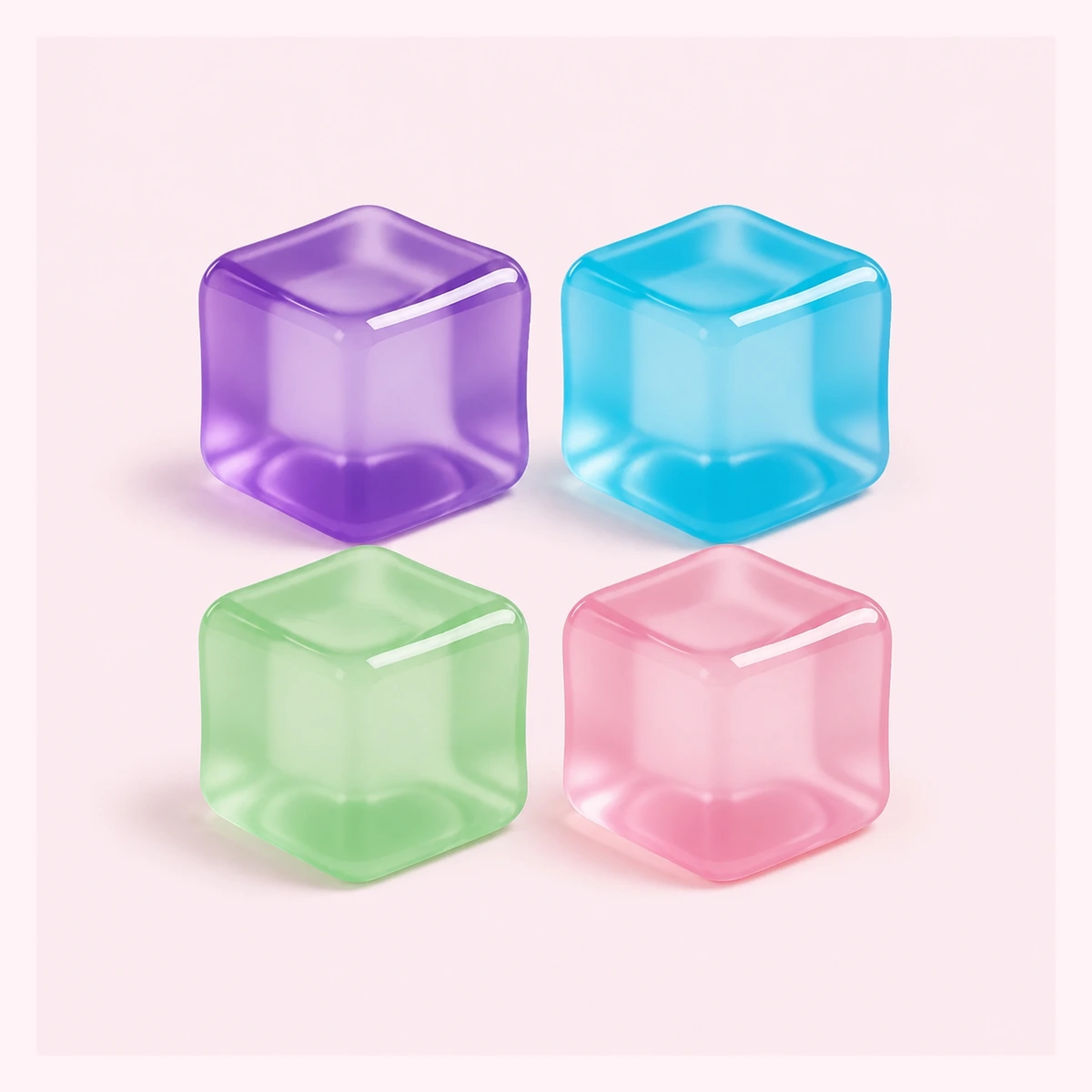



There's a reason your social feeds are full of translucent cubes being squeezed, stretched, and slowly springing back into shape. The jelly cube squishy — often styled as an "ice cube" complete with glittering ocean swirls or frosted snowflakes suspended inside — has quietly become one of the most satisfying sensory fidgets around. But beyond the ASMR appeal, these little cubes do real work: calming anxious hands, focusing restless minds, and giving sensory-seeking kids a healthy outlet.
This guide goes deeper than a product listing. We'll cover what these toys actually are, how the materials differ, why squeezing them feels so good (with a little sensory science), and how to choose between the dreamy ocean and crisp snowflake styles.
Table of Contents
- What Is a Jelly Cube Squishy?
- Materials: TPR, PU Foam, and Gel-Filled Explained
- Ocean vs. Snowflake: A Style Comparison
- The Sensory Science: Why Squeezing Helps
- Who Benefits Most
- Sizing and Feel: Standard vs. Jumbo
- Buying as Gifts or in Bulk
- Care and Cleaning
- FAQ
What Is a Jelly Cube Squishy?
A jelly cube squishy is a small, translucent, gel-like cube designed to be squeezed, squished, and slowly watched as it returns to shape. The most popular versions are styled as an ice cube squishy — a clear or frosted block that mimics a melting ice cube, often with decorative elements like glitter or snowflakes embedded inside.
What sets them apart from a traditional squishy (think foam buns, animals, or food shapes) is the texture. Classic squishies are usually soft PU foam with a matte, bread-like feel. Jelly cubes are denser, jiggly, and far more elastic — closer to firm jelly or silicone. They wobble when shaken and offer satisfying resistance when squeezed.
The signature feature is slow rising: press the cube and it slowly, hypnotically reforms over several seconds. That delayed rebound is a huge part of the appeal and a major reason these toys perform so well in short-form video.
Materials: TPR, PU Foam, and Gel-Filled Explained
Not all "squishies" are made the same way, and the material dramatically changes how the cube feels and how safe it is. Here's the quick breakdown.
| Material | Feel | Slow Rising? | Notes |
|---|---|---|---|
| TPR (thermoplastic rubber) | Bouncy, stretchy, jelly-like | Moderate | Durable, non-toxic, washable — best for the "ice cube" look |
| PU slow-rising foam | Soft, spongy, marshmallow-like | Strong | Classic squishy feel; less translucent, more matte |
| Gel-filled | Squishy with internal movement | No | A flexible skin holding gel/beads; satisfying but can puncture |
Most ocean and snowflake ice cube squishies are made from TPR, which gives that clear, jiggly, jelly texture while staying tough enough to survive endless squeezing. Quality TPR is non-toxic and phthalate-free — but always check that listings explicitly state child-safe, non-toxic materials, especially for younger users.
A quick safety note: any small toy can pose a choking risk for children under three, and gel-filled designs should never be cut open or chewed. Supervise young kids and skip products that lack clear material information.
Ocean vs. Snowflake: A Style Comparison
The two best-selling themes split along a simple aesthetic divide — and choosing between them is mostly about the vibe you want.
Ocean Squishy
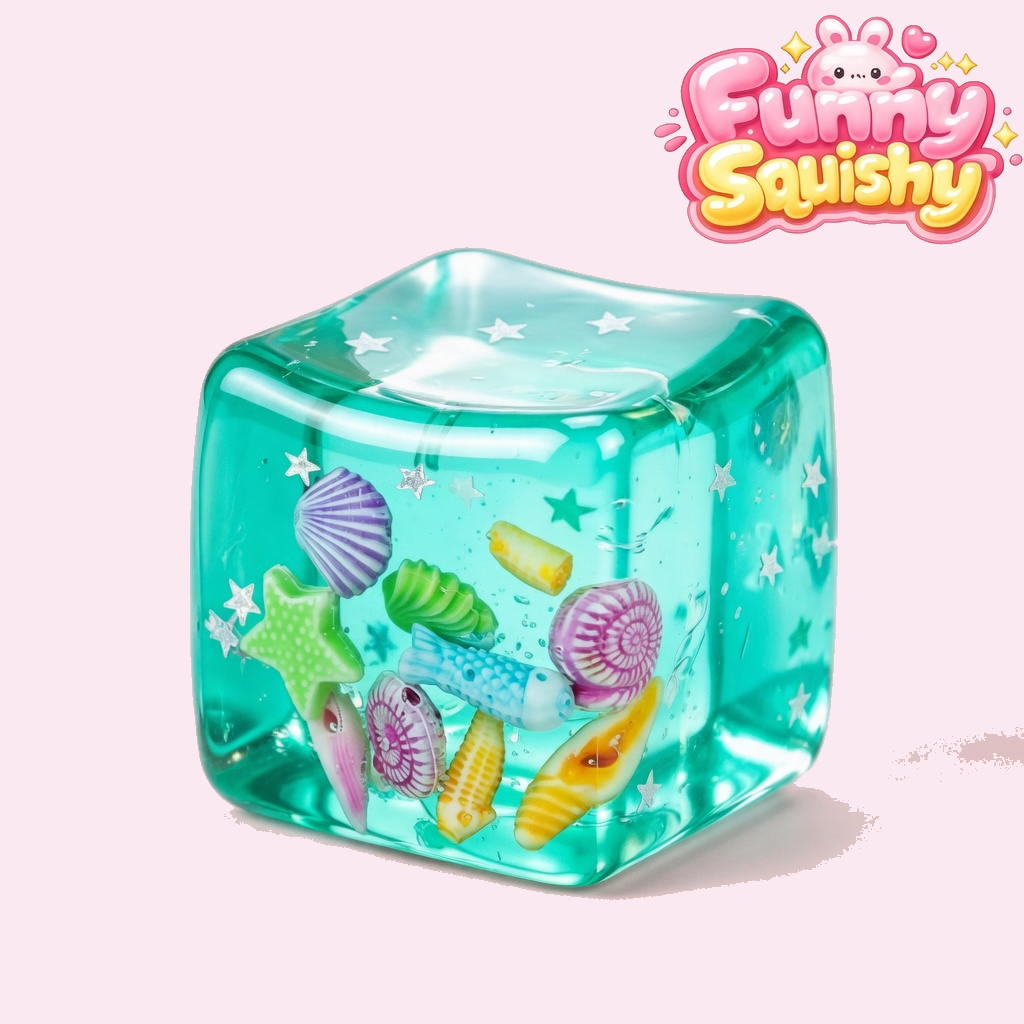
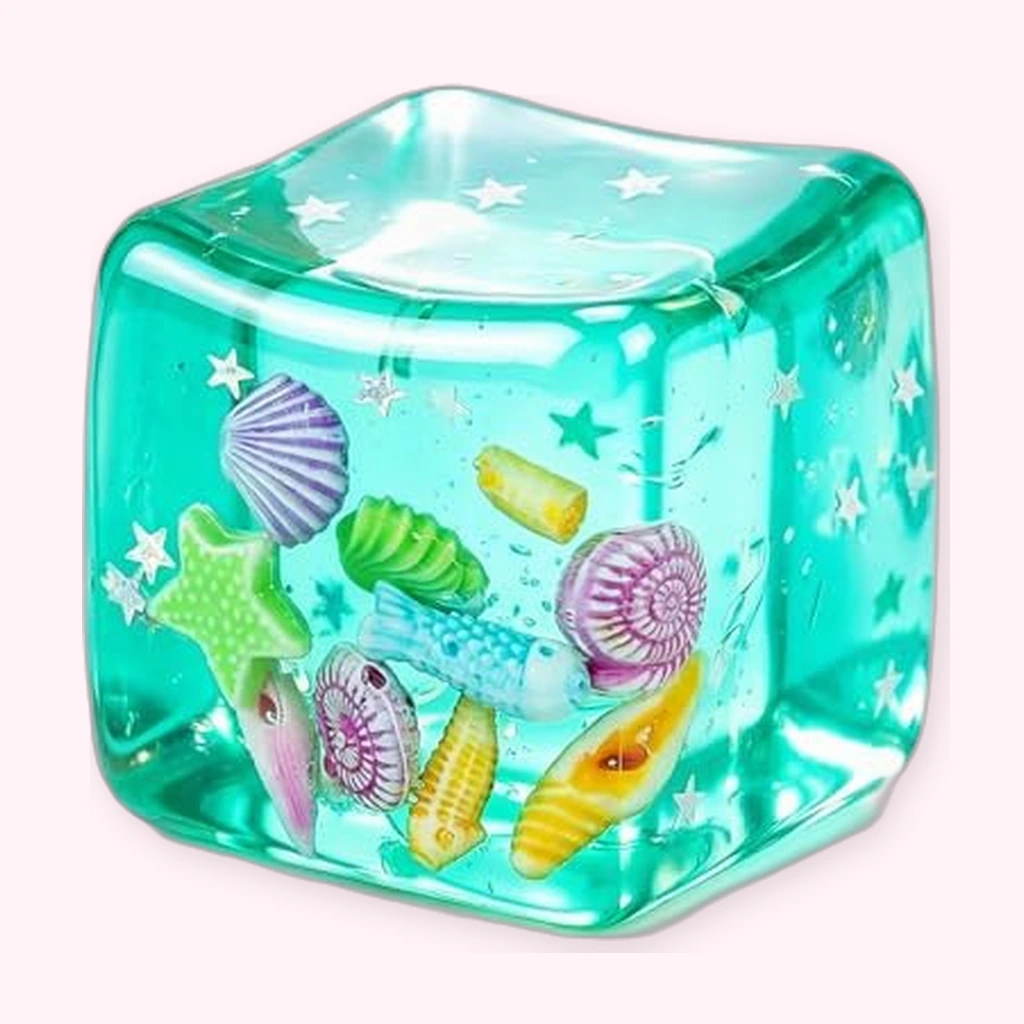
The ocean squishy leans into blue-green, aquamarine tones with glitter or sparkle suspended inside, mimicking sunlight scattering through seawater. Some variants embed tiny shells, sea creatures, or layered color gradients. The effect is dreamy and dynamic — light catches the glitter as you turn it, which makes it especially photogenic and a favorite for ASMR clips.
- Best for: people who love color, sparkle, and a "calming sea" aesthetic
- Feel: typically slightly softer, with more visual movement inside
Snowflake Squishy
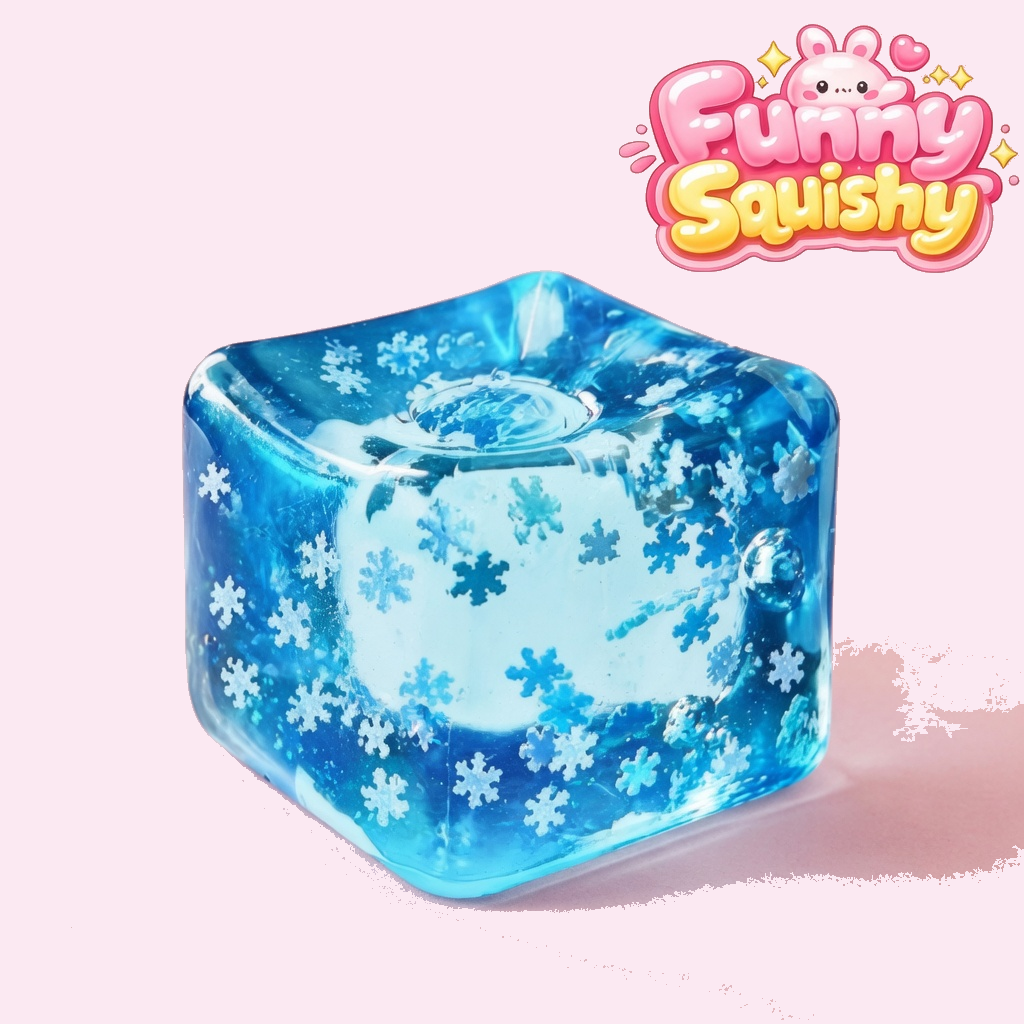
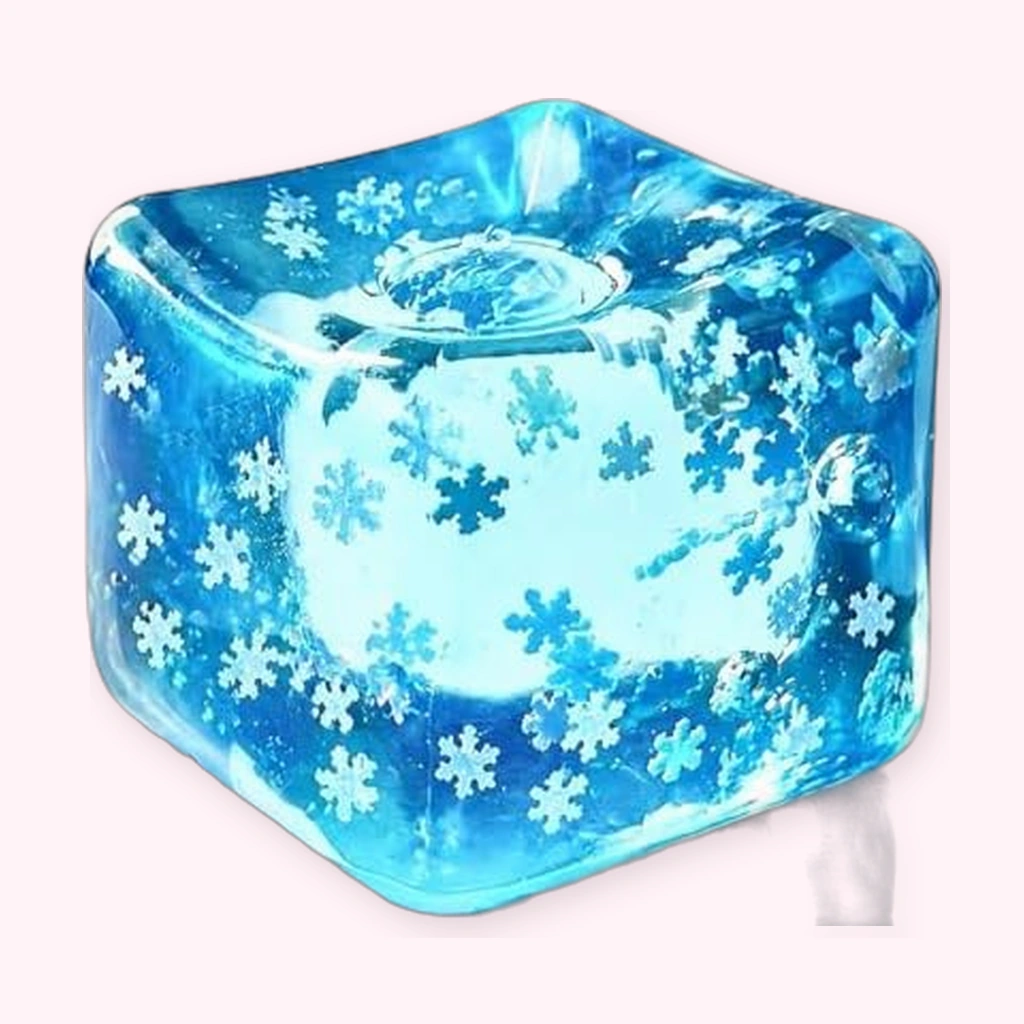
The snowflake squishy goes cool and minimal: white, icy blue, or clear with a frosted, semi-translucent finish and a delicate snowflake design embedded at the center. It reads as crisp and clean rather than busy — more "winter morning" than "tropical reef."
- Best for: fans of a understated, frosty look; seasonal gifting
- Feel: often a touch firmer, with a matte-frosted surface
If you genuinely can't decide, combo packs pairing both themes are widely available and make the choice moot — handy for classrooms or party favors where variety is welcome.
The Sensory Science: Why Squeezing Helps
Squeezing a squishy isn't just a habit — it taps into how our nervous systems regulate stress.
When you press, stretch, or knead a resistant object, you generate proprioceptive input: feedback from the muscles and joints that tells your brain where your body is and how much force it's exerting. Proprioceptive (sometimes called "heavy work") input has a well-documented organizing and calming effect. It's the same reason a tight hug or a weighted blanket feels grounding.
The tactile stimulation matters too. The cool, smooth, jiggly surface gives the hands something to focus on, which can redirect anxious energy and ground a wandering mind in the present moment.
There's also a behavioral piece. Repetitive, predictable motions — squeeze, release, watch it rise — engage attention in a low-stakes way. For people who think better with their hands busy, that small repetitive loop can free up mental bandwidth rather than distract from it. The result is often lower felt stress and steadier focus.
Who Benefits Most
These cubes are genuinely versatile, but a few groups get outsized value:
- Children with ADHD: a discreet outlet for restless energy that can support sitting and listening without disrupting others.
- Autistic individuals: the predictable texture and slow-rising motion offer calming, regulating sensory input on demand.
- People with anxiety: the squeeze-and-release rhythm provides a physical anchor during stressful moments.
- Stressed adults at work: a quiet desk fidget that beats nail-biting or pen-clicking during long calls.
- Teachers and therapists: an easy, affordable tool for self-regulation, calm corners, and classroom transitions.
A fidget toy is a support, not a clinical treatment — but as a low-cost, low-risk tool, the humble sensory fidget cube earns its place in a lot of pockets, desks, and therapy kits.
Sizing and Feel: Standard vs. Jumbo
Size changes the experience more than you'd expect.
- Standard (~4–5 cm): pocketable and discreet, ideal for kids' hands, classroom use, and on-the-go fidgeting. Easy to carry several.
- Jumbo (~7 cm and up): more dramatic squish, deeper proprioceptive resistance, and a bigger visual payoff. Better for adult hands and home/desk use, but less portable.
If the cube is for a young child or for slipping into a pocket, go standard. If it's a desk centerpiece or you want maximum squish satisfaction, the jumbo size delivers more of everything.
Buying as Gifts or in Bulk
These cubes shine as small, crowd-pleasing gifts because they're affordable, universally appealing, and need no explanation.
- Party favors: combo packs (ocean + snowflake) let each guest pick a favorite.
- Classroom rewards: durable TPR cubes hold up to repeated use; buy in multiples so the supply doesn't run dry.
- Stocking stuffers: the snowflake style fits winter gifting perfectly.
- Office gifts: a jumbo cube makes a fun, practical desk present.
When buying in volume, prioritize listings that confirm non-toxic materials and consistent quality over the absolute cheapest option — bulk bargains sometimes cut corners on durability.
Care and Cleaning
A little maintenance keeps these cubes squishable for the long haul.
- Clean gently: wipe TPR cubes with a damp cloth and mild soap, then air dry fully. Avoid soaking gel-filled versions.
- Keep them clean between uses: dust and lint cling to the slightly tacky surface; a quick wipe restores the smooth feel.
- Store cool and dry: heat can soften or warp TPR, and direct sunlight may fade ocean glitter over time.
- Skip sharp surfaces: never cut or puncture a cube, especially gel-filled ones.
FAQ
Are ice cube squishies safe for kids?
Quality TPR cubes labeled non-toxic and phthalate-free are generally safe for supervised play. However, small sizes pose a choking risk for children under three, and gel-filled types should never be chewed or cut open.
What's the difference between an ocean and a snowflake squishy?
The ocean squishy features blue-green tones with internal glitter for a sparkly, sea-like look, while the snowflake squishy has a frosted, icy-blue or clear finish with a snowflake embedded inside for a cleaner, wintry aesthetic.
Why does the cube rise back so slowly?
That's the "slow-rising" property of the material. TPR and PU foam rebound gradually rather than snapping back, which makes the squeeze-and-release motion especially satisfying.
Do these toys actually help with anxiety and focus?
For many people, yes. The proprioceptive input from squeezing and the tactile focus can have a grounding, calming effect. They're a helpful self-regulation tool, though not a substitute for professional care.
How do I clean a jelly cube squishy?
Wipe it with a damp cloth and a little mild soap, then let it air dry completely. Avoid submerging gel-filled designs and keep all cubes out of direct heat and sunlight.
Which size should I choose?
Pick standard (4–5 cm) for portability and kids' hands; choose jumbo (7 cm+) for deeper squish resistance and a bigger visual effect at your desk or at home.
Whether you're drawn to the glittering swirl of an ocean cube or the frosty calm of a snowflake, these jelly squishies pack a surprising amount of value into a tiny, satisfying package. They're affordable, genuinely useful for stress and focus, and just plain fun to squeeze — which is exactly why they keep ending up in carts, classrooms, and the corners of busy desks everywhere.
Shop the squishies featured in this guide
Ready to squeeze? Browse the full squishies collection to find your perfect sensory cube, or grab one of the two fan favorites from this guide below.