Liquid Silicone Squishy Making Kit: 8-Mold vs. Paw & Capybara DIY Sets Compared
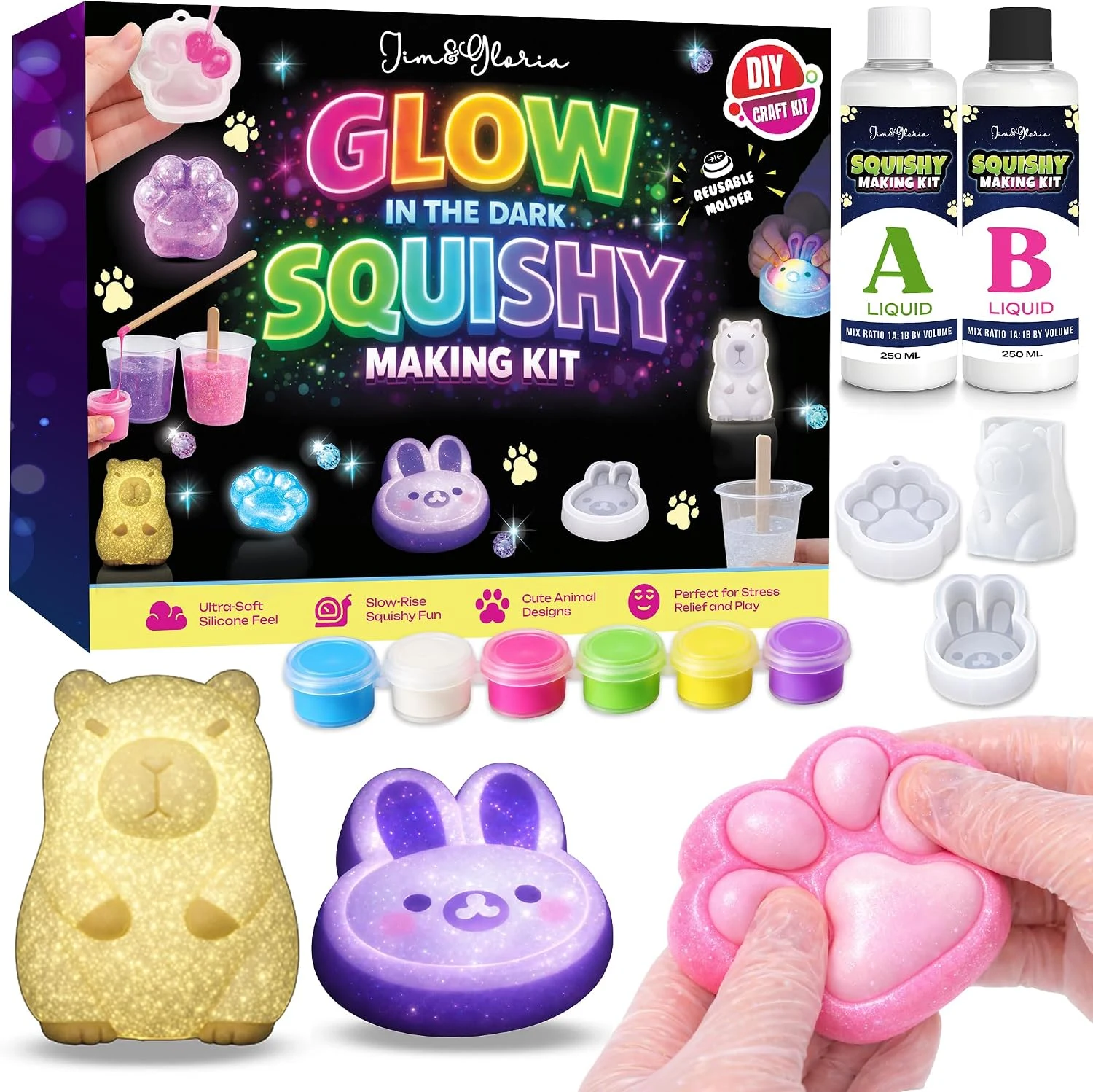
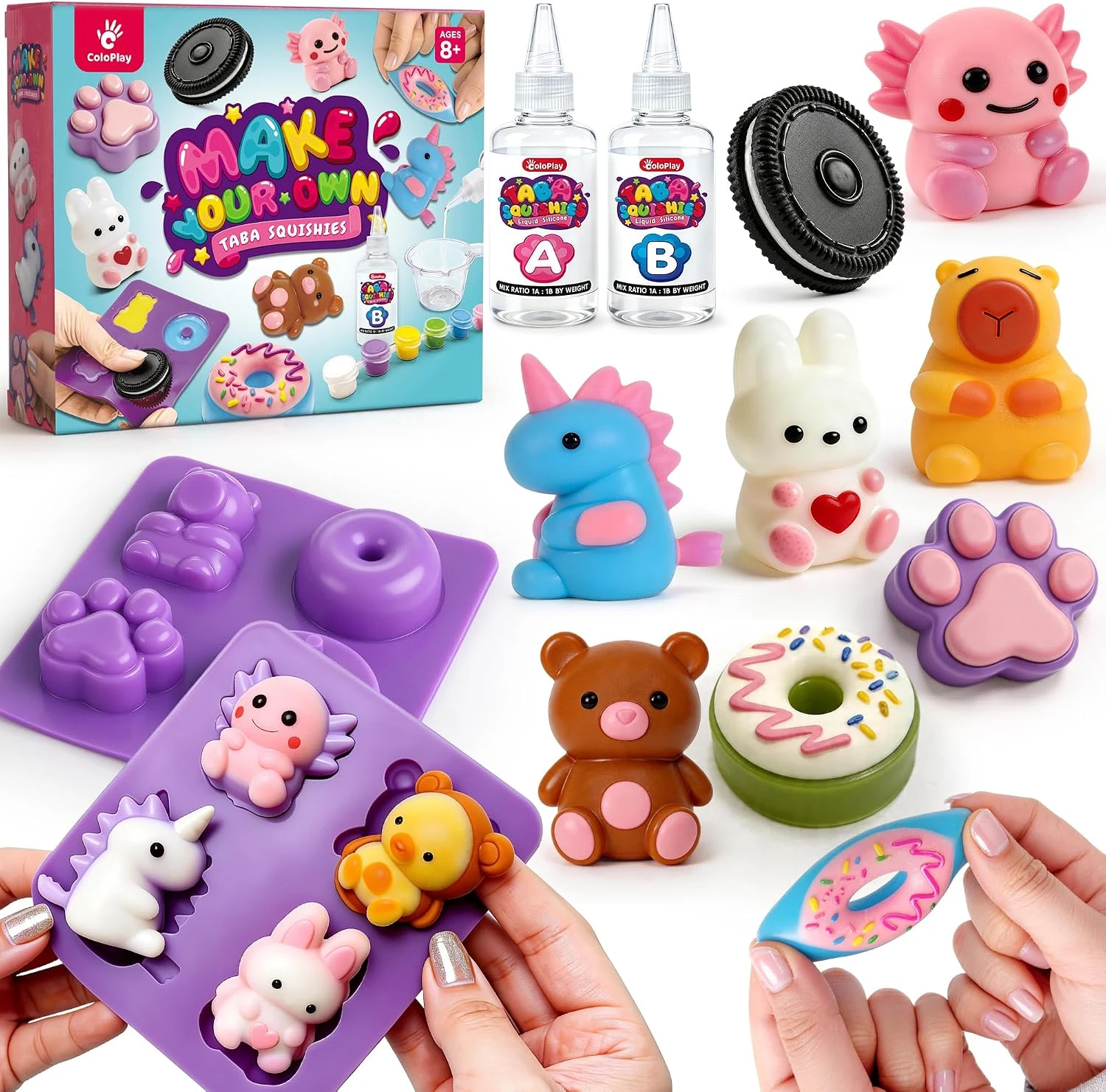
Quick Answer: Deciding between a starter 408g 8-mold liquid silicone squishy making kit and an 803g deluxe cat paw, capybara, and bunny DIY set comes down to your pouring scale, cavity volume requirements, and crafting goals. For beginners exploring silicone squishy making kit basics, the compact 408g kit (FS-DIYKIT-002, $14.99) delivers eight diverse miniature cavities ideal for pouring small multi-colored charms. If you want to craft heavy, palm-filling sensory pieces with tactile flocking, the 803g taba squishy diy kit (FS-DIYKIT-003, $29.99) provides deep animal molds designed for high-density 1:1 addition-cure platinum elastomer. However, DIY pouring demands precision: incorrect weighing or latex glove contamination leaves permanent sticky spots. If you prefer immediate, mess-free tactile relief, factory-cured artisanal squishies like the Slow Rising Capybara (FS-CAPYBARA-003, $14.99), Cherry Cat Paw (FS-CAT-P105, $14.99), and Capybara Stress Ball (FS-CAPYBARA-004, $12.99) deliver certified skin-safe durability straight out of the box.
The surge of interest in liquid silicone mold kit for squishies reflects a broader sensory movement toward customizable tactile fidgets. Unlike traditional open-cell PU foam that snaps back uniformly, liquid platinum silicone cures into a fluid-like elastomer with a silky, jelly-rebound profile.
Below, we examine chemical mixing stoichiometry, bubble evacuation methods, mold geometry differences, yield math, and how DIY hobby kits compare against factory-cured silicone sensory toys.
1. Chemical Kinetics: Platinum-Cure Addition Silicone vs. Tin-Cure Condensation Systems
Mastering how to cure liquid silicone squishies starts with understanding the polymer chemistry inside Part A and Part B containers:
- Platinum Addition-Cure Silicone (1:1 Ratio): Employs a platinum catalyst that links vinyl-functional silicone chains without generating chemical byproducts. This guarantees zero linear shrinkage (<0.1%), completely odorless curing, and superior skin biocompatibility for long-term hand compression.
- Tin-Cure Condensation Silicone (10:1 Ratio): Uses tin salts to initiate curing, releasing alcohol evaporation byproducts that cause 2% to 4% volumetric shrinkage. Over time, tin-cured toys harden, yellow, and emit faint acidic odors, making them unsuitable for intimate fidgeting.
- Ambient Cross-Linking Kinetics: At standard room temperatures (21°C to 24°C / 70°F to 75°F), platinum liquid silicone maintains a workable pot life of 30 to 45 minutes and achieves full demold cure within 18 to 24 hours. Crafters can accelerate polymerization by resting filled molds in a warm 38°C (100°F) chamber to demold in approximately 3 to 4 hours.
- Exothermic Peak & Shrinkage Resistance: Addition-cure platinum silicone undergoes minimal exothermic temperature spikes during curing, ensuring delicate fine details like whiskers, paw pads, and fur textures reproduce with microscopic fidelity.
2. Shore 00 Hardness Scale: Translating Durometer Ratings to Tactile Rebound
The tactile feel of a completed cat paw squishy kit or capybara squishy kit is governed by Shore 00 durometer measurements:
- Shore 00-05 to 00-10 (Ultra-Soft Jelly): Replicates the viral “water jelly” mochi texture. The silicone yields instantly under light fingertip pressure with slow, fluid-like elastic restoration, offering maximum surface tack and gentle sensory recovery.
- Shore 00-20 to 00-25 (Balanced Tactile Paw): Delivers balanced resistance suitable for everyday desktop fidgeting, offering durable tear strength while retaining a pillowy squish that withstands thousands of compressions.
- Shore 00-35 to 00-45 (Dense Sensory Dough): Mimics weighted dough stress balls, providing deep hand resistance for bilateral grip strengthening, deep muscle grounding, and intense meeting focus.
- Cavity Geometry Impact on Perceived Hardness: Deep mold profiles (such as 5 cm thick capybara bodies) provide natural internal hydro-elastic cushioning, feeling significantly softer and more pillow-like than thin 1 cm charm shapes cast from the exact same durometer silicone.
3. Head-to-Head Comparison Matrix: DIY Liquid Silicone Kits vs. Pre-Cured Benchmarks
The table below contrasts our FunnySquishy DIY silicone kits against verified pre-molded factory benchmarks across weight, mold geometry, and sensory performance:
| Kit Variant or Factory Benchmark SKU | Catalog Retail Price | Verified Net Weight | Included Mold Geometries / Format | Shore Hardness & Rebound Mechanics | Ideal User & Crafting Environment |
|---|---|---|---|---|---|
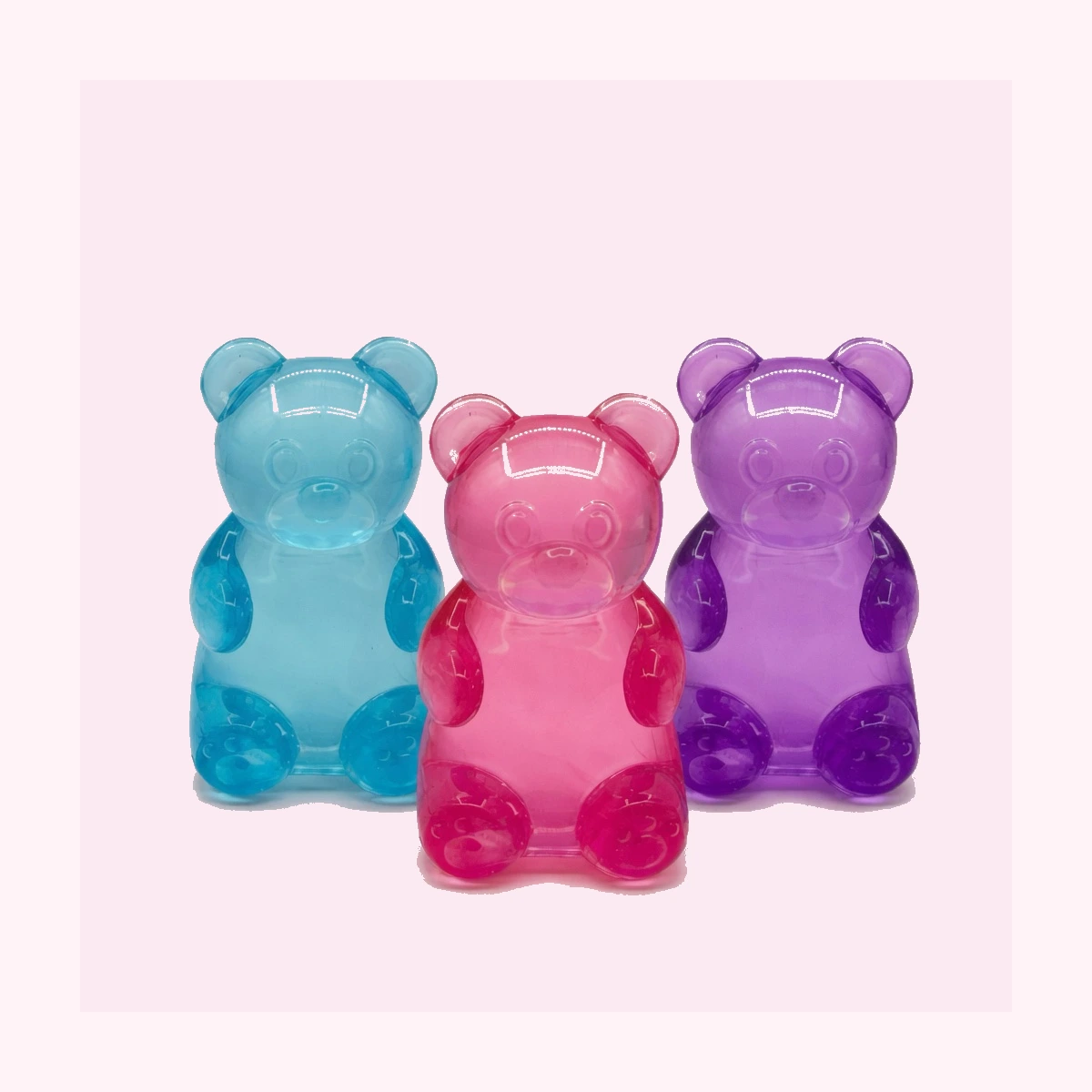
8-Mold Starter Silicone Kit (FS-DIYKIT-002) | $14.99 ($31.49) | 408 grams | 8 Mini Cavities (Bears, Paws, Clouds) | Shore 00-20 (Gentle bouncy recovery) | Beginner crafters & multi-color charm pouring |
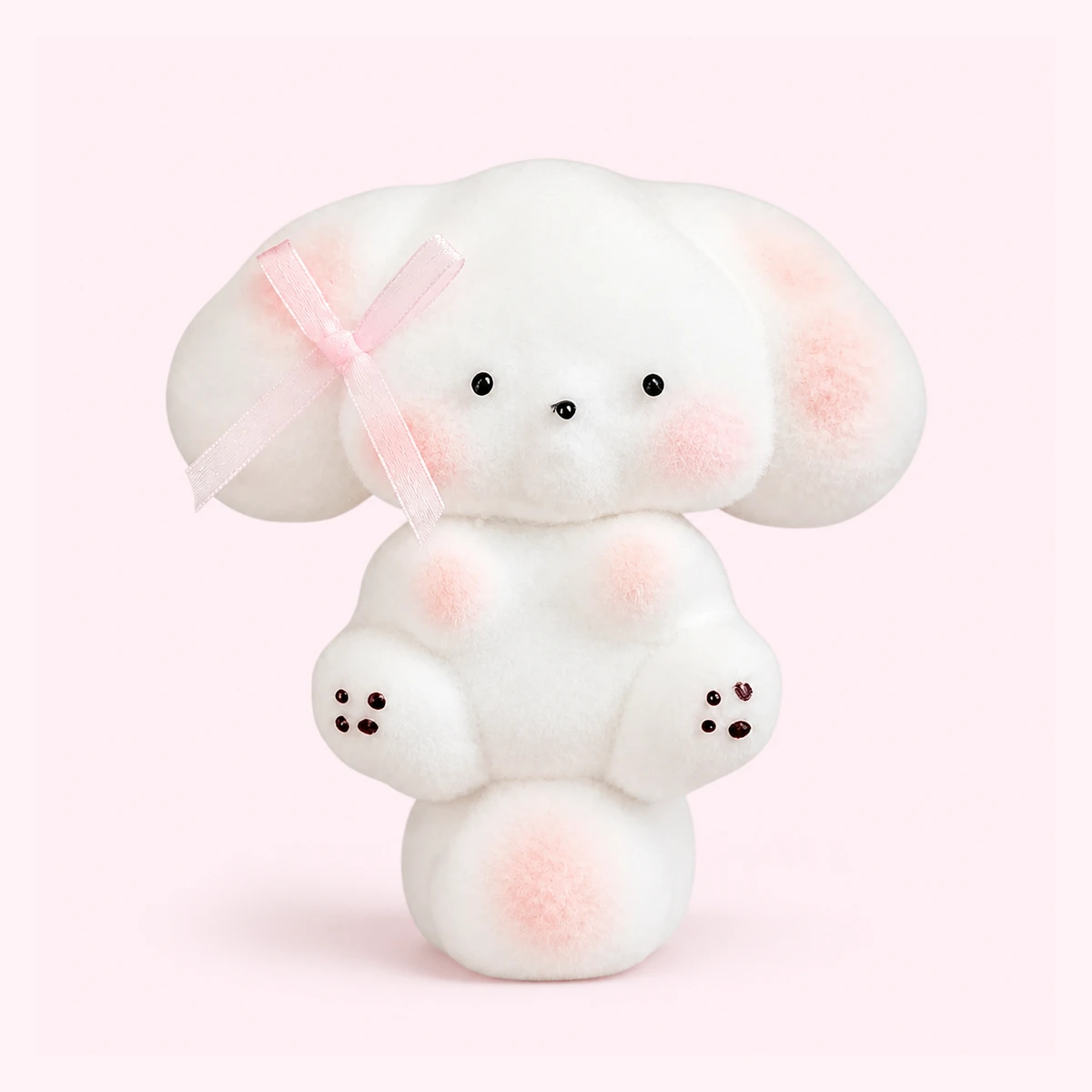
Deluxe Paw & Capybara Kit (FS-DIYKIT-003) | $29.99 ($62.49) | 803 grams | 3 Jumbo Molds (Cat Paw, Capybara, Bunny) | Shore 00-10 (Ultra-soft viral jelly squish) | Intermediate hobbyists & flocked Taba crafting |
Slow Rising Capybara (FS-CAPYBARA-003) | $14.99 ($23.49) | 120 g Sculpt | Sculpted Kawaii Capybara Figurine | Slow memory foam rebound dough | Silent desk focus, office decompression & collectors |
Cherry Cat Squishy Paw (FS-CAT-P105) | $14.99 ($28.99) | 185 g Jelly | Clear Jumbo Feline Paw with Pink Pads | Shore 00-12 Flocked jelly bounce | Tactile sensory grounding & keyboard desk resting |
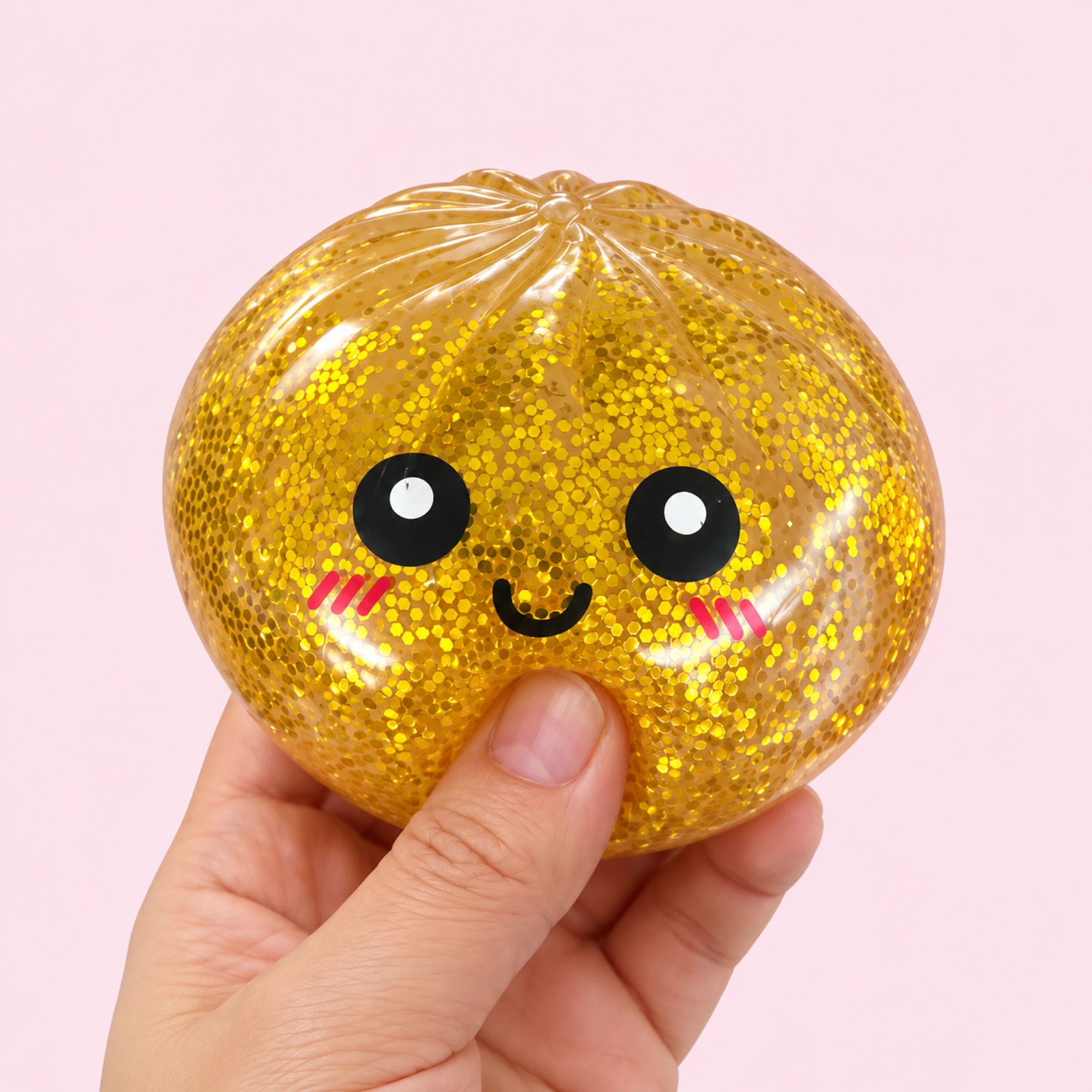
Capybara Stress Ball (FS-CAPYBARA-004) | $12.99 ($27.49) | 140 g Core | Ergonomic Spherical Capybara Profile | Semi-slow pneumatic dough squish | Bilateral tension relief & anxiety dissipation |
Mama and Baby Capybara (FS-CAPYBARA-018) | $6.99 ($11.49) | 90 g Duo | Mother & Infant Dual Capybara Set | Soft pinch memory recovery | Pocket carry, student study breaks & travel fidgeting |
4. Pour Volume Mathematics: Calculating Gram Yields Across Mold Geometries
A frequent dilemma when buying a diy squishy making kit liquid silicone is estimating how many finished pieces you can cast from a single package.
The starter 408g kit includes approximately 360g of usable liquid elastomer (180g Part A and 180g Part B), factoring in residual wall cling inside mixing cups. Because its eight mini cavities require only 18g to 25g each, a single kit yields 14 to 18 miniature charms across multiple creative sessions.
In contrast, the deluxe 803g taba squishy making kit 8 molds and animal set supplies 720g of usable elastomer. The deep cat paw mold requires 75g, the plump capybara cavity takes 95g, and the rounded bunny consumes 65g. Crafters can produce 8 to 10 full-sized jumbo tactile fidgets per box.
When planning multi-color layers—such as contrasting pink paw pads within a translucent white cat paw—pour 10g of tinted pink silicone into pad recesses first, allow it to reach a partial gel state (approx. 40 minutes), and then pour the remaining 65g clear backing to prevent bleeding.
5. Atmospheric Bubble Degassing Without an Expensive Vacuum Chamber
Entrained micro-bubbles can ruin high-clarity liquid silicone squishies, creating cloudy pockmarks on glossy animal faces. While industrial casting labs use electric vacuum degassers, home crafters can achieve crystal-clear results using atmospheric methods:
- The 30-Centimeter Ribbon Pour: Pour the thoroughly blended Part A and Part B mixture into the lowest point of the mold in a hair-thin stream from 30 cm above. The stretched liquid stream forces trapped air bubbles to burst before entering the cavity.
- Tabletop Resonance Tapping: Immediately after filling, firmly tap the rigid base supporting the silicone mold against a solid countertop 25 times to encourage rising bubbles to pop at the meniscus.
- Surface Mist Flash: Lightly misting the top surface with 99% isopropyl alcohol breaks surface tension instantaneously, clearing froth without altering elastomer chemistry.
- Gradual Bottom-Up Flow: Never pour silicone directly over raised details. Direct the stream into one corner and allow the liquid to flow naturally across delicate contours, gently displacing air outwards rather than trapping pocket bubbles.
6. Color Pastes, Mica Shimmer, and Glow-in-the-Dark Phosphors
Customizing your castings with pigments and powders elevates raw silicone into stunning collectible art:
- Liquid Silicone Color Pastes: High-concentration silicone pigments disperse seamlessly without disrupting cross-linking. Add only 1 to 2 drops per 50g of mixture (never exceed 2% total weight) to preserve cure speed and tear strength.
- Pearlescent Mica Powder: Swirling fine mica powder creates a shimmering marbled galaxy effect that ripples hypnotically when compressed in the hand.
- Strontium Aluminate Glow Phosphors: The deluxe 803g kit includes high-grade phosphorescent powders. Mixing 5g of powder into clear silicone produces toys that charge rapidly under indoor light or UV torches, glowing brightly for up to two hours in the dark.
7. Demolding, Washing, and Flocking Powder Application
Once your poured taba squishy diy kit has cured undisturbed for a full 20 to 24 hours, follow this three-step finishing process:
- Gentle Perimeter Peel: Roll the mold walls outward gradually from the perimeter inward. Rushing demold before 18 hours can tear fragile capybara ears or cat paw claws while the cross-linked polymers are still establishing final tensile strength.
- Mild Detergent Cleansing: Wash the freshly demolded toy in lukewarm water mixed with two drops of neutral dish soap to rinse away mold release oils and surface residue.
- Flocking Application: Fresh platinum silicone has high inherent surface tackiness. Pat the piece semi-dry and use a cosmetic powder puff to dust the included nylon flocking powder evenly across the exterior, producing the velvety peach-skin finish celebrated in viral Taba videos.
- Clear Pouch Encapsulation: If you prefer the raw, ultra-tacky mochi sensation without flocking, slip the demolded squishy into the included transparent PVC zip pouches to keep it pristine and free of household dust.
8. Troubleshooting Common Liquid Silicone Crafting Pitfalls
Avoid the three most common mistakes that ruin homemade liquid silicone squishies:
- The Sulfur-Latex Cure Inhibition: Never wear latex gloves or work near sulfur-based clay. Sulfur permanently poisons platinum catalysts, leaving the silicone as an uncurable sticky gel. Always wear nitrile or vinyl gloves.
- Digital Gram Scale vs. Volumetric Cup Errors: Part A and Part B have slightly different liquid densities. Measuring by eye using plastic cup lines frequently causes a 5% to 10% stoichiometry error. Always weigh both parts on a 0.01g digital kitchen scale.
- Unscraped Wall Residue: Stir for three continuous minutes in a smooth figure-eight pattern. Thoroughly scrape the bottom and inner sidewalls of the mixing container twice to prevent unblended base polymer from contaminating your pour.
- Thermal Inhabitation from Moisture: High ambient humidity above 75% or water droplets on stirring tools can introduce micro-foaming. Keep your workspace dry, well-ventilated, and clean.
9. DIY Crafting vs. Pre-Cured Factory Squishies: Choosing Your Ideal Route
Choosing between pouring your own paw capybara bunny squishy molds and purchasing pre-cured tactile toys depends on your lifestyle and priorities.
DIY kits offer rewarding creative satisfaction, custom color mixing, glitter swirls, and personalized tactile softness. However, they require patience, chemical clean-up, and careful temperature management.
If your goal is immediate ergonomic comfort during high-stress work calls or classroom study, pre-cured artisanal squishies like the Slow Rising Capybara (FS-CAPYBARA-003) and Cherry Cat Paw (FS-CAT-P105) deliver sealed, non-toxic perfection without measuring cups, sticky tables, or curing failures.
10. Ergonomic Benefits & Tactile Sensory Grounding
Soft silicone squishies are widely recognized by occupational therapists and neurodivergent advocates as powerful tools for sensory self-regulation:
- Silent Desk Fidgeting: Unlike mechanical clickers or metal sliders that produce audible 60 dB clicks, silicone squishies operate at a whisper-quiet 0 dB, making them ideal for corporate boardrooms and quiet study halls.
- Proprioceptive Joint Input: Squeezing a dense silicone capybara engages deep intrinsic hand muscles, sending calming proprioceptive signals to the nervous system that alleviate physical anxiety and restlessness.
- Bilateral Motor Calibration: Alternating hand squeezes between two toys—such as the Mama and Baby Capybara duo—encourages cross-body brain stimulation and re-centers scattered focus.
Frequently Asked Questions
What is the exact mixing ratio for a liquid silicone squishy making kit?
Quality DIY squishy kits use platinum-cure addition silicone with an exact 1:1 weight ratio between Part A (polymer base) and Part B (platinum catalyst). Both components must be weighed on a digital gram scale rather than measured by fluid volume.
Why does my homemade silicone squishy stay sticky or gooey after 24 hours?
Persistent stickiness indicates cure inhibition or ratio imbalance. The most common causes are wearing latex gloves (sulfur inhibits platinum curing), failing to scrape mixing cup corners, or inaccurate component weights.
Can I speed up the curing time of DIY liquid silicone squishies with heat?
Yes. Placing the filled silicone mold inside a warm curing box or near a seedling heat mat set to 35°C–40°C (95°F–104°F) accelerates cross-linking safely, shortening total demold time from 24 hours down to roughly 4 hours.
How do pre-cured factory squishies compare to homemade Taba squishies?
Factory-molded pieces undergo high-pressure autoclave degassing and post-curing thermal chambers, ensuring zero internal air voids, certified non-toxic skin safety, and sealed flocking coatings that resist peeling during daily desktop fidgeting.
How should I clean and restore a dusty silicone squishy?
Wash the toy under lukewarm running water with a drop of gentle hand soap. Air dry thoroughly, then dust lightly with cosmetic cornstarch or nylon flocking powder to instantly restore its velvety, non-sticky touch.
What safety precautions should parents follow with liquid silicone kits?
Children under 14 should always pour liquid silicone alongside an adult, craft in a well-ventilated space, wear protective nitrile gloves, and ensure unmixed components are kept out of reach of younger siblings and household pets.
Final Recommendation & Safe Crafting Checklist
Before opening your liquid silicone squishy making kit, prepare a clean, well-ventilated crafting desk with silicone mats, nitrile gloves, a 0.01g digital scale, and lint-free microfiber towels.
Follow these four essential safety and quality rules for a flawless casting experience:
- Always Use Nitrile Gloves: Never handle liquid platinum silicone with latex gloves to prevent permanent surface cure inhibition.
- Weigh by Mass, Not Volume: Measure Part A and Part B to the exact hundredth of a gram on a calibrated digital scale.
- Protect Finished Castings from Dust: Store unclothed or raw jelly squishies inside sealed PVC bags to preserve surface clarity.
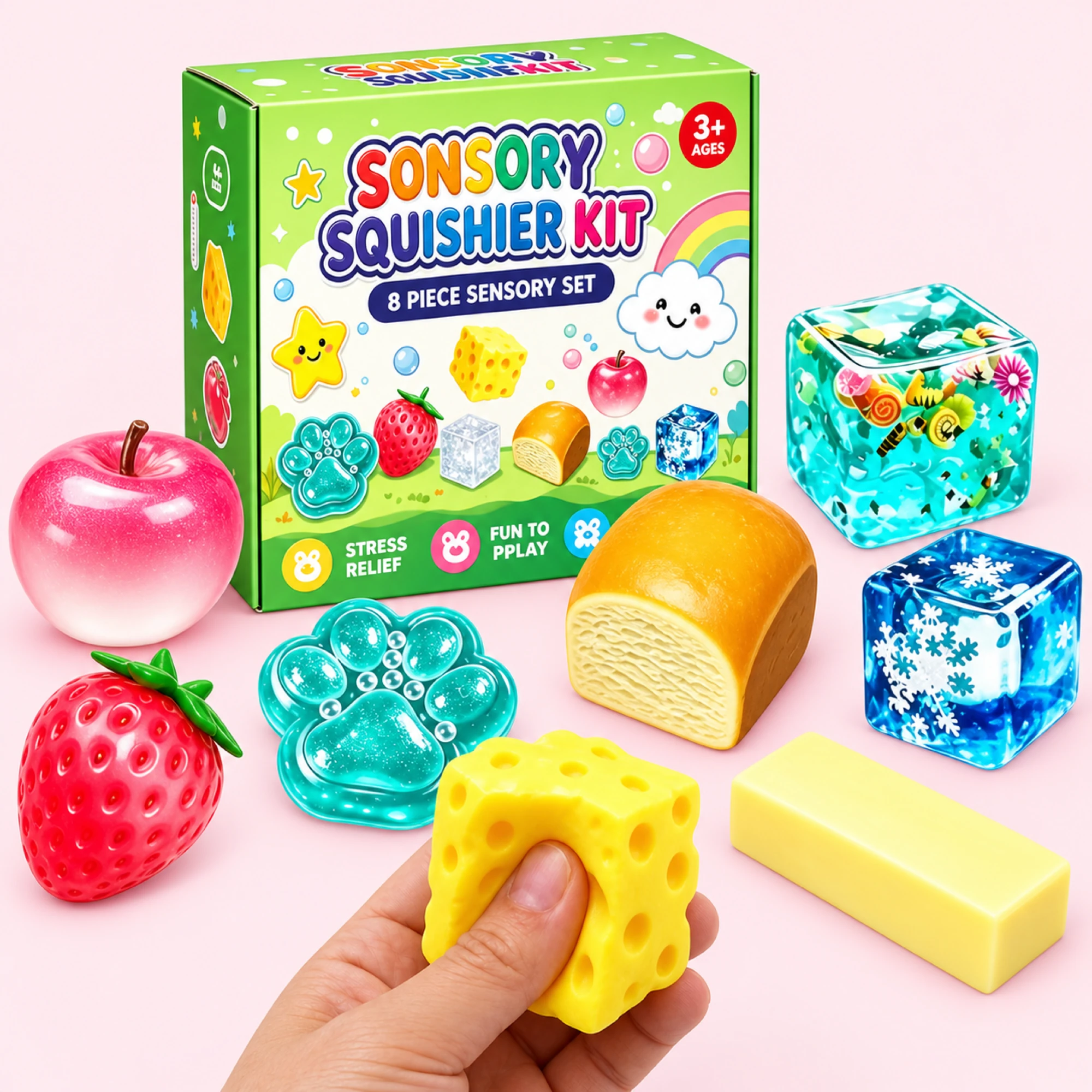
- Respect Age 3+ Supervision Boundaries: Small charms and food-shaped squishies present choking hazards and must never be placed in mouths.
Whether you cast custom glowing paws from a deluxe 803g set or relax with a ready-to-squeeze Capybara Stress Ball, soft silicone elastomers provide deeply satisfying sensory feedback that relieves daily stress and restores calm concentration.