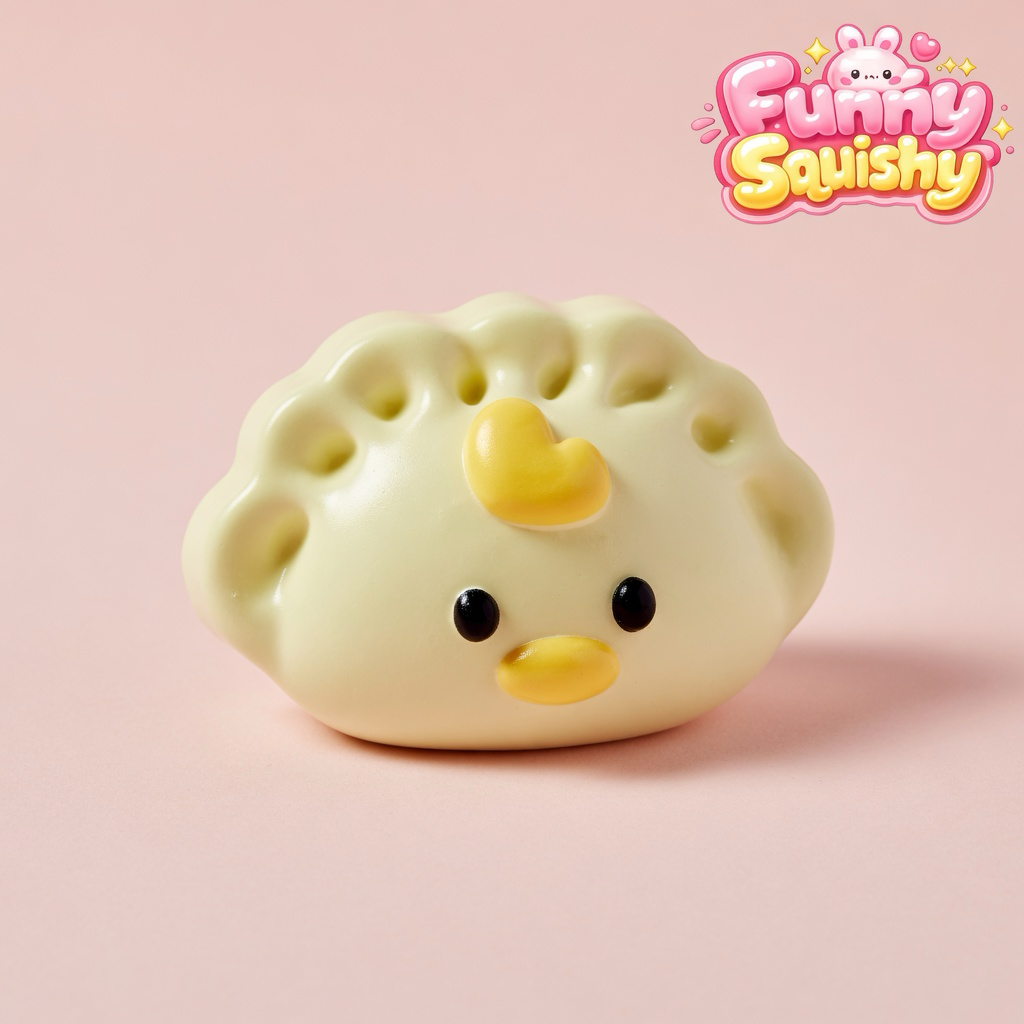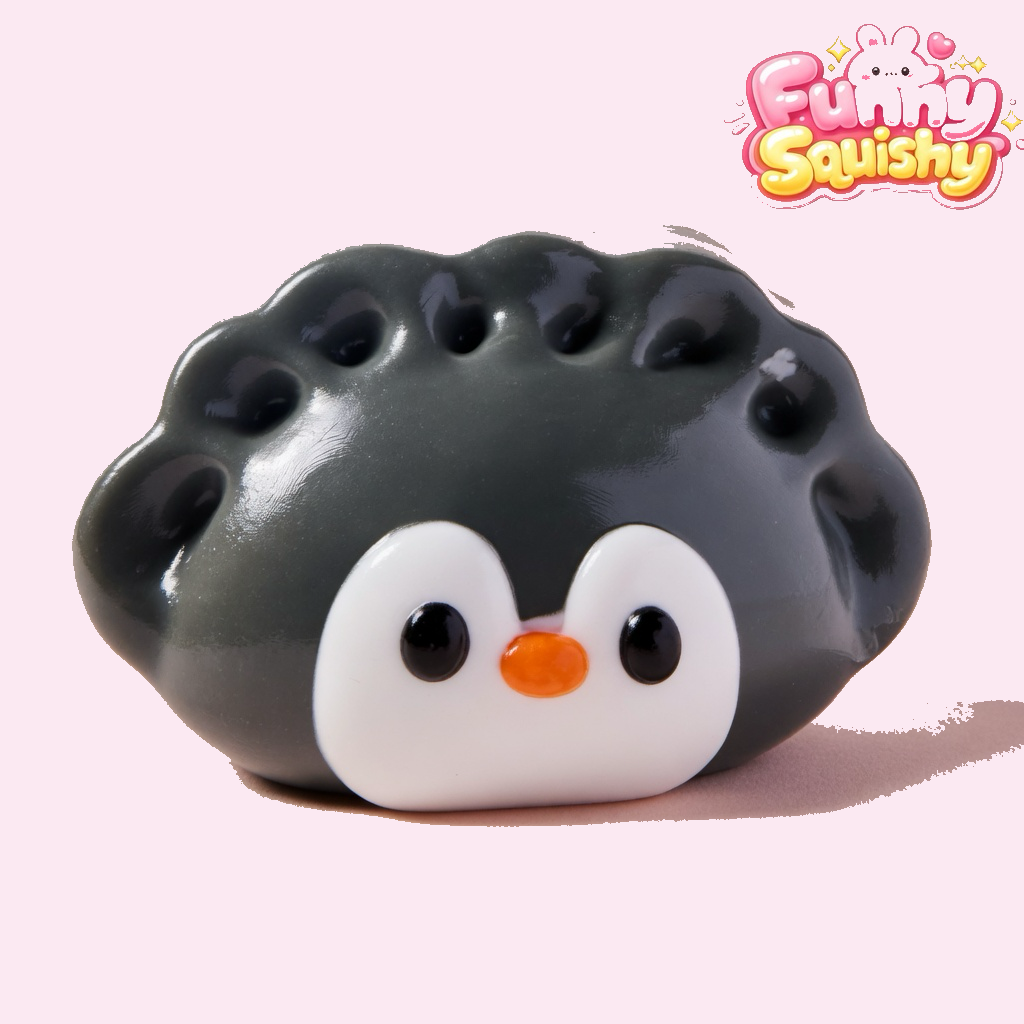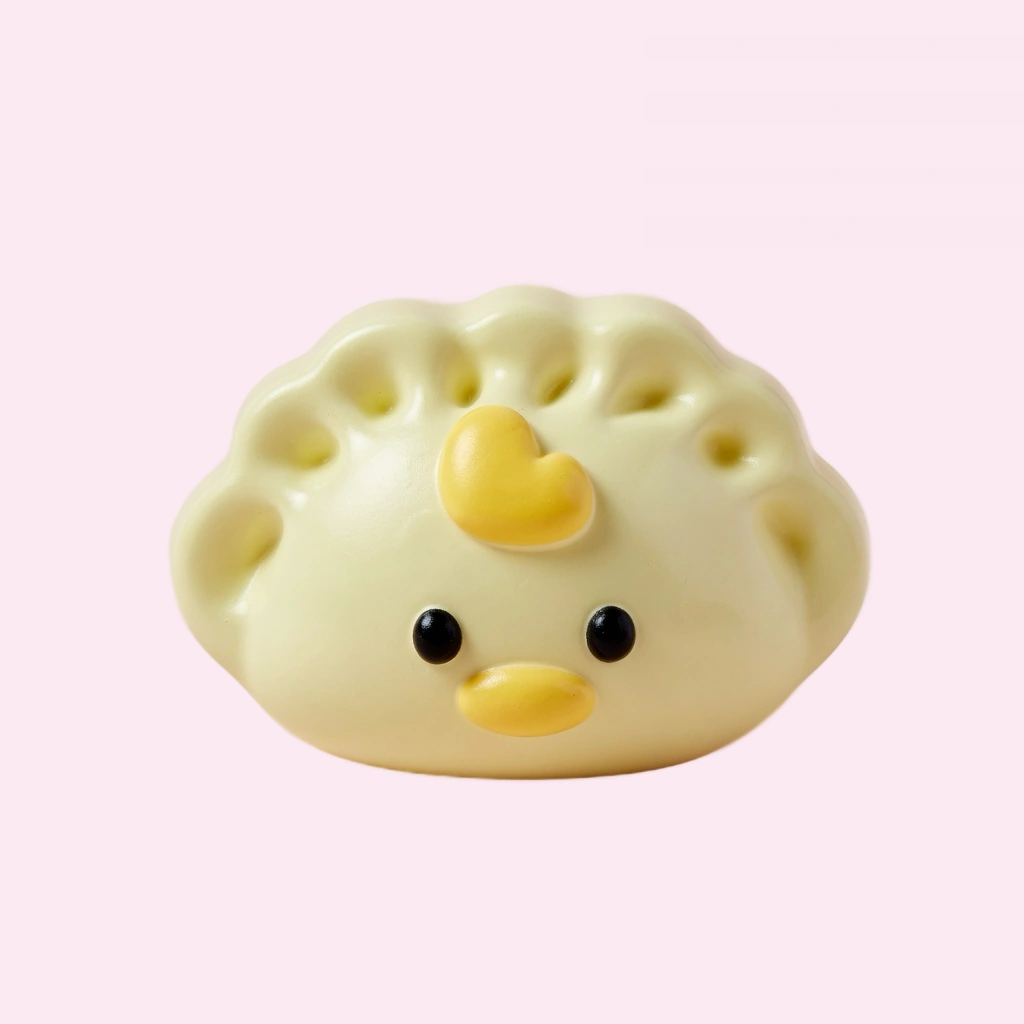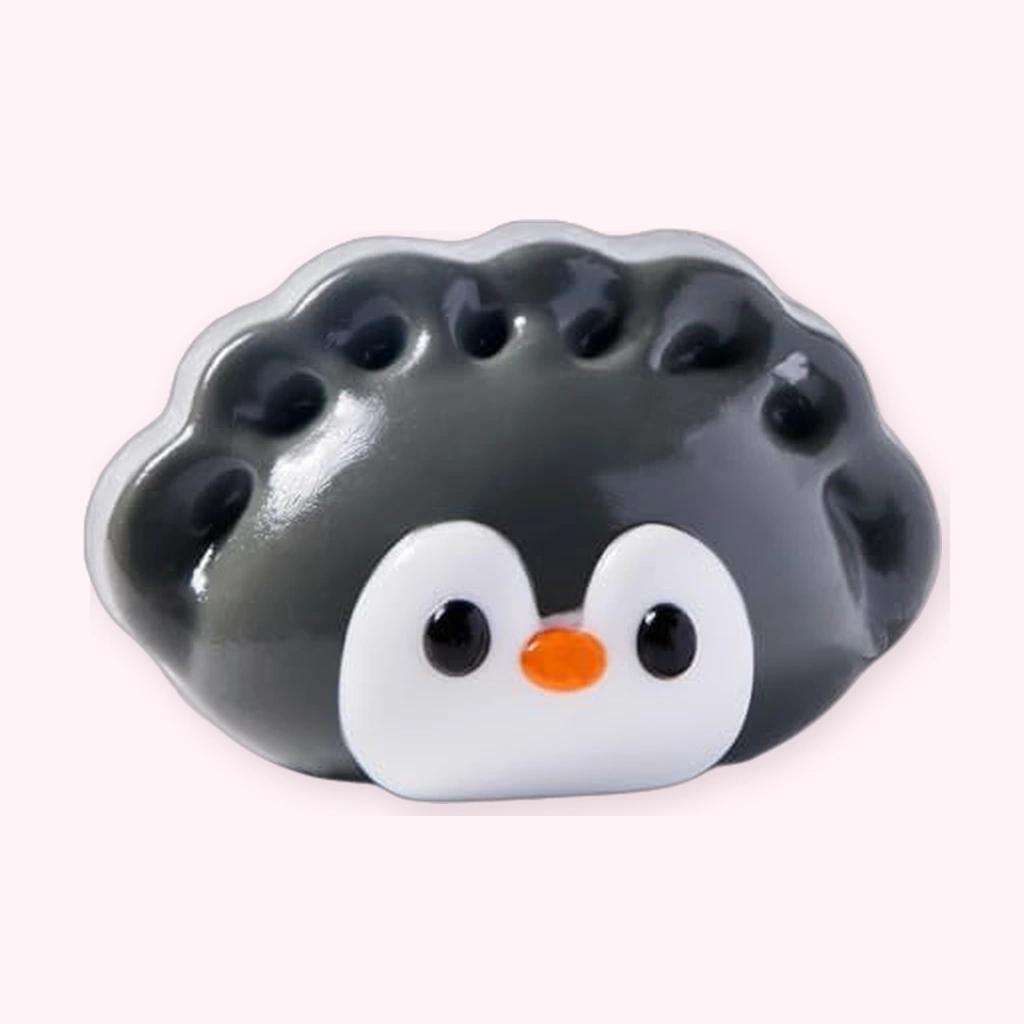



Squishies have evolved far beyond simple stress balls. Two of the most beloved styles right now — the mochi squishy and the dumpling squishy — look adorable, fit in your pocket, and offer that addictive squeeze-and-release feeling. But despite both being food-inspired squeeze toys, they're surprisingly different in material, texture, play style, and even safety considerations.
If you're trying to decide which one to buy for yourself, your kids, or your collection — or you've seen the recent viral warnings about counterfeit dumpling squishies — this guide breaks down everything you need to know.
Table of Contents
- What Is a Mochi Squishy?
- What Is a Dumpling Squishy?
- Material & Texture: The Core Difference
- Slow Rising Explained
- Side-by-Side Comparison
- Safety: What You Should Know
- How to Spot a Fake Dumpling Squishy
- Collecting & Rarity Tiers
- Which One Should You Choose?
- FAQ
What Is a Mochi Squishy?
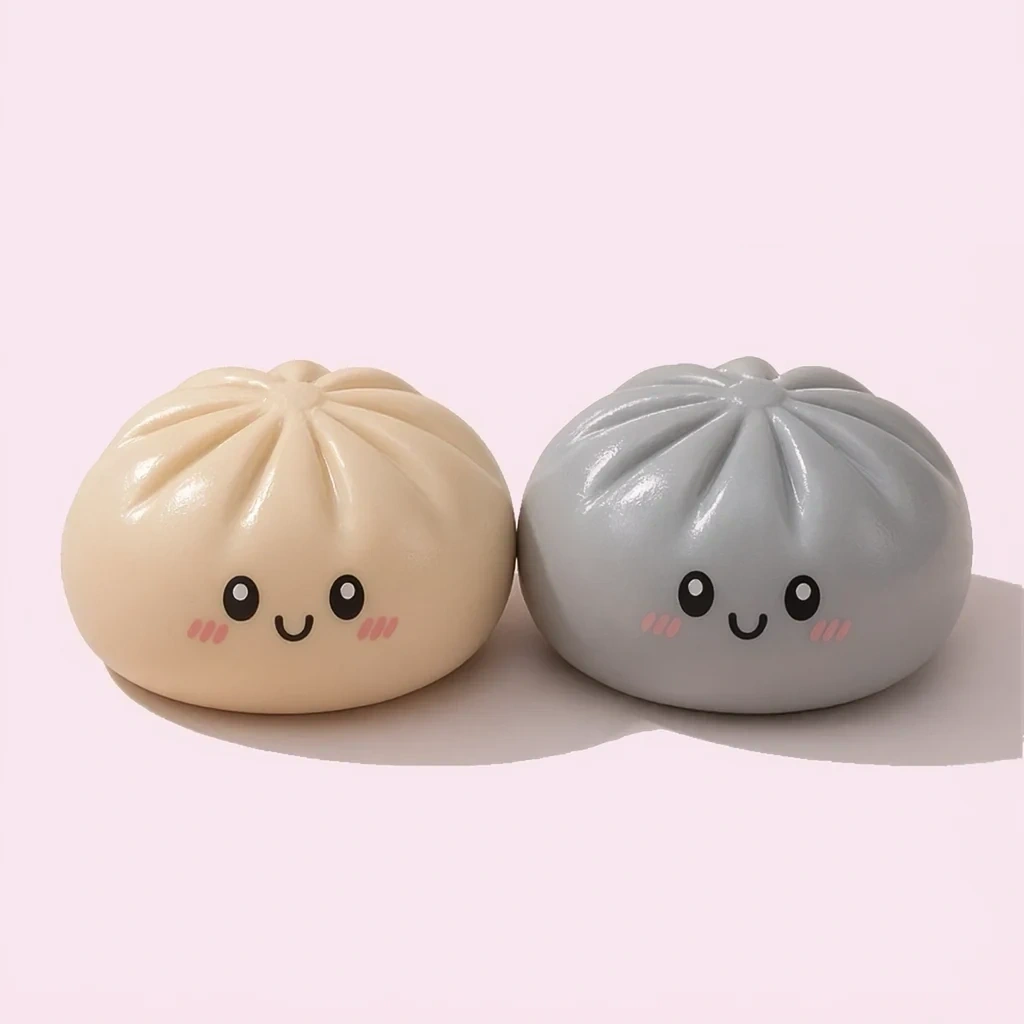
A mochi squishy is inspired by Japanese mochi — the soft, round, pillowy rice cake. These toys are small (usually 2–3 inches), squat, and instantly bounce back when you let go.
Key traits:
- Shape: Flattened, rounded, and chunky. Most feature cute printed faces — cats, pandas, dinosaurs, fruits, or kawaii blobs.
- Feel: Smooth, slightly tacky or powdered surface that's satisfying to roll between your fingers.
- Material: Typically TPR (thermoplastic rubber) or soft silicone, sometimes filled with a bit of gel.
- Response: Mostly instant rebound — squeeze and it snaps right back.
Mochi squishies are cheap, durable, and perfect for fidgeting. You can stretch them, flatten them, and bounce them with little risk of tearing.
What Is a Dumpling Squishy?
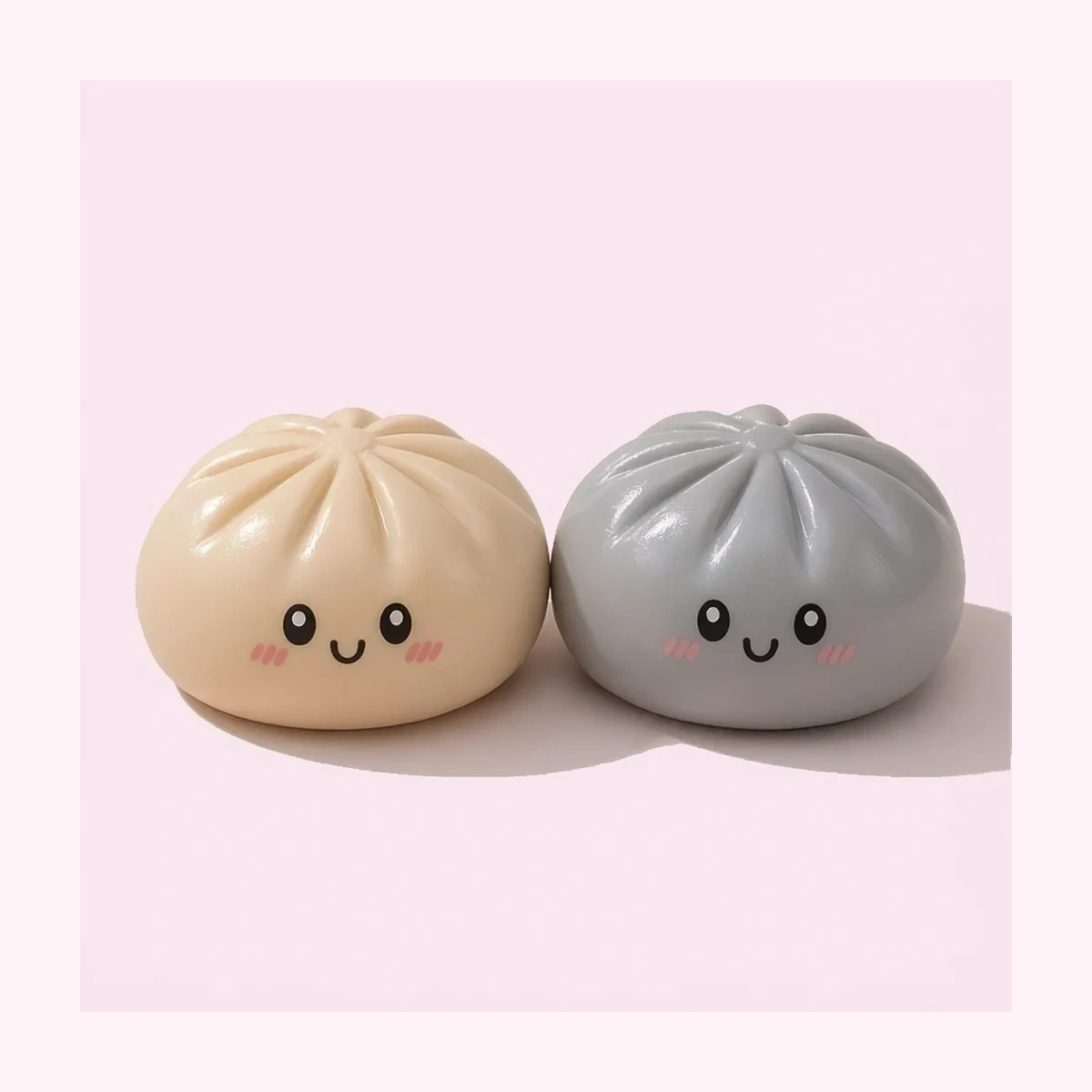
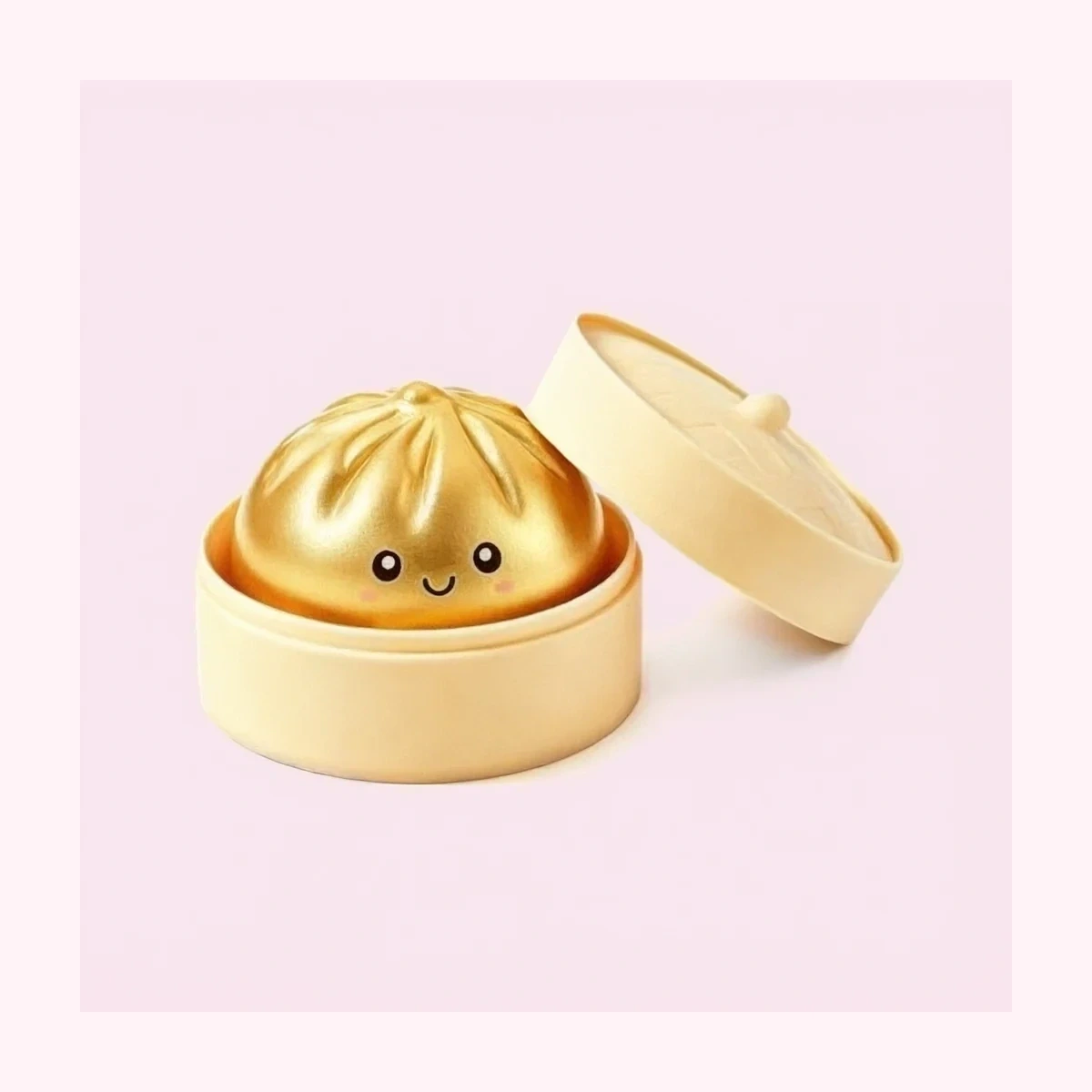
A dumpling squishy is shaped like a dumpling, bun, or glutinous rice ball (tangyuan), complete with crimped edges and a plump body. These exploded in popularity thanks to TikTok blind-box unboxings.
Key traits:
- Shape: Realistic dumpling or bun silhouette, often with pinched pleats along the top.
- Feel: Soft, squishy, and slow to spring back — the defining sensation.
- Material: Usually slow-rebound PU foam or a liquid-filled silicone shell, which gives a denser, "doughy" squeeze.
- Response: Slow rising — press it down and watch it reinflate over a few seconds.
Many dumpling squishies are sold in blind boxes, where you don't know which color or finish you'll get until you open it. That mystery element is a big part of the appeal.
Material & Texture: The Core Difference
Material is where these two toys genuinely diverge, and it shapes the entire experience.
| Feature | Mochi Squishy | Dumpling Squishy |
|---|---|---|
| Common material | TPR / soft silicone | Slow-rise PU foam or liquid-filled silicone |
| Surface | Smooth, slightly powdery | Soft, doughy, sometimes scented |
| Squeeze feel | Light, springy | Dense, marshmallowy |
| Durability | High — hard to tear | Moderate — foam can wear over time |
A mochi squishy feels like squeezing a firm jelly bean: light resistance, immediate snap-back. A dumpling squishy feels like pressing into actual dough — it resists slightly, holds the dent, then slowly fills back out.
If you love the visual of a slow-motion rebound, dumpling wins. If you want fast, repetitive fidgeting, mochi wins.
Slow Rising Explained
Both toys fall under the broad slow rising squishy category, but only the dumpling squishy reliably delivers the classic slow-rise effect.
Here's why:
- Slow-rise foam is engineered with a tight, open-cell structure. When compressed, air is pushed out slowly and re-enters gradually, creating that hypnotic reinflation.
- TPR mochi material is elastic and air-tight by comparison, so it rebounds almost instantly.
The slow-rise sensation is what many people find most calming — there's something meditative about watching a dumpling squishy puff back into shape. For anxiety relief and mindful fidgeting, the slow rise is a meaningful difference, not just a gimmick.
Side-by-Side Comparison
| Category | Mochi Squishy | Dumpling Squishy |
|---|---|---|
| Inspiration | Japanese mochi rice cake | Dumplings, buns, tangyuan |
| Size | 2–3 inches | 2–4 inches |
| Rebound | Instant | Slow rising |
| Best for | Quick fidgeting, kids, budget buyers | Calming squeeze, collectors |
| Sold as | Singles, multipacks | Often blind boxes |
| Price range | $1–$5 each | $5–$20+ (more for rare finishes) |
| Scented? | Rarely | Often |
| Collectibility | Low–moderate | High (rarity tiers) |
Safety: What You Should Know
Recently, dumpling squishies have made headlines for the wrong reasons. UK trading standards bodies, including Swansea Trading Standards, flagged counterfeit dumpling squishy toys after testing revealed concerns such as:
- Choking hazards from small parts or weak seams that split open.
- Liquid or gel filling leaking from poorly made shells.
- Missing safety markings (like the UKCA or CE mark) on counterfeit products.
This doesn't mean dumpling squishies are inherently dangerous — genuine, properly tested products from reputable sellers are fine. The risk comes almost entirely from cheap counterfeits flooding online marketplaces.
By comparison, mochi squishies are generally simpler in construction (a single solid piece of TPR with no liquid filling), which makes them less prone to leaking. However, the same rule applies: any squishy can be a choking hazard for very young children, and you should always buy from sellers who provide safety certification.
Bottom line: For young kids, supervise play and choose certified products. For both toy types, avoid suspiciously cheap listings with no brand, no markings, and no reviews.
How to Spot a Fake Dumpling Squishy
Because dumpling squishies are so trendy, counterfeits are everywhere. Here's how to tell genuine from knockoff:
- Check the seams. Authentic versions have clean, secure edges. Fakes often have visible glue, gaps, or weak crimping that splits.
- Look for safety marks. Genuine products carry CE/UKCA marks and manufacturer info. No markings = red flag.
- Inspect the packaging. Official blind boxes have crisp printing, brand logos, and rarity charts. Counterfeits use blurry or misspelled labels.
- Feel the material. Real slow-rise foam reinflates smoothly. Cheap fakes feel hollow, rigid, or sticky and may smell strongly of chemicals.
- Be wary of bargain bulk listings. If a "blind box" of rare finishes costs a fraction of the normal price, it's almost certainly fake.
When in doubt, buy from established brands or verified retailers rather than anonymous marketplace sellers.
Collecting & Rarity Tiers
A huge part of the dumpling squishy craze is the collecting culture, driven by blind-box mystery. Many lines follow a rarity ladder, typically something like:
- Common colors — standard solid pastels (most frequent pulls).
- Rainbow — multi-colored gradients (less common).
- Holographic — shimmering, iridescent finishes (rare).
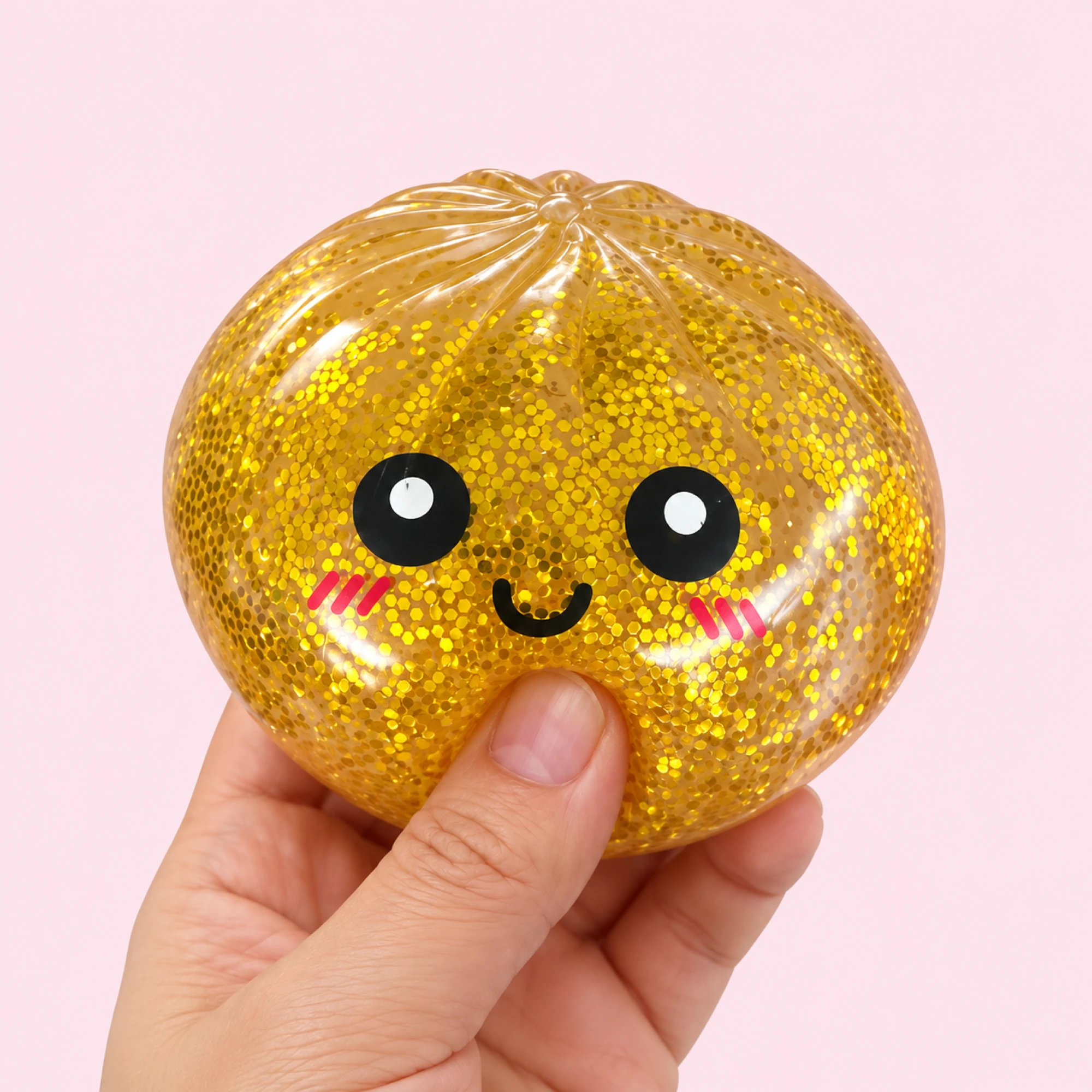
- Glitter / sparkle — the most coveted "chase" variants (very rare).
This tiered system fuels the excitement of unboxing — collectors chase that glittery grail piece, and rare finishes can resell for a premium.
Mochi squishies, by contrast, are usually sold openly in multipacks. They're collected more for their cute character variety (a panda, a cat, a strawberry) than for rarity. If the thrill of the chase appeals to you, dumpling squishies offer a far richer collecting experience.
Which One Should You Choose?
It comes down to what you want from the toy.
Choose a mochi squishy if you:
- Want an affordable, durable fidget toy.
- Prefer fast, repetitive squeezing.
- Are buying for younger kids (simpler, no liquid filling).
- Love kawaii character designs.
Choose a dumpling squishy if you:
- Crave that satisfying, calming slow rise.
- Enjoy blind-box surprises and collecting rare finishes.
- Want a denser, more "realistic food" squeeze.
- Don't mind spending a bit more for the experience.
Many enthusiasts simply own both — a mochi for quick desk fidgeting and a dumpling for slow, mindful stress relief.
FAQ
Are mochi and dumpling squishies the same thing?
No. Both are food-inspired squeeze toys, but mochi squishies are small, instantly rebounding TPR/silicone toys, while dumpling squishies are slow-rising foam or liquid-filled toys shaped like dumplings.
Why does a dumpling squishy rise slowly?
It's made from slow-rebound foam with an open-cell structure. Air escapes when compressed and re-enters gradually, creating the slow reinflation effect.
Are dumpling squishies safe for kids?
Genuine, certified products are generally safe, but supervise young children due to choking risks. Avoid uncertified counterfeits, which can leak filling or split open.
Why are dumpling squishies more expensive?
They have more complex construction (slow-rise foam or liquid fillings), are often scented, and are sold in collectible blind boxes with rarity tiers — all of which raise the price.
Can squishies leak?
Liquid-filled dumpling squishies can leak if the shell is poorly made or damaged. Solid TPR mochi squishies don't contain liquid, so leaking isn't a concern.
Which is better for anxiety relief?
The dumpling squishy's slow rise is often more calming and meditative, while the mochi's instant rebound suits quick, repetitive fidgeting. It depends on your personal preference.
Both squishies deliver tactile joy in their own way — one with a satisfying snap, the other with a hypnotic, doughy rise. Knowing the difference in material, feel, and safety means you can pick the squeeze that fits your hands, your habits, and your collection. And whichever you choose, buy from a trusted source so the only thing you're squeezing is pure stress relief.
Shop dumpling squishies
Ready to pick your squeeze? Browse the full dumpling squishy collection — or open a mystery box to chase those rare glitter finishes.