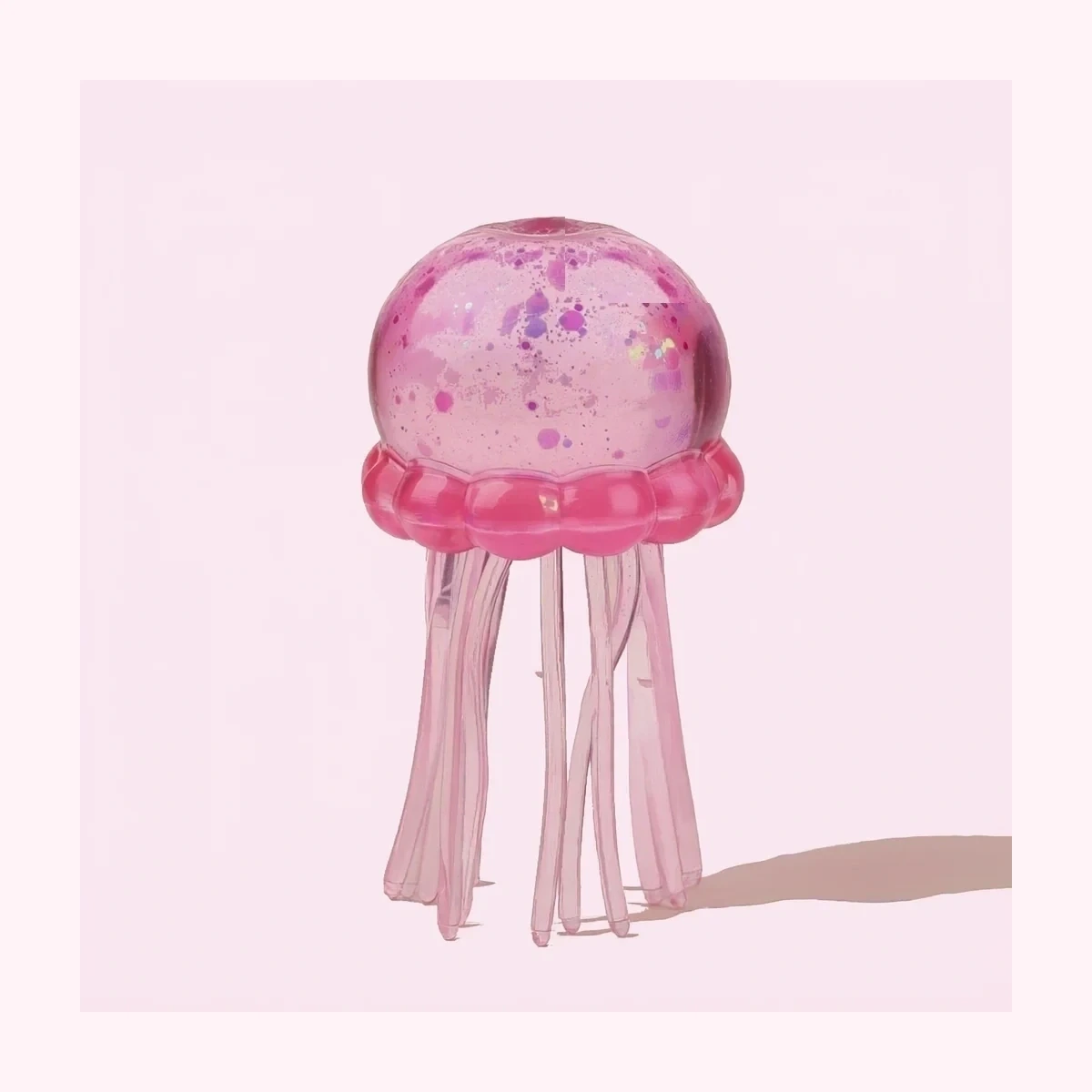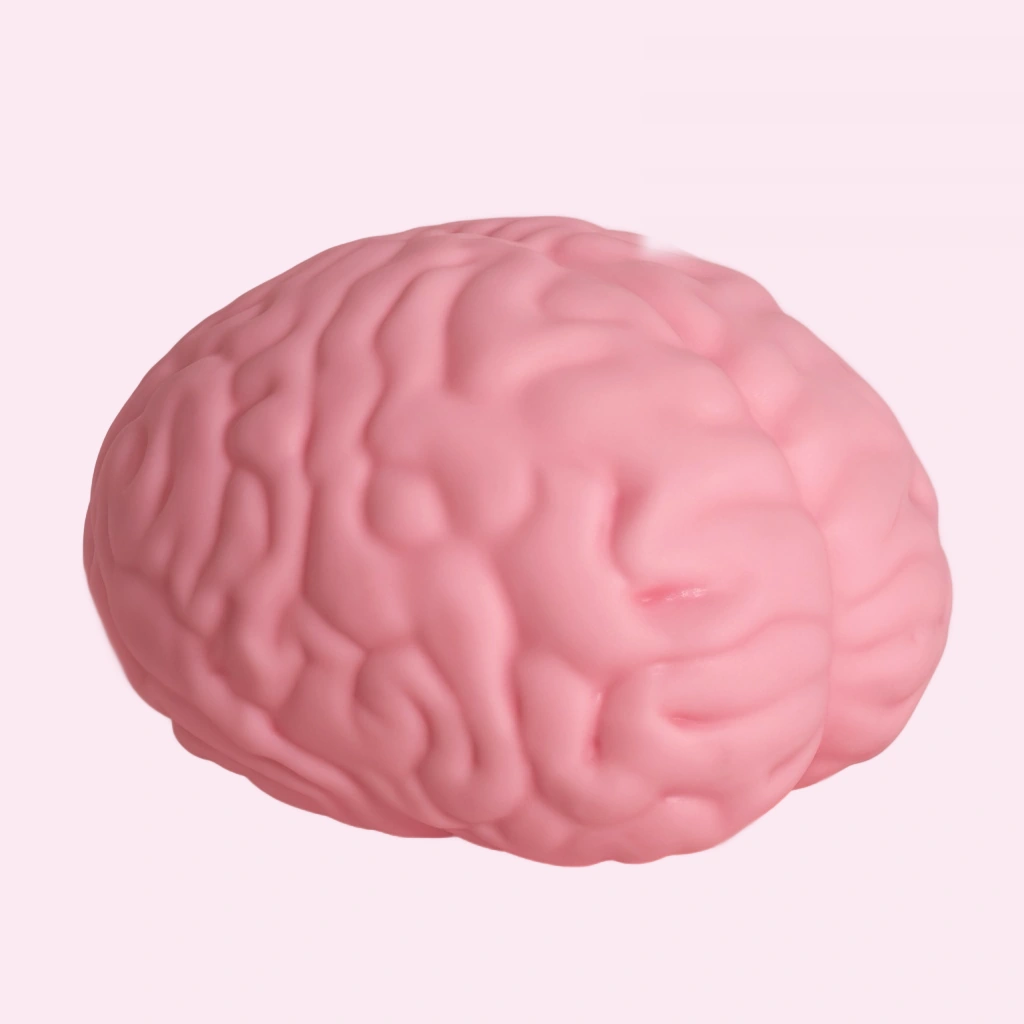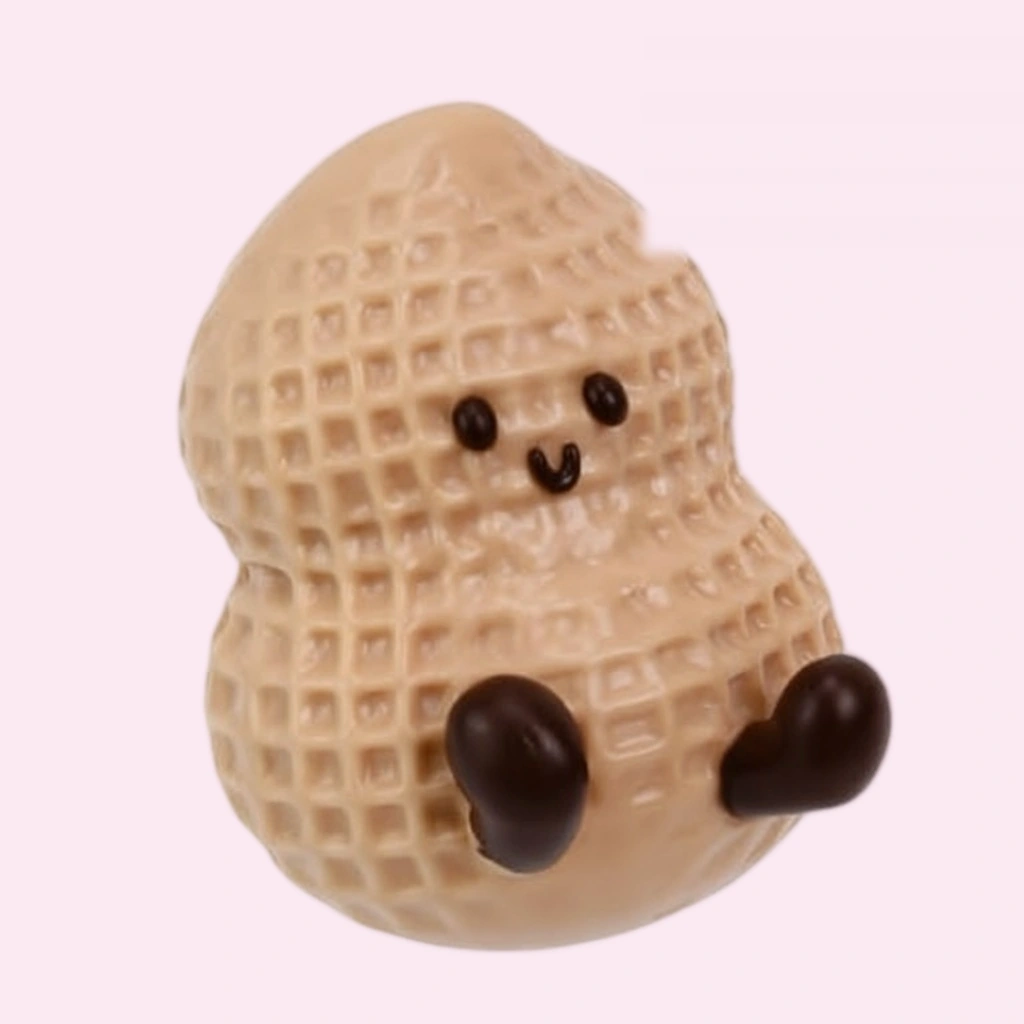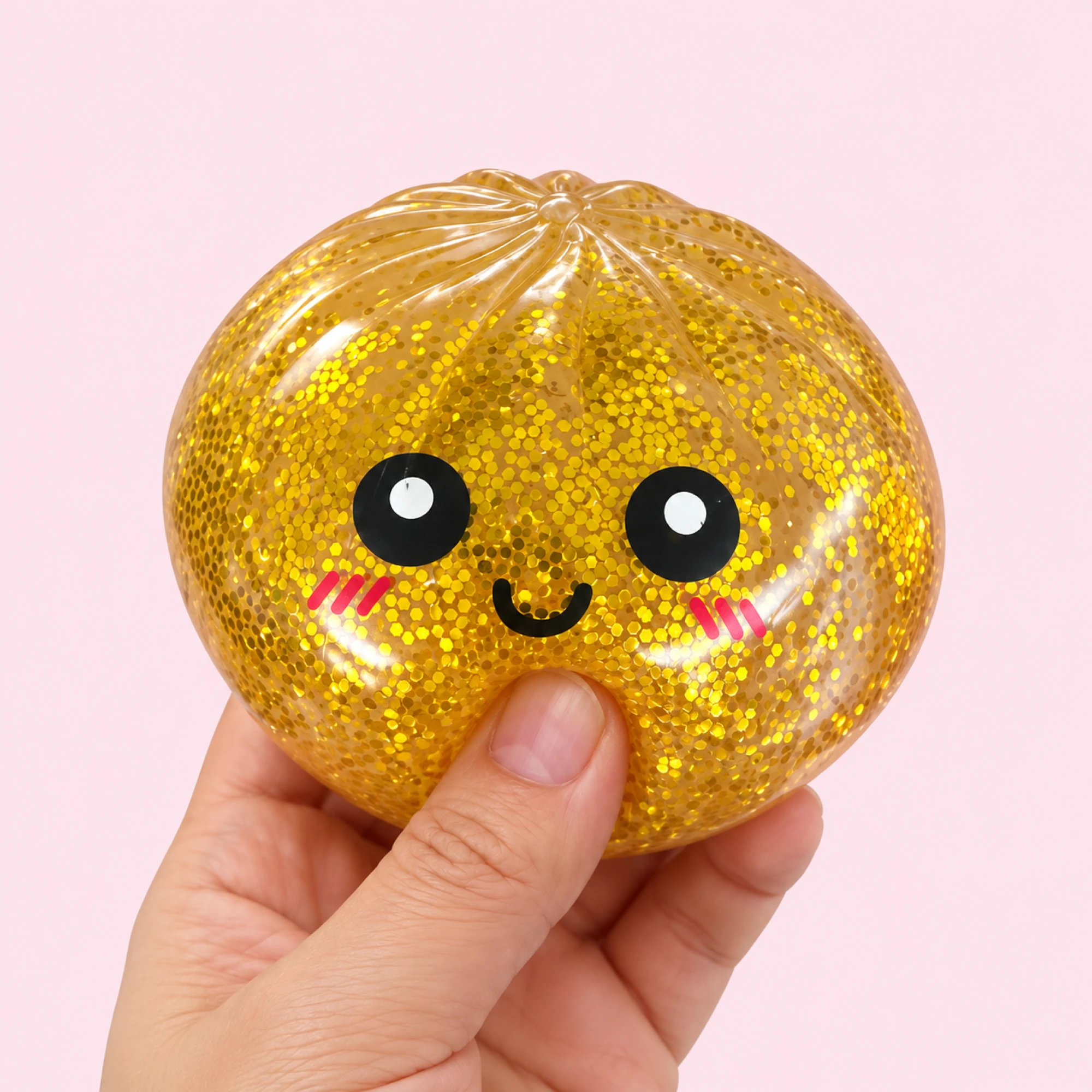


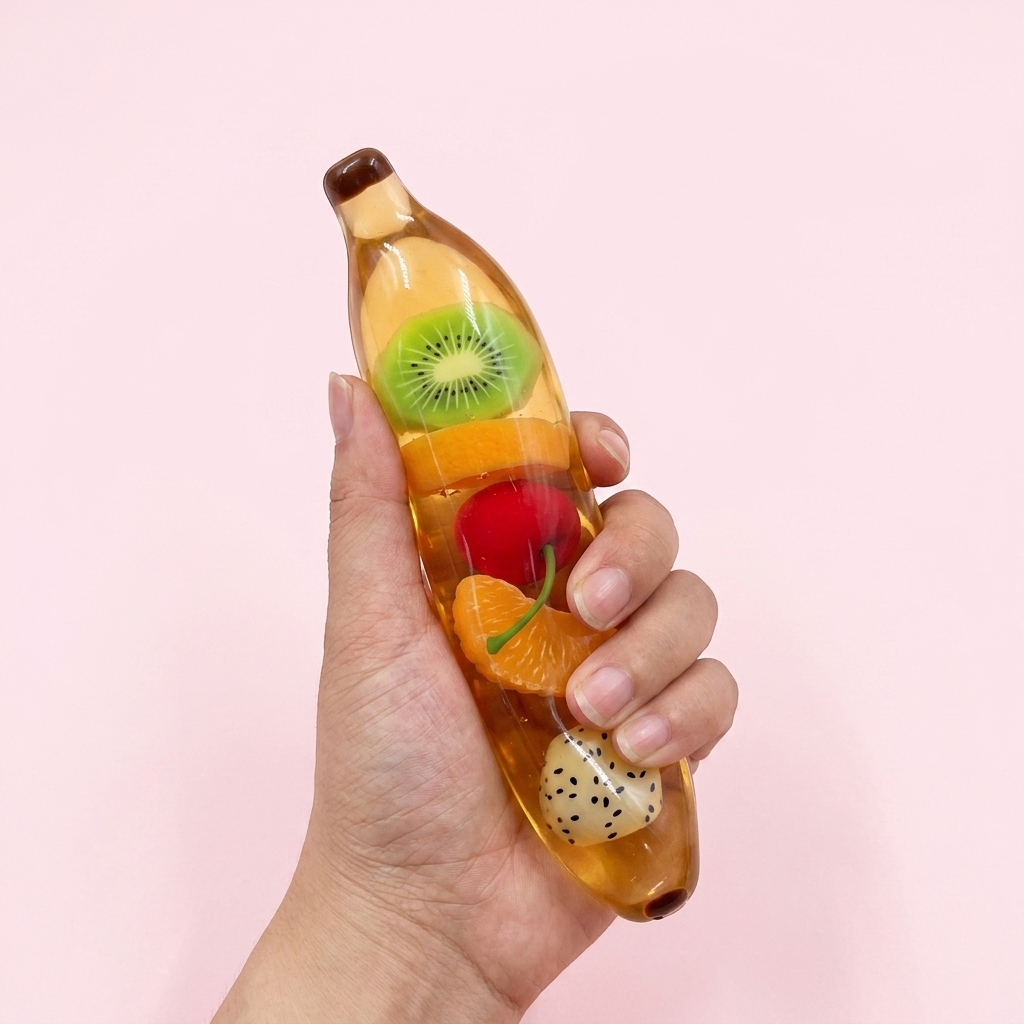

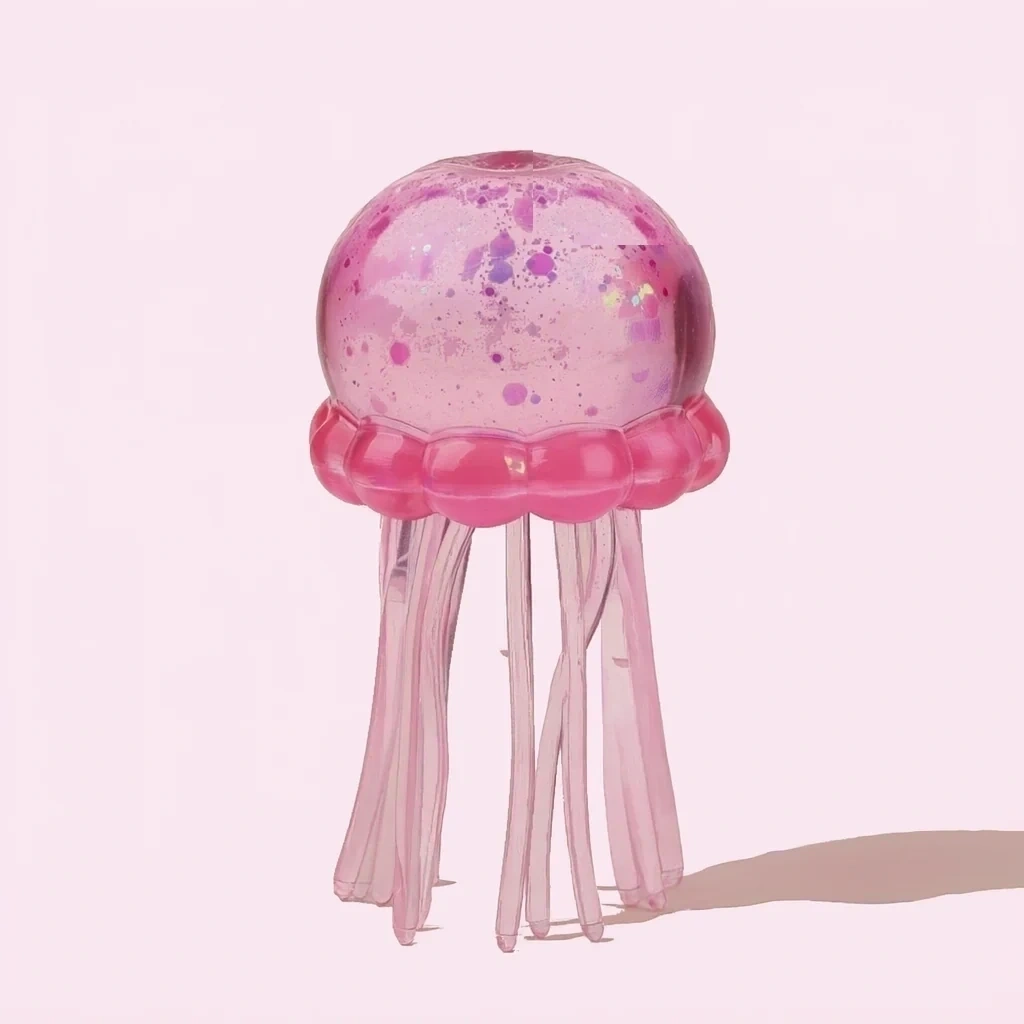
There's a reason your feed keeps serving you blush-toned desks dotted with squishy butter blocks and pastel fidget cubes. The pink desk aesthetic isn't just pretty — when you choose the right pieces, it doubles as a quiet, hands-on system for calming your nervous system between emails, deadlines, and doomscrolls. This guide blends a little color psychology, real sensory science, and specific product picks so you can build a workspace that's genuinely soothing and photogenic.
Table of Contents
- Why Pink Actually Helps You Relax
- The Science of Sensory Regulation
- A Framework: Four Senses, Four Tools
- Spotlight: The Pink Butter Squishy
- Building the Pink Desk Aesthetic
- For ADHD, Anxiety, and Highly Sensitive People
- Cute Sensory Gifts by Budget and Recipient
- FAQ
Why Pink Actually Helps You Relax
Pink's calming reputation isn't only a TikTok aesthetic — it has a research history. In the late 1970s, researcher Alexander Schauss found that a specific shade, later named Baker-Miller Pink (sometimes "drunk tank pink"), appeared to reduce aggression and lower heart rate in stressed individuals. The shade was painted in holding cells to settle agitated people, and several studies reported short-term reductions in hostility and muscle strength.
The findings are mixed and the effect tends to fade with prolonged exposure, so pink isn't a magic sedative. But softer rose and blush tones still carry strong psychological associations with warmth, gentleness, and self-soothing — and the environment you sit in genuinely shapes your mood. A workspace that feels tender lowers the perceived stress of the work itself. That's the real value of the pink desk aesthetic: it pairs a comforting visual cue with tactile tools you can actually use.
The Science of Sensory Regulation
The reason sensory desk toys work goes deeper than vibes. When you squeeze, press, or fidget, you engage your parasympathetic nervous system — the "rest and digest" branch that counteracts the fight-or-flight response. Repetitive, predictable tactile input is a form of self-regulation: it gives an anxious body a steady, controllable signal that says we're safe.
There's also a focus angle. The popular "idle processor" theory suggests the brain has spare processing capacity that, left unoccupied, drifts toward worry or distraction. A small, low-stakes fidget occupies that surplus, which can actually improve concentration rather than break it — one reason cute fidget toys have moved from the toy aisle to the desk of plenty of professionals.
In short, the right accessory isn't a distraction. It's a tiny, repeatable behavior that nudges your physiology toward calm.
A Framework: Four Senses, Four Tools
Most product roundups dump everything into one pile. It's far more useful to choose pink desk accessories by the sense they soothe. Aim for one or two per category so your desk covers different moods.
| Sense | What it does | Pink picks |
|---|---|---|
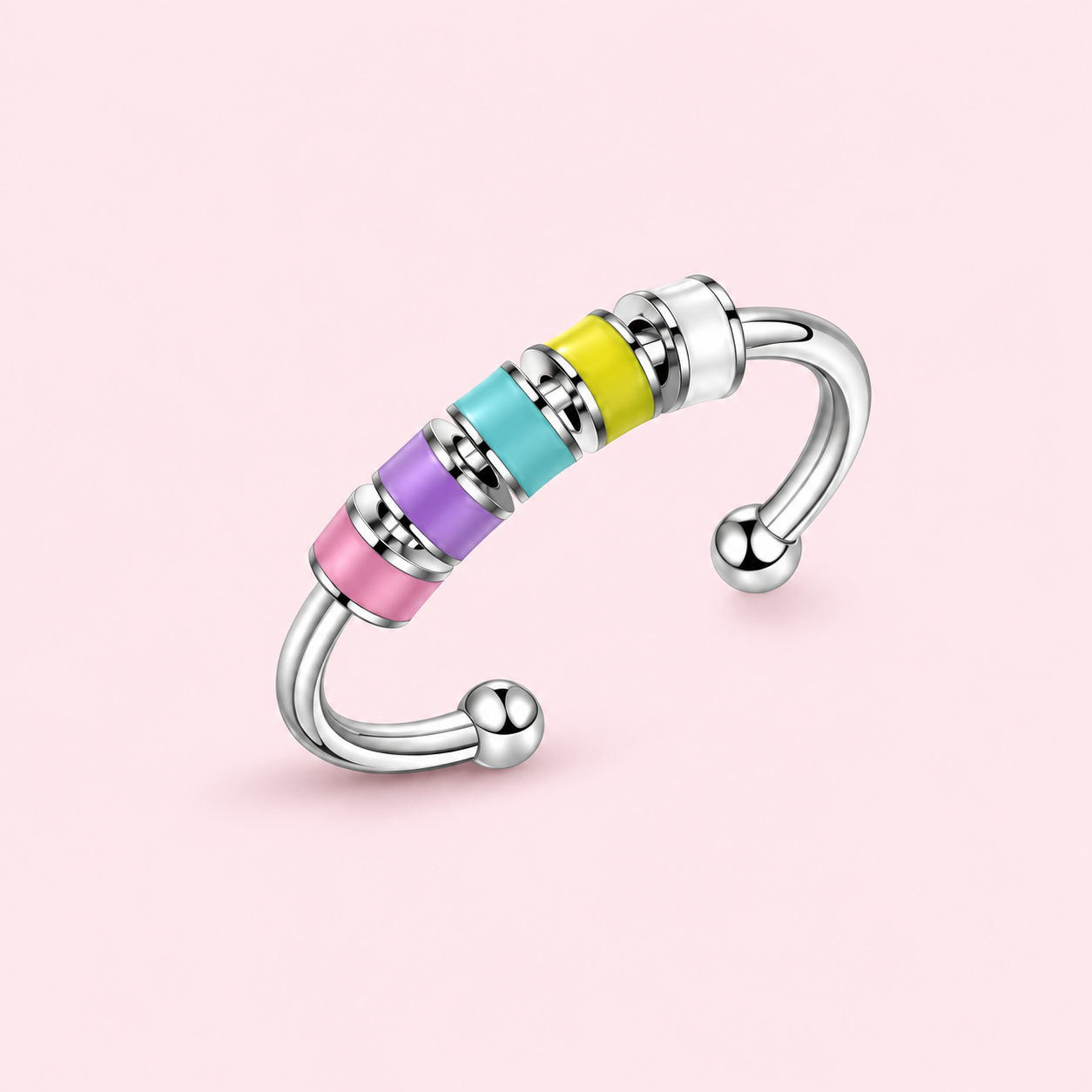
| Touch (tactile) | The core de-stress channel — squeezing, pressing, popping | Butter squishies, pop-its, silicone fidget cubes, magnetic rings |
| Sight (visual) | Slow, mesmerizing motion calms a racing mind | Liquid motion bubblers, pink sand timers, mini zen sand gardens |
| Sound (auditory) | Soft, satisfying clicks and rustles (ASMR-style) | Clicky fidget cubes, pink bead strands, reusable bubble-pop toys |
| Body (proprioceptive) | Pressure and resistance ground you | Stress balls, resistance fidget rings, weighted lap pads |
Building across all four means that whatever kind of stressed you are — wired, foggy, or restless — there's a tool within arm's reach.
Spotlight: The Pink Butter Squishy
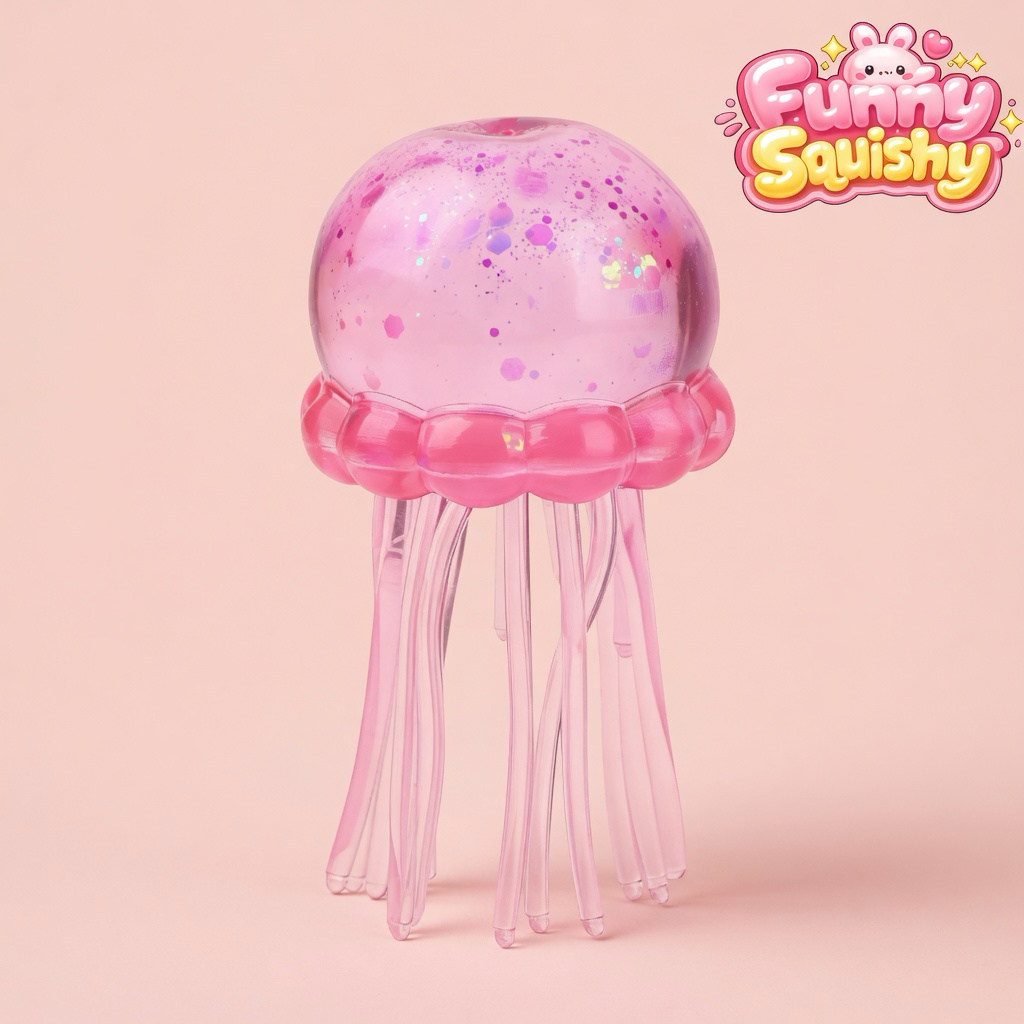
If one item defines this trend, it's the pink butter squishy. It deserves its own section because the experience is genuinely distinct from a standard stress ball.
What it's made of. Most butter squishies use a soft PU foam core or a stretchy TPU/TPR skin filled with slow-rebound material. That construction is what creates the signature "butter" sensation.
Why people love the feel. The defining trait is slow rebound (sometimes called slow-rise). Press your thumb in and the dent stays for a beat before the surface oozes back to shape — a smooth, melty resistance that feels almost like pressing into cold butter. That slow, predictable return is deeply satisfying and turns one squeeze into a few seconds of calming feedback.
Common shapes. The aesthetic leans cottagecore and food-cute:
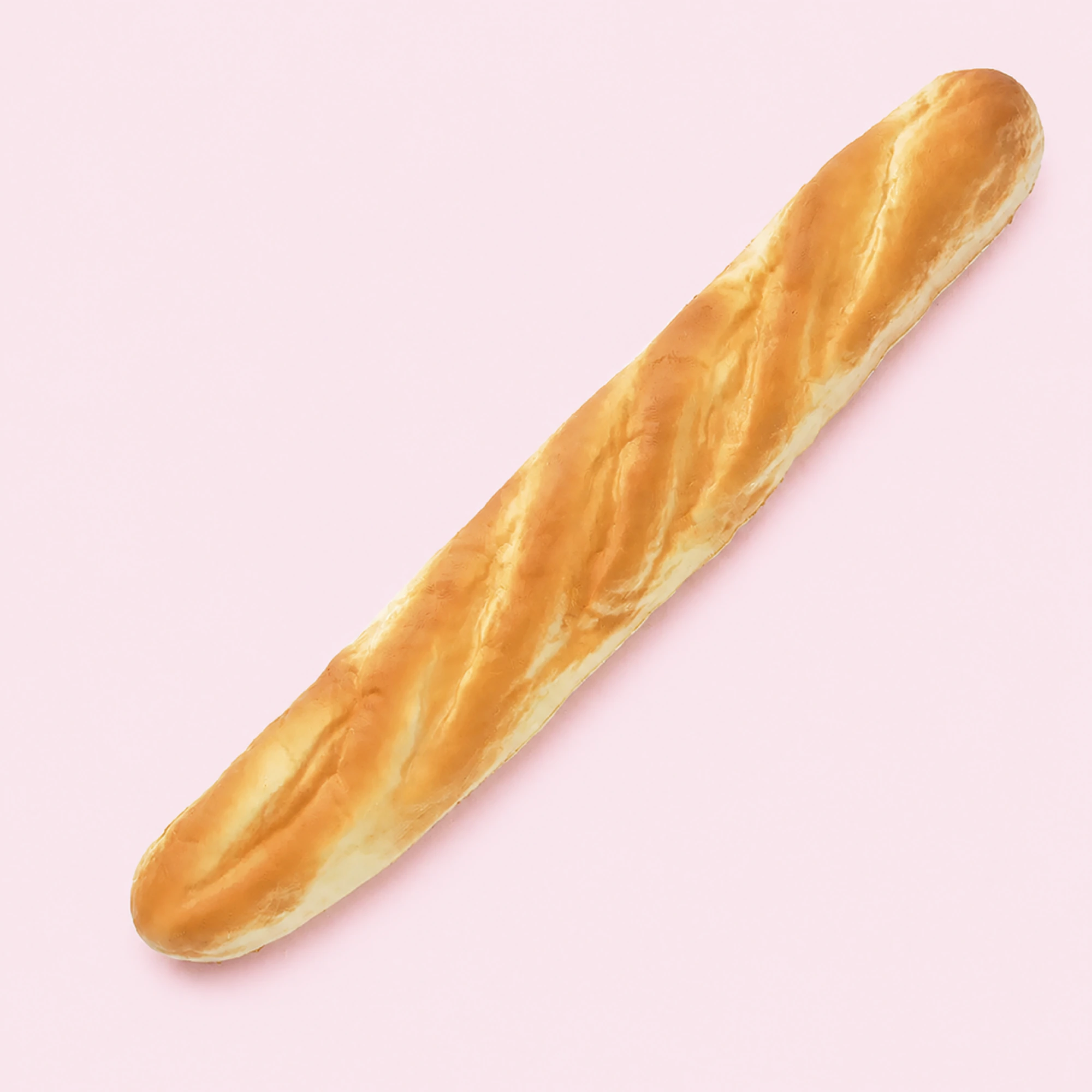
- Butter blocks — the classic, dense and dimpled
- Toast slices — often paired with the butter block for a "breakfast" combo
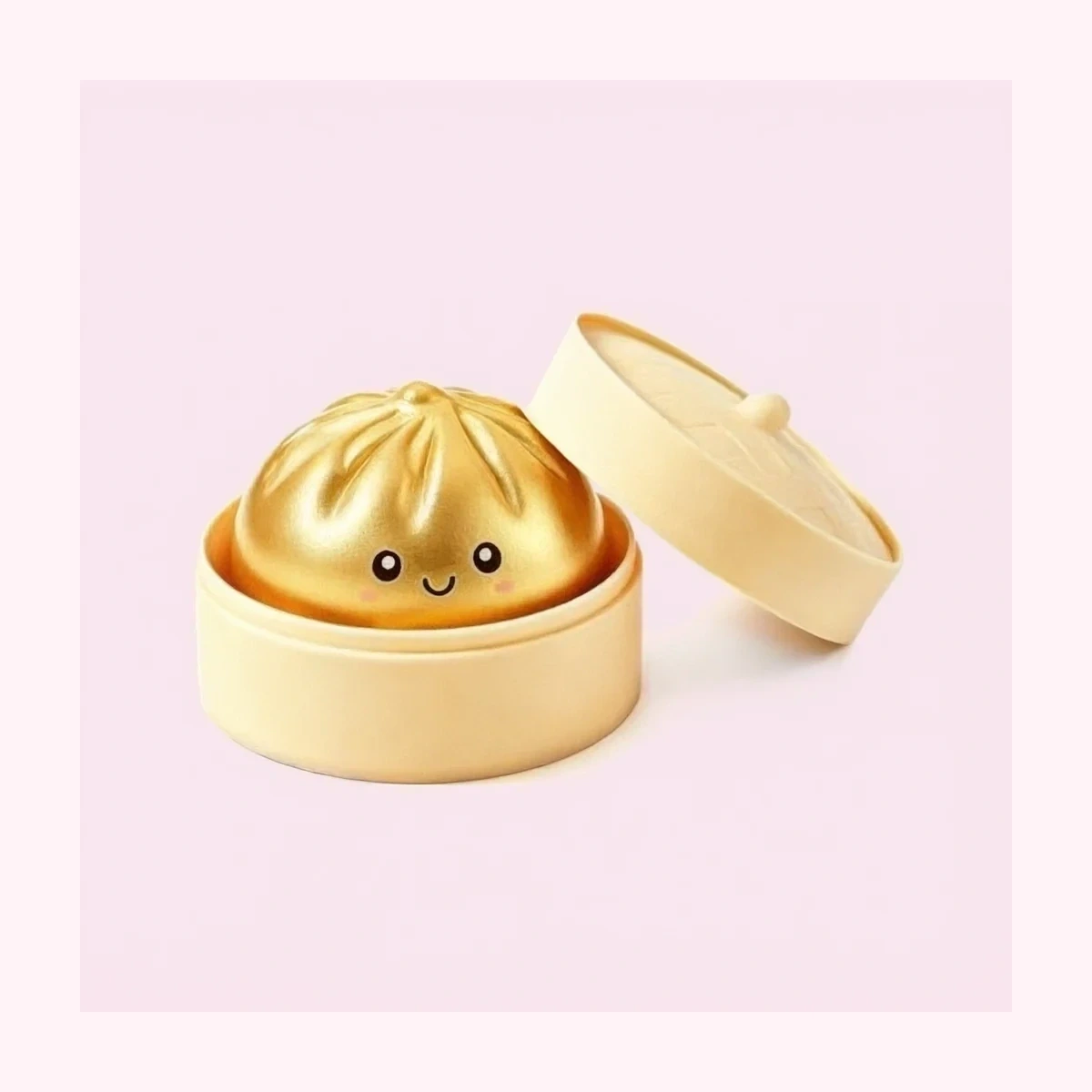
- Macarons and pastries — pastel, rounded, and gift-ready
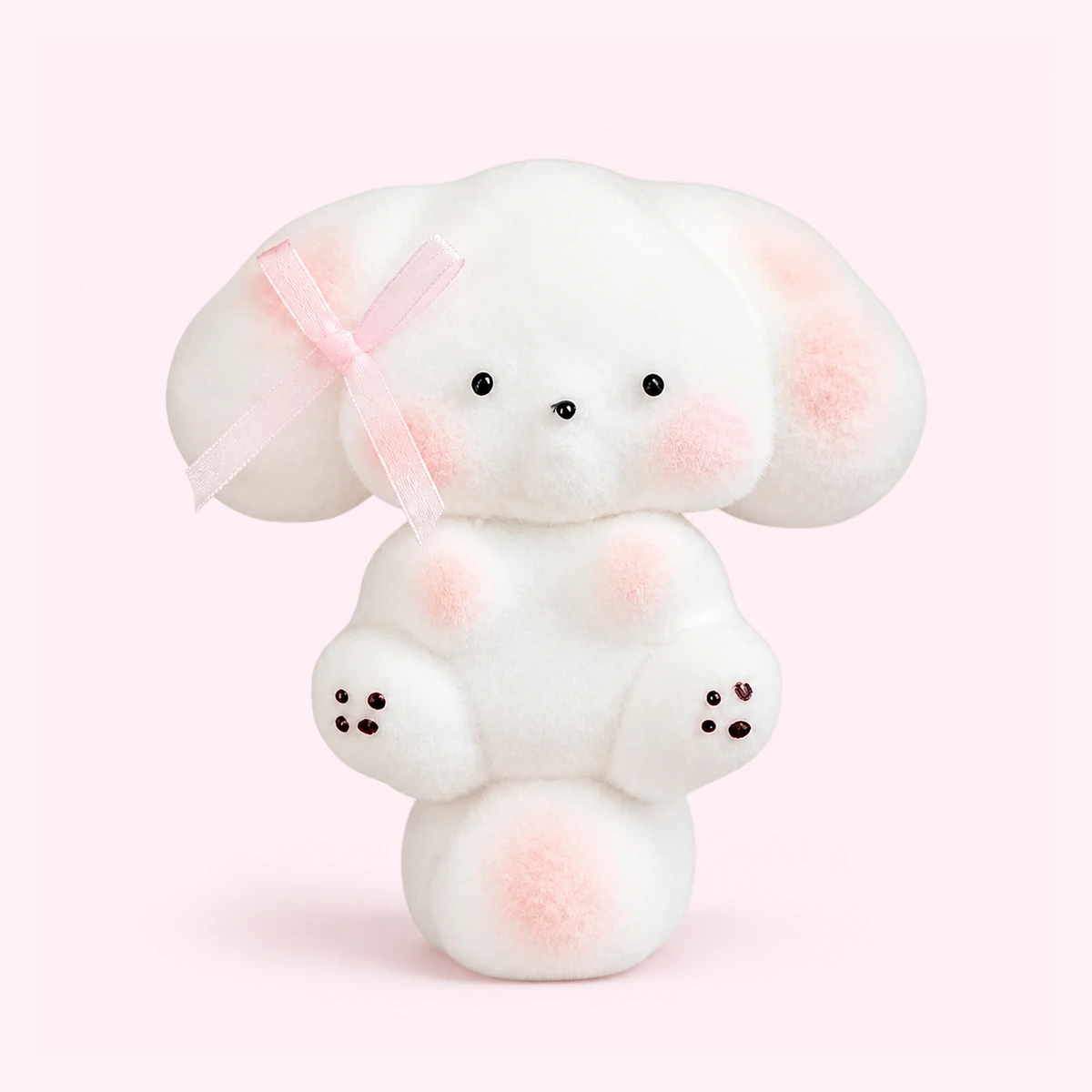
- Mochi animals — squishy critters in blush and rose tones
A pink butter squishy is the rare object that nails all three reasons you came here: it photographs beautifully on a desk, it provides real tactile regulation, and it's an easy, affordable gift.
Building the Pink Desk Aesthetic
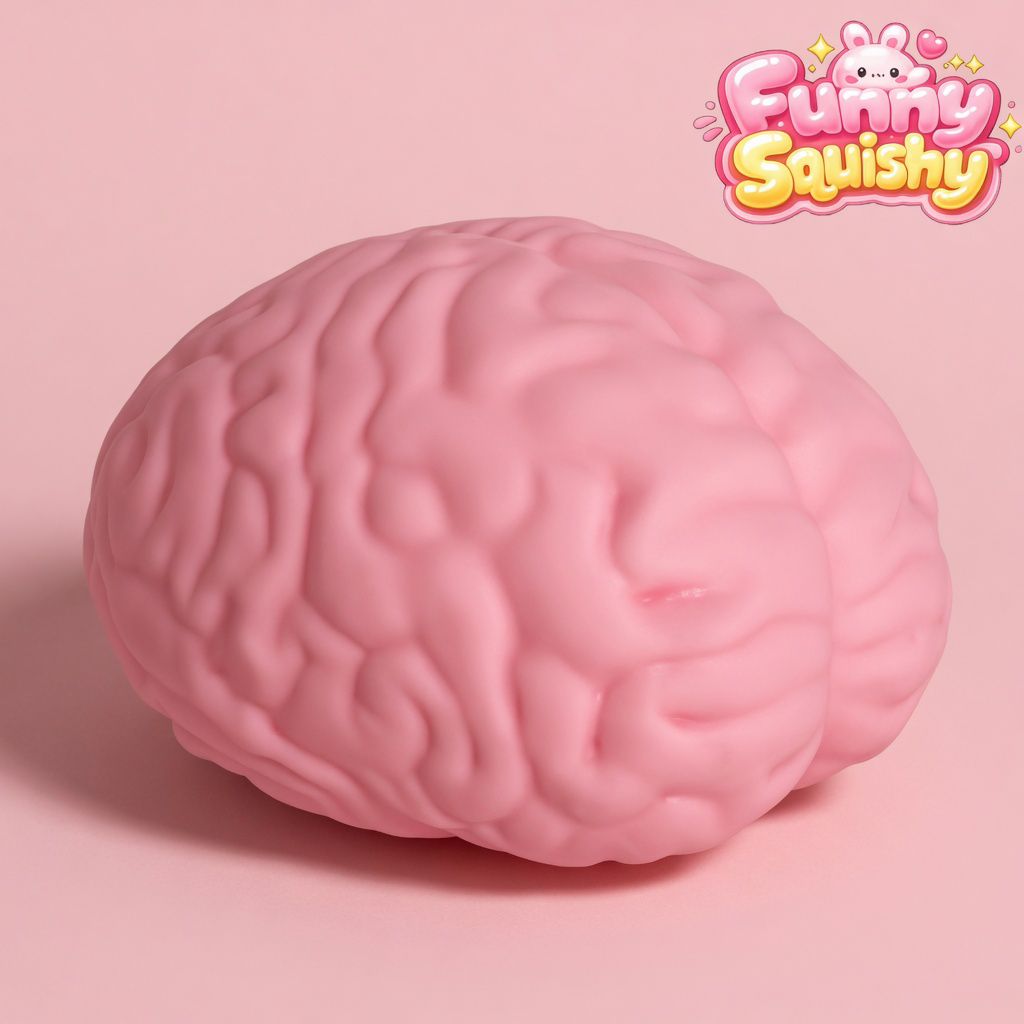
Owning cute tools and styling them are two different things. Here's how to make sensory pieces look intentional rather than cluttered.
Start with a base. A thick, plush pink mouse pad or a desk mat sets the tone and softens the whole surface. Add a matching pink pen holder to corral the chaos.
Group by height and texture. Place taller items (a liquid motion bubbler, a sand timer) toward the back, and keep low, grabbable items (squishies, pop-its) at the front edge where your hands rest. This creates a tidy visual layer and keeps your most-used fidgets reachable.
Use a tray or dish. Cluster three to five sensory toys on a small ceramic tray. A defined boundary instantly reads as "curated collection" instead of "scattered toys."
Limit your palette. Stick to two or three tones — blush, dusty rose, and a cream or off-white neutral. A single metallic accent (rose gold) ties it together without overwhelming.
Add slow motion. A pink liquid motion bubbler or sand timer gives your desk a focal point of gentle, hypnotic movement — perfect to watch during a thinking pause.
The goal is a space where reaching for a calming tool feels like a natural reflex, not a search-and-rescue mission.
For ADHD, Anxiety, and Highly Sensitive People
Fidget tools aren't just a trend for these communities — they're often a daily strategy.
- ADHD brains frequently benefit from background movement that satisfies the need for stimulation, freeing the mind to focus on the task. A silent silicone fidget (rather than a loud clicker) works best in shared spaces.
- Anxiety responds well to repetitive, grounding input. Slow-rebound squishies and pressure-based stress balls give the body something concrete to do with restless energy.
- Highly Sensitive People (HSP) can be overwhelmed by harsh, busy environments. A soft pink palette and gentle textures create a low-stimulation pocket of calm that feels safe rather than stimulating.
The beauty of the pink desk approach is that these supportive tools no longer look clinical. They look like decor — which removes the stigma some people feel about needing them at all.
Cute Sensory Gifts by Budget and Recipient
Cute sensory gifts are nearly foolproof because they combine looks and usefulness. Here's how to choose by occasion and price.
| Budget | Gift idea | Best for |
|---|---|---|
| Under $10 | Pink butter squishy or macaron stress ball | A small treat, stocking stuffer, or "thinking of you" gift |
| $10–25 | Curated fidget set (cube + pop-it + ring) on a tray | A best friend who needs a desk refresh |
| $25–50 | Liquid motion bubbler + plush mouse pad bundle | A coworker, or a self-care splurge |
| $50+ | Full pink desk setup: mat, pen holder, sand timer, squishy collection | A milestone gift, or a treat-yourself reward |
Match the person:
- Your bestie — go playful and tactile (a squishy variety pack).
- A stressed coworker — pick quiet, office-appropriate fidgets.
- Yourself — build the full aesthetic over time; you deserve the curated tray.
FAQ
Do sensory desk toys actually reduce stress, or is it placebo?
There's genuine physiology behind it — repetitive tactile input can activate the parasympathetic nervous system and occupy restless mental energy. Effects vary by person, but for many, fidgeting demonstrably eases tension and supports focus.
What's the difference between a butter squishy and a regular stress ball?
A stress ball usually snaps back instantly. A pink butter squishy has slow rebound — it holds the dent and oozes back slowly, giving a longer, melt-like sensory experience that many find more soothing.
Are fidget toys distracting at work?
The opposite is often true. Quiet fidgets occupy the brain's spare capacity so you can concentrate on the real task. Just choose silent silicone options over clicky ones in shared offices.
Is the color pink really calming?
Soft pinks carry strong calming and comforting associations, and Baker-Miller Pink research found short-term relaxation effects. The visual mood matters as much as the tool itself.
How do I clean a butter squishy?
Wipe gently with a damp cloth and mild soap, then air-dry. Avoid soaking, which can degrade the foam or break the seam over time.
What's a good starter set for someone new to this?
A pink butter squishy, one silent fidget cube, and a small sand timer cover touch, motion, and visual focus — three senses, minimal clutter.
Your desk is where you spend a huge share of your waking hours, so it might as well work for your nervous system instead of against it. Start with one blush-toned pink butter squishy and a tidy tray, notice how often your hand reaches for it, and build your calm little corner from there. Explore the full butter squishy collection, or browse more squishy fidget toys to round out your setup.