


Shop now: Explore our full dumpling squishy collection — mystery boxes, glitter dumplings, and steamer sets, in stock and ready to squeeze.
If your feed looks anything like the rest of the internet right now, you've seen them: tiny, jiggly, dumpling-shaped squishies that wobble like the real thing and somehow trigger an irresistible urge to poke them. The dumpling squishy went viral on TikTok almost overnight, and as with anything that blows up that fast, the market flooded with copies. The problem is that telling a genuine dumpling squishy from a cheap knockoff isn't always obvious — and when kids are the ones squeezing (and sometimes chewing) them, the difference matters more than you'd think.
This guide breaks down exactly how to judge real dumpling squishy vs fake, from packaging and texture to price and where you actually buy it.
Table of Contents
- What Is a Dumpling Squishy and Why Did It Go Viral?
- Who Makes the Real Ones?
- Packaging: The First Tell
- Look, Feel, Smell, and Sound
- Price and Where You Buy It
- Why Fakes Are a Safety Concern
- Quick Real vs Fake Checklist
- FAQ
What Is a Dumpling Squishy and Why Did It Go Viral?
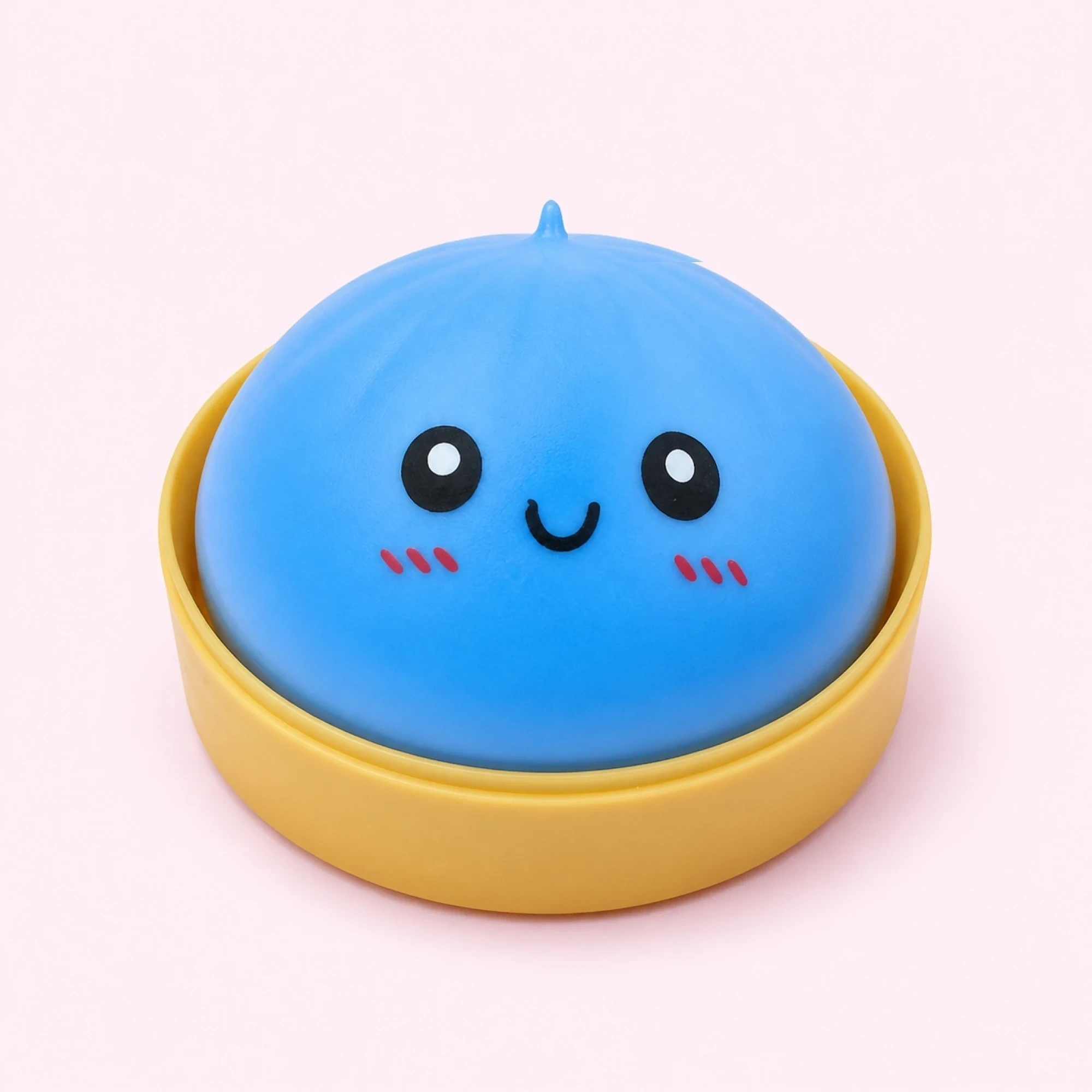
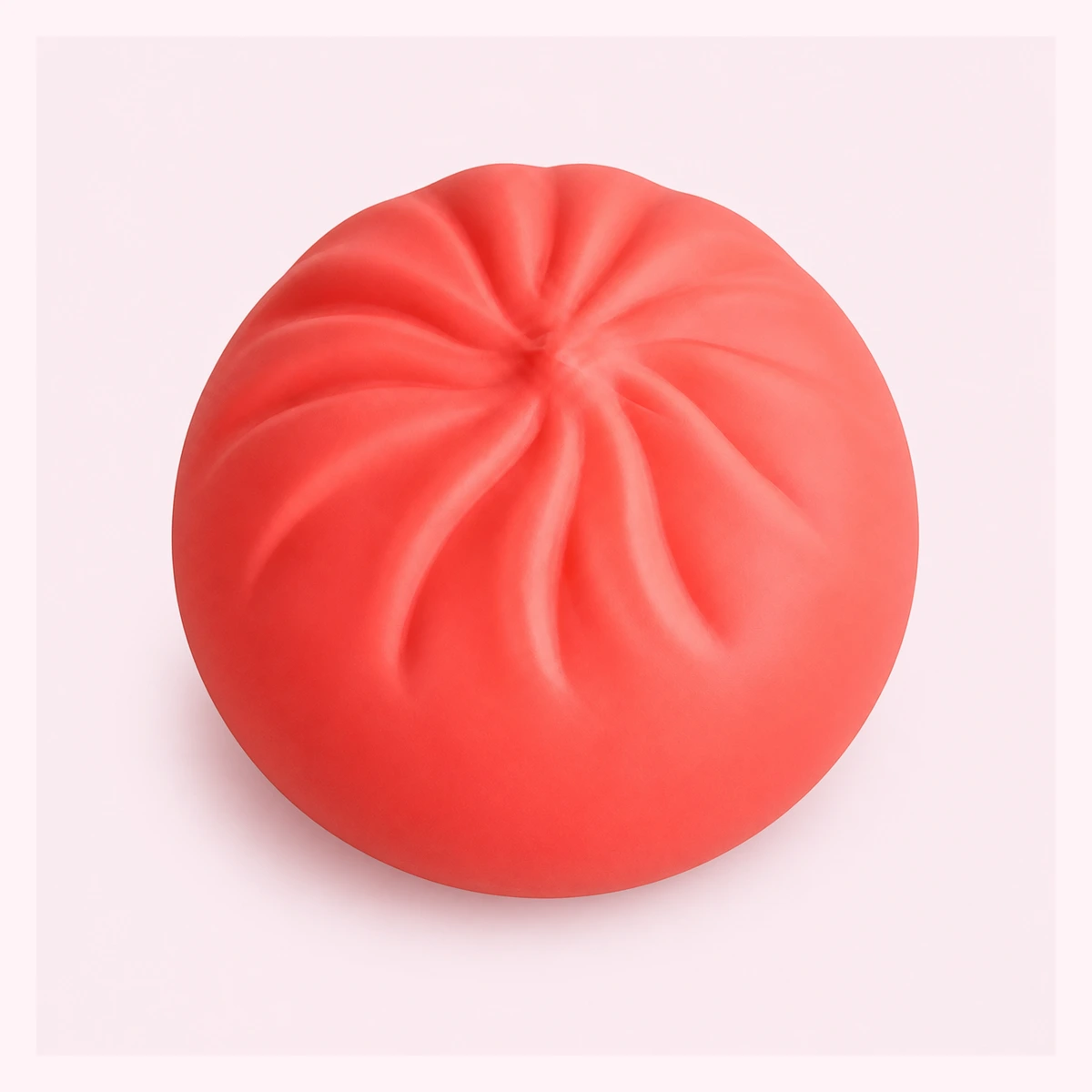
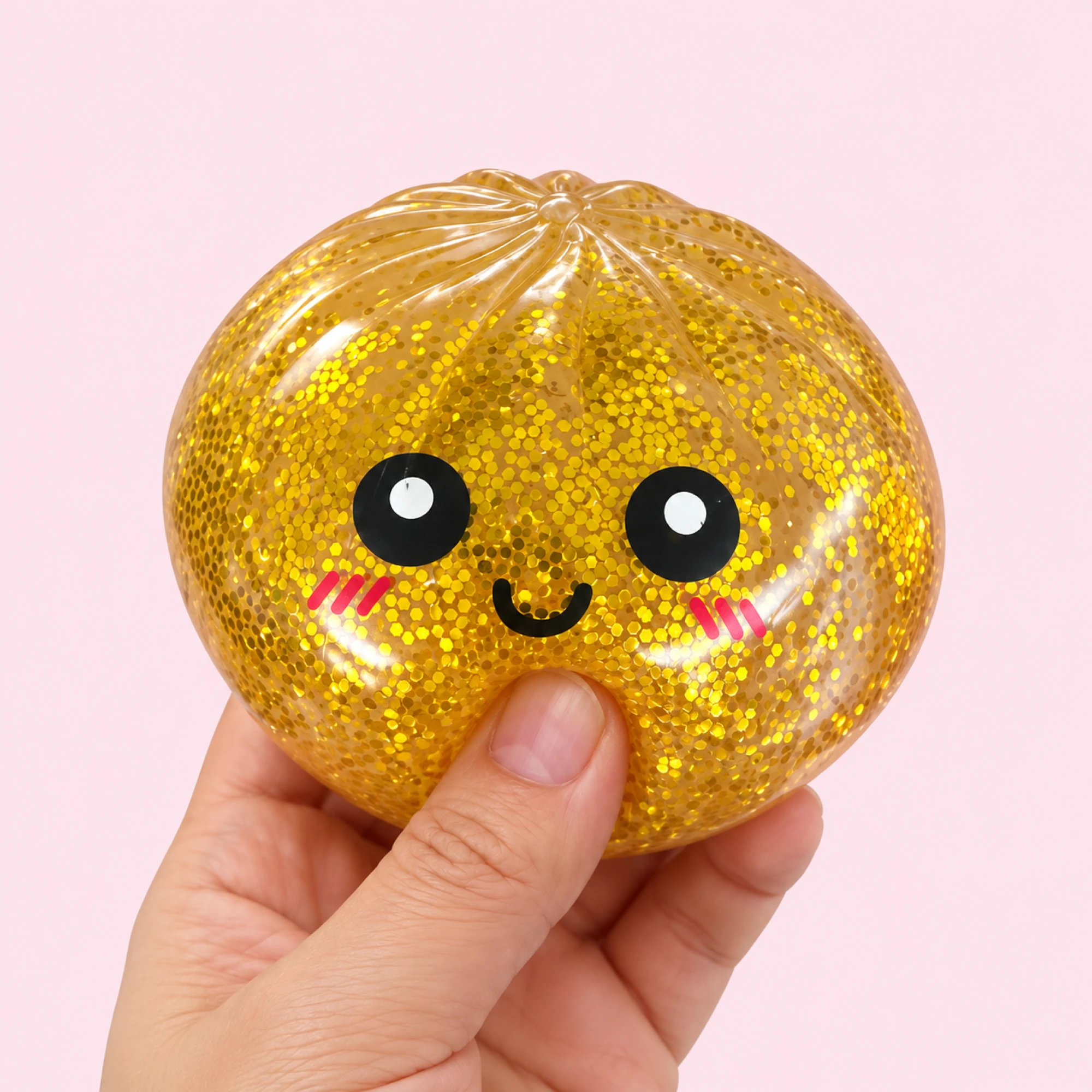
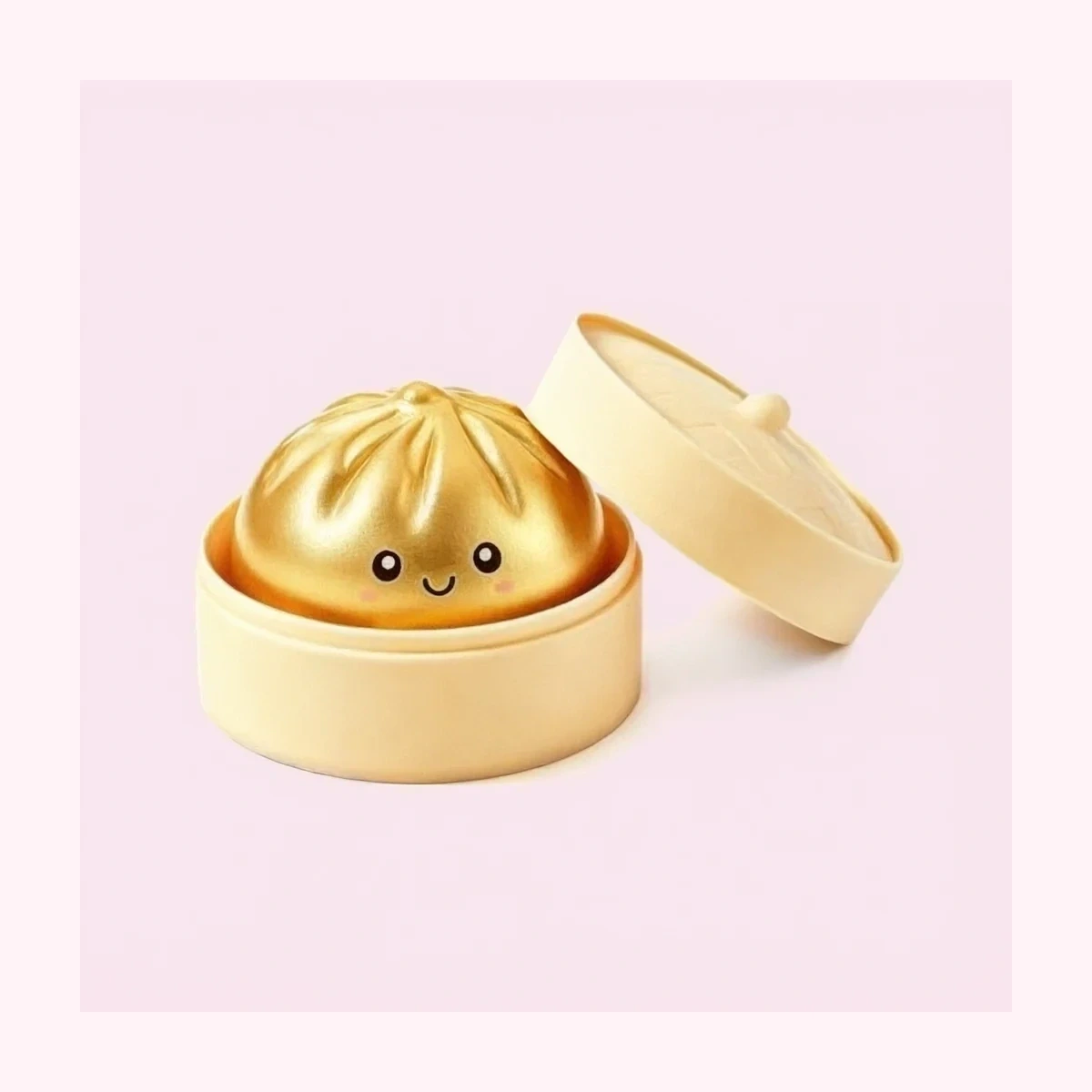
A dumpling squishy is a soft, stretchy stress toy molded to look like a plump little dumpling or gyoza. The best-known versions are filled with a gel and micro-beads or glitter that shift around when squeezed, giving that satisfying, slow-return "squish" people find weirdly calming. Short videos of hands pinching, stretching, and flattening them racked up millions of views, and demand exploded.
That viral spike is exactly why fakes appeared so quickly. When a genuine product can't ship fast enough, opportunistic sellers rush in with look-alikes — and the average buyer has no reference point for what the authentic dumpling squishy is supposed to feel like.
Who Makes the Real Ones?
Most of the confusion clears up once you know what a legitimate maker looks like. Authentic versions come from established toy manufacturers that put a traceable company name and address on the packaging, and from specialist squishy makers that have been producing squeeze-and-return toys for years. These companies produce to recognized toy-safety standards and sell through established retailers — as we do.
Almost everything else circulating on TikTok Shop, Amazon third-party listings, and street stalls is unbranded or imitates one of these makers. A lot of coverage online fixates on one single manufacturer name, but plenty of other established squishy makers exist alongside it — so an unfamiliar name doesn't automatically mean fake. The real question is whether the maker is identifiable and reputable at all.
Packaging: The First Tell
Packaging is the single fastest way to judge authenticity, and it's the area where counterfeiters cut the most corners.
On a genuine dumpling squishy you should find:
- A clear brand logo and company name
- A scannable barcode
- Safety marks — a CE mark (or UKCA in the UK) and a reference to EN71, the European toy-safety standard
- An age warning and small-parts/choking guidance where relevant
- Clean, correctly spelled English (or properly localized text)
Fakes tend to give themselves away with:
- Generic or missing branding
- Spelling and grammar errors on the label
- Blurry, off-center, or low-resolution printing
- Missing or obviously copied safety symbols (a CE logo can be faked, so treat it as one signal among many, not proof)
- No manufacturer address or contact details
If the packaging looks like it was printed at home, trust that instinct.
What Does a Real Dumpling Squishy Look Like? Look, Feel, Smell, and Sound
Once it's out of the wrapper, your senses do most of the work. This is where videos shine — but the differences describe surprisingly well.
Look. Authentic dumpling squishies have even, consistent coloring, and the internal filling — glitter, beads, or gel — is distributed cleanly and visible the way the brand intends. Fakes often look either dull and muddy or unnaturally neon, with filling that clumps to one side or settles unevenly.
Feel. A real one has a smooth, slightly tacky-free surface and a slow, even squish that returns to shape at a satisfying pace. Counterfeits frequently feel either too stiff (cheap, dense filler) or alarmingly thin-walled, so the gel bulges and the seams strain when you squeeze. Sticky or greasy residue on the surface is a bad sign.
Smell. This is one of the most reliable tells. Genuine toys made from food-grade or properly cured silicone are close to odorless. A strong chemical, rubbery, or solvent-like smell points to cheap materials and poor manufacturing — and it's the same smell that has prompted safety warnings on other viral toys.
Sound. Higher-quality squishies are quiet and dense when squeezed. Some fakes make a hollow, sloshy, or air-pocket "squelch" because the filling is inconsistent or under-filled.
Price and Where You Buy It
Price is an underrated clue. Authentic dumpling squishies from established makers generally sit in a modest but consistent range — a few dollars or pounds each through legitimate retailers. If you see a listing that's dramatically cheaper, especially in a multipack that seems too good to be true, it usually is.
The flip side also happens: scalpers charging huge markups on "rare" mystery versions during a shortage. Overpaying doesn't make something authentic either.
The safest move is to control where you buy:
- Buy from the brand's official store or authorized retailers (well-known toy and variety chains)
- Be cautious with third-party marketplace sellers on Amazon and TikTok Shop, where counterfeits are common — check seller ratings and whether the brand is named
- Treat street stalls and pop-up sellers as the highest-risk option
When in doubt, check the brand's own social accounts — several established makers have posted official authentication guidance precisely because of the fake problem.
Why Fakes Are a Safety Concern
This is the part that gets too little attention, and it's the reason parents should care beyond just "getting their money's worth."
Counterfeit squishies skip the testing that legitimate toys undergo. That can mean non-food-grade silicone, unregulated dyes, and filler materials that haven't been screened for toxicity. The gel or beads inside a cheap fake aren't guaranteed to be non-toxic, and thin, poorly sealed walls make leaks and ruptures more likely — a serious problem with young children who put things in their mouths. Choking hazards from small beads and detached parts are a real risk too.
Regulators have taken notice. Trading Standards officials in the UK have appeared in media segments specifically to warn about unsafe knockoff versions of viral toys, and consumer reporting has linked some counterfeit novelty toys to potential chemical exposure. The genuine articles carry CE/UKCA marks and EN71 compliance for a reason: those certifications mean the materials and construction were actually tested against safety limits. A fake skips all of that to save a few cents.
For a child's toy, that trade-off isn't worth it.
Quick Real vs Fake Checklist
| Signal | Authentic | Fake |
|---|---|---|
| Branding | Clear logo, maker name, barcode | Generic, missing, or misspelled |
| Safety marks | CE/UKCA + EN71, age warning | Absent or sloppily copied |
| Color & filling | Even, cleanly distributed | Dull or neon, clumped |
| Texture | Smooth, slow even return | Stiff, thin-walled, or sticky |
| Smell | Near odorless | Strong chemical/rubber smell |
| Price | Consistent, modest | Suspiciously cheap (or scalped) |
| Source | Official/authorized seller | Random marketplace or stall |
No single row is proof on its own — judge them together. Two or three red flags is enough to walk away.
FAQ
Are all unbranded dumpling squishies fake?
Not necessarily, but they're a gamble. Without a named manufacturer and safety certification, you can't verify what's inside or whether it was tested. For kids, stick to identifiable brands.
Is a CE mark a guarantee it's real?
No. CE and UKCA marks can be — and are — counterfeited. Treat them as one signal alongside packaging quality, smell, texture, and seller reputation, not as standalone proof.
My squishy smells strongly of chemicals. Is that dangerous?
A strong, persistent chemical or solvent smell is a warning sign of cheap, possibly untested materials. Keep it away from young children, and consider returning it to the seller.
Where is the safest place to buy an authentic dumpling squishy?
The brand's official store or a well-known authorized retailer. Be extra careful with third-party sellers on TikTok Shop and Amazon, and check that the brand is actually named in the listing.
Why are the fakes sometimes more expensive than the real ones?
During shortages, resellers inflate prices on "rare" versions. A high price reflects scarcity and scalping, not authenticity — verify the source, not just the cost.
Are these safe for toddlers?
Most carry an age warning for a reason: beads and small parts are choking hazards, and a ruptured fake can leak gel. Check the age label and supervise young children closely.
Real dumpling squishy vs fake: what's the one-second test?
Press it. A real one sinks under your thumb and takes a beat to come back; fakes snap back fast, feel sticky, or leak. Then check the seam and the packaging print, and the six checks above cover the rest.
A dumpling squishy is meant to be a few dollars of harmless fun, so don't overthink the genuinely good ones — just slow down before you tap "buy." Check who made it, read the packaging, give it a sniff, and buy from somewhere you'd trust with any other kids' toy. Do that, and you'll dodge the knockoffs without losing the squish.
Shop dumpling squishies
Ready to squeeze the real thing? Browse our full dumpling squishy collection — including plenty of mystery boxes — for authentic, in-stock squishies. Two fan favorites to get you started: