


Match the toy to the stage, and sensory play gets both safer and more fun. The right sensory toy for infant months is simple, mouth-safe, and built for supervised floor time — think high-contrast patterns and crinkle textures. Squishies enter the picture at age 3+, never earlier. Here’s the whole timeline, from newborn tummy time to a teenager’s desk.
Choosing a Sensory Toy for Infant Stages (0–12 Months)
Everything an infant grabs goes straight to the mouth, so this stage is ruled by three words: mouth-safe, one-piece, washable. The category winners are simple on purpose — high-contrast cloth books and cards for young eyes that track bold patterns, crinkle fabrics that reward a grab with a sound, soft rattles, textured silicone teethers, baby-safe mirrors, and play-gym danglers for batting practice.
Buy these from the baby aisle, where products are designed and tested for exactly this kind of use. And to be plain about our own lane: squishies are not infant toys. Slow-rising foam is a 3+ product, it isn’t made for chewing, and no adorable photo changes that. This isn’t medical advice — for questions about mouthing, textures, or development, consult your pediatrician.
Toddlers (1–3): Chunky, Washable, Supervised
Newborn sensory toys graduate into busier gear here, because toddlers now combine mouthing with grip strength and throwing ambition. Reach for stacking cups, chunky blocks, big textured balls, busy boards, and pour-and-scoop bath toys — objects that survive teeth, floors, and gravity.
The classic screening trick still applies: if a piece could pass through a toilet-paper tube, it’s too small for this crowd. Squishies stay off the menu for the same reason. Toddler teeth can tear foam, and torn foam means small pieces — the exact thing this stage can’t have. The good news: this stage is short, and the payoff for waiting is a kid who’s genuinely ready for the fun stuff.
Ages 3–5: Squishy Territory Begins
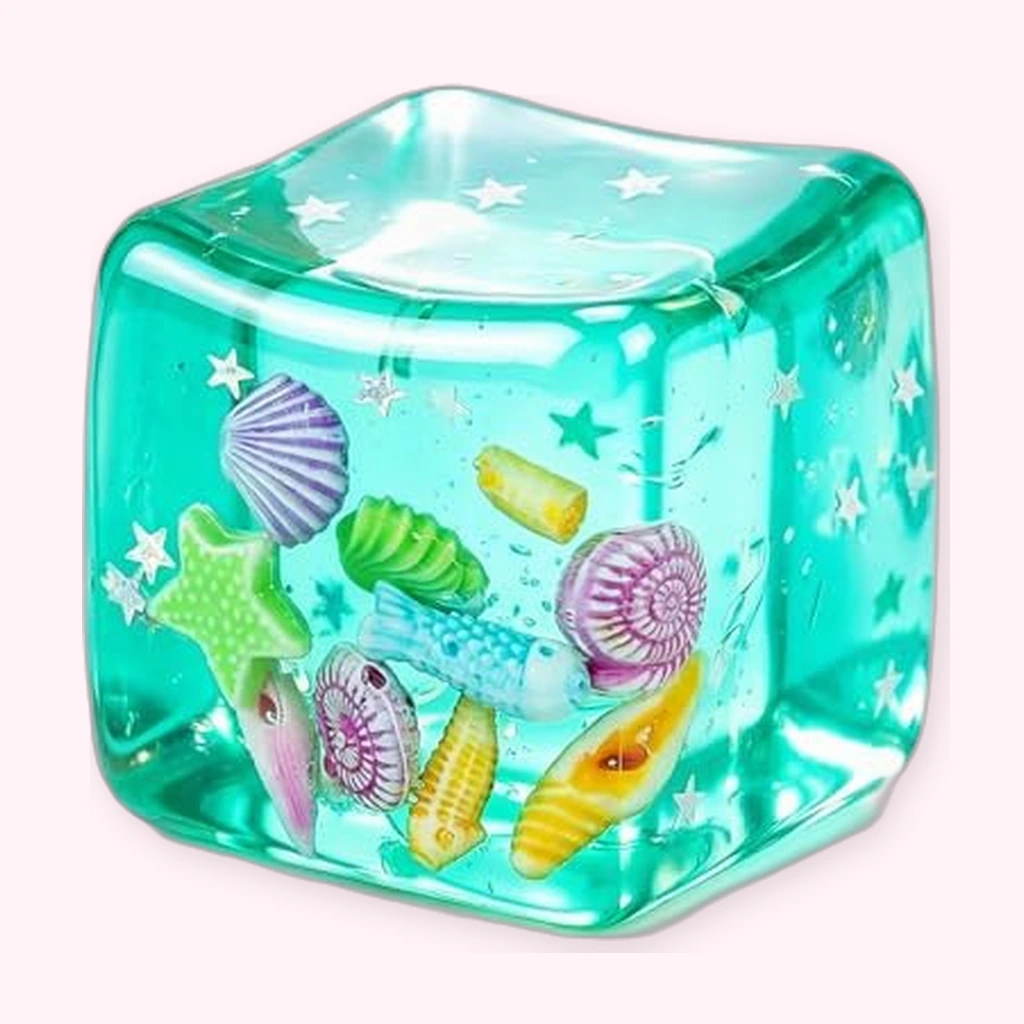
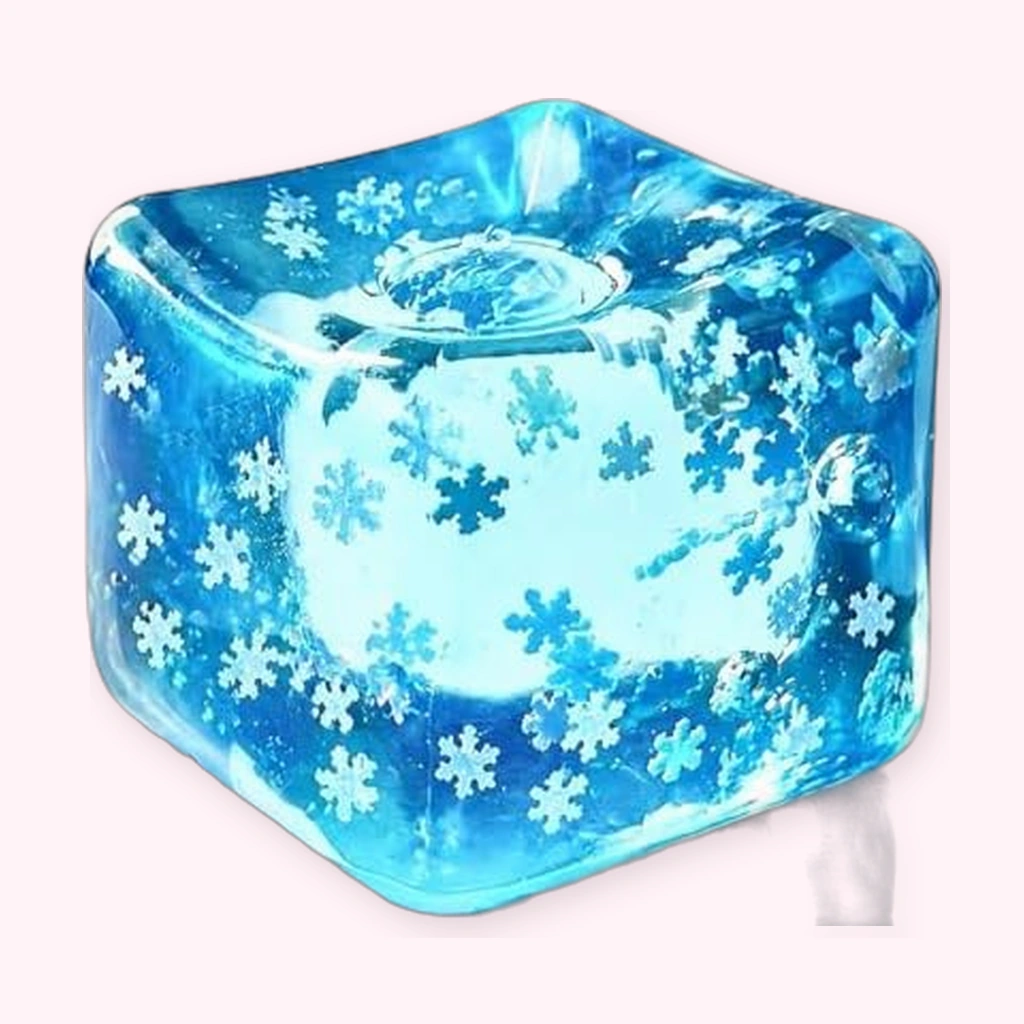
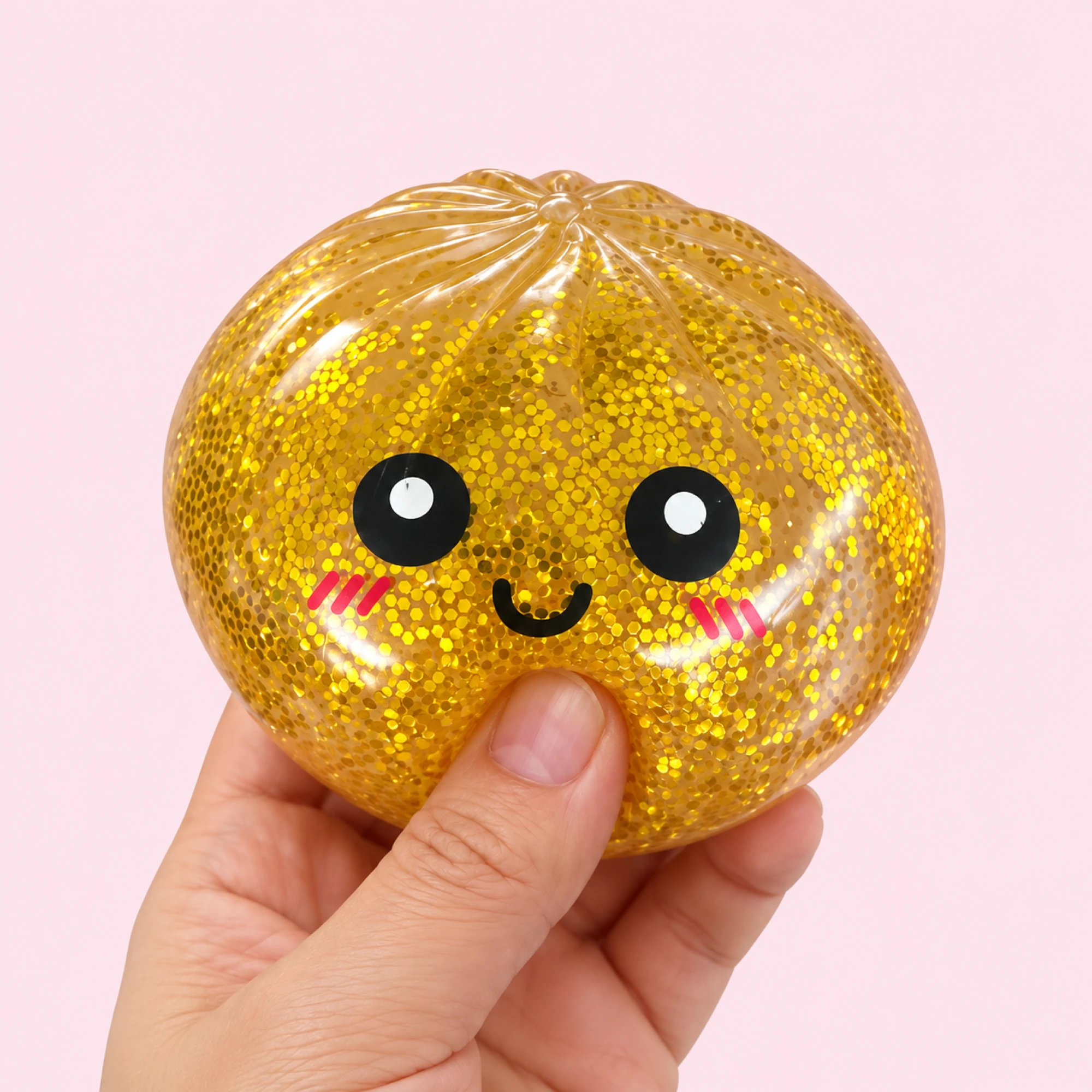
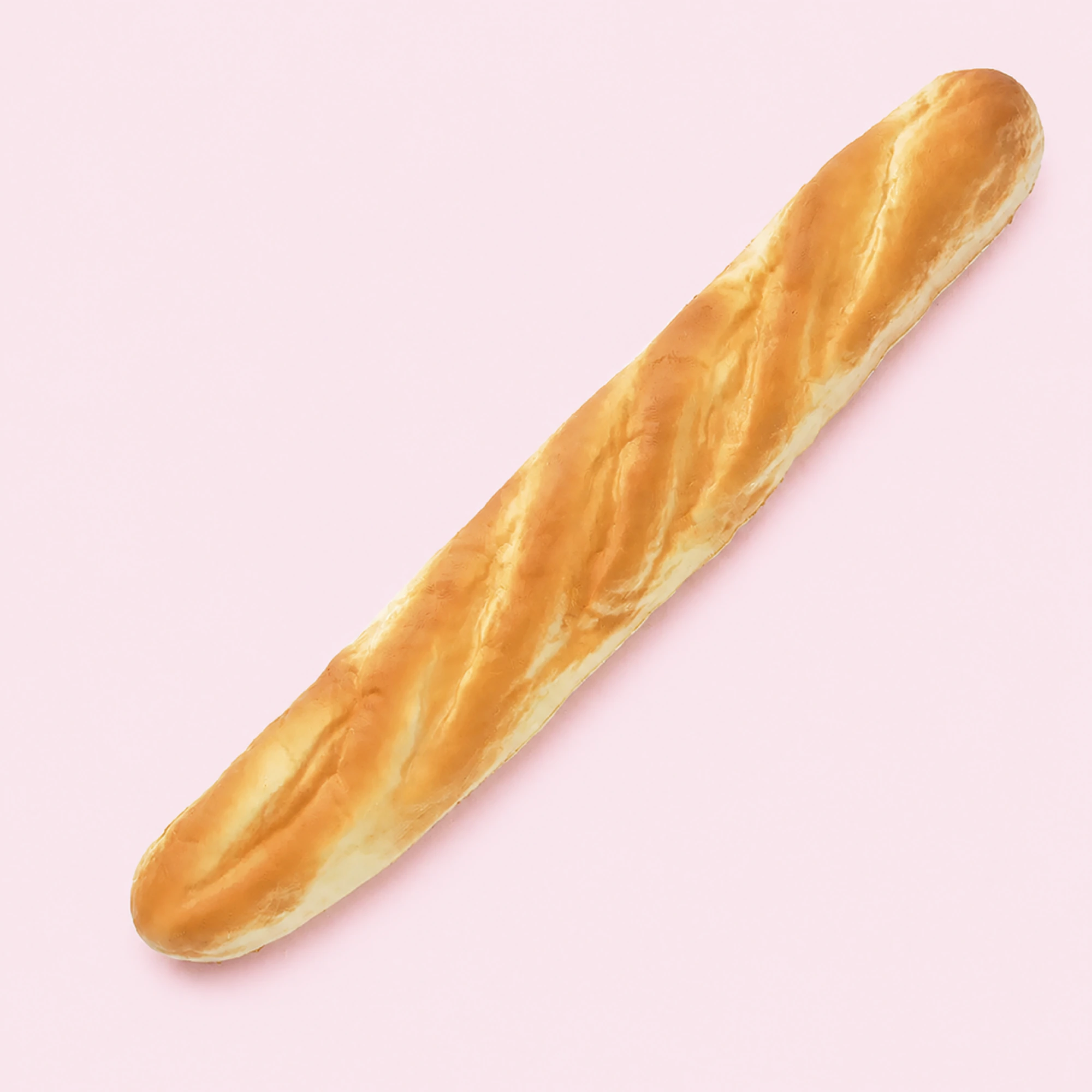
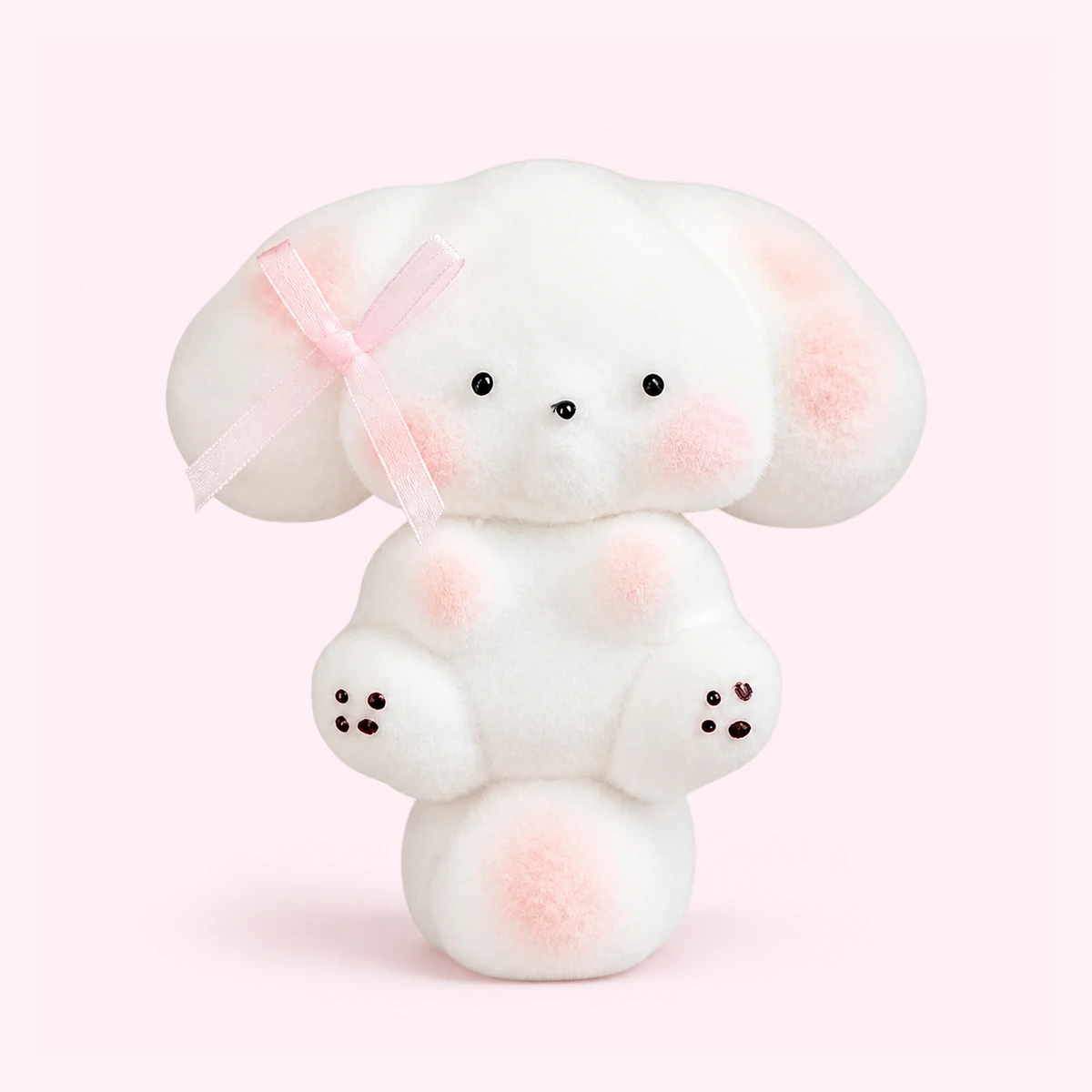
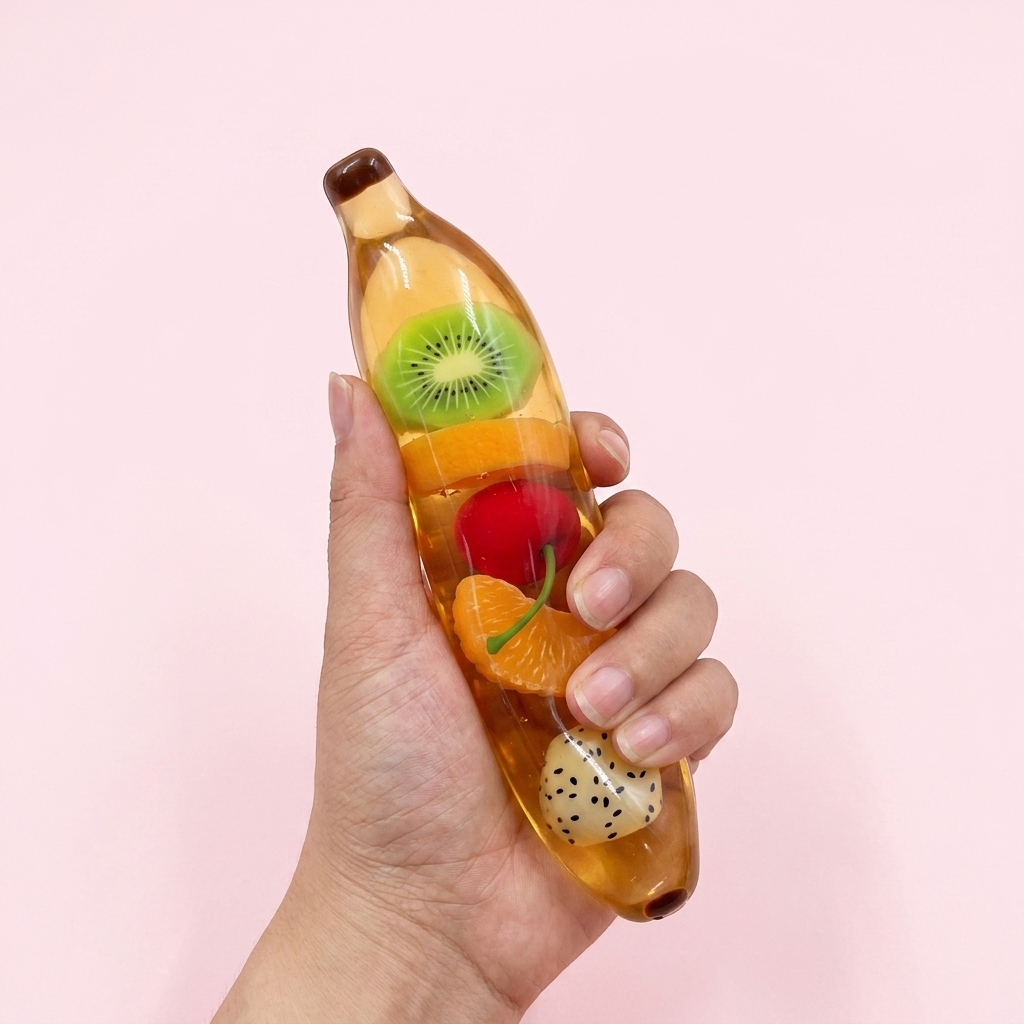
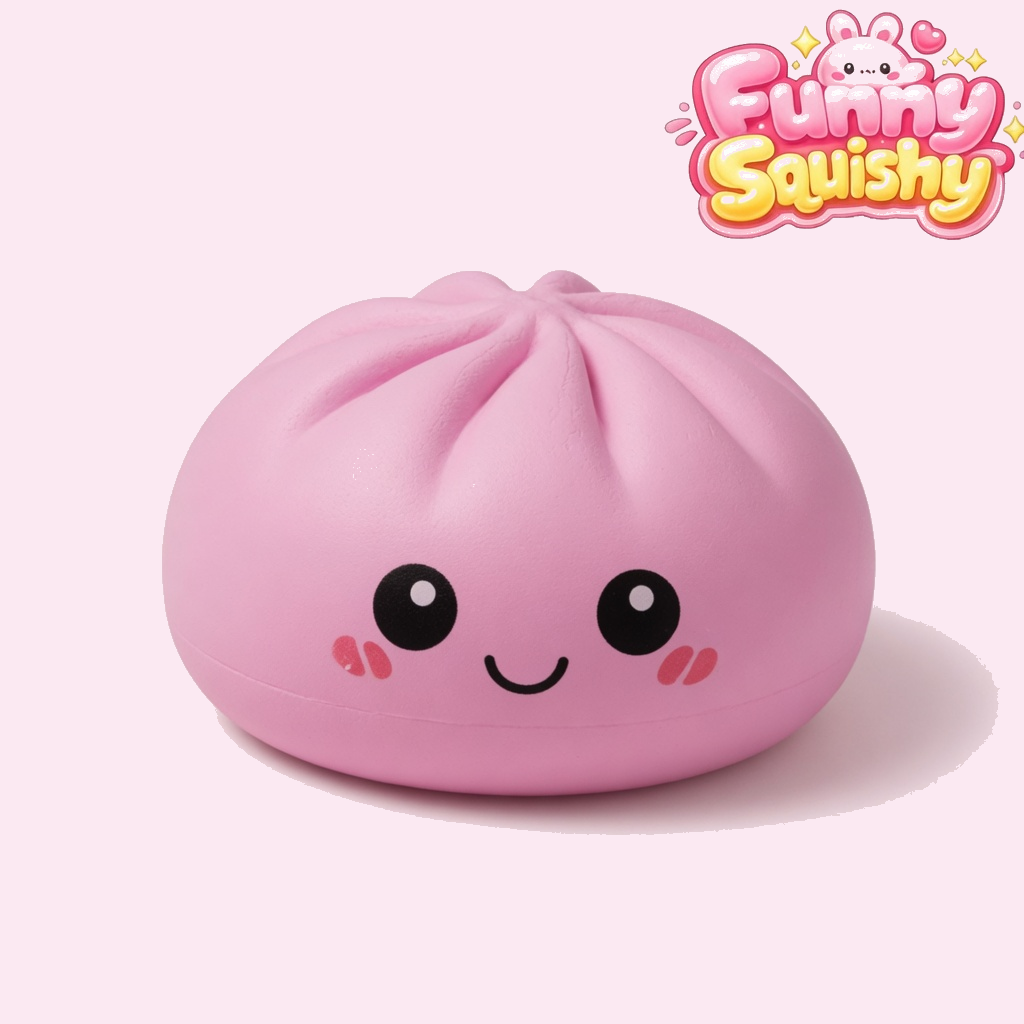
At three and up, slow-rising squishies finally make their entrance, and they land well: soft resistance for small hands, a rebound slow enough to watch, and a built-in patience game — squash it flat, count the comeback. Start palm-sized or bigger, which is easier to grip and keeps you comfortably away from tiny-toy territory; our squishy size guide maps the options.
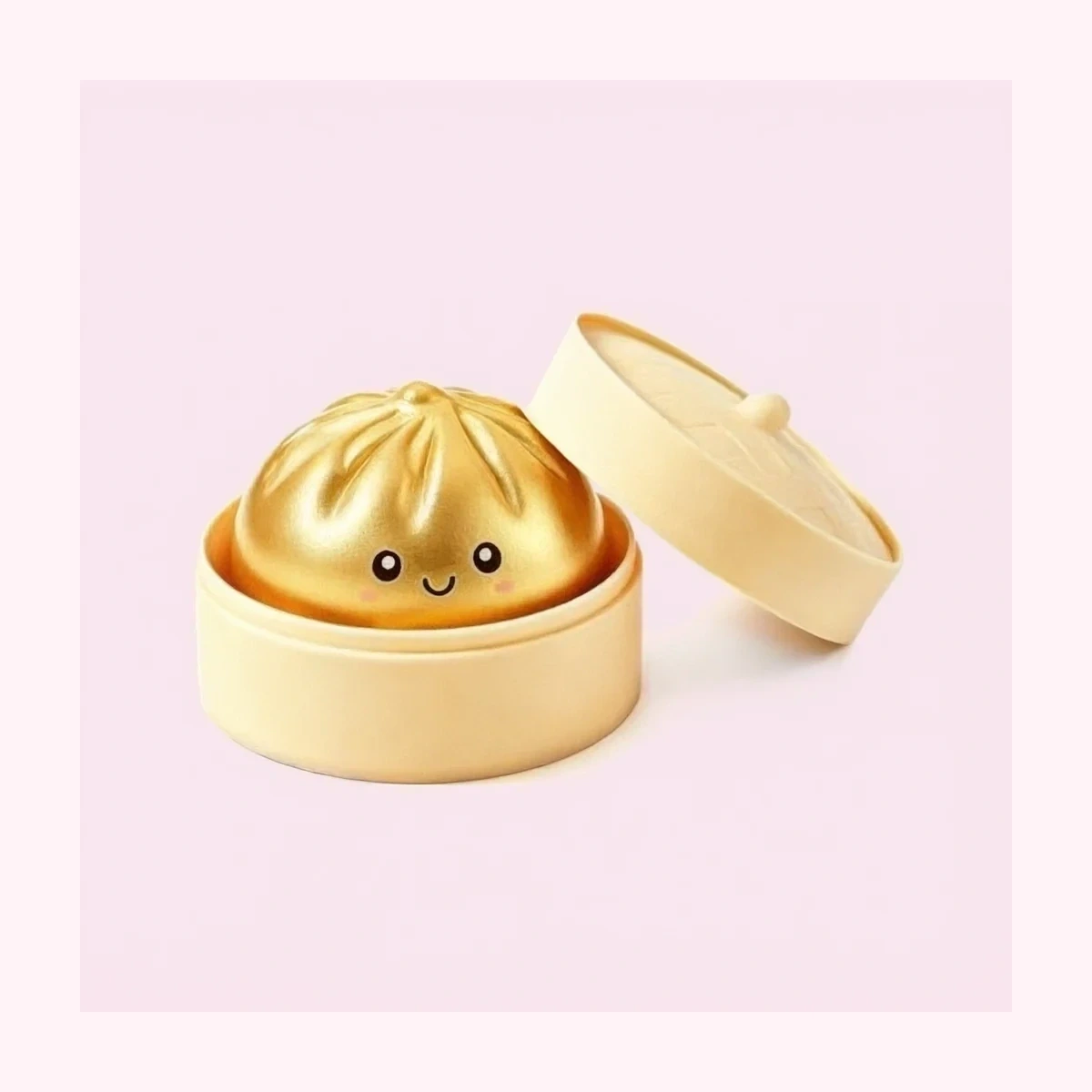
Two house rules from day one. First, food-shaped squishies look genuinely snackable and are never edible — teach it early, repeat it often. Second, supervise any kid who still mouths toys, and retire anything that tears. For the full materials-and-what-if-it-breaks rundown, parents should read are squishy toys safe for kids.
Introducing the first one is worth a small ceremony: hand it over, squash it flat together, and count the comeback out loud. That thirty seconds teaches the whole toy — how it works, how slowly it recovers, and why patience is part of the fun.
Surprise-egg sets fit this age like a glove, because opening is the event: the Spring Animal Egg set with 24 prefilled eggs or the Chubby Animal Egg 20-pack turns one purchase into weeks of small reveals.
Ages 6 to Teen: Collections, Trades, and Desk Fidgets
Around six, the collecting brain switches on. Kids start sorting by color, trading doubles at recess, and displaying favorites like tiny museum curators. Minis shine here — something like the 130-piece mochi animal egg set is a sortable, tradable ecosystem in a box.
Expect the collection to become social infrastructure along the way. Duplicate minis turn into playground currency, favorite shapes get names, and a shoebox display case appears without any adult input. It’s sorting, negotiation, and inventory management dressed up as a toy phase.
Teens don’t outgrow the squeeze; they just stop announcing it. A dense squishy migrates to the homework desk as a quiet stress tool, and the sensory play toy becomes a fidget with a job. The full squishies collection covers both ends of that arc.
The Cheat Sheet: Stages at a Glance
| Age | Reach for | Skip for now |
|---|---|---|
| 0–12 months | High-contrast cards, crinkle books, teethers | Anything not mouth-safe — including all squishies |
| 1–3 years | Stacking cups, chunky blocks, big textured balls | Small parts, foam toys, all squishies |
| 3–5 years | Palm-size and larger slow-rising squishies, surprise eggs | Tiny minis, adult-labeled magnet sets |
| 6–12 years | Minis, mochi sets, collections and trades | High-powered magnet toys |
| Teens | Desk squishies, quiet fidgets | Nothing much — they’ll tell you |
FAQ
Can my baby play with a squishy if I supervise closely? No. Squishies are 3+ toys, foam can tear under gums, and supervision doesn’t change the material. For babies, the crinkle-and-teether category gives you the same sensory payoff, built for mouths.
What’s a good first squishy for a 3-year-old? Palm-sized or larger, slow-rising, simple shape — easy to grip, satisfying to squash, nothing small enough to worry about. Save the minis for the collector years.
Are surprise egg squishies okay for preschoolers? Yes at 3+, ideally opened together — the reveal is more fun with an audience anyway. Keep the contents away from toddler siblings, who are still in the everything-goes-in-the-mouth era.
Do teenagers actually use sensory toys? Constantly; they just rebrand them. A squishy by the keyboard during homework or gaming is sensory regulation wearing a casual outfit.
Right toy, right stage, no drama — and when in doubt, age up the size and down the excitement.