

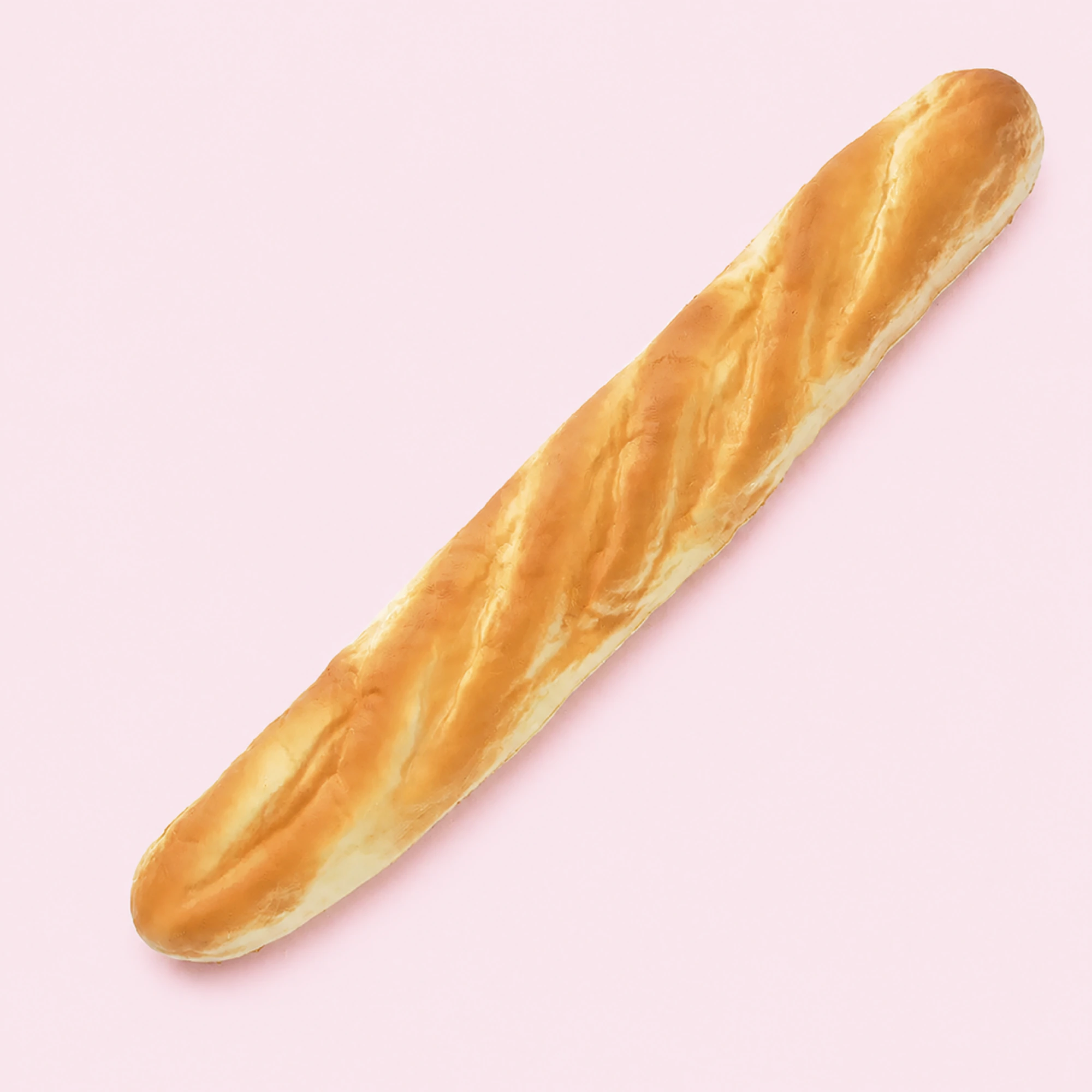
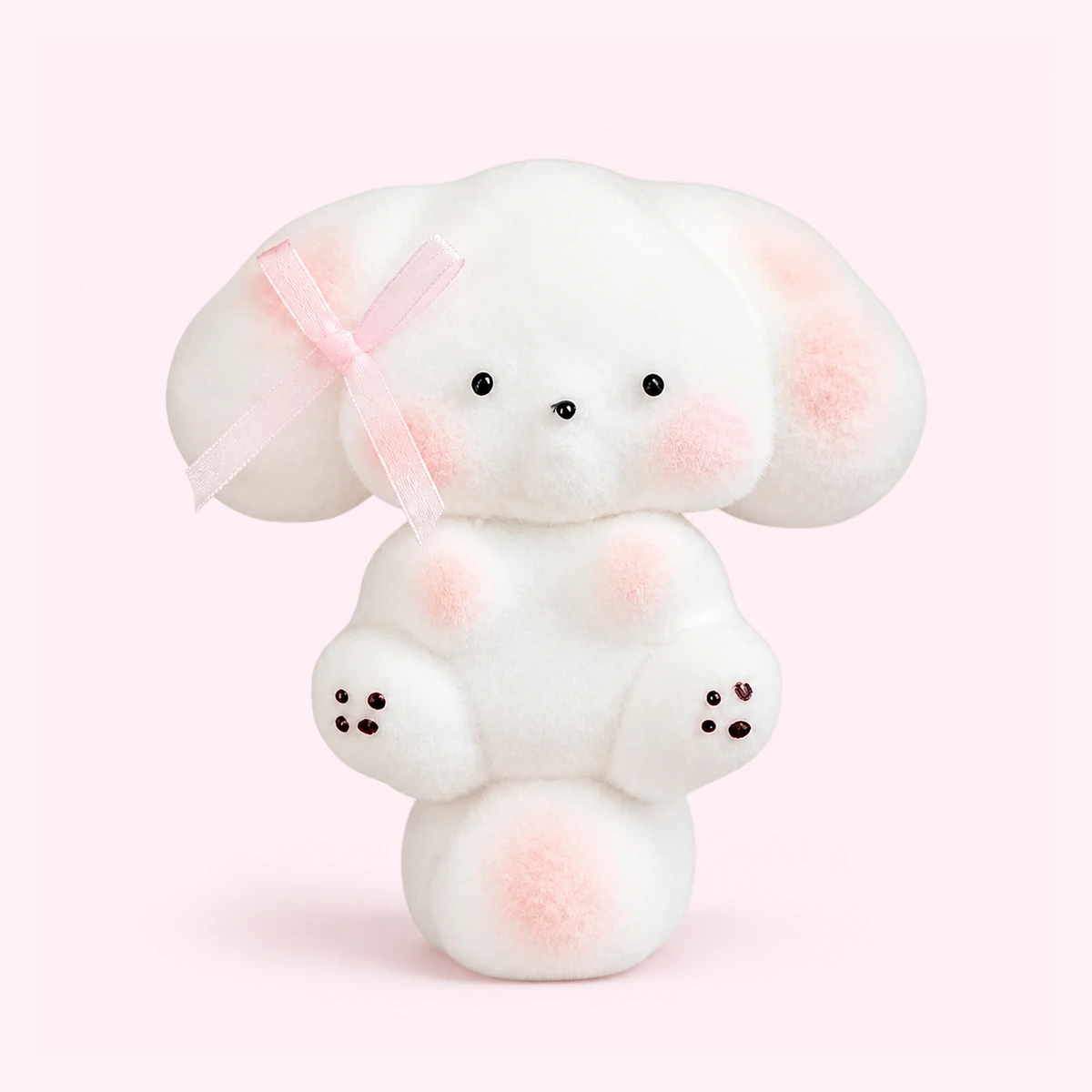
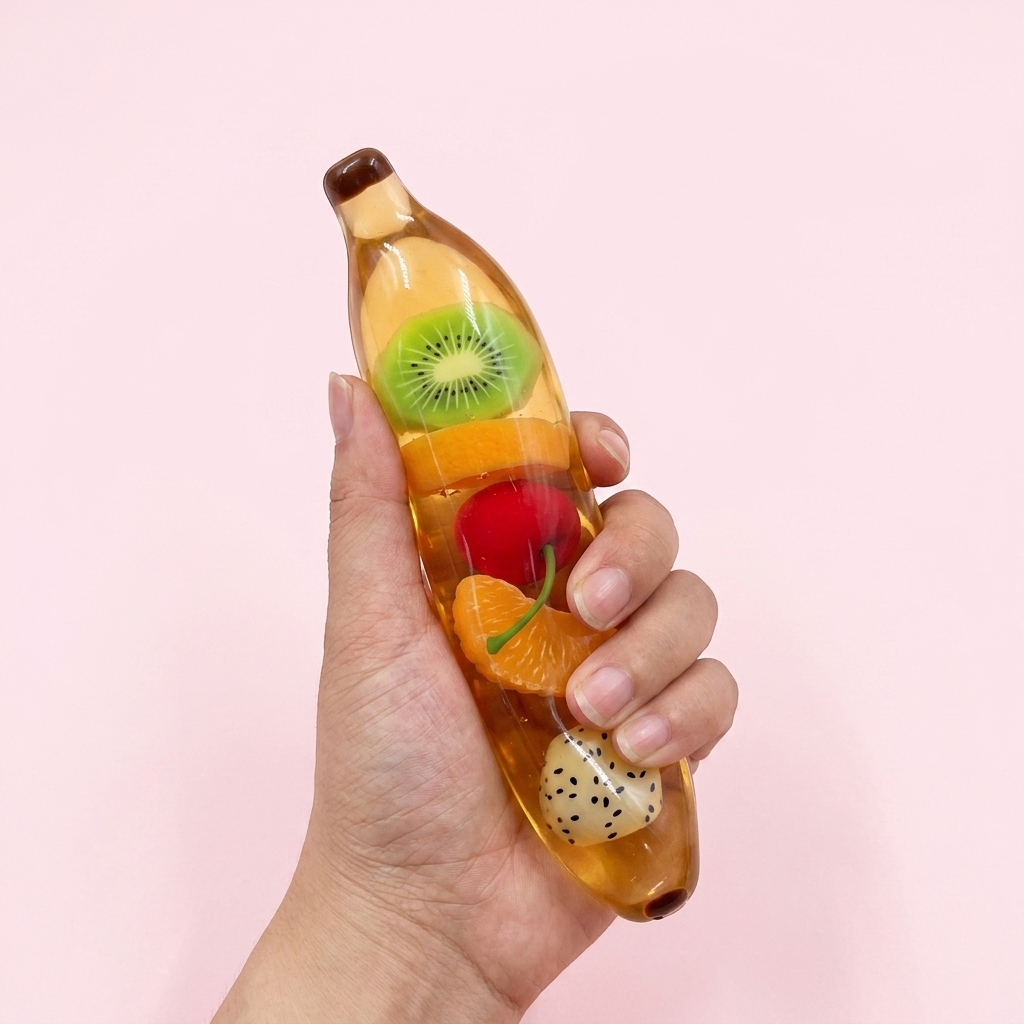


When your child reaches for the same squishy toy every time they feel overwhelmed, that's not a coincidence — it's self-regulation in action. For many autistic children, the right fidget isn't a distraction or a toy in the conventional sense. It's a tool that helps them feel grounded, focused, and calm.
But walk into any store (or scroll any online marketplace) and you'll face hundreds of options with little guidance on what actually suits your child. This guide cuts through the noise. You'll learn how sensory toys work, how to tell whether your child seeks or avoids sensory input, and how to match the right calming fidget toys to their specific needs — including the rising star of the category, the butter squishy.
Table of Contents
- Understanding Sensory Processing in Autism
- How Sensory Toys Actually Help
- Sensory Seeker or Sensory Avoider? Start Here
- The Main Types of Sensory Fidget Toys
- The Butter Squishy: Why Parents Are Talking About It
- Choosing by Age Group
- Safety, Durability, and Cleaning
- Matching Toys to Situations
- Common Parent Mistakes (and Budget Alternatives)
- FAQ
Understanding Sensory Processing in Autism
Every brain takes in information through the senses — sight, sound, touch, taste, smell — plus two we rarely name: proprioception (your body's sense of position and movement) and the vestibular sense (balance). For many autistic children, the brain processes this incoming information differently. Some signals feel amplified and overwhelming; others feel muted and hard to register.
These are called sensory processing differences, and they explain a lot of everyday behavior. A child who covers their ears in a noisy gym isn't being difficult — their auditory system may be flooded. A child who constantly touches surfaces or chews on shirt collars may be searching for input their body craves.
Sensory toys for autism work with this wiring rather than against it. They offer predictable, controllable sensory input that helps the nervous system find balance.
How Sensory Toys Actually Help
A well-chosen sensory fidget toy does more than keep busy hands occupied. The benefits are real and well-documented by occupational therapists:
- Self-regulation: Repetitive, satisfying movement helps a child manage big emotions before they boil over.
- Anxiety relief: The rhythm of squeezing or stroking a textured surface has a measurably calming effect.
- Improved focus: Counterintuitively, giving the hands a quiet task can free up attention for listening or learning.
- Fine motor development: Squeezing, pinching, and manipulating toys strengthens small hand muscles.
There's a neuroscience layer too. Repetitive tactile stimulation can prompt the release of dopamine (linked to motivation and reward) and help modulate norepinephrine, a neurotransmitter tied to alertness and stress response. In plain terms: the right fidget can shift a child from anxious or scattered toward calm and present.
Sensory Seeker or Sensory Avoider? Start Here
This is the single most useful step most guides skip. Before buying anything, figure out your child's sensory profile — because the "best" toy for one child can overwhelm another.
Sensory seekers crave input. They might:
- Squeeze, push, and crash into things
- Chew on objects or clothing
- Love deep pressure, vibration, and intense textures
Sensory avoiders are easily overwhelmed. They might:
- Dislike messy or sticky textures
- Startle at loud or sudden sounds
- Prefer gentle, predictable, low-key sensations
Many children are a mix — seeking certain inputs while avoiding others. Once you know your child's tendencies, the choices below become far clearer.
The Main Types of Sensory Fidget Toys
| Category | What it offers | Best for |
|---|---|---|
| Squeeze & squish (squishy stress toys, butter squishy, stress balls) | Resistance and deep tactile feedback | Seekers; anxiety relief |
| Tactile texture (fidget cubes, textured balls, pop tubes) | Varied surfaces to explore | Curious hands; focus |
| Visual & auditory (liquid motion timers, clicking fidgets) | Calming visuals or quiet sound | Visual seekers; wind-down |
| Proprioceptive (weighted lap pads, resistance bands) | Deep pressure and "heavy work" | Seekers who need grounding |
| Oral (chewable jewelry, chew tubes) | Safe chewing outlet | Children who mouth objects |
Squeeze and squish toys
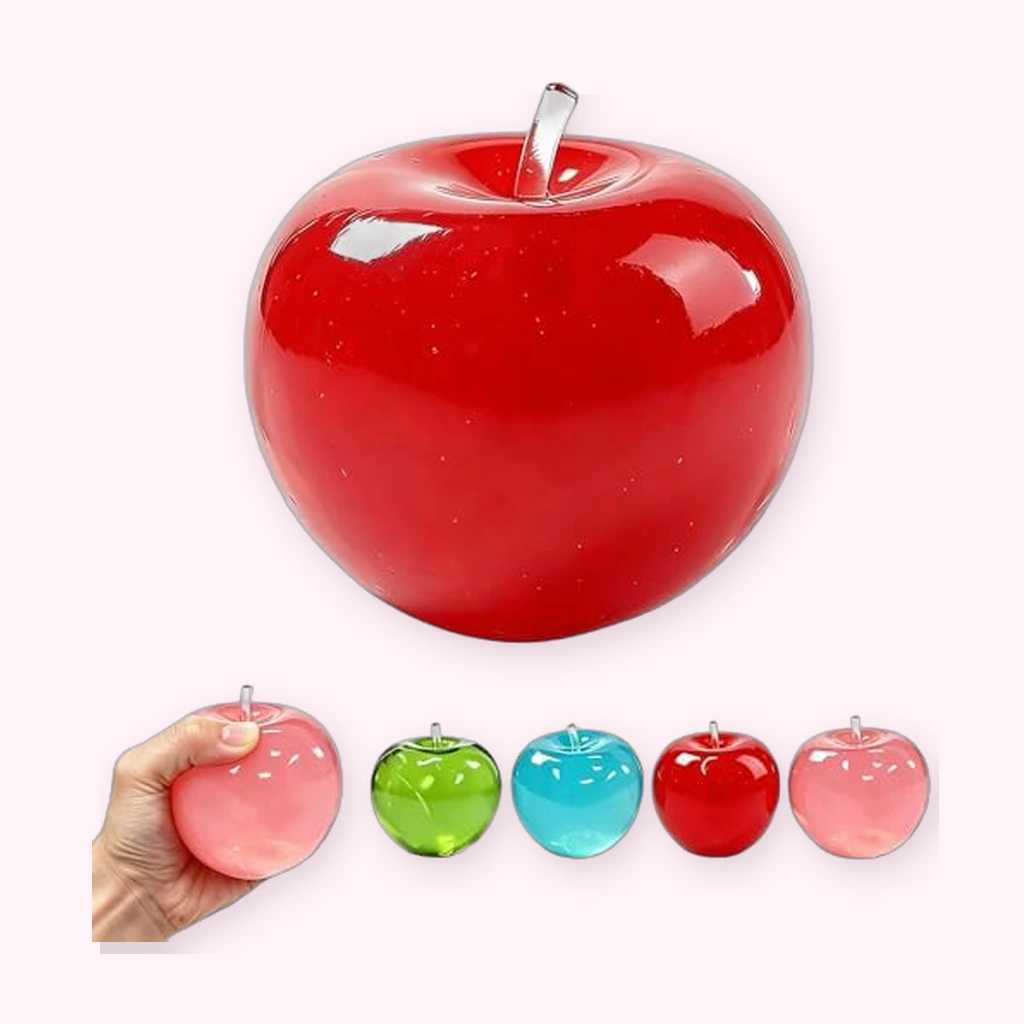
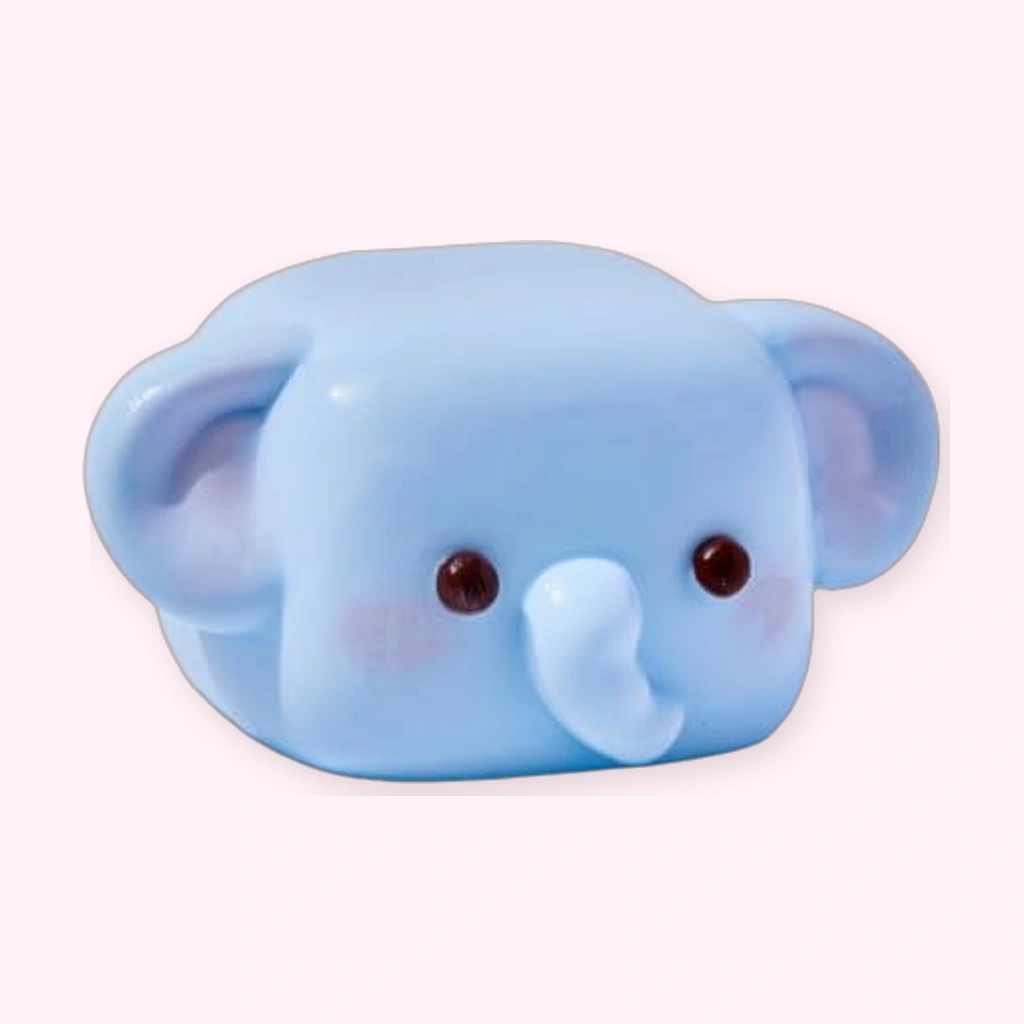
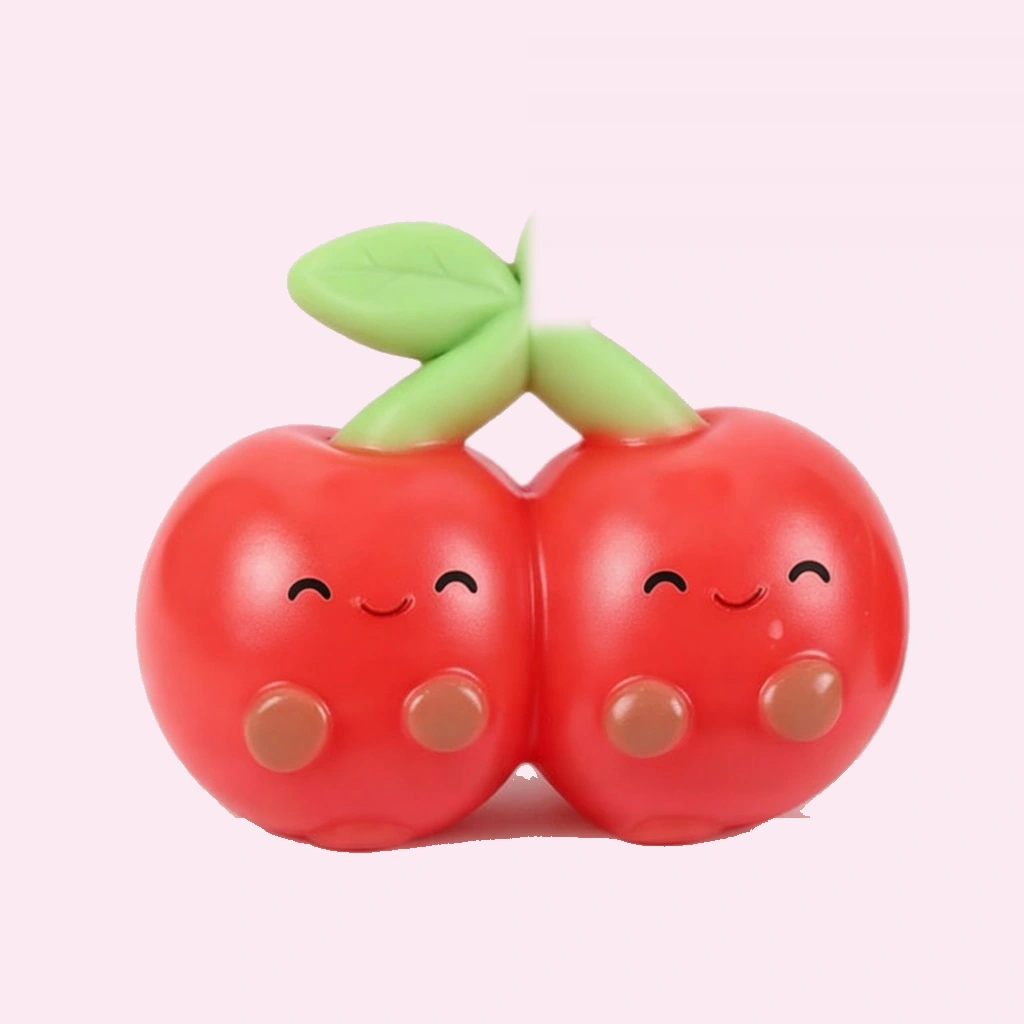
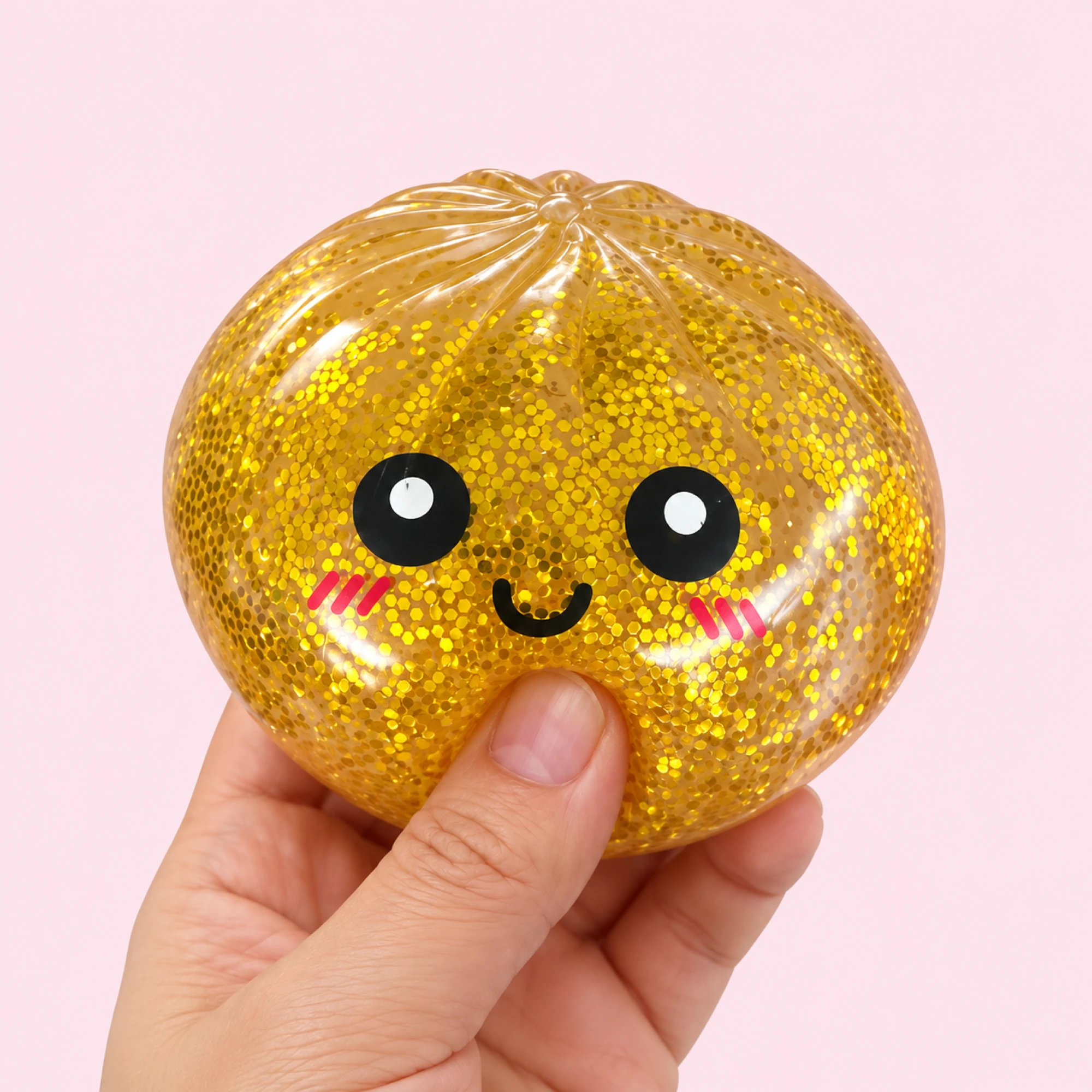
The most popular calming fidget toys. A squishy stress toy gives instant, repeatable feedback — squeeze, release, repeat. The resistance provides exactly the kind of deep tactile input that helps anxious nervous systems settle.
Tactile and visual options
Fidget cubes pack buttons, switches, and rollers into one quiet device — ideal for the classroom. Liquid motion timers and bubble timers offer mesmerizing, screen-free visual calm, perfect for transitions or bedtime.
Proprioceptive and oral tools
Weighted lap pads deliver gentle, grounding pressure during seated activities. For children who chew, food-grade chewable jewelry provides a safe alternative to shirt collars and pencils.
The Butter Squishy: Why Parents Are Talking About It
If you haven't encountered the butter squishy yet, you will. It's a fast-growing category that most product roundups still ignore — and it deserves attention.
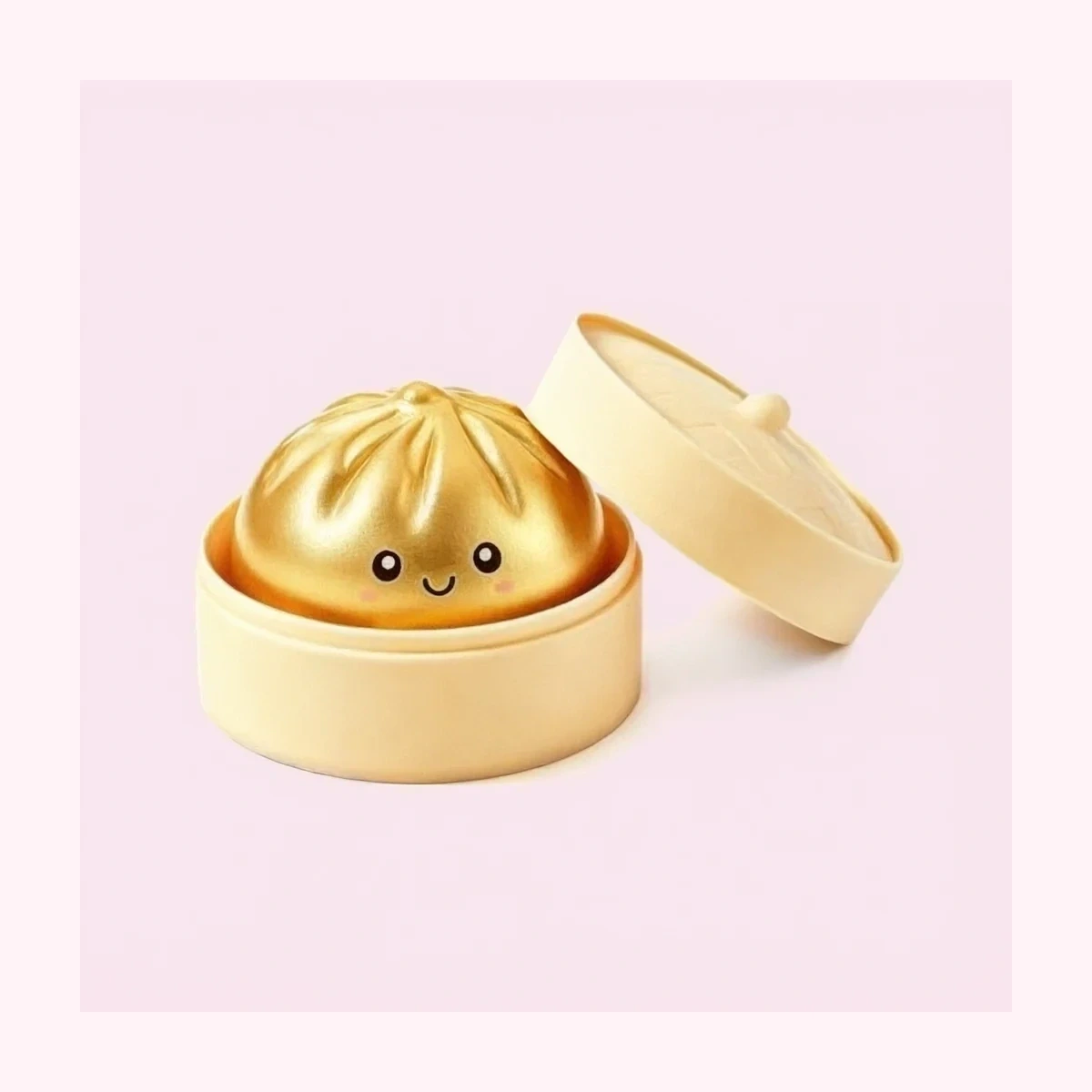
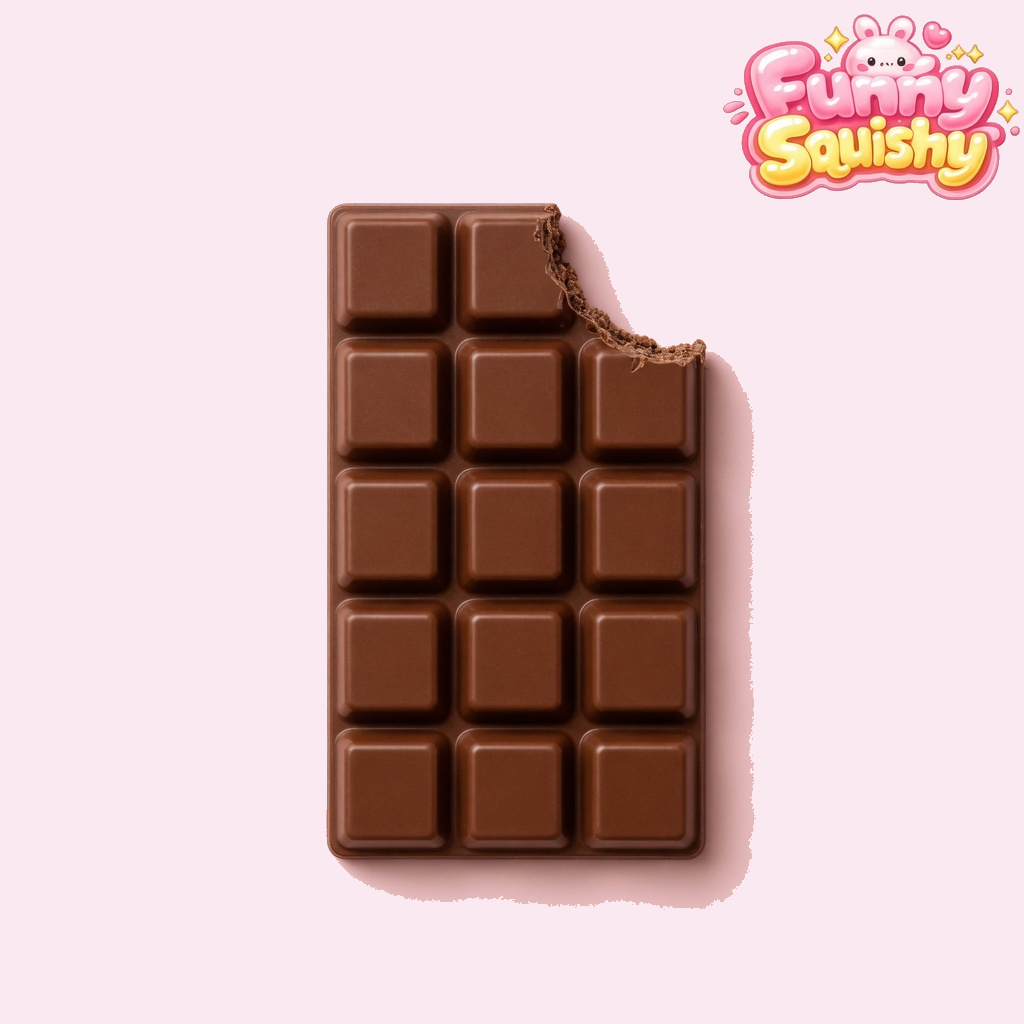
A butter squishy is a soft, slow-rebound squishy with a uniquely creamy, almost melting texture. Unlike a regular stress ball that snaps back instantly, a butter squishy compresses slowly and rises back gradually. That slow-rebound quality is the magic ingredient.
Why it works so well for sensory seekers:
- Deep, sustained tactile input: The slow give means the hands stay engaged longer, providing the prolonged pressure many seekers crave.
- Soothing repetition: Pressing and watching it slowly reshape itself is hypnotic and calming.
- Satisfying resistance without harshness: It's firm enough to feel substantial but soft enough to never feel jarring.
For a child who likes to knead, press, and squeeze for extended periods, a butter squishy often outperforms a snappy stress ball. It bridges the gap between a fidget and a genuine calming ritual.
Choosing by Age Group
Toddlers (1–3): Prioritize large, non-choking-hazard items with simple textures. Soft squishies (sized too big to swallow), textured balls, and chewable teethers work well. Always supervise.
School-age (4–11): This is the prime age for variety. Quiet classroom-friendly tools — fidget cubes, small butter squishies, pop tubes — let kids self-regulate without disturbing others. Weighted lap pads help with seated focus.
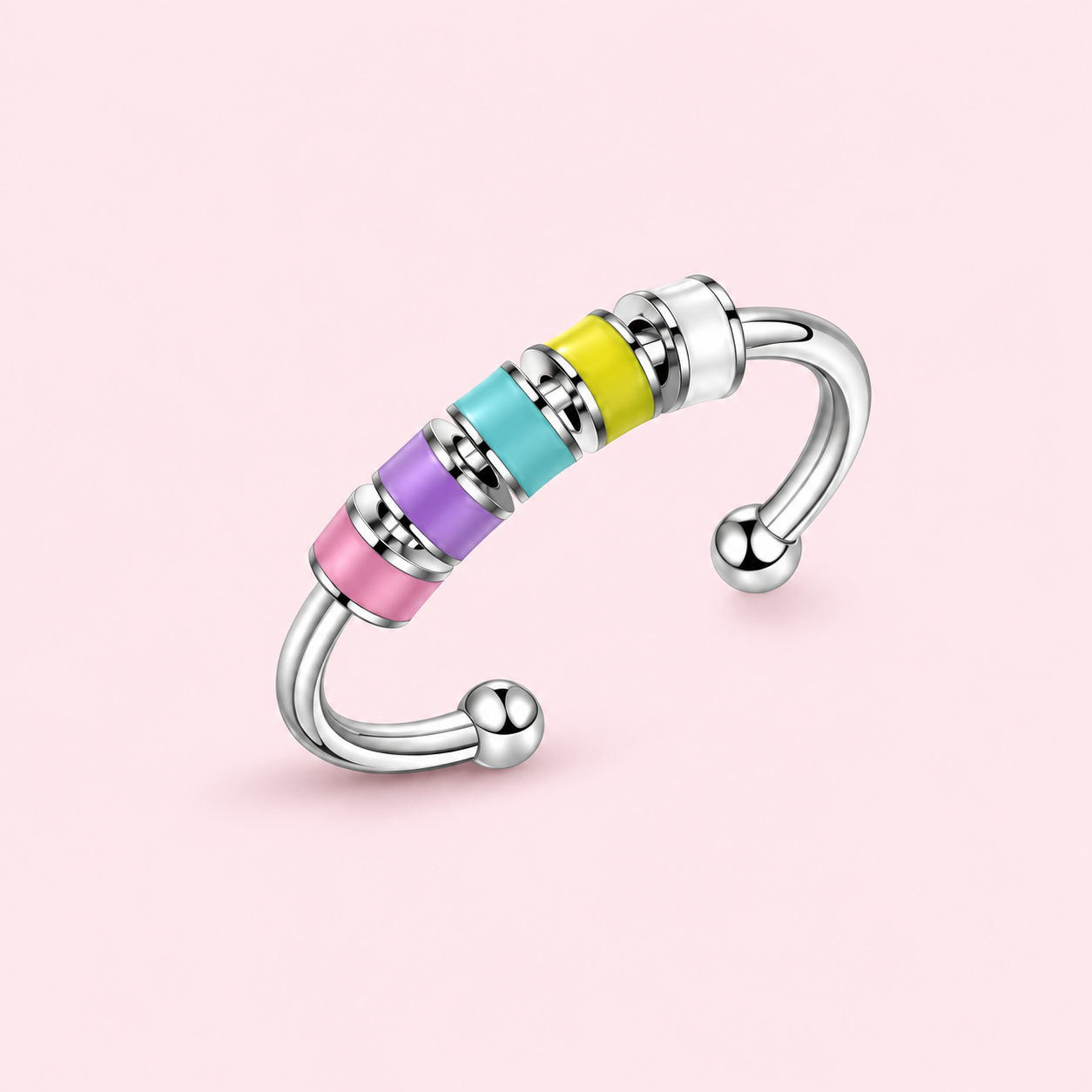
Teens (12+): Discretion matters. Older kids often prefer subtle, pocket-sized fidgets they can use without drawing attention — sleek metal spinners, small squishies, or rings. Avoid anything that looks "babyish," which can lead to it being abandoned.
Safety, Durability, and Cleaning
Sensory toys spend a lot of time in mouths, pockets, and on floors. Don't overlook the basics:
- Materials: Choose BPA-free, non-toxic silicone or food-grade materials, especially for any child who mouths or chews items.
- Chew-safety: If your child bites toys, only use products explicitly rated as safe for chewing. A standard squishy is not a chew toy.
- Durability: Cheap squishies can tear and leak filling. Read reviews for longevity.
- Cleaning: Wipe squishies and silicone toys with mild soap and water regularly. Chewables often need daily washing.
Matching Toys to Situations
The same child may need different tools at different moments:
- Classroom: Silent fidgets only — fidget cubes, small squishies, or putty under the desk.
- Car: Tethered or attached toys that won't roll out of reach; chewables for self-soothing.
- Bedtime: Calming, low-stimulation options — a butter squishy to knead, a liquid timer to watch, or a weighted lap pad.
- Public outings: Pocket-sized, discreet fidgets for managing waiting and unexpected stimulation.
Common Parent Mistakes (and Budget Alternatives)
A few pitfalls to avoid:
- Assuming one toy fits all. What calms one child may overwhelm another. Match the toy to the profile.
- Buying too many at once. A cluttered bin overwhelms kids and dilutes the calming effect. Start with two or three.
- Treating fidgets as rewards or punishments. They're regulation tools, not behavior currency.
You don't need a big budget. Effective DIY and low-cost options include:
- A balloon filled with flour or rice (a homemade stress ball)
- Dried beans or rice in a sealed bottle (visual/auditory fidget)
- A length of plastic chain or a smooth stone for tactile input
- Kinetic sand or homemade playdough for squeezing and shaping
FAQ
At what age can my child start using sensory toys? As early as toddlerhood, with age-appropriate, supervised choices. Avoid small parts and only offer chew-safe items to children who mouth objects.
Will a fidget toy distract my child from learning? Used appropriately, the opposite is usually true. A quiet fidget can absorb restless energy and improve focus. Choose silent, non-visual options for the classroom.
Is a butter squishy better than a regular stress ball? For children who crave prolonged, deep tactile input, often yes — the slow rebound keeps hands engaged longer. For kids who like quick, snappy feedback, a firm stress ball may suit better. Many families keep both.
How many sensory toys does my child actually need? Fewer than you'd think. A small rotation of two or three well-matched toys is more effective than a large, overwhelming collection.
Are sensory toys a replacement for therapy? No. They're a helpful tool that supports regulation, but they work best alongside guidance from an occupational therapist who knows your child.
How do I know if a toy is working? Watch for signs of calm: slower breathing, better focus, fewer meltdowns, or your child seeking it out independently when stressed. If a toy goes unused, it simply isn't the right fit.
Finding What Fits Your Child
The best sensory toy is the one your child reaches for again and again. Start by understanding whether they seek or avoid input, try a small selection, and pay attention to what genuinely calms them. A butter squishy might become a bedtime ritual; a fidget cube might quietly transform the school day. Trust your observations — you know your child best, and the right calming fidget can make a real difference in their everyday comfort.
Want the real thing instead of a craft? Grab our butter squishy and explore the full butter squishy collection — or browse all our squishy fidget toys.