

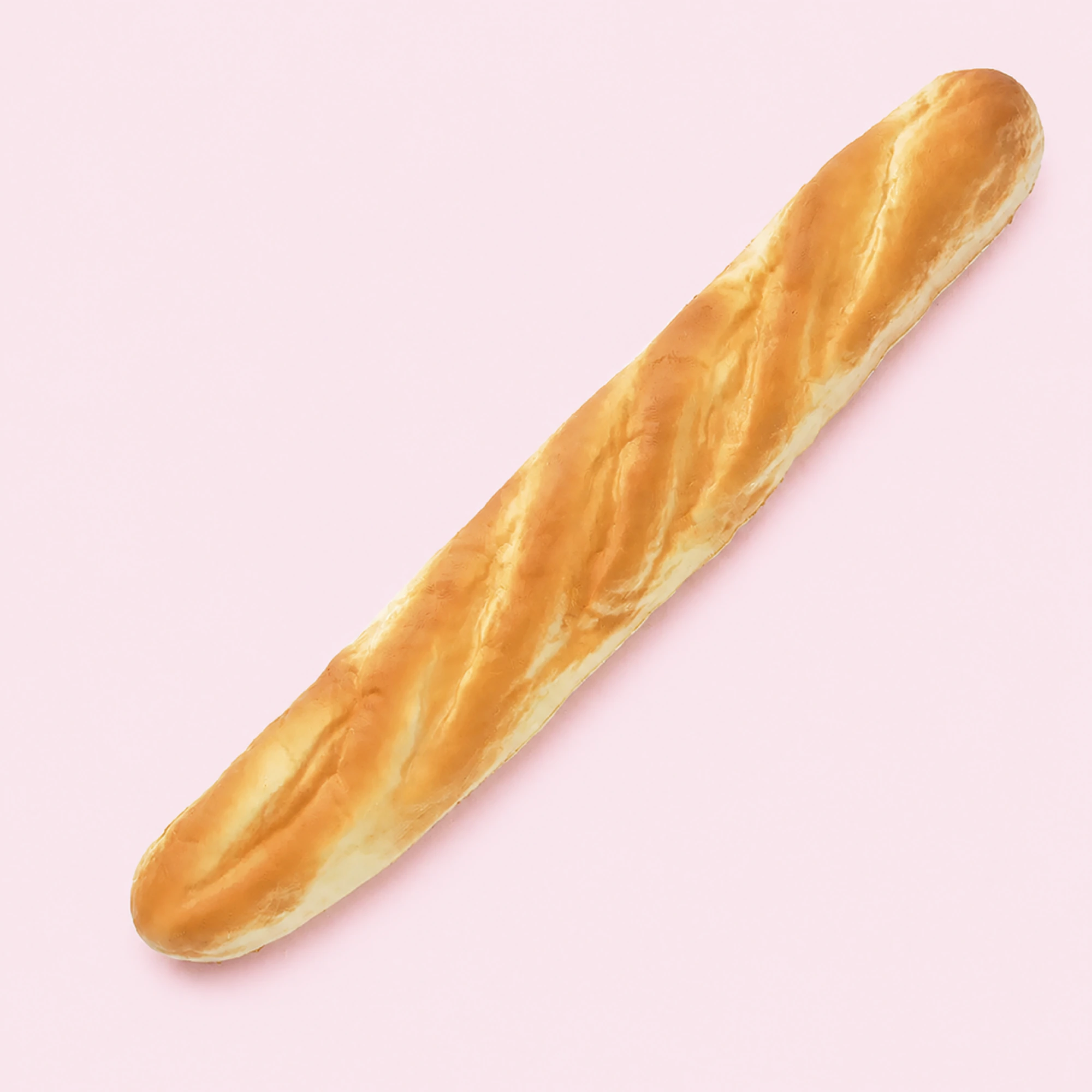
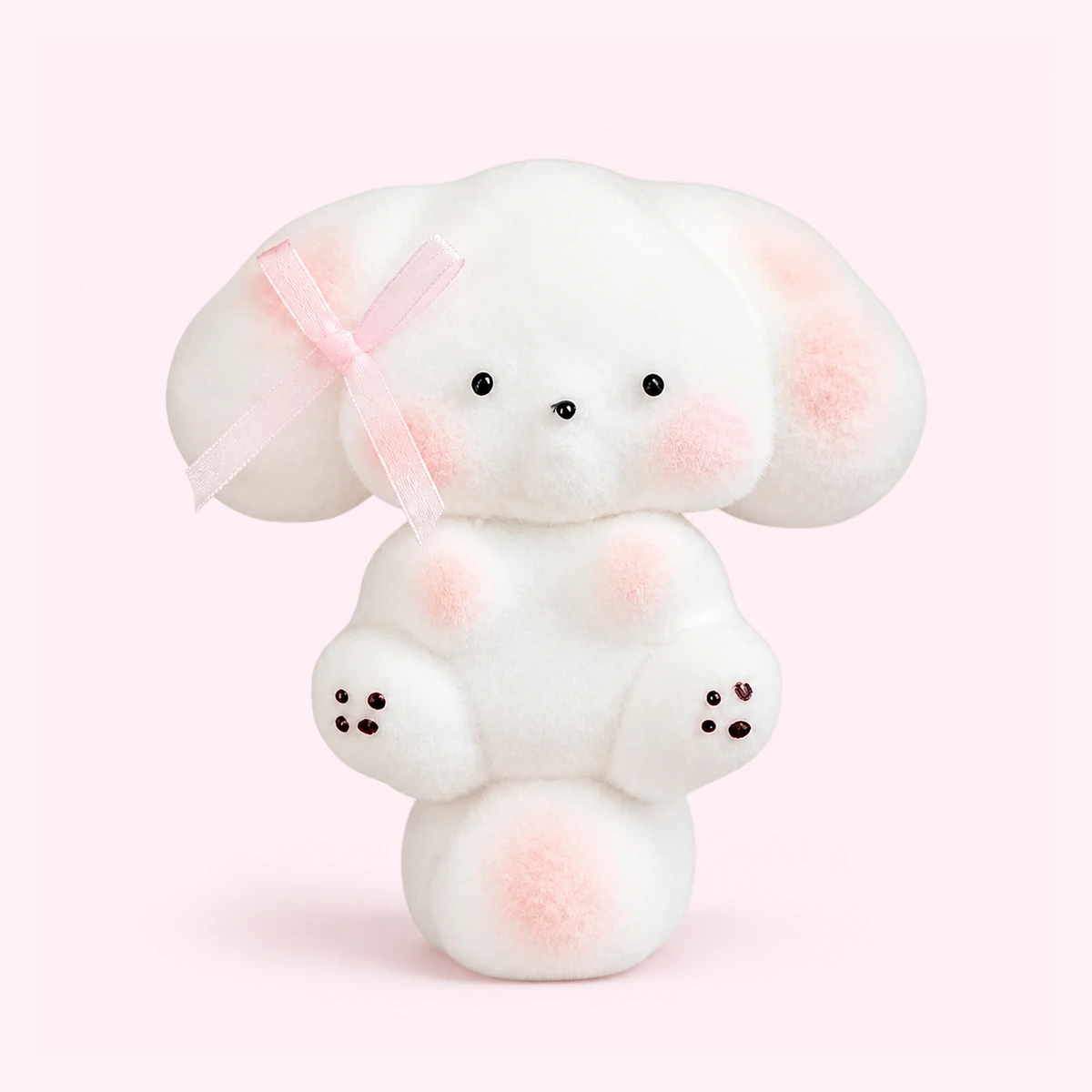
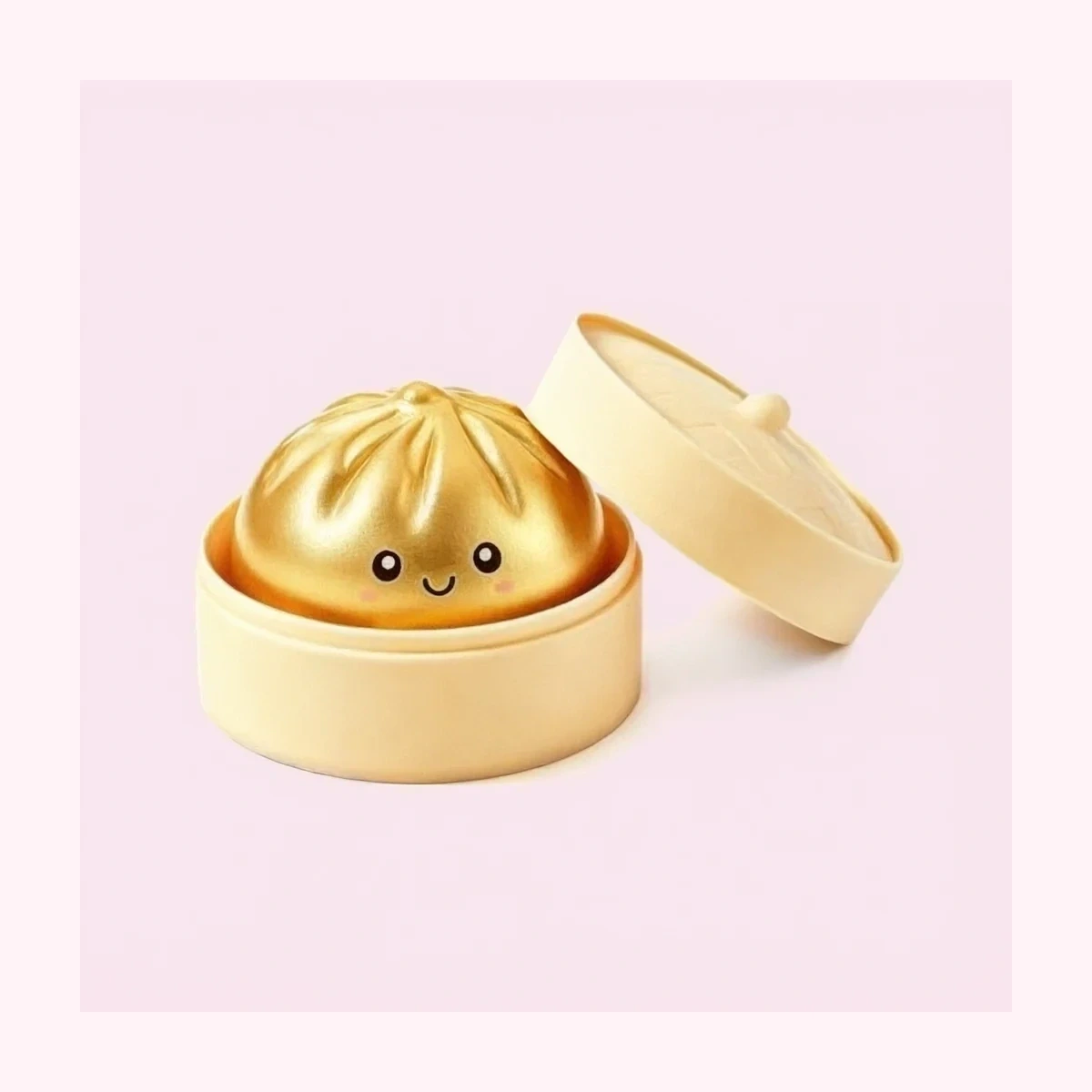
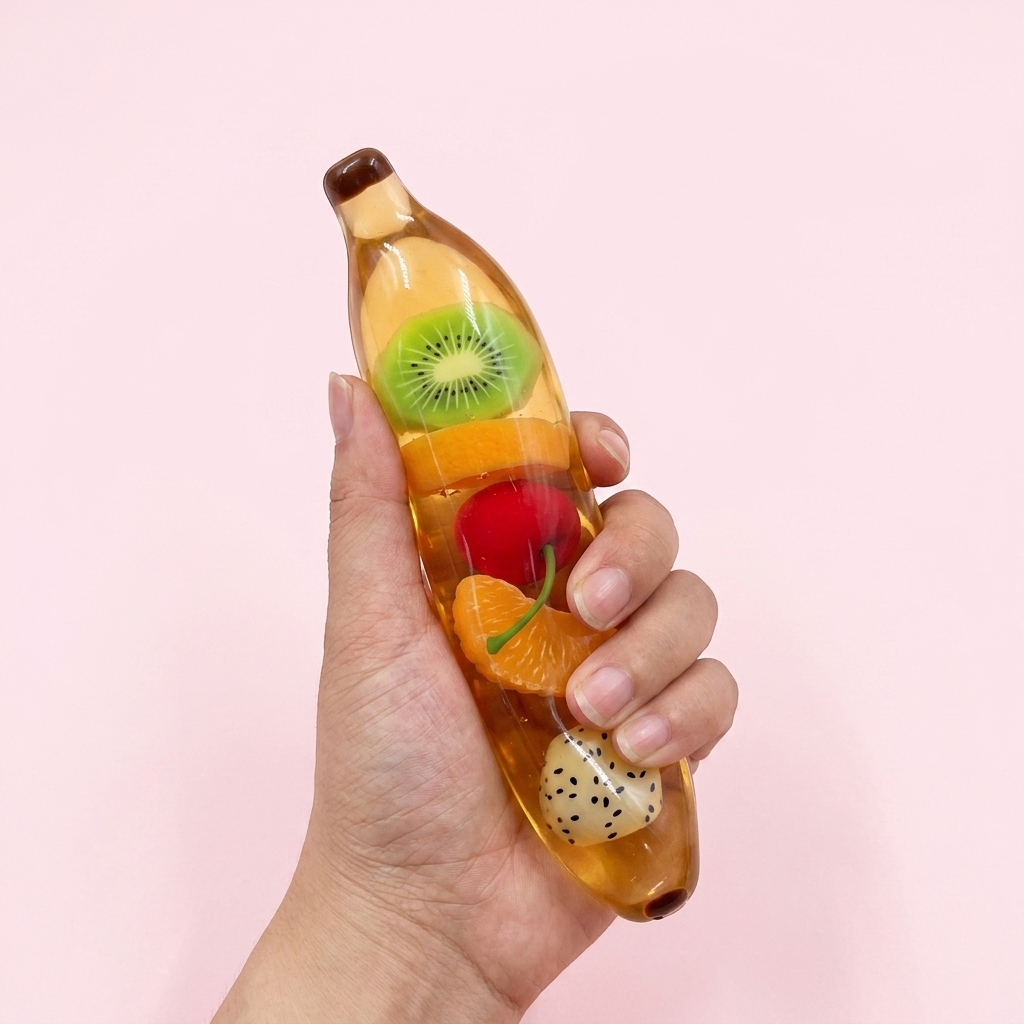

Every October, elementary teachers hit the same quiet snag: how do you celebrate Halloween with 24 wound-up kids without setting off a food-allergy scare, breaking a school no-food policy, or fielding a wave of parent emails about sugar? A growing number of classrooms have decided the answer isn't a candy bowl at all. It's one tidy box of non-food treats. And a 12-piece set of butter squishies has quietly become one of the smartest ways to pull it off.
This guide walks through what the Teal Pumpkin Project is, why teachers keep choosing non-candy options, and exactly how a single squishy gift box beats a mixed bag of chocolate for a class party or trick-or-treat night.
What You'll Find in This Guide
- What the Teal Pumpkin Project actually is
- Why food allergies make candy risky at school
- Why teachers prefer non-candy classroom Halloween treats
- Bowl of candy vs. one uniform gift box: the real difference
- Why a 12-piece box of butter squishies wins
- A class party checklist teachers can copy
- Non-candy ideas for trick-or-treating at home
- FAQ
What Is the Teal Pumpkin Project?
The Teal Pumpkin Project is a national awareness campaign from FARE (Food Allergy Research & Education). The idea is simple and visual. Put a teal-colored pumpkin on your porch — or in your classroom — to signal that you offer non-food treats alongside or instead of candy.
Teal has stood for food-allergy awareness for decades, so the pumpkin works like a quiet promise: a child with allergies can join in safely here. Families can even add their home to FARE's interactive Teal Pumpkin map so trick-or-treaters know where the allergy-friendly stops are.
Inclusion is the whole point. Roughly 1 in 13 kids in the U.S. has a food allergy, and for a lot of them, traditional Halloween is one long "you can't have that." A teal pumpkin — and a box of non candy halloween treats — flips the message from no to yes, you belong here.
How to participate in three steps:
- Offer non-food treats (stickers, squishies, mini toys, glow items).
- Display a teal pumpkin — real, painted, or printable.
- Optionally, register your location on FARE's map and print their free posters for your classroom door.
Why Food Allergies Make a Candy Bowl Risky at School
At home, you control the candy bowl. In a room of 20–30 kids? You control almost nothing.
Common Halloween candies carry the most frequent allergens: peanuts, tree nuts, milk, soy, and wheat. Even "safe-looking" chocolate can be made on shared equipment. For a child with a severe peanut allergy, one fun-size candy bar isn't a treat. It's a potential emergency.
That's why the teal pumpkin project lands so hard in schools. It kills the guessing game outright. When every child gets the same non-food item, there's no label-reading, no "who can have what," and no anxious kid stuck watching from the sidelines.
Why Teachers Prefer Non-Candy Classroom Halloween Treats
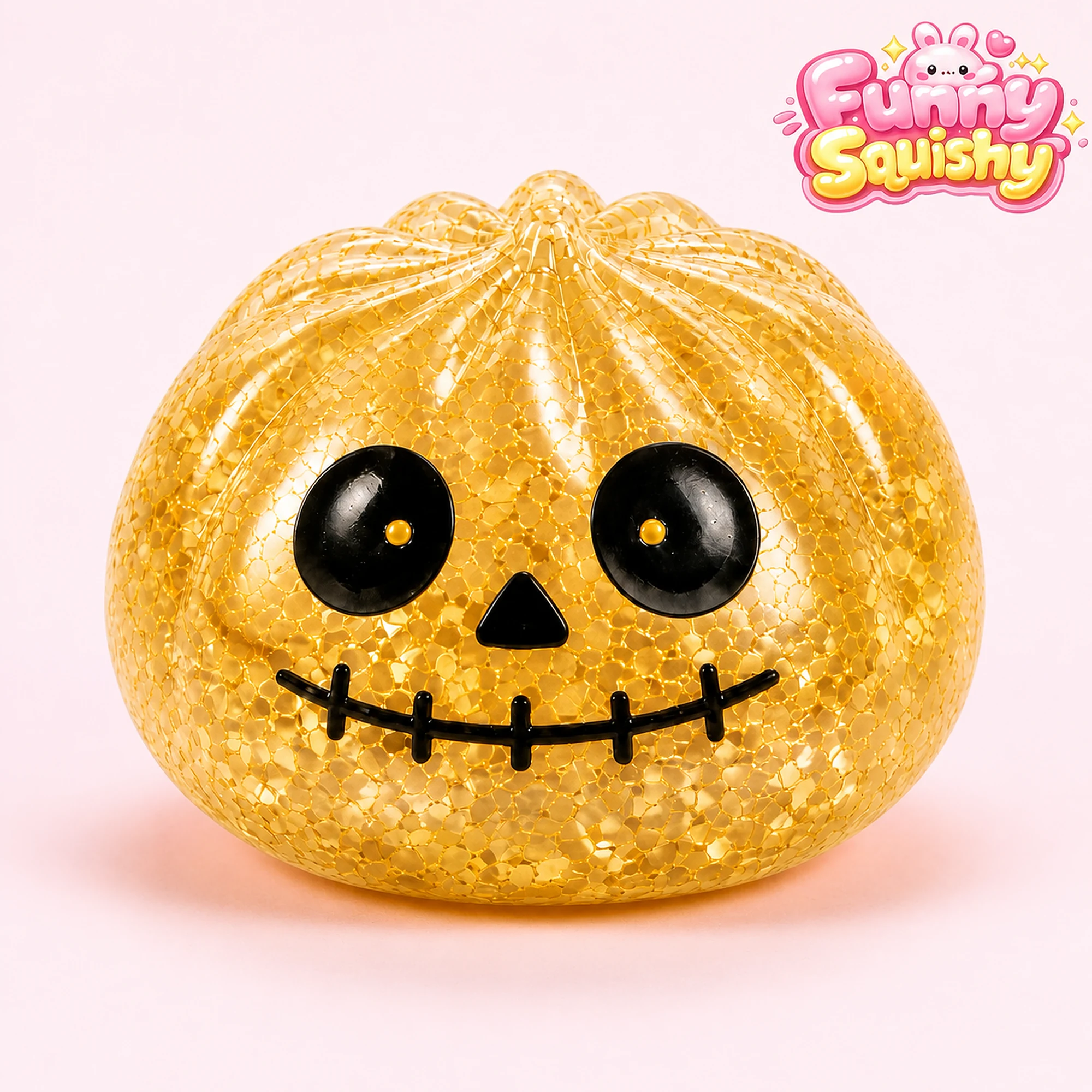
Allergies are the headline. But ask any veteran teacher and the case for non-food treats runs much deeper. Schools are drifting toward food-free celebrations for a stack of practical reasons:
- Allergy safety — no risk of a reaction on the teacher's watch.
- Dietary and religious restrictions — kosher, halal, and vegan families don't have to opt out.
- Diabetic and health-conscious students — no sugar spike, no awkward exclusion.
- Dental and wellness policies — many districts now discourage classroom candy.
- Parent relations — nobody emails you about their kid's sugar crash after lunch.
- Fairness and consistency — every child gets the exact same thing, which matters to young kids more than adults tend to think.
A candy bowl is unequal by design. Kids grab, compare, and haggle. A uniform set of classroom halloween treats skips all of it. Everyone opens the same gift. Nobody feels cheated.
Bowl of Candy vs. One Uniform Gift Box: The Real Difference
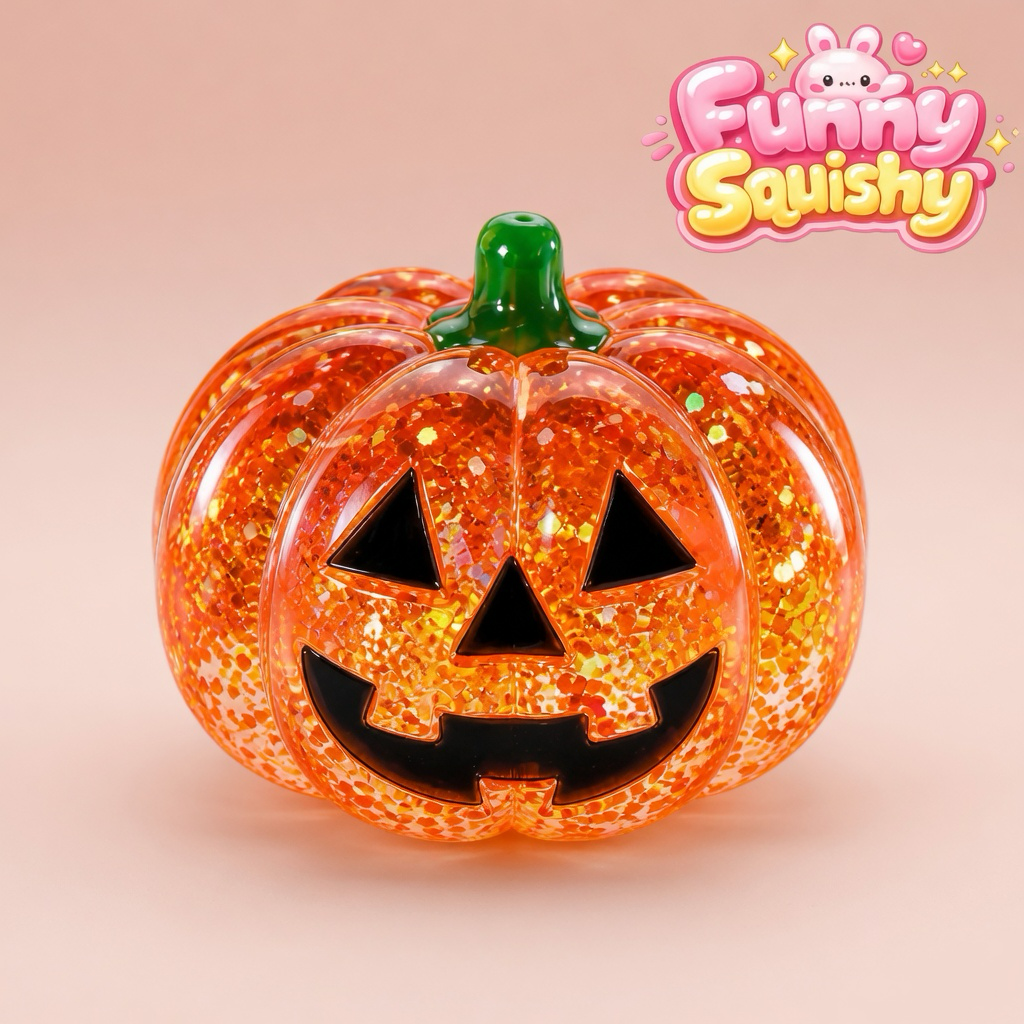
Here's the operational comparison teachers actually care about. A class party isn't about theory. It's about logistics.
| Factor | Bowl of Mixed Candy | 12-Piece Non-Food Gift Box |
|---|---|---|
| Allergy risk | High and unpredictable | Zero |
| Portion consistency | Uneven (kids grab different amounts) | Identical for every child |
| Prep time | Sorting, checking labels, dividing | Open box, hand one out |
| School policy compliance | Often violates no-food rules | Compliant |
| Parent complaints | Sugar, fairness, allergens | Rare |
| Lasts past the party | Eaten in minutes | Kept for weeks or months |
| Cost predictability | Varies by bag | Fixed, easy to budget |
The bowl wins on nostalgia. The box wins on nearly everything a teacher is actually responsible for.
Why a 12-Piece Box of Butter Squishies Wins
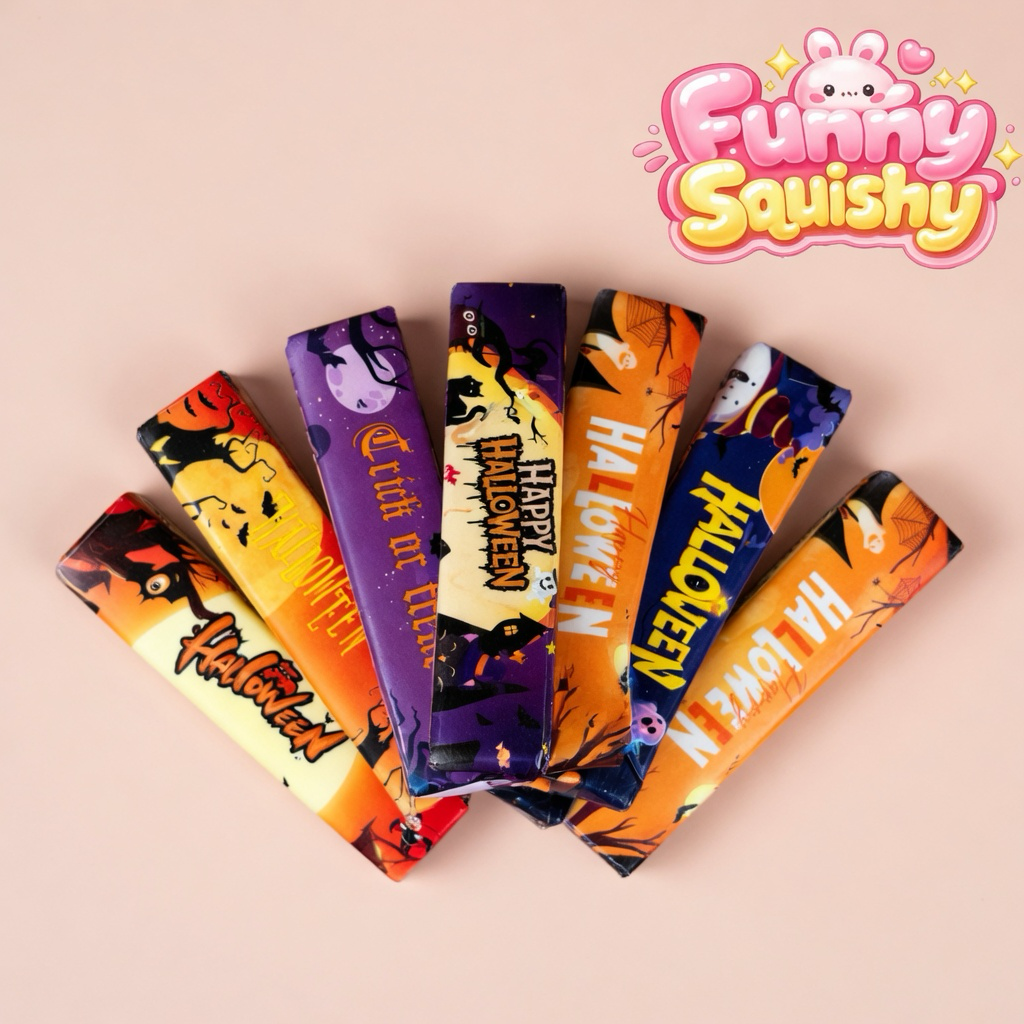
So why squishies, and why a 12-piece box specifically?
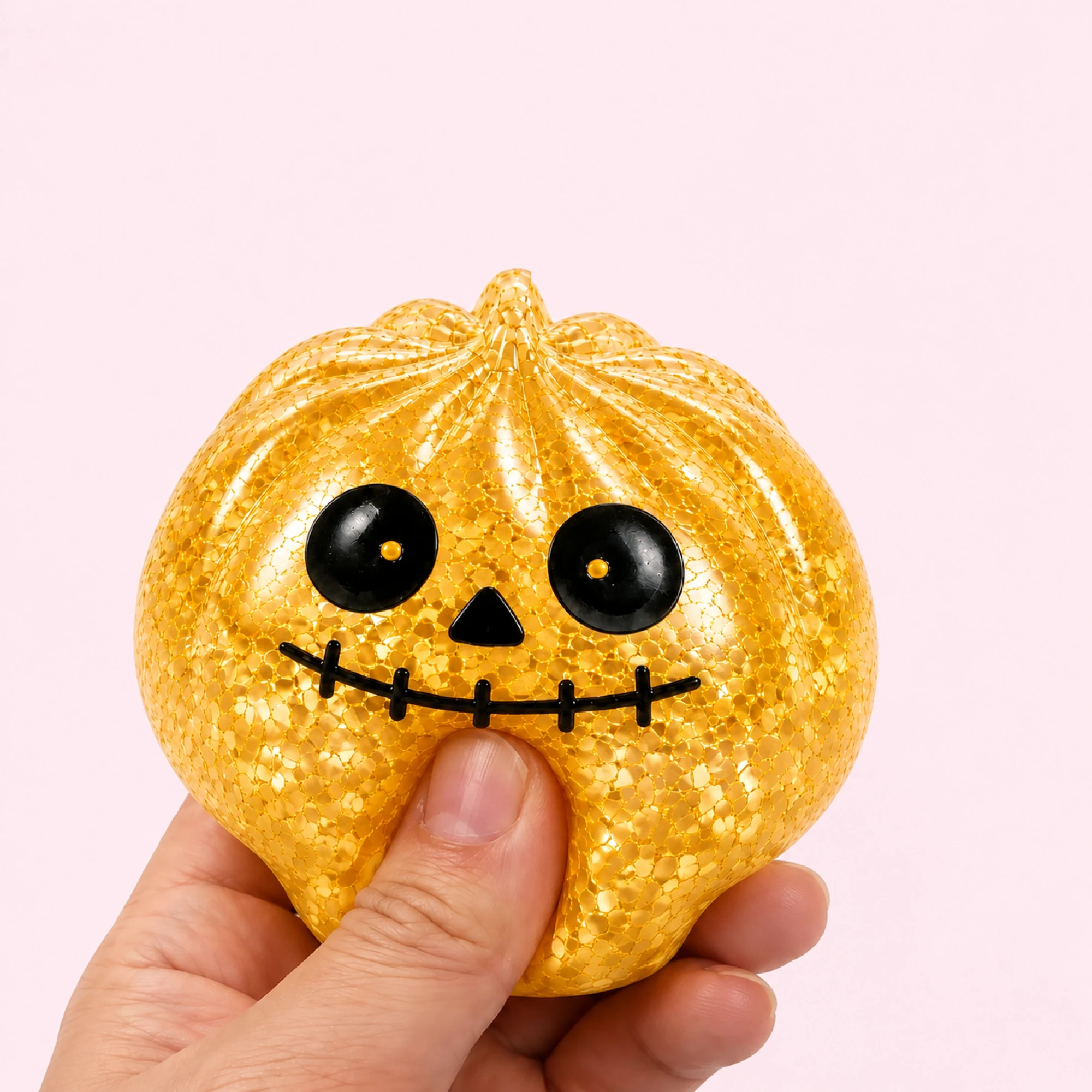
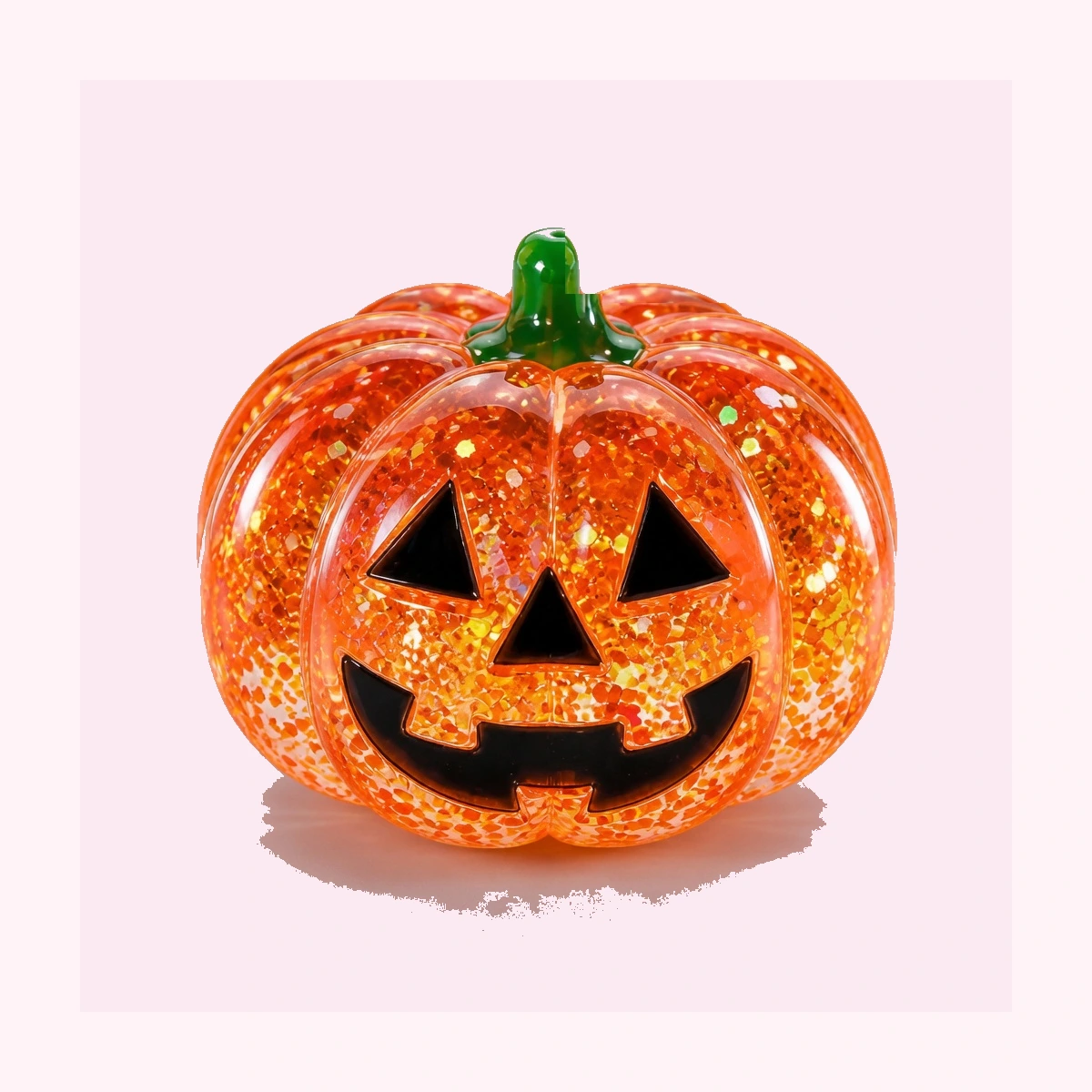
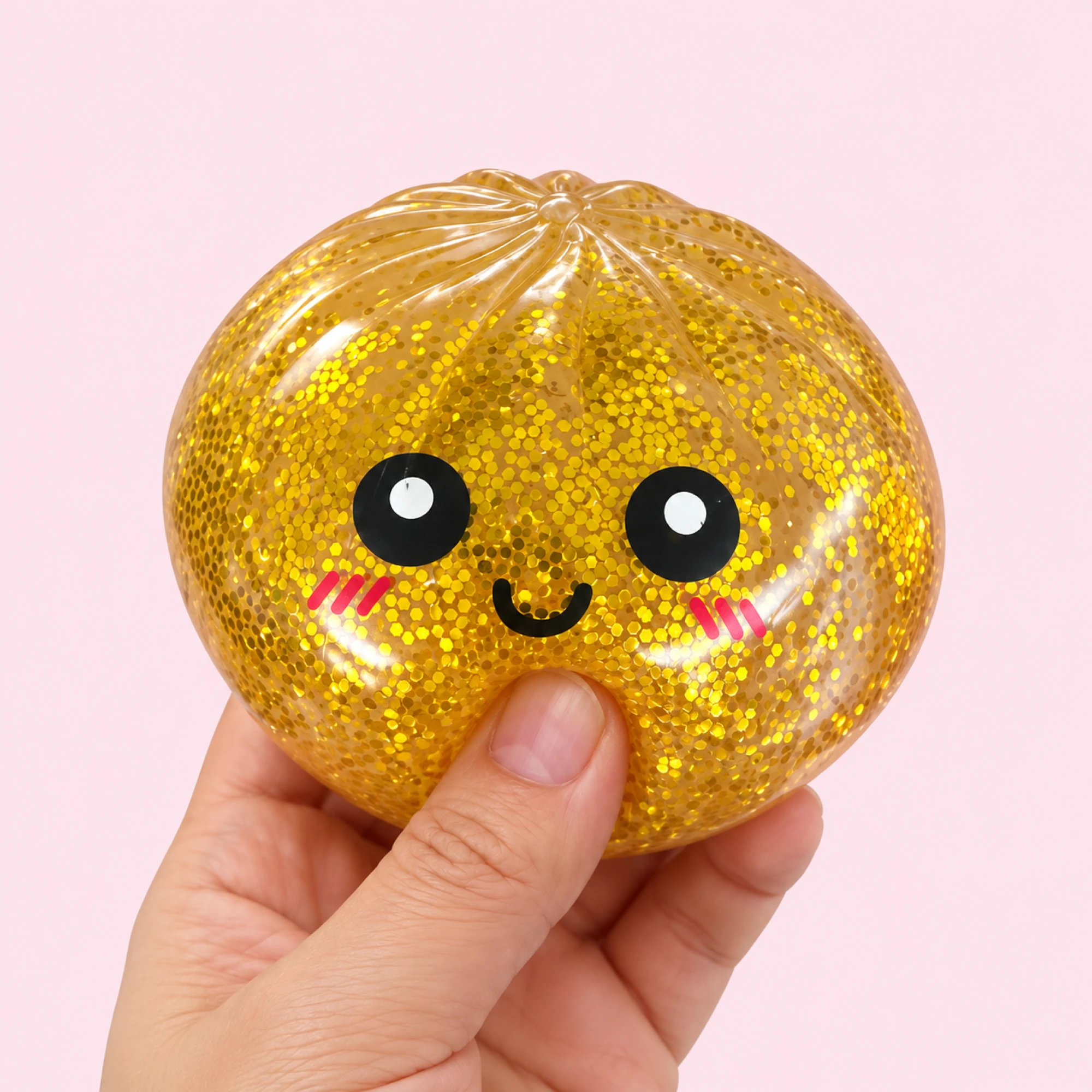
Butter squishies are soft, slow-rising foam toys shaped like little pats of butter, pastries, or food-inspired characters. Kids squeeze them, stretch them, and fidget with them long after Halloween wraps up. They hit a sweet spot most non-candy items miss: genuinely fun, not a consolation prize.
Here's what makes a boxed 12-piece set stand out for a class party:
- Batch-ready for teachers. One box, one purchase, one price. No assembling a random assortment, no multiple runs to the store. It's built for a group.
- Perfectly equal. Every child gets the same squishy. The fairness problem, solved in one move.
- Totally allergen-free. No food, no labels, no risk. A natural fit for the teal pumpkin table.
- Lasting play value. Candy vanishes by 3 p.m. A squishy becomes a desk fidget, a backpack clip-along, a comfort toy. Parents notice.
- Sensory-friendly. For kids with ADHD, anxiety, or sensory needs, a squeezable fidget is a quiet classroom win — not just a Halloween one.
- Budget-smart. A dozen squishies in one box usually costs less per child than name-brand candy, and the value lasts. Parents appreciate that.
The kids' reaction gives it away. Hand a child a mini chocolate bar and they say thanks. Hand them a squishy and they're already squeezing it, showing their neighbor, asking if they can keep it. That's the gap between a treat that gets eaten and one that gets loved.
For halloween goodie bag fillers, a squishy also fixes a common headache: it fills a bag with something substantial and exciting on its own, so you don't have to pad it out with a dozen tiny throwaway trinkets.
A Class Party Checklist Teachers Can Copy
Want a smooth, inclusive Halloween party? Here's the practical version most creative-idea lists skip:
2–3 weeks before:
- Confirm your school's food and celebration policy.
- Order your non-food treats (a 12-piece squishy box covers a small class; order two for larger rooms).
- Grab or paint a teal pumpkin for the party table.
- Download FARE's free printable posters for your classroom door.
1 week before:
- Send a short note home: "Our party will be food-free and allergy-friendly this year." Parents love the heads-up.
- Plan 2–3 non-food activities (costume parade, pumpkin decorating, a mummy-wrap game).
Party day:
- Set the teal pumpkin front and center as a talking point.
- Hand each child the same squishy — one box, one gift, no sorting.
- Skip the candy bowl entirely, or send any donated candy home unopened.
Non-Candy Ideas for Trick-or-Treating at Home
The classroom isn't the only place a teal pumpkin belongs. Setting one out on your porch? Keep a bowl of non candy halloween treats ready alongside (or instead of) candy:
- Butter squishies and mini fidget toys
- Glow sticks, glow bracelets, and glow rings
- Stickers, temporary tattoos, and stamps
- Bubbles and bouncy balls
- Mini notebooks, crayons, or pencils
- Spider rings, vampire teeth, and small novelty toys
Buy a bulk box and you're stocked for the porch and covered for the classroom. One purchase, two occasions.
FAQ
What is the point of a teal pumpkin? A teal pumpkin signals that you offer non-food Halloween treats, which makes the holiday safe and inclusive for children with food allergies and dietary restrictions. It's part of FARE's Teal Pumpkin Project.
Do I have to give out only non-food treats? No. You can offer candy and non-food items together — just keep them in separate bowls so allergens don't cross over, and let the teal pumpkin flag that safe options are available.
Are butter squishies safe for young kids? Squishies are best for kids old enough not to mouth small toys. For a general classroom (ages 5+), they're a durable, excellent choice. Always check the age recommendation on the packaging.
How many treats do I need for a class party? Count your students and toss in a few extras for aides, siblings, or spares. A 12-piece box suits a small class; larger rooms may need two. Buying by the box keeps the math — and the budget — simple.
Why are schools moving away from candy? A mix of food allergies, diabetic and dietary needs, religious restrictions, wellness policies, and plain fairness. Non-food treats sidestep all of it at once.
Where can I register for the Teal Pumpkin Project? FARE (foodallergy.org) hosts a free interactive map where you can add your home, plus printable signs and posters for home or the classroom.
A Halloween party doesn't have to pick between fun and inclusion. Swap the candy bowl for one box of squishies, set a teal pumpkin on the table, and you've built a celebration where every single kid — allergy or not — gets the same treat, the same smile, the same feeling of belonging. That's a win worth squeezing.
🎃 Shop This Guide
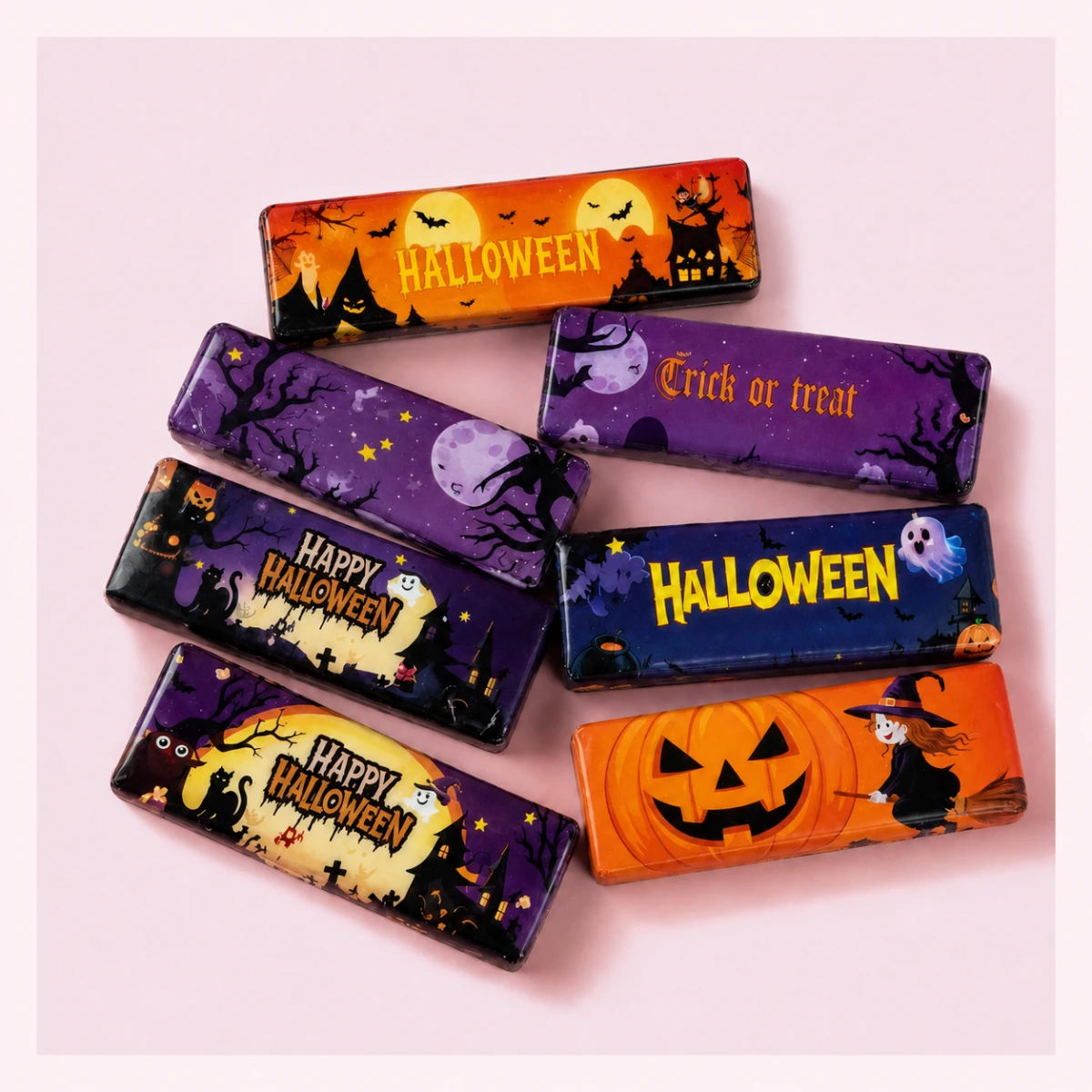
Halloween Butter Squishy 12-Pack Display Box — $19.99
Shop now →Browse the full butter squishy collection for more classroom-ready sets.