

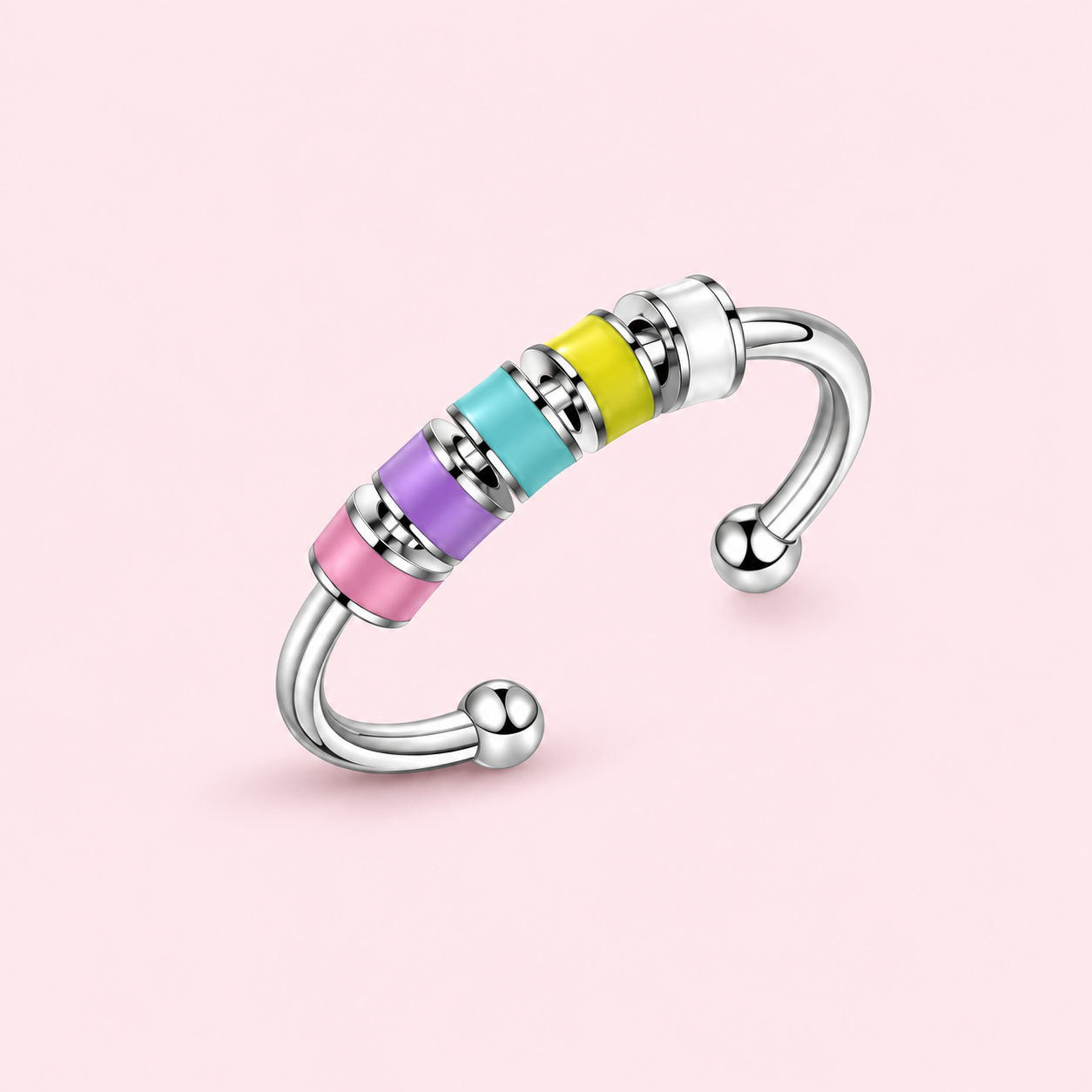
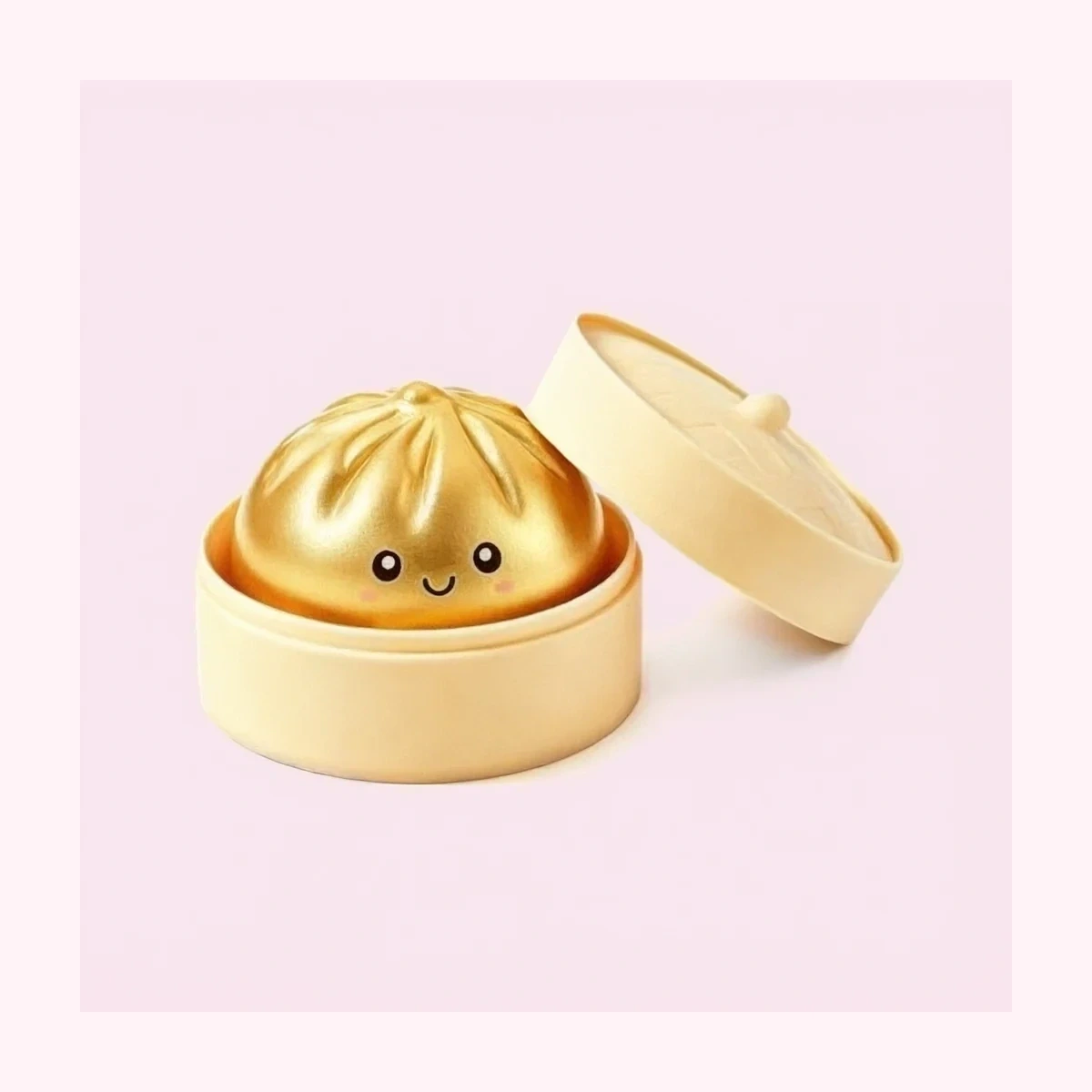
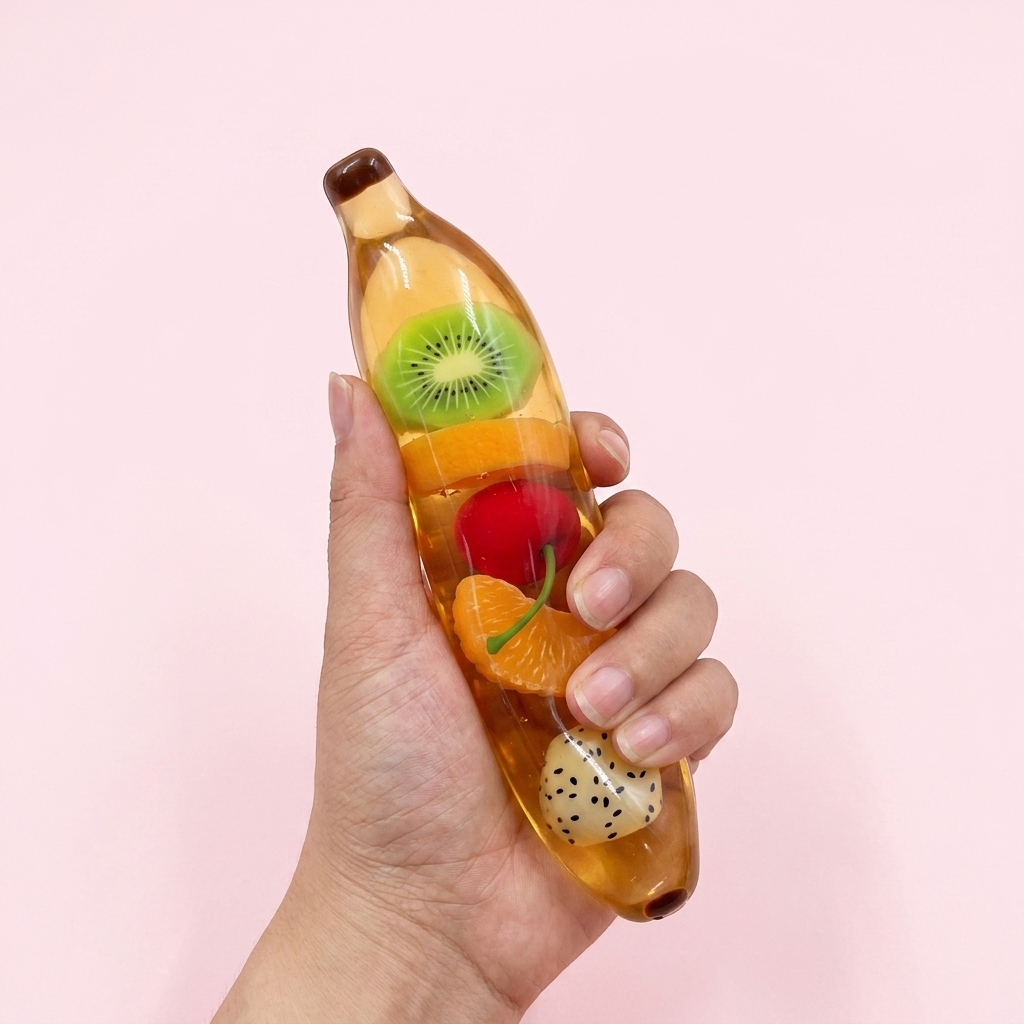

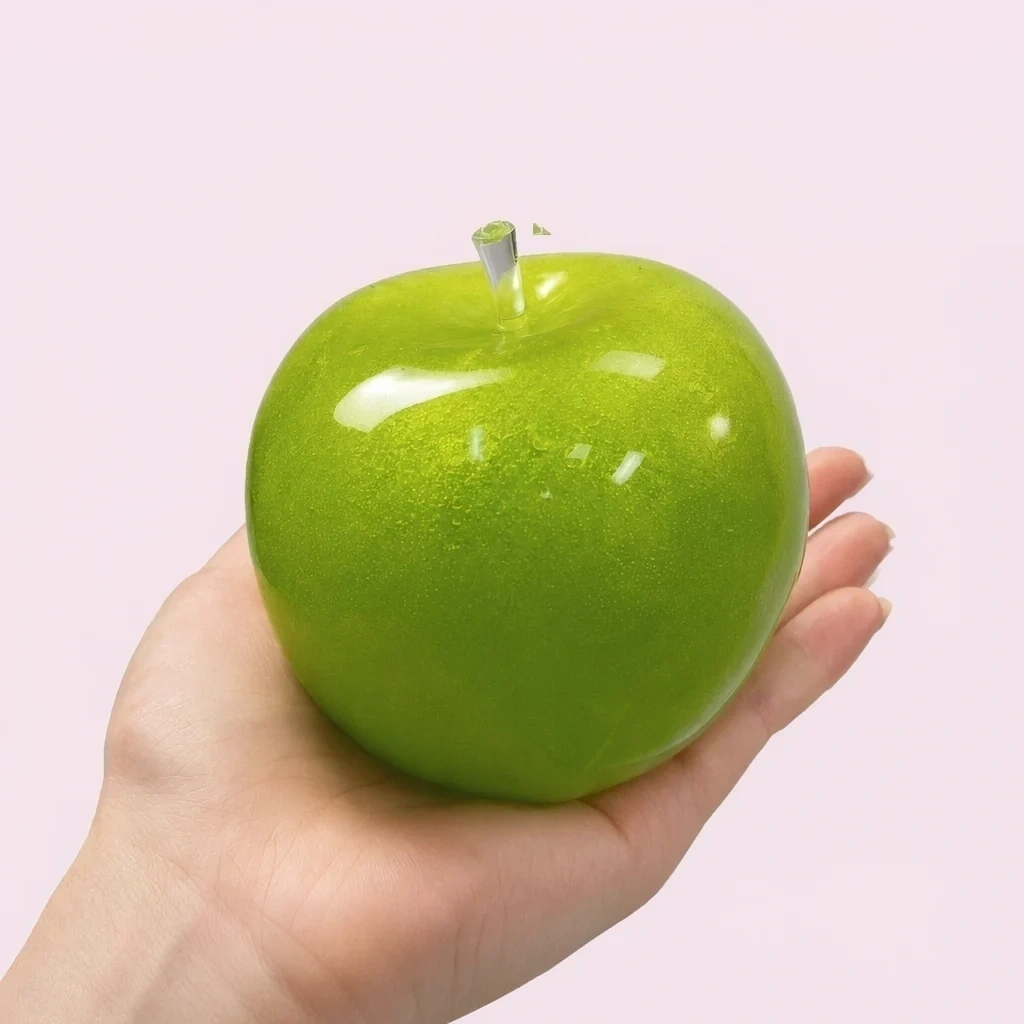
There's a specific kind of magic in pressing your thumb into something soft and watching the dent stay there. No spring, no snap-back, no resistance fighting your hand. That's the entire appeal of the zero bounce back squishy — a category of stress toy that has quietly taken over TikTok feeds and desk drawers alike. Unlike the foam stress balls of a decade ago, these toys don't undo your work the moment you let go. You sculpt them, and they hold the shape until you decide otherwise.
If you've ever fallen down a late-night rabbit hole of squishing videos and wondered what makes them so hypnotic — or which one you should actually buy — this guide covers the science, the materials, and the buying decisions that the product pages never bother to explain.
Table of Contents
- What "Zero Bounce Back" Actually Means
- Zero Rebound vs. Slow Rebound vs. Fast Rebound
- The Main Types of ASMR Squishies
- Why They Feel So Satisfying: The ASMR Mechanism
- Material Safety and What to Check
- Best Use Cases
- How to Spot a High-Quality Squishy
- Care and Cleaning
- FAQ
What "Zero Bounce Back" Actually Means
Most stress toys are designed to return to their original shape — that's the whole point of a traditional stress ball. A zero bounce back squishy flips that idea on its head. When you squeeze, pinch, or flatten it, the material deforms and simply stays deformed. The shape is yours to control.
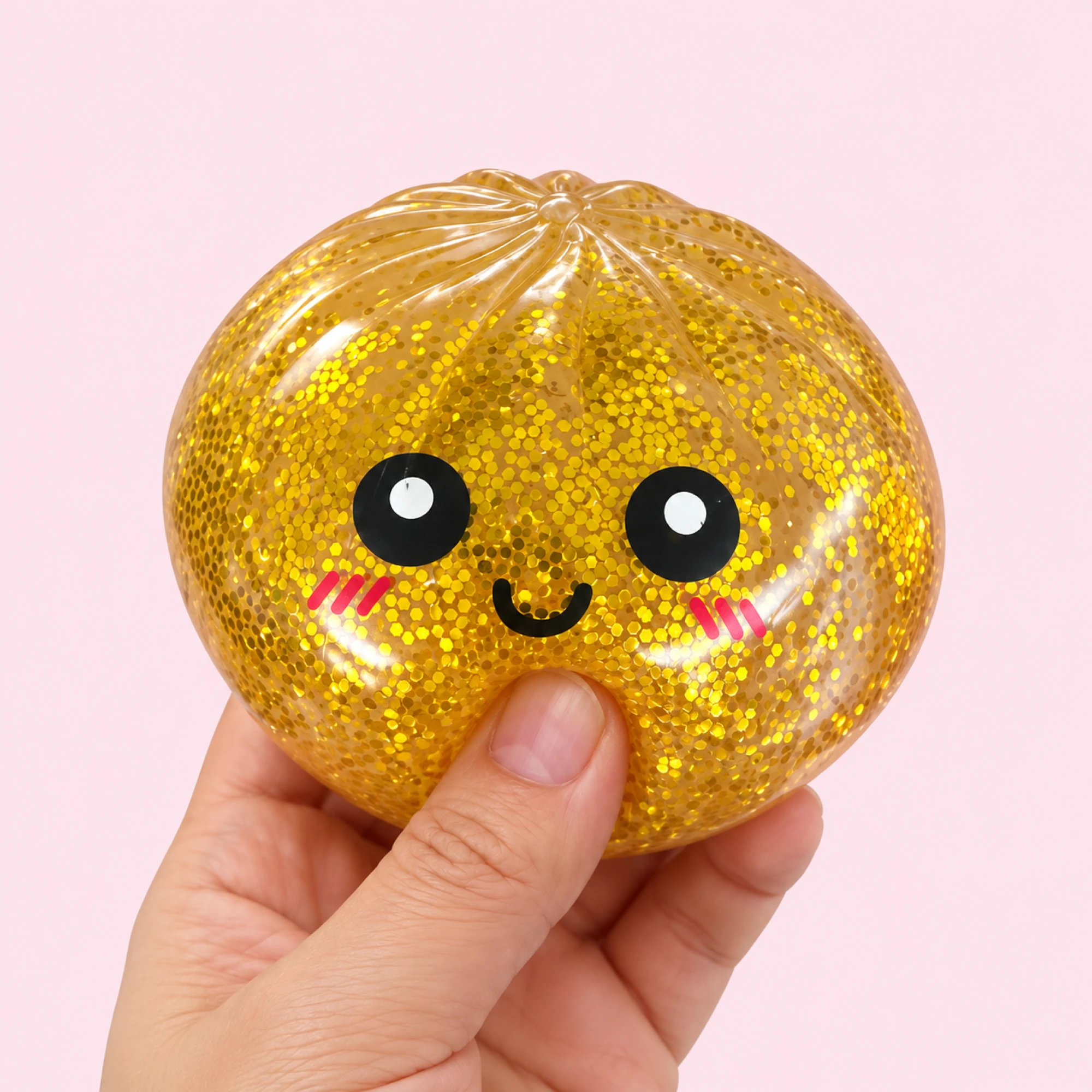
This matters more than it sounds. A rebounding ball gives you a single moment of squish, then resets and asks you to do it again. A zero-rebound toy gives you a continuous canvas. You can drag a ridge across it, leave fingerprints, mound it up and smooth it flat. The satisfaction comes not from the snap, but from the control — a slow, deliberate, low-stakes act of shaping something with your hands.
This is the core feature that separates these toys from foam squishies, and oddly, it's the one thing almost no product listing explains.
Zero Rebound vs. Slow Rebound vs. Fast Rebound
Understanding the three rebound profiles helps you pick the right feel:
- Fast rebound — Classic foam stress balls and traditional squishies. Snap back instantly. Great for repetitive grip-and-release tension relief, but the sensation is brief and repetitive.
- Slow rebound — Memory-foam-style toys that slowly creep back to shape over several seconds. A middle ground; satisfying to watch reinflate, but the toy eventually "undoes" your work.
- Zero rebound — The toy holds whatever shape you give it indefinitely. Maximum control, maximum sculpting potential, and the most meditative of the three.
There's no objectively "best" option — fidgeters who like fast, rhythmic squeezing may prefer rebound. But for ASMR satisfaction and focused, calming play, zero rebound wins.
The Main Types of ASMR Squishies
Not all zero bounce back toys feel the same. The material changes everything.
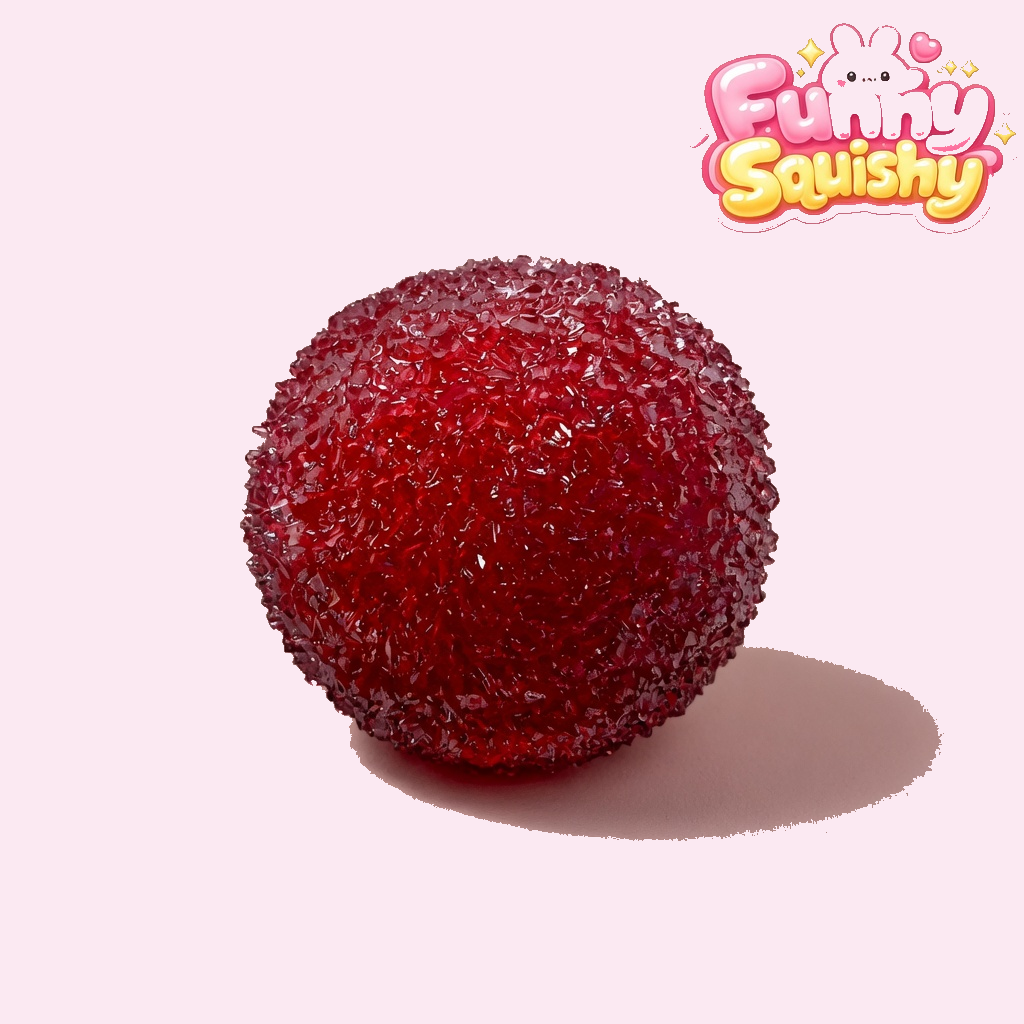
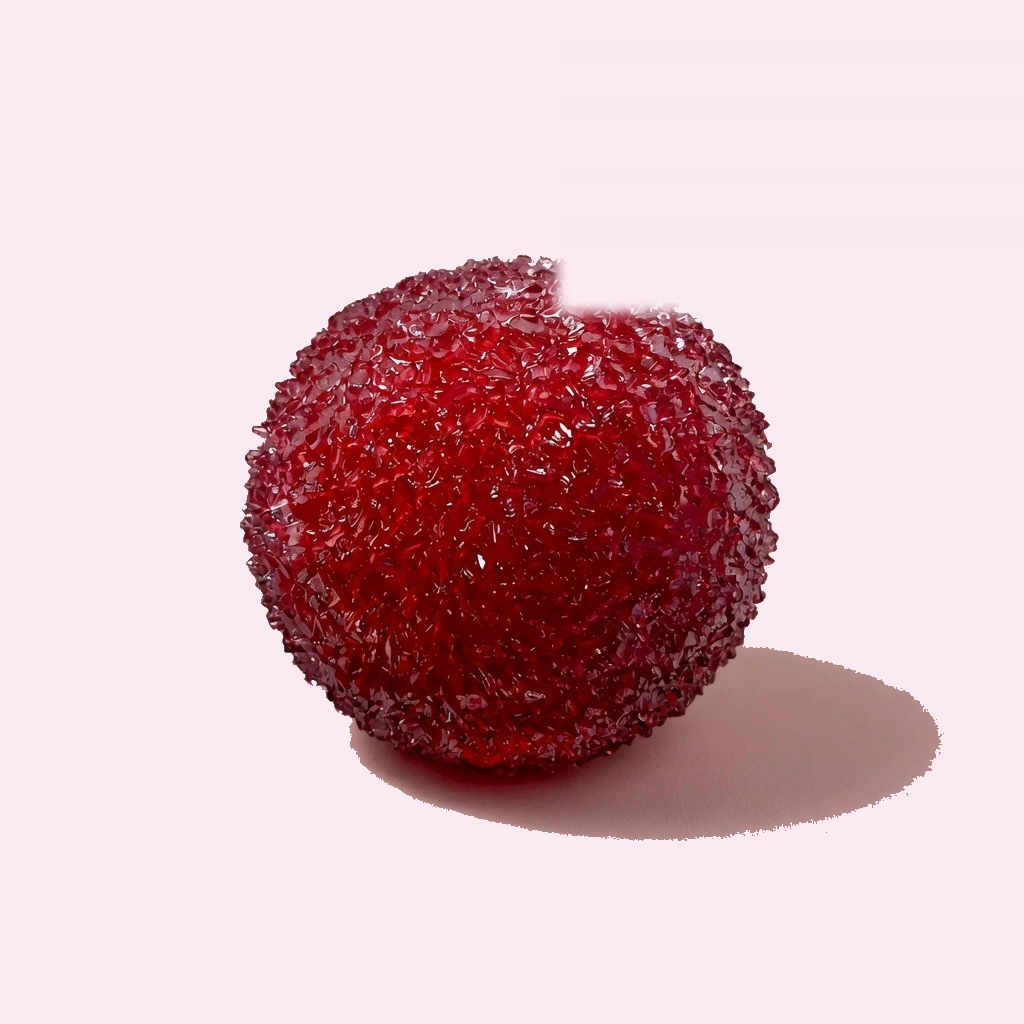
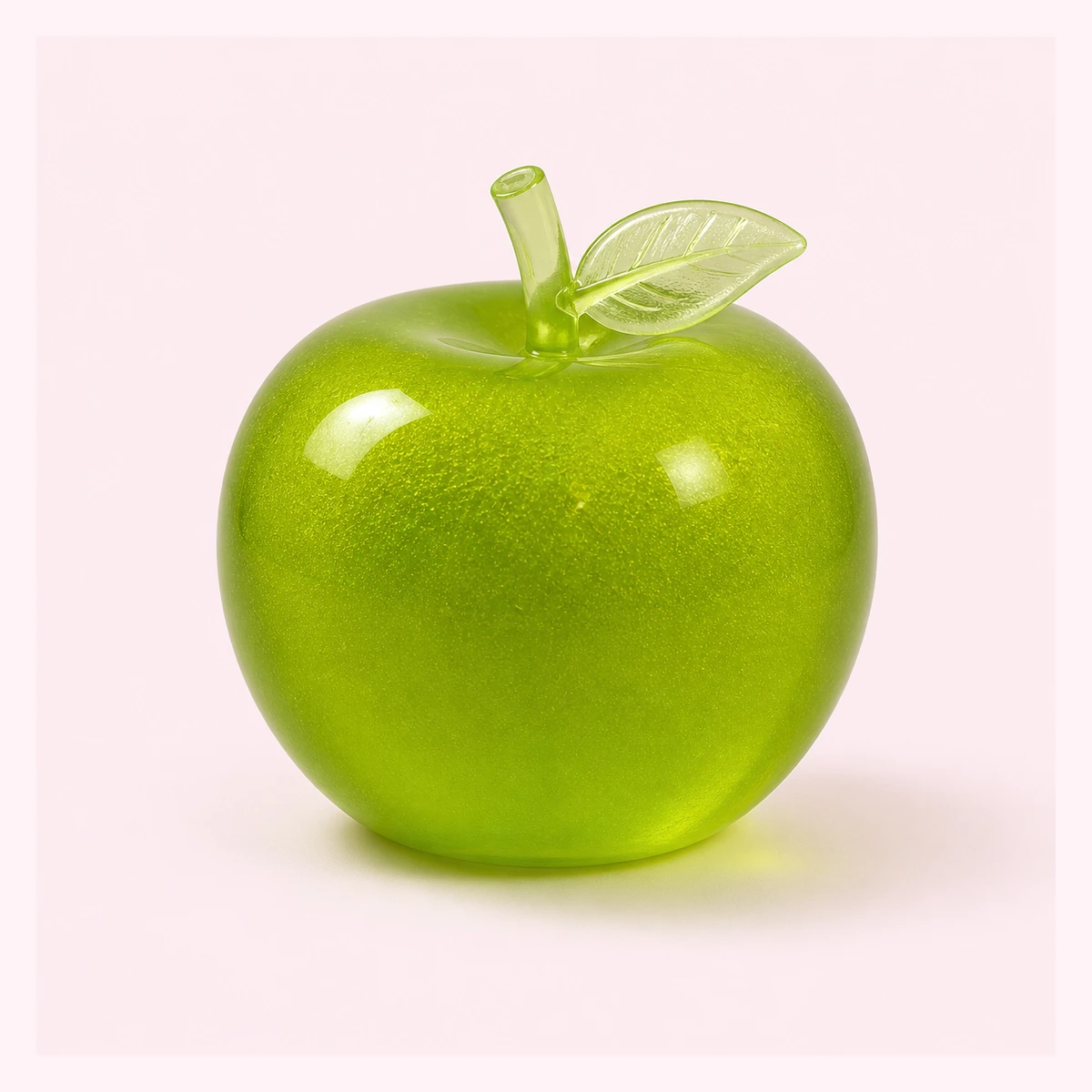
Crystal slushy ball — A transparent or semi-translucent gel packed with tiny beads or a slush-like texture. These deliver double ASMR: the visual of light passing through the gel, plus a soft "sandy" or crinkling sound as the slush shifts under pressure. They're the most visually striking and the ones most likely to stop your scroll on social media.
Gel squishy — The smoothest, most uniform option. A soft, even gel with no internal beads, giving the most "buttery" and temperate hand-feel. Best for long holding sessions where you just want something pleasant to knead while you think.
Gummy bear squishy — Shaped like oversized candy, these use a denser fill that gives real resistance when you press. Instead of collapsing instantly, they push back gently, then hold. The candy aesthetic and the firmer feedback make them a favorite for people who find the softest gels too yielding.
Mochi squishy — Japanese-inspired rounded shapes prized for their stretchiness. These pull and elongate far more than other types, adding a tactile dimension the rounder gels can't match.
Trying more than one type is the only real way to find your preference — hand-feel is deeply personal.
Why They Feel So Satisfying: The ASMR Mechanism
The satisfaction isn't random; it's built on a tactile feedback loop. When you press a zero-rebound squishy, three things happen at once: your fingertips register a constant, predictable pressure; your eyes track a slow, smooth deformation; and (with crystal and slush types) your ears catch a soft crinkle or shifting sound. These three streams of gentle, repetitive sensory input are exactly the kind of low-intensity stimulation associated with ASMR responses.
Physiologically, slow and repetitive tactile activity tends to nudge the body toward a calmer, parasympathetic state — the "rest and digest" side of the nervous system. The predictability is key. There are no surprises, no failure states, nothing demanding. For an anxious or overstimulated brain, a task with zero stakes and a guaranteed pleasant outcome is genuinely soothing. The toy gives your hands something to do so your mind can settle.
Material Safety and What to Check
Because these toys are often handled for hours and sometimes used by kids, material quality is worth scrutinizing — even though most listings skip the topic entirely.
Look for food-grade or non-toxic certified materials, especially for crystal slushy and gel types where the fill is the main attraction. Reputable makers will state their material is BPA-free and tested to a safety standard. Avoid products with a strong chemical odor out of the package — a persistent smell often signals cheap, under-cured material. For young children, check the age rating; some smaller bead-filled toys are choking hazards if the outer skin tears.
Best Use Cases
Zero bounce back squishies aren't just toys — they slot into real routines:
- Desk and office stress relief — Quiet, discreet, and something to occupy restless hands during calls or focus work.
- Bedtime wind-down — The slow, repetitive motion pairs well with screen-free relaxation before sleep.
- ADHD and anxiety support — A no-stakes fidget outlet that channels nervous energy without making noise or demanding attention.
- Sensory and fine-motor play — The varied textures make them useful tools for sensory regulation and gentle hand-strength development in children.
How to Spot a High-Quality Squishy
A few signals separate a toy you'll love from one that splits in a week:
- Skin thickness — A thicker outer membrane resists tearing and leaking far better than a thin, balloon-like one.
- Even fill — Gently roll it; the contents should feel consistent, with no hard clumps or hollow air pockets.
- Clean seams — Cheap units often have a rough seam line that becomes the first point of failure.
- No leak under pressure — A quality toy stays sealed even when squeezed firmly. Reviews mentioning "leaking" are a red flag.
- Honest material claims — Listings that actually name their material and safety standard are usually more trustworthy than ones drowning in keywords.
Care and Cleaning
Gel and crystal squishies last longer with a little maintenance. Wipe the surface with a slightly damp cloth and mild soap, then dry fully before storing — trapped moisture can cloud translucent gels. Keep them out of direct sunlight and away from heat, both of which can degrade the material and make it sticky. Store them somewhere they won't be pressed against sharp objects, since a single puncture ends the toy's life. If a small leak does start, it's generally not repairable; that's why prevention matters more than any fix.
FAQ
Are zero bounce back squishies the same as regular stress balls?
No. Regular stress balls spring back to shape immediately. Zero bounce back versions hold whatever shape you give them, so the appeal is sculpting and control rather than rhythmic squeezing.
Why are these so popular on TikTok and Instagram?
The slow, satisfying deformation and the crinkle of crystal slush types are made for short video. They're visually hypnotic in a way that drives people straight to the "where do I buy this" stage.
Which type is best for beginners?
A standard gel squishy is the safest first pick — it's smooth, durable, and pleasant without any acquired taste. From there you can branch into crystal slushy balls or firmer gummy bear styles.
Are they safe for kids?
Many are, provided they're made from non-toxic, food-grade material and match your child's age rating. Avoid bead-filled types for very young children due to choking risk if the skin tears.
Do they leak or dry out over time?
Quality ones rarely leak if cared for. Keep them out of heat and sunlight and away from sharp objects, and they'll stay soft for a long time.
Why does squishing one feel so calming?
The combination of steady tactile pressure, slow visual change, and soft sound gives your senses gentle, predictable input — the kind that helps shift the body into a more relaxed state.
The next time a squishing video catches your eye, you'll know exactly what you're looking at — and what makes one worth owning. The real draw isn't the novelty; it's the quiet, dependable satisfaction of shaping something soft and watching it stay exactly where you left it. Start with a gel or a crystal slushy ball, give your hands something to do, and let the rest of you slow down with it.
Shop the squishies featured in this guide
Ready to squeeze? Browse the full squishies collection for every zero bounce back style in this guide, or explore the big, satisfying jumbo squishies. Two reader favorites to start with — a crystal slushy ball and a gel squishy: