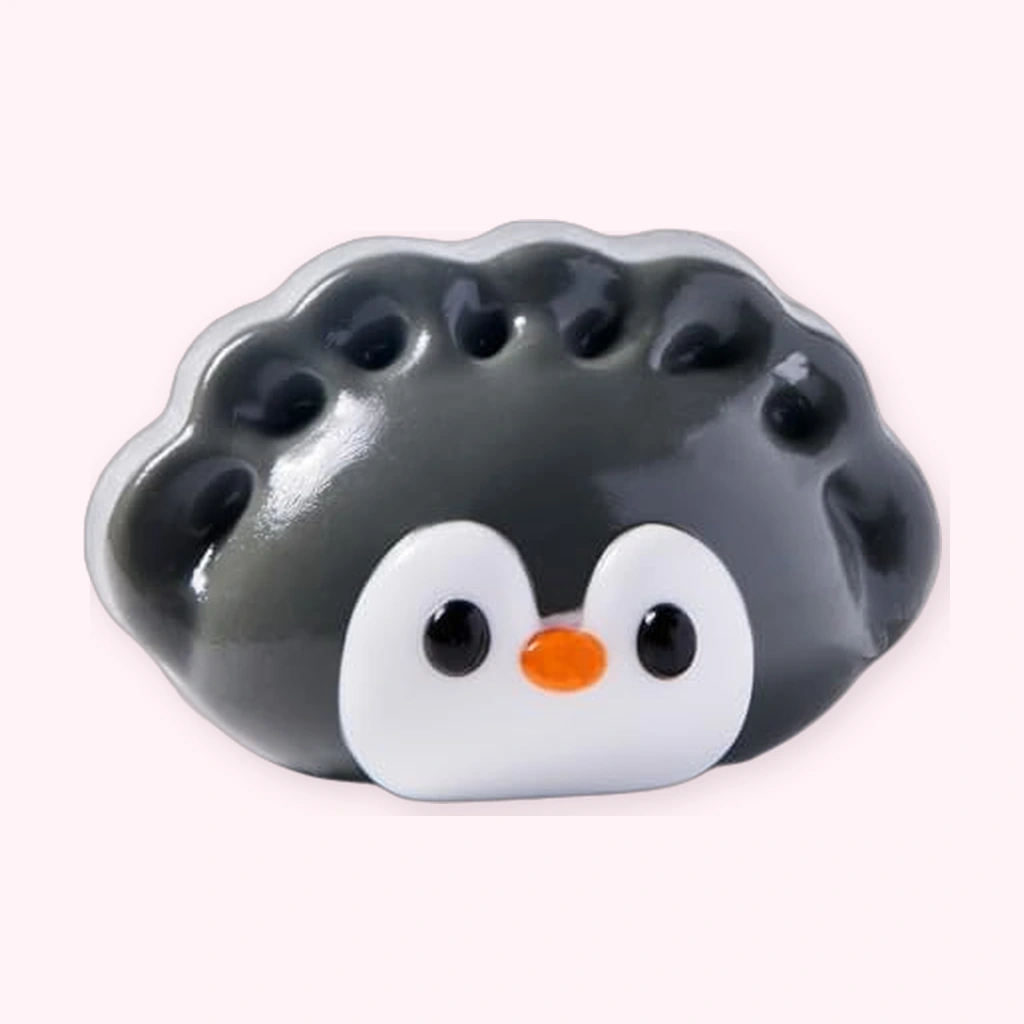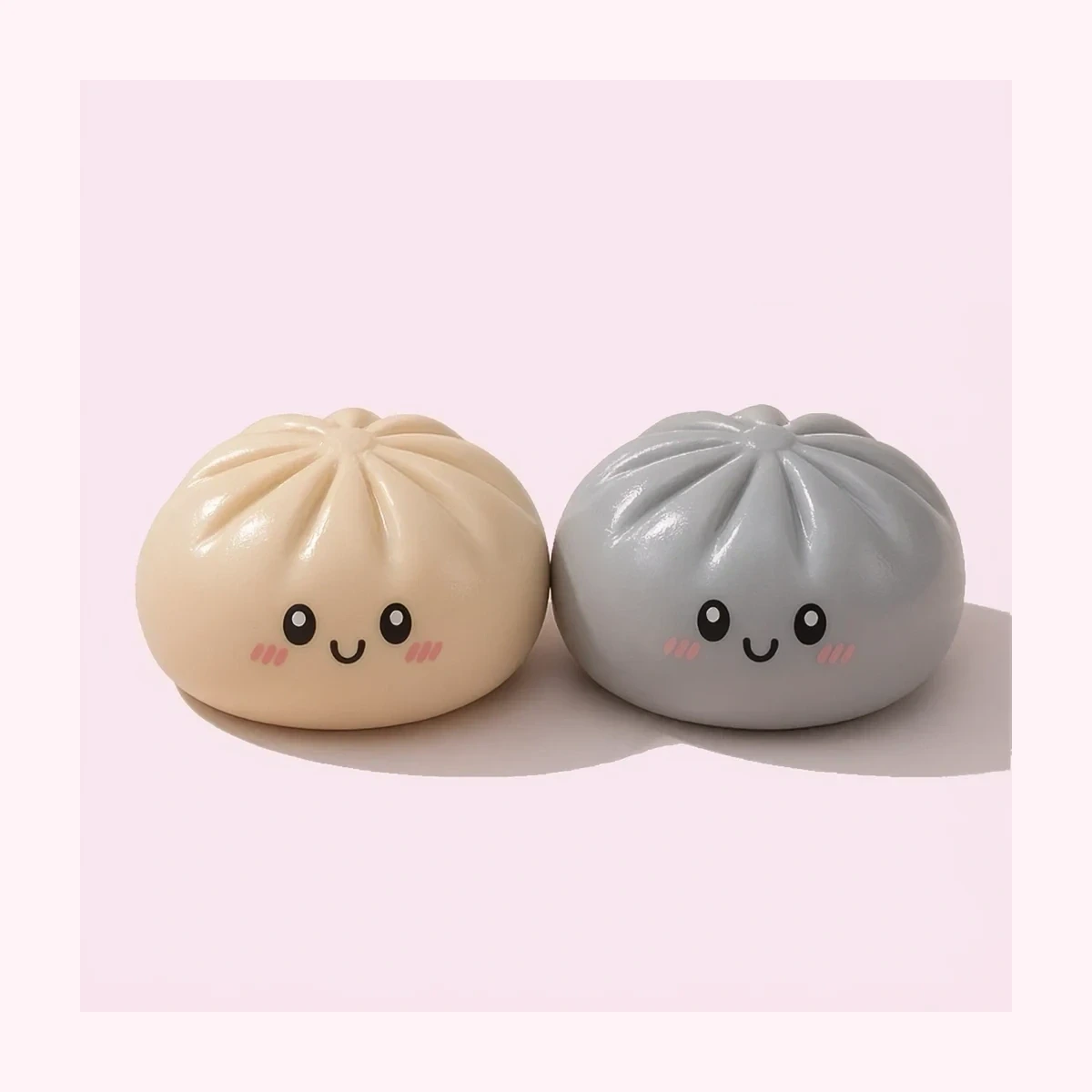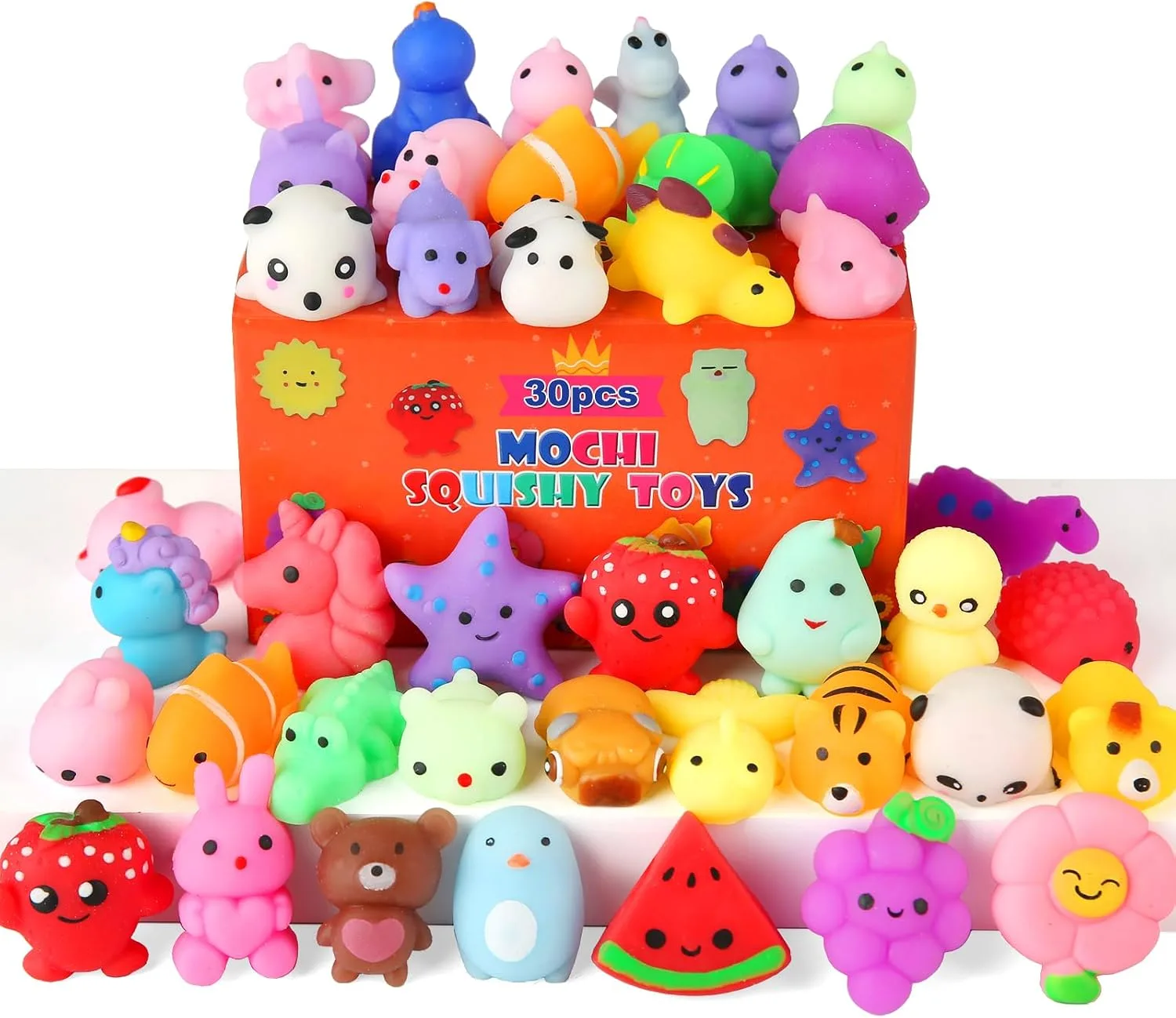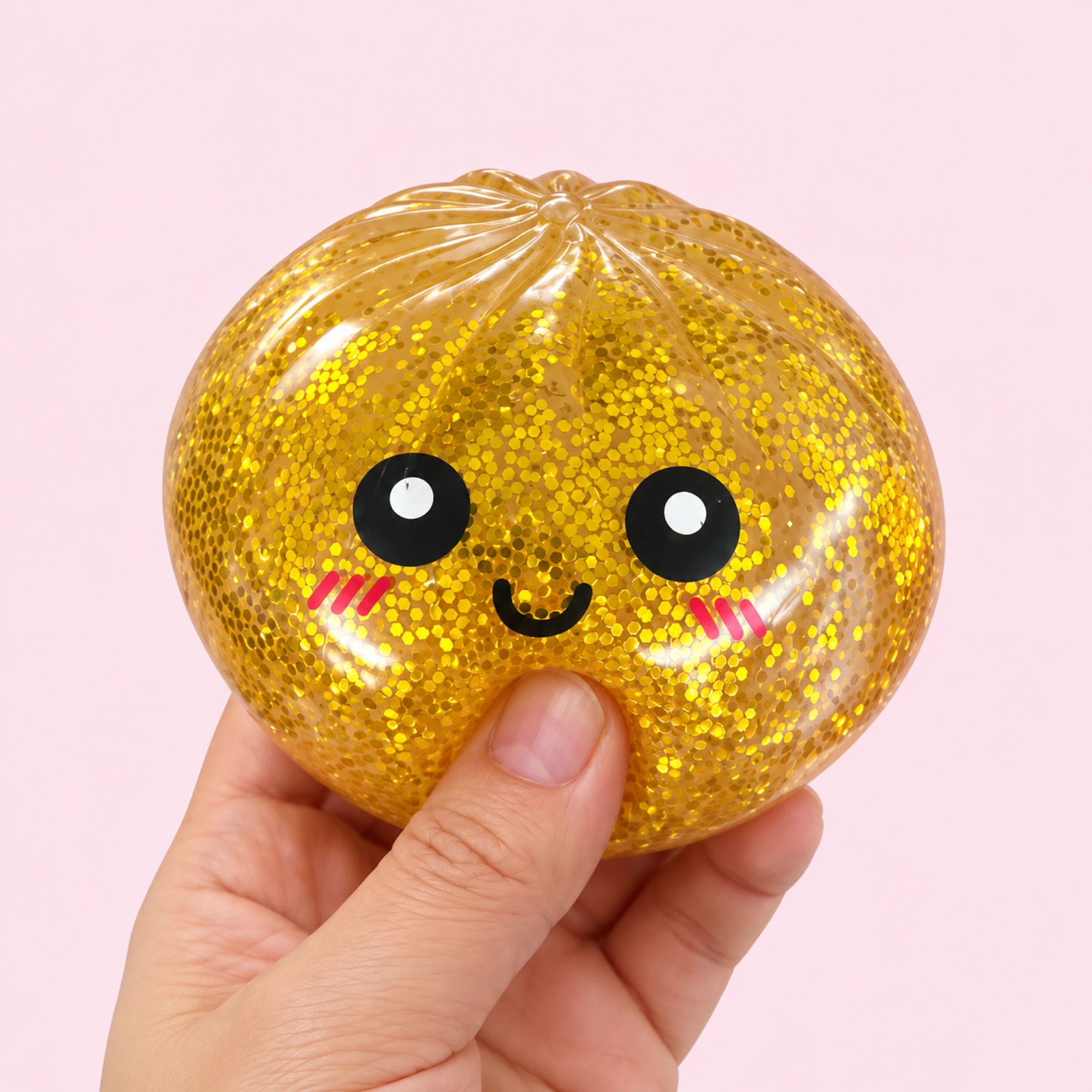
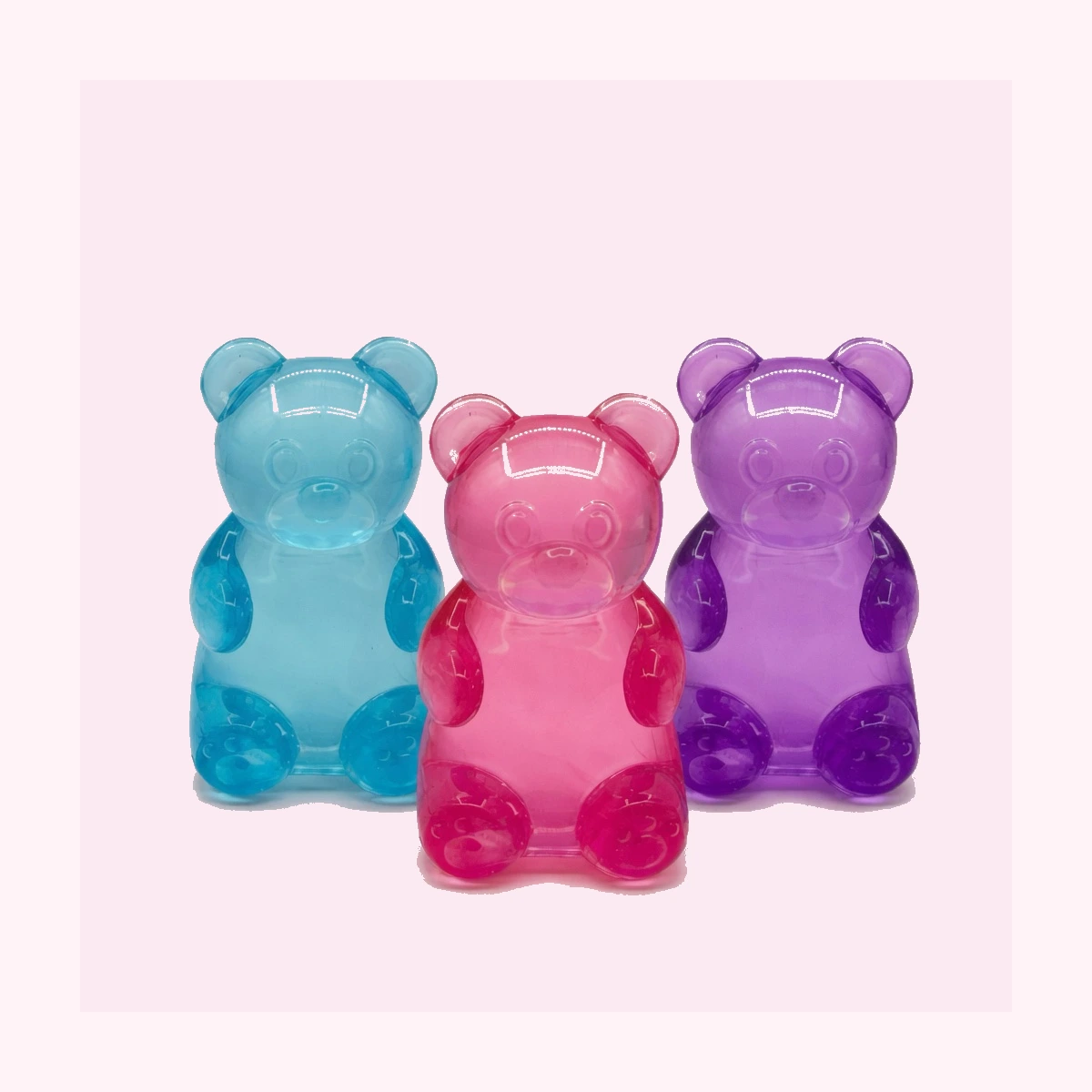
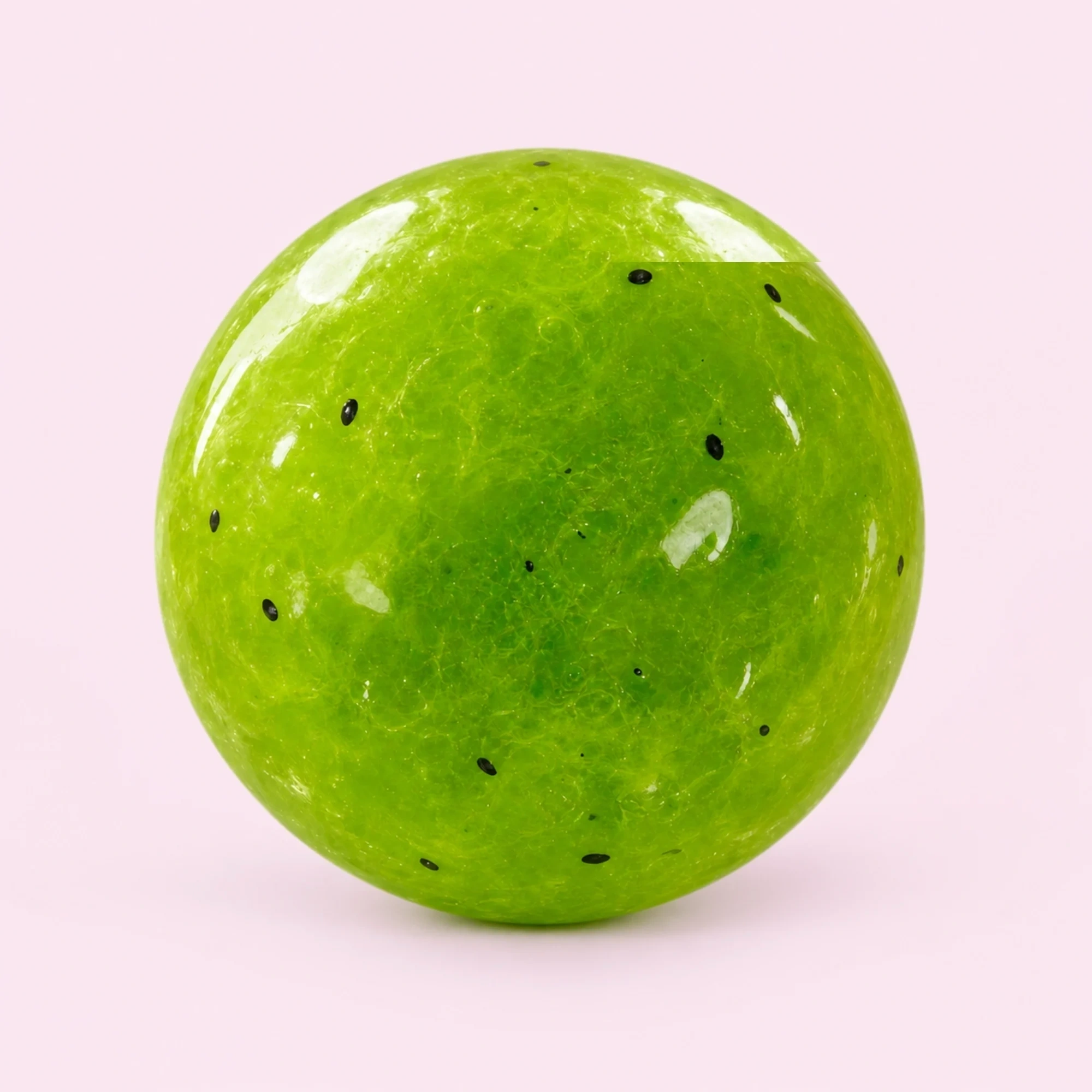
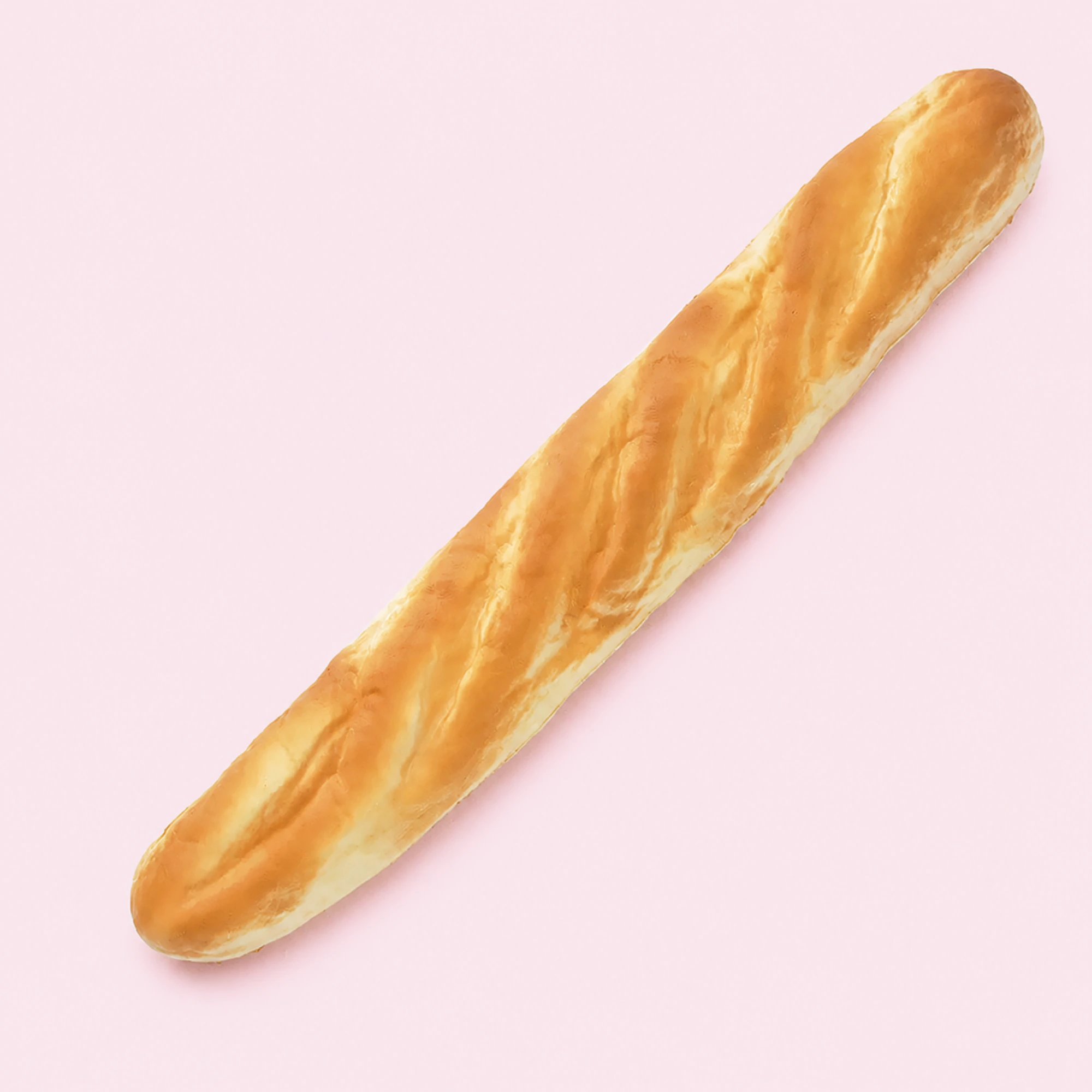
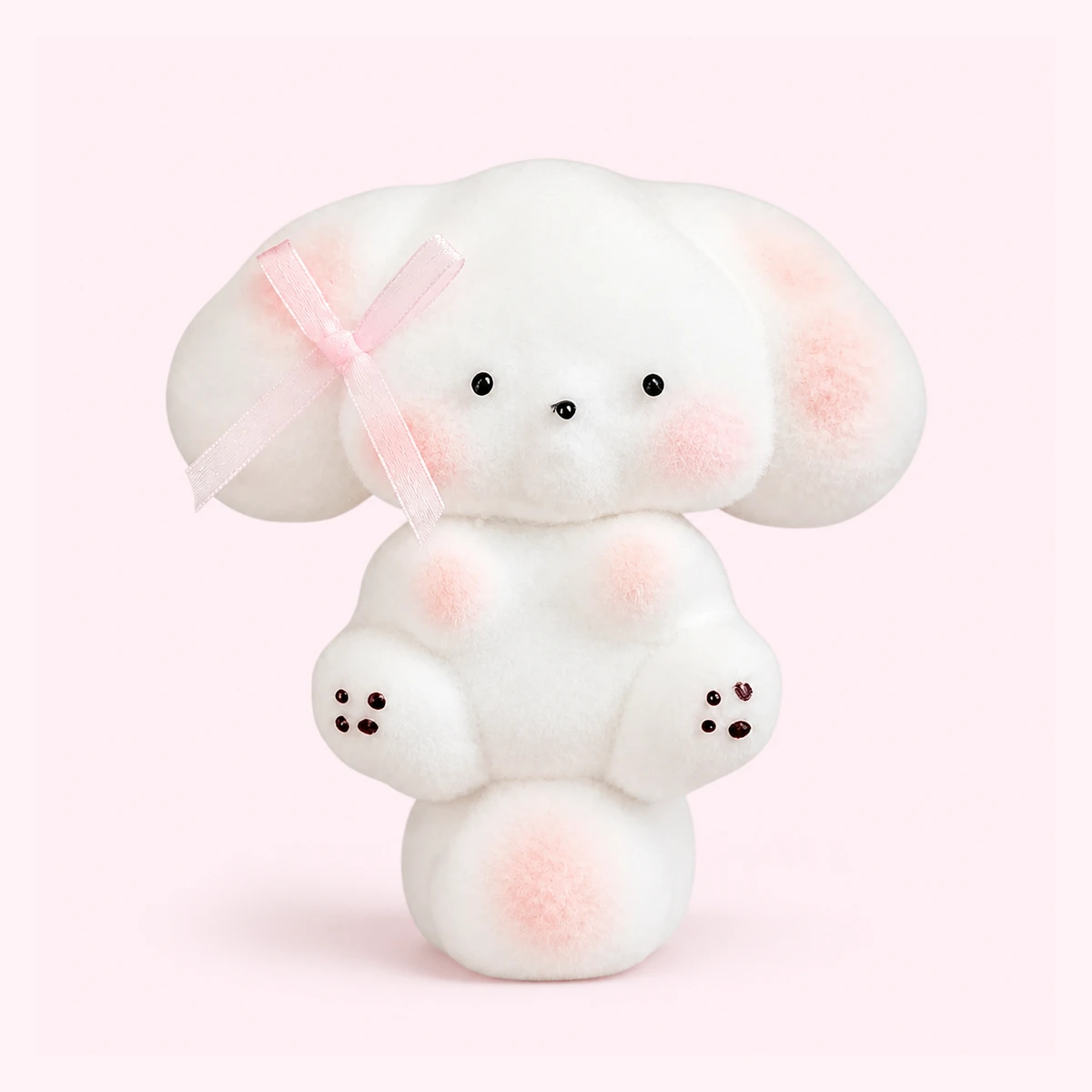
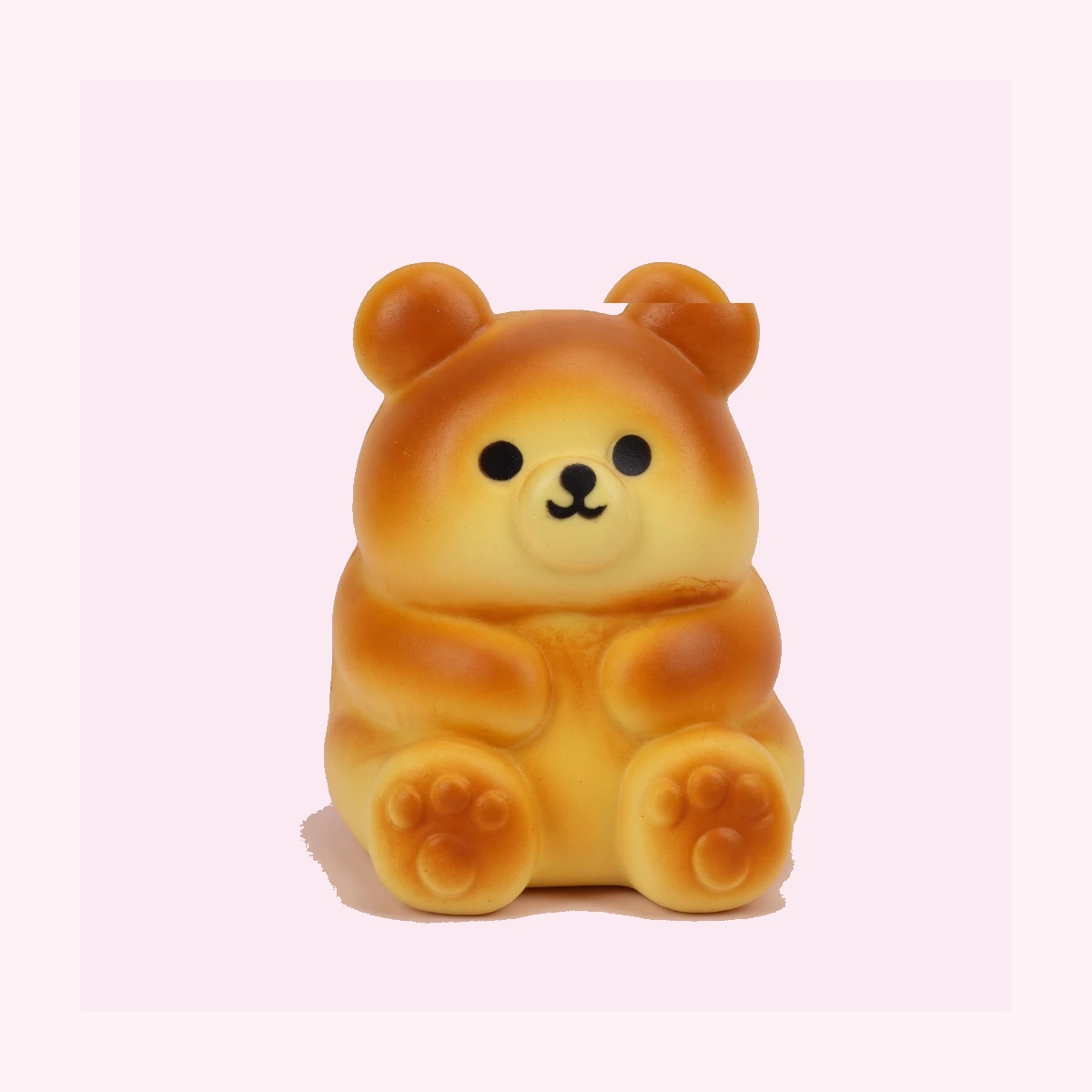
Few sensory items offer the immediate, grounding delight of a genuine mochi squishy. Inspired by traditional Japanese daifuku rice cakes, these pocket-sized tactile fidgets are beloved for their tender give, translucent jelly wobble, and soothing resistance. Unlike standard polyurethane foam stress balls that rely on airy, open-cell foam expansion, an authentic mochi squishy behaves like viscous dough—yielding gently under your fingertips and pulling back into shape with a distinct elastic snap.
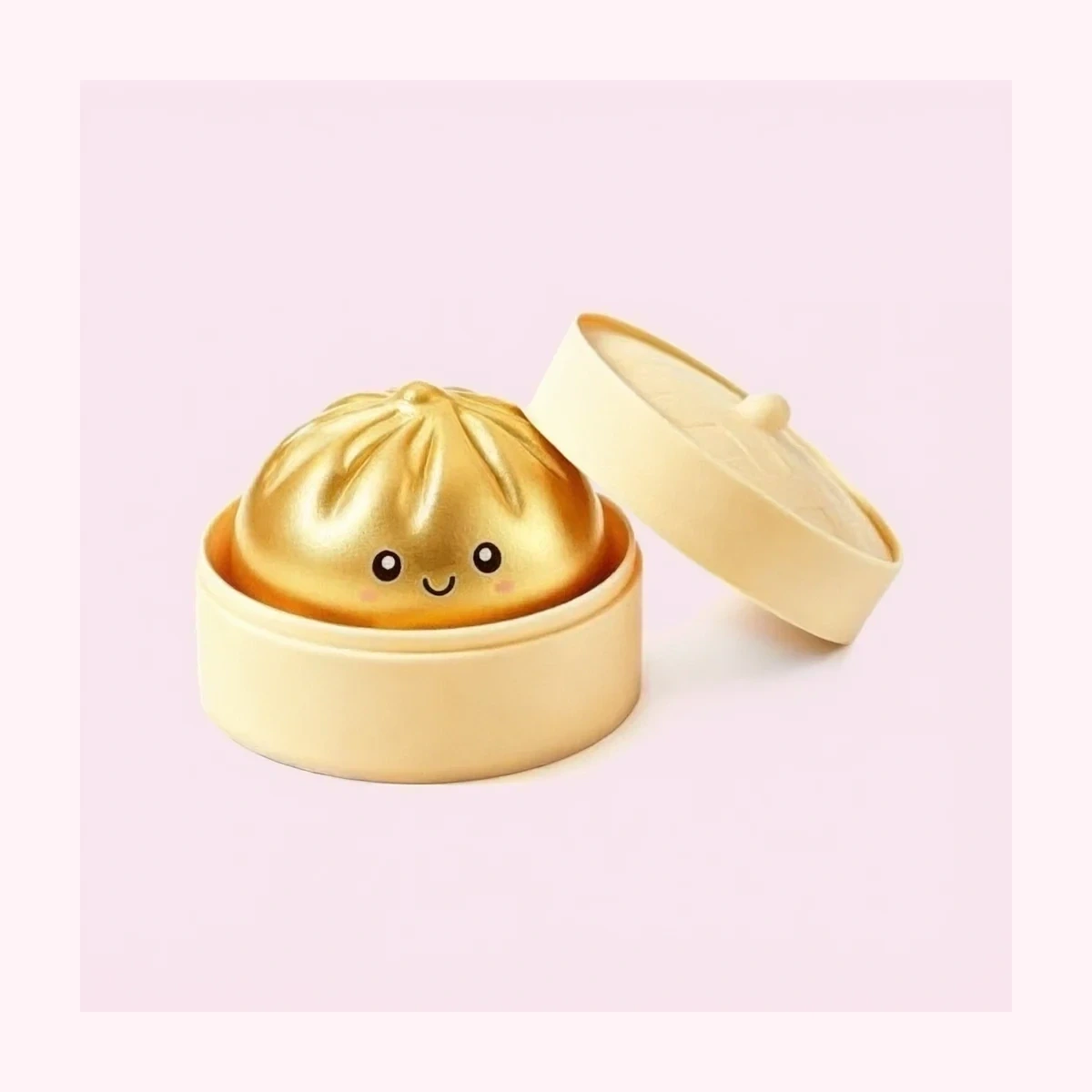
This mochi squishy is a soft, slow-rising fluid stress toy shaped like a strawberry daifuku and an Oreo-speckled sticky bun. Filled with a moldable gel that stretches, oozes and slowly reshapes when you let go, it delivers a claylike squeeze that’s denser than foam.
Whether you are an avid DIY fidget crafter eager to learn how to make a mochi squishy at home, a parent seeking creative weekend activities, or a collector curious about how homemade silicone builds compare to professional elastomer engineering, this comprehensive guide covers everything: required materials, foolproof mold-casting recipes, troubleshooting sticky surfaces, and an in-depth material comparison against commercial favorites.
Understanding Mochi Squishy Materials: Silicone, Gelatin, and Commercial TPR
Before mixing your first batch of ingredients, it is helpful to understand the material science behind different squishy polymers. Not all squishy toys share the same physical properties:
| Material Type | Common Uses | Tactile Sensation | Durability & Maintenance |
|---|---|---|---|
| Two-Part Platinum Silicone (Shore 00-10) | Premium DIY casting | Tender, stretchy, slightly tacky | High chemical stability; fully washable; needs cornstarch dusting |
| Gelatin & Glycerin Blend | Beginner silicone-free DIY | Bouncy, jelly-like, cool to touch | Perishable; melts in heat; dissolves in water |
| Thermoplastic Rubber (TPR / TPE) | Commercial molded squishies | Soft, resilient, elastomeric give | High tear strength; waterproof; easily washed with mild soap |
| Fluid-Filled Hybrid TPR | Specialty stress buns & daifuku | Claylike, viscous, ultra slow-rising | Hermetically sealed core; dense drag; wipe-clean outer skin |
| Polyurethane (PU) Memory Foam | Classic bakery squishies | Airy, slow-rising compression | Porous surface; cannot be submerged; dry cleaning only |
What Are Factory Mochi Squishies Made Of?
Commercial mochi squishies, including the popular miniature kawaii animals found in stationery shops, are primarily molded from food-grade Thermoplastic Rubber (TPR) or Thermoplastic Elastomer (TPE). TPR bridges the gap between rubber and plastic: it can be melted at high temperatures and injected into steel molds, setting into an exceptionally soft, flexible solid that withstands tens of thousands of compressions without tearing.
For high-end fluid models—like strawberry daifuku buns or steamed dumplings—manufacturers combine a cast TPR exterior skin with a sealed core of cross-linked viscoelastic gel. This creates a unique double-stage feel: an initial supple rubber pinch followed by the thick, slow flow of internal fluid.
Method 1: How to Make a Mochi Squishy with Two-Part Liquid Silicone (The Best DIY Method)
If you want a durable, water-washable homemade mochi squishy that mimics authentic silicone toys, a two-part liquid platinum-cure silicone is the undisputed gold standard.
Essential Supplies & Tools
- Platinum Silicone (Shore 00-10 or Shore 00-20): Shore hardness measures flexibility. Shore 00-10 yields a super-soft, marshmallow feel, while 00-20 is slightly firmer with faster bounce-back.
- Silicone Candy or Baking Molds: Flexible food-grade silicone molds shaped like paws, mini bears, or dumplings work best. Because silicone will not bond to cured silicone, demolding is effortless.
- Nitrile Gloves & Eye Protection: Platinum silicone is non-toxic once cured, but uncured components should be handled cleanly.
- Digital Kitchen Scale: Accurate gram-scale measurement ensures precise 1:1 curing.
- Mixing Cups & Wooden Stir Sticks: Flat-bottomed plastic or paper cups.
- Silicone Pigment or Mica Powder: Liquid silicone dye or pearlescent mica for color. Avoid water-based food coloring, which inhibits silicone curing!
- Pure Cornstarch or Baby Powder: Crucial for post-cure surface dusting.
+-------------------------------------------------------------------------+
|                  DIY SILICONE MOCHI SQUISHY WORKFLOW                    |
+-------------------------------------------------------------------------+
| 1. MEASURE        2. PIGMENT         3. DEGAS          4. POUR & CURE   |
| 1:1 Ratio A & B   Add 1-2 drops      Tap cup gently    Thin stream into |
| on gram scale     silicone color     to rise bubbles   mold; wait 24h   |
+-------------------------------------------------------------------------+
Step-by-Step Casting Tutorial
Step 1: Prepare Your Workspace and Mold
Clean your silicone mold with warm water and isopropyl alcohol to ensure zero dust or grease inside the cavities. Allow it to air dry completely. Place the mold on a level tray lined with wax paper or a silicone craft mat.
Step 2: Measure Parts A and B Exactly
Turn on your digital scale and tare your mixing cup. Pour in equal parts by weight of Part A and Part B (for instance, 25 grams of Part A and 25 grams of Part B for a 50-gram batch). Accurate proportioning is vital: an imbalance in catalyst can leave your squishy permanently tacky or gooey.
Step 3: Mix Slowly to Prevent Air Bubbles
Stir the mixture gently with a wooden popsicle stick for 3 to 4 full minutes. Scrape the sides and bottom of the cup continuously to ensure complete integration. Crucial tip: Stir slowly in smooth circles. Whipping or fast churning introduces micro-bubbles that will turn your clear squishy cloudy.
Step 4: Add Color and Effects
Add one single drop of specialized silicone pigment or a pinch of cosmetic-grade mica powder. Stir gently until the color is uniform. If you want a translucent mochi appearance, use only a toothpick tip of pigment.
Step 5: Degas and Pour
Gently tap the bottom of the mixing cup against your work table 10–15 times to encourage entrapped air bubbles to rise to the surface and pop. When pouring into your mold, pour in a very thin, steady stream from 6 to 8 inches above the mold into the lowest point of each cavity. The thin stream stretches and pops remaining air bubbles automatically.
Step 6: Ambient Curing (18–24 Hours)
Cover your mold with a clean cardboard box or plastic lid to keep airborne dust and pet hair off the wet silicone. Allow the squishy to rest at room temperature (70°F–75°F / 21°C–24°C) for at least 18 to 24 hours. Do not rush the process: touching semi-cured silicone leaves permanent fingerprint smudges.
Step 7: Demolding and Initial Dusting
Gently peel the mold edges away from your finished squishy and pop it out. Freshly cured silicone naturally possesses high surface tack. Immediately dust the squishy lightly with pure cornstarch using a soft makeup brush, dusting off any excess. Your homemade silicone mochi squishy is ready!
Method 2: How to Make a Mochi Squishy Without Silicone (Gelatin & Balloon Alternatives)
If you do not have liquid silicone kits or want a quick, child-safe afternoon project, you can make charming squishies using common kitchen staples or balloon hacks.
Recipe 1: The Gelatin and Glycerin Jelly Mochi
This recipe produces a wiggly, translucent jelly squishy that feels remarkably like soft Japanese confectionary.
-
Ingredients:
- 3 tablespoons unflavored gelatin powder (Knox or generic beef/pork gelatin)
- 2 tablespoons vegetable glycerin (available at craft stores or pharmacies)
- 1/4 cup hot water
- 1 drop liquid food coloring
-
Instructions:
- Whisk the unflavored gelatin powder into room-temperature glycerin until completely combined into a thick paste.
- Slowly pour in the 1/4 cup of near-boiling water, stirring steadily until the gelatin crystals dissolve completely.
- Stir in a drop of food coloring.
- Skim any foam off the surface with a spoon.
- Lightly mist your silicone mold with non-stick cooking spray, wipe out excess oil with a paper towel, and pour the warm liquid into the mold.
- Place the mold into the refrigerator for 2 hours to firm up.
- Carefully demold. Lightly dust with cornstarch to reduce finger stickiness.
[!IMPORTANT] Organic Material Limitations: Gelatin-based squishies are biodegradable. They will dry out and shrink over several days if left open, and will dissolve under running water or soften in direct sunlight. Store them in a sealed ziplock bag in the refrigerator when not in use.
Recipe 2: The Double-Balloon Dough Mochi Hack
For an instant squishy that delivers a thick, doughy knead with zero waiting time:
- Stretch a durable latex balloon using your hands.
- Using a funnel, fill the balloon with 1/3 cup of clear hair gel or cornstarch-and-water paste (oobleck).
- Squeeze all air out of the balloon neck, tie a tight knot, and trim off the excess neck tab.
- Stretch a second balloon over the first with the knot facing inward for a double-layer seal that prevents accidental leaks.
- Draw a cute kawaii face on the exterior using permanent waterproof markers.
Post-Processing: How to Dust, De-Sticky, and Care for Mochi Squishies
Whether made from silicone, gelatin, or factory TPR, mochi squishies naturally accumulate lint, hair, and grit because their elastomeric surfaces are slightly tacky. Knowing how to maintain them extends their lifespan dramatically.
+-------------------------------------------------------------------------+
|                  MOCHI SQUISHY RESTORATION PROTOCOL                     |
+-------------------------------------------------------------------------+
| STEP 1: WASH       ->   STEP 2: AIR DRY      ->   STEP 3: CORNSTARCH    |
| Lukewarm water &        Rest on silicone mat;     Dust with soft brush; |
| mild dish soap          never paper towels        velvety matte finish  |
+-------------------------------------------------------------------------+
1. Washing Away Lint and Dust
- Hold the squishy under a gentle stream of lukewarm tap water.
- Apply half a drop of mild liquid hand soap or dish soap.
- Gently massage the surface with your fingertips. Never use abrasive sponges, scouring pads, or hot water, which can degrade soft polymer bonds.
2. Drying Without Lint Transfer
- Never use paper towels or cotton bath towels: Their fibers will immediately cling to the damp squishy surface, making it messier than before!
- Instead, place the washed squishy onto a clean silicone mat, ceramic plate, or parchment paper and allow it to air-dry for 10 to 15 minutes.
3. The Secret to a Velvety “Baby Powder” Touch
Once fully dry, the squishy will feel sticky again. To restore that irresistible, silk-smooth mochi feel:
- Dip a soft, dry makeup brush into pure cornstarch or talc-free baby powder.
- Lightly buff the powder across all surfaces.
- Blow away any excess powder or tap the squishy against your wrist.
- The powder fills microscopic surface pores, creating an ultra-soft, matte finish that resists dust and feels like freshly dusted rice mochi.
DIY vs. Factory Engineered: Why FunnySquishy’s Fluid and Flocked Models Excel
While DIY crafting provides immense creative satisfaction, home kitchens cannot replicate the precision molding, sealed fluid-gel bladders, or electrostatic flocking of professional toy manufacturing. When you want heavy daily stress relief, long conference call fidgeting, or classroom rewards, exploring manufactured TPR models reveals an entirely different tactile tier.
Below are 5 benchmark designs from FunnySquishy demonstrating advanced tactile engineering:
1. Daifuku Mochi Squishy — Strawberry & Oreo Fluid Sticky-Bun Stress Toys (FS-CZ6691-S)
- Design & Feel: Molded to resemble an artisanal strawberry daifuku alongside an Oreo-speckled sticky bun.
- Tactile Profile: Instead of solid rubber, this piece features a flexible elastomeric skin enveloping a moldable gel core. When squeezed, the inner gel shifts, stretches, and oozes outward, taking several seconds to slowly flow back into shape.
- Why It Beats DIY: Replicating a hermetically sealed fluid core at home without leaking or bursting is nearly impossible with basic open molds. The FS-CZ6691-S delivers a heavy, claylike squeeze that is markedly denser than foam.
- Reference: Daifuku Mochi Squishy
2. Mochi Squishy Sticky Bun — Soft Fluid-Filled Slow-Rising Stress Toy (FS-CZ6976)
- Design & Feel: A palm-sized 100g white dumpling bun mimicking freshly steamed rice pastry.
- Tactile Profile: Features substantial heft and thick dough resistance. Squeezing deep into the center produces a slow hydraulic give that relieves joint tension in wrists and hands.
- Why It Beats DIY: A 100g fluid fill requires ultrasonic seam welding to survive intense, repetitive twisting. This durable model offers a deeply calming squeeze for office desks and adult stress management.
- Reference: Mochi Squishy Sticky Bun
3. Mini Pig Squishy 6-Pack — Fuzzy Mochi Squishy Fidget Toys (FS-PIG-Q006)
- Design & Feel: A delightful 6-pack of chubby pink piglets coated in a soft peach-fuzz velvet.
- Tactile Profile: Combines the elastic squish of a soft TPR core with an electrostatic flocked fiber exterior.
- Why It Beats DIY: Homemade squishies can only be dusted with powder, which washes off with water. The FS-PIG-Q006 uses permanent micro-flocking, eliminating surface tackiness entirely while providing a warm, plush textile feel in your palm.
- Reference: Mini Pig Squishy 6-Pack
4. Mochi Bunny Squishy 24-Pack — Mini Kawaii Squeeze Toy Set (FS-BUNNY-P010)
- Design & Feel: An expansive multi-color collection of 24 miniature marshmallow bunnies.
- Tactile Profile: Pure, springy TPR give in compact pocket format. Perfect for one-handed thumb-pinching, sensory trading, and classroom quiet rewards.
- Why It Beats DIY: Mixing and curing 24 individual mini silicone pieces at home takes hours of painstaking work and costly silicone resin. The FS-BUNNY-P010 provides uniform, high-resilience fidgets in bulk.
5. Jumbo Clear Cat Paw Mochi Squishy — Jelly Squeeze Toy (FS-MOCHI-P008)
- Design & Feel: An oversized transparent cat paw with glossy pink toe beans.
- Tactile Profile: Made from crystal-clear, high-purity elastomeric polymer that catches the light like fresh crystal jelly. Squeezing it creates an hypnotic visual ripple as light refracts through the translucent paw pads.
- Why It Beats DIY: Achieving bubble-free optical clarity at home requires industrial vacuum degassing chambers and specialized optical-grade resins. The FS-MOCHI-P008 delivers flawless aesthetic clarity straight out of the box.
Frequently Asked Questions (FAQ)
Can you make a mochi squishy without silicone?
Yes! You can craft a fun, bouncy homemade mochi squishy without silicone by combining unflavored gelatin powder, vegetable glycerin, and hot water. While gelatin squishies have an organic shelf life and must be kept cool, they provide a safe, accessible introduction to mold casting. Another quick method is the double-balloon hack, filling sturdy balloons with clear hair gel or cornstarch paste.
Why is my homemade silicone squishy sticky?
Freshly cured platinum silicone naturally exhibits micro-surface tackiness due to silicone polymer chains. To eliminate stickiness, wash the demolded squishy with lukewarm soapy water, let it air dry completely, and buff it thoroughly with pure cornstarch or baby powder. The starch settles into surface pores, leaving a permanent silky, non-stick finish.
How do people search for making mochi squishies at home and what materials do they inquire about?
Search data confirms that makers actively look for recipes using two-part platinum silicone, questions on mold compatibility, ways to make squishies without expensive liquid kits, and tips for stopping squishies from collecting pet hair. Readers consistently seek actionable step-by-step guidance that demystifies resin ratios and offers practical household alternatives.
How do factory mochi squishies achieve slow-rising fluid cores?
Unlike uniform solid DIY silicone pours, factory fluid squishies (such as FunnySquishy’s Daifuku and Sticky Rice Bun) utilize a two-stage manufacturing process. First, an elastomeric TPR outer balloon or skin is cast. Then, an engineered viscoelastic gel fluid is injected into the cavity before the opening is hermetically heat-sealed, ensuring dense, slow-oozing hydraulic resistance that never leaks under ordinary play.
Can you wash a mochi squishy with soap and water?
Yes, both cured platinum silicone squishies and commercial TPR toys are 100% water-safe. Wash them in lukewarm water with mild dish soap to strip away accumulated dust, air-dry them on a clean plate (never paper towels), and re-apply a light dusting of cornstarch to restore a smooth, velvety touch.