Stress Ball for Hand Exercise: Soft PU Foam vs Firm Grip Balls
Shopping for a stress ball for hand exercise often brings up everything from heavy 30-pound silicone grip rings to featherlight slow-rising foam blocks. While both fit in your palm, squeezing a stiff rubber strength trainer after six hours at a computer keyboard places very different demands on your fingers than compressing an airy polyurethane (PU) memory foam stick.
Understanding how compression resistance, rebound speed, and object shape affect finger posture helps typists, gamers, artists, and hobbyists choose the right hand tool for light mobility breaks versus high-load grip training.
Why Resistance Level Matters When Choosing a Stress Ball for Hand Exercise
Not every hand exercise has the same mechanical goal. Hand tools generally fall along three distinct resistance tiers:
- High-Resistance Silicone and Spring Grip Trainers (15 to 50 lbs of force): Built for rock climbers, tennis players, and forearm strength conditioning, these stiff elastomers require forceful muscular contraction. Using a high-resistance ball right after hours of repetitive typing can add extra fatigue to already tired finger flexors.
- Medium-Firm Gel and Neoprene Therapy Balls (5 to 12 lbs of force): Filled with dense silicone gel or polymer putty, these spheres offer moderate isometric resistance for structured grip workouts.
- Ultralight Open-Cell PU Memory Foam Squishies (under 1 lb of gentle resistance): Molded from airy polyurethane memory foam, a slow-rising squishy compresses effortlessly under light finger pressure and takes 8 to 15 seconds to refill with air. Instead of overloading tired tendons, it encourages slow, full-range finger flexion and complete hand opening between squeezes.
Note: If you experience numbness, tingling, sharp wrist pain, or suspected carpal tunnel syndrome, always consult a licensed physician or certified hand therapist before starting any squeezing routine, as repetitive gripping against resistance can aggravate inflamed tissues.
Round Spheres vs. Rectangular Foam Sticks: Finger Alignment During Squeezes
Traditional round stress balls measure 2 to 2.5 inches in diameter. When an adult hand wraps around a small sphere, the index and pinky fingers curve inward toward the center of the palm, crowding the outer knuckles together.
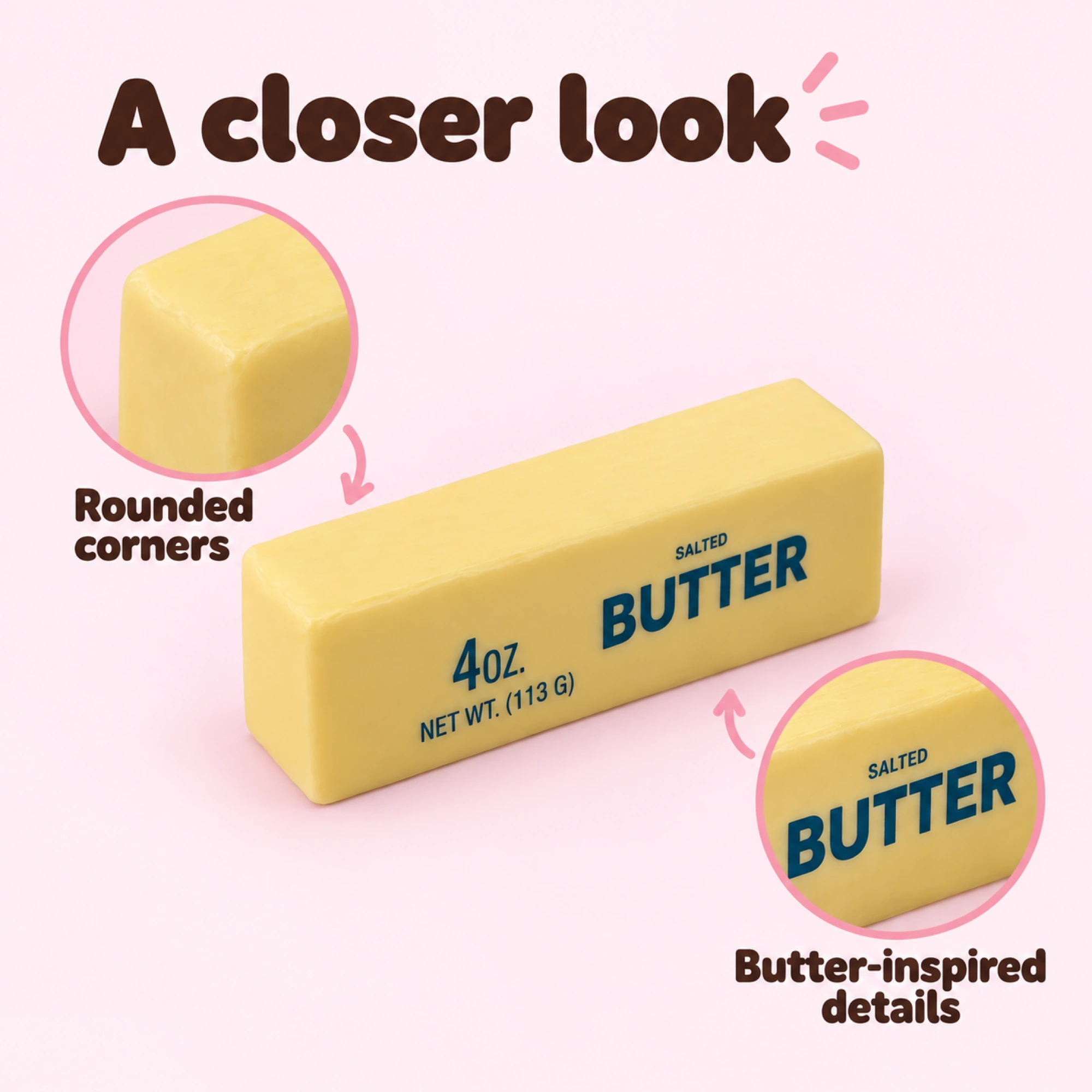
A rectangular stick-of-butter or brick-shaped foam squishy offers a longer, straighter contact surface. All four fingers (index, middle, ring, and pinky) can rest side by side along the flat edge while the thumb braces the opposite side. This parallel alignment lets you practice even four-finger presses, pinch holds, and flat-palm rolls across your desk mat without cramping your outer fingers.
Hand Exercise Ball & Foam Formats: 5-Row Resistance Comparison Matrix
The table below compares five popular hand exercise and fidget formats across compression force, rebound timing, finger alignment, and best daily use case:
| Hand Tool Format | Compression Resistance | Rebound Timing | Finger Alignment | Best Everyday Use Case |
|---|---|---|---|---|
| Slow-Rising PU Foam Butter Stick | Ultralight (< 1 lb gentle press) | Slow 8 to 15 second air recovery | Parallel 4-finger straight bar | Paced finger mobility breaks between typing |
| Soft Lycra Pellet Ball | Light (1 to 3 lbs shifting fill) | Instant moldable settle | Curved spherical cup grip | Light tactile fidgeting and thumb rolls |
| Medium Gel Therapy Sphere | Moderate (5 to 10 lbs gel core) | Fast 1 second elastic snap | Concentrated center palm press | Dedicated progressive grip workouts |
| Firm Silicone Grip Ring | High (20 to 50 lbs solid rubber) | Immediate stiff recoil | Narrow inner ring finger hook | Forearm and climbing strength training |
| Thin TPR Water-Bead Ball | Light (1 to 2 lbs bead shift) | Fast 1 to 2 second bounce | Uneven bulging sphere | Casual sensory play away from sharp nails |
Comparing compression force and rebound timing makes it easy to see why ultralight PU memory foam works well as an unhurried mobility spacer between typing sessions.
Palm-Sized Slow-Rising PU Foam Butter Squishies in the FunnySquishy Catalog
For keyboard users and fidgeters who want a soft, dry-touch rectangular foam bar for light finger movement and paced relaxation, the FunnySquishy catalog carries four slow-rising PU foam butter options:
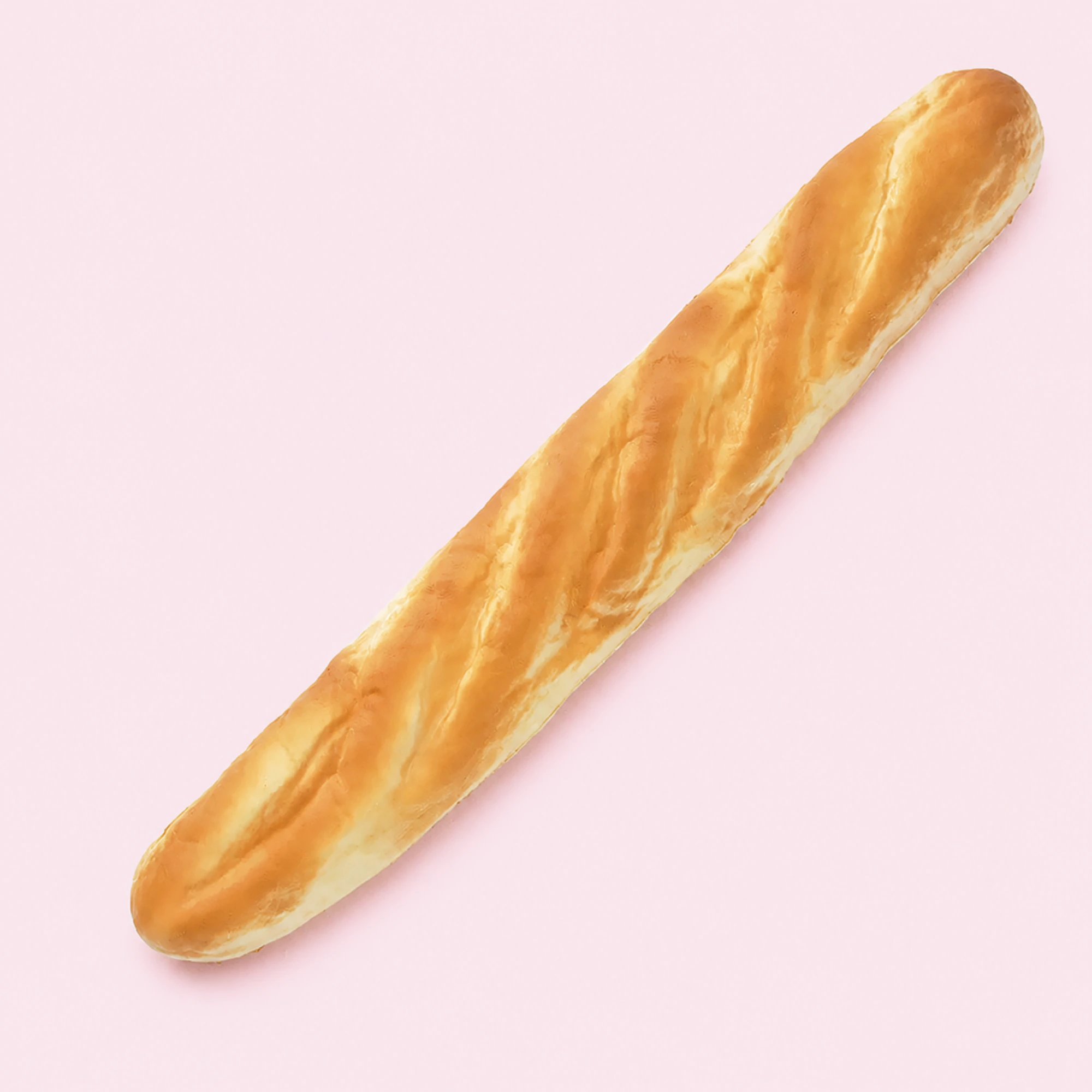
The FS-BUTTER-005 description says it is a soft, slow-rising stick-of-butter toy made from dense premium foam, and the spec table names Material/Fill as Dense premium PU foam, size Palm-sized, and age Kids 3+ and adults. The same description gives a supplier reference weight of approx. 45 g and says weight may vary.
FS-BUTTER-005 is listed at 1299 cents, which is 12.99 US dollars, with a compare price of 2449 cents, which is 24.49 US dollars.
If you prefer a two-piece set so you can alternate sticks between your left and right hands or keep one at your office desk and one at home, FS-BUTTER-011 is a 2-pack at 1999 cents, which is 19.99 US dollars, with compareCents 3249, which is 32.49 US dollars. The spec table says Material/Fill Soft foam, size Palm-sized, shape Stick of butter, and age Kids 3+ and adults.
For families, studio workspaces, or classrooms that want three matching slow-rising sticks at the lowest cost per piece, FS-BUTTER-007 is a set of three butter-stick-shaped toys at 2299 cents, which is 22.99 US dollars, with compareCents 3749, which is 37.49 US dollars.
For users who want a wider two-stick block feel in a cool blue tone, FS-BRICK-P006 is the Blue Butter Brick Squishy 2 Pack at 1999 cents, which is 19.99 US dollars, with compareCents 3749, which is 37.49 US dollars. The description says it takes a full-hand squeeze, folds flat, rises on its own slow schedule, and includes two sticks, for desk, car, and classroom.
Four Gentle Desk Finger Mobility Moves Between Typing Sessions
When taking a two-minute break from your mouse and keyboard, try these low-effort movements with a slow-rising PU foam stick:
- Parallel Four-Finger Press and Release: Rest the rectangular foam stick across your open palm. Gently curl all four fingers down together to press the foam flat, then open your fingers wide and let your hand rest completely open for 10 seconds while the foam rises back on its own.
- Tabletop Palm Roll: Place the butter stick flat on your desk mat. Rest your open palm and extended fingers on top of the foam and slowly roll your hand forward from the heel of your palm to your fingertips with minimal downward weight.
- Individual Finger Piano Taps: With the foam stick resting on your desk, press your index finger gently into the foam, release, and work your way across your middle, ring, and pinky fingers at an easy pace.
- Two-Handed Fold and Breathe: Hold either end of the foam stick with both hands, fold it gently in half during a slow inhale, set it down on the desk, and relax your shoulders while watching it unfold.
Frequently Asked Questions
Should you use a firm grip ball or a soft PU foam squishy after hours of typing?
After long hours of typing, your finger flexors have already performed thousands of small contractions. A soft, low-resistance PU foam squishy lets you move your fingers gently through their range of motion and rest for 8 to 15 seconds between presses without adding heavy resistance strain.
Why does a rectangular butter stick squishy feel different in the palm than a round ball?
A rectangular stick aligns all four fingers side by side along a straight edge, preventing the pinky and index fingers from crowding inward the way they do around a small 2-inch sphere.
Which FunnySquishy PU foam butter sets let you keep one stick at your desk and one in your bag?
The FS-BUTTER-011 2-pack ($19.99 USD) and the FS-BRICK-P006 Blue Butter Brick 2-pack ($19.99 USD) each include two sticks, while the FS-BUTTER-007 3-pack ($22.99 USD) includes three sticks for home, office, and travel.