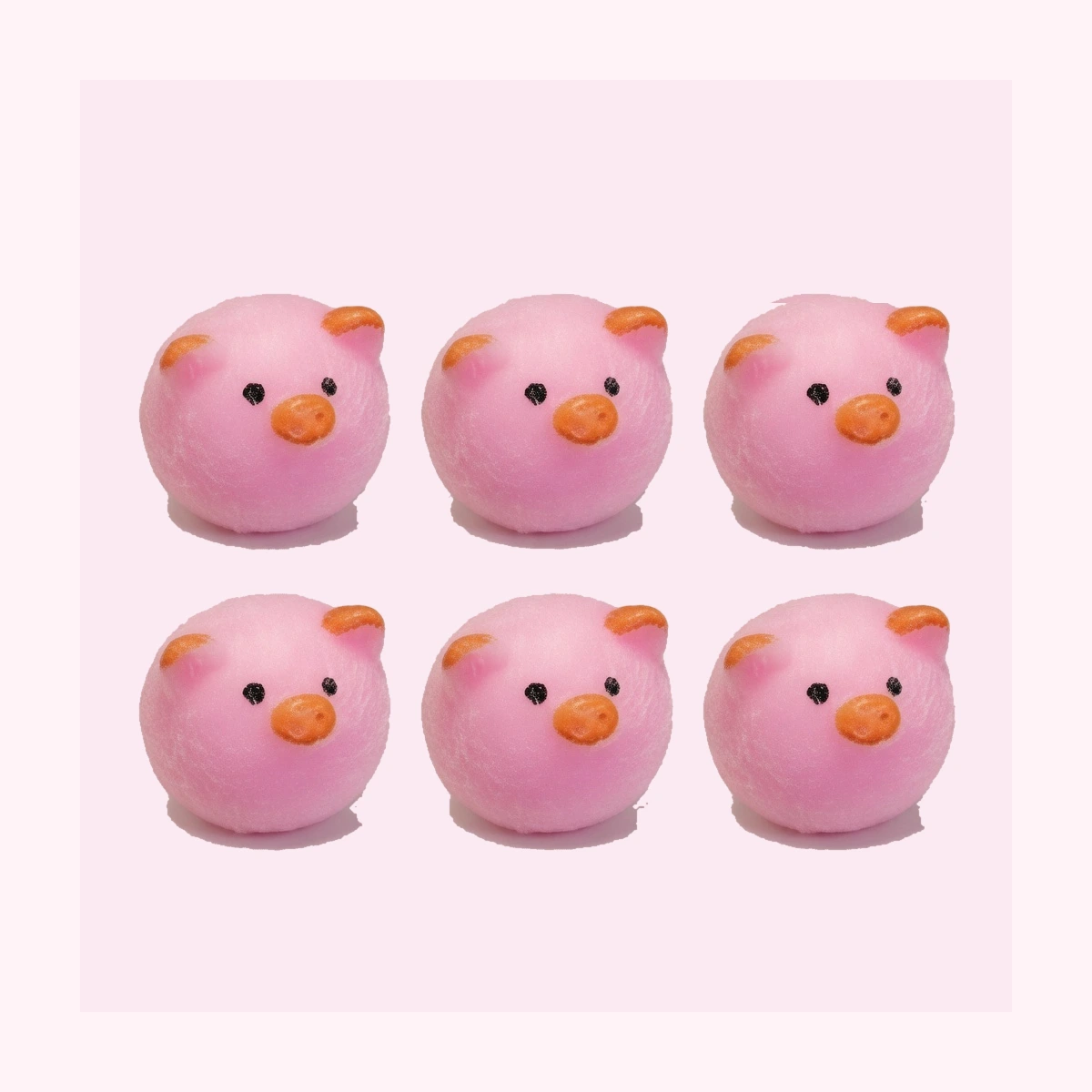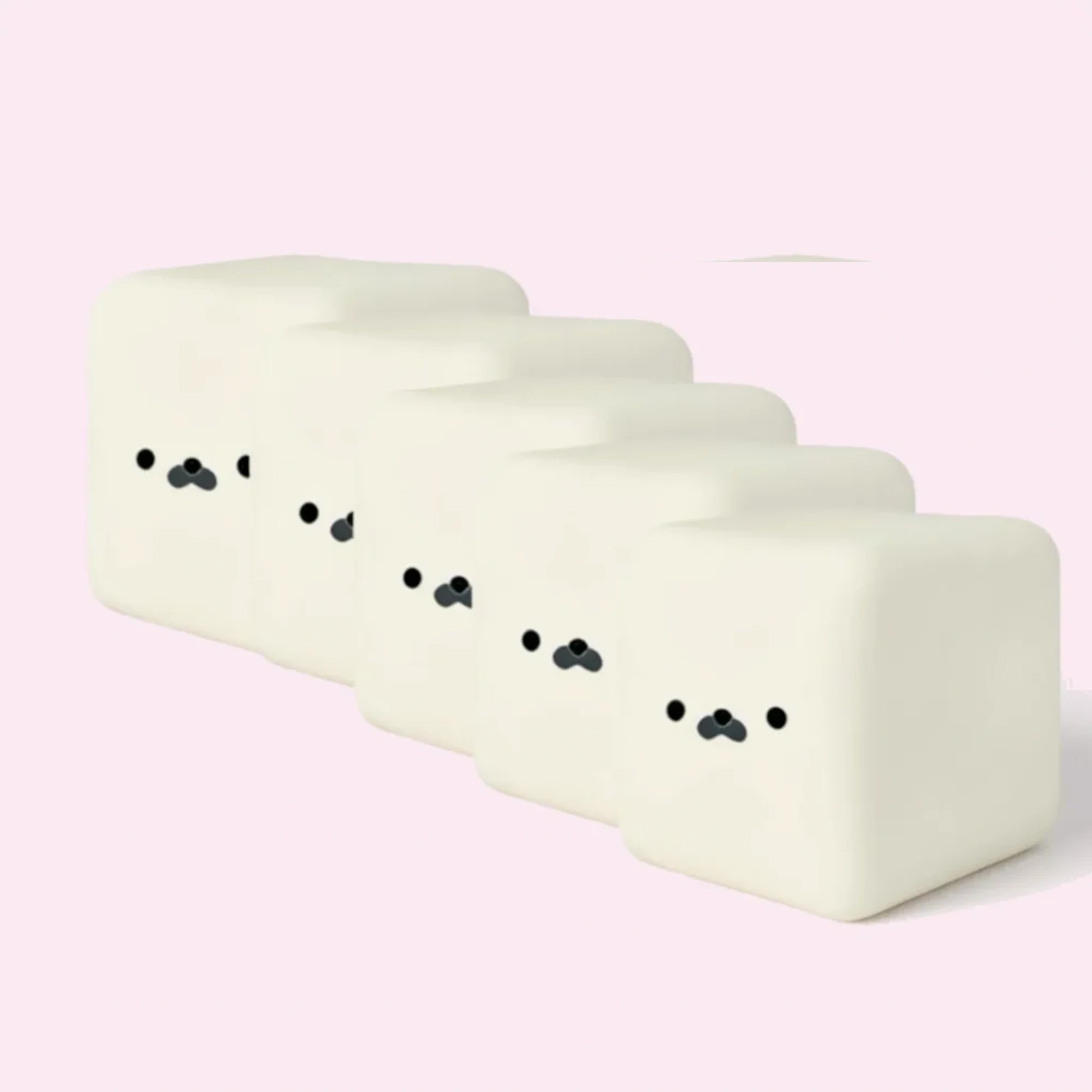



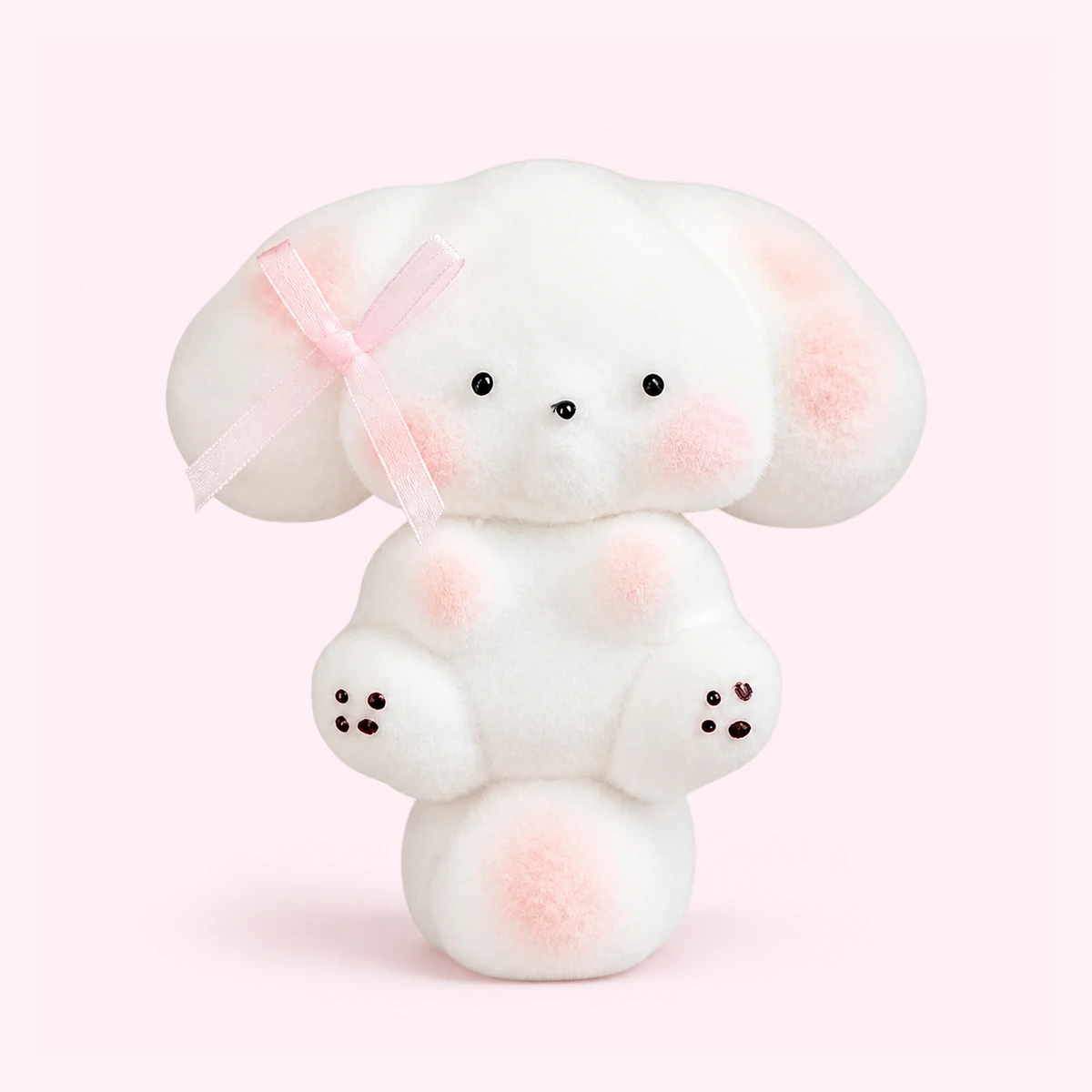
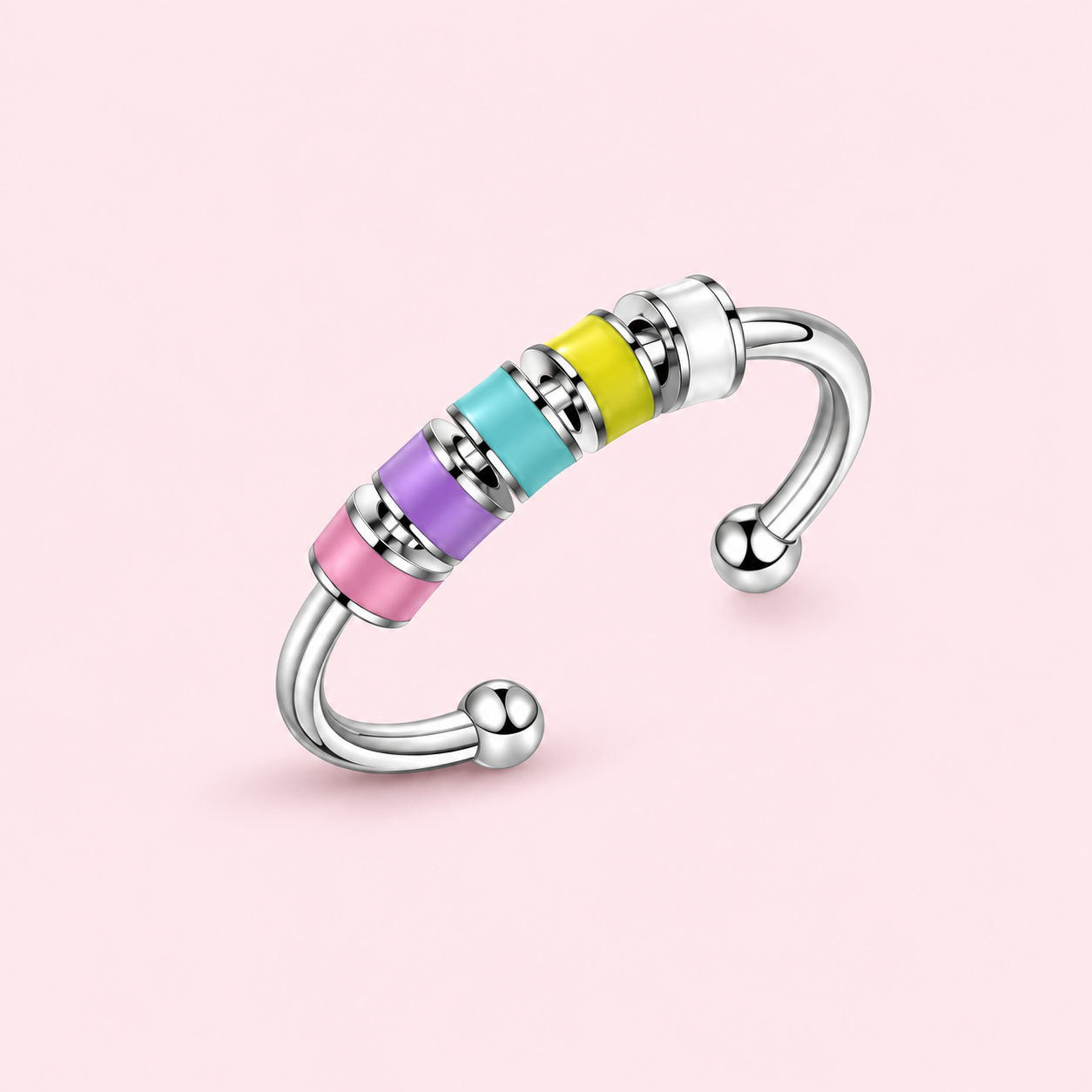



A fidget advent calendar is an appealing idea executed badly more often than not, and the reason is structural: filling 24 doors cheaply means repeating the cheapest item, so what arrives is usually one sensation in twenty-four colours. There are good ones, and the contents photograph tells you which is which before you buy.
Read the Contents Photo, Not the Door Count
Every honest calendar shows what is inside. Lay a finger over the colours and count how many genuinely different mechanisms are pictured.
Four or five distinct actions across 24 doors is a good calendar. One or two is a multi-pack in a box with perforations.
The tell is a grid of near-identical small items with one or two larger ones at the end. That layout means the maker bought one bulk item and added a showpiece for the photograph.
Also count the soft items. Foam and squishy fillers are legitimate and cheap, and a calendar that is nineteen squishies and five hard fidgets is a squishy calendar — which may be exactly what you want, and is covered from that side in squishy advent calendars.
Is There a Fidget Advent Calendar Worth Buying
Yes, and they share three features.
A named mechanism list rather than a piece count. “24 pieces” is a quantity. “Spinner, cube, slider, pop, stretch” is a plan.
A build-up rather than a flat line. The best ones put the substantial object behind a late door, so the last week is not an anticlimax.
Sensible sizing. Calendar doors are small, and small fidgets are the ones that get lost. A calendar of twenty-four tiny items produces twenty-four items under the sofa by January.
What none of them can do is guarantee that any single item is good. Calendar economics push every unit price down, and that is the honest limitation of the whole format.
Why Most Fidget Toy Advent Calendars Repeat Themselves
It is worth understanding the economics, because it explains every disappointing calendar and tells you what to look for instead.
A calendar has to hit a shelf price, and the box, the printing and the tray are a fixed cost before a single fidget goes in. What is left divides by 24.
That budget buys one bulk item well or five different items badly, and most makers sensibly choose the first. The result is twenty-four competent copies of one thing rather than twenty-four mediocre different things — which is the better outcome, just not the one the packaging implies.
The calendars that escape this are the ones with fewer doors or a higher price, and there is no third option. A cheap 24-door calendar with five real mechanisms does not exist, and a listing promising one is describing the photograph rather than the contents.
12 Days Against 24
Twelve-day calendars are usually better value per item, because the maker has half as many doors to fill and can spend more on each.
Twenty-four-day calendars are better as an event. The ritual is the product, and the individual items matter less than people expect.
For an adult, twelve is almost always the better choice. For a child, the countdown itself is the point and twenty-four wins.
And for two children, buy two twelve-day calendars rather than one twenty-four, because sharing a calendar is a negotiation every single morning.
Building One Instead
This is the option most people do not consider and it produces a better result for the same money.
Buy a plain wooden or fabric advent frame — the reusable kind with numbered pockets — and fill it yourself. You then control every item, and you keep the frame for next year.
Fill by action, not by count. Four or five actions rotated through the month beats twenty-four random objects. The four-action framework is in building a small set that covers everything.
Use multi-packs for the filler days. A 12 Pack Colorful Soybean Squishy Pea Pod Sensory Keychains covers twelve doors on its own with something small, silent and genuinely usable.
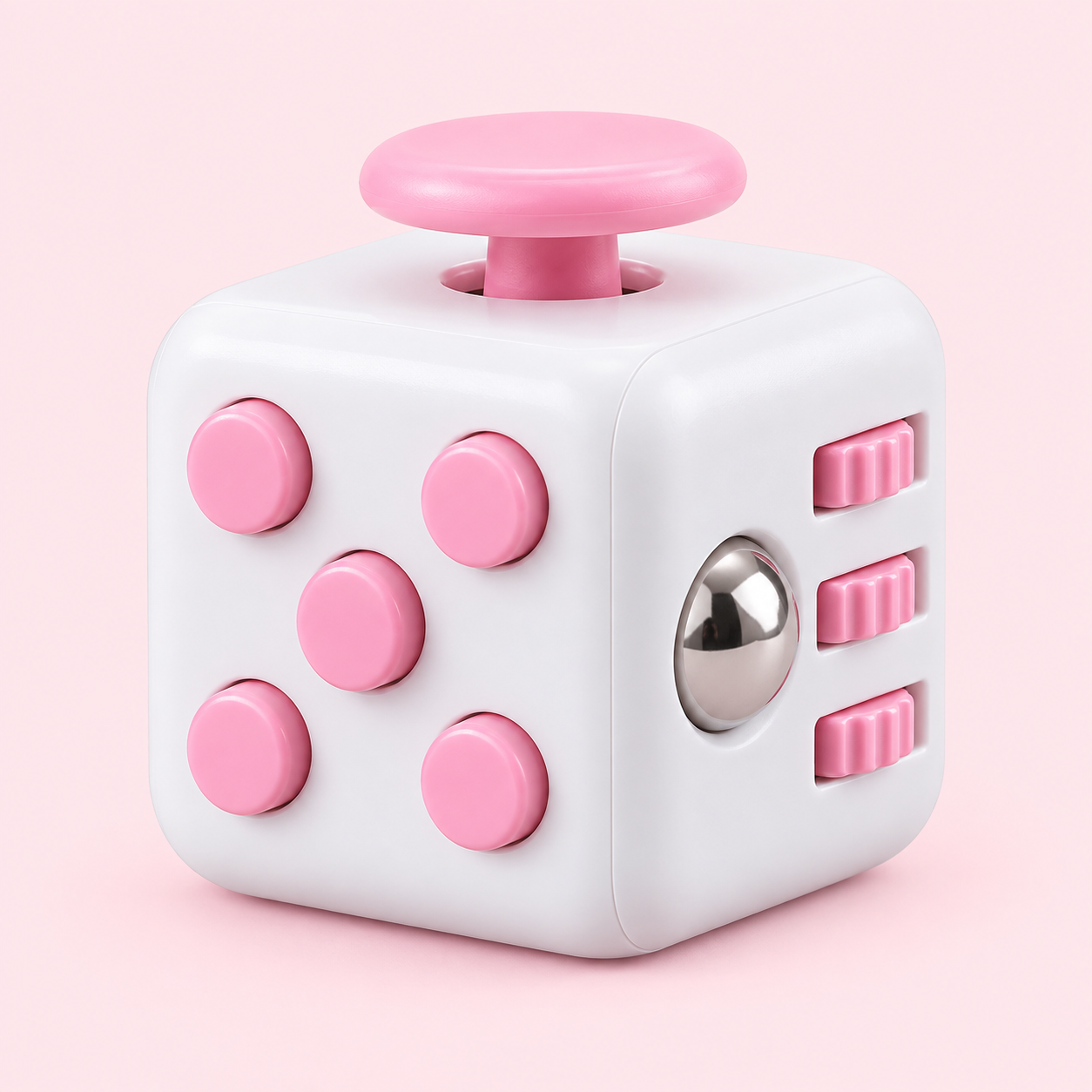
Put three real objects behind the last three doors. A White & Pink Six-Sided Fidget Cube, a Rainbow Metal Fidget Spinner and a Black Mechanical Fidget Ring is a better finish than any boxed calendar’s final door.
Add one shared object. A board stays on the table and works for two people, which is the right thing for a family calendar — the format is explained in what a sensory board is.
What Goes Wrong With Bought Calendars
Noise on day one. A clicker behind door one is a clicker in your house every day until Christmas. Check the contents photo for clickers before buying, not after.
Duplicate colours read as duplicate items. Even when the mechanisms differ, near-identical colours make a calendar feel repetitive on opening.
Small parts at the start. The first week sets the tone, and a week of tiny items makes the whole thing feel cheap regardless of what comes later.
Nothing survives to January. This is the normal outcome and it is worth accepting in advance. Treat a calendar as an event rather than as a way of acquiring fidgets, and the value question becomes much simpler.
If You Want the Countdown Without the Landfill
Buy fewer, better objects and reveal them on a schedule. Four good fidgets over four Sundays is a countdown, costs less than most calendars, and leaves you with four things you still own in March.
Or use a reusable frame with items that repeat — the same six objects rotated, which is closer to how fidgets actually get used anyway, and how the non-calendar version of the ritual works in squishy advent unboxing.
Four to Build One Around
12 Pack Colorful Soybean Squishy Pea Pod Sensory Keychains — twelve filler doors covered with one purchase.
White & Pink Six-Sided Fidget Cube — 2 × 2 × 2 in, several mechanisms, a proper late-door object.
Rainbow Metal Fidget Spinner — the showpiece finish.
Black Mechanical Fidget Ring — the one item that is still in use in March.
Browse fidget boxes and packs or all fidget toys to assemble a run of doors.