



The useful question is not whether fidget toys for focus work in general — it is which channel the task leaves free. Reading occupies your eyes, writing occupies your hands, a call occupies your ears and your voice. An object that needs a channel the task is already using does not support concentration, it competes with it, and that single mismatch explains most of the “I tried one and it made things worse” experiences.
We sell these, so treat this as a description of how the objects fit different work rather than a claim about outcomes.
The Four Channels
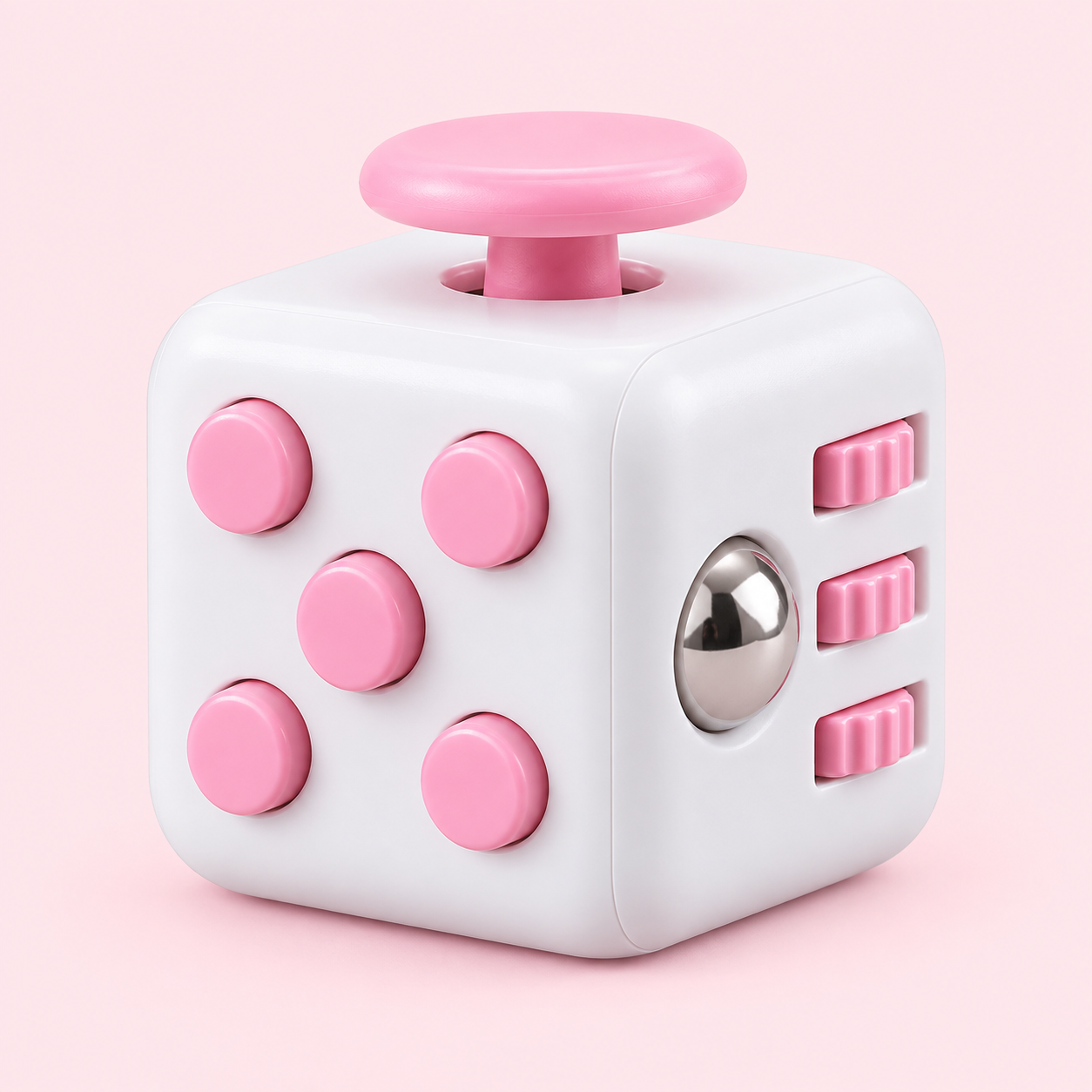
Eyes. Reading, reviewing, watching. Anything you have to look at is disqualified, which rules out multi-function cubes, puzzle-style objects, and anything with lights.
Hands. Writing, typing, drawing. A fidget needs to fit in the hand that is not doing the task, and it has to be operable one-handed.
Ears. Calls, meetings, listening. Audible fidgets are out, and not just for your own sake — a microphone makes your click everyone’s problem.
Voice. Speaking, presenting. Curiously the least constrained: almost any silent object works while you talk, and many people find something in the hand steadies them.
Most tasks occupy two of the four, which leaves a narrower window than people assume.
Matching Fidget Toys for Focus to Common Tasks
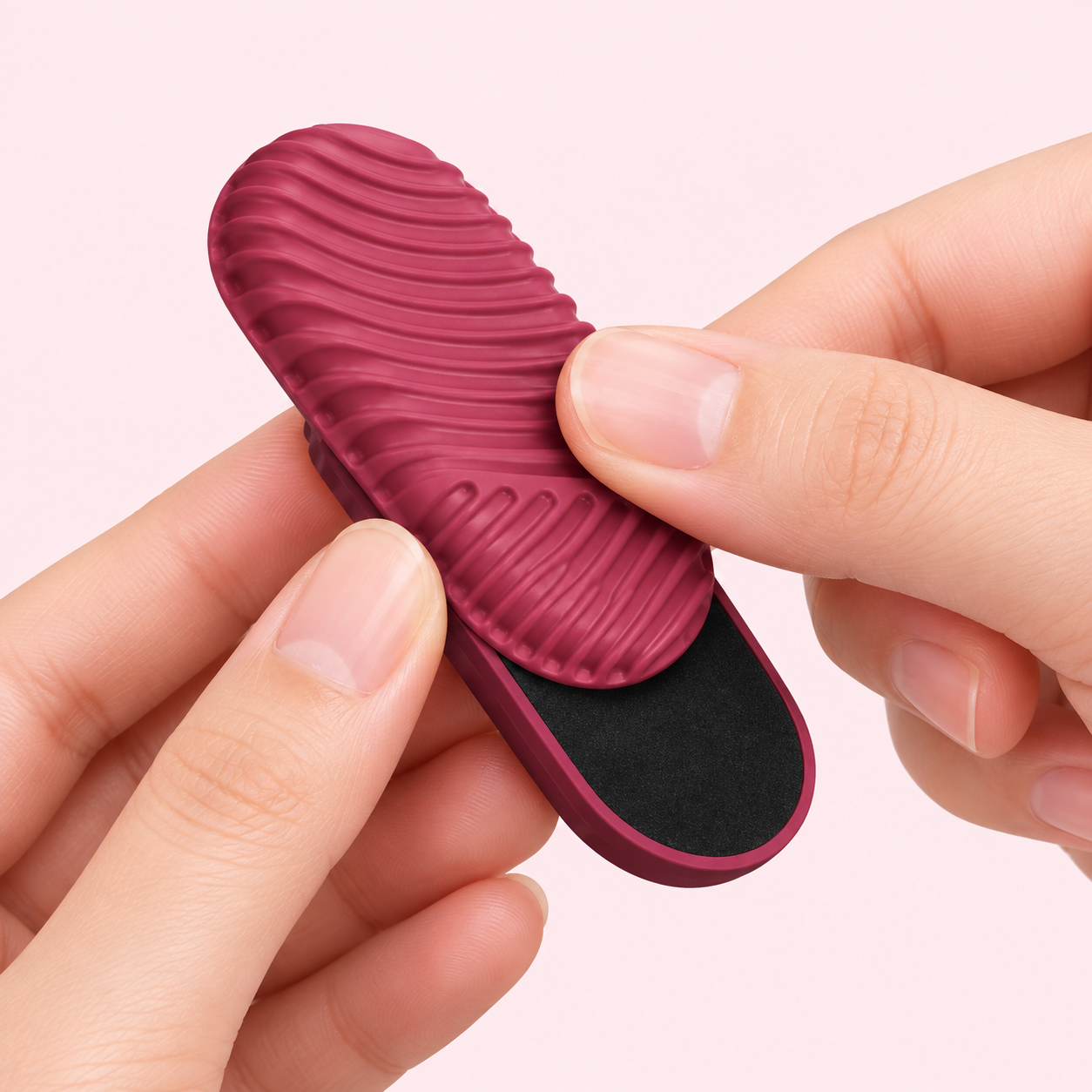
Reading. Eyes are gone, hands are mostly free. Ideal: a no-look one-handed object with continuous action. A ridged slider like the Magnetic Silicone Slider works because the thumb tracks position by feel, so you never look down.
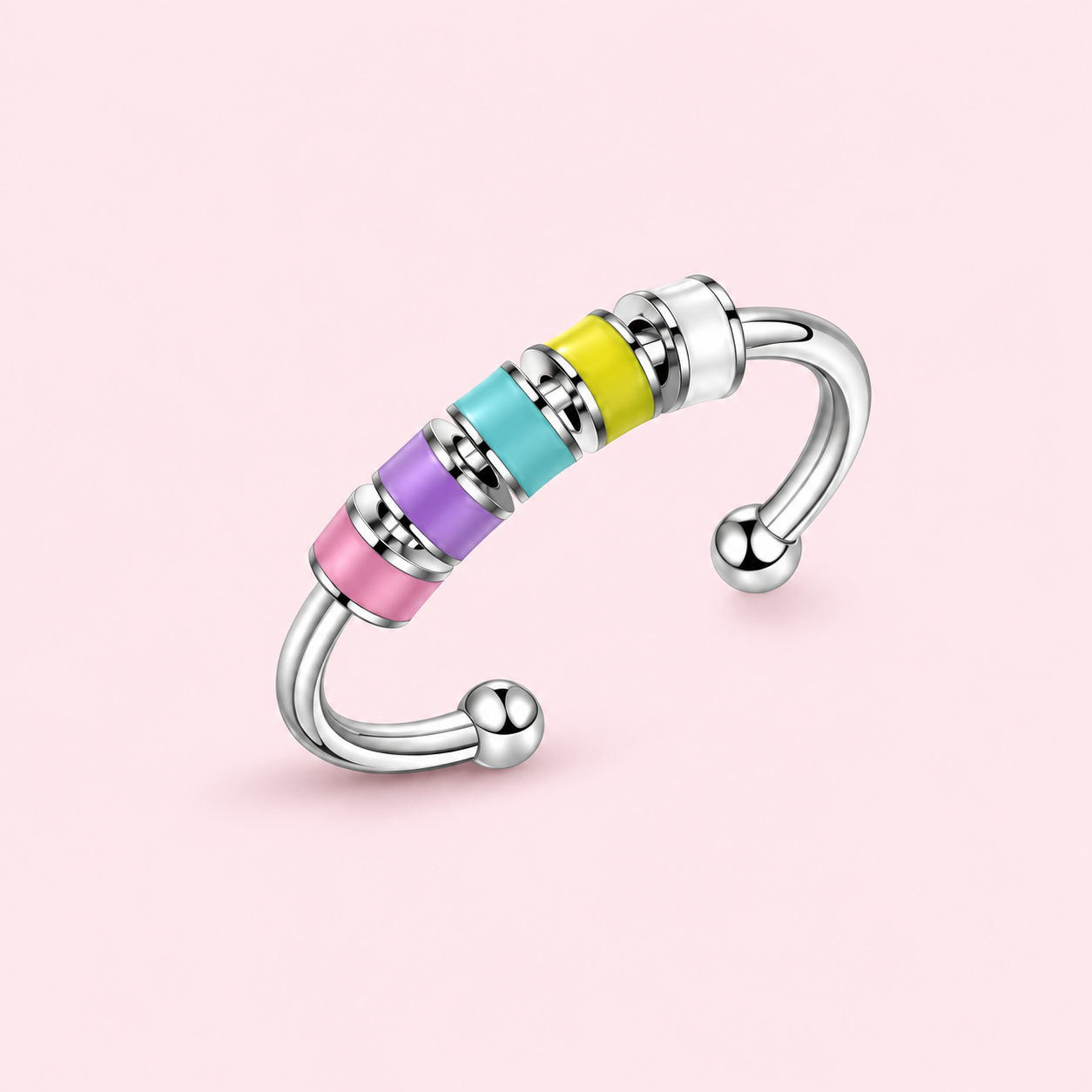
Writing or typing. One hand is committed and the other is close to the keyboard. This is the hardest case, and the answer is usually something worn rather than held — a ring keeps the option available without occupying the hand. The Black Mechanical Fidget Ring is textured rather than mechanical, so it can be used and abandoned mid-sentence.
Calls and meetings. Ears are the constraint. Silent and out of sight below the desk line, which the placement reasoning in what survives a shared office covers in detail. Clickers are the wrong choice here even when they feel right, for reasons sorted in which clicks are meeting-safe.
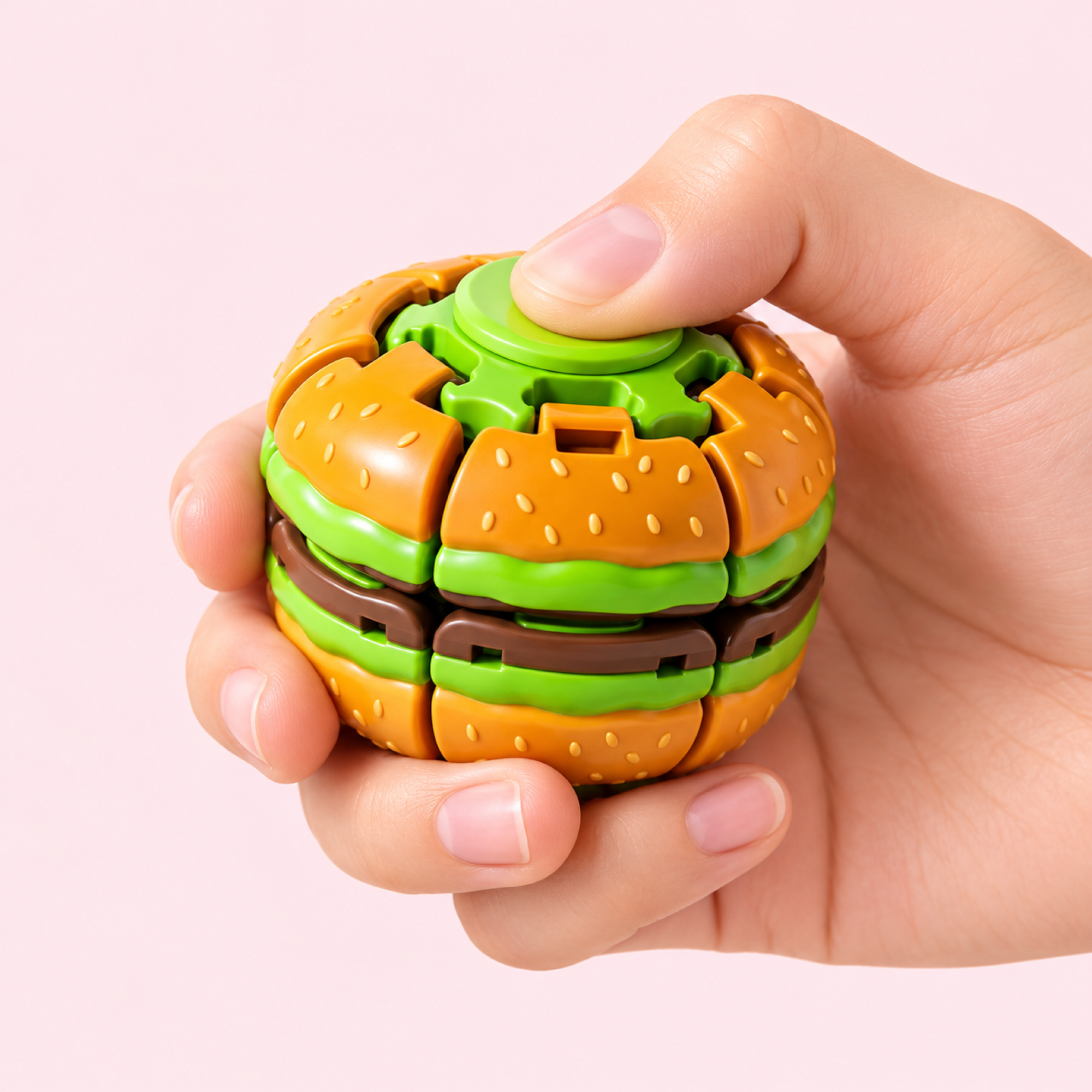
Thinking with nothing in front of you. Everything is free, so this is the moment for the deeper mechanisms — a folding cube or a spinner, both of which want more attention than the other three tasks can spare.
Why the Wrong Pairing Backfires
An object that needs a channel the task is using creates a switch. You look down, find the mechanism, operate it, and look back — and the cost of that switch is larger than whatever the fidget was supposed to relieve.
A related failure is placement. A fidget inside mouse reach gets picked up in the middle of a task rather than between tasks, and picking something up mid-task is the switch again. Parking it slightly out of reach means it gets used while you are thinking rather than while you are doing, which is when it costs nothing.
That is also why the drawer problem is not really about the object: a fidget in a drawer is out of reach at the moment it would have helped, which is the abandonment pattern behind what holds up after a month on a desk.
The Two-Object Setup That Works
One worn or pocketed object for tasks that occupy the hands, and one deeper desk object for thinking time. Two different actions rather than two of the same, because a single sensation stops registering after a few weeks.
The eight actions worth choosing between are set out in types of fidget toys, and the pairing that fails most often is two objects that do the same thing in different shapes.
What Nobody Can Tell You
Whether it will work for you. Hand habits vary enough that no recommendation transfers reliably, and the honest test is cheap: whatever you already do with your hands when they are empty is the action to buy for.
We can describe what the objects do, how loud they are, whether they need looking at and how they hold up. We cannot promise an outcome, and any listing that does is overreaching — the same position taken in does a stress ball work.
Two Habits That Make Any of Them Work Better
Give it a defined home. Not a drawer, not floating on the desk — one spot you can reach without looking. The value of a fidget is that it requires no decision, and hunting for it reintroduces exactly the decision you were avoiding.
Rotate rather than accumulate. Two objects swapped every few weeks stay effective far longer than five sitting out at once. A sensation you use constantly stops registering; the same sensation after a fortnight’s gap feels new again. This is why people who own many fidgets often use none of them, and people who own two use both daily.
Neither habit costs anything, and both do more for whether an object helps than the choice between two similar products.
Three Matched to Different Tasks
Magnetic Silicone Slider — ridged face, magnetic stops, no-look one-handed use. For reading.
Black Mechanical Fidget Ring — worn, silent, available without occupying a hand. For writing and typing.
Silicone Sensory Stones — solid, silent, no mechanism at all. For calls, where anything audible is disqualified.
Browse the desk and everyday-carry range, or all fidget toys to match an object to the channel your work leaves free.