


Almost every list of types of fidget toys sorts by appearance: spinners, cubes, rings, balls. That is how shops organise shelves and it is useless for choosing, because two objects in the same shape category can demand completely different things from your hand while two objects in different categories can feel nearly identical. Sort by the action instead and the whole category collapses into eight groups — and most people, it turns out, only ever reach for two of them.
The Eight Hand Actions
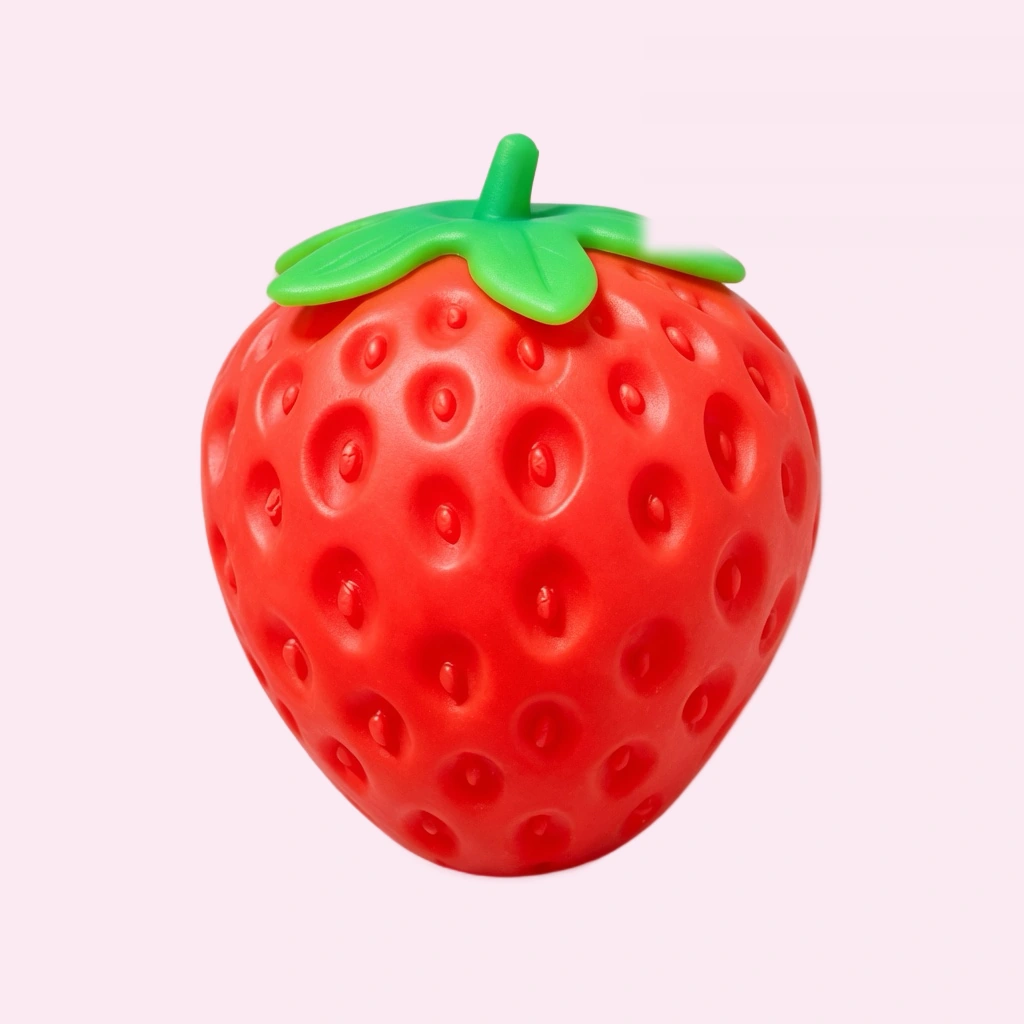
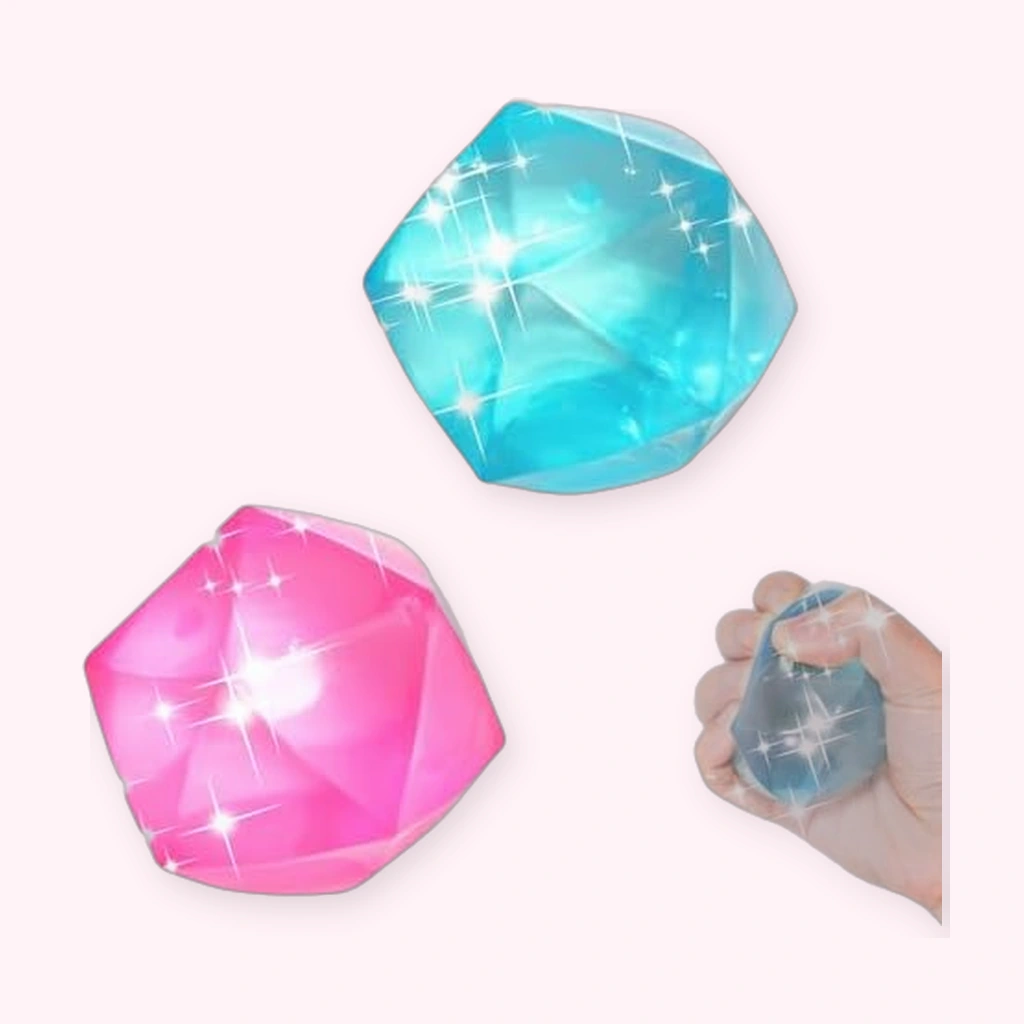
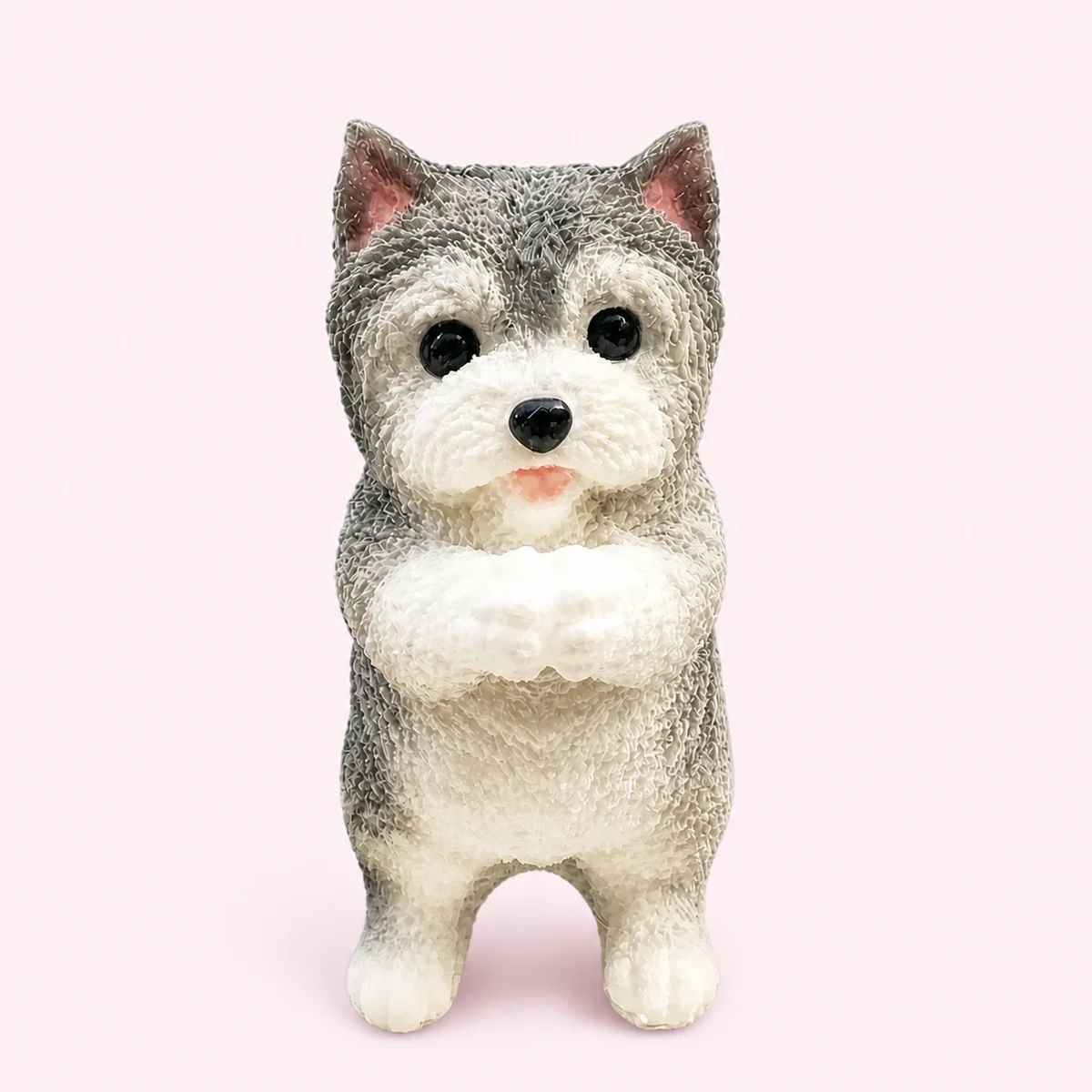
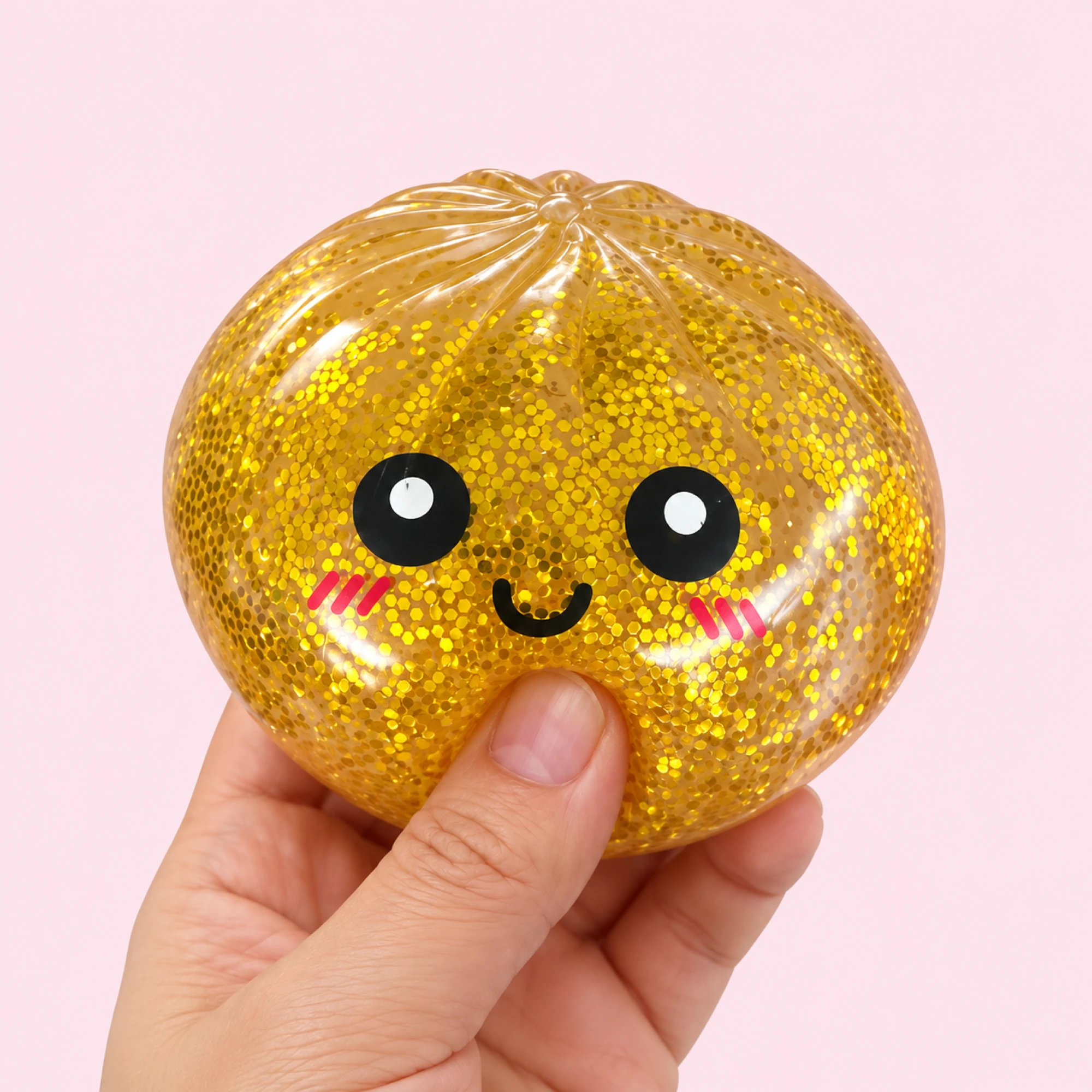
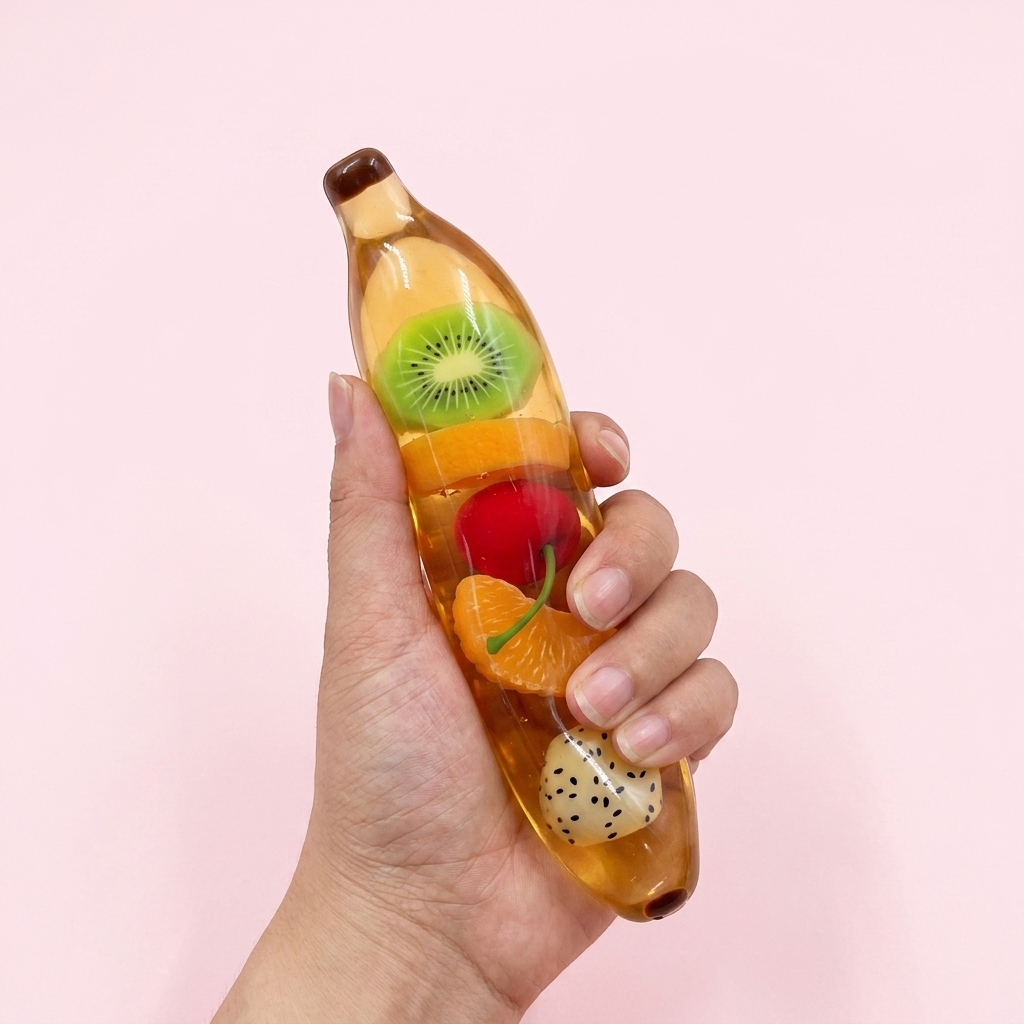
Compress. Close your hand around something that gives way and pushes back. The oldest and most universal action, and the only one that uses your whole hand rather than your fingertips. Foam, gel and bead-filled bodies all live here, and what separates them is resistance and rebound speed rather than shape — the comparison is in what the filling changes. The fidget balls range covers the soft end of this.
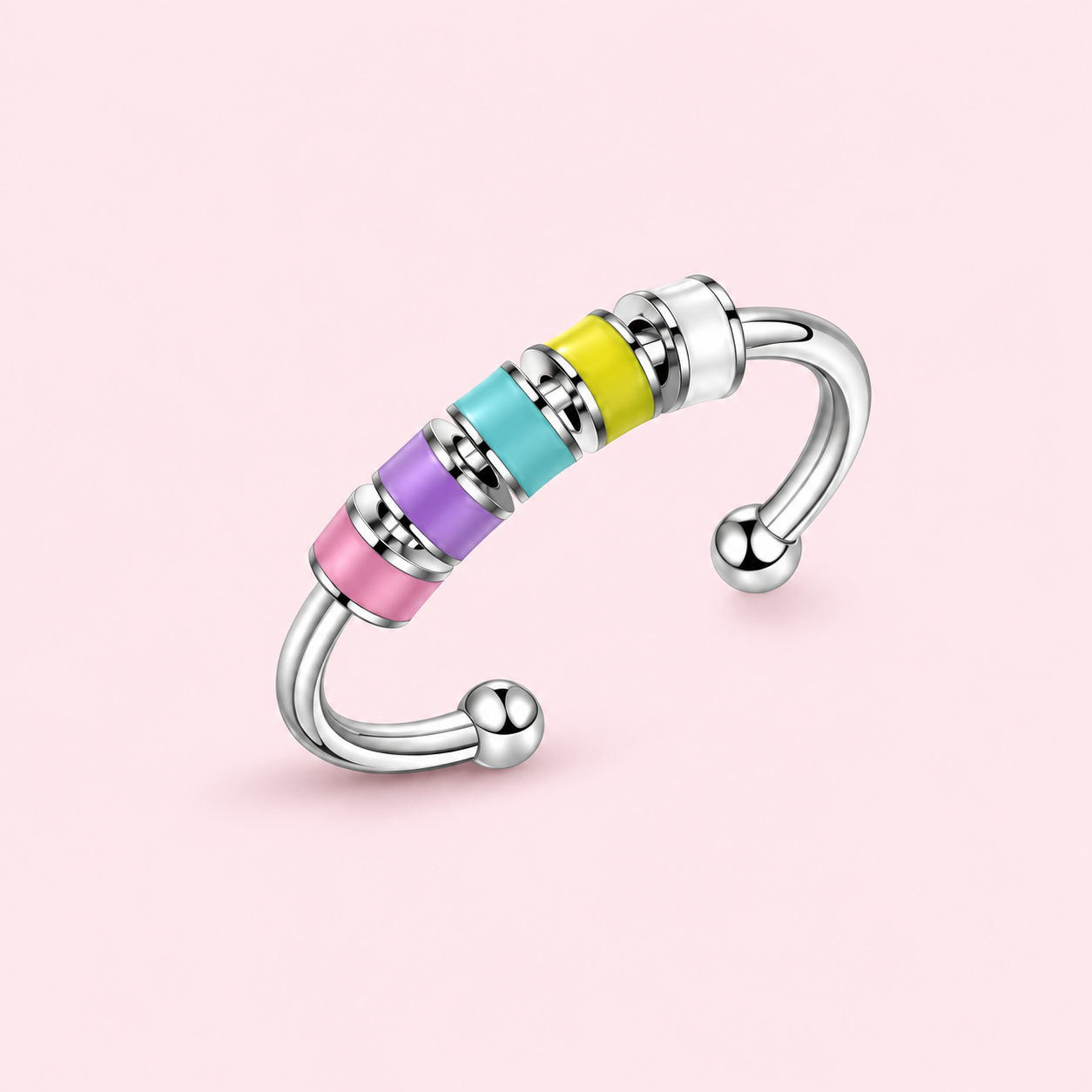
Rotate. Spin something and either watch it or feel its momentum. Fingertip work, highly visual, and the action most affected by build quality because it depends on a bearing. Fidget spinners and spinner rings are here; so, unexpectedly, is a spinner pen.
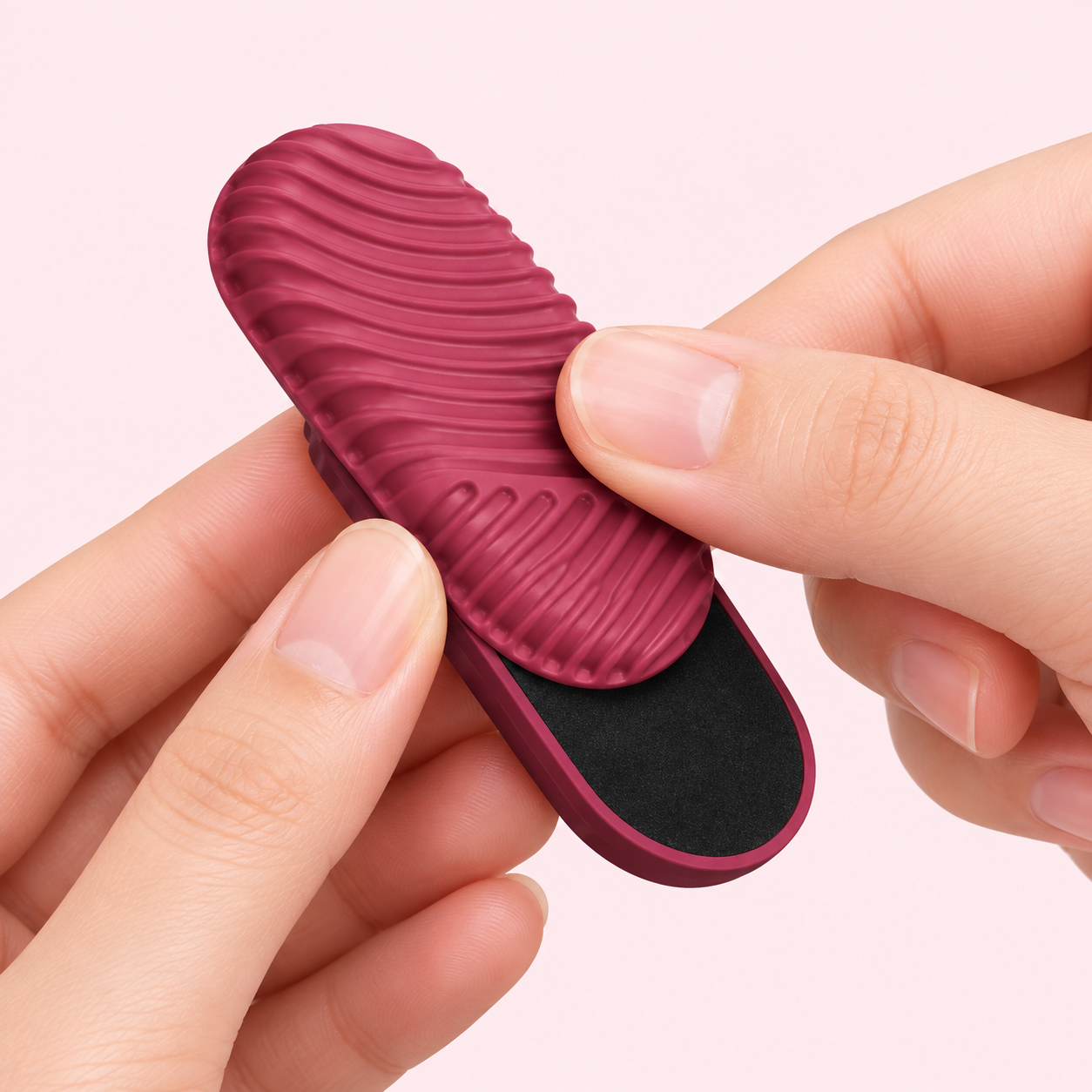
Slide. Move a carrier along a track and feel it arrive at a stop. Linear rather than circular, usually thumb-only, and the quietest mechanical action when the stop is magnetic rather than hard. The magnetic fidget toys range is mostly this.
Press and click. A discrete event with a definite completion — a switch, a bubble, a button. The only action that gives you audible feedback as well as tactile, which makes it the most satisfying and the least room-friendly. Fidget keyboards and clickers and pop it fidget toys both sit here despite looking nothing alike.
Fold. Articulate a chain of hinges through itself, continuously, with no end state. Two-handed for most people, deeply absorbing, and entirely dependent on hinge consistency. Fidget cubes are the main family.
Twist and stretch. Deform something elastic and let it return. Needs slack, so it never miniaturises well, and it is the most two-handed action of the eight. Tangle fidget toys and stretchy bodies belong here.
Track a texture. No mechanism at all — a thumb moving across a surface pattern. Silent, indestructible, and the action most people underrate until they own one. Silicone fidget toys and textured stones cover it.
Roll. Move something between the fingers or across a surface — beads in a channel, a marble in a sleeve, a ball in a palm. Close to tracking a texture, but the moving part does the work rather than your skin.
Why Sorting the Types of Fidget Toys This Way Helps
Because the action, not the shape, is what you develop a preference for.
Someone who compresses will be happy with a foam ball, a gel body or a squeeze toy in any silhouette, and will be bored by a spinner within a week no matter how good it is. Someone who presses will love a clicker, a bubble keychain and a keycap equally, and will not touch anything soft.
That is why buying “a nicer version of the last one” so often disappoints while buying “a different shape, same action” usually works. It also explains the drawer problem: a collection of five fidgets that all do the same action provides one sensation five times, which stops registering. Two objects with genuinely different actions outlast five that overlap — the pattern behind what holds up after a month on a desk.
Working Out Which One You Are
The fastest method needs no purchase. For a day, notice what your hands do when you have nothing to hold: tapping a pen is pressing, rolling a cap between your fingers is rolling, clicking a pen top is clicking, squeezing the arm of a chair is compressing, twisting a hair tie is twisting.
Whatever you already do without a toy is the action to buy for. That sounds obvious and almost nobody does it, which is why so many fidgets are bought on appearance and abandoned on feel.
If you do two things habitually, buy for both — one carried, one parked. The pairing logic is in the everyday-carry shortlist.
Where Each Action Is Usable
Not every action suits every room, and this is the second filter after preference.
Compressing and tracking a texture are silent and invisible, so they work anywhere. Sliding is silent if damped. Rolling is nearly silent.
Pressing and clicking are audible by design — fine in a room that already sounds like keyboards, conspicuous in a quiet one, as sorted in which clicks are meeting-safe.
Rotating is quiet but visually obvious, which makes it the surprising failure in shared offices. Folding and stretching need two hands and some space, which makes them desk actions rather than carry ones.
The Actions That Combine Well
A few pairings work better than the sum of their parts, and they are not the obvious ones.
Compress plus rotate is the most common two-object setup and the least effective, because both are whole-attention actions — you stop what you are doing to use either one. Compress plus track a texture works far better: one is deliberate, the other runs in the background.
Press plus slide is the best pair for desk work, because pressing gives you a discrete event when you finish something and sliding gives you something continuous while you think.
Fold plus anything small is the standard home-and-away split: the folding object stays at the desk where two hands are free, and the small one travels.
The pairing that fails most reliably is two objects with the same action in different shapes, which is what most collections turn into by accident.
Three Objects, Three Different Actions
Magnetic Silicone Slider — sliding, with a magnetic stop and a ridged silicone face. Flat, quiet, one-handed.
Four-Key Mechanical Fidget — pressing, with four keys you can roll under four fingers. The deepest version of the press action.
Silicone Sensory Stones — tracking a texture, with no mechanism to wear out or make noise.
Browse the whole fidget toys range with the eight actions in mind rather than the eight shapes, and the shortlist gets much shorter very quickly.
Once you know which actions you are missing, building a small set that covers everything turns that into four objects and three places.