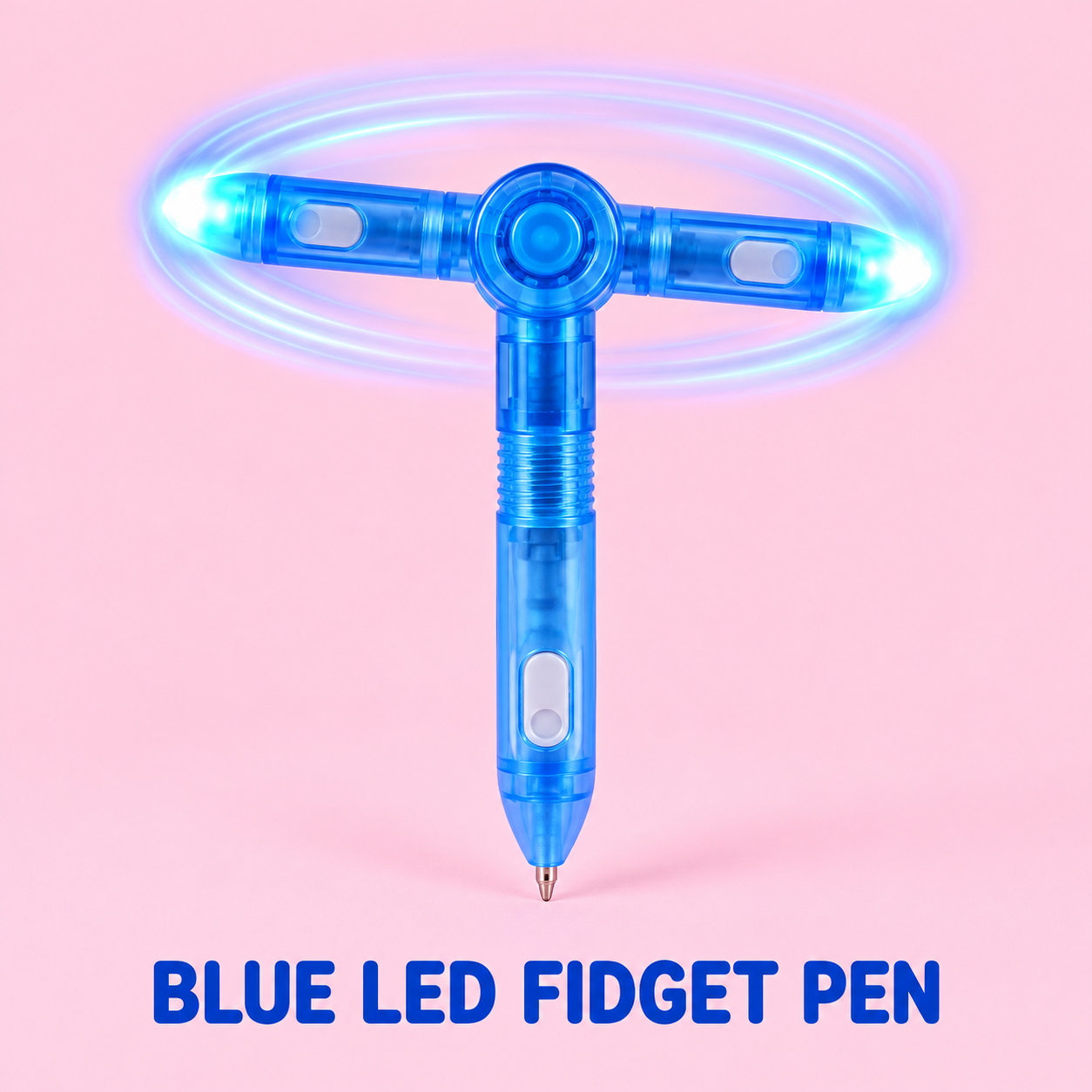




A magnetic fidget pen is the only pen-shaped fidget where the writing instrument and the mechanism are the same object: the body separates into magnetised segments that snap back together in whatever arrangement you build, so the pen is disassembled and rebuilt rather than clicked or spun. It is genuinely clever, it is the only one of these formats that can be built into shapes other than a pen, and it has two failure modes that nobody mentions until you own one.
How a Magnetic Fidget Pen Works
The body is a stack of short magnetised segments, usually with a ball or a cap at each end, held in line by the attraction between them. Pull it apart and each piece keeps its polarity, so pieces snap to each other in predictable ways — end to end into a straight pen, around into a ring, or into a shape that holds itself.
The satisfaction comes from the snap: an accelerating approach and an abrupt stop, which is a sensation almost nothing else in the fidget category produces. A slider gives you a controlled arrival, a clicker gives you a mechanical release, but a magnet gives you something that moves on its own at the end.
Most designs keep a functioning refill inside one segment, so the object is still a pen. That matters more than it sounds, because a pen that does not write is just an awkwardly shaped fidget.
The Two Things That Go Wrong
It comes apart in a pocket. A magnetic pen is, by design, held together only by magnetism. In a bag or a trouser pocket, with keys and a phone and other objects pushing against it, segments separate. You will lose one eventually, and a stack missing a segment is finished — the parts are not sold individually and a non-matching replacement will not hold polarity correctly.
The magnets attract things you did not intend. Segmented magnets are strong relative to their size because the whole point is that they snap together across a gap. That same field picks up paperclips, staples and steel dust from a desk drawer, and the fine grey particles it collects sit at the joints where they interfere with the snap. It also means the pen should not share a pocket with a card that has a magnetic stripe, and should not be parked on a closed laptop lid.
Neither issue makes it a bad object. Both mean it is a desk object rather than a carry object, and buying one as everyday carry is the mistake to avoid.
Are Magnetic Pens Safe to Own
The honest answer is that the magnets are strong enough to matter around some specific things and unremarkable around everything else.
Keep them away from magnetic-stripe cards, mechanical hard drives and anything with a compass, which in practice means a phone doing navigation. Modern solid-state storage and contactless cards are not affected.
Loose small magnets are the one genuine hazard in any magnetic product, and a segmented pen is a set of loose small magnets by construction — so it belongs on a desk where it stays assembled, not somewhere pieces can scatter and be found later by someone who does not know what they are.
Magnetic Pen or Spinner Pen
These are the two pen-shaped fidgets and they suit different people.
A magnetic pen is a construction toy. The engagement comes from building and rebuilding, it is slow and deliberate, and it needs both hands and a bit of desk space. It is also the more fragile of the two and the one you can lose parts from.
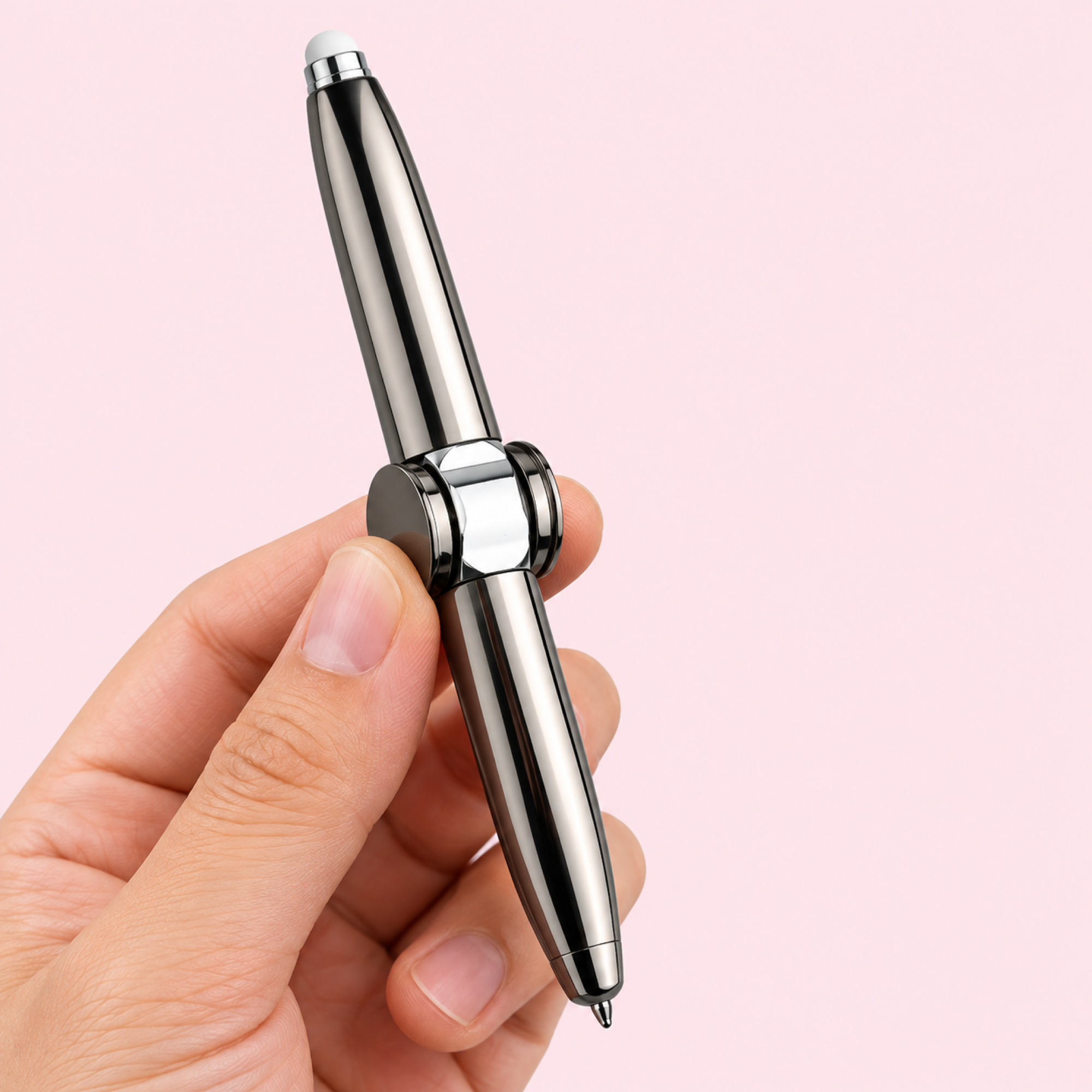
A spinner pen keeps the body intact and rotates a weighted section around the grip. One-handed, nothing to lose, and it survives a pocket. The Metal Spinner Pen is that type — a silver-grey metal body that spins in the hand and writes when you need it to, which makes it the more practical of the two for anyone who works away from a fixed desk.
The general case for magnets in fidgets — sliders, panel boxes and textured balls, and what the magnet contributes in each — is set out in magnetic fidget toys by architecture. A segmented pen is a fourth architecture: the magnet is the structure itself rather than a brake, a latch or a grip.
Care and What Fails First
Wipe the joint faces with tape rather than cloth; tape lifts ferrous dust off, cloth pushes it around. A pen that has stopped snapping crisply is almost always contaminated rather than demagnetised.
Heat is the real enemy. Magnets lose strength permanently above their rated temperature, and a car dashboard in summer reaches it. A magnetic pen left in a hot car can come back measurably weaker, and that damage does not reverse.
The refill runs out like any pen. Check before buying whether the refill is a standard size, because a proprietary one turns the object into a fidget the day it dries up.
Three Pen and Metal Picks
Metal Spinner Pen — metal body, spins one-handed, writes at the desk, survives a pocket. The practical pen fidget.
Magnetic Silicone Slider — if what you want is the magnetic snap rather than the pen, this delivers the same arrival sensation in a shape that cannot lose parts.
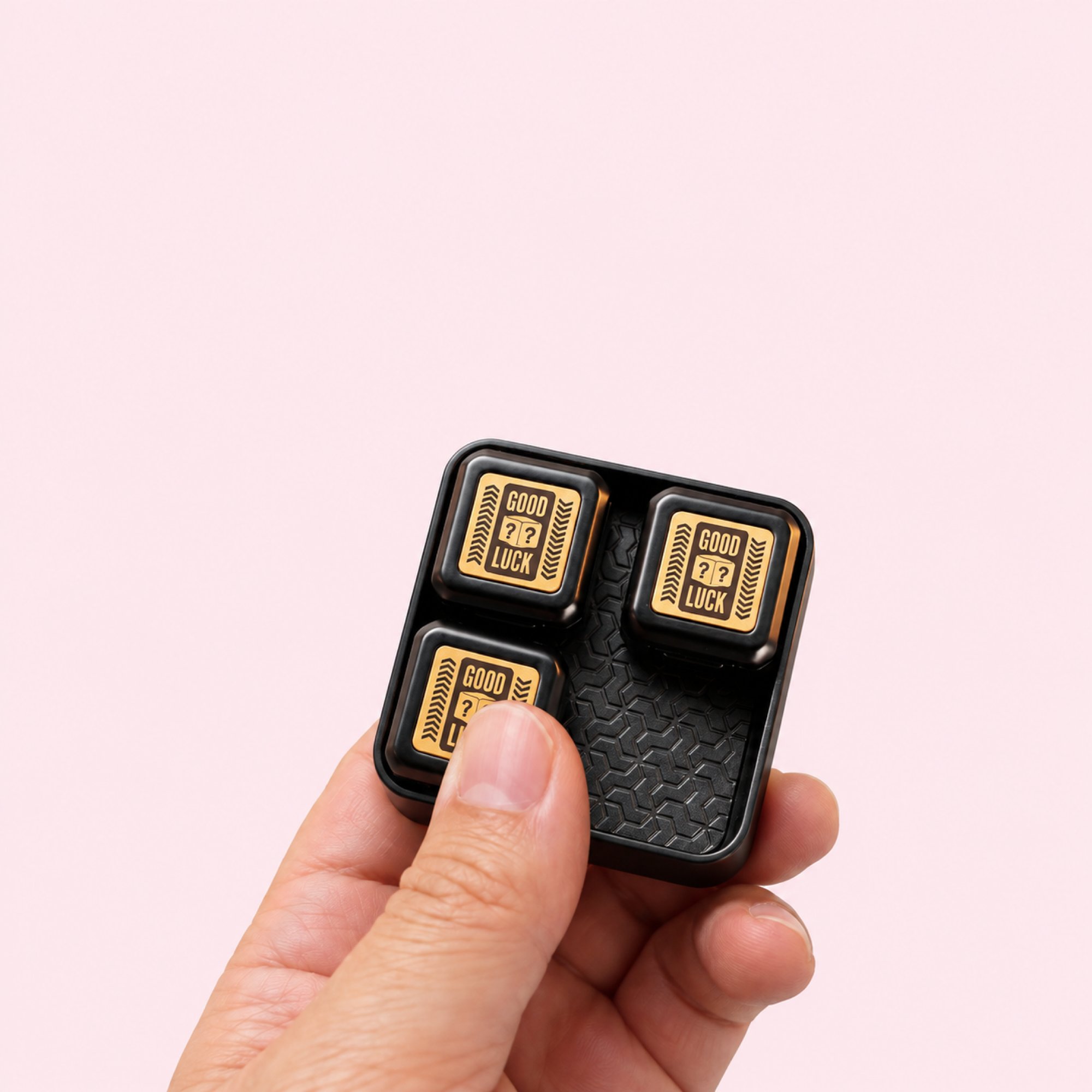
Magnetic Fidget Box — visible magnetic panels and sliding parts, for the build-and-release feel in a body that stays assembled.
See the fidget pens range, the magnetic fidget toys range, or step back to all fidget toys.
If you need one that stays quiet in a shared room, which pen mechanisms are actually silent ranks them and names the sound most listings never mention.