




The word “magnetic” on a product page tells you almost nothing about how something feels in the hand. Magnetic fidget toys come in at least three architectures that share a component and share nothing else: a slider, in which the magnet acts as a brake; a panel box, where it works as a latch; and a textured ball, where magnetism is the entire point of contact. Buying one because you liked another is how people end up with a drawer full of magnets they never touch.
What Magnetic Fidget Toys Are Doing Mechanically, by Shape
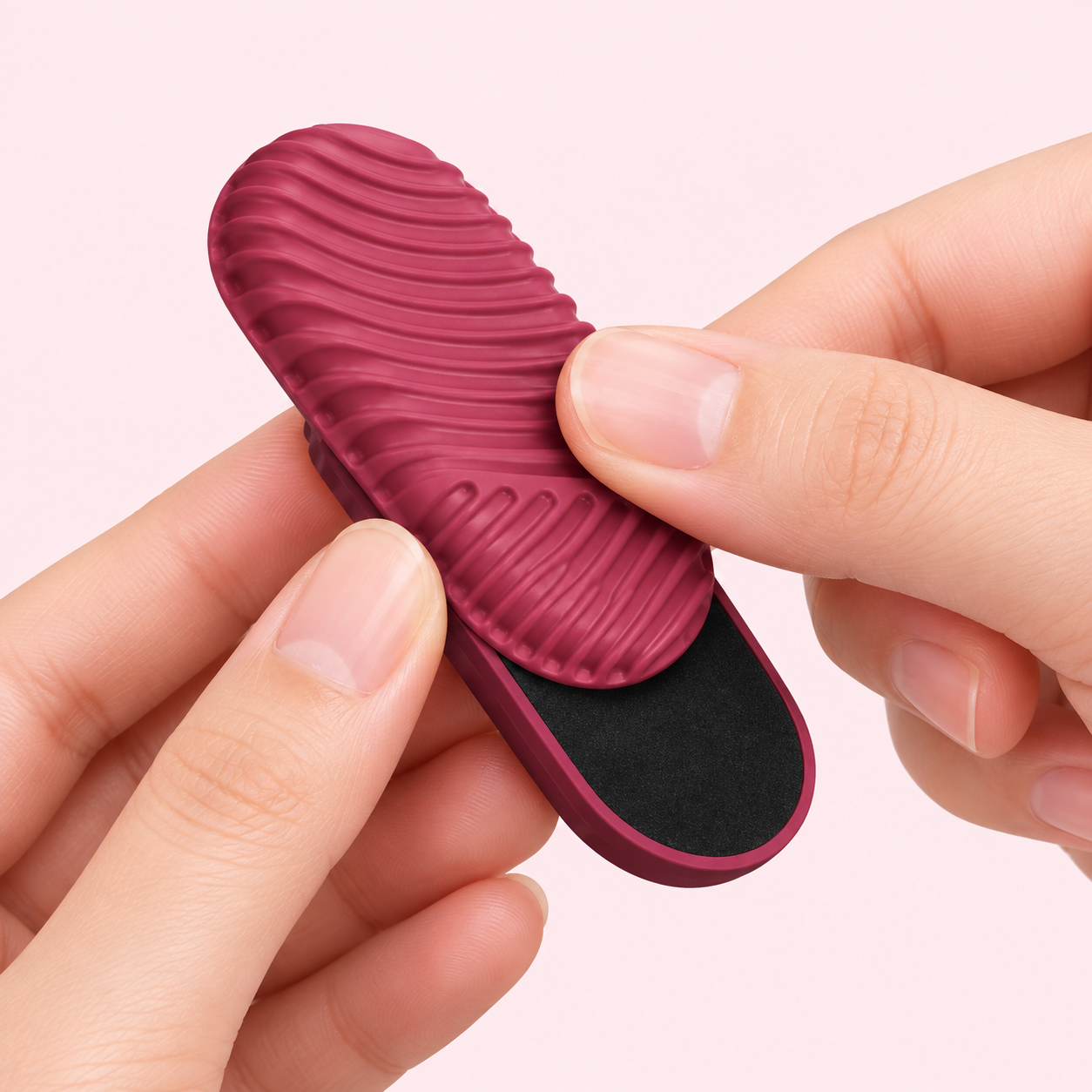
Sliders: the magnet is an end-stop. You push a carrier along a short track and a magnet catches it at each end with a definite snap. The pleasure is the arrival, not the travel — a clean, repeatable thunk with no rebound. The Magnetic Silicone Slider pairs that action with a ridged silicone face, which matters more than it sounds: the ridges give your thumb a reference so you can feel how far you have travelled without looking, and the smooth black base underneath keeps the whole thing flat on a desk.
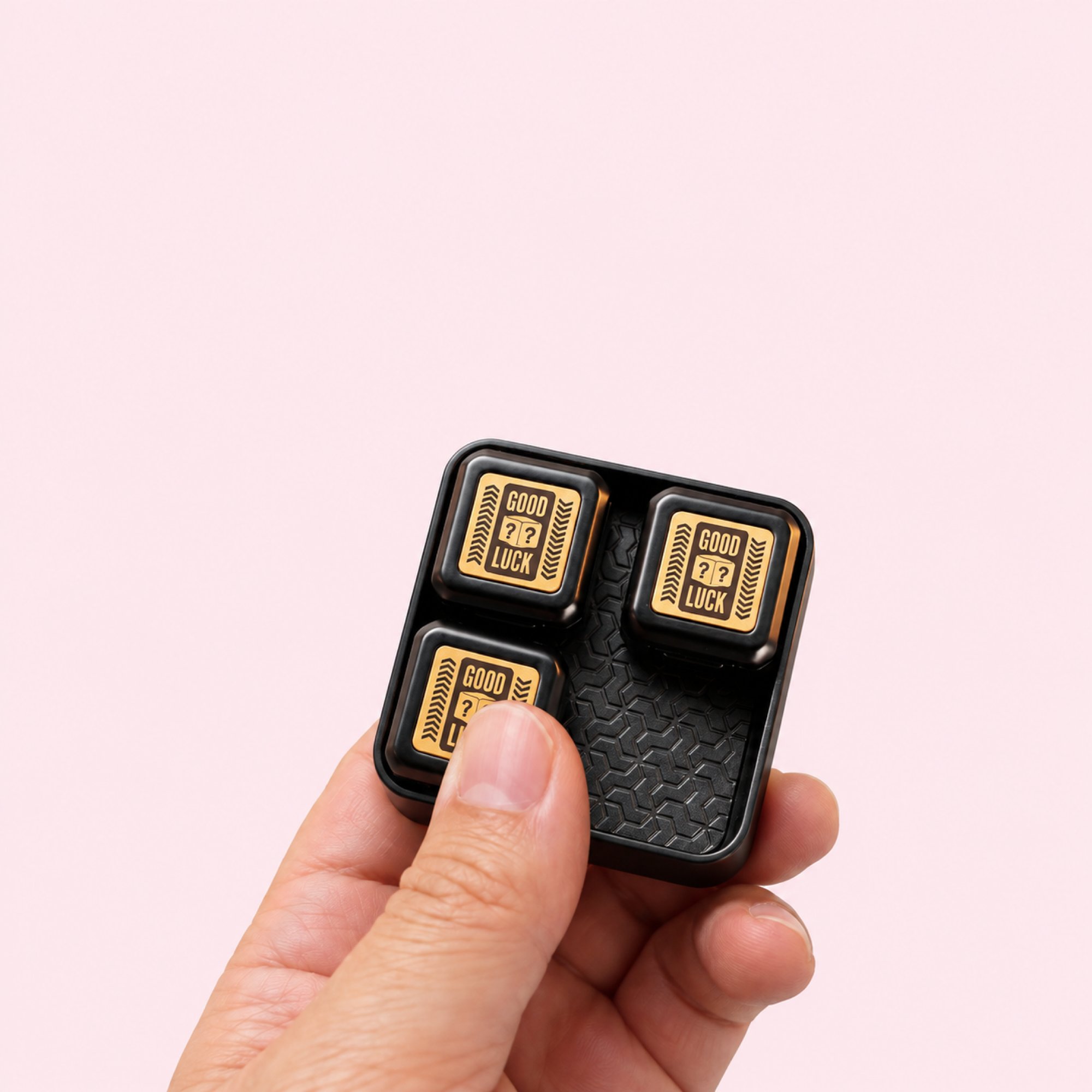
Panel boxes: the magnet is a latch. A cube or box with magnetic panels that hold closed, release under pressure, and re-seat. The sensation is a two-stage one — resistance, then release — and it rewards slow, deliberate handling rather than fast repetition. The Magnetic Fidget Box has visible magnetic panels and sliding parts, so you can see the mechanism you are operating, which is unusual and makes it the easiest of the three to learn.
Textured balls: the magnet is the grip. Here the magnetism is not a mechanism at all — it is what lets the object cling to another surface, or to a second ball, so that pulling them apart becomes the fidget. The Purple Magnetic Sensory Ball carries a broad wave texture across the surface, so it works as a plain tactile ball even when there is nothing to stick to.
If you want the short version: sliders are for repetition, boxes are for deliberate handling, balls are for pull-apart resistance. None of them substitutes for another.
Strength Is Not the Quality Signal People Think It Is
A stronger magnet produces a more emphatic snap and a worse fidget in most cases. Past a certain point the carrier stops sliding and starts jumping, you lose the middle of the travel entirely, and the toy becomes a two-position switch. The best sliders feel slightly under-magnetised by the standards of someone testing them on a shop counter for five seconds.
The same trap catches panel boxes. Panels that grab too hard need a deliberate two-handed pull to open, which kills the one-handed usability that makes a desk fidget worth owning at all. That is one of the four failure modes we use for ranking in what actually holds up after a month on a desk, and magnetic designs fail it more often than any other category.
What you actually want to evaluate is consistency: does every stop feel the same as the last one, or is one end mushier than the other? Uneven action is the flaw that turns into irritation over weeks.
Where Magnets Genuinely Do Not Belong
Magnets do not care about your intentions, and a few practical placements are worth knowing before you carry one everywhere.
Hotel key cards, transit cards and older bank cards with magnetic stripes will degrade if a magnet sits against them in the same pocket. Chip-and-contactless cards are far more robust, but the stripe on the back is not.
Mechanical hard drives and some older laptops react badly to a magnet parked directly on the case. Solid-state storage does not care, which covers most modern machines, but the speakers, hinges and lid sensors in a laptop do contain magnets of their own, and a strong external magnet near a closed lid can convince a machine it is shut.
Anything with a compass — a phone in navigation mode included — will read wrong while a magnet is near it, and phone cases with a magnetic mount plate can pick up a fidget magnet and hold it against the screen.
None of this is exotic; it is the same list as any fridge magnet. It just becomes relevant when the magnet lives in your pocket instead of on a fridge.
Picking Between the Three
Buy a slider if you fidget in bursts and want something flat that stays where you leave it. It is the most room-safe magnetic shape because the sound is a single soft click damped by silicone, not a metallic snap.
Buy a panel box if you like mechanisms you can watch, and if you want a fidget that survives being handed to someone else — the visible panels make it self-explanatory.
Buy a textured ball if what you actually want is grip and pull-apart resistance rather than a mechanism. It doubles as a plain tactile ball, so it is the most forgiving choice if you are not sure what you like yet.
For the noise question specifically — whether any of these survives an open microphone — the mechanism matters more than the magnet, and the same logic we applied to meeting-safe clicks applies here: a damped silicone snap carries far less than a metal-on-metal one.
Care
Magnets collect ferrous dust, and ferrous dust is everywhere — it comes off keys, scissors, radiators and pocket change. A slider that has become gritty usually has a rim of fine grey particles at the magnet ends, and the fix is tape rather than washing: press adhesive tape against the magnet face and lift the dust off.
The other failure mode is adhesive. Magnets in moulded fidgets are usually seated in a recess and bonded; heat weakens that bond. A magnetic fidget left on a sunny car dashboard is the one scenario where a magnet genuinely comes loose, and it does not go back in properly once it has.
Three to Compare
Magnetic Silicone Slider — ridged silicone face, smooth base, magnetic end-stops. Flat, quiet and one-handed: the default recommendation.
Magnetic Fidget Box — visible magnetic panels and sliding parts. The one to pick if you want to see the mechanism working.
Purple Magnetic Sensory Ball — broad wave texture, magnetic body. Grip and pull-apart resistance rather than a mechanism.
Browse the full magnetic fidget toys range, or step back to all fidget toys to compare a magnet against a bearing or a spring. If your concern is office noise rather than mechanism, our metal and magnetic office etiquette guide covers that ground.