






A sensory wooden board is not a plastic one in a nicer material — the material changes what mechanisms are possible, how the object sounds, and where it ends up living. Wood is heavier, quieter and far more limited in what it can hold, and each of those is an advantage in some rooms and a drawback in others.
What Wood Does to the Sound
This is the biggest practical difference and the one nobody mentions in listings.
Wood absorbs impact. A ball rolling along a wooden track produces a low, soft sound; the same ball in a plastic channel produces a bright, carrying one.
That matters because a board is used on a hard surface in a room with other people, and the sound of a board is transmitted through the table it sits on. Wood damps that; plastic amplifies it.
It also changes what the mechanisms can be. A wooden board tends towards rolling, sliding and turning rather than clicking, simply because a crisp click is hard to produce in wood and easy in moulded plastic.
What Wood Costs You
Fine mechanisms. Small sliders, fine gear teeth and captured beads all need tolerances that injection moulding gives and woodworking does not. A wooden board has fewer, larger elements by necessity.
Weight, if you wanted portability. Wood is heavier for the same size, which is fine for a board that stays on a table and wrong for one that travels.
Moisture tolerance. A plastic board is wiped clean; a wooden one should not be soaked. In a room with several users this matters more than it sounds.
Colour. Wood is finished rather than pigmented, so the bright multi-colour styling that plastic boards use is either painted on or absent.
What Wood Buys You
Weight where weight is good. A board that does not slide across the table while you use it is a better board, and mass is the only thing that achieves that.
Durability at the edges. Wood takes knocks and shows them as marks rather than cracks. A dropped plastic board chips; a dropped wooden one dents.
Quiet operation, as above, which is the deciding factor in a shared room.
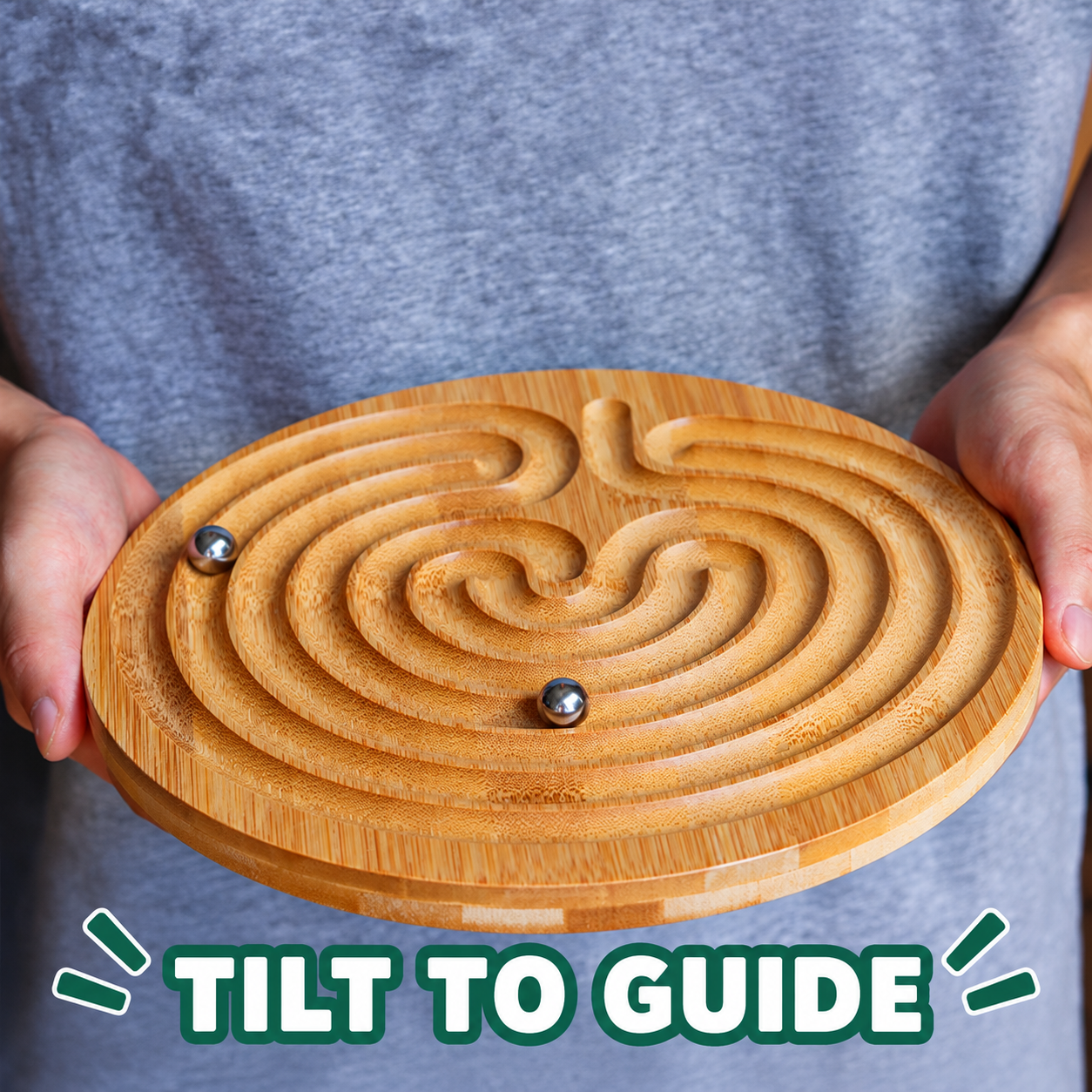
Mechanisms that cannot seize. A rolling ball in a wooden channel has nothing to jam. The Wooden Rolling Maze Board is exactly this: one mechanism, no moving parts to fail.
The Single-Mechanism Trade
Most wooden boards do one thing, and most plastic boards do five. That is a material consequence rather than a design choice.
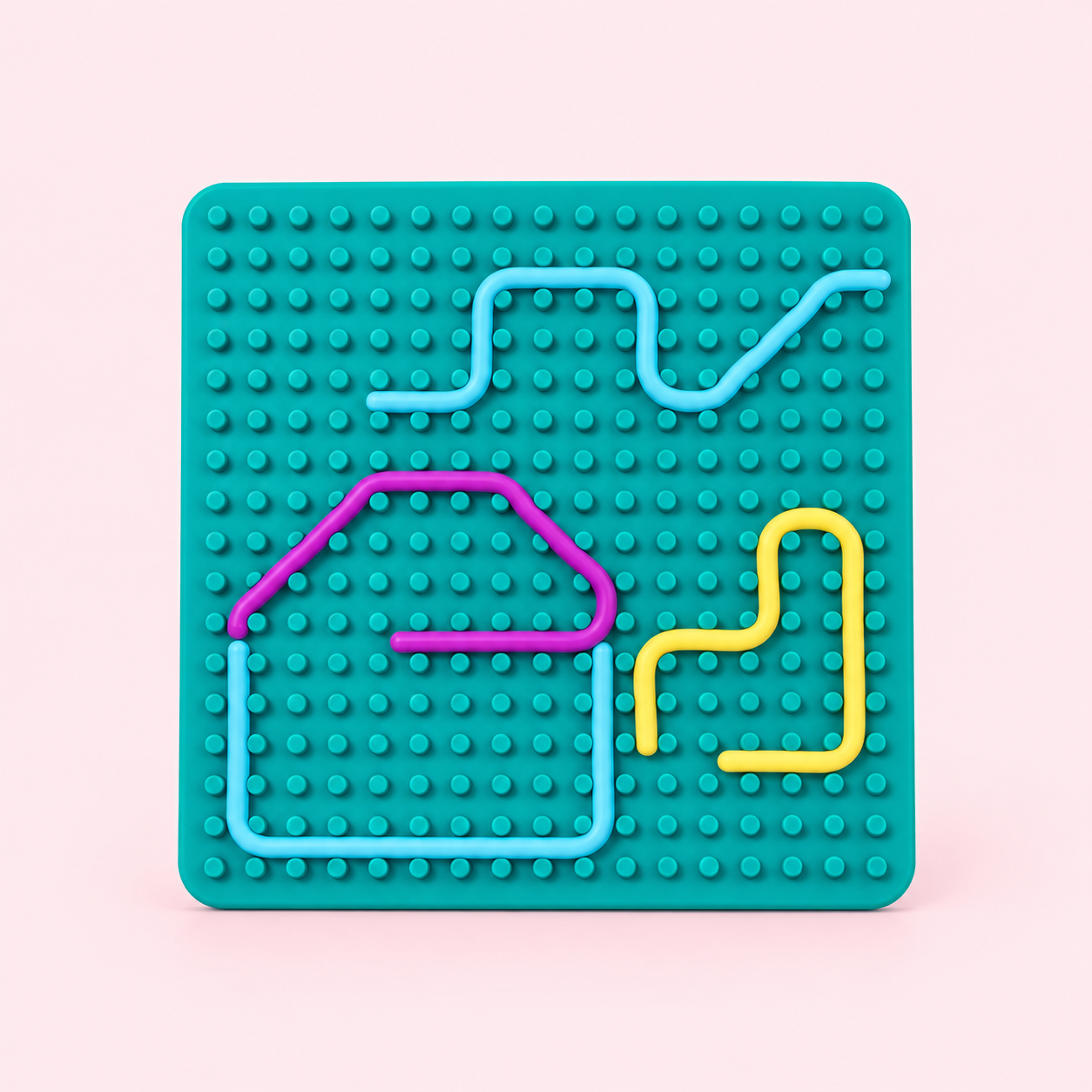
Whether that is a limitation depends on what you want a board for. If the appeal is variety under one hand, plastic wins and it is not close — a Pink Multi-Track Fidget Activity Board at 8 × 8 × 1 in gives several tracks in a one-hand size.
If the appeal is one motion done well, repeated, wood wins. A single good rolling track holds attention longer than five mediocre mechanisms, and it never develops the dead face that spoils a multi-element board.
The format in general — sizes, what belongs on a good board, where boards fail — is covered in what a sensory board is.
Which to Buy for Which Room
A shared table or a quiet office. Wood, for the sound alone.
A child’s play area. Plastic, because it gets wiped, dropped and left outside, and wood tolerates none of those well.
A desk you work at. Either, decided by whether you want one absorbing motion or several quick ones — the same choice adults face between a cube and a board, discussed in what is inside a fidget cube.
A bag. Neither. Boards are not carry objects, and buying one hoping otherwise is the most common mistake with the format.
What to Check on a Sensory Wooden Board
Run a finger along every edge and every channel. Unsanded wood splinters, and a board is handled constantly.
Check whether the finish is oiled or lacquered. Lacquer chips at the edges and looks worn quickly; oil ages evenly and can be refreshed.
Press where the mechanism meets the panel. Wooden boards fail at fixings rather than at mechanisms, because screws into wood loosen with repeated force.
Weigh it in one hand. A wooden board that is light for its size is thin ply, and thin ply cracks at the fixing points.
Wood Ages, Plastic Degrades
Both materials change over a few years and they change in opposite directions, which is worth knowing if the board is meant to last.
Wood darkens, picks up marks at the points it is handled most, and the finish thins where thumbs travel. None of that stops it working, and most people find a board looks better for it.
Plastic does the opposite. It keeps its shape and its colour for a while and then fails suddenly — a track cracks, a fixing splits, a pale panel yellows in a sunny room. The ageing is invisible right up until it is not.
So for an object meant to sit out for years, wood is the safer material even though it looks worse sooner. For an object expected to be replaced, plastic gives you more mechanism for the money and the ageing never becomes relevant.
Three Boards to Compare
Wooden Rolling Maze Board — one mechanism done properly, quiet on a shared table.
Pink Multi-Track Fidget Activity Board — 8 × 8 × 1 in, several tracks, the variety option.
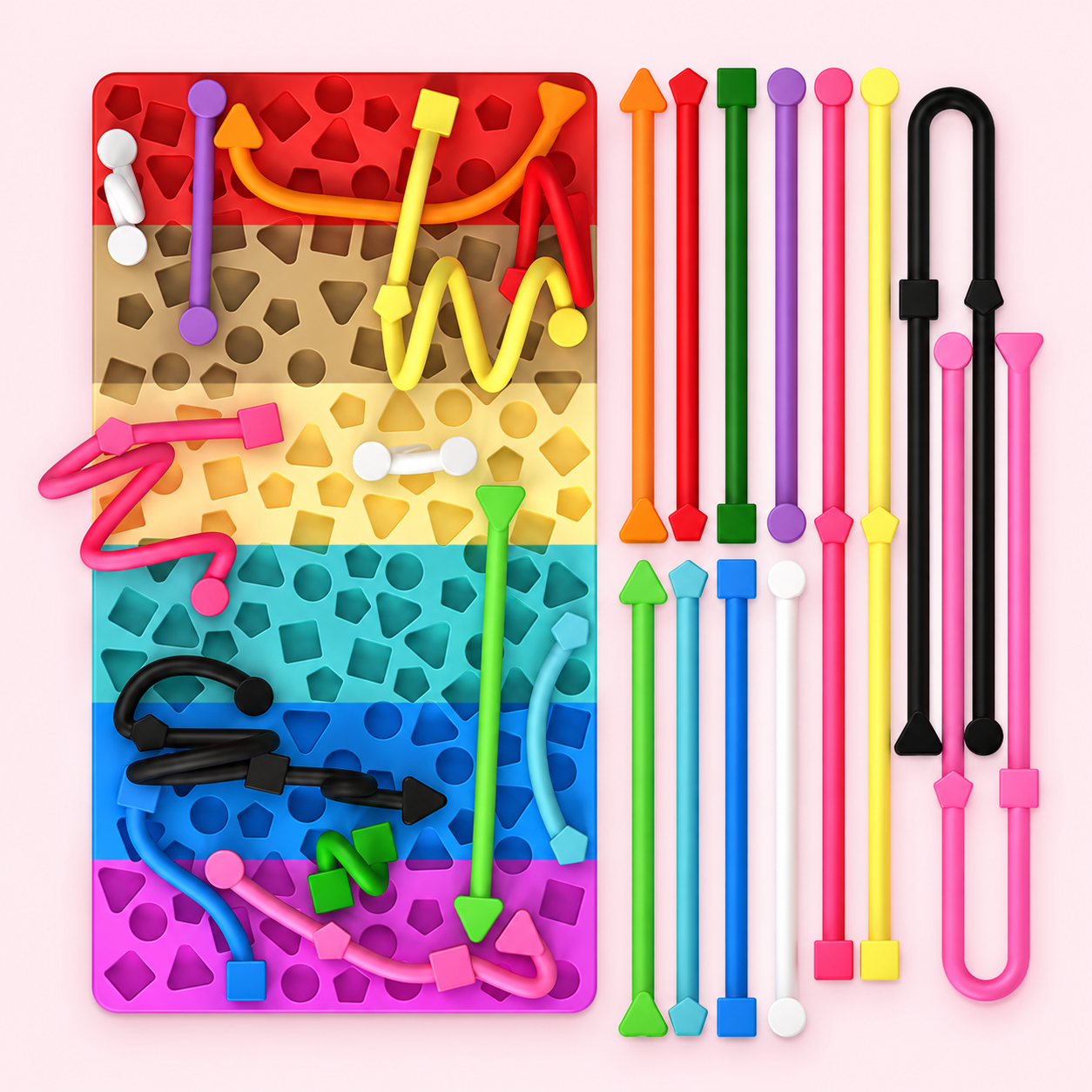
Rainbow Sensory Activity Board — 20 × 15 × 3 cm, the larger surface with longer travel.
Browse fidget boards, or all fidget toys.