

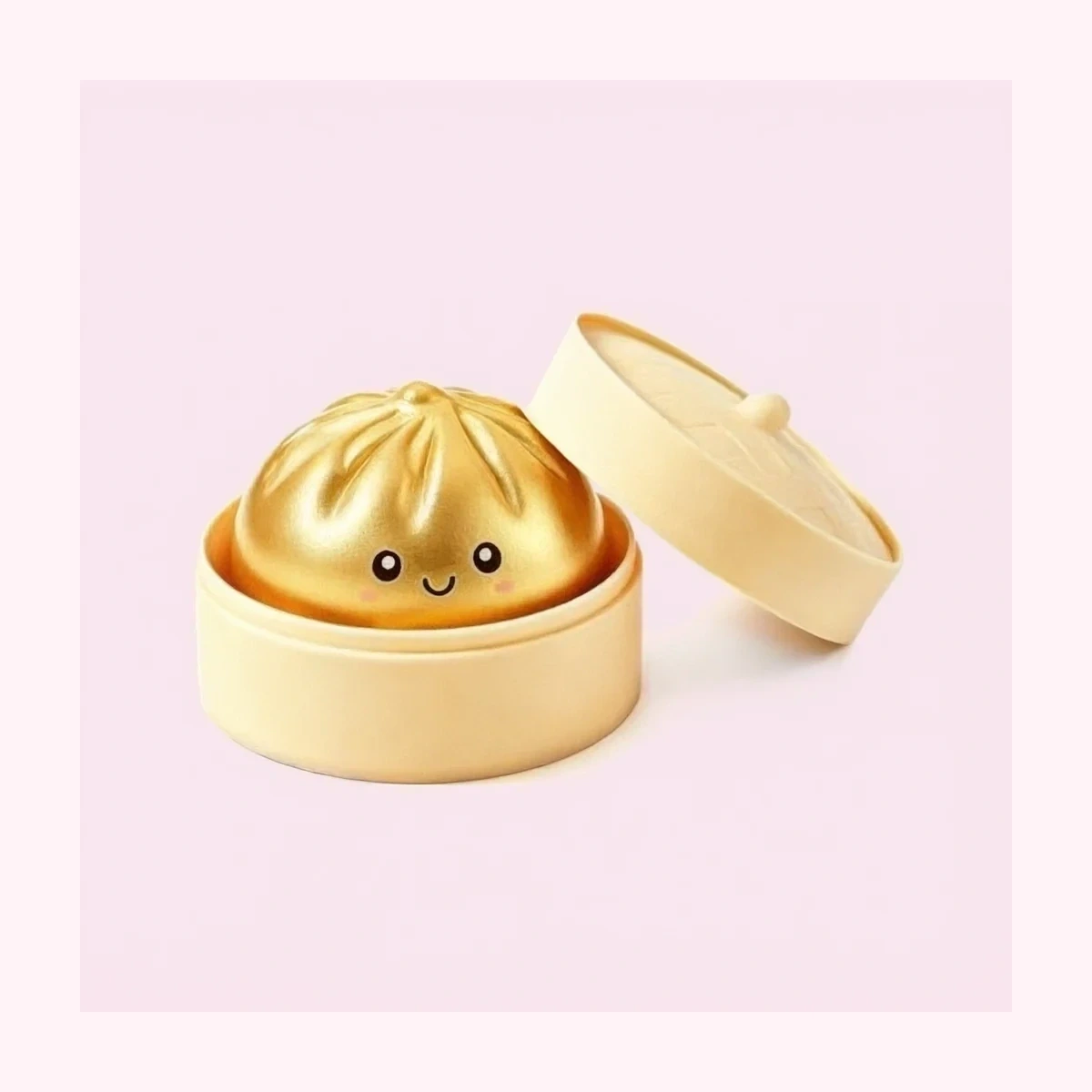


A five-dollar squishy and a fifteen-dollar squishy look nearly identical in photos. In your hand, they’re different animals. Cheap squishies tend to skimp on foam density, rise time, and paint work — the three things that decide whether a toy still feels good in month six. Here’s exactly where the money goes, and when saving it is completely fine.
Where the Money Actually Goes
Strip away branding and shipping, and the price gap between a bargain squishy and a good one comes down to four physical things:
| What you’re paying for | Bargain bin | Quality tier |
|---|---|---|
| Foam density | Light, uneven, hidden air pockets | Dense, consistent, satisfying weight |
| Rise time | Snaps back fast or lopsided | Slow, even, controlled return |
| Paint and seams | Thin coats that flake at stress points | Layered color, sealed details |
| Smell | Strong chemical hit out of the bag | Faint, fades after a day of airing |
Everything else — packaging, character licenses, viral fame — is markup stacked on top of those four.
Density: The First Thing Your Thumb Notices
Press a cheap squishy and it collapses immediately, like squeezing a paper cup. Press a dense one and the resistance builds as you go, with a slight drag on the way down — the closer the feel gets to cold butter, the better the foam. Dense PU foam costs more to pour and cure properly, and there’s no way to fake it in a product photo, which is exactly why factories cut it first.
Air pockets are the tell. If one spot on the toy squishes differently than the rest, the pour was rushed. Nothing shortens a squishy’s life faster, because pockets become tears. Our guide on how long squishies last gets into why some foam survives years while some quits in weeks.
Weight is the shortcut check when you can’t squeeze: of two same-size squishies, the heavier one almost always has the denser pour. Not foolproof, but at a shelf — or on a screen with listed weights — it’s the closest thing to a thumb test.
Rise Time, Paint, and That Smell
A quality slow riser takes its sweet time and rises evenly — no dead corner that stays dented while the rest reinflates. Watch the recovery, not the squeeze. If you’re unsure which rise style you even want, we compared slow-rising vs fast-rising squishies side by side.
Paint is where budget toys age worst. Thin single-coat paint cracks exactly where your fingers land, so a cheap squishy often looks tired within weeks while the foam underneath is still fine. Quality pieces layer color and seal the high-contact details.
Smell is the fastest test of all. New foam always carries some scent, but a heavy solvent smell that fills the room means the curing stage got rushed. Treat that as a safety flag rather than a quirk — our fake-and-toxic spotting guide files strong smell under walk-away signs.
When Cheap Squishies Are the Right Call
Sometimes the bargain option is genuinely correct. Party favors for twenty kids. Class prize boxes. A household where toys live hard, short lives. A kid who wants to test the hobby before anyone commits real money. In those cases, price-per-squish matters more than year-three durability.
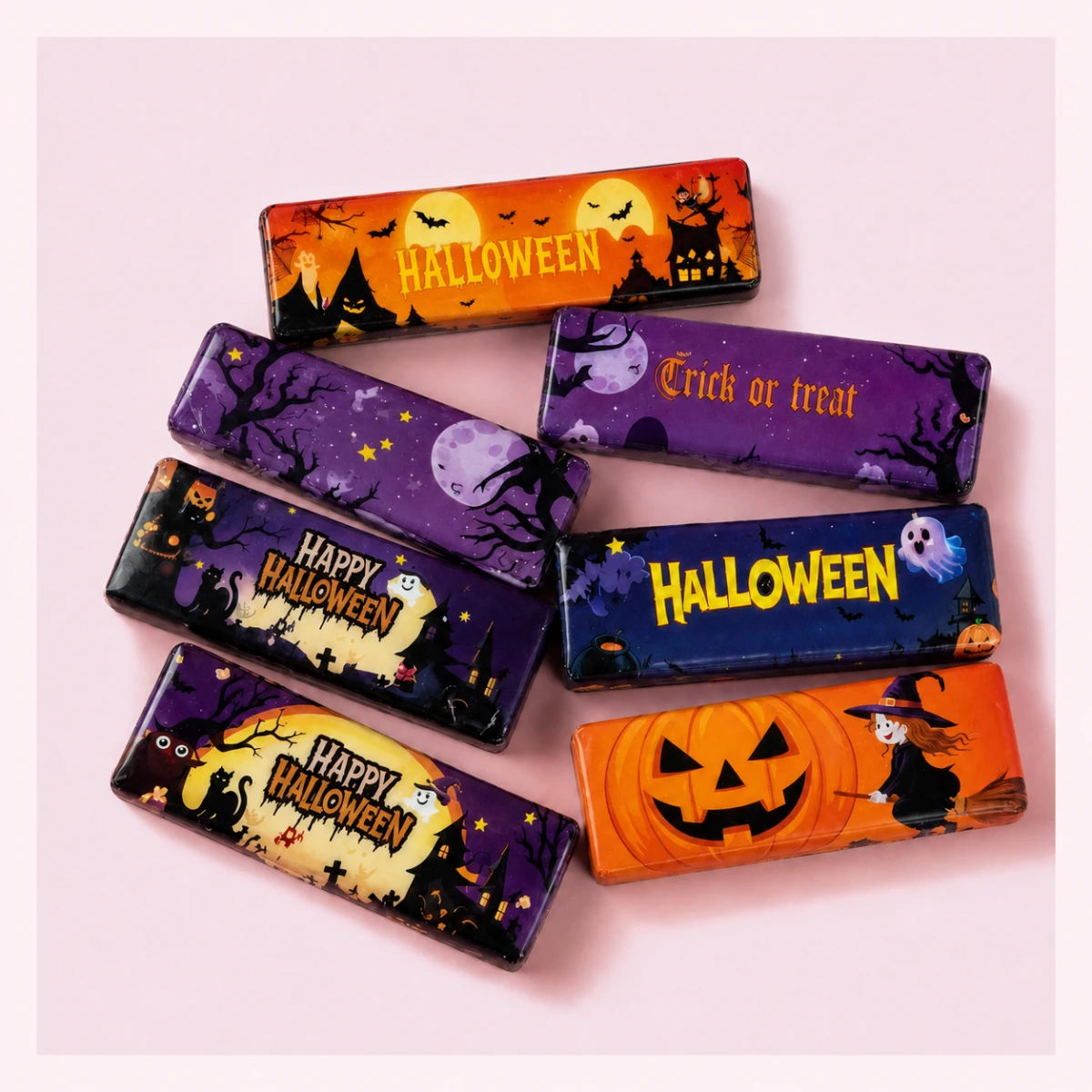
The trick is buying affordable squishies from a maker that kept the foam honest and saved money on packaging instead. That’s the thinking behind our bulk formats — the Halloween Butter Squishy Assorted Set and the Halloween Butter Squishy 12-Pack Display Box keep the slow, dense butter-squishy feel at a per-unit cost built for handing out by the fistful.
One rule survives every budget: the smell test. A cheap squishy that smells mild is a deal. A cheap squishy that smells like a paint aisle is a return.
How to Buy Quality Without Guessing
You can’t squeeze through a screen, so make sellers prove it:
- Material named outright — PU foam or TPR, never just “soft material.”
- Real video of the rise, ideally filmed by a customer.
- A hand in at least one photo for scale.
- A return policy with an actual number of days in it.
Any shop confident in its foam will clear that bar without flinching. Ours backs it with a 30-Day Squishfaction Guarantee and free worldwide shipping on orders of $49 or more, and if you restock often, Squishy+ membership ($19.99/month) takes 10% off every order and covers free shipping twice a month. Start with the curated picks if you want the shortlist where density and paint already passed inspection.
FAQ
Are expensive squishies always better? No. Past a certain point you’re paying for licenses and packaging. What matters is the quality floor: dense foam, even rise, sealed paint. A mid-priced squishy that nails those beats a pricey one that doesn’t.
What are high quality squishies usually made of? Most slow risers are PU foam; stretchy, gel-feel squishies are typically TPR. Both are fine from sellers who state materials plainly — evasiveness about materials is the real warning sign.
How long do cheap squishies last? Commonly a few months of daily squeezing before tears or permanent flat spots show up, while dense foam handled gently can go years. Storage away from sunlight and sharp nails matters as much as price.
Is bulk buying a quality downgrade? Not automatically. Good bulk sets cut cost through packaging and quantity while keeping the same foam as singles. Check that the multipack names the same material and rise behavior as the standalone version.