


The idea is appealing and the execution is narrower than people expect. Custom fidget toys have to carry a mark on an object that is curved, often textured, frequently flexible, and sometimes moving — and each of those properties removes one of the usual ways of applying a design. Knowing which formats can take branding at all saves a long conversation with a supplier that ends in disappointment.
What Decides Whether Something Can Be Branded
A flat area. Printing needs somewhere flat, or at least gently curved, that is large enough to matter. A three-arm spinner has three narrow arms and two small caps; a slider has one broad flat face. That difference decides everything before any design work begins.
A stable surface. Ink on something that flexes has to flex with it. Soft foam and stretchy silicone both deform far more than a printed film wants to, which is why prints on soft goods crack or smear over time. The detail on what pad printing does to foam specifically is in what the print process limits.
A surface that is not the working surface. This is the one people miss. If the area you would brand is the area the thumb uses, the branding wears off and, worse, it interrupts the texture the object relies on. A ridged slider face is the mechanism; putting a smooth printed logo across it makes the fidget worse.
Enough units to justify tooling. Any method that involves making a plate, a pad or a fixture has a setup cost that does not scale down, which is why quotes come in bands rather than per unit.
Custom Fidget Toys That Take Branding Well
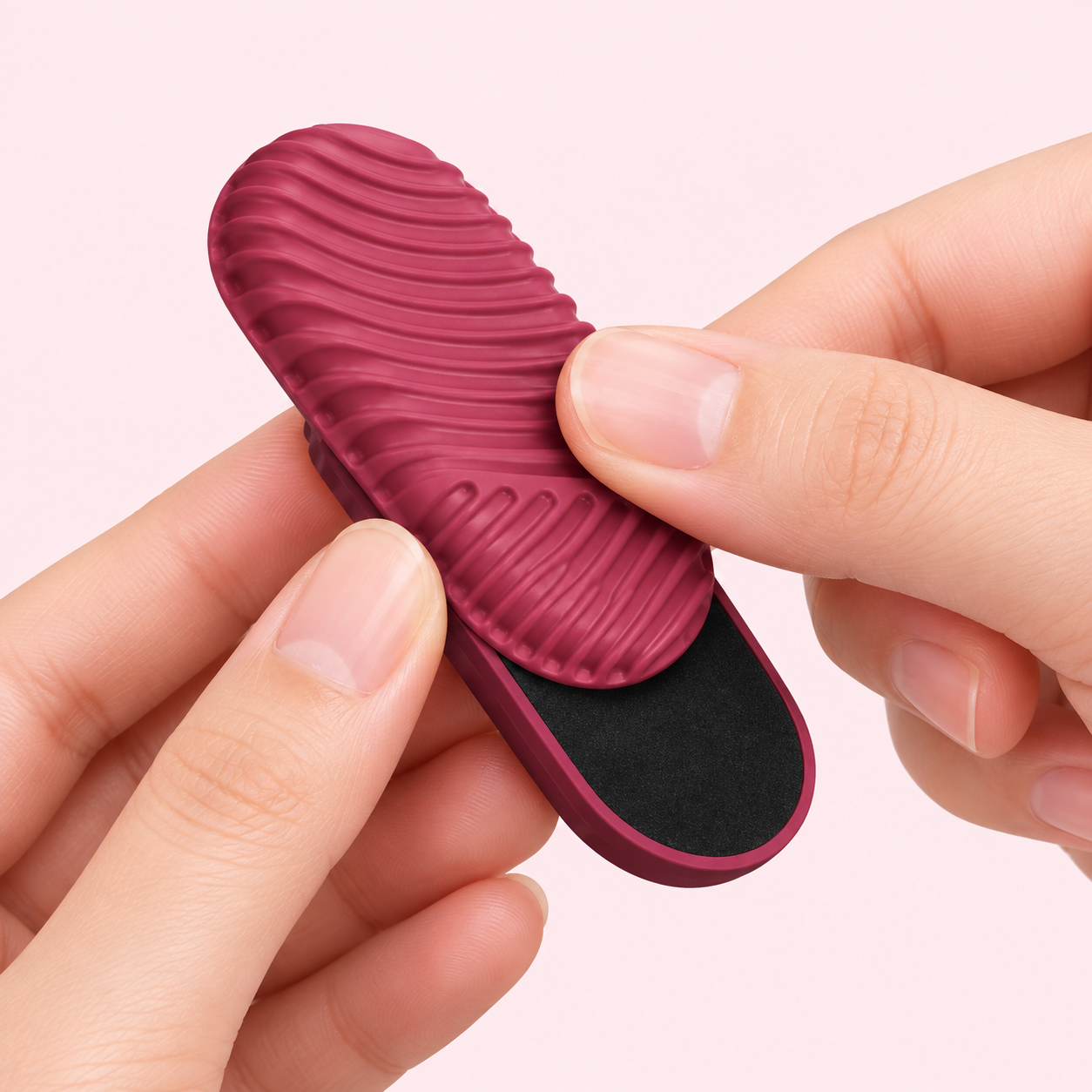
Flat-faced sliders and boxes. One broad, rigid, non-working face is the ideal canvas. A body like the Magnetic Silicone Slider has a smooth base opposite the ridged working face, which is exactly the right geometry.
Keycap and keyboard fidgets. Individual caps are small but flat and rigid, and the cap top is not the working surface — the switch underneath is. A Pastel Keyboard Keychain has four independent faces.
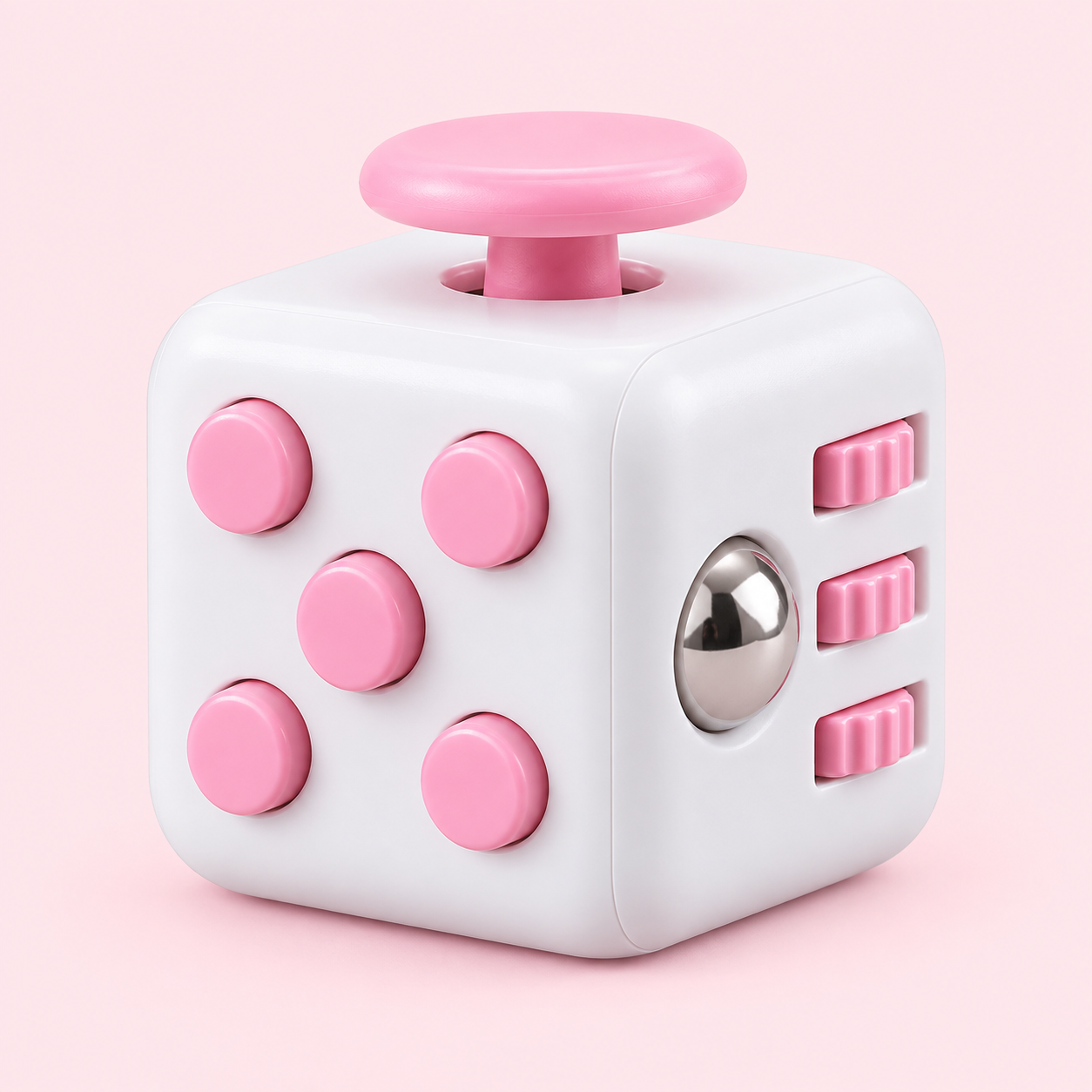
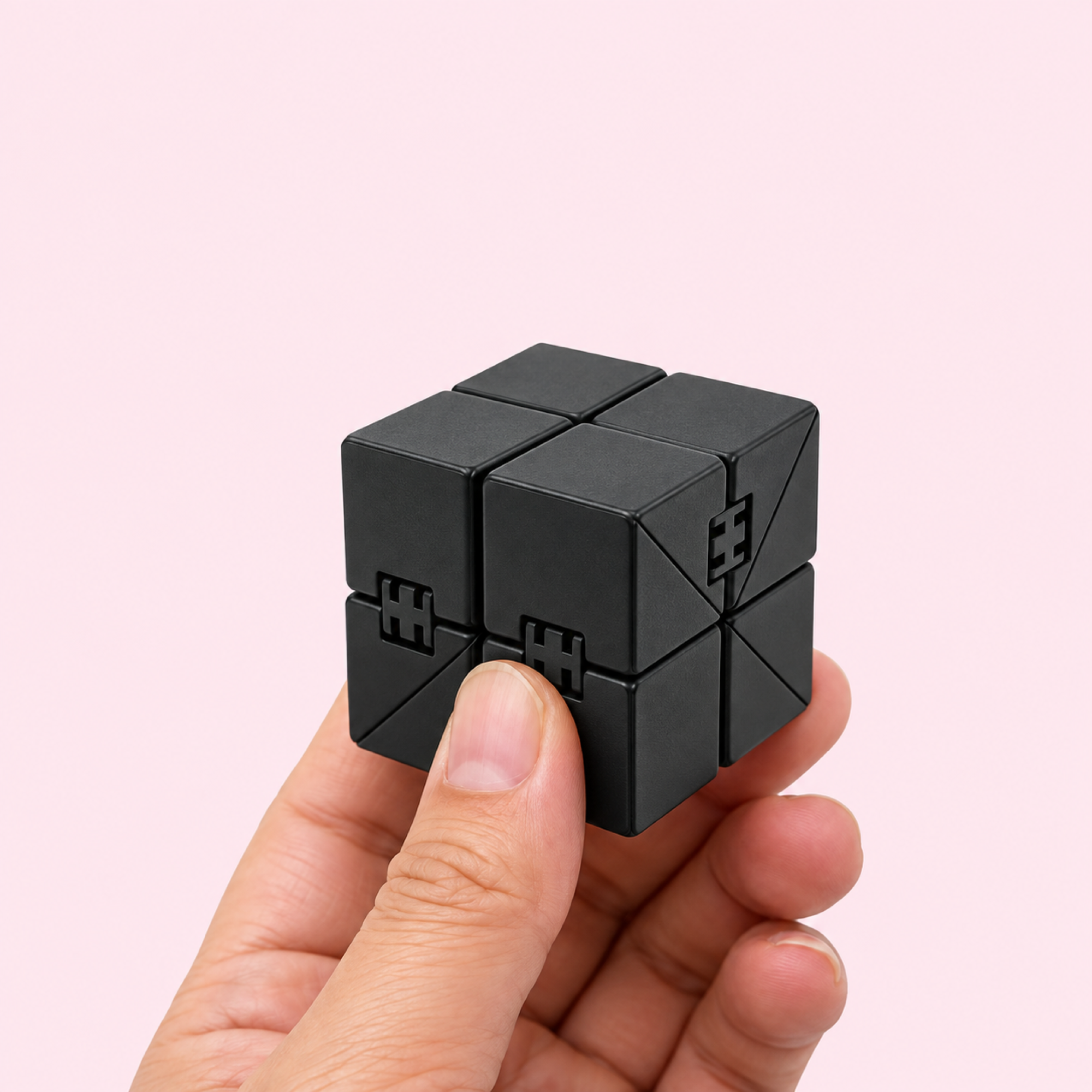
Rigid cubes and boxes. Multiple flat faces, no flex, and the mechanism is usually on the edges rather than the faces.
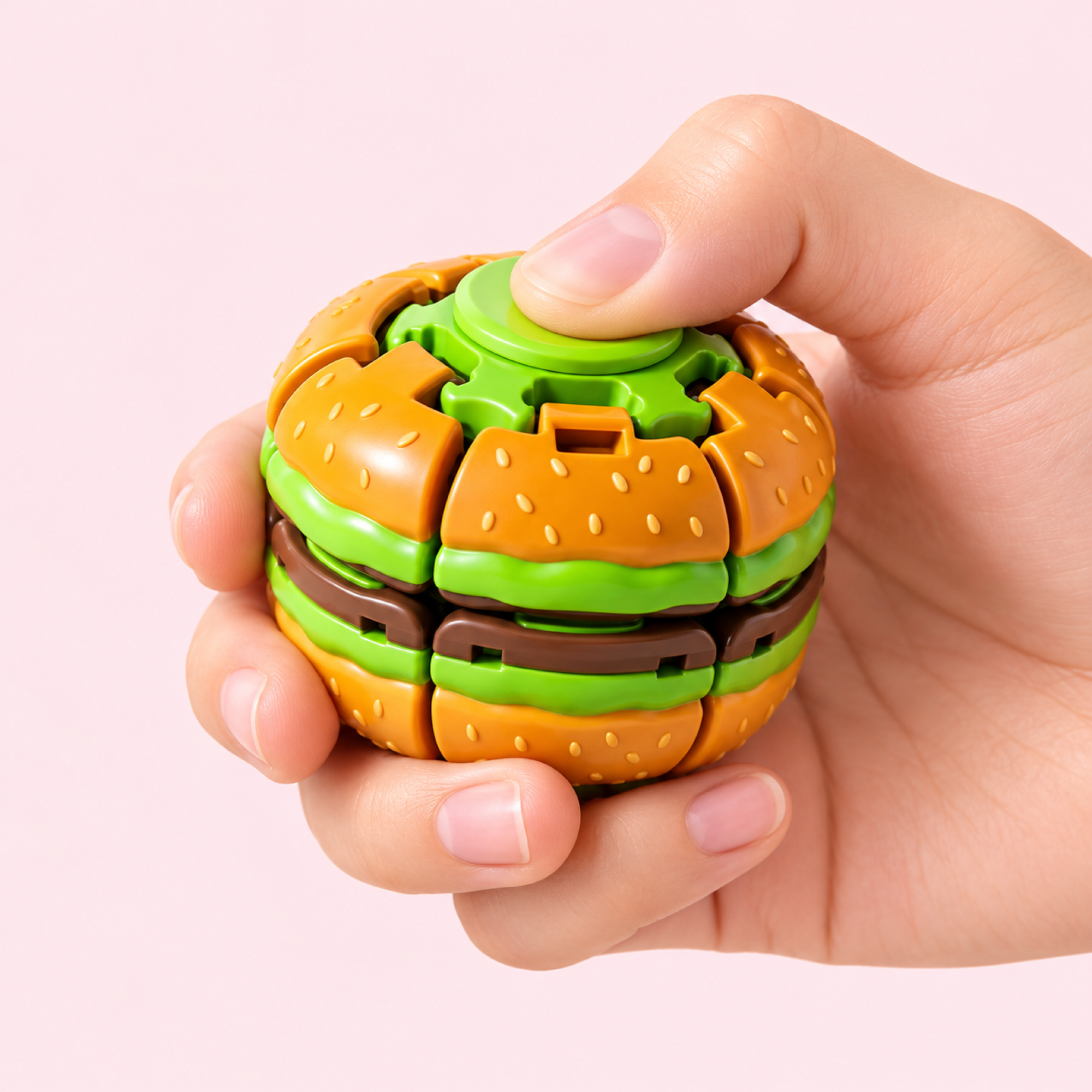
Hard-shell balls and dice. Flat-ish panels on an otherwise round body, which is why moulded dice and panelled balls carry designs better than spheres.
Formats That Do Not
Spinners. Narrow arms, small caps, and the whole object is looked at while moving — where decoration around the axis blurs to grey, as covered in what any finish does at full speed. Caps are the only reliable branding area, and they are very small.
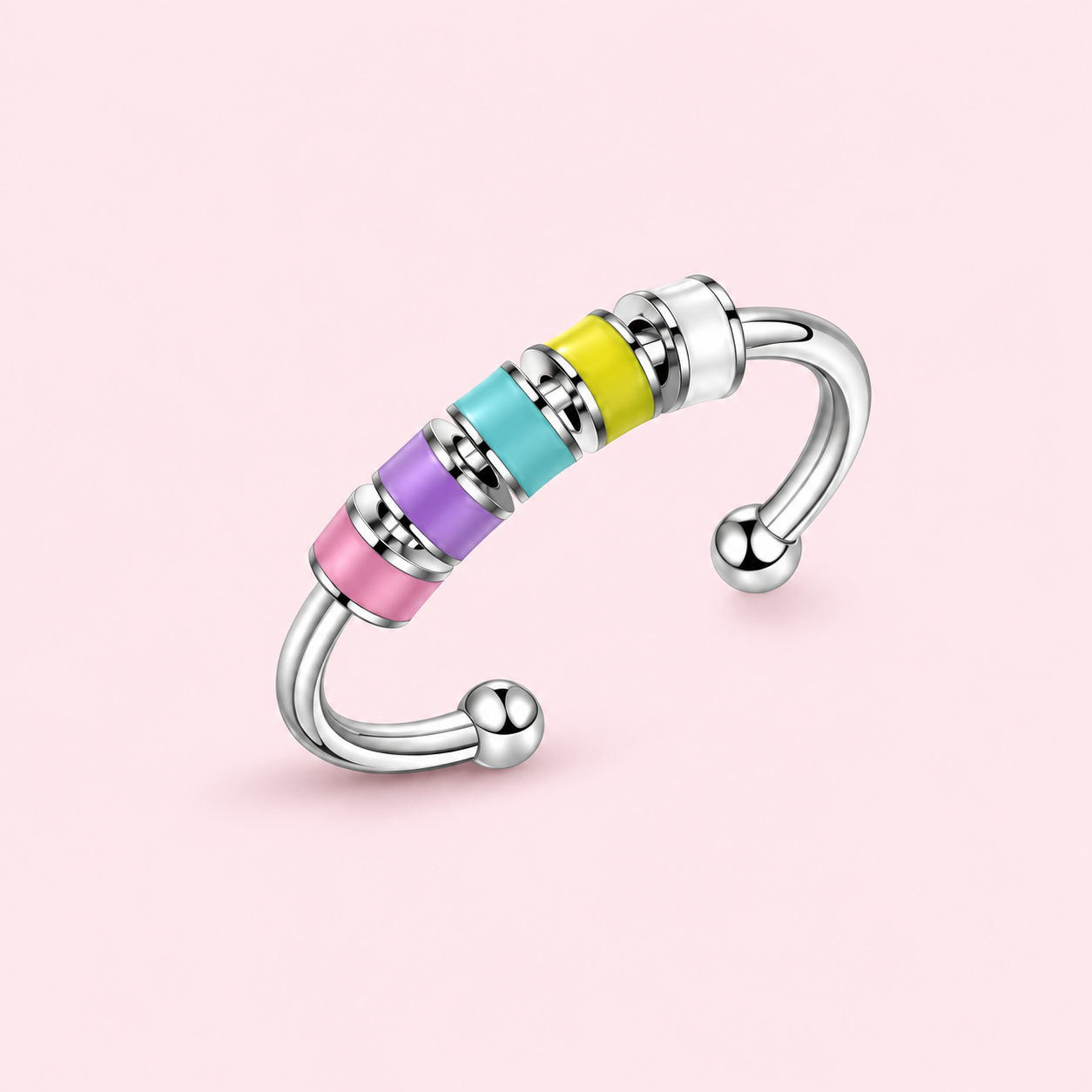
Rings. Almost no flat area, and the band rubs against itself.
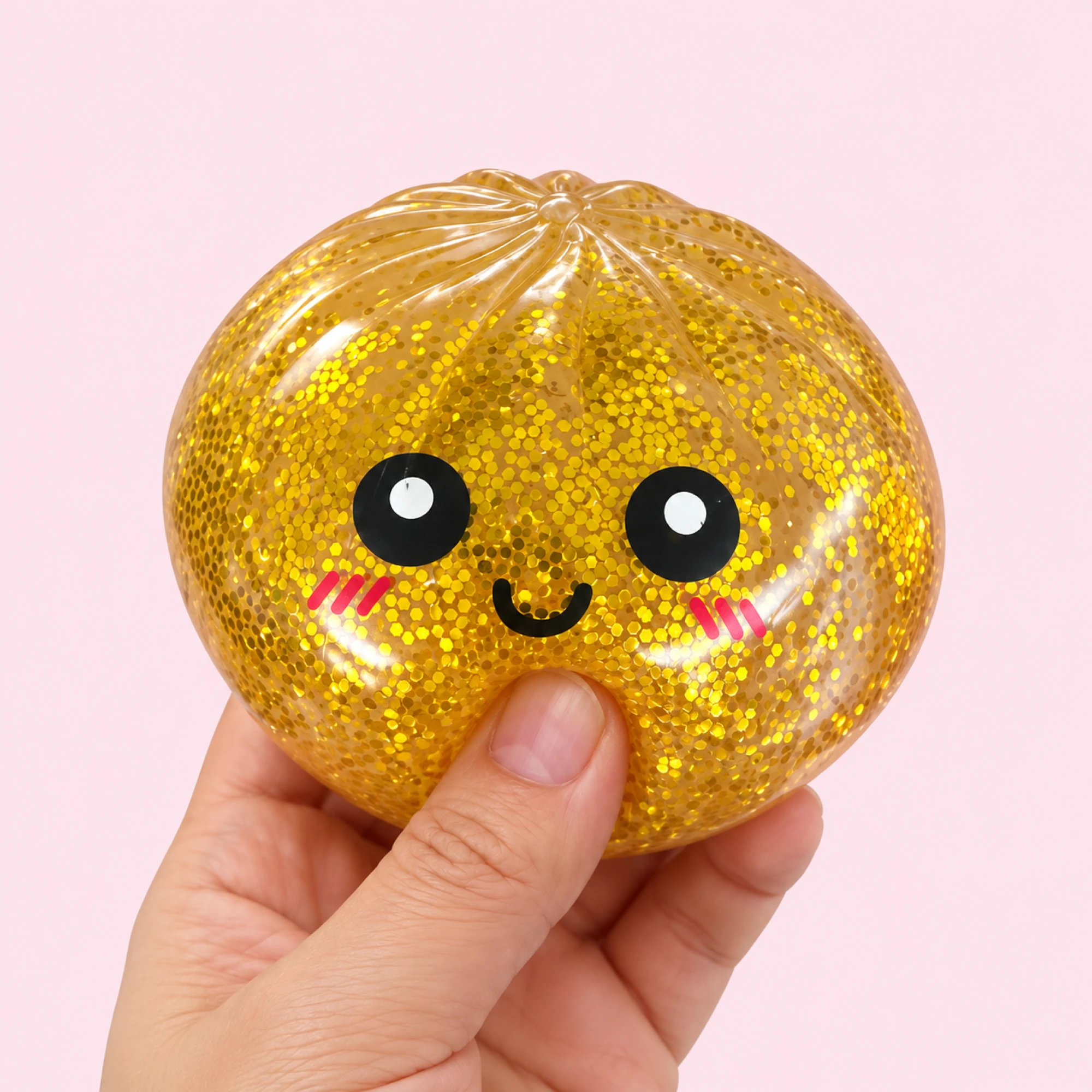
Anything stretchy. The print cannot follow the material.
Textured solids. The texture is the product, and covering it defeats the purpose.
The Alternatives to Printing
Moulded-in detail. A logo or shape in the tooling rather than on the surface. It cannot wear off, it survives flexing, and it works on soft goods where printing fails. The cost is that it requires custom tooling, which puts it out of reach below serious quantities.
Colour as the brand. Choosing a body colour and a consistent palette carries more recognition at a glance than a small logo does, and it costs nothing extra on many products.
Packaging and the attachment. A branded card, sleeve or lanyard carries the mark while the fidget stays a clean object. This is the underused answer for anything whose surface cannot be printed, and it survives the handover moment when the mark actually matters.
Laser marking on metal. Permanent and precise on rigid metal parts, and the one method that works on small flat areas like spinner caps.
What to Ask Before Ordering
Which exact surface will carry the mark, and is it the surface people touch?
Is it printed, moulded or laser-marked, and what happens to it after a year in a pocket?
Can you see a physical sample on the actual material rather than a digital mock-up? A render cannot show what a flexing surface does to a thin line.
What is the minimum quantity at which the method makes sense, and does a different method make sense below that?
If the Answer Is No
Plenty of good fidgets simply cannot be branded, and the sensible response is to brand the thing around them rather than compromise the object. A clean, well-chosen fidget with a branded sleeve reads better than a poorly printed one, and it also survives being used.
For group and giveaway buying generally — how to choose an assortment people keep rather than one that looks good in the box — see bulk fidget toys.
Design Rules That Survive the Process
Whatever method ends up being used, four constraints hold across all of them.
Keep strokes thick. Anything approaching a hairline closes up on a flexible surface and breaks up on a textured one.
Drop the small print. Web addresses and phone numbers are the most commonly requested and the most reliably unreadable additions, because the usable area is smaller than people picture.
Choose the base colour deliberately. On most fidget materials the body colour is doing at least as much work as the mark, since ink films are thin and semi-transparent.
Design for one colour and treat a second as a bonus. Every additional colour is another pass, another registration step and another thing to go slightly wrong on a curved, compressible object.
Three Formats With Usable Flat Faces
Magnetic Silicone Slider — ridged working face on one side, smooth rigid base on the other.
Pastel Keyboard Keychain — four flat keycap faces that are not the working mechanism.
Magnetic Fidget Box — multiple rigid panels on a body whose mechanism lives at the edges.
Browse all fidget toys with surface geometry in mind, or the fidget boxes and packs range for multi-item group buying.