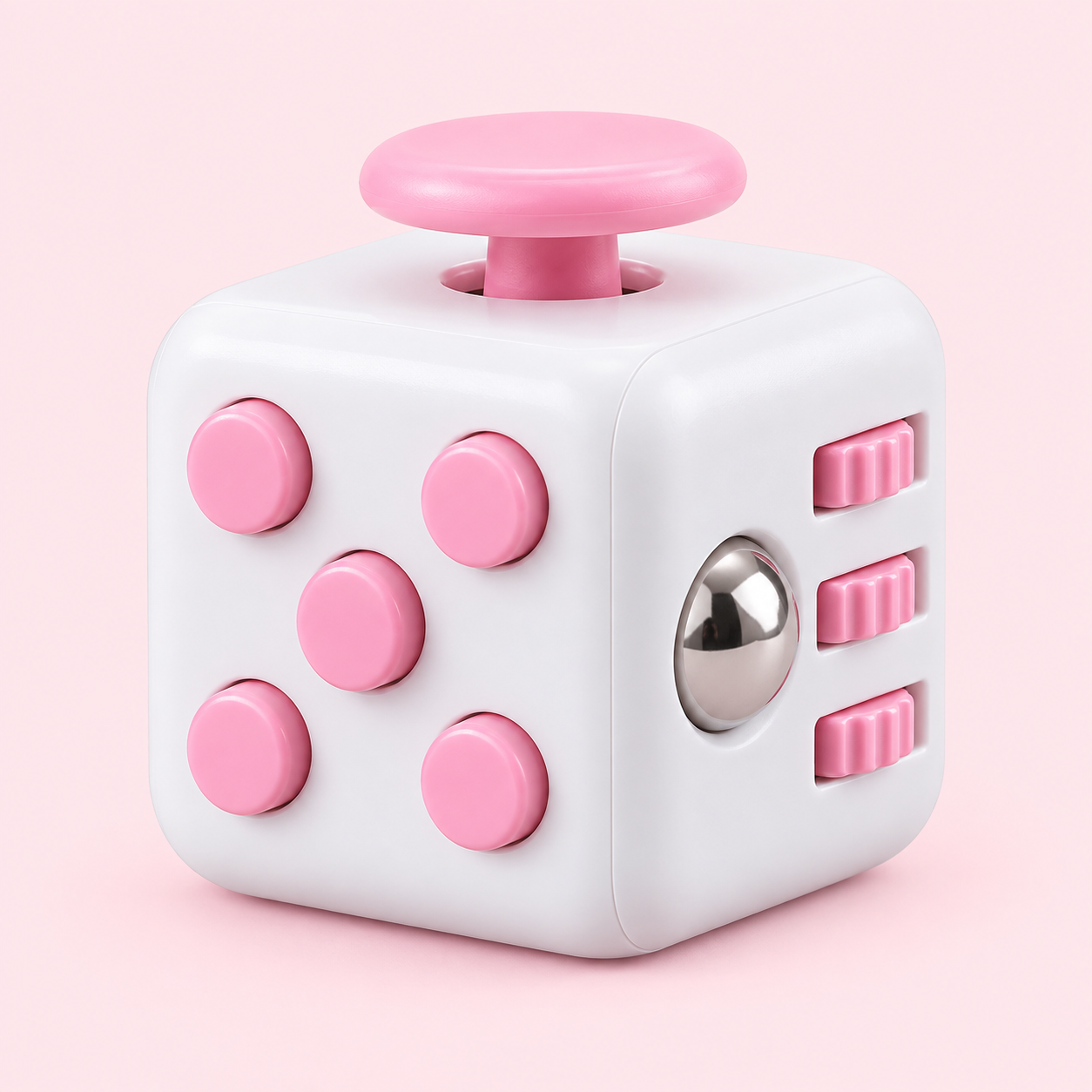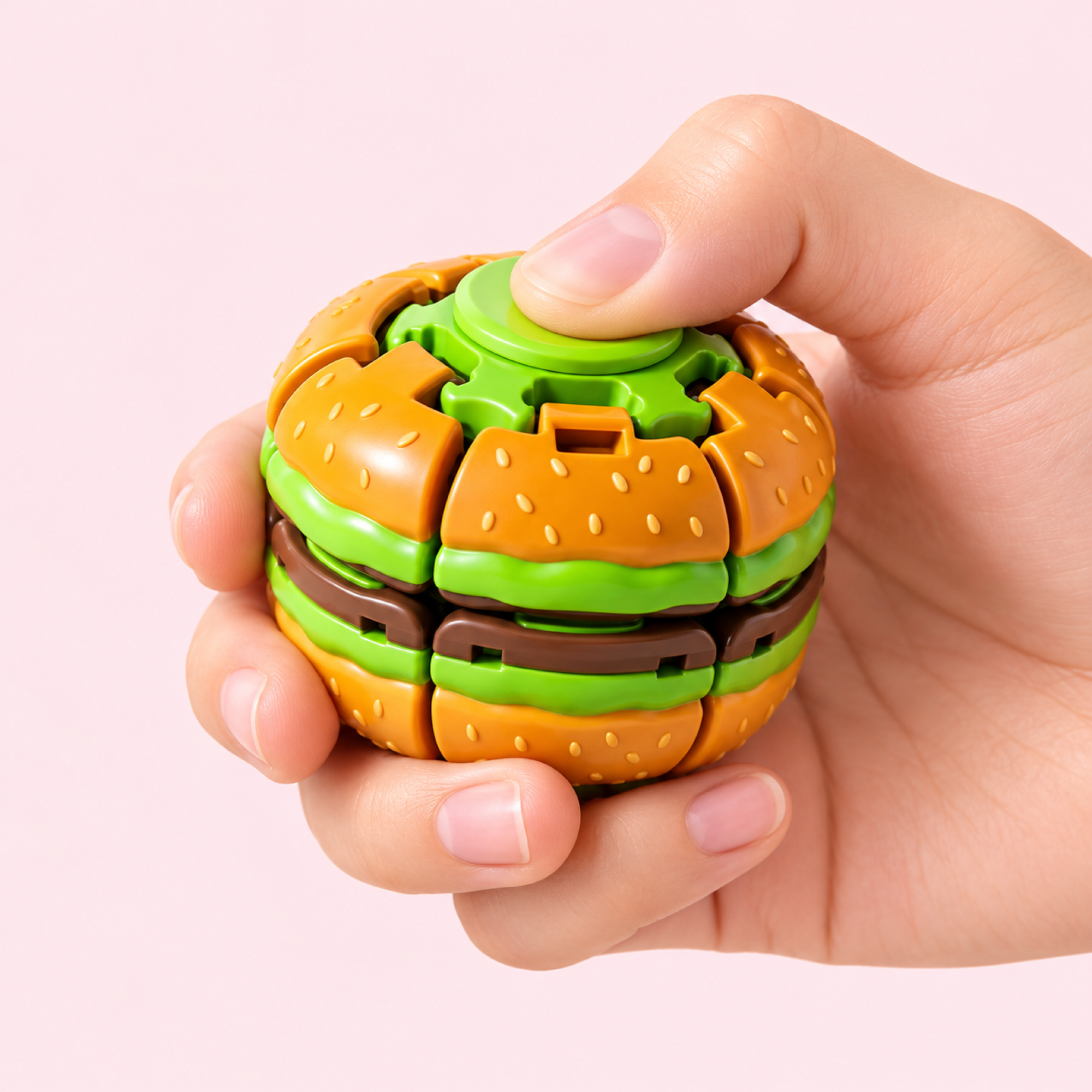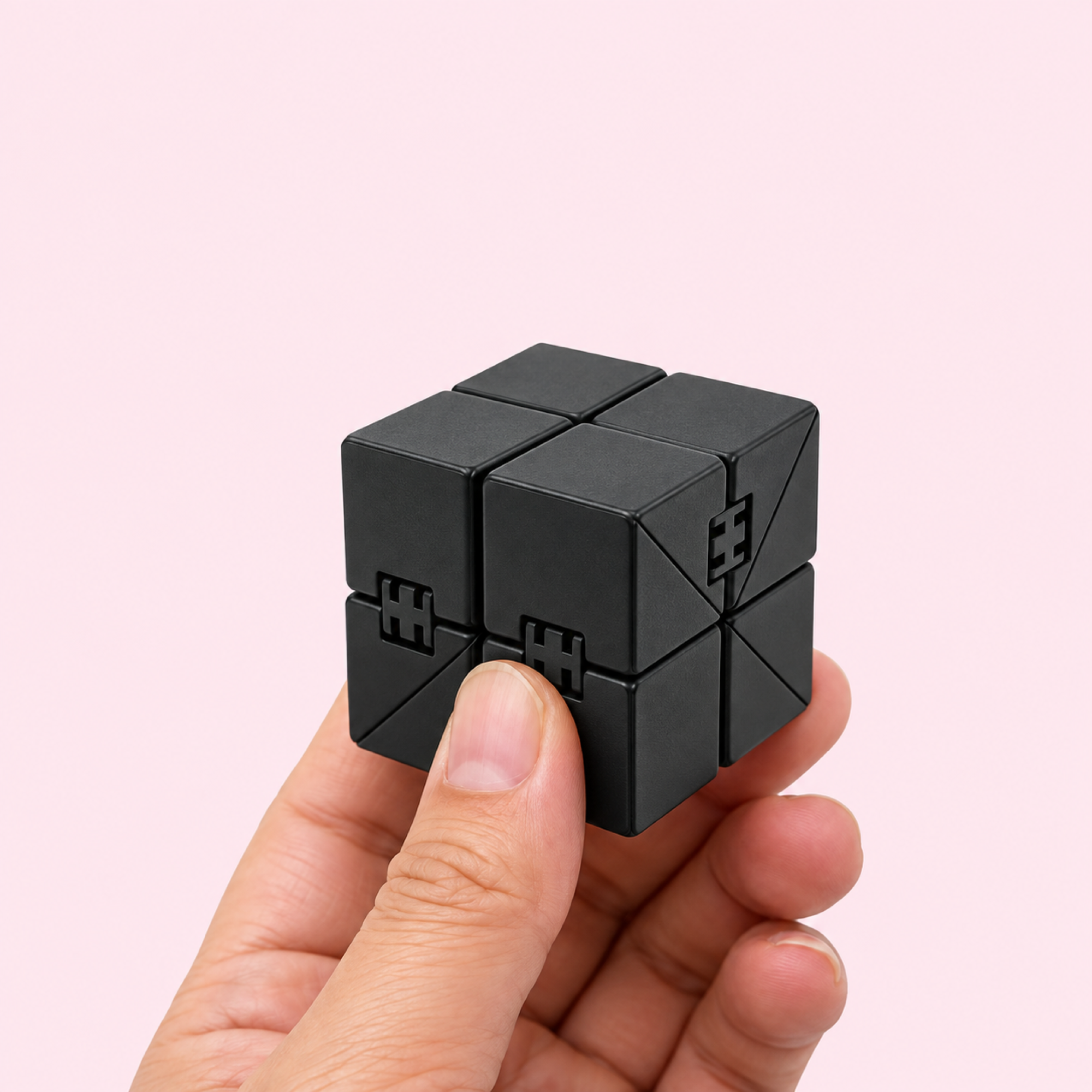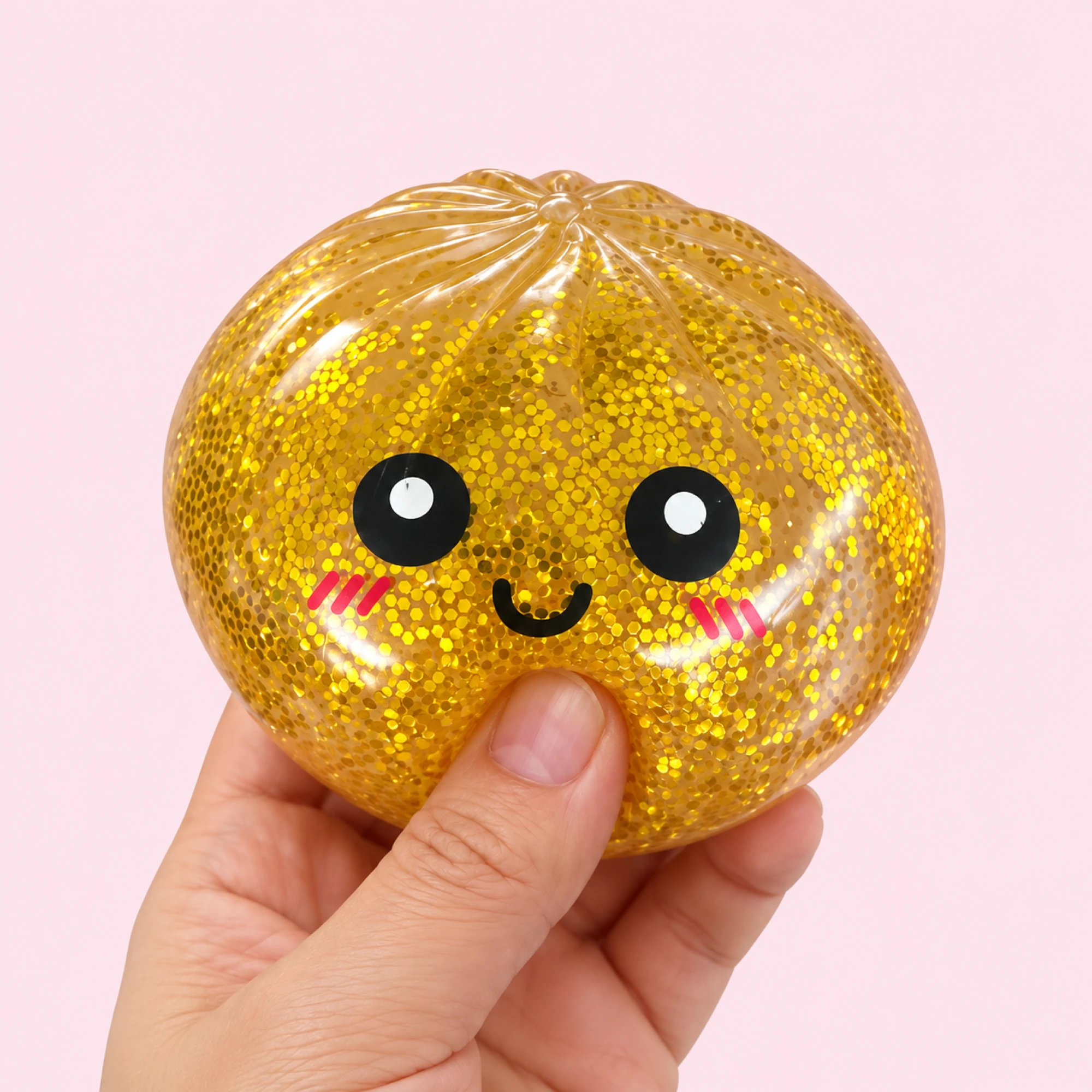




Not everything gets worse when it gets cheaper, and the fidget category is unusually clear about which parts do. Cheap fidget toys built around a simple moulded shape are frequently indistinguishable from costly ones, because there is nothing in them to get wrong. Cheap fidgets built around a precision moving part are almost always disappointing, because the precision is the entire product. Knowing which group something falls into is more useful than any budget advice.
Where Cheap Fidget Toys Are Genuinely Fine
Textures. A moulded surface pattern costs the same to produce whether the tooling is good or mediocre, and your thumb cannot tell the difference between an expensive ridge and an inexpensive one. Textured solids are the safest low-cost purchase in the category.
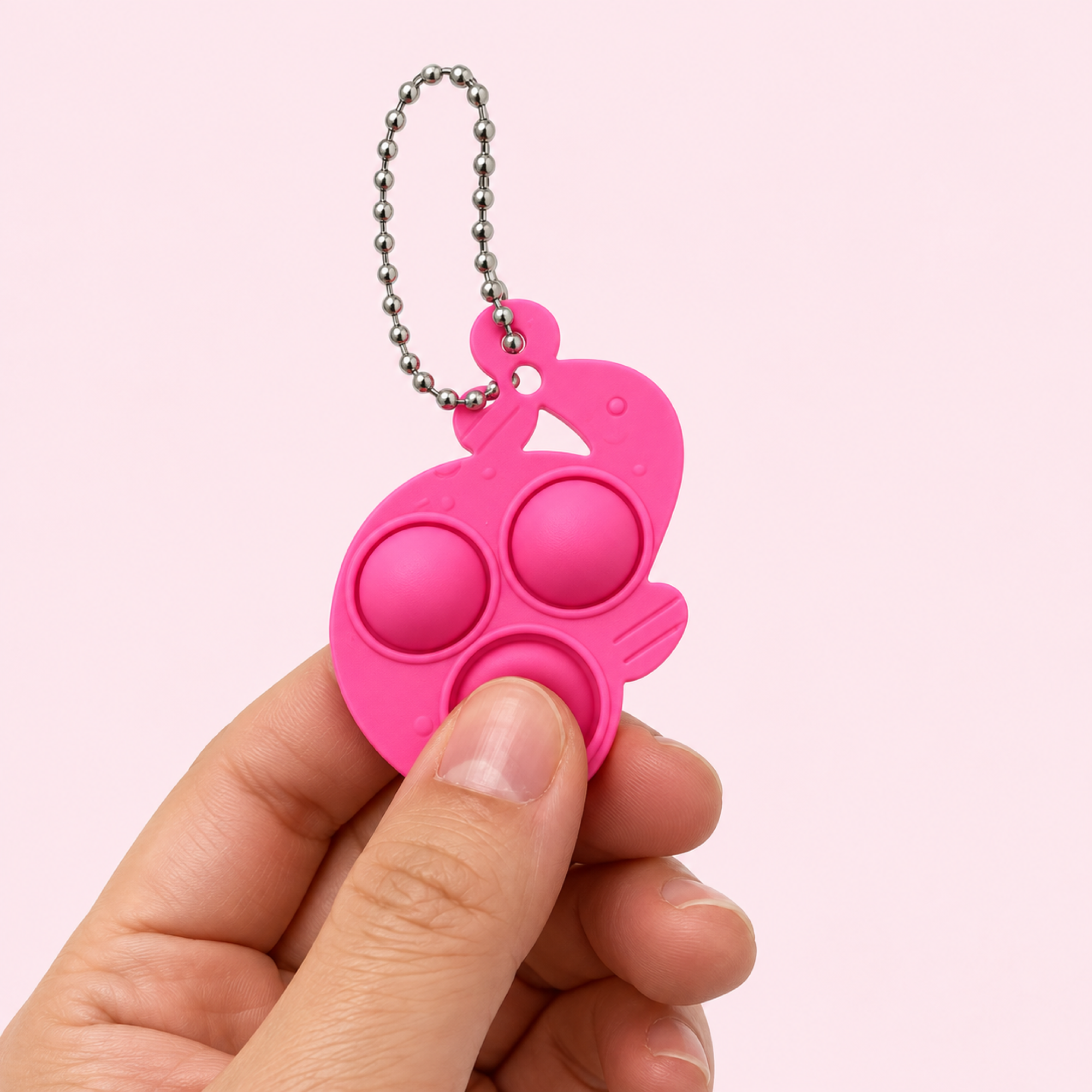
Bubble presses. A dome that inverts is geometry, not precision. A Pink Bubble Pop It Keychain delivers essentially the same press as a much dearer one, because the silicone either inverts properly or it does not, and it almost always does.
Compression. A moulded foam body is one piece of material. There is no assembly to misalign and no tolerance to miss. Cheap foam can be softer or denser than you hoped, but it is rarely defective.
Simple stretch. Elastic bodies work on material properties alone.
If the action you prefer is one of these four, the bottom of the market is genuinely fine and spending more mostly buys you a nicer shape.
Mechanisms Ruined by Cheap Manufacturing
Anything with a bearing. A spinner is a body plus a precision component, and the precision component is exactly where cost gets cut. A poor bearing is gritty on day one or rough within a month, which removes the entire point. The checks that catch this before you commit are in how to judge a spinner in ten seconds.
Hinge chains. A folding cube needs twelve hinges with consistent clearance, and inconsistent clearance is precisely what cheap tooling produces. One loose joint ruins the fold, and the failure is usually there from the start.
Switches. A key press lives or dies on the tactile bump, and the cheapest switches are linear and dead. This is felt immediately and cannot be improved.
Magnetic assemblies. A magnet set too deep or too shallow in its recess changes the snap completely, and the assembly step is where the saving is made.
Anything plated. Plating on a low-cost object is thin, and thin plating chips at the first contact with keys.
The Test That Separates Them
Ask whether the thing you enjoy is a material property or a manufacturing tolerance.
Material properties — softness, grip, elasticity, surface pattern — survive almost any cost level, because they are decided by what the object is made of rather than how carefully it was assembled.
Tolerances — spin smoothness, hinge consistency, switch feel, magnet placement — are the first casualty of a lower cost, because they are decided by care rather than by material.
That single distinction predicts disappointment better than any brand or price signal.
Where Bulk and Multi-Packs Fit
Buying several of something is a different decision from buying a cheap one, and it has one genuinely good use: finding out which action you like without committing.
A mixed multi-pack gives you several actions at once, and after a fortnight you will know which two you actually use. That is worth more than a single careful purchase made before you know your own preference, and the eight actions worth testing against are set out in types of fidget toys by hand action.
The failure mode is buying multiples of one action, which gives you one sensation several times over.
What to Check Before Buying at the Bottom of the Market
Look for a mechanism you can evaluate from a photograph. Textures, domes and solid shapes are visible; bearing quality and switch feel are not.
Prefer moulded colour over printed detail, because printed detail is the first thing to wear on any low-cost object.
Avoid anything where the appeal depends on a part you cannot see.
And if the action you want is rotation, folding or pressing, accept that this is the part of the category where care shows, and buy one good one rather than three uncertain ones.
The Hidden Cost of Buying Badly
Two things make a disappointing fidget more expensive than it looks.
The first is that it teaches you the wrong lesson. Someone whose first spinner had a rough bearing concludes that spinners are overrated, when what they actually experienced was one bad unit. That conclusion closes off an entire action, and it is the most common reason people say fidgets do not work for them.
The second is replacement churn. Buying three unsatisfying objects in a year costs more in total than one that stayed in use, and it also fills a drawer, which quietly discourages buying anything else.
Neither argues for spending a lot. Both argue for spending where tolerance matters and saving where it does not.
Three That Are Good Regardless of Cost
Pink Bubble Pop It Keychain — bubble presses, where geometry does the work and nothing precision-made is involved.
Silicone Sensory Stones — textured solids with no mechanism at all, so there is nothing to make badly.
3-inch Foam Dice Stress Ball — one piece of moulded foam. No assembly, no tolerance, nothing to fail.
Browse all fidget toys with that distinction in mind, or start with fidget keychains if you want to test an action before committing to a desk object.