




It's 2:47 p.m. Your inbox is still full, the deadline hasn't moved, and your brain feels like it's wading through wet sand. You read the same sentence three times. You're not lazy — you're biologically programmed to crash right about now.
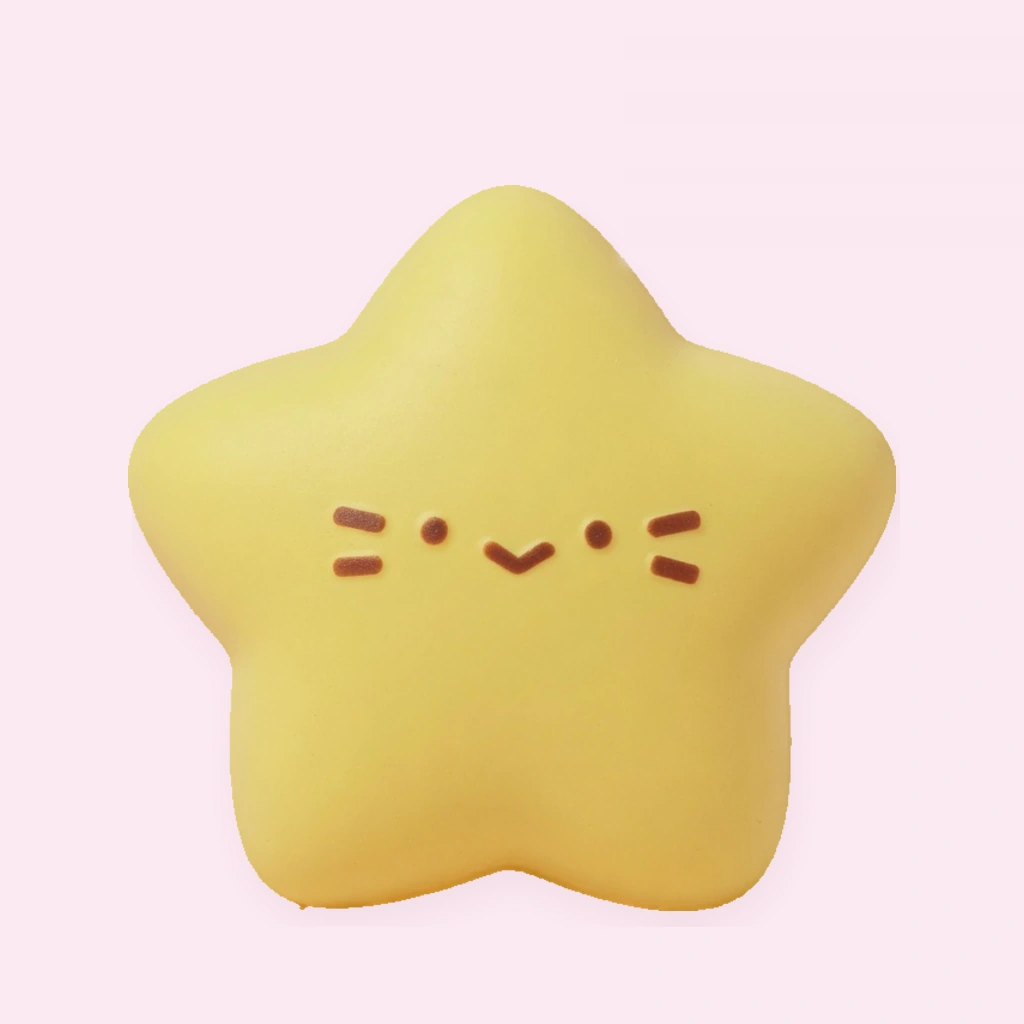
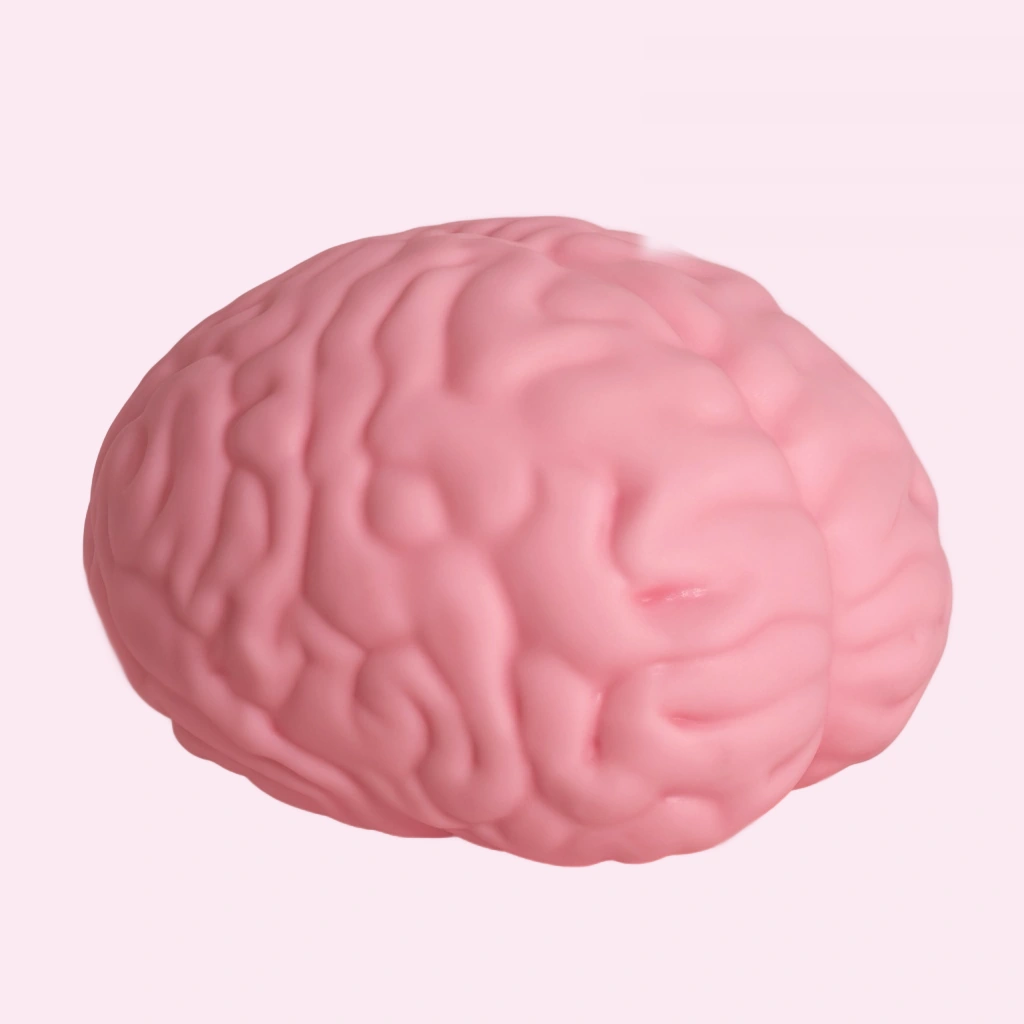
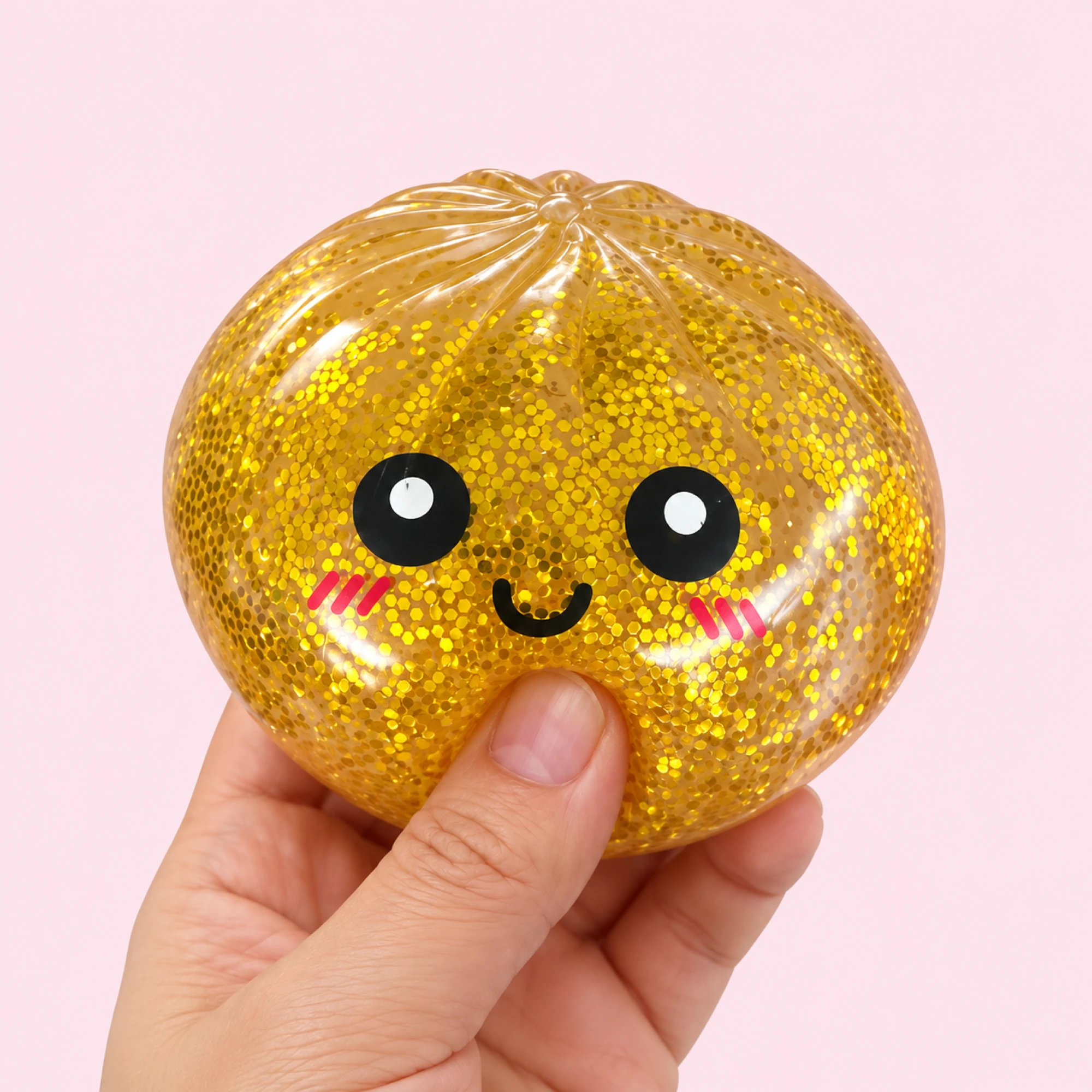
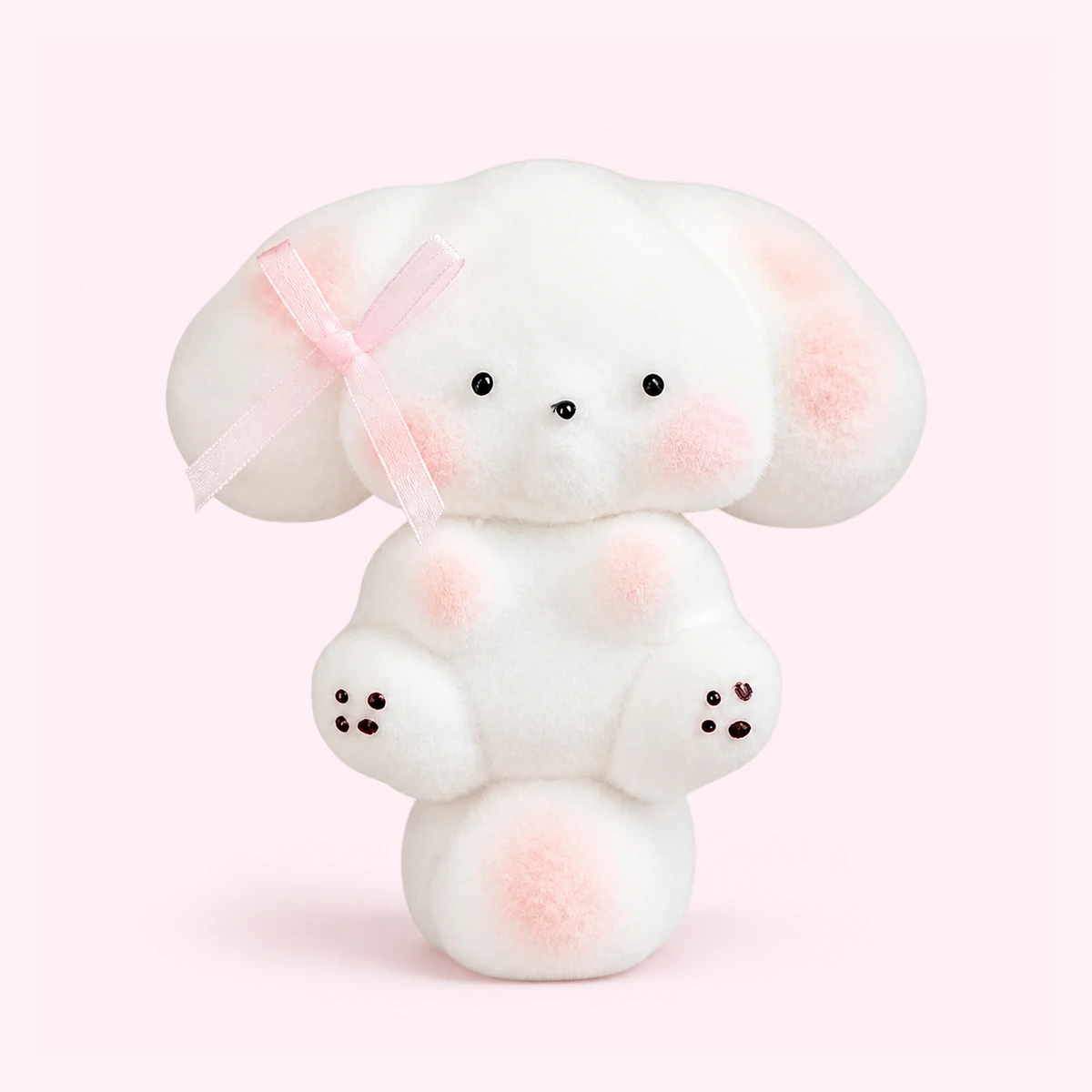
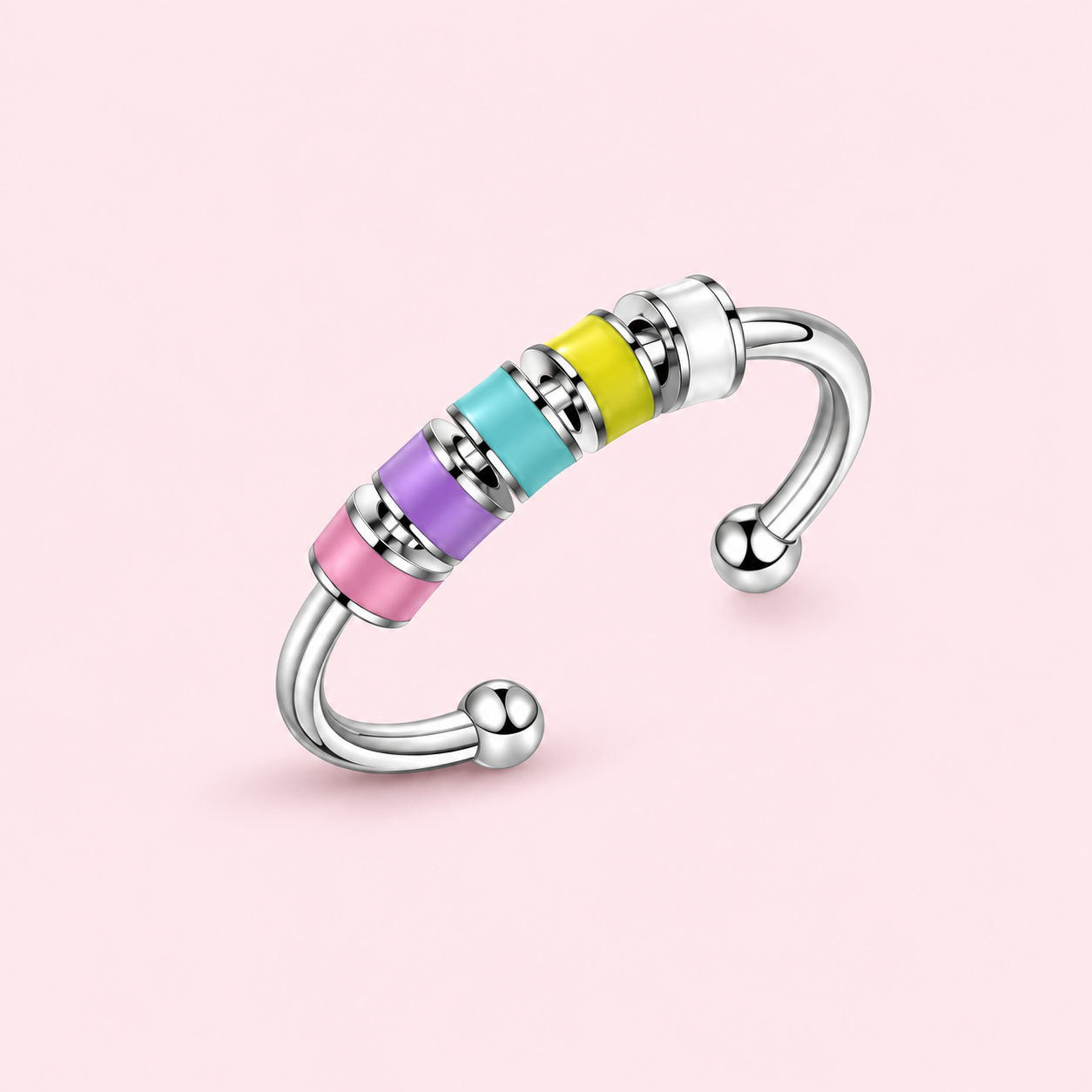
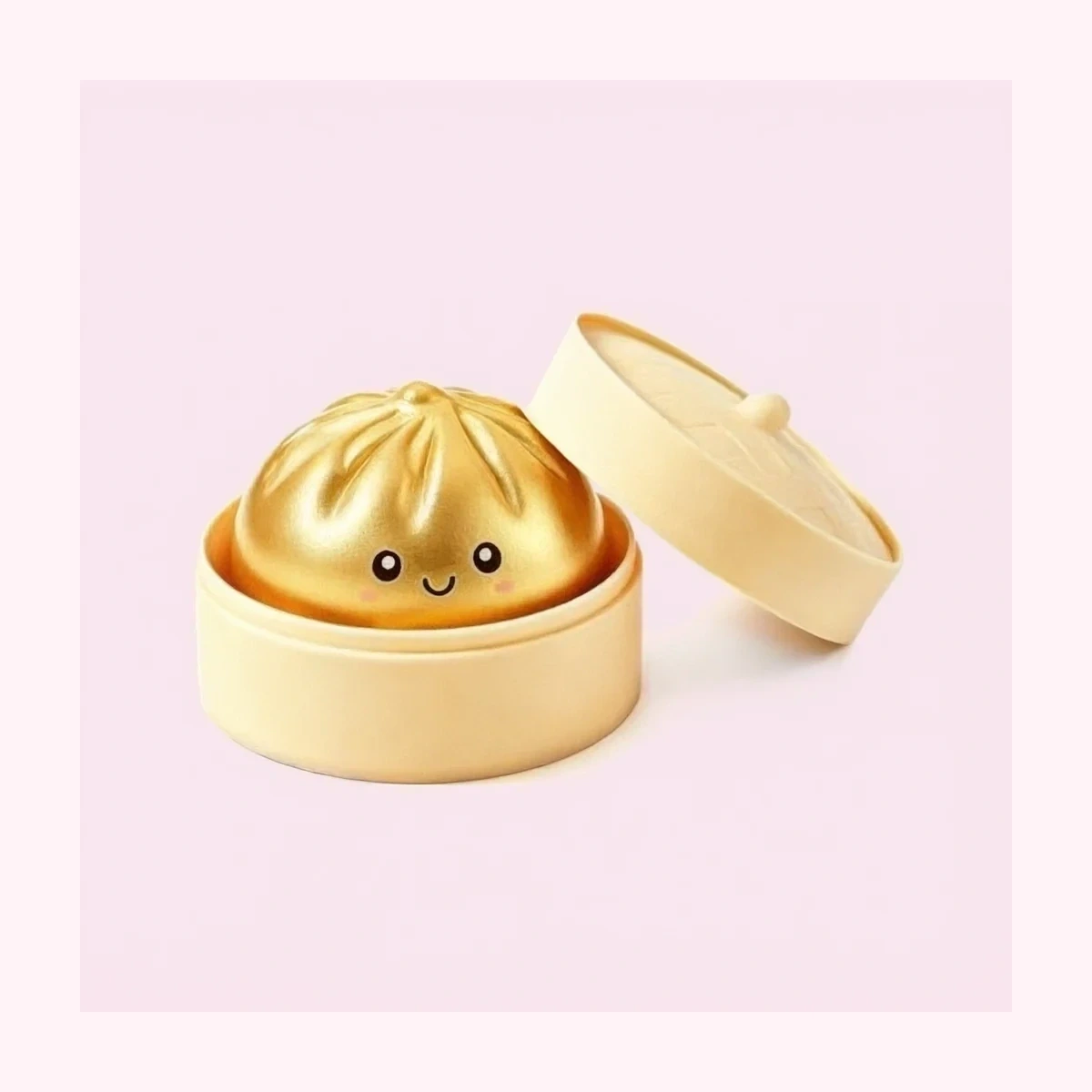
The good news: a small, repetitive movement with your hands can pull your attention back to the surface. Fidgeting isn't goofing off. Used deliberately, an office desk fidget is a legitimate focus tool — quiet enough for meetings, satisfying enough to take the edge off a high-pressure deadline. This guide explains why the afternoon slump happens, what the science says about fidgeting, and exactly which desk toys to reach for in each work situation.
Table of Contents
- Why You Crash Every Afternoon
- The Science: Why Fidgeting Actually Helps
- Match the Fidget to the Moment
- The Quiet Rating: Don't Annoy Your Coworkers
- Butter Squishy: The Trending Stress-Relief Desk Toy
- Office vs. Work-From-Home Fidget Strategy
- No-Budget DIY Fidgets
- FAQ
Why You Crash Every Afternoon
The early-afternoon dip is built into your biology. Your circadian rhythm — the internal 24-hour clock that governs alertness — has a secondary "sleep window" that opens roughly 12 hours after the middle of your night's sleep, which for most people lands between 1 and 3 p.m. During this window, your core body temperature dips and the brain's drive toward sleep briefly rises, even if you slept well the night before.
Lunch makes it worse. Digesting a carb-heavy meal redirects blood flow and triggers insulin shifts that deepen drowsiness. At the same time, your morning surge of cortisol — the hormone that helps you feel alert and ready — has tapered off significantly by mid-afternoon. The result is a perfect storm: lower alertness, slower reaction time, and a brain that's desperate for stimulation.
This is the exact moment your hands start hunting for something to do — clicking a pen, jiggling a knee, peeling a label. That instinct isn't a distraction. It's your nervous system trying to self-regulate.
The Science: Why Fidgeting Actually Helps
For years, fidgeting was treated as a sign of inattention. Newer research flips that assumption.
The key concept is arousal regulation. To focus on a boring or demanding task, your brain needs to maintain an optimal level of alertness — not too low (drowsy), not too high (anxious). A small, repetitive motor activity provides a steady trickle of sensory input that nudges an under-stimulated brain back into the productive zone.
A frequently cited 2015 study in the Journal of Abnormal Child Psychology found that physical movement actually improved cognitive performance on tasks requiring working memory among children with ADHD — the movement wasn't competing with attention, it was fueling it. For adults, the same logic applies during monotonous stretches: the part of the brain that craves novelty gets fed by the fidget, freeing the rest to stay on task.
There's also a stress angle. A repetitive, rhythmic motion — squeezing, rolling, sliding — activates a mild relaxation response and gives anxious energy somewhere to go. That's why an anxiety relief fidget toy can lower the physical tension that builds before a big presentation or as a deadline closes in.
The takeaway: fidgeting is a feature, not a flaw. The skill is choosing the right fidget so it supports focus instead of becoming its own distraction.
Match the Fidget to the Moment
Not every work situation calls for the same tool. Here's how to stock your drawer.
During Meetings and Video Calls
You need something silent and out of sight. The goal is to absorb restless energy without drawing eyes (or ears).
- Squeeze-based toys held below the desk or off-camera — a butter squishy or a soft stress ball.
- Smooth worry stones or flat metal coins you can rub between thumb and finger.
- Avoid anything that clicks, snaps, or spins audibly.
For Deep, Focused Work
When you're writing, coding, or analyzing, you want a fidget that occupies your hands on autopilot so your mind can run free.
- A weighted flip chain or a tactile slider you can move without looking.
- Tangle-style twistable toys that loop endlessly.
- A textured stress relief desk toy you can squeeze in a steady rhythm.
Under Deadline Pressure
This is when anxiety spikes. Reach for something with strong resistance and a satisfying physical payoff — the harder you squeeze, the more tension it releases.
- A firm-density squishy or a kneadable putty.
- A grip-strengthener that channels stress into actual effort.
The Quiet Rating: Don't Annoy Your Coworkers
The fastest way to make enemies in an open office is a clicky fidget. Use this noise scale when you shop:
| Fidget Type | Noise Level | Best For |
|---|---|---|
| Butter squishy | 🔇 Silent | Meetings, open offices |
| Kneadable putty | 🔇 Silent | Deep work, deadlines |
| Worry stone / metal coin | 🔇 Silent | Video calls |
| Tangle twist toy | 🔉 Light | Solo focus work |
| Flip chain | 🔉 Light | Desk work, headphones on |
| Clicky fidget pad | 🔊 Loud | Home office only |
| Spinning gyroscope | 🔊 Loud | Home office, breaks |
A simple rule: if you can hear it from one desk away, save it for home.
Butter Squishy: The Trending Stress-Relief Desk Toy
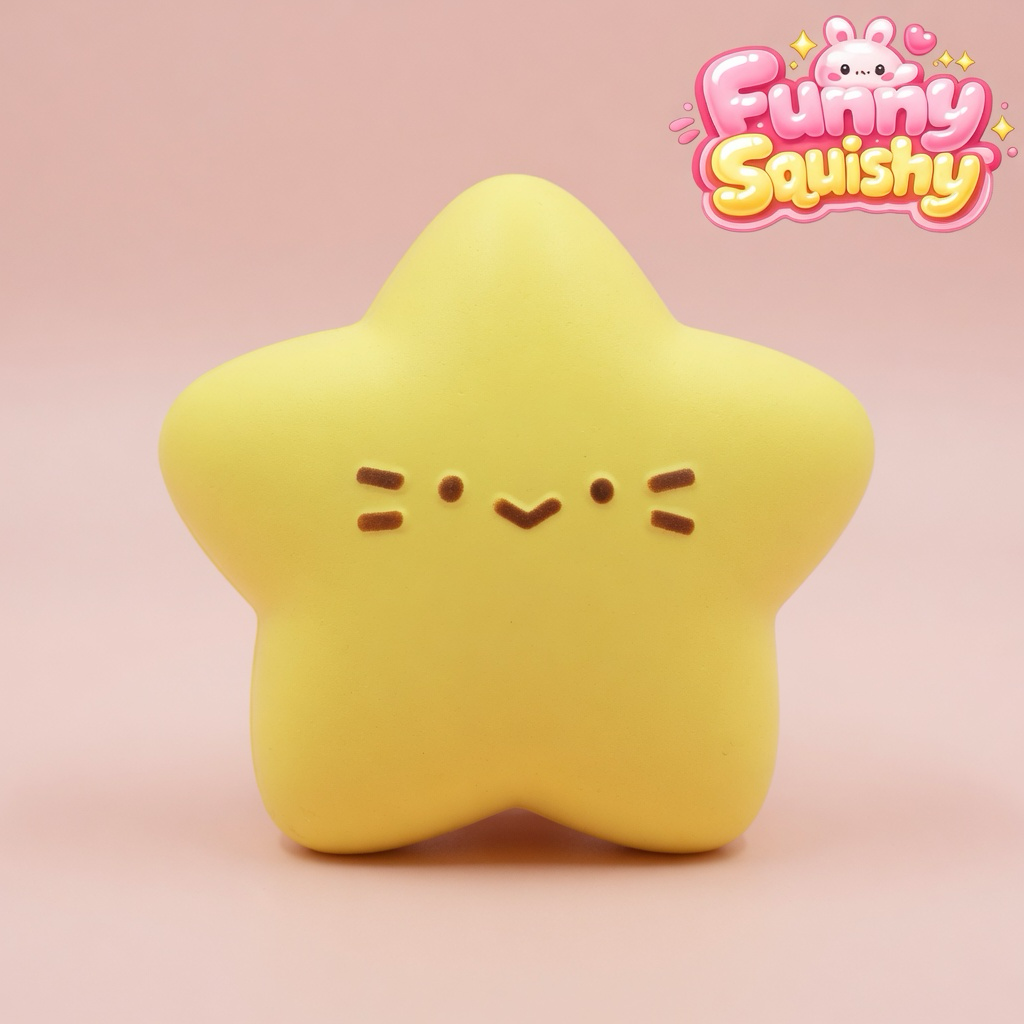
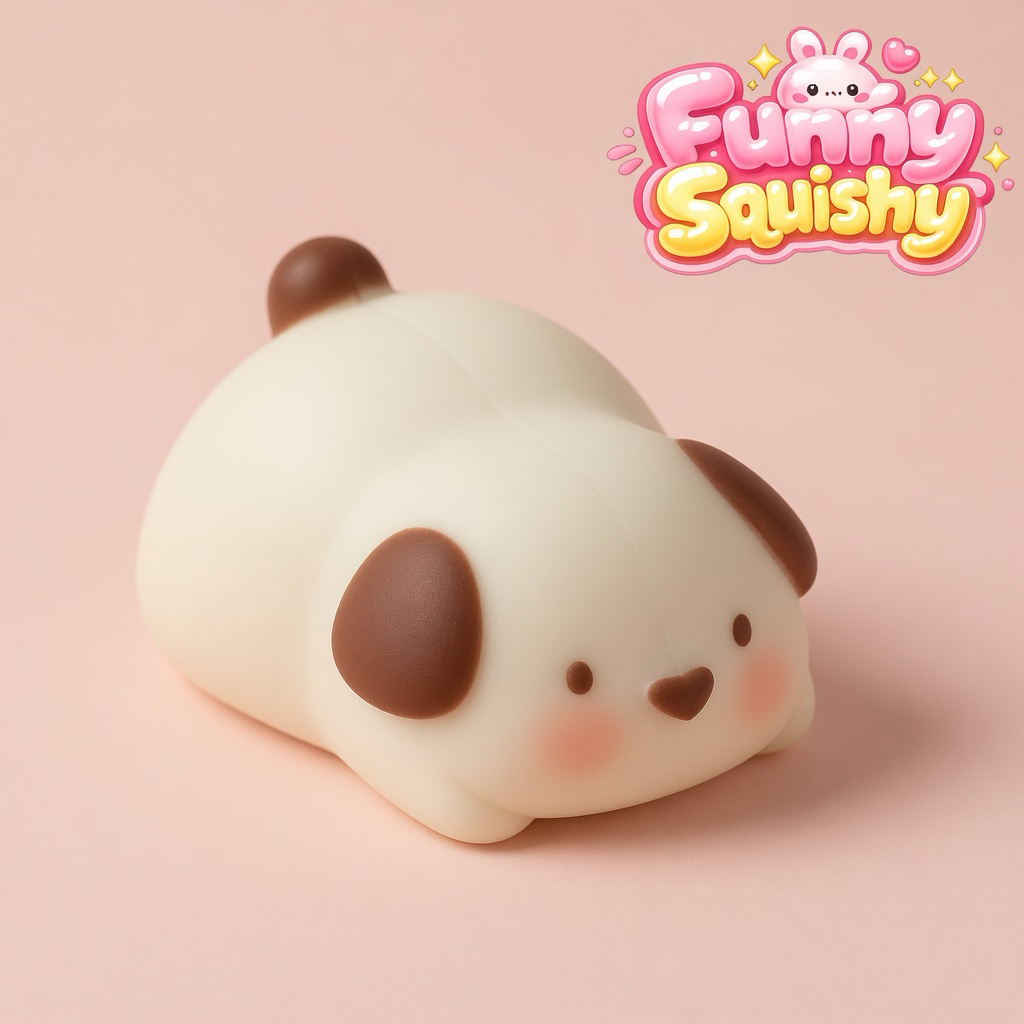
If you've scrolled social media lately, you've seen the butter squishy — a soft, stick-of-butter-shaped toy that slowly oozes back into shape after you press it. It went viral for a reason, and it happens to be an ideal desk fidget.
Why it works so well at work:
- Completely silent. No clicks, no snaps — perfect for meetings and shared spaces.
- Slow rebound. The gradual "melt-back" gives a hypnotic, calming visual and tactile loop that's great for focus at work during the afternoon slump.
- Discreet. It sits flat on your desk and looks more like a quirky decoration than a toy.
- Strong squeeze resistance. Ideal for venting deadline tension without making a sound.
For anyone who finds spinners and clickers too stimulating, the butter squishy's slow, soft feedback hits a sweet spot — engaging enough to satisfy fidgety hands, gentle enough not to hijack your attention. It's quickly becoming the default stress relief desk toy for people who want something low-key.
Office vs. Work-From-Home Fidget Strategy
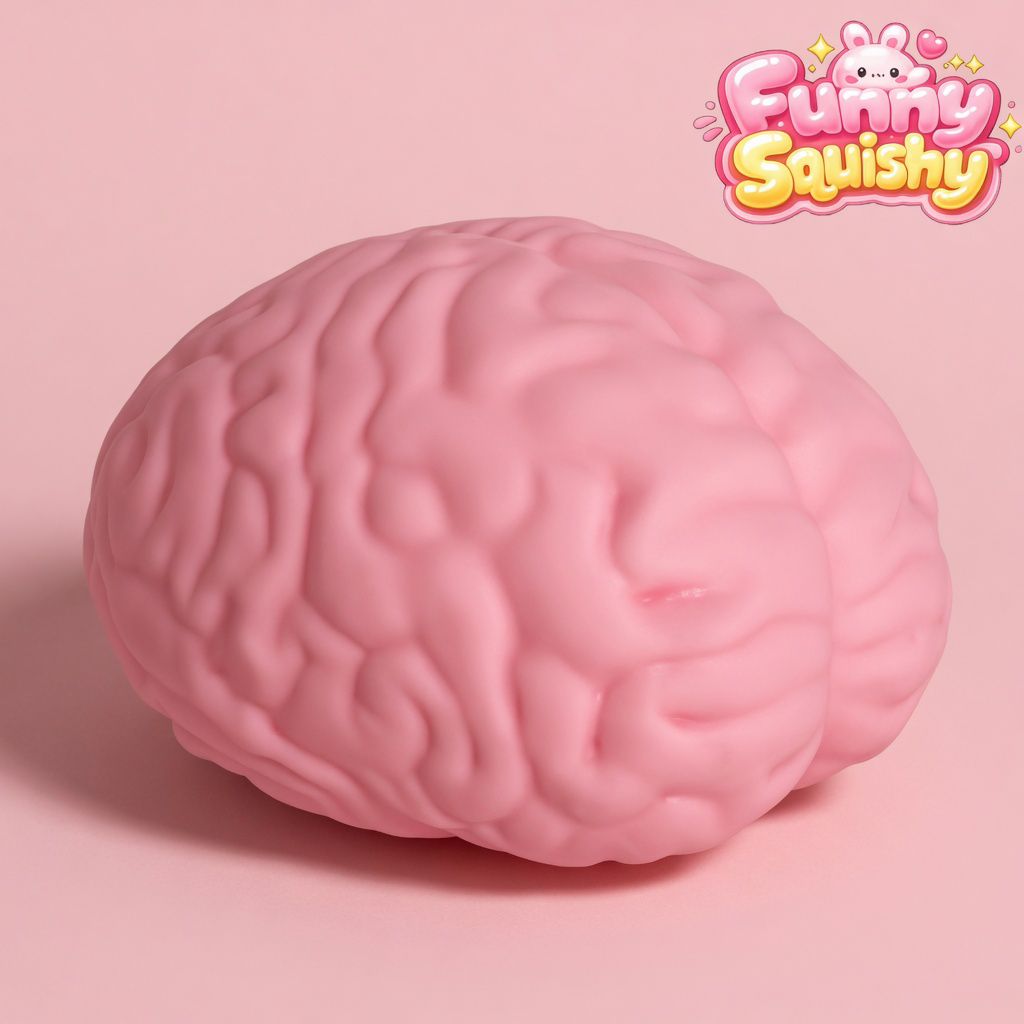
Your environment changes the rules.
In the office, silence and subtlety are everything. Keep one or two quiet fidgets within arm's reach — a squishy and a smooth stone — and store them in a drawer when not in use so they don't read as "playing around." If a colleague raises an eyebrow, a quick "it helps me concentrate" usually ends the conversation; fidget tools are widely understood now.
Working from home lifts those constraints. A work from home fidget can be louder, larger, and more elaborate — a clicky desk pad, a spinning gyroscope, or a magnetic build toy you tinker with between calls. Home is also the place to use fidgeting as a deliberate ritual: keep a tactile object next to your keyboard and reach for it the moment you feel the 2 p.m. fog rolling in, before you drift toward your phone.
No-Budget DIY Fidgets
You don't need to buy anything to test whether fidgeting helps you. Try these from items already on your desk:
- A rubber band stretched and rolled between your fingers.
- A binder clip you open and close slowly (quiet) — not snap (loud).
- A folded square of paper you crease and unfold repeatedly.
- A pen cap rolled across your knuckles (skip the clicking).
- A paper clip bent into shapes.
These are perfect for a quick experiment. If you notice you're staying with a task longer, it's worth investing in a purpose-built toy that lasts.
FAQ
Does fidgeting really improve focus, or is it just a distraction?
For most people during low-stimulation tasks, a repetitive, non-visual fidget supports focus by keeping the brain at an optimal arousal level. The key is choosing something automatic that doesn't require you to look at it.
Are fidget toys helpful for adults with ADHD?
Many adults with ADHD report that fidgeting helps them stay seated and attentive, and research on movement and cognition supports this. Silent, tactile options like putty or a squishy tend to work best in professional settings.
Won't my coworkers think I'm slacking off?
Use silent fidgets (see the noise table) and keep them discreet. Fidget tools are mainstream now, and a brief explanation that it helps you concentrate is almost always accepted.
What's the best fidget to use during video calls?
Keep it off-camera and silent — a butter squishy, soft stress ball, or worry stone you can work with one hand while the other rests on the desk.
How is a butter squishy different from a regular stress ball?
A butter squishy has a slow, satisfying rebound and a softer give, making it more calming and visually engaging, while a stress ball snaps back quickly and is built more for grip strength.
Can fidgeting actually reduce anxiety before a deadline?
Yes — rhythmic squeezing channels physical tension and triggers a mild relaxation response, which is why a firm anxiety relief fidget toy is handy when pressure peaks.
The afternoon slump isn't a character flaw — it's chemistry. You can't override your circadian rhythm by sheer willpower, but you can give your restless hands a job and let the rest of your brain get back to work. Keep one quiet butter squishy desk fidget within reach, notice the moment the fog rolls in, and reach for it before you reach for your phone. Browse more squishy fidget toys to build your focus kit.