

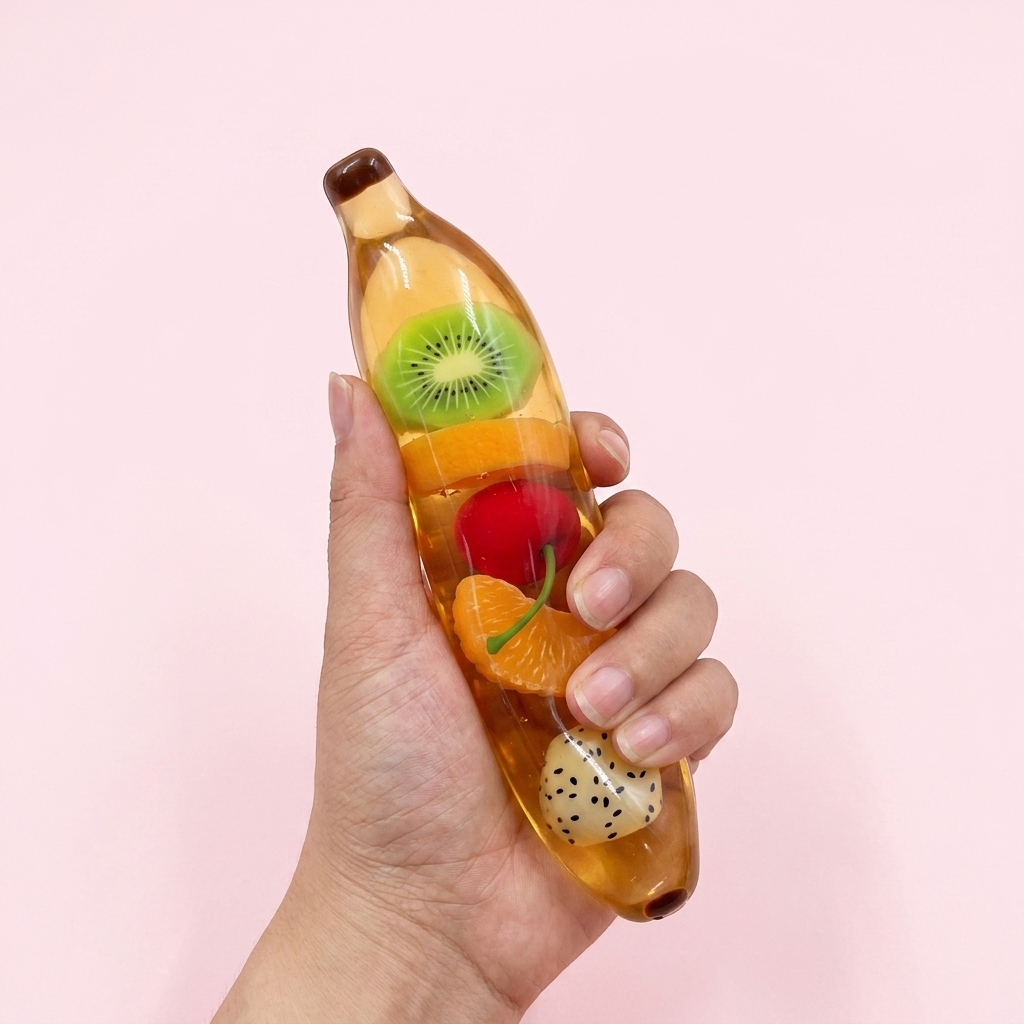

I sacrificed a bag of balloons to answer one question: which DIY stress ball filling is actually worth your time? The short version — flour wins for feel, rice wins for speed, slime wins for weirdness, water beads win for squish-per-squeeze, and play dough quietly outlasts them all. The long version, including the mess reports, is below.
How to Make a Stress Ball: The Base Recipe
Every filling uses the same chassis, so learn it once.
- Stretch a balloon by pre-inflating it a couple of times, then let it deflate.
- Fit the balloon neck over a funnel — or over the mouth of a small bottle you’ve loaded with filling, which is the cleaner trick for powders.
- Fill slowly, working the material down and burping out air pockets as you go. Air is the enemy; it makes the ball feel hollow and pops the seal later.
- Pinch, squeeze out the last air, and tie off close to the filling.
- For insurance, cut the neck off a second balloon and stretch it over the first as a double skin.
That double-skin step is the difference between a stress ball and a future cleanup story. Do it for every filling on this list.
The Five Fillings, Ranked
| Filling | Feel | Mess risk | How it holds up |
|---|---|---|---|
| Flour | Dense, dough-like, moldable | Catastrophic if it breaches | Slowly packs firmer over weeks |
| Rice | Crunchy, textured, beanbag-y | Low — sweepable | Very stable, but noisy |
| Slime | Cool, oozy, slow to reshape | Medium, and it finds fabric | Can dry out over time |
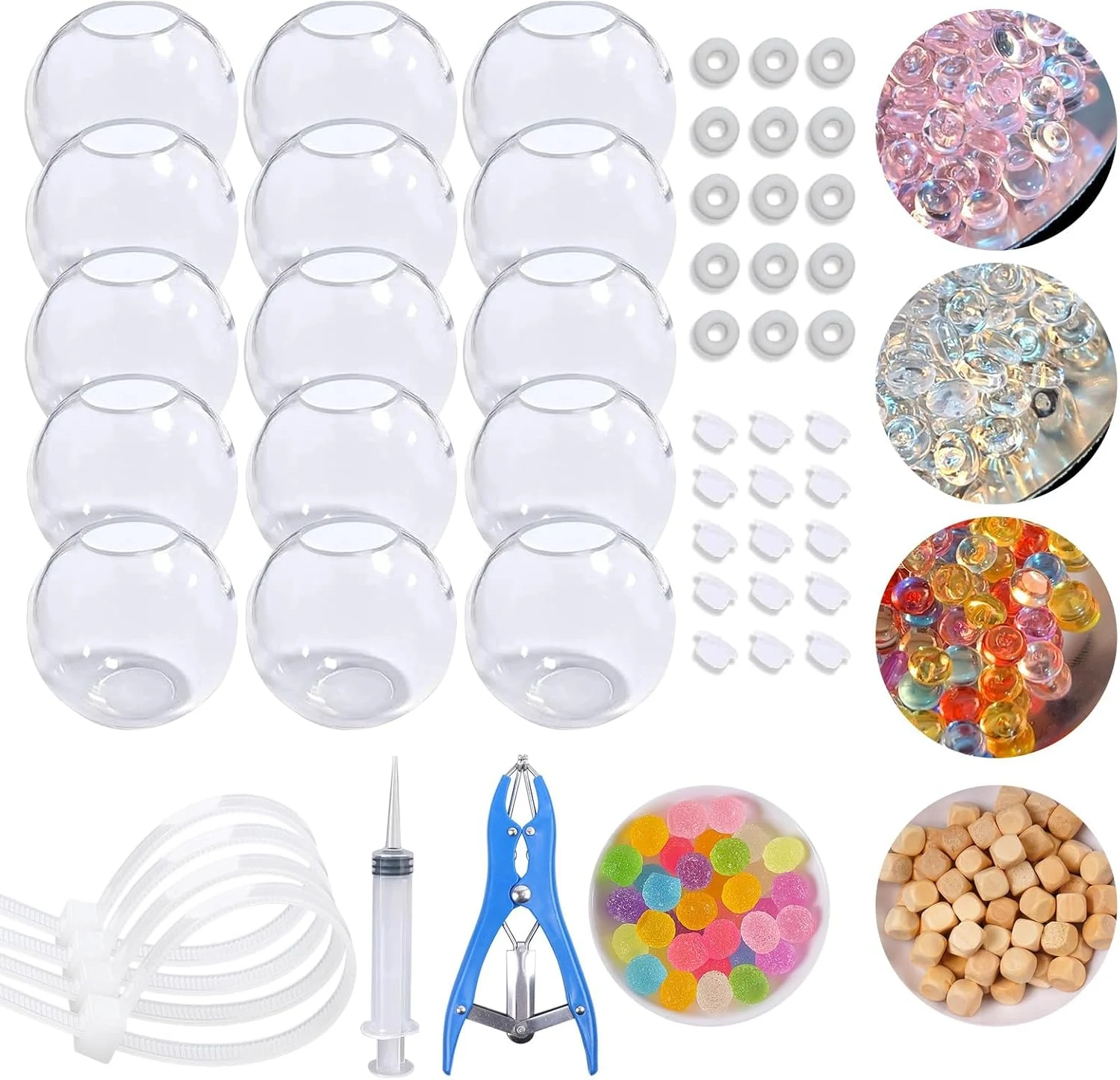
| Water beads | Rolling, bubbly, oddly alive | High when punctured | Beads shrink and shift with time |
| Play dough | Firm, clay-like, holds dents | Low | Firms up as it ages |
Flour is the classic for a reason: it packs into that dense, kneadable resistance closest to a real stress ball. It’s also the worst-case rupture — a flour breach on a dark couch looks like a crime scene, hence the double skin.
Rice is the five-minute build and the easiest cleanup, but every squeeze sounds like a tiny maraca. Nice for texture-seekers; wrong for classrooms.
Slime in a balloon feels genuinely strange in a good way — cool and slow, a budget cousin of a liquid-filled squishy. Water beads give the most dramatic squish, all rolling spheres under thin latex, and they’re also the first to burst if a fingernail gets involved.
Play dough is the sleeper: firm, dent-holding, satisfying for people who like resistance, and it basically can’t leak. It just gradually stiffens into a paperweight with a memory of being fun.
Safety Notes That Actually Matter
Balloons are the main event here: broken balloon pieces are a serious choking hazard, so these builds are not for under-3s, and little-kid use should be supervised with retirement at the first sign of wear.
Water beads deserve their own warning. They expand in liquid, which makes a swallowed bead dangerous for small children and for pets — a dog that chomps a burst ball can swallow several before you cross the room. If a child or pet swallows one, treat it as urgent. This isn’t medical or veterinary advice — contact a professional right away.
Also: don’t microwave any of these, don’t use hot fillings, and label the flour one so nobody bakes with the emergency backup.
The Buy-Instead List
Some days the craft is the point. Other days you just want the squeeze without auditioning balloons. For the second kind of day:
- The bloodshot eyeball squeeze toy out-squishes every balloon build on this list and doubles as a conversation ender.
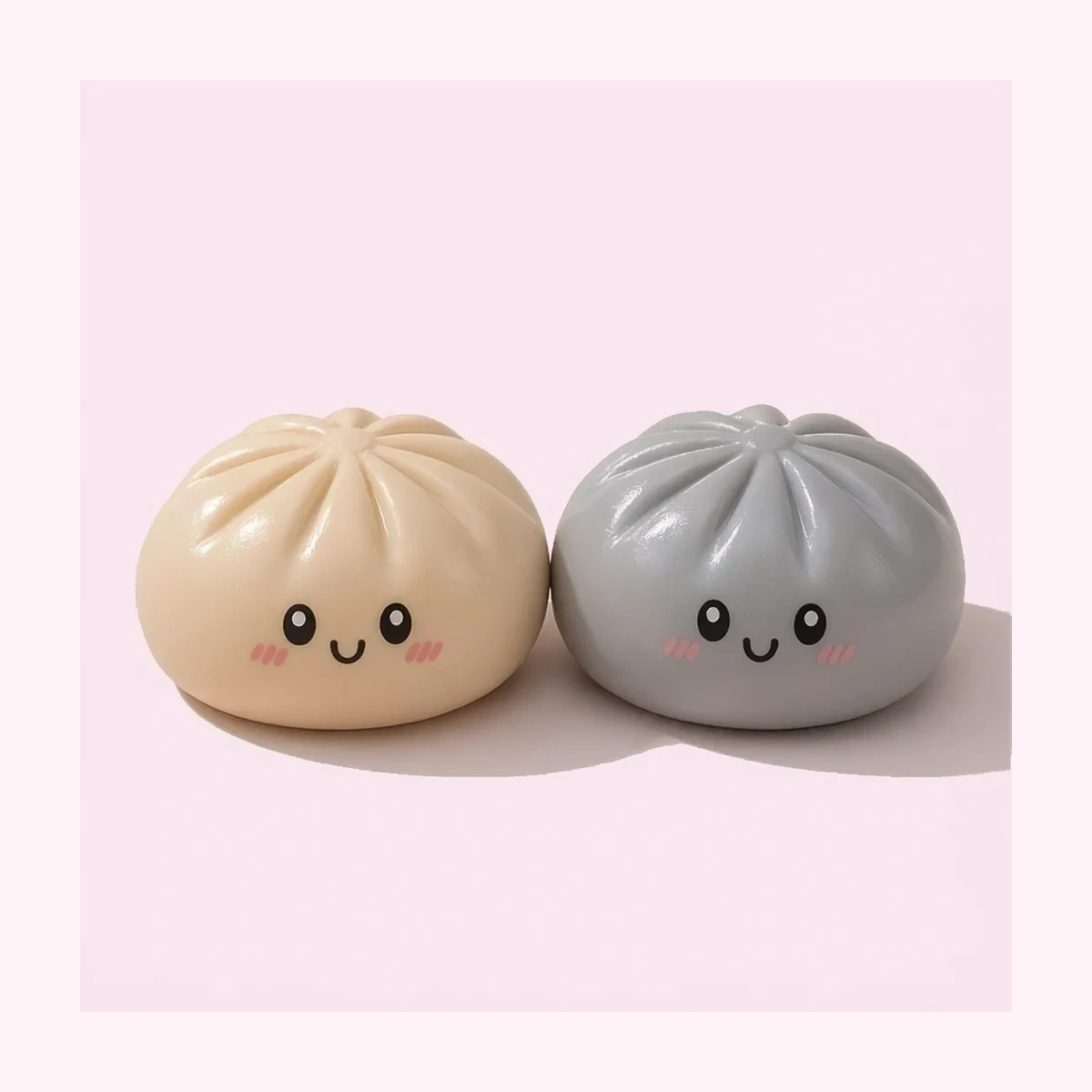
- The kiwi slushie squishy ball is the moldable, dent-holding feel the play dough build is chasing, minus the drying out.
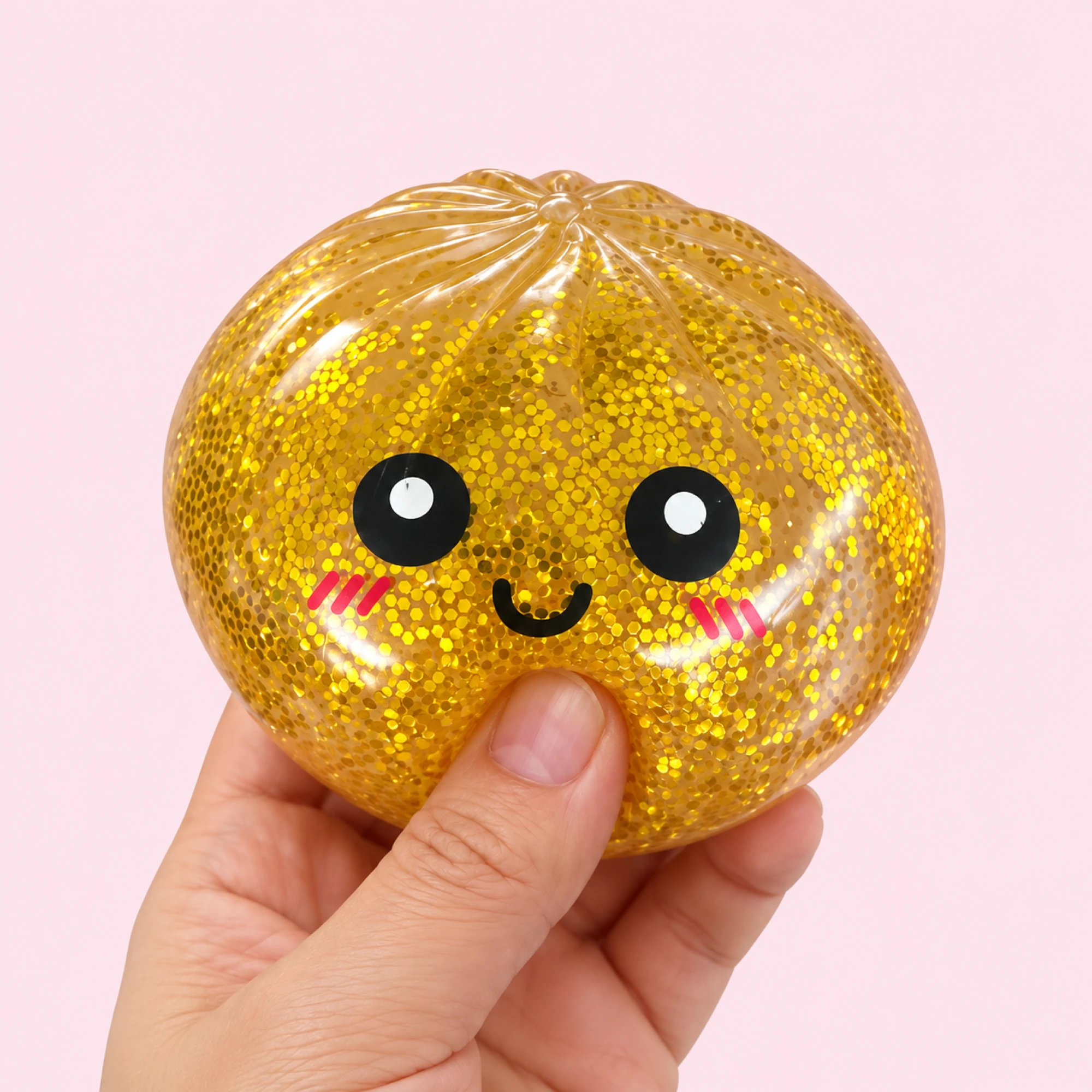
- The watermelon fluid-filled squishy delivers the liquid roll that water beads promise, inside a shell built for the job.
The full squishies collection has the rest of the roster, or start browsing at the shop. Orders of $49 or more ship free worldwide, with a 30-Day Squishfaction Guarantee — coverage no balloon has ever offered. For a bigger-picture comparison of the whole squeeze-toy universe, the squishy vs slime vs stress ball showdown picks winners by use case, and the zero-bounce ASMR stress balls post covers the slow, silent end of the spectrum.
FAQ
What’s the best filling for a DIY stress ball? Flour, for pure feel — dense, moldable, closest to store-bought. Pair it with a double balloon skin, because flour is also the filling you least want escaping onto upholstery.
How do you make a stress ball without a balloon? A small zip-seal bag inside a sock is the usual workaround: fill the bag, squeeze the air out, seal, and knot it into the sock. It’s lumpier than latex but survives fingernails better.
How long do DIY stress balls last? Days to a few months depending on filling and enthusiasm. Rice and play dough builds last longest; slime dries out and water beads degrade first. Retire any ball the moment the skin looks cloudy or thin at the stretch points.
Are DIY stress balls safe for kids? For school-age kids with supervision, generally yes — with the double skin, no water beads, and immediate retirement of damaged balls, since balloon fragments are a choking hazard. Keep every version away from under-3s and pets.