


Last updated: July 2026 · Funny Squishy team
Short answer: sometimes. For many people, quietly squeezing a soft fidget squishy gives restless hands something to do during calls, reading, studying, or repetitive work — and occupying that background restlessness can make it a little easier to stay engaged with the main task. But a squishy is not a guaranteed productivity boost. Whether it helps depends on the person, the task, and how you use it. For some people, or for certain kinds of work, a fidget can actually pull attention away. This guide walks through when a squishy tends to help, when it can distract, and how to use one well at a desk — honestly, without hype.
What a fidget squishy is (and what it isn't)
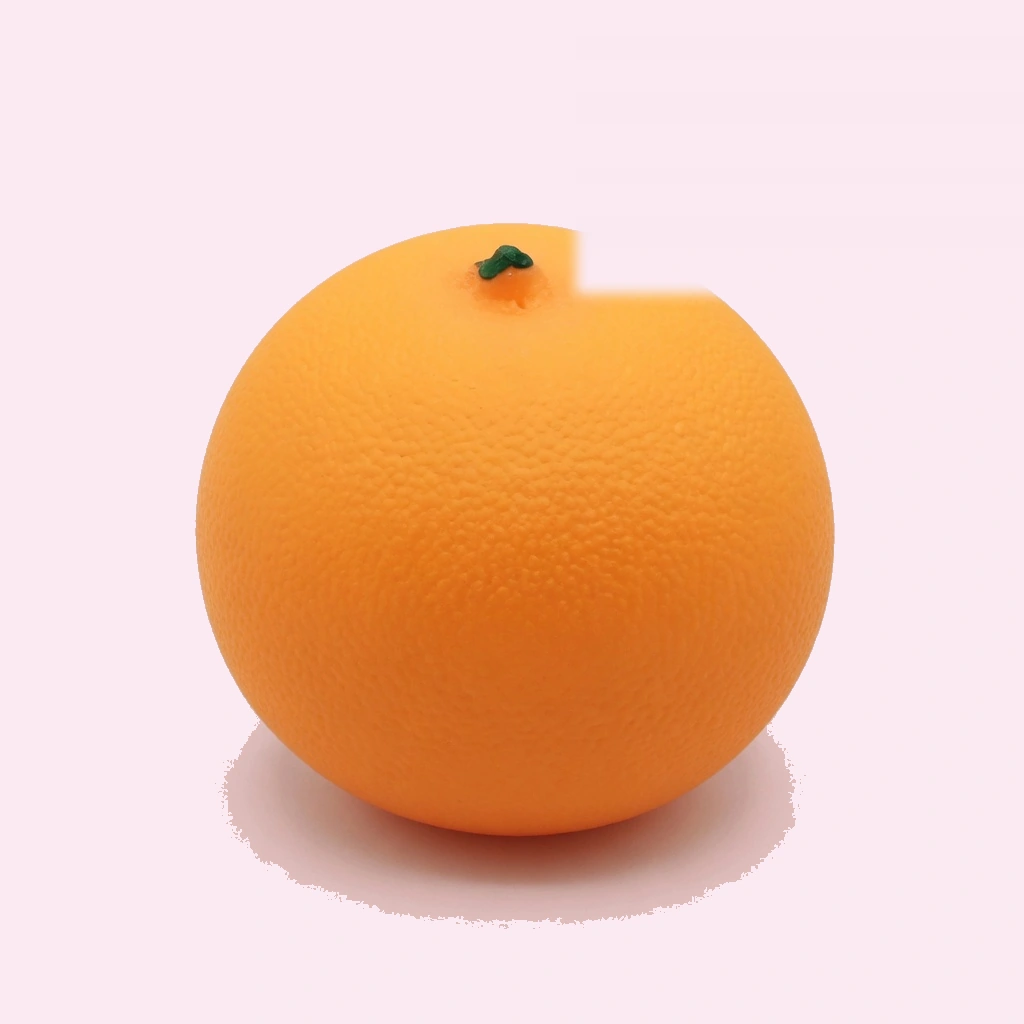
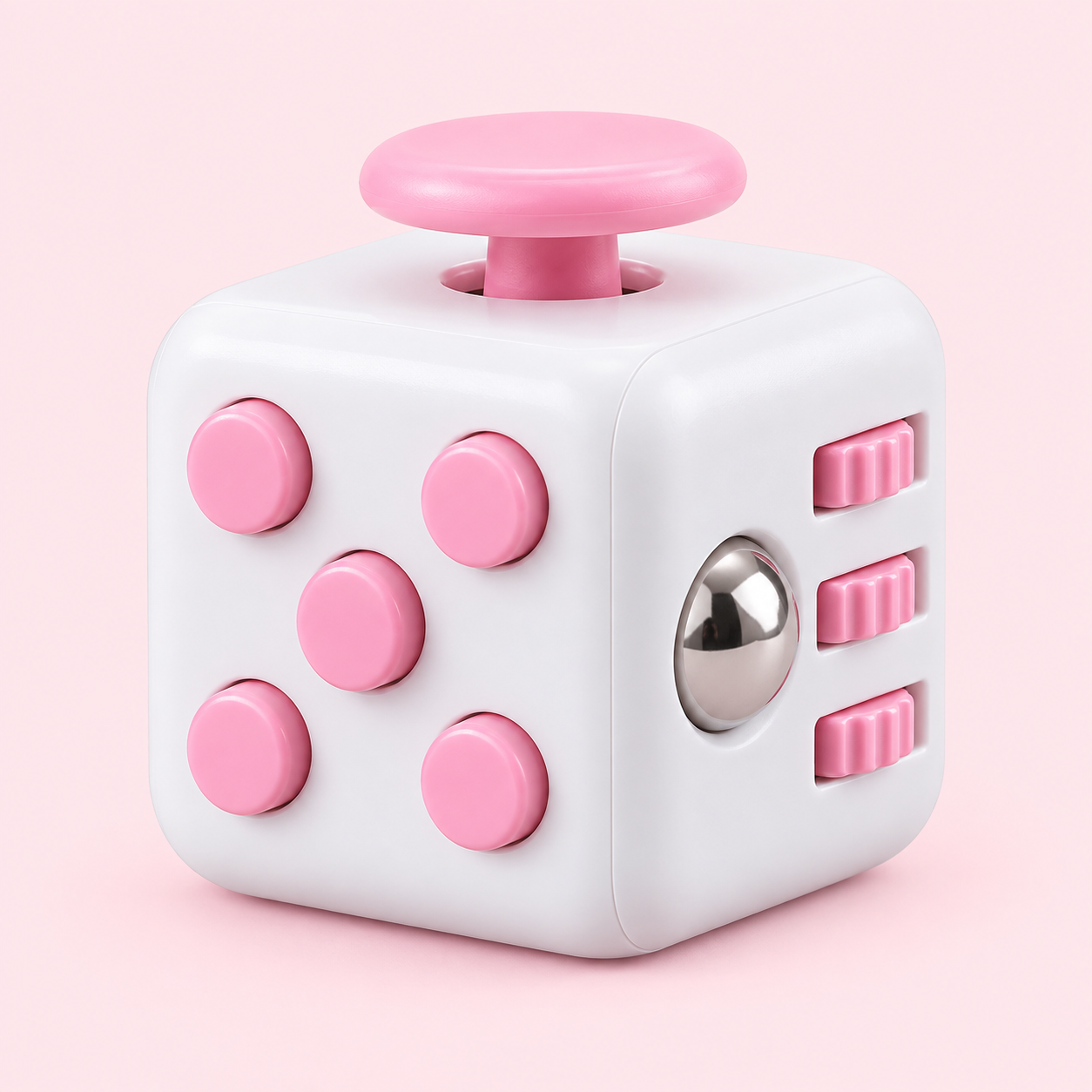
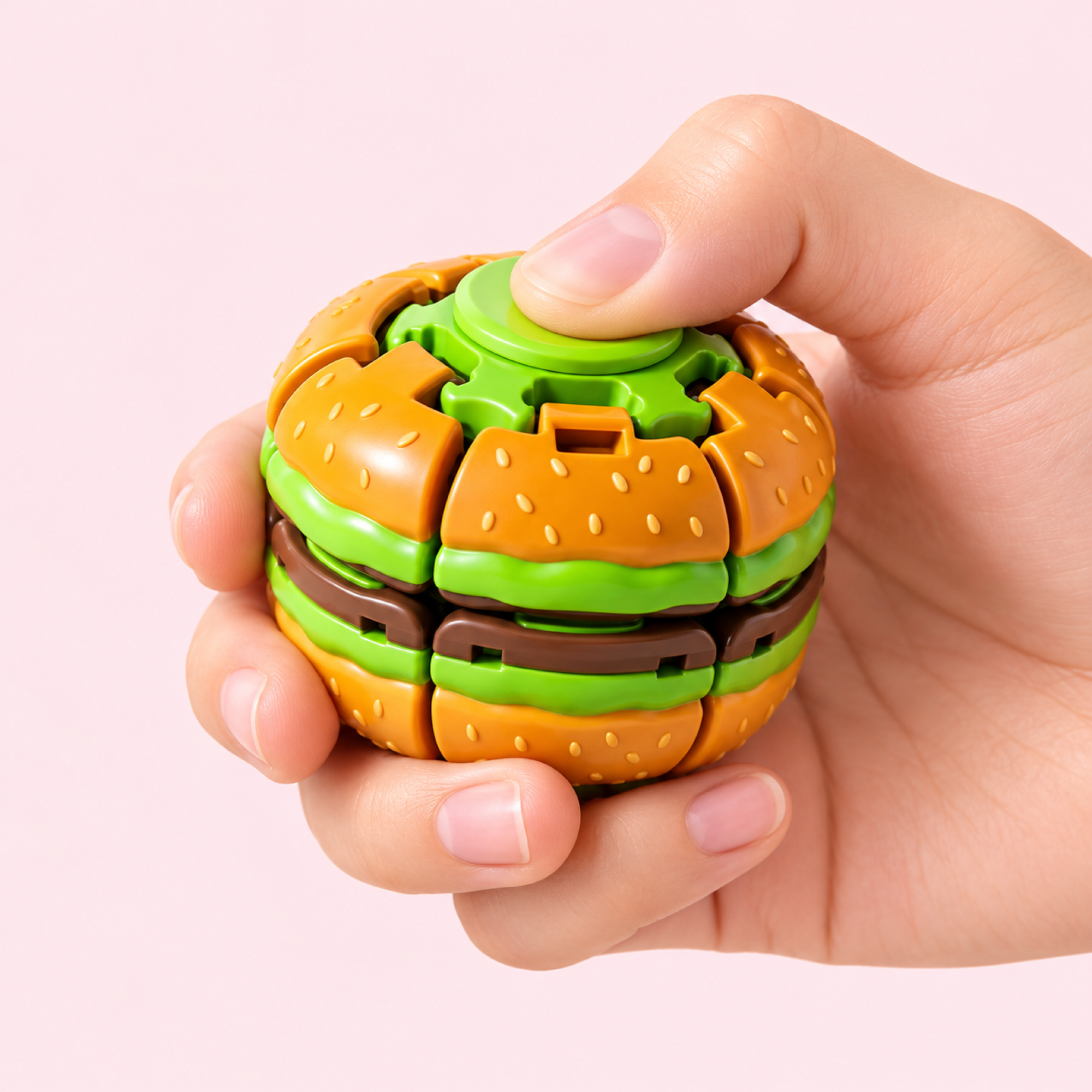
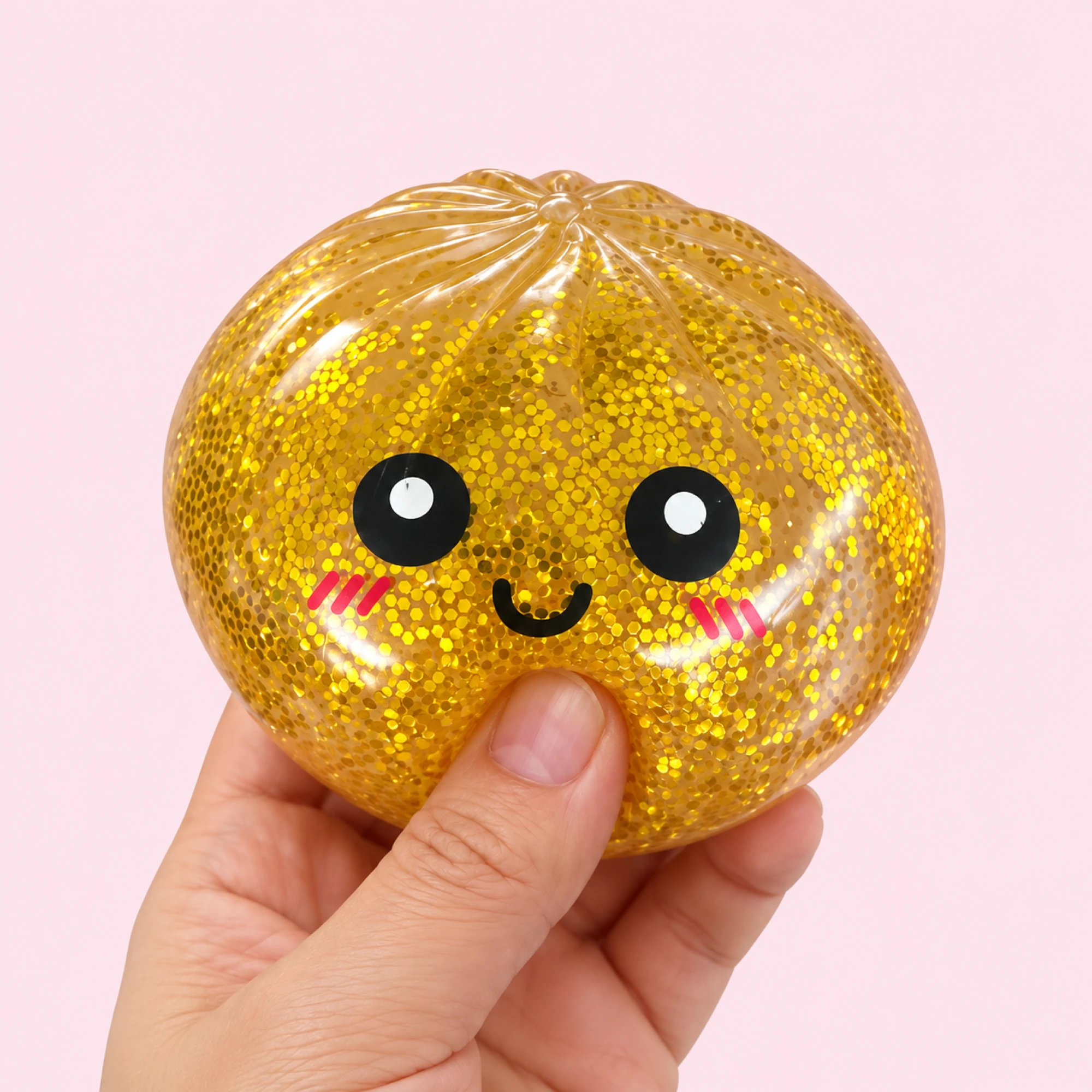
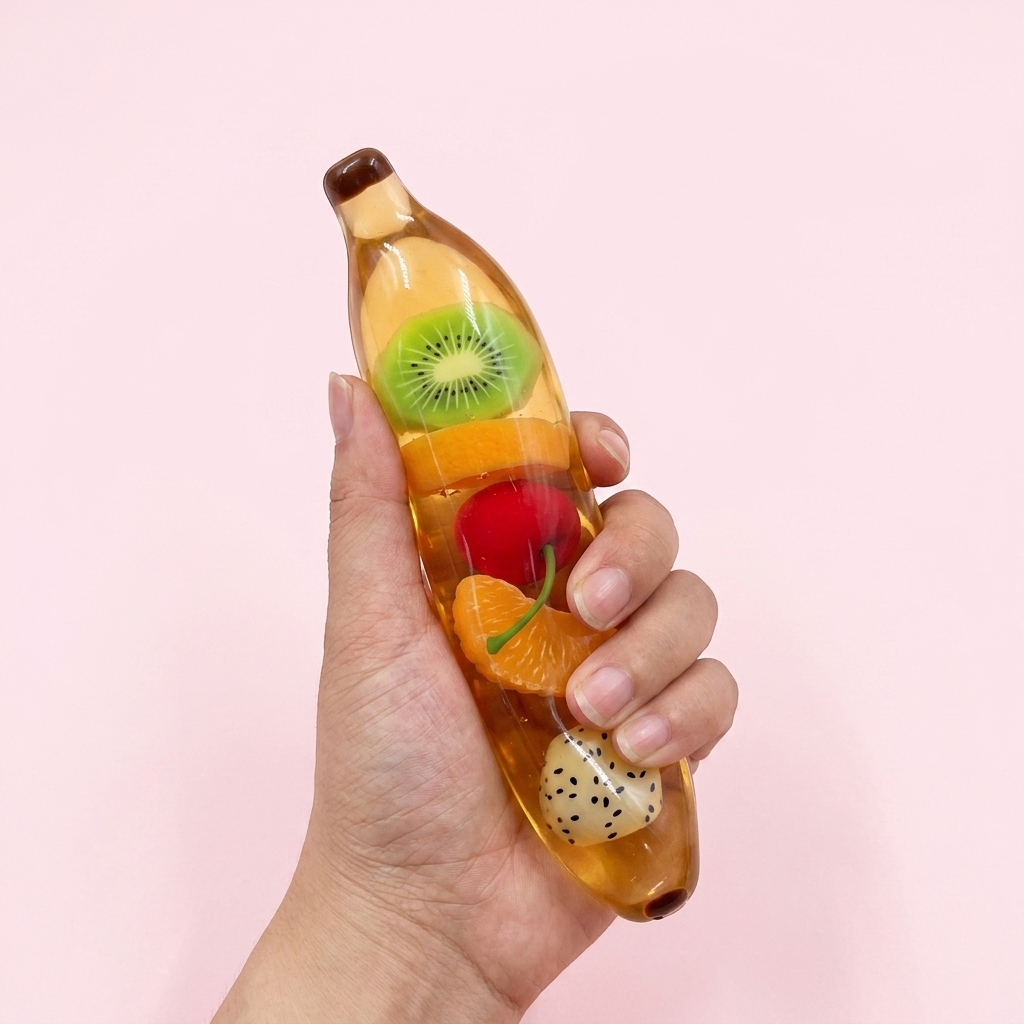
A fidget squishy is a soft, squeezable toy — often a slow-rising foam or a squishy stress ball — that you knead, press, or roll in one hand. It belongs to the broader family of fidget and sensory tools, alongside spinners, cubes, and putty. The idea is simple: a repetitive, low-effort physical action gives your hands a quiet outlet so your mind can settle onto something else.
It's worth being clear about what a squishy is not. It isn't a treatment, and it won't cure or "fix" attention difficulties, anxiety, or any medical condition. It doesn't raise your IQ or add hours to your day. What it can do is offer a small, tactile way to manage restless energy — which some people find genuinely useful and others barely notice. Both experiences are normal.
When a fidget squishy tends to help
A quiet squishy is most likely to help during low-stakes, hands-free tasks — the kind where your ears and brain are working but your hands are idle. Common examples people describe:
- Listening on calls or in meetings. When you're absorbing information rather than typing, a soft squeeze occupies fidgety hands and can help you keep listening instead of reaching for your phone.
- Reading or studying. During long stretches of reading, some people find a rhythmic squeeze keeps a restless part of them busy so the rest can concentrate on the page.
- Repetitive or monotonous work. On tasks that don't demand your full hands or eyes, a fidget can break up the monotony and make it easier to keep going.
- Winding down or self-soothing. Many people simply like the calming, tactile feel of squeezing something soft when they're keyed up. If that helps you settle before focusing, that counts. Our calming squishy picks lean into that gentle, quiet feel.
The common thread is that your hands are otherwise doing nothing. In those moments, a squishy channels restless energy without competing with the task in front of you.
When a fidget squishy can distract
Just as honestly: a squishy isn't always a help, and sometimes it gets in the way. It's more likely to distract when:
- The task needs both hands. Typing, writing, sketching, cooking, or anything hands-on leaves no free hand — and setting the toy down and picking it up repeatedly can interrupt your flow more than it helps.
- The fidget becomes the main event. If you catch yourself watching the squishy slowly rise, timing the perfect squeeze, or reaching for it instead of starting your work, it has stopped being background and become the foreground. That's a signal to put it away for a bit.
- It makes noise or motion others notice. A squeaky, clicky, or bouncy toy can distract the people around you — and their reaction can distract you. Quiet, still fidgets are far friendlier in shared spaces.
- You're new to it and caught up in the novelty. A brand-new toy is interesting on its own, but that usually fades in a few days, after which it sinks into the background where it's most useful.
None of this means a squishy is "bad." It means the same toy can help one person on one task and distract another person on a different task. Paying attention to your own experience is the whole game.
How to use a fidget squishy at your desk
A few simple habits make a desk fidget more likely to help than hinder:
- Pick a quiet, still one. Choose a soft foam squishy with no clicking, no rattle, and little to no bounce, so it stays in the background. If you're weighing textures, our zero-bounce vs. slow-rising comparison explains how each one feels in the hand.
- Keep it in your non-dominant hand. Leave your writing or mouse hand free for the actual work, and let the other hand do the squeezing.
- Save it for listening and reading. Reach for it during calls, videos, and reading — the hands-free moments where it fits best — and set it down when a task needs both hands.
- Do a quick honesty check. Every so often, ask yourself: am I still focused on my work, or on the toy? If it's the toy, park it for a while.
- Keep it clean and within reach. A squishy left in a drawer won't help. Wipe it down occasionally and keep it beside your keyboard so it's an easy, low-friction habit.
The best quiet desk squishy picks
For desk and focus use, the goal is soft, silent, and low-bounce — something you barely notice while your attention stays on the work. A few from our squishy collection that fit that brief:
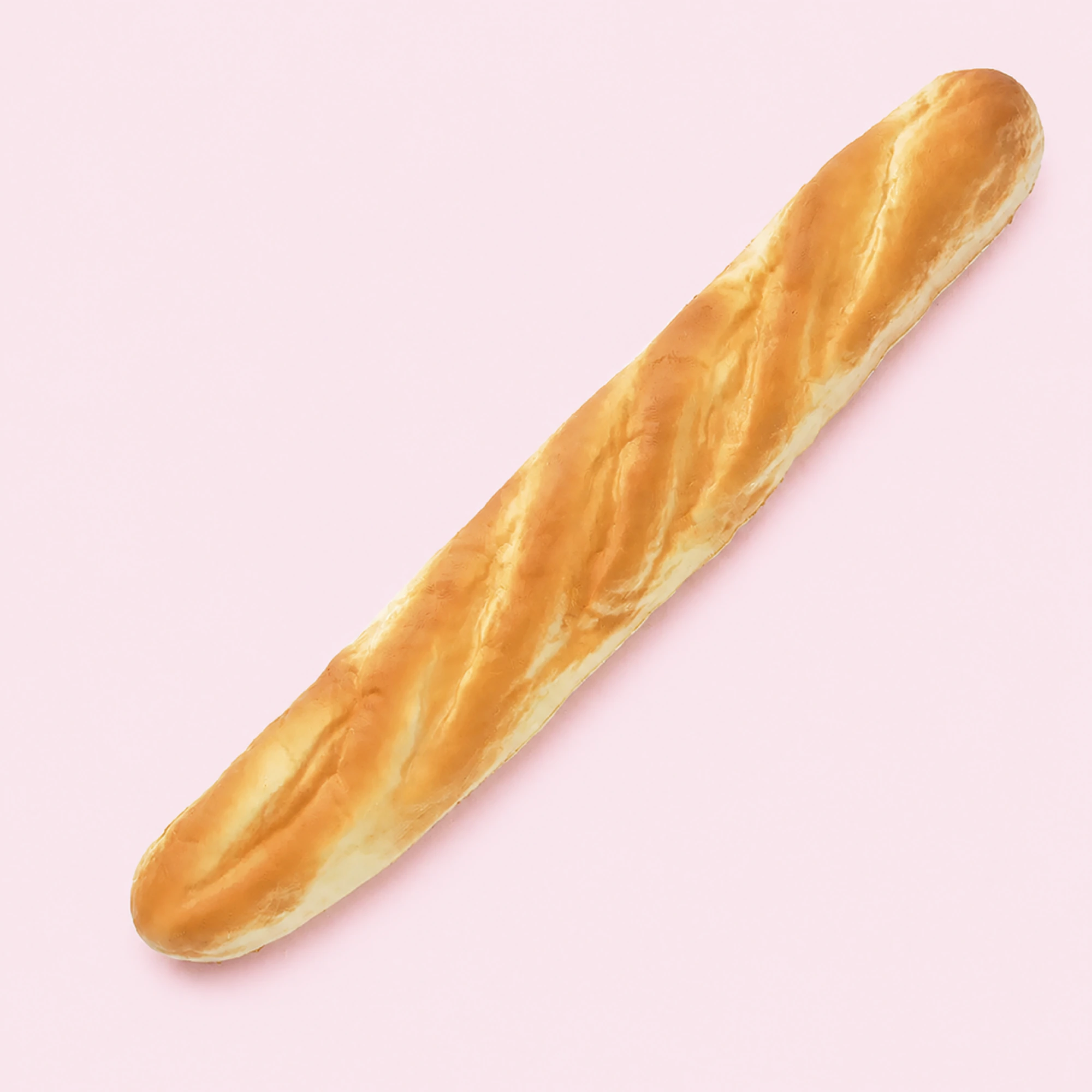
- Butter squishy. A slow, smooth, satisfying squeeze that's quiet and easy to hold one-handed. Its unhurried slow-rise makes it a natural background fidget for calls and reading.
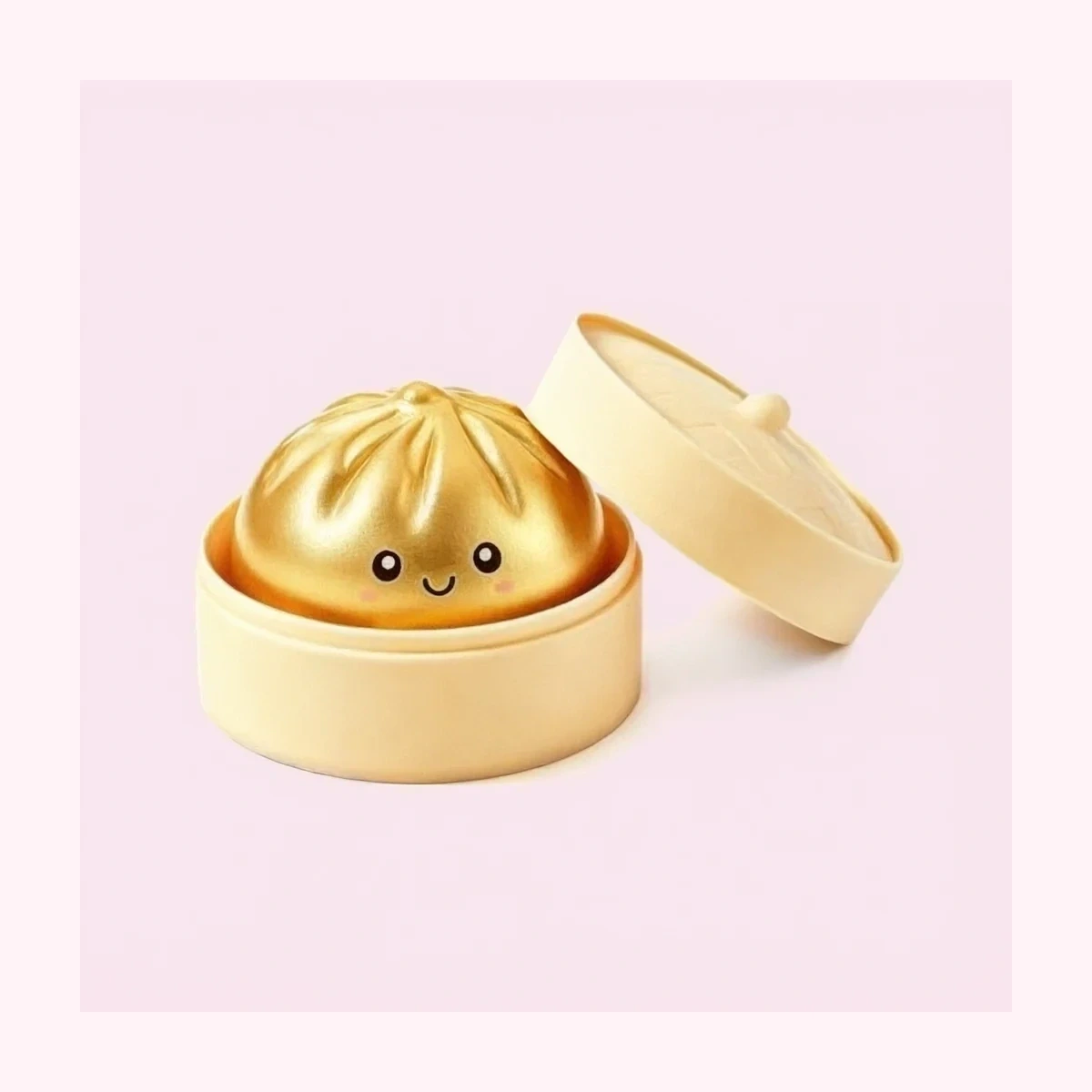
- Dumpling foam squishy. Small, pillowy, and silent — it tucks into one hand and stays out of the way, which is exactly what you want on a busy desk.
- Mashed Potato squishy. If you like a moldable, shapeable fidget, this one has zero bounce-back — you squeeze and reshape it rather than watch it spring, which keeps it calmly in the background.
- Cheese Block squishy. A soft, slow-rising squeeze with a bit of stretch, for anyone who prefers a slightly springier feel that's still quiet enough for a shared workspace.
New to squishies and not sure which type suits you? Our squishy buyer's guide breaks down the material types, feel, and safety basics in one place.
Frequently asked questions
Do fidget squishies really improve focus?
For many people, a quiet squishy makes it easier to stay engaged during hands-free tasks like calls, reading, or studying by giving restless hands something to do. It's not a guaranteed focus boost, though — results vary by person and task, and for some it can be a mild distraction. Try one and notice your own experience.
Are squishies distracting at work?
They can be, depending on the task. During two-handed work like typing or writing, a squishy often interrupts more than it helps. It's also distracting if the toy itself becomes the focus, or if it clicks or bounces enough for others to notice. Quiet, low-bounce squishies used during listening tasks are the least distracting.
Which squishy is best for a desk or office?
Choose a soft, quiet, low-bounce squishy that fits in one hand, such as the Butter or Dumpling foam styles. If you prefer a moldable fidget, a zero-bounce option like the Mashed Potato works well. Avoid anything squeaky, clicky, or bouncy that could distract you or the people around you.
Can fidget squishies help with ADHD or anxiety?
Some people with restless energy find fidget tools a helpful outlet, but a squishy is not a treatment and can't diagnose, cure, or manage any medical condition, including ADHD or anxiety. Think of it as a small self-soothing tool. For any health concern, talk with a qualified healthcare professional.
What age are fidget squishies suitable for?
Most squishies are designed for ages 6 and up. Younger children should be supervised, since small or soft toys can be a choking hazard and shouldn't be bitten or torn. Always check the specific product's age guidance and keep squishies clean and in good condition.
The honest takeaway
A fidget squishy can be a small, genuine help — a quiet way to occupy restless hands so you stay a little more engaged during calls, reading, and repetitive work. It can also distract if the task needs both hands or the toy steals the spotlight. No hype: try a quiet, low-bounce one at your desk, notice whether it helps you, and keep it if it does. Ready to start? Browse our squishy collection and pick a calm, desk-friendly favorite.