
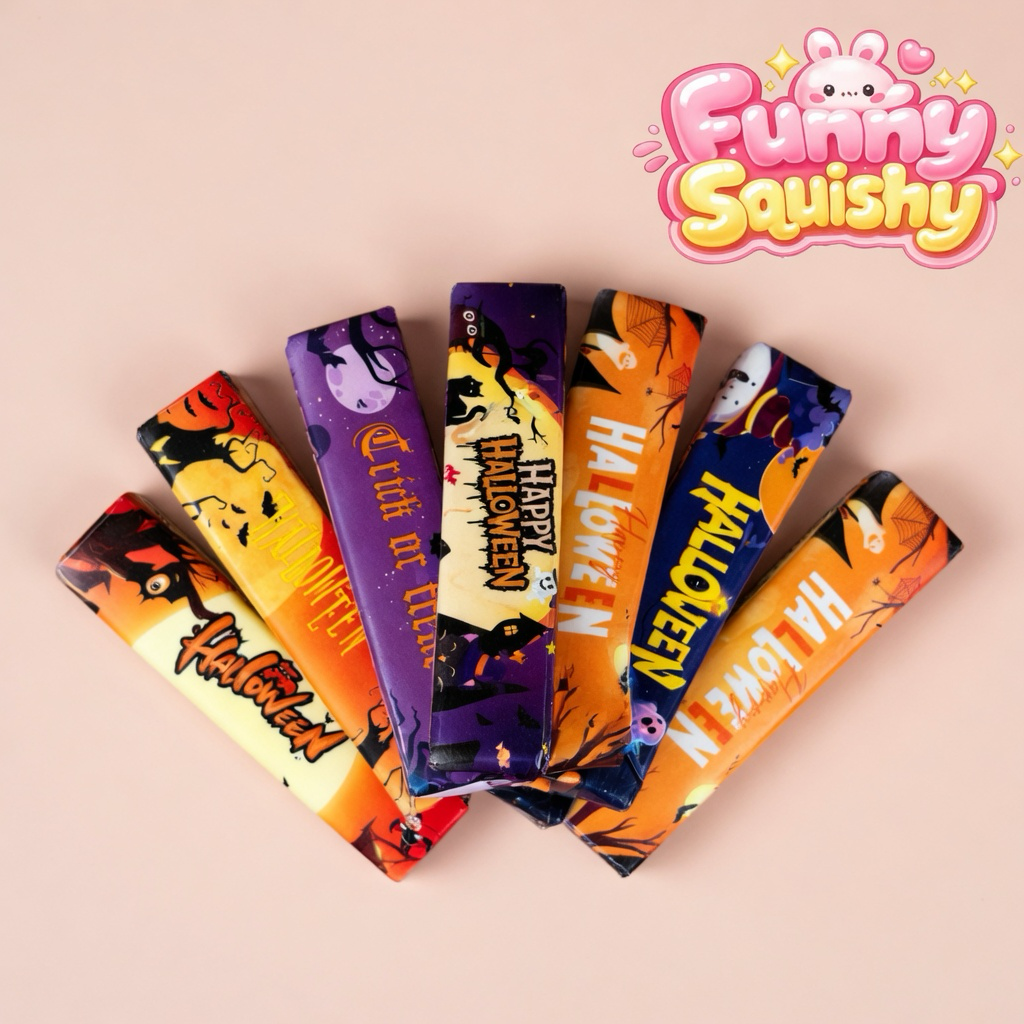
 Halloween Butter Squishy Assorted Set — Bulk Multi-Color Slow-Rising Fidget Toys
 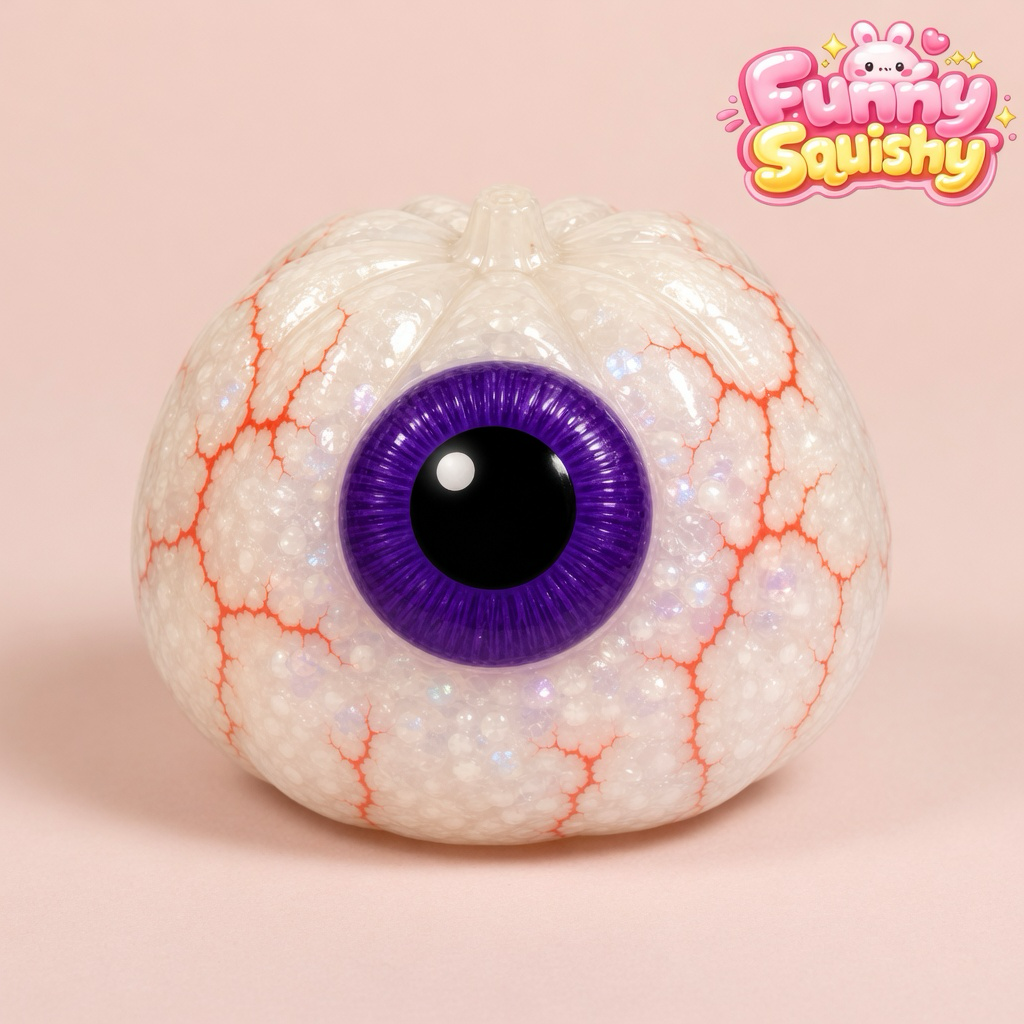 Eye Squeeze Toy — Bloodshot Eyeball Squishy Stress Relief
 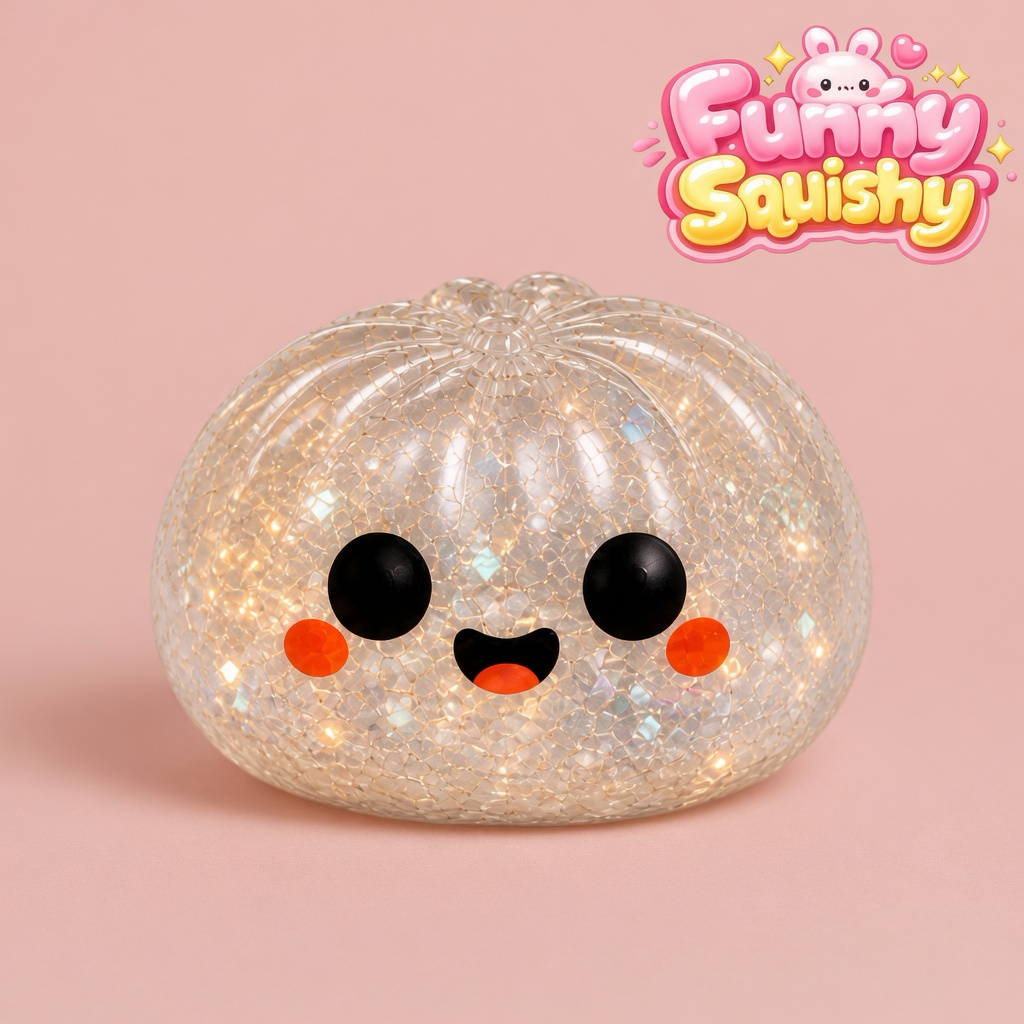 Ghost Squishy – Glitter Slow Rising Halloween Sensory Toy
 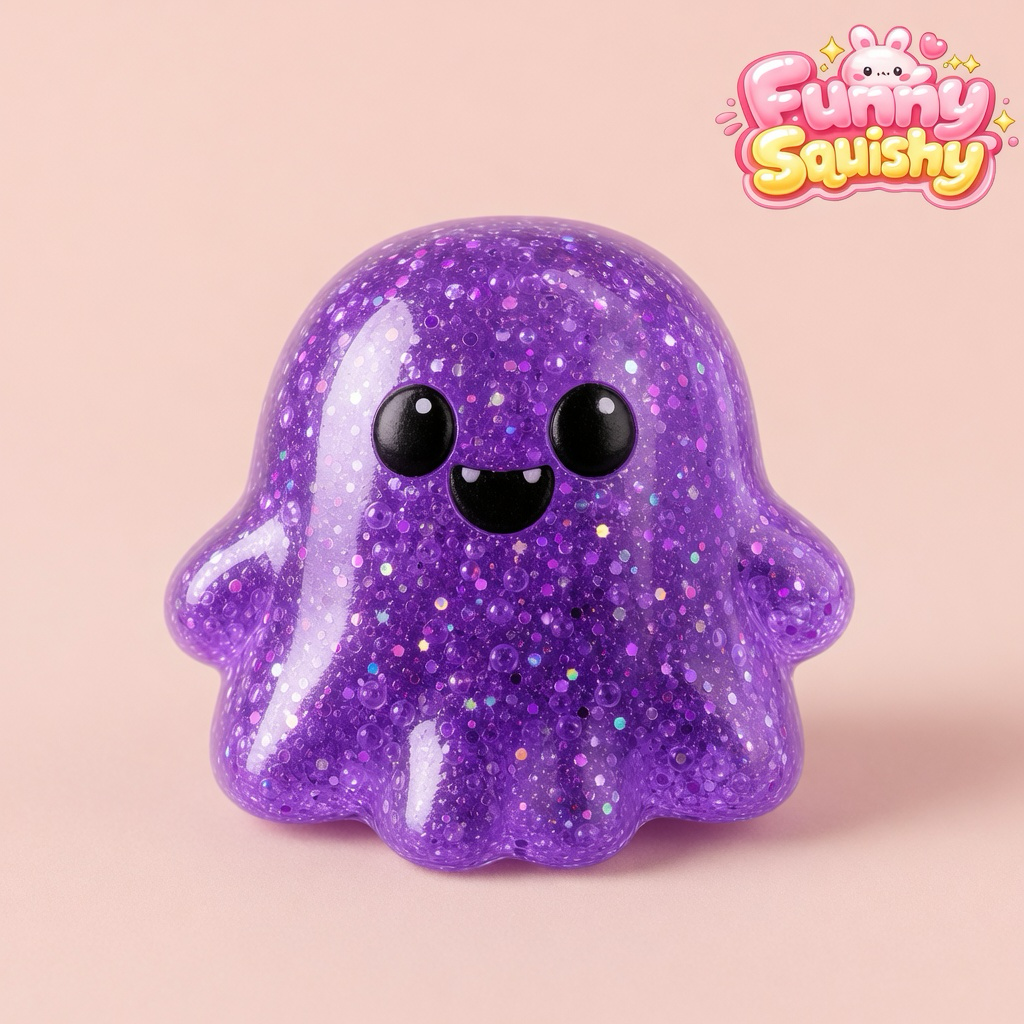 Ghost Squishy Purple Glitter Slow Rising Kawaii Stress Toy
 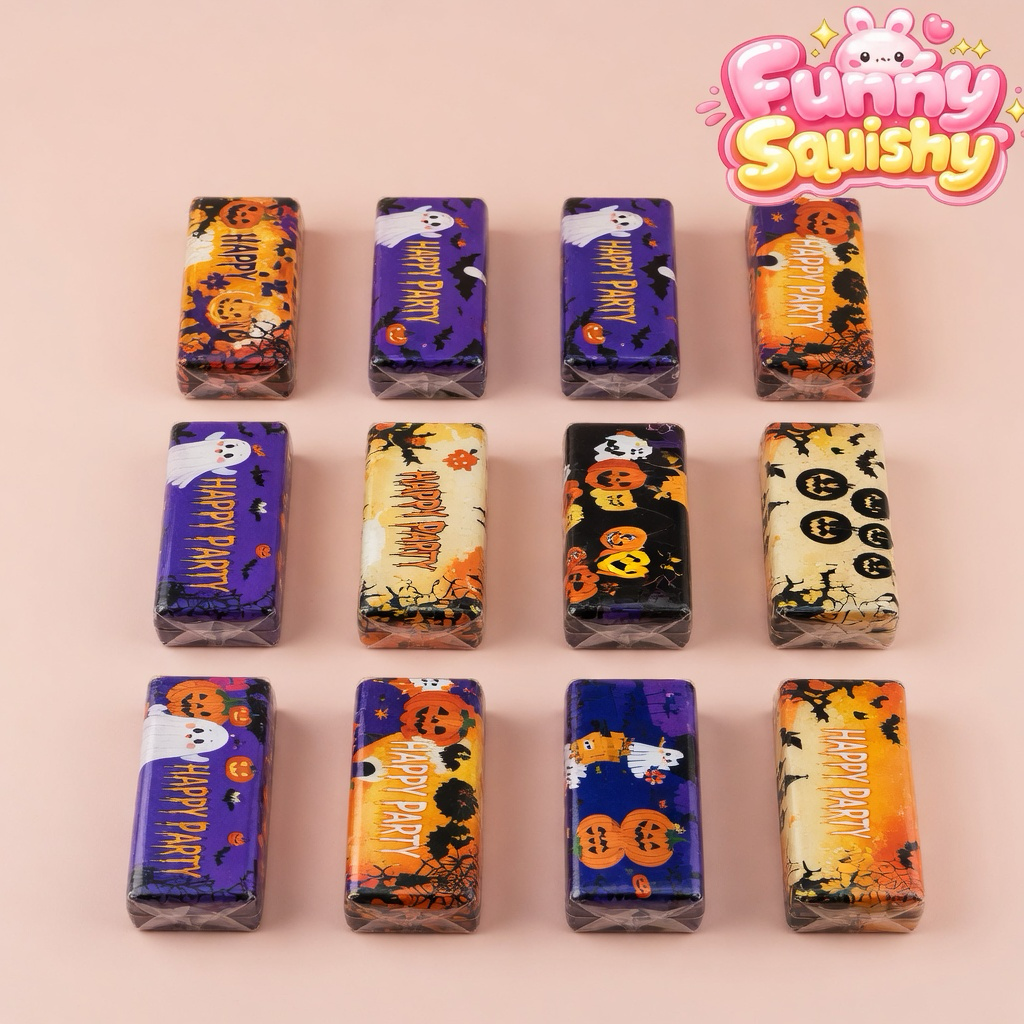 Halloween Butter Squishy 12-Pack Display Box — Assorted Slow-Rising Party Favors
 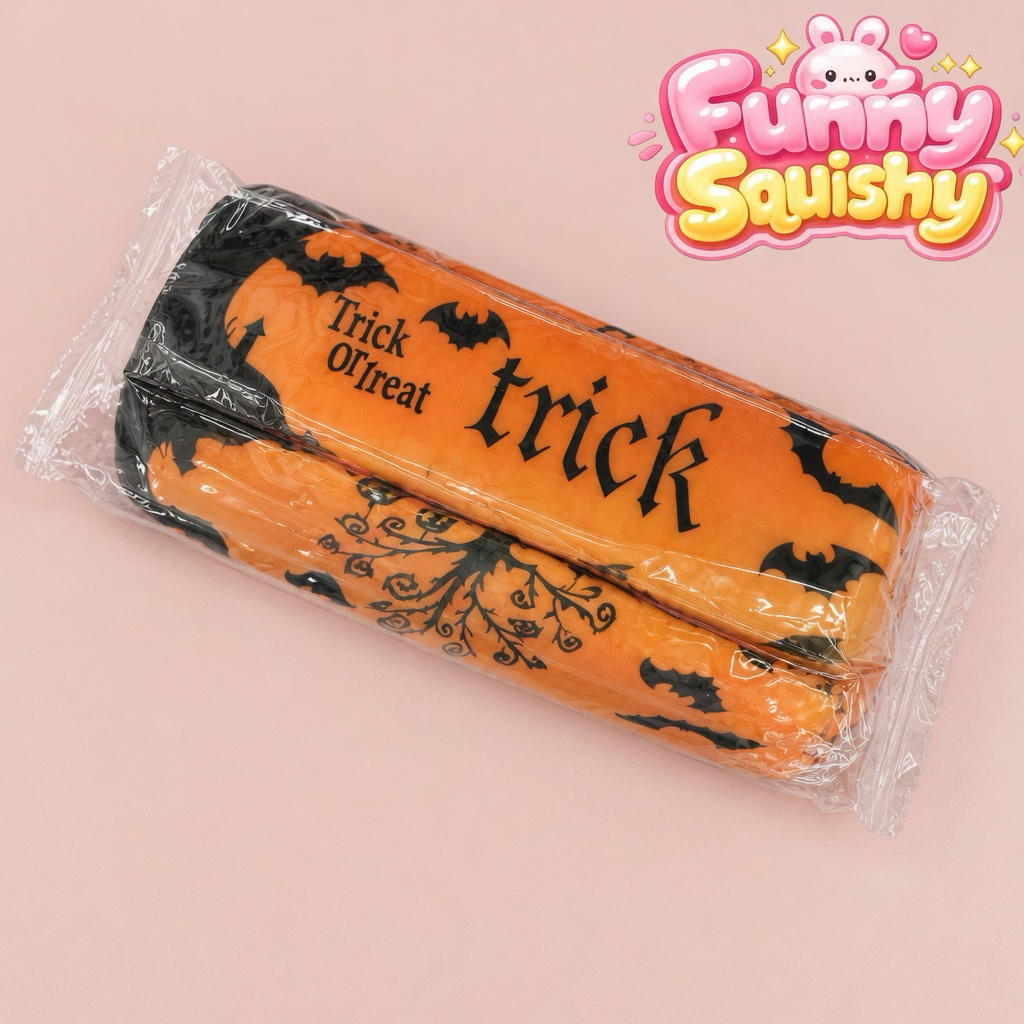 Halloween Butter Squishy — Orange Trick-or-Treat Slow-Rising Stress Toy
 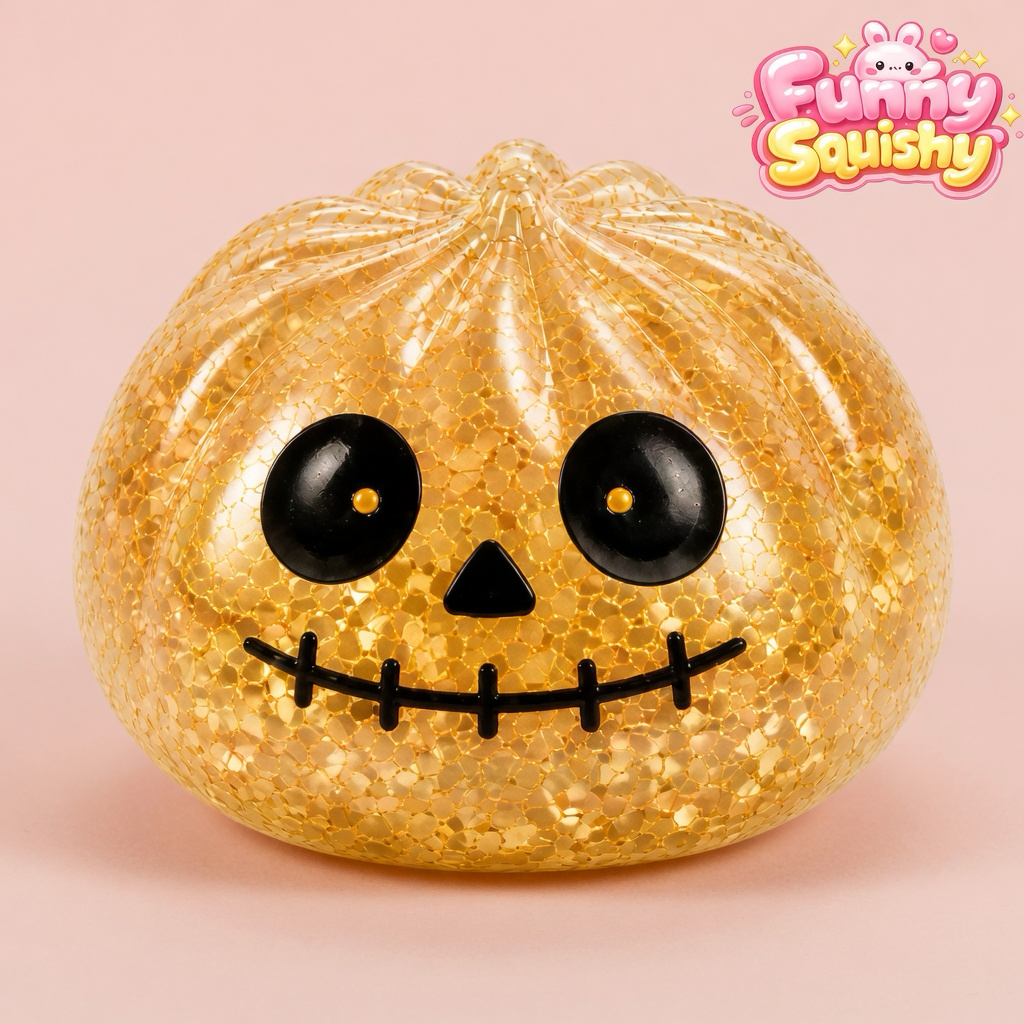 Halloween Skull Squishy — Glitter Slow Rising Stress Toy
 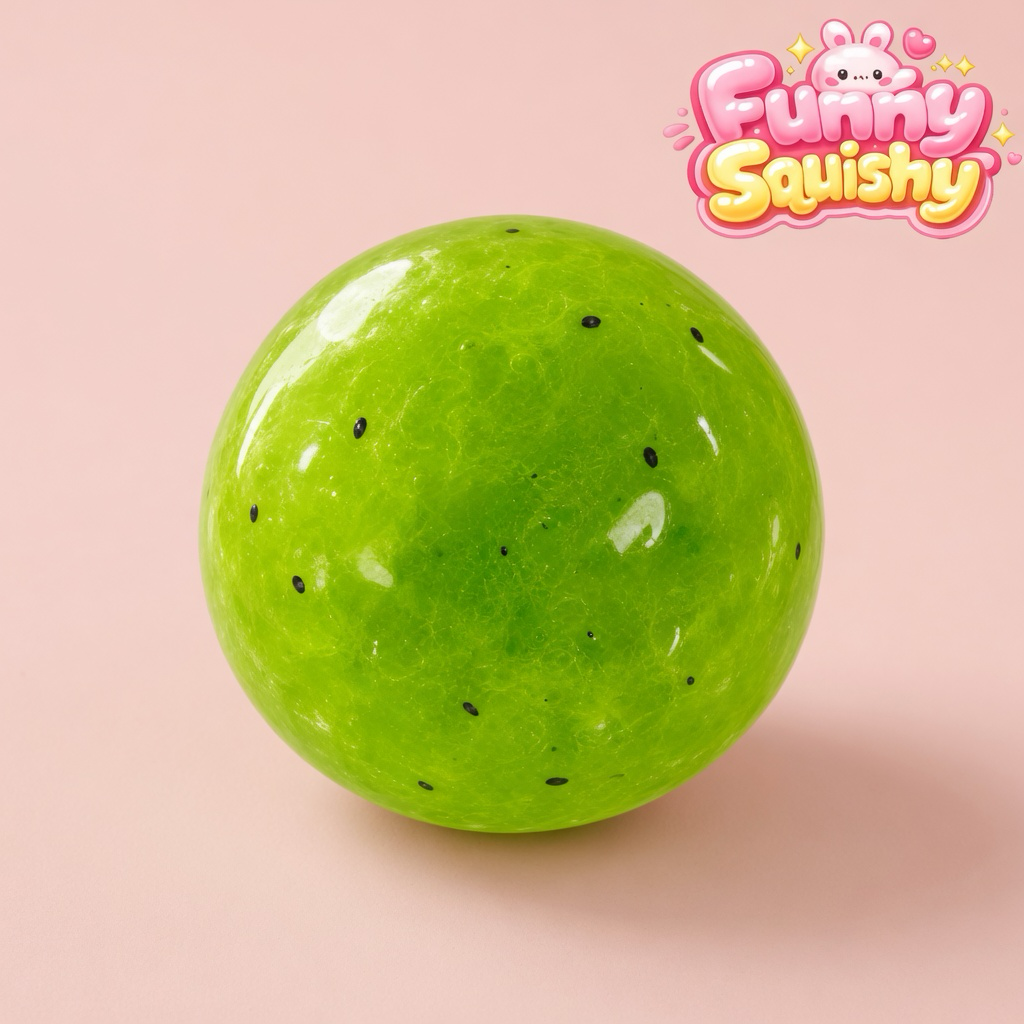 Kiwi Slushie Squishy Ball — Handmade Moldable Fruit Stress Ball
 Yes, the price tag is real. An iBloom squishy costs more than a bargain-bin squishy for the same reason good bread costs more than sandwich loaf: the texture is engineered. Japanese premium squishies are known for an extra-slow, even rise, dense creamy foam, realistic detailing, and scents that don’t smell like a chemistry set. Whether that’s worth it depends on how you squish.
What Makes an iBloom Squishy Different
iBloom is the name collectors bring up first when the conversation turns to premium Japanese squishies, and the reputation rests on feel rather than looks. The line is best known for bread and food designs with a signature texture: foam that’s dense but yielding, a soft skin that doesn’t feel plasticky, and a rise so slow and even it looks rendered.
Detail is the other half. Premium Japanese squishies typically get the bakery things right — the blush of browning on a crust, seam placement that follows how real bread folds, prints that don’t smear into each other. Many versions come scented, and the good ones smell like the food they imitate instead of like a candle warehouse.
None of that is magic. It’s tighter manufacturing, denser foam, and a design culture that treats a toy bun as a small sculpture. You’re paying for the boring, invisible parts done carefully.
The Slow Rise You Can Feel in the Dark
Here’s the test that separates premium from average: close your eyes. A cheap squishy and a premium one can photograph identically, but blind, your thumbs know in two seconds.
Average foam collapses unevenly — a crunchy give in one spot, a hollow spot in another — and rebounds with a springy, slightly hasty bounce. Premium foam sinks like one continuous material, the resistance building smoothly as you press, and the return is a patient, glacial swell you can watch complete itself. That even, syrupy comeback is what people mean by bloom squishy feel, and it’s the whole product.
If you want the deeper mechanics of why rise speed changes the entire experience, our breakdown of slow rising vs fast rising squishies covers it — density decides everything.
Where the Extra Money Actually Goes
The premium isn’t arbitrary. It typically covers:
- Foam quality. Denser, finer-celled foam that rises slowly and evenly, batch after batch.
- Skin and paint. Coatings that stay soft, prints that survive years of squeezing.
- Scent work. Fragrances designed to be pleasant at nose distance, not just present.
- Quality control. Fewer lopsided, dead-spotted, or torn-seam units reaching shelves.
- Design and licensing. Original characters and collabs cost real money to make.
- The import journey. Anything crossing an ocean in small quantities picks up cost on the way.
There’s also a collector market layered on top: retired designs commonly trade above their original price, which drags the perceived value of the whole line upward. Buy for your hands and that noise stops mattering.
Budget Stand-Ins That Scratch the Itch
You can get embarrassingly close to the premium experience without the premium invoice — the trick is shopping by density and finish rather than by name.
Our bread squishy collection is where we chase that same bakery feel. The Strawberry Milk Bread Squishy does the scented-bun trifecta — soft skin, slow rise, sweet smell — and the Honey Bun Bear Squishy has the dense, even sink that makes a bun worth holding through an entire phone call. If you like your carbs with a crack in the crust, the Chocolate Bread Squishy nails the detail side.
The wider food squishy collection goes beyond the bakery, and the practical stuff tilts the math further: US orders over $30 ship free, and the 30-Day Squishfaction Guarantee means a disappointing squish goes back. Premium feel, sandwich-loaf risk.
One universal note, at any price point: food squishies are strictly non-edible, and squishies are toys for ages 3 and up. The better the bread looks, the more that sentence matters.
FAQ
Why are iBloom squishies so expensive? Denser slow-rise foam, tighter quality control, scent and detail work, licensing, and import costs — plus collector demand on retired designs. You’re mostly paying for consistency: premium lines rarely ship a dud, and duds are common at the bottom of the market.
Are premium Japanese squishies actually slower-rising? Typically, yes — a slow, even, seconds-long return is the signature. Speed alone isn’t the flex, though; the evenness of the rise is what cheap foam can’t fake.
How do I keep an expensive squishy nice? Clean hands, no sunlight parking, no pen-adjacent storage, and gentle cleaning only. If an older one stiffens up, our guide to reviving a hardened squishy covers what’s fixable and what’s just foam aging with dignity.
What’s the closest budget alternative? Look for dense, scented bread-style squishies with a coated skin and an advertised slow rise. Shape is easy to copy; density is the spec that decides whether it feels premium.