




Last updated: July 2026 · Funny Squishy team
If your squishy won't rise back and feels hard, stiff, or slow to recover, the usual cause is dust and skin oils clogging the foam, the toy drying out, or being crushed under weight in storage. Most foam squishies can be revived by gently cleaning the surface, letting them air-dry and return to room temperature, and giving them space to breathe. What you should never do is microwave, heat, or freeze a squishy to "fix" it. Below is how to tell what is wrong and how to bring a tired squishy back to life.
Why does a squishy stop rising or feel hard?
A slow-rising foam squishy is made of PU (polyurethane) foam full of tiny air pockets. When you squeeze it, air is pushed out and slowly drawn back in, which is what creates that satisfying five-to-ten-second rebound. Anything that blocks those air pockets or stiffens the material will make the squishy feel hard, dense, or sluggish. Common reasons include:
- Dust and skin oils. Hands transfer oil, lotion, and grime that settle into the pores, gum up the surface, and slow the rebound.
- Drying out. Left in dry air or direct sun for a long time, foam can lose flexibility and feel crusty.
- Getting crushed in storage. Sitting at the bottom of a toy bin or under books flattens the air pockets and gives the foam a "set" it struggles to recover from.
- Cold temperature. Foam and gel both stiffen when cold. A squishy left in a cold room or car often feels hard until it warms up.
- Age and heavy use. Like any foam, squishies slowly wear out. After months of daily squeezing, some rebound loss is normal.
How to revive a hardened foam squishy
Most stiff squishies are not broken, just dirty, cold, or compressed. Work through these steps in order and give the toy time between each one. Squishies are for ages 6+ because of small parts, so keep little ones supervised and out of reach.
- Warm it to room temperature. If the squishy has been somewhere cold, simply leave it on a counter indoors for an hour. Cold is the fastest, most common cause of a hard squishy, and warming it up often solves the problem on its own.
- Gently clean the surface. For foam, wipe it with a slightly damp cloth and a tiny bit of mild soap, then wipe again with a clean damp cloth. Do not soak or submerge foam. Sealed gel-filled toys can be rinsed under cool water. Our step-by-step guide to cleaning a squishy covers each material.
- Air-dry completely. Rest the squishy on a towel in a shaded, well-ventilated spot until it is fully dry. Skip direct sun, radiators, and hair dryers, which dry foam too aggressively and can crack it.
- Let it rest uncrushed. Set it on an open shelf, not squashed under other toys. Give the air pockets a day or two to re-expand. Patience is genuinely part of the fix.
- Work it gently. Once dry and warm, slowly squeeze and release it a few times to help the foam re-loosen. Go easy, don't yank or twist.
If your squishy simply feels dirty rather than stiff, a good cleaning alone often restores most of the bounce. Cleaning is the single highest-impact thing you can do for a tired foam squishy.
What NOT to do (this can ruin it)
It is tempting to try a quick shortcut, but heat and cold destroy squishies. Please avoid all of the following:
- Never microwave a squishy. The foam or gel can melt, harden permanently, or release fumes. This ruins the toy and is unsafe.
- Never bake, boil, or blast it with a hair dryer. High heat warps the material and can make it brittle.
- Never freeze it. Freezing stiffens foam and can crack gel-filled squishies, causing leaks.
- Don't soak foam. Waterlogged foam takes forever to dry, can grow mildew, and often comes back stiffer than before.
- Don't use harsh chemicals or bleach. Solvents break down the foam and strip any protective coating.
Foam vs. gel: which squishies bounce back?
Knowing your squishy's material tells you what "normal" feels like and whether a revival is even possible. A slow-rising foam toy is supposed to spring back; a zero-bounce-back gel toy is supposed to hold the dent. We explain the difference in depth in our zero-bounce vs. slow-rising guide.
| Type | Material | Normal behavior | Can it be revived? |
|---|---|---|---|
| Slow-rising | PU foam | Springs back in ~5-10 seconds | Yes — clean, warm, and rest it |
| Zero bounce-back | TPR gel-filled | Holds the dent, settles slowly | Slow return is normal, not a defect |
| Premium | Silicone | Firm, springy, wipes clean easily | Yes — just clean and dry it |
So before you "revive" a gel toy that holds its shape, double-check it isn't simply doing its job. A mashed potato squishy, for example, is designed for zero bounce-back and will never spring up like foam.
When a squishy is beyond saving
Sometimes a squishy has reached the end of its life, and no amount of cleaning will bring it back. Replace it, rather than trying to revive it, if you notice:
- A tear, split, or hole in the surface.
- Crumbly, powdery, or flaking foam that leaves residue on your hands.
- Leaked gel or beads from a punctured gel-filled toy — stop using it and keep it away from young children.
- A strong, lasting chemical smell that never fades (a red flag for a low-quality or fake squishy — see how to spot a fake or toxic squishy).
- Permanent stiffness that stays even after cleaning, warming, and resting for several days.
When it's time for a fresh one, our squishy buyer's guide walks through types, materials, and safety so you pick one that lasts. Reputable squishies are non-toxic and phthalate-free, which is worth checking before you buy.
How to keep a squishy soft and bouncy
A little care goes a long way toward keeping the rebound you love:
- Wash your hands before long play sessions to keep oils out of the foam.
- Wipe foam squishies down every week or two so grime never builds up.
- Store them loose in an open bin or on a shelf — never crushed under heavy objects.
- Keep them at room temperature and out of direct sunlight, hot cars, and cold rooms.
- Rotate between a few squishies so no single one gets worn out.
Frequently asked questions
Why is my squishy hard all of a sudden?
The most common reason is temperature. Foam and gel both stiffen in the cold, so a squishy left in a chilly room, garage, or car will feel hard until it warms up. Bring it indoors and let it sit at room temperature for about an hour. If it's still stiff, it likely needs a gentle clean to clear oils and dust from the foam.
Can you make a squishy soft again?
Usually, yes, if it's foam. Gently clean the surface with a damp cloth and a little mild soap, let it air-dry fully in a shaded, ventilated spot, warm it to room temperature, and rest it uncrushed for a day or two. Then squeeze it slowly a few times. Many stiff squishies soften right back up once they're clean, warm, and no longer compressed.
Can I microwave or heat a squishy to fix it?
No, never. Microwaving, baking, boiling, or blow-drying a squishy can melt it, harden it permanently, or release fumes, and it can be unsafe. Freezing is just as bad and can crack gel-filled toys. Heat and cold don't "reset" a squishy — they damage it. Stick to gentle cleaning, room-temperature air-drying, and time instead.
My gel squishy doesn't bounce back — is it broken?
Probably not. TPR gel-filled squishies are designed to be zero bounce-back, meaning they hold the dent and settle slowly on purpose. That's a feature, not a defect. It's only a problem if the toy has leaked gel, split, or developed a hole, in which case you should stop using it and replace it rather than trying to revive it.
How long do squishies usually last?
With gentle handling and regular cleaning, a good foam squishy can stay bouncy for many months. Lifespan depends on how often it's squeezed, how clean your hands are, and how it's stored. Crushing it under weight, leaving it dirty, or exposing it to heat and cold all shorten its life. Rotating between a few squishies helps each one last longer.
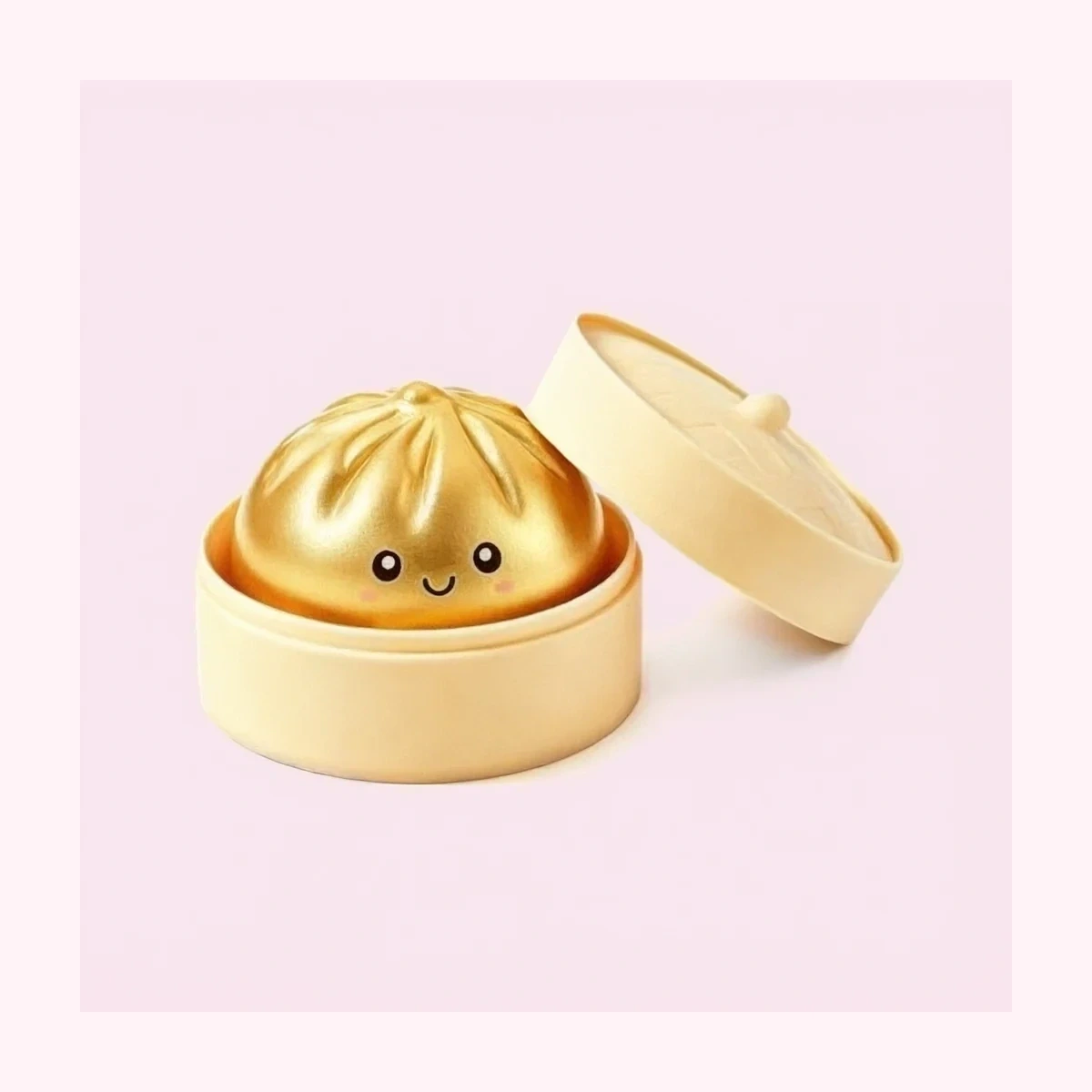
Ready for a fresh, bouncy squishy? Browse our full range of squishies, treat yourself to a soft slow-rising cheese squishy or a dumpling squishy, or grab a mystery box (around $13) for a fun surprise. And whatever you pick, remember: clean it gently, keep it at room temperature, and never microwave it.