

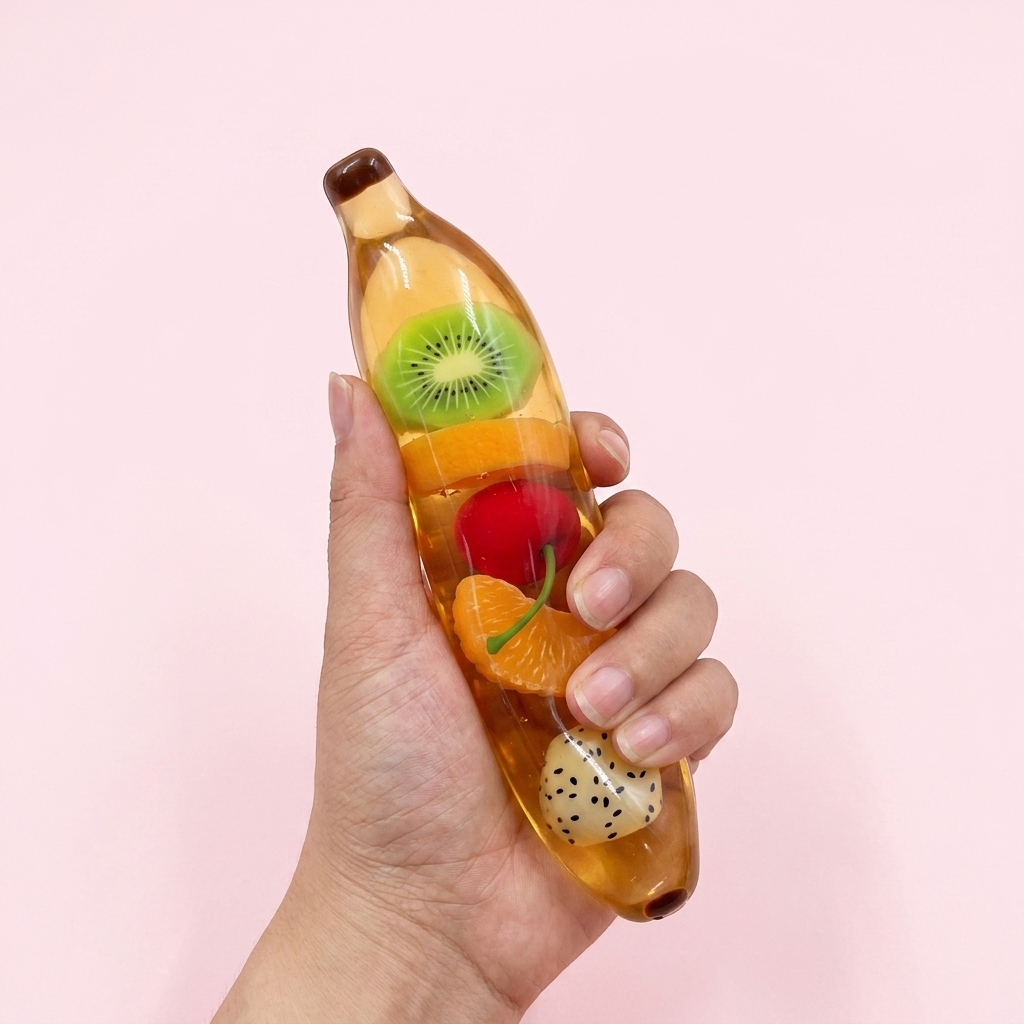

Squishies in school are usually allowed — right up until they squeak, fly across a room, or start a trading economy in the back row. Few districts ban them by name; the real policy is set teacher by teacher. Quiet, palm-sized squishies used at the right moments earn a pass in most classrooms. Loud, giant, or glittery showpieces generally don’t.
What School Rulebooks Actually Say
Read most student handbooks and you won’t find the word “squishy” anywhere. What you’ll find are general clauses: no toys during instruction, no items that distract others, teacher discretion on personal belongings, and no trading or selling on campus — a rule that predates squishies by several decades of Pokémon cards.
That vagueness cuts both ways. It means squishies are rarely banned outright, and it means one teacher’s cozy fidget policy can be the next classroom’s confiscation drawer. Elementary schools tend to be relaxed at recess and strict during lessons; middle schools mostly care that the toy stays invisible and silent.
| Common rule | Why it exists | Smart move |
|---|---|---|
| No toys out during instruction | Attention drifts fast | Keep it pocketed until independent work time |
| Teacher discretion | One kid’s calm tool is another kid’s distraction | Ask first — a yes you negotiated holds up |
| No trading or selling | Trades go sideways, feelings get hurt | Trade at home, not homeroom |
| Confiscated until day’s end | Repeat offenses need a consequence | Treat the first warning as the last |
Why Teachers Say No (and When They Say Yes)
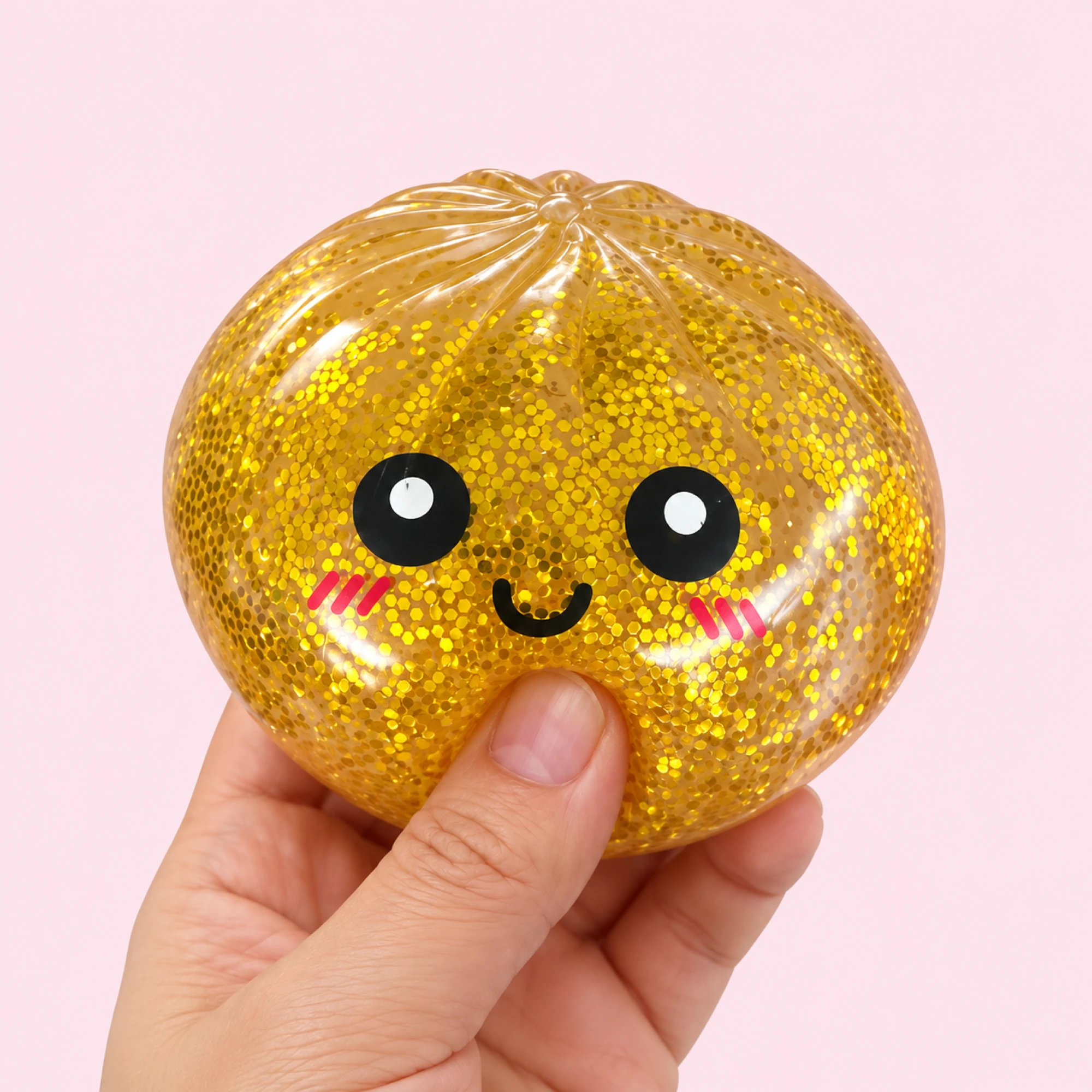
The no-list is practical, not personal: squeakers and crinkle textures make noise, minis become projectiles the moment a substitute walks in, glitter finishes catch every eye within three rows, and one toy on a desk reliably recruits five spectators. A teacher who says no is usually protecting the lesson, not campaigning against fun.
The yes-cases follow a pattern too. A quiet squishy that lives in one hand under the desk, comes out during independent work, and disappears at the first reminder tends to survive the whole semester. Plenty of teachers keep a fidget basket of their own — many classrooms are quietly pro-squish, on terms.
Getting Fidget Toys Allowed in School: The Playbook
For kids, the move is asking at a calm moment — not mid-lesson — and offering terms upfront: it stays silent, it stays in one hand, and it goes away the first time it becomes a problem. A negotiated yes beats a smuggled maybe every time, and it survives substitute teachers.
For parents, frame it as a tool with a trial period. Propose one week, invite the teacher to end the experiment freely, and pick the toy together so it passes the quiet test below. We took an honest look at the focus question in do fidget squishies help focus — the fair summary is that the right kid with the right toy settles, and the wrong pairing just adds a toy to the room. If your child has a formal support plan at school, loop the teacher and the plan in together; fidget tools sometimes have an official place there, and that’s a conversation for the school, not a toy shop.
Traits That Pass the Teacher Test
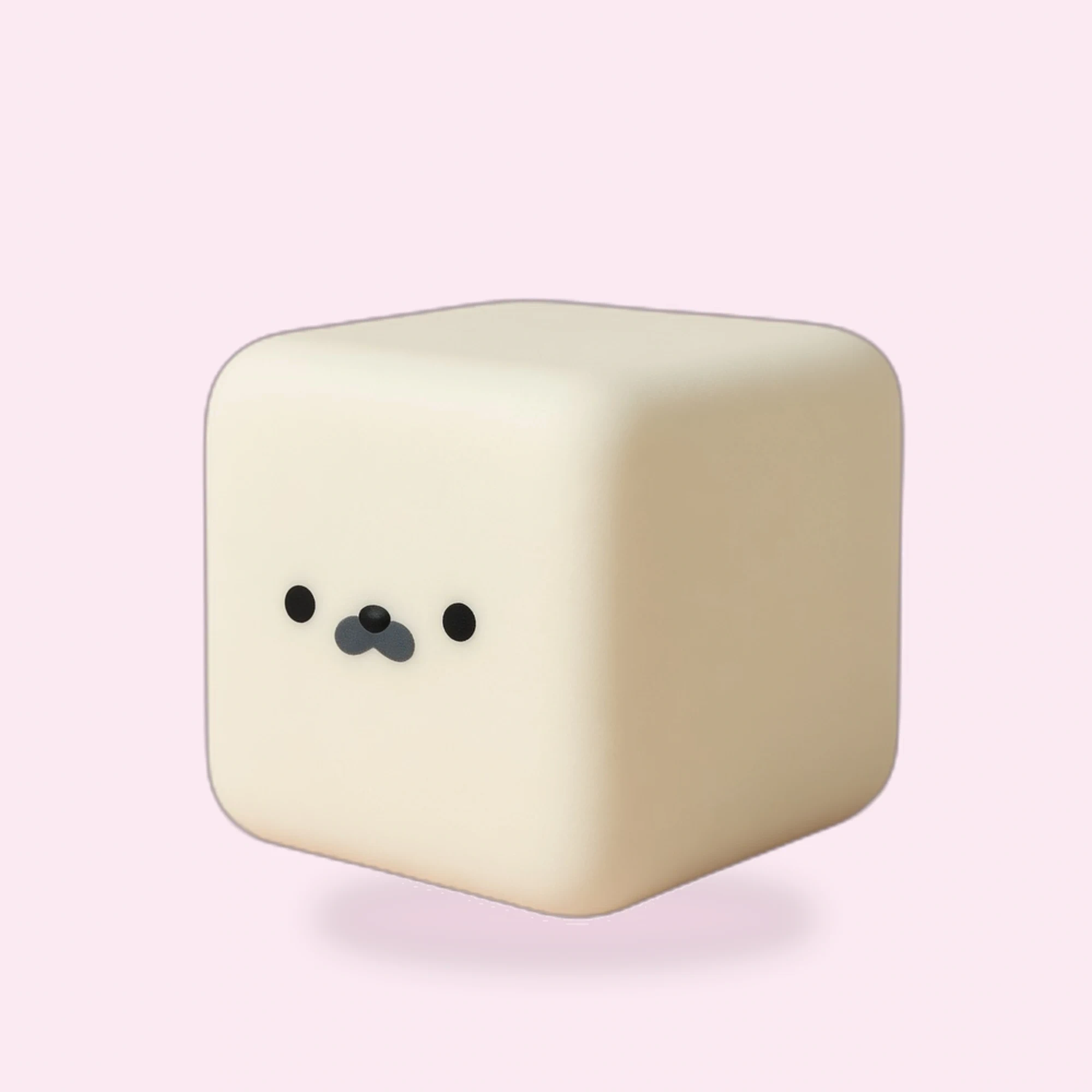
The classroom-safe profile is specific: palm-sized or smaller, silent under pressure, matte rather than glitter-bombed, no squeaker, no strong scent, and dense enough that it doesn’t invite dramatic throws. Slow-rising foam is the quiet champion here — the press makes almost no sound, and the rise is entertainment that never leaves your palm. All our squishies are rated for ages 3+, so the whole school-age range is covered.
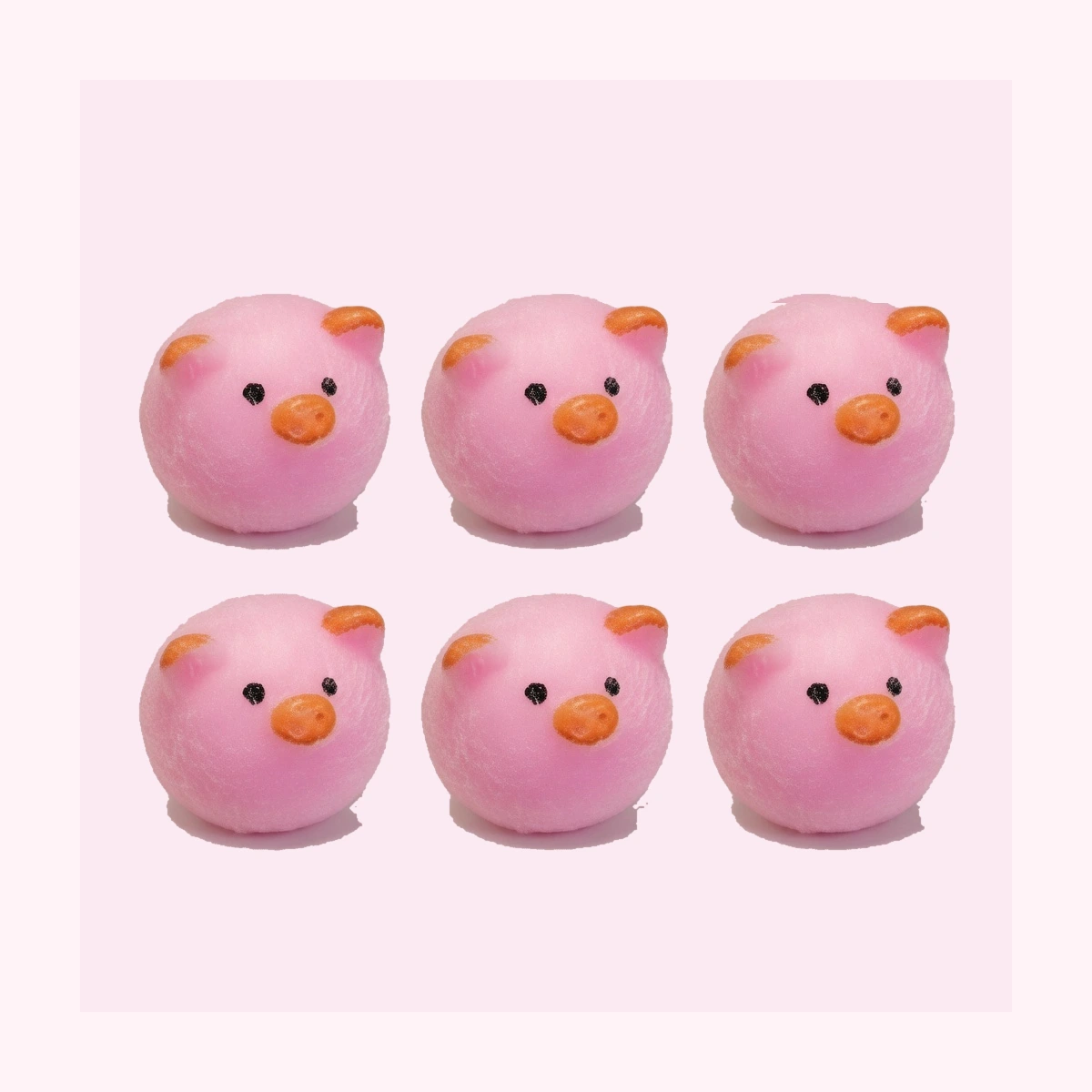
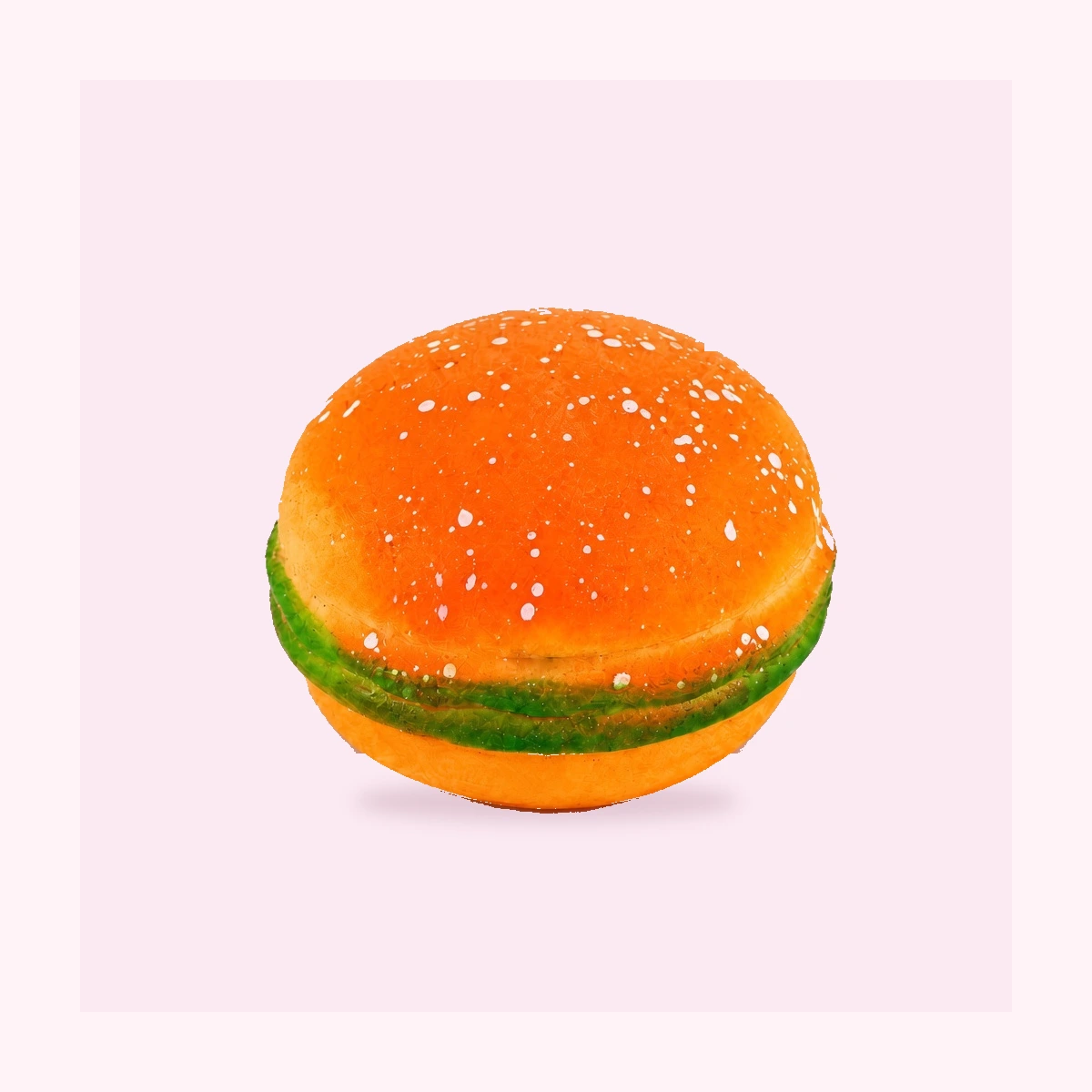
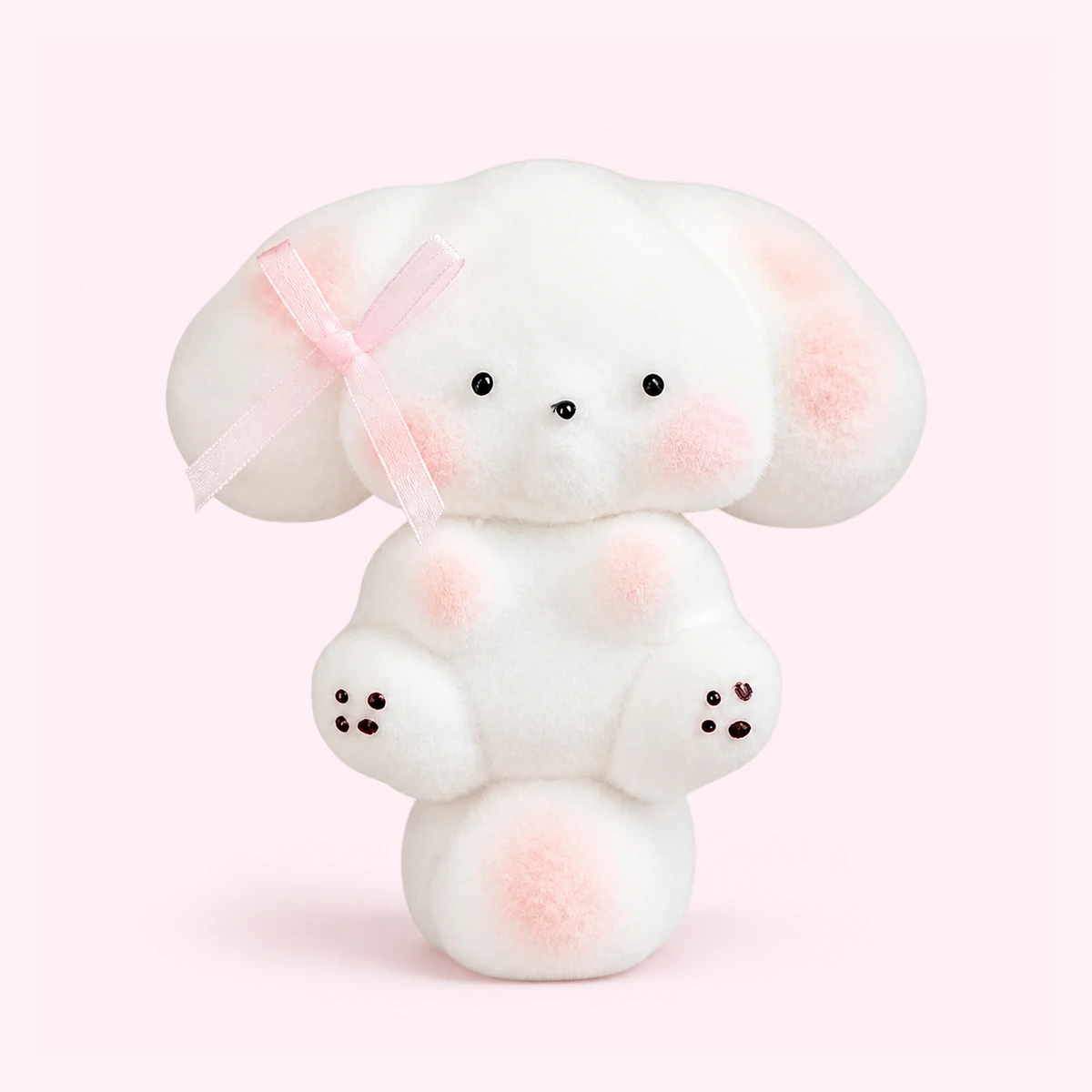
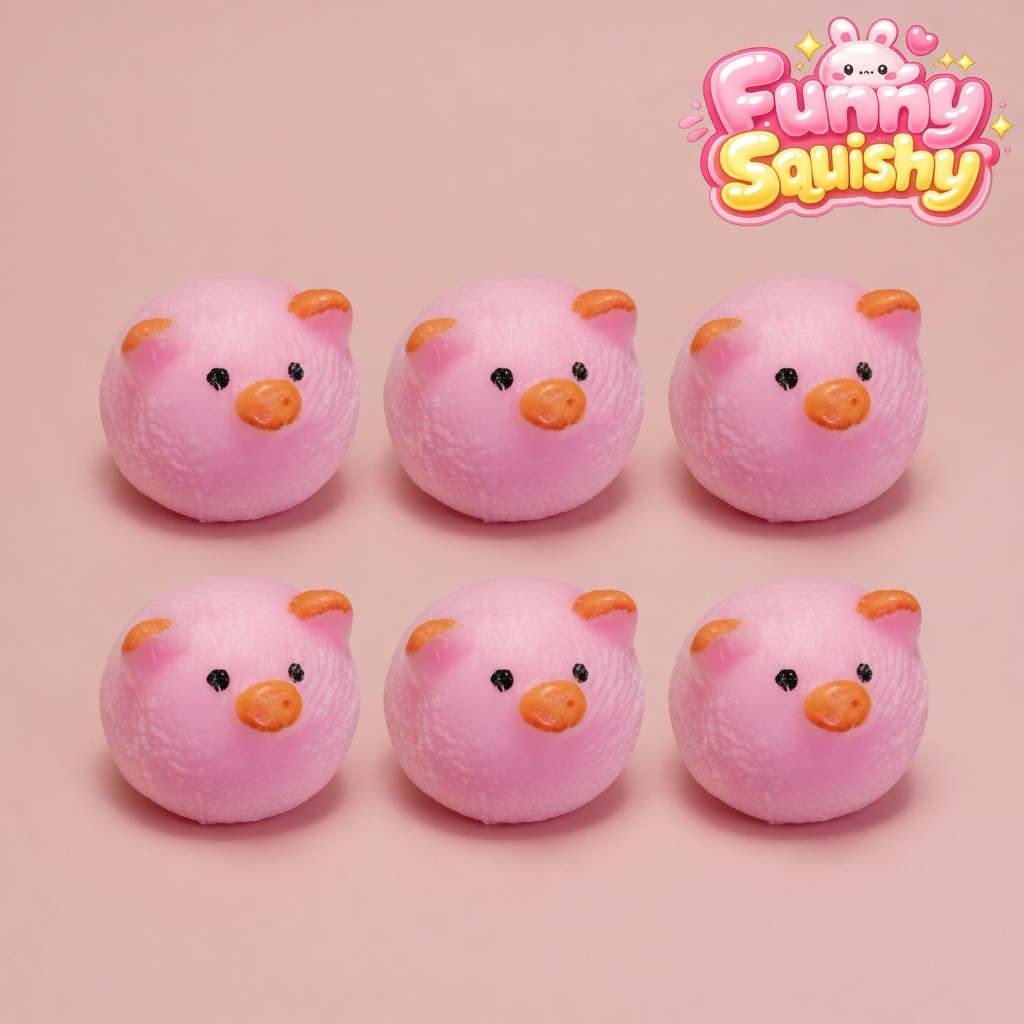
A fuzzy mochi surface is about as silent as fidgeting gets — the Mini Pig 6-pack is a pocket-sized example, and a realistic mini burger hides in a pencil case without a sound. The mini squishy collection is essentially a catalog of classroom candidates, and both of our classroom guides — which fidget toys teachers actually allow and quiet fidget picks for class and office — rank the quietest of the quiet. Teachers building a prize box work the same list from the other side; a 30-pack of mini ducks has stocked many a Friday reward drawer.
When a Squishy Gets Confiscated
Don’t argue mid-class — that converts a toy problem into a respect problem. Ask politely after the lesson, and expect the standard norms: returned at day’s end for a first offense, end of week for repeats. Parents, if a squishy vanishes longer than the stated policy, a short friendly email sorts it out faster than a debate at pickup.
And keep perspective. A confiscated squishy is a solved problem with a return date. The better play is picking a toy so quiet the question never comes up.
FAQ
Are squishies actually banned in schools? Rarely by name. They fall under general toy-and-distraction rules, which means the answer lives with each teacher — and quiet, discreet use is usually what earns a standing yes.
What are the best quiet fidget toys for class? Small slow-rising foam and fuzzy mochi surfaces: silent to press, nothing to click, nothing to pop. Skip squeakers, crinkle fillings, and anything that sparkles from across the room.
Can a teacher keep a confiscated squishy forever? Policies vary, but return at the end of the day or week is the norm. A polite request — from the student first — resolves nearly all of it.
Are squishies okay for a classroom prize box? They’re a staple for it. Bulk minis keep the cost per prize low, they’re rated 3+, and unlike candy prizes, nobody’s parents object.