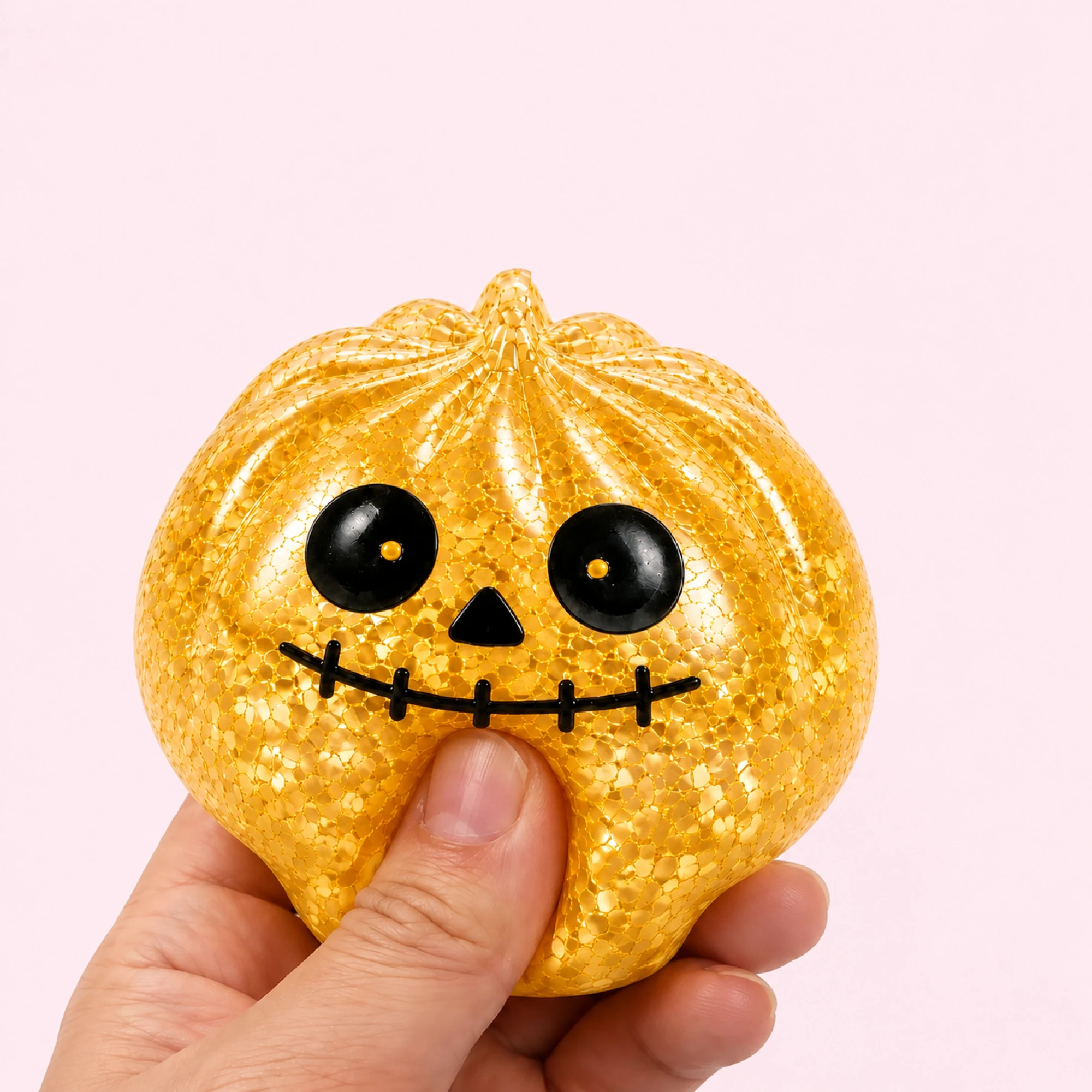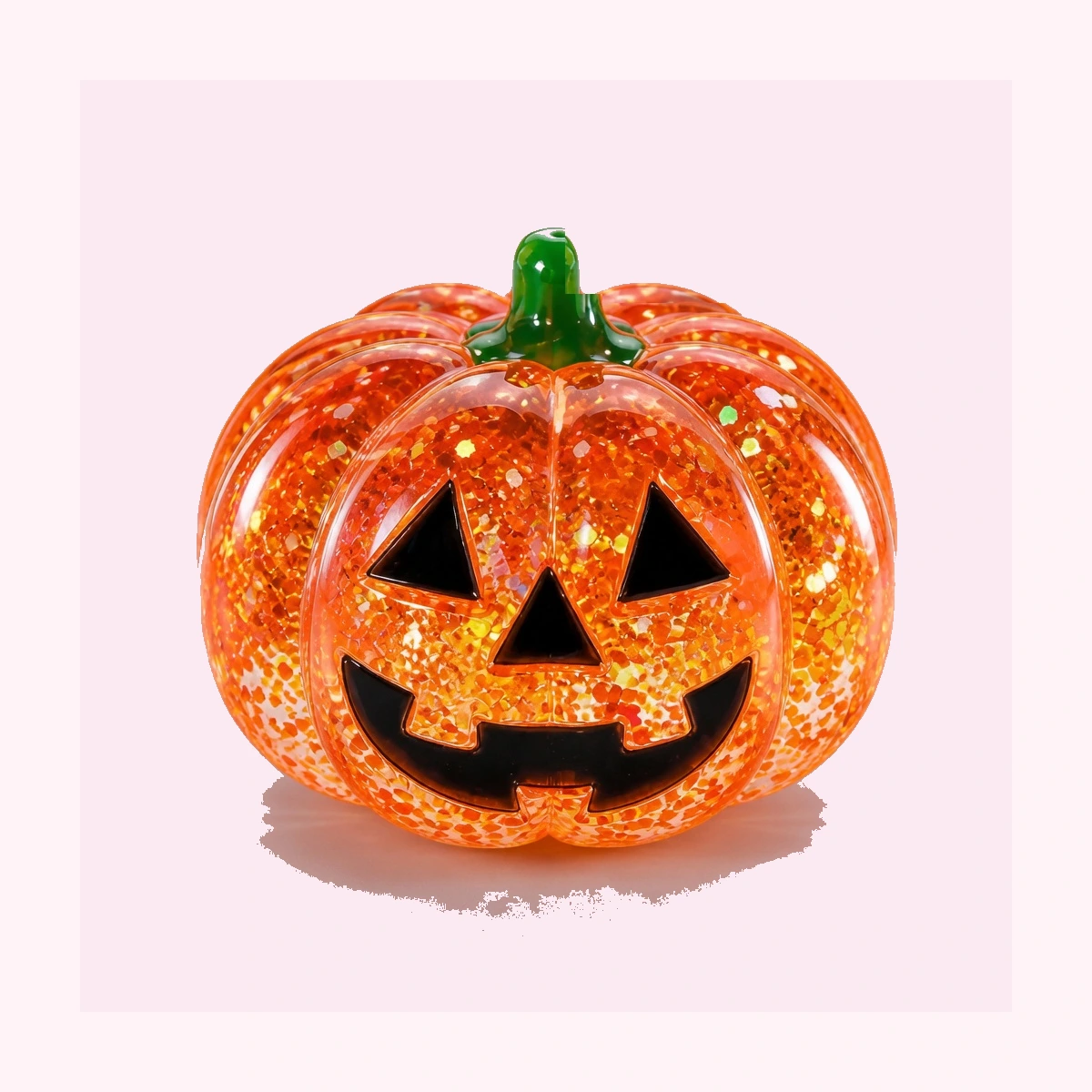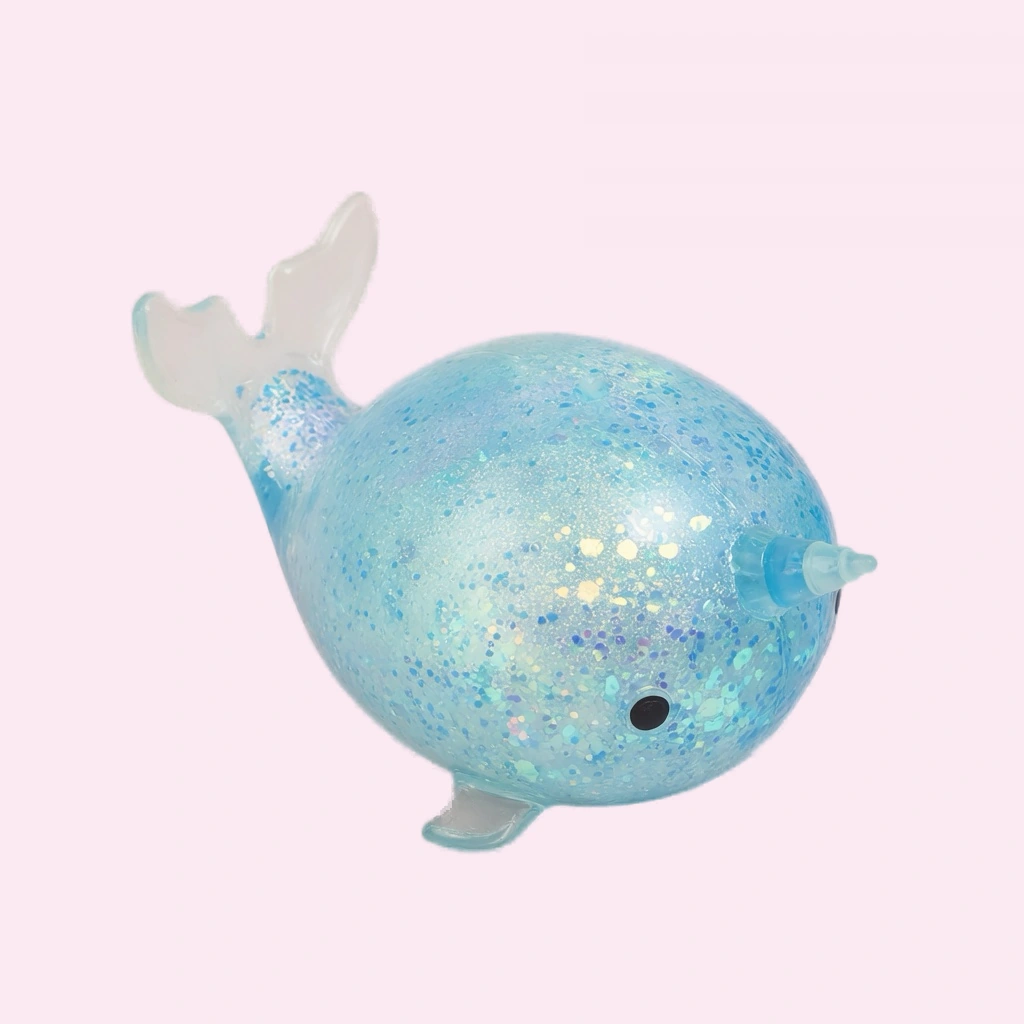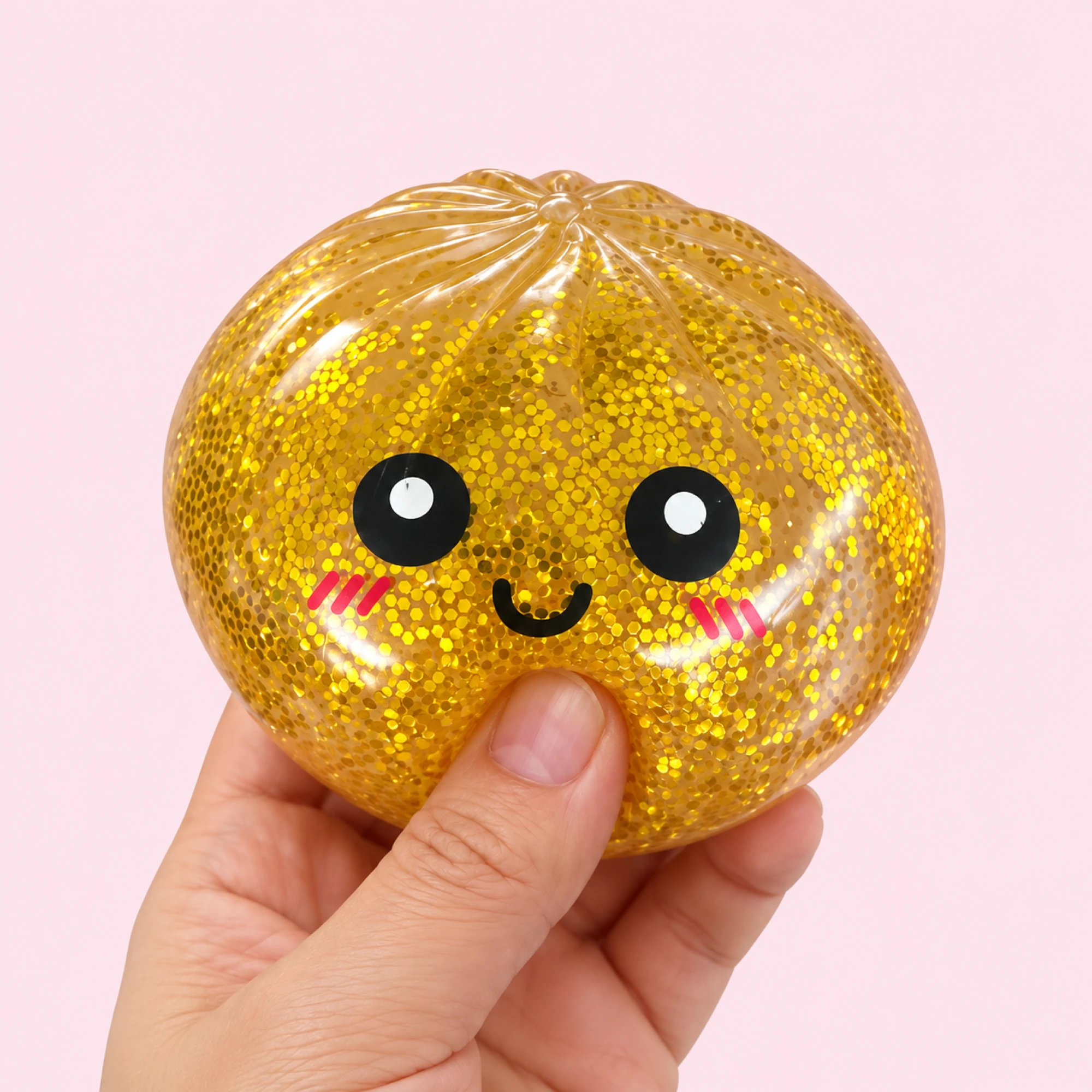


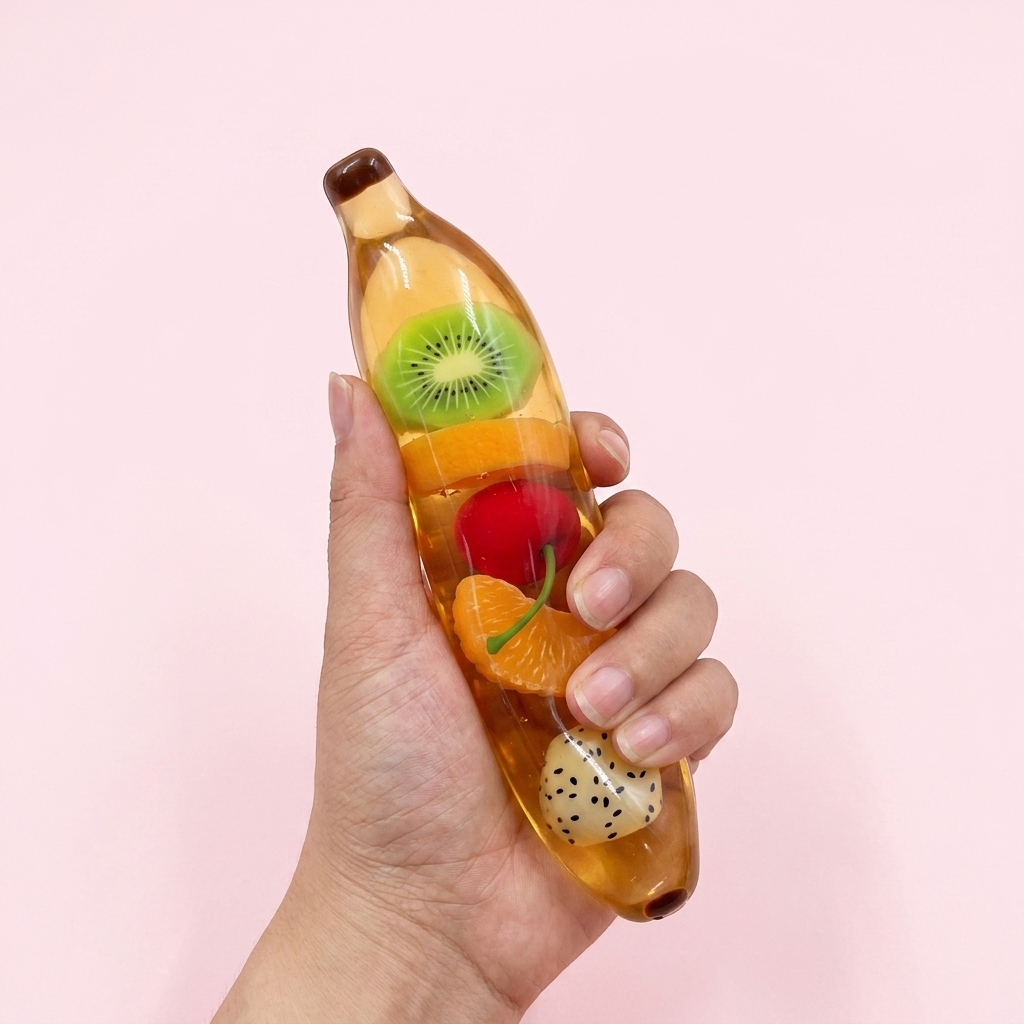

You squeeze a soft pumpkin in your palm. The beads shift under your fingers, the surface caves in, and then it starts to fill back out — rising a millimeter at a time until it's whole again. Something in your chest loosens. Your breathing slows. This isn't your imagination, and it's no placebo. That small, deliberate ritual is working several distinct systems in your brain and nervous system at once.

Most articles about stress relief toys stop at "squeezing releases muscle tension." True enough. But that's only the surface. The real story lives in three overlapping mechanisms: grounding, proprioception, and a well-timed hit of dopamine during the slow rebound. Grasp those three and a squishy stress ball stops being a novelty. It becomes a genuinely credible tool for managing anxiety.
Table of Contents
- Why a Soft Squeeze Reaches the Anxious Brain
- Proprioception: Your Body's Hidden Calming Sense
- Grounding and the Tactile Anchor
- The Neuroscience of the Slow Rebound
- Why Bead-Filled Squishies Feel Different
- The Halloween Twist: Novelty, Humor, and Visual Grounding
- How to Actually Use One for Anxiety
- FAQ
Why a Soft Squeeze Reaches the Anxious Brain
Anxiety is largely a story of an overactive amygdala — the brain's threat-detection center — outrunning the prefrontal cortex, the region behind reasoning and calm judgment. When you're anxious, the amygdala is loud. The prefrontal cortex is muffled.
Physical, rhythmic sensory input does two useful things here. It hands the prefrontal cortex a concrete task, pulling your attention out of the anxious loop. And deep, gentle, repetitive touch nudges the parasympathetic nervous system — the "rest and digest" branch that pushes back against fight-or-flight.
So sensory toys for anxiety aren't childish gadgets. They're a hands-on route to a physiological state change, working through pathways that talk therapy alone can't reach in the heat of the moment.
Proprioception: Your Body's Hidden Calming Sense
You've heard of five senses. There's a sixth that rarely gets a mention: proprioception, your sense of where your body is and how much force your muscles are exerting. Receptors in your muscles, tendons, and joints report this to the brain around the clock.
Proprioceptive input — pushing, pressing, squeezing, resistance — is uniquely organizing for the nervous system. Occupational therapists lean on this constantly. When a child, or an adult, is overwhelmed, "heavy work" and firm pressure calm them in a way that light, unpredictable touch never does.
Squeezing a squishy stress ball delivers exactly this input:
- Your hand muscles contract against gentle resistance.
- Joint and tendon receptors fire in a steady, controllable rhythm.
- The brain gets a stream of predictable, self-generated feedback.
That predictability matters. Anxiety feeds on uncertainty. Proprioceptive input is the opposite — every squeeze produces a reliable, expected sensation. That regularity signals safety to the nervous system, helping shift it off high alert.
Grounding and the Tactile Anchor
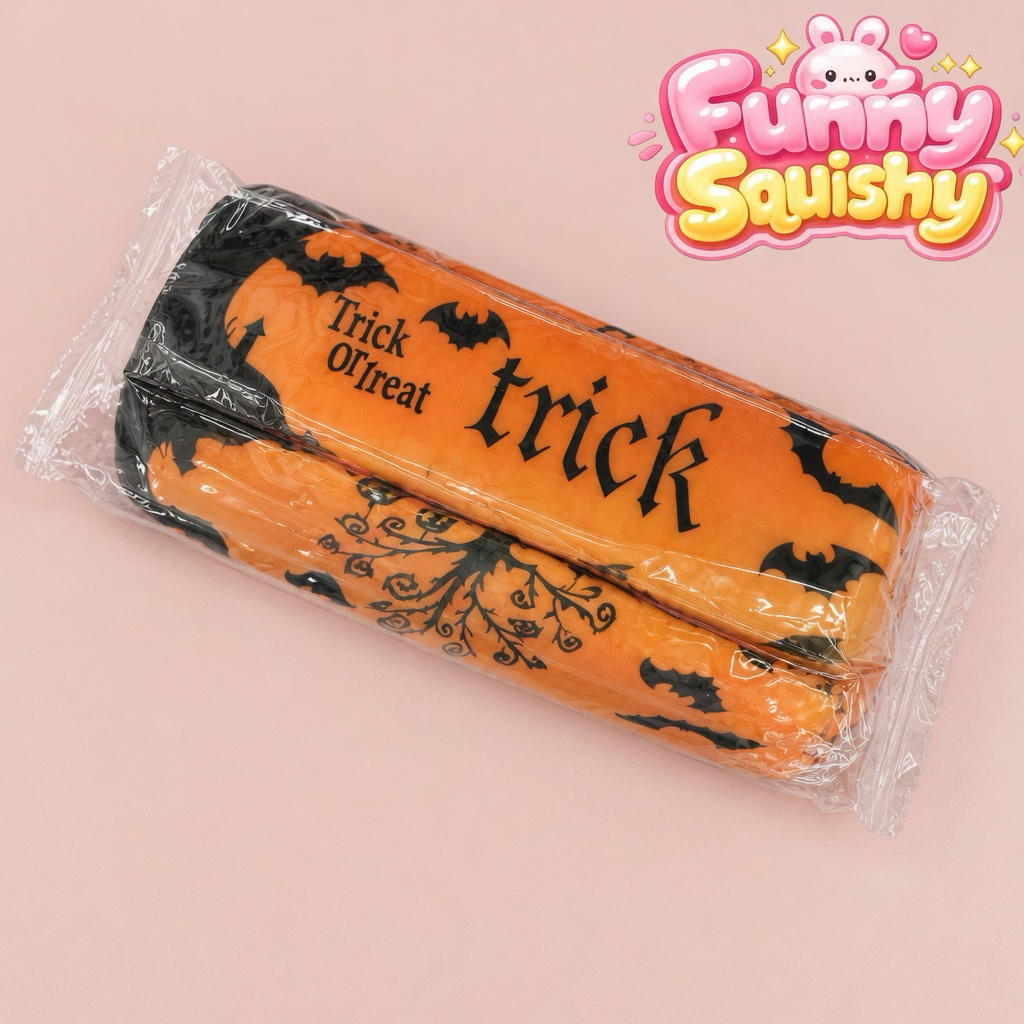
Grounding is a well-established clinical technique for anxiety and panic. The goal is simple. Pull your attention out of catastrophic thoughts and back into the present through the senses. The popular 5-4-3-2-1 method asks you to name five things you can see, four you can feel, three you can hear, and so on.
A slow rising squishy is a purpose-built grounding tool. It gives you a tactile anchor — one physical object to pin your attention to when your mind is spiraling.
Here's how it fits into a grounding practice:
| Sense | How the squishy engages it |
|---|---|
| Touch | The give of the surface, the shifting beads, the texture against your palm |
| Sight | Watching the shape slowly reform (especially with a bright Halloween design) |
| Proprioception | The pressure and resistance of the squeeze itself |
When anxiety peaks, abstract advice like "just calm down" is useless. A physical object you can grip and watch gives your overwhelmed brain something concrete to hold onto — literally.
The Neuroscience of the Slow Rebound
This is where a slow rising squishy pulls decisively ahead of an ordinary foam ball. And it's the mechanism almost nobody explains.
Slow input soothes; fast input alerts
The speed of sensory change matters enormously to the nervous system. Fast, sudden stimulation tends to fire up the sympathetic system — the startle response, the orienting reflex, the "what was that?" jolt. Slow, gradual change flips it. It engages the parasympathetic system and encourages down-regulation.
A squishy that snaps back instantly gives you a quick sensory event, then it's done. A squishy that rebounds slowly stretches the experience into a smooth, extended input — the exact profile that promotes calm rather than alertness. The slow rebound basically forces your attention to slow down with it.
The dopamine of anticipation
Now the reward system steps in. Dopamine gets mislabeled the "pleasure chemical," but its real job is anticipation and prediction. Dopamine neurons fire hardest not when a reward lands, but during the expectation of one on its way.
Compress a slow-rising squishy. Watch it creep, satisfyingly, back to shape. You've just opened a tiny window of anticipatory reward. You know the shape will reform. You're waiting for it. The brain releases dopamine across that waiting period. That's exactly why the slow rise feels more satisfying than a fast snap-back — the waiting is the point. Each squeeze becomes a miniature, self-contained loop of anticipation and gentle payoff.
Multiply that across dozens of squeezes and you get a repetitive, mildly rewarding, attention-absorbing activity. A near-perfect recipe for interrupting an anxiety spiral.
Why Bead-Filled Squishies Feel Different
Not all squishies are equal. A bead-filled or "mochi"-style squishy packed with tiny beads or micro-pellets offers richer, more granular tactile feedback than a uniform block of foam.
- Variable texture: The beads shift and redistribute, so no two squeezes feel identical, which keeps interest and attention alive.
- Layered proprioception: You feel the overall resistance and the fine-grained movement of individual beads under your fingertips.
- Deeper focus: More sensory detail gives the prefrontal cortex more to chew on, making it easier to stay grounded and out of the anxious loop.
For people who find plain fidget toys "not enough," that extra tactile complexity can be the difference between a toy that helps and one that gets tossed in a drawer.
The Halloween Twist: Novelty, Humor, and Visual Grounding
A Halloween squishy — a grinning pumpkin, a wobbly ghost, a soft skull — adds a psychological layer that generic toys miss.
Novelty drives dopamine. The brain is wired to release dopamine in response to new and unexpected things. A quirky seasonal design hands you a small novelty boost every time it catches your eye, reinforcing the good feeling tied to the object.
Visual grounding. Bright, characterful shapes give your eyes a distinctive anchor point, sharpening the grounding effect from earlier. A vivid orange pumpkin is far easier to lock onto than a plain gray ball.
Humorous reappraisal. Here's the clever bit. Halloween imagery is built from things meant to scare you — ghosts, skulls, monsters. Turn them into soft, silly, squishable toys and those symbols become comforting and funny. Psychologists call reframing a stressor in a lighter light cognitive reappraisal, and humor is one of its most effective forms. A "scary" ghost you can squeeze into a smile is anxiety, defanged and made playful.
How to Actually Use One for Anxiety
- Pair it with breathing. Squeeze slowly as you inhale, release as you watch it rise and exhale. Sync the rebound to your out-breath to deepen the parasympathetic effect.
- Keep it accessible. A desk, a bag, a car console. The tool only helps if it's within reach when anxiety hits.
- Use it as a grounding cue. Notice a spiral starting? Reach for it deliberately as your signal to shift into the present.
- Let it be repetitive. The rhythm is a feature, not a distraction. Repetition is what settles the nervous system.
🎃 Shop This Guide
Squeeze the science for yourself: browse the full Halloween & novelty squishy collection, or start with these two slow-rising Funny Squishy favorites.
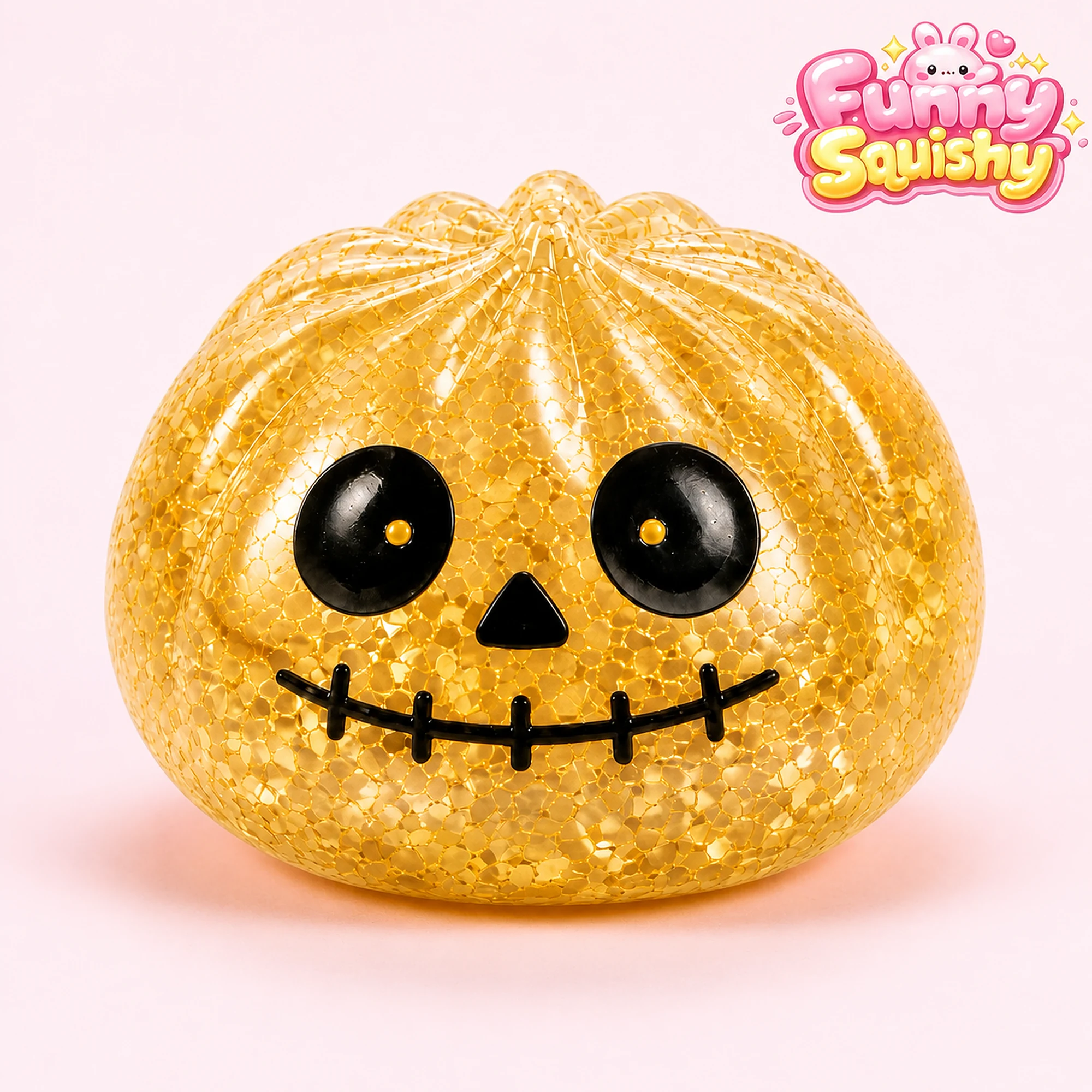 Purple Glitter Ghost Squishy$17.99 · Shop now →
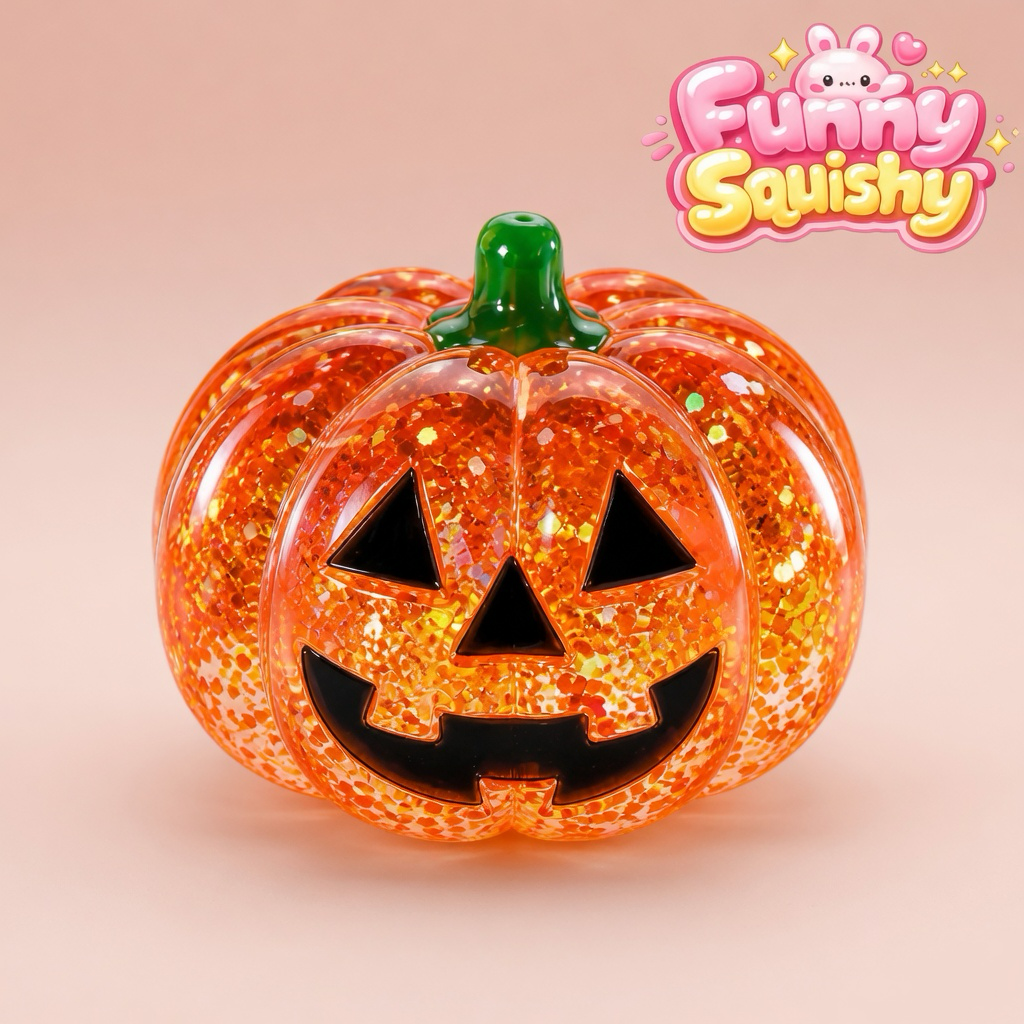 Halloween Skull Squishy$17.99 · Shop now →
FAQ
Do sensory toys for anxiety actually work, or is it a placebo? There's genuine physiology behind them. Proprioceptive input engages the parasympathetic nervous system, grounding pulls attention off anxious thoughts, and the reward loop delivers mild dopamine reinforcement. They won't cure an anxiety disorder, but they're a legitimate in-the-moment coping tool.
Why is a slow rising squishy better than a regular stress ball? The slow rebound gives gradual sensory input, which calms rather than alerts, and it opens a brief window of anticipatory dopamine while you wait for the shape to come back. A fast snap-back skips both.
What makes bead-filled squishies special? The shifting beads deliver richer, more varied tactile feedback than uniform foam, giving your brain more sensory detail to focus on and making the grounding effect stronger and more engaging.
Are these toys suitable for adults? Absolutely. Proprioception, grounding, and dopamine reward work the same way at every age. Plenty of adults use discreet stress relief toys at work or on the commute.
Is a Halloween squishy just a gimmick? The seasonal design earns its keep. Novelty boosts dopamine, bold shapes aid visual grounding, and turning "scary" symbols into cuddly objects triggers humorous reappraisal — a recognized way to cut stress.
Can these replace therapy or medication? No. They're a supportive tool that works well alongside professional treatment, not a substitute for it. If anxiety is disrupting your life, talk to a clinician.
A Small Object, Real Science
Next time you absent-mindedly squeeze a soft pumpkin and feel your shoulders drop, you'll know it isn't nothing. You're feeding your nervous system predictable proprioceptive input, anchoring your attention in the present, and rewarding your brain with a slow, satisfying rebound. A squishy stress ball won't rewrite your worries. But as a pocket-sized way to nudge an anxious brain back toward calm, it earns its place — ghosts, pumpkins, and all.