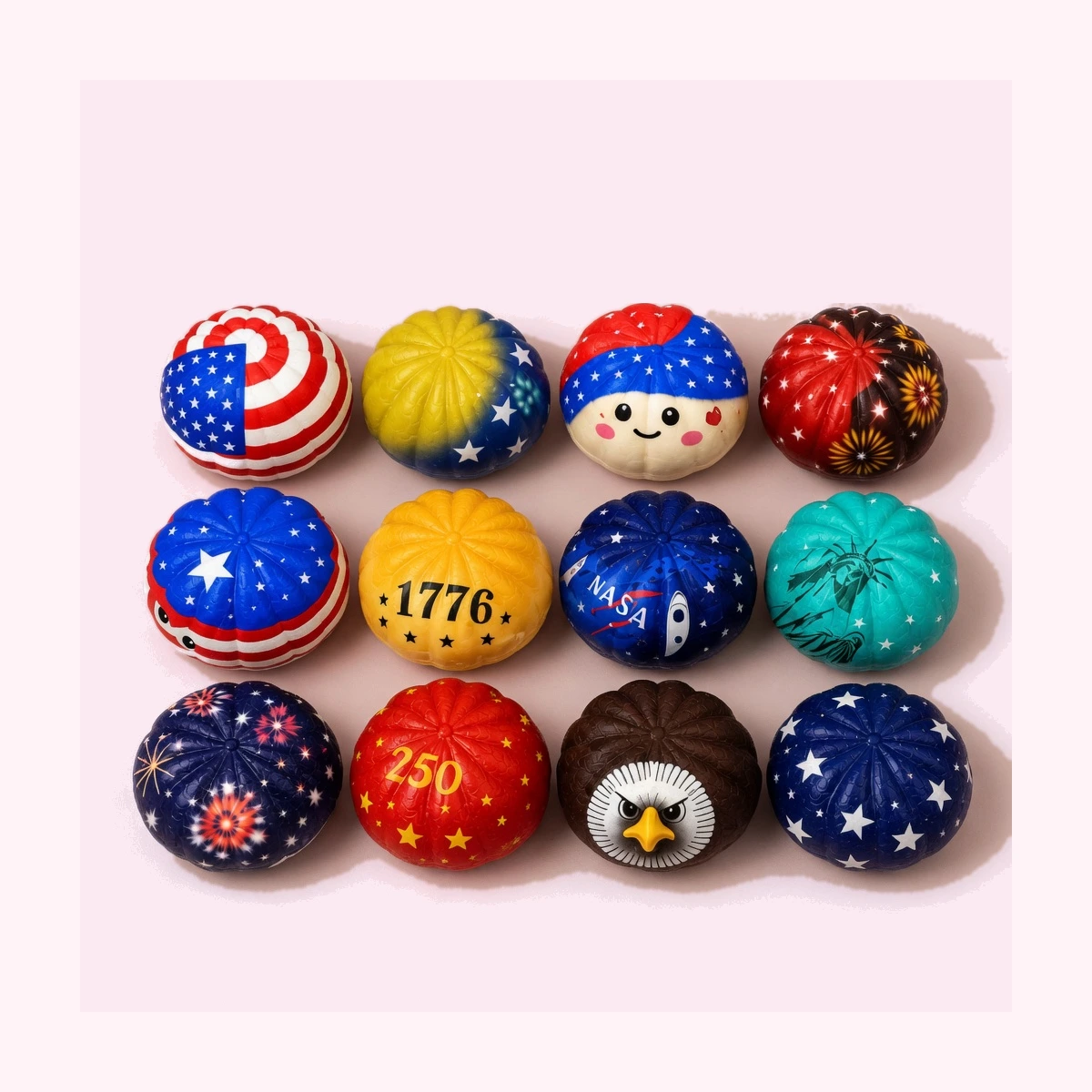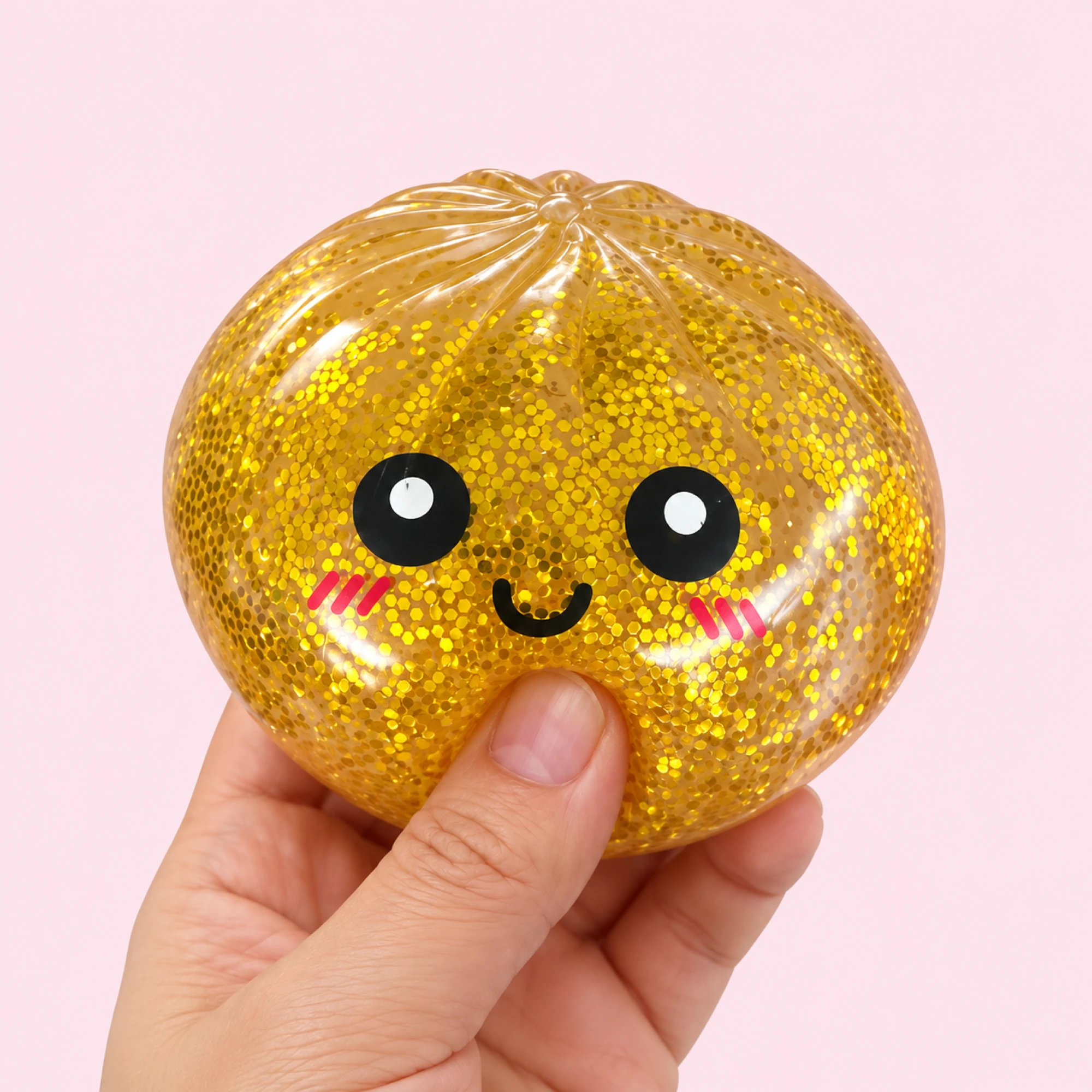


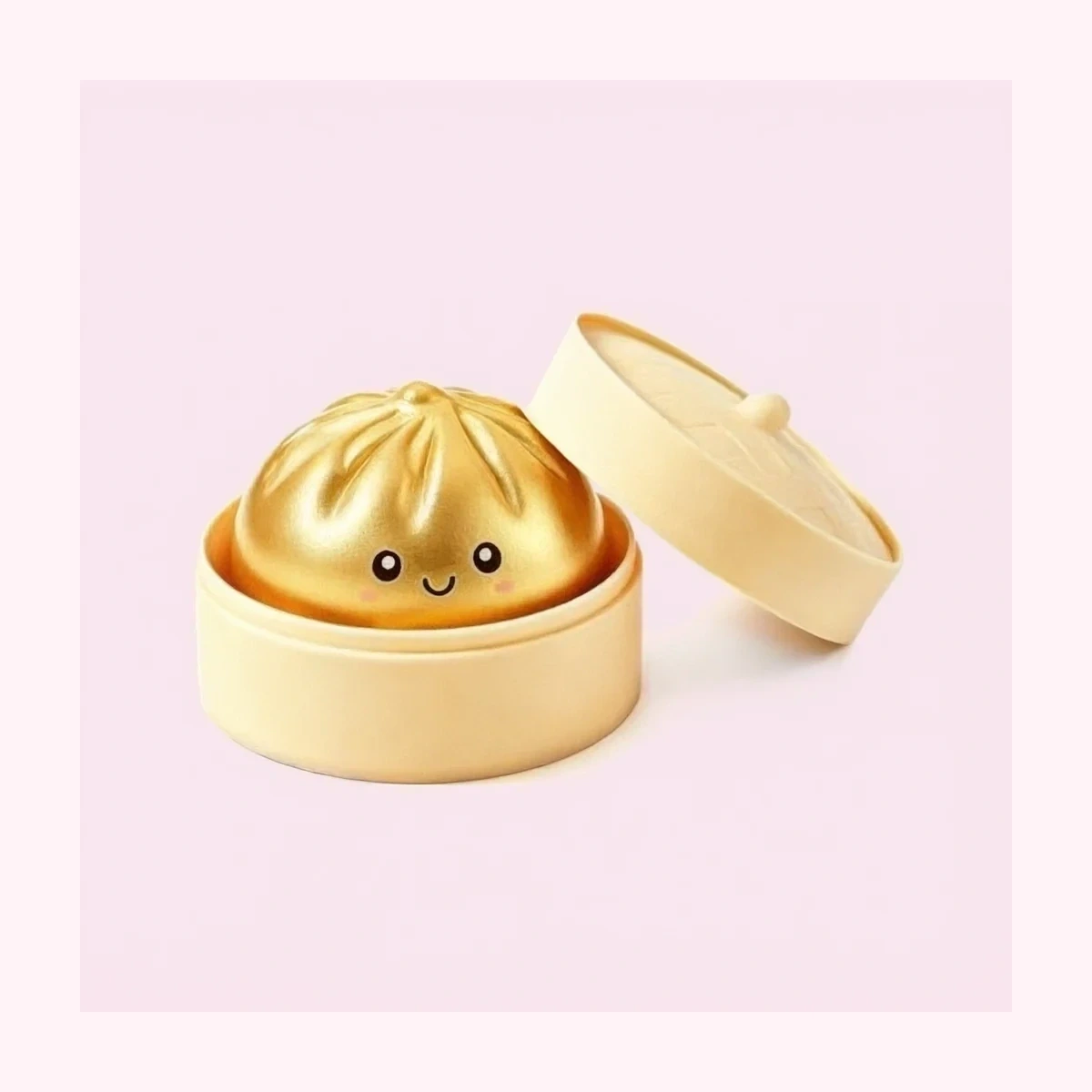
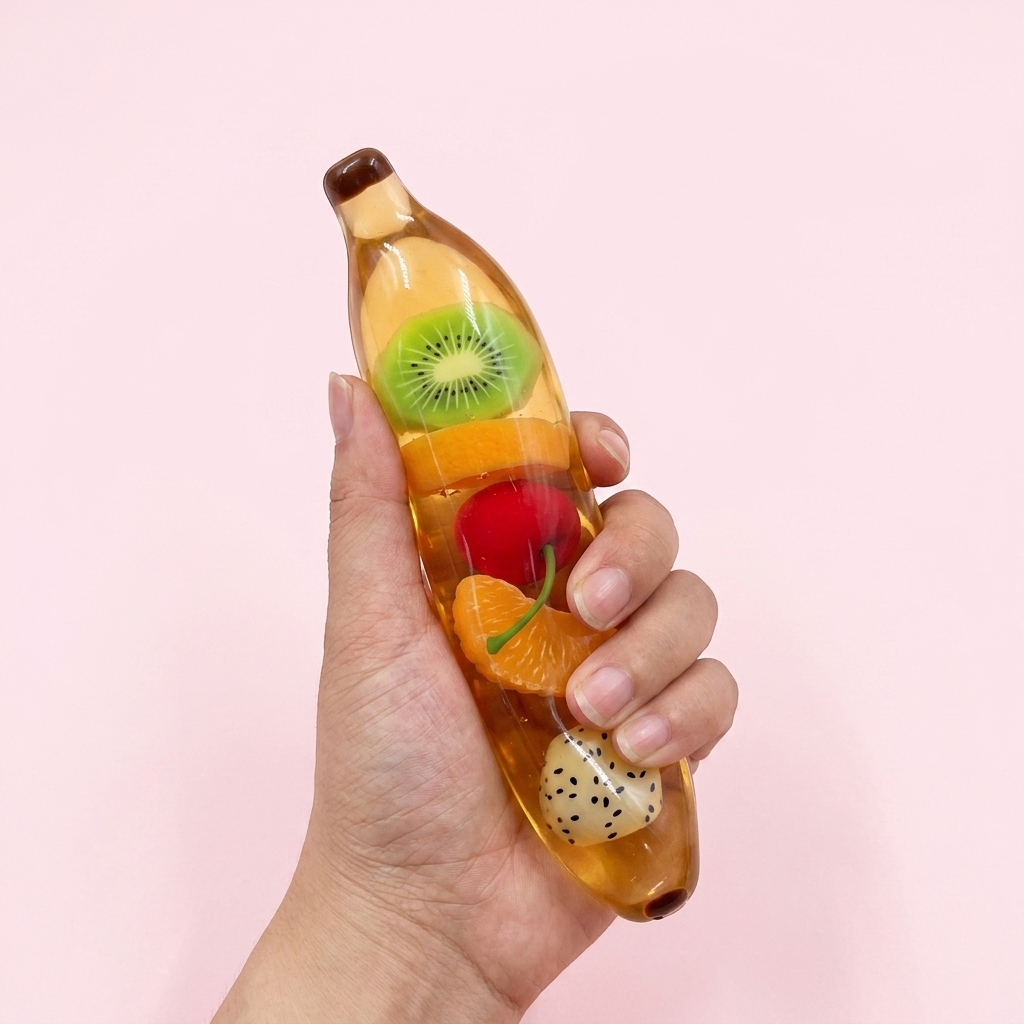

You order one small box. Just one, you promise yourself. Then you're ripping into the second, the third, chasing that little spark of "what's inside?" If a squishy blind box has ever eaten your whole evening, you're not weak-willed. You're human. Your brain is running ancient reward software, and a smartly built mystery box squishy set knows precisely which buttons to press.
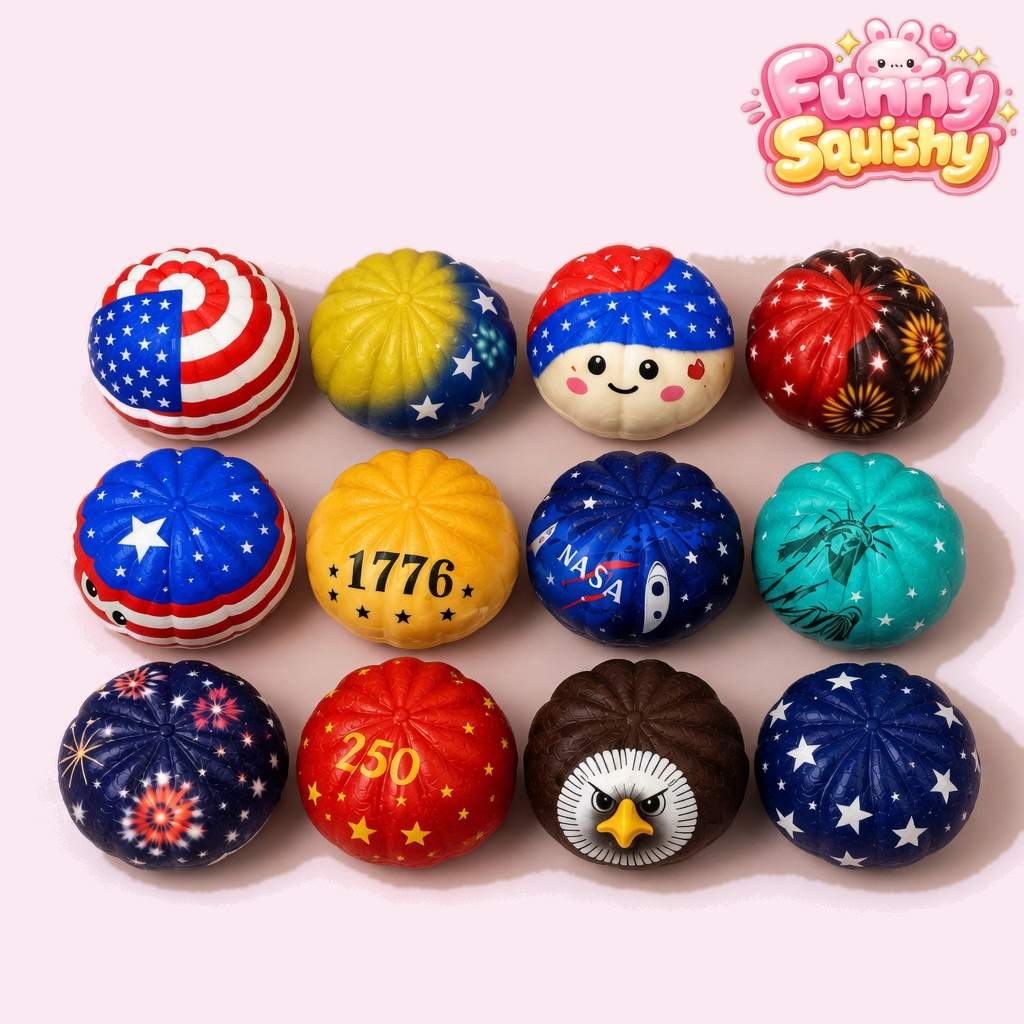
Let's break down the actual psychology behind the craze. The dopamine science of variable rewards. The underrated power of touch. That strange tug of an unfinished collection. And why the Halloween theme cranks the volume on all of it.
Table of Contents
- The Dopamine Engine: Why Uncertainty Feels So Good
- The Squishy Difference: A Second Layer of Reward
- Why Halloween Amplifies Everything
- The 5-Pack Effect: Five Peaks, One Unfinished Set
- The Unboxing Ritual, Step by Step
- Collecting Culture vs. Compulsion: Knowing the Line
- FAQ
The Dopamine Engine: Why Uncertainty Feels So Good
The core mechanism behind all blind box toys has a name neuroscientists use: variable-ratio reinforcement. It's the same schedule that makes slot machines so sticky.
Here's the twist most people miss. Dopamine isn't really the "reward" chemical. It's the anticipation chemical. Wolfram Schultz's famous primate studies showed dopamine neurons fire hardest not when a reward shows up, but when a reward is uncertain. Give the brain a 50/50 shot at a treat, and its dopamine response actually spikes higher than when the reward is a sure thing.
A sealed mystery box is a perfect uncertainty machine:
- You know a reward is coming (a cute squishy).
- You don't know which one, or how rare.
- That gap between "something good is coming" and "no idea what" is where dopamine lives.
Chemically speaking, the second before you tear the seal is the high point of the whole thing. The reveal itself often lands as a small letdown. Which is exactly why one box rarely does the job. Your brain wants to relive the anticipation, not sit with the possession. That's the loop.
The Squishy Difference: A Second Layer of Reward
Most write-ups about blind box toys stop at the visual reveal, because most collectibles — vinyl figures, trading cards — are things you just look at. A mystery box squishy adds something those items can't: touch.
Press a soft, slow-rising foam toy. Watch it bounce back. You've just fired up the somatosensory cortex, the part of your brain that handles physical sensation. That's a second, independent reward channel stacked on top of the visual surprise.
Think about what a plain display figure can't do:
- It can't be squeezed for stress relief.
- It can't give you that "squish-and-return" feedback loop.
- It can't be fidgeted with absentmindedly during a rough workday.
Halloween squishy toys make the reveal a multi-sensory hit. First you see the ghost or pumpkin. Then you feel it. That tactile satisfaction reinforces the emotional high of the reveal, and two rewards fire almost at once. That's a big reason squishy blind box products feel more "complete" than a card or figure gathering dust on a shelf.
There's a real payoff after the fun, too. For a lot of people, the repetitive squeeze-and-release motion is genuinely soothing. The toy keeps a purpose long after the unboxing buzz fades. That lasting usefulness is part of why buyers come back.
Why Halloween Amplifies Everything
A generic mystery box is exciting. A halloween squishy set is exciting and emotionally loaded — a potent combo.
Halloween is culturally wired to one specific emotional cocktail: the thrill of being safely scared. Psychologists have a term for it. "Benign masochism" — enjoying a fear response while your rational brain knows nothing can hurt you. It's why we love haunted houses and horror films.
Now drop that into the mystery-box mechanic:
- The theme mirrors the format. A blind box is literally about not knowing what jumps out. A Halloween spin — "what monster is inside?" — makes the surprise thematically perfect. The medium is the message.
- Emotional intensity boosts memory and dopamine. Novelty and mild arousal make experiences feel vivid, so a spooky reveal hits harder than a neutral one.
- Cute-creepy is irresistible. A grinning ghost or a chubby, smiling skull trips the "cuteness" response and the playful-fear response together. Some people call this blend "kawaii horror." It's a design sweet spot.
Then there's seasonal scarcity. These sets usually stick around for a few weeks near October, which layers fear of missing out on top of everything else. Limited availability whispers one thing to your brain: decide now, or lose the chance forever.
The 5-Pack Effect: Five Peaks, One Unfinished Set
Here's where a 5-pack Halloween squishy mystery box gets genuinely more addictive than a single blind box. And almost nobody talks about this part.
One box delivers one dopamine peak. A 5-pack delivers five separate peaks, each with its own build-up and release. You don't get one big reward. You get a rapid-fire string of them, each reset by the next sealed pouch.
The deeper hook, though, is what happens across the five reveals: the drive to complete the set.
Blame the Zeigarnik Effect — the well-documented human habit of fixating on unfinished tasks far more than finished ones. A waiter remembers unpaid orders in sharp detail, then forgets them the moment the bill is settled. An incomplete collection works the same way.
Say your 5-pack coughs up four of the six characters in the series. Your brain doesn't log that as "80% success." It logs "two missing" — an open loop that lingers in working memory and quietly nags. That itch drives the second purchase. And the third.
Smart product design leans right into it:
| Design element | Psychological lever |
|---|---|
| Multiple characters per series | Turns a purchase into a "collection" goal |
| Rare / secret variants | Adds variable-ratio jackpot excitement |
| Sets that nearly complete | Triggers the Zeigarnik open-loop pull |
| Character checklists on packaging | Makes the "missing" pieces visible and salient |
The 5-pack is a clever middle ground. Enough boxes for a satisfying multi-peak session, but rarely enough to finish the set in one go.
The Unboxing Ritual, Step by Step
The unboxing "ritual" isn't just a phrase. It's a sequence of micro-moments, each carrying its own psychological payload. Slow it down, name each beat, and you'll see why the whole thing is so absorbing.
- Receiving the box. Weight and packaging signal value. A satisfying, well-made outer box primes expectation before you've opened a thing.
- The shake test. Plenty of collectors gently shake or squeeze the sealed pouch, hunting for clues. This stretches the anticipation window — the peak-dopamine zone — on purpose.
- Breaking the seal. Tearing is a commitment cue: no going back now. Physical action deepens engagement.
- First contact. That first glimpse — a flash of orange, a pointed hat — is the reveal's opening note.
- Character identification. Which one is it? Recognition sparks either delight ("I wanted this one!") or productive disappointment (the "chase" instinct).
- Rarity appraisal. Common or secret? This is the jackpot moment, the slot-machine payline.
- The squeeze. Finally, the tactile reward — the somatosensory layer only a squishy blind box can deliver.
Repeat five times and you've ridden a carefully paced emotional rollercoaster. That's the ritual. And it's genuinely fun, which is worth saying plainly.
Collecting Culture vs. Compulsion: Knowing the Line
None of this makes mystery boxes "bad." People have collected things — stamps, shells, sports cards — for centuries. Collecting builds community, marks the seasons, sparks joy, hands us a low-stakes thrill. A halloween squishy set shared at a party or dropped into treat bags is a lovely, harmless pleasure.
The mechanics become a problem only when the loop overrides your judgment. A few honest gut-checks:
- Are you buying to own the toy, or to re-feel the reveal?
- Would you feel genuinely upset if you couldn't complete the set?
- Are you spending more than planned, over and over?
If it's a treat you enjoy and budget for, that's collecting. If it's a compulsion that leaves you anxious or broke, the slot-machine mechanic is winning. The awareness itself protects you. Once you can see the dopamine loop, you're far better at deciding when to step off it.
🎃 Shop This Guide
Squeeze the science for yourself: browse the full mystery box squishy collection, or grab the exact set from this guide below.
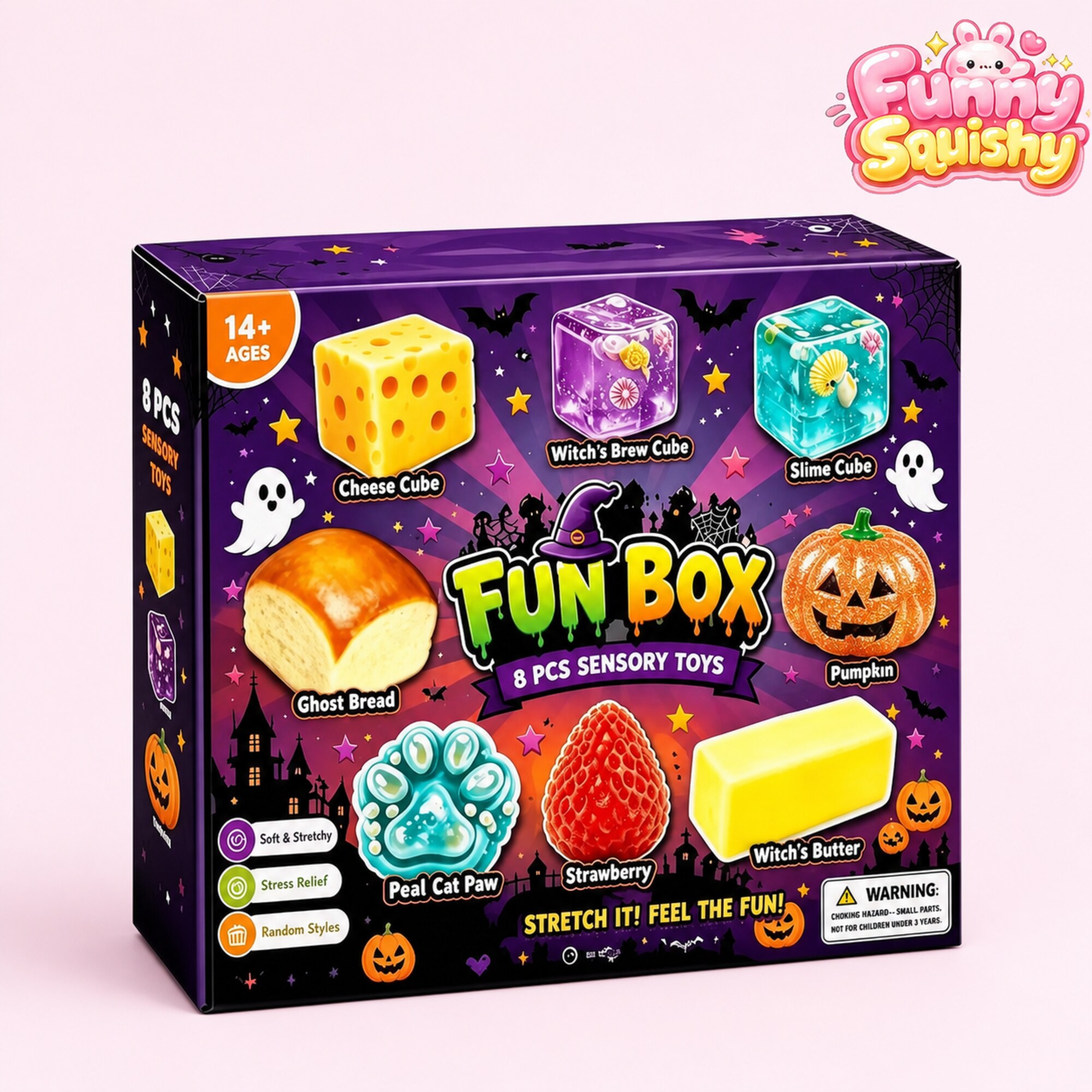 Halloween Squishy Set (5-Pack Blind Box)$39.99 · Shop now →
FAQ
Why are blind box toys so addictive? They exploit variable-ratio reinforcement, the same reward schedule as slot machines. Since you never know exactly what you'll get, your brain dumps the most dopamine during the anticipation phase — making the moment before the reveal more gripping than the toy itself.
What makes a mystery box squishy more satisfying than a figure blind box? The tactile layer. Squishy toys add somatosensory reward — that satisfying squeeze-and-return feel — on top of the visual surprise. Two reward channels instead of one, plus lasting stress-relief value after the unboxing.
Why does the Halloween theme make these sets extra appealing? Halloween pairs "benign" fear with cuteness, an emotionally charged mix that ramps up the dopamine response. The theme also mirrors the format — a mystery box is all about "what jumps out?" — and seasonal scarcity adds urgency.
Why does a 5-pack make me want to buy more, not less? A 5-pack serves up five reward peaks in one sitting and usually leaves your set incomplete. The Zeigarnik Effect keeps unfinished collections nagging at your memory, pushing repeat purchases to fill the gaps.
Are squishy blind boxes bad for kids? In moderation they're a fun, tactile, imaginative toy. The thing to watch is the "gotta collect them all" pressure. Set a clear budget, treat them as occasional treats, and the experience stays healthy.
How can I enjoy blind boxes without overspending? Set a fixed budget before you buy. Treat each purchase as complete on its own. Notice when you're chasing the reveal instead of wanting the toy. Naming the dopamine loop out loud makes it much easier to stop.
That rush when the seal splits open is real, and it's nothing to feel guilty about. It's one of the oldest reward circuits we've got, dressed up in a tiny grinning pumpkin. Understanding why a halloween squishy set feels so good doesn't ruin the magic. It just hands you the controls, so the fun stays fun.