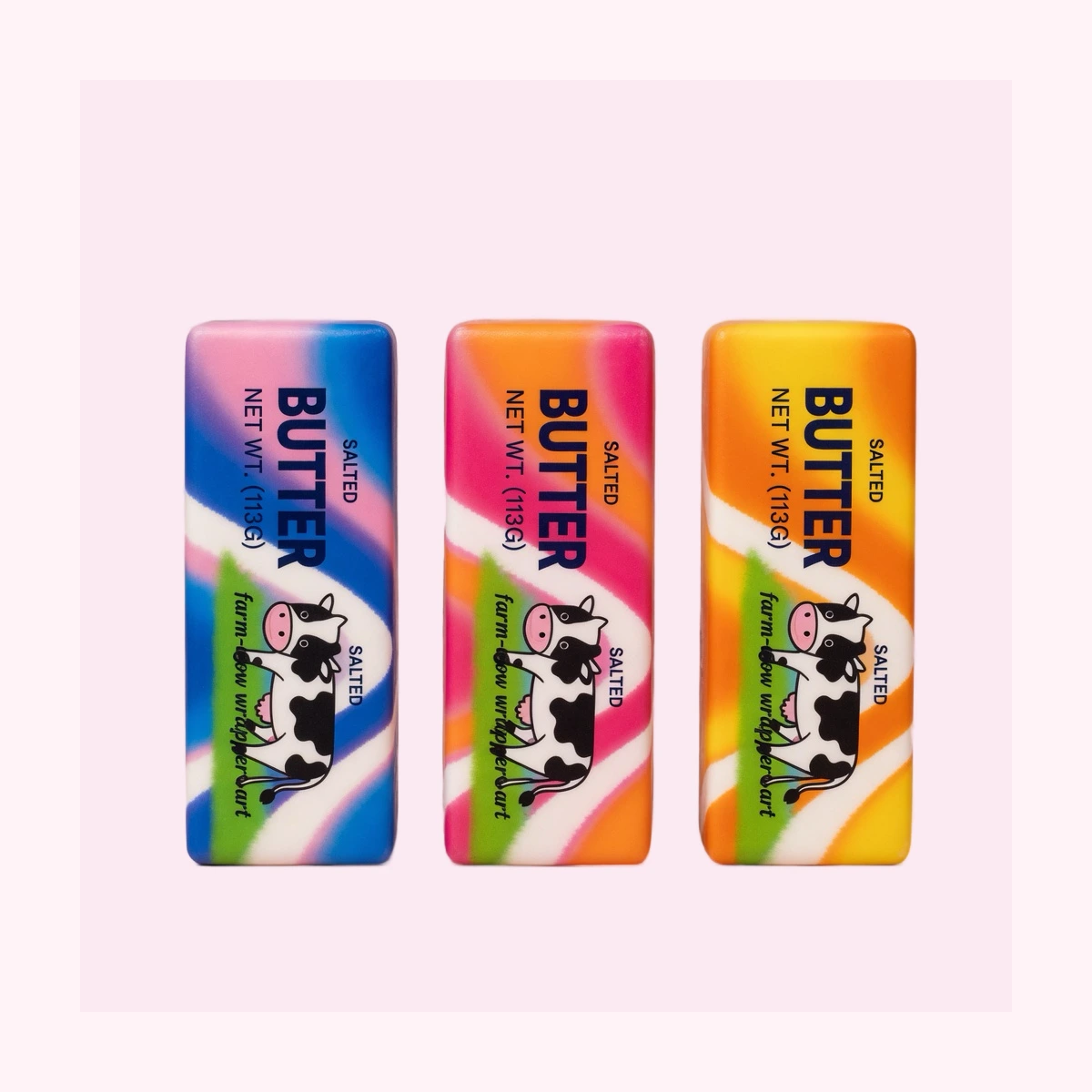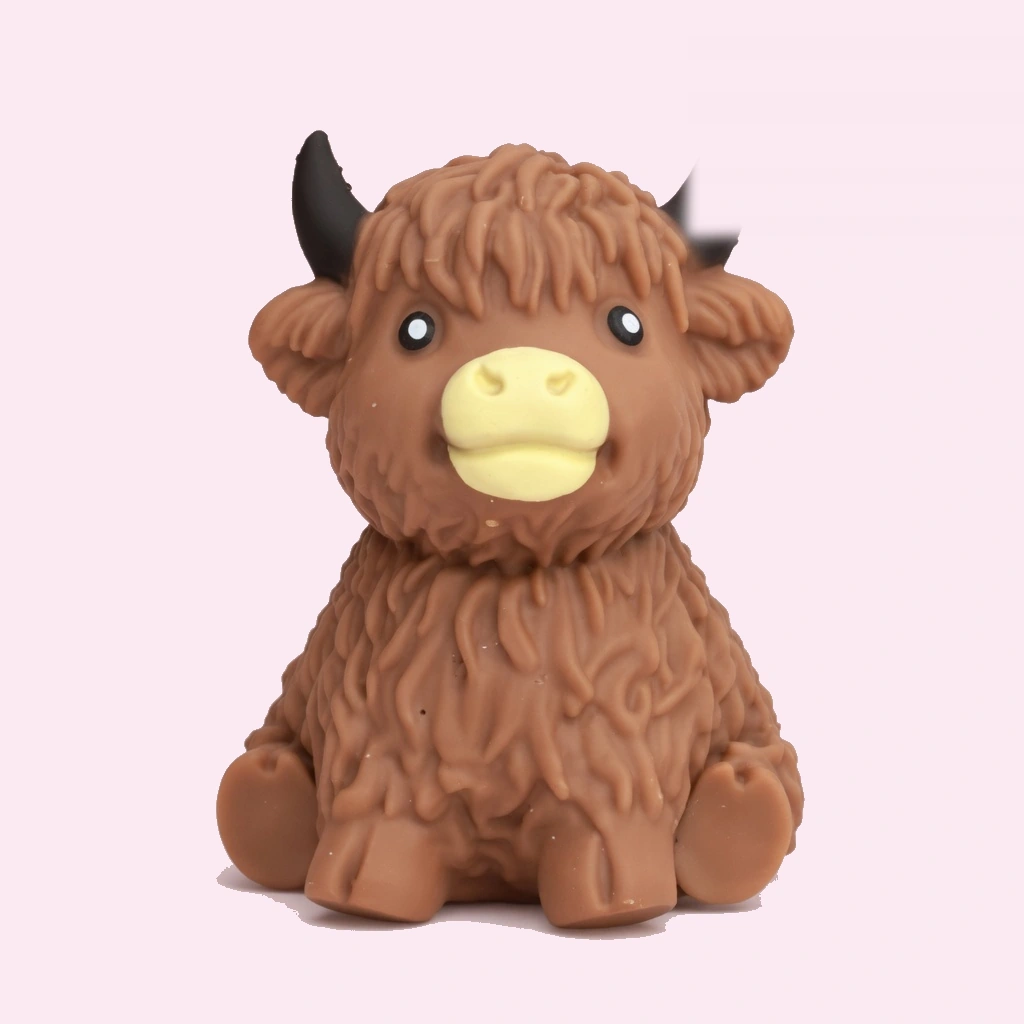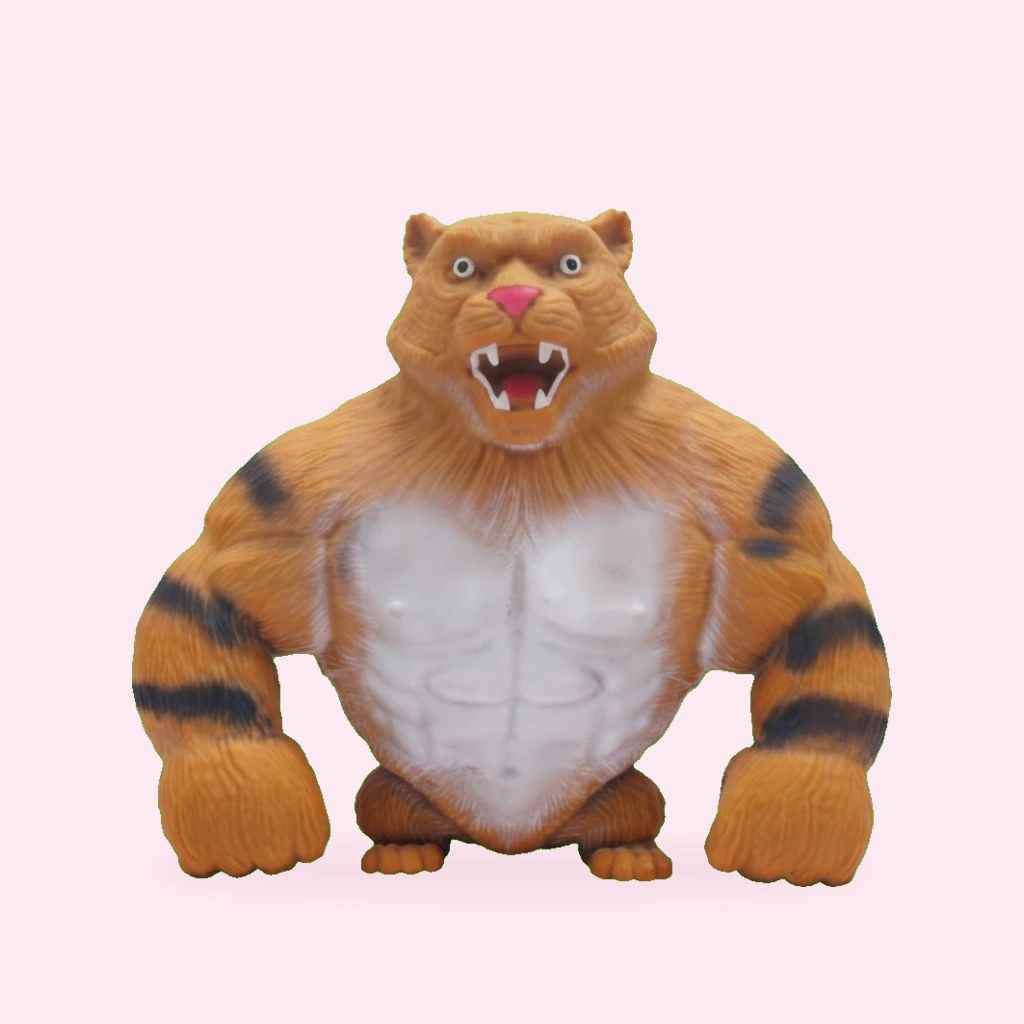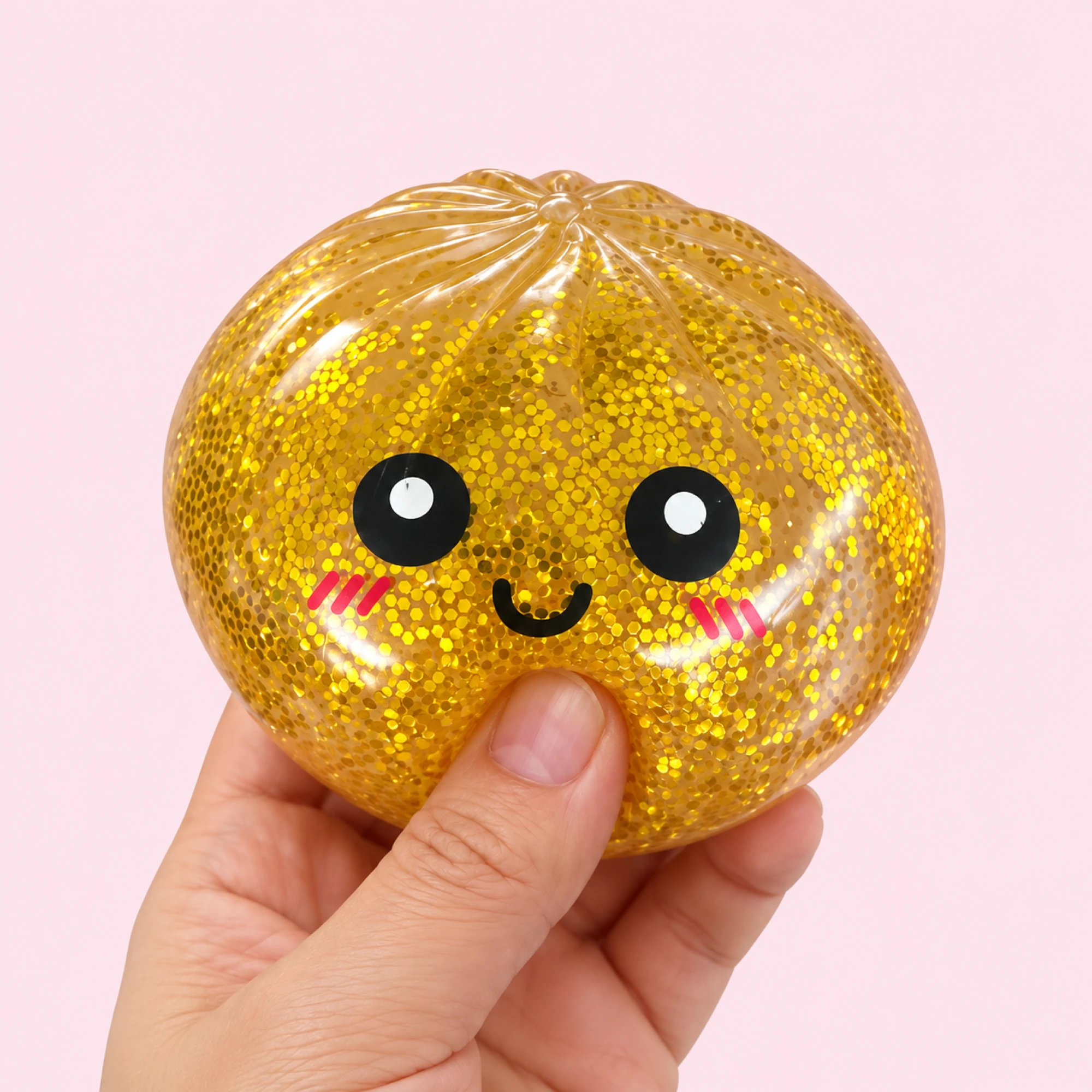


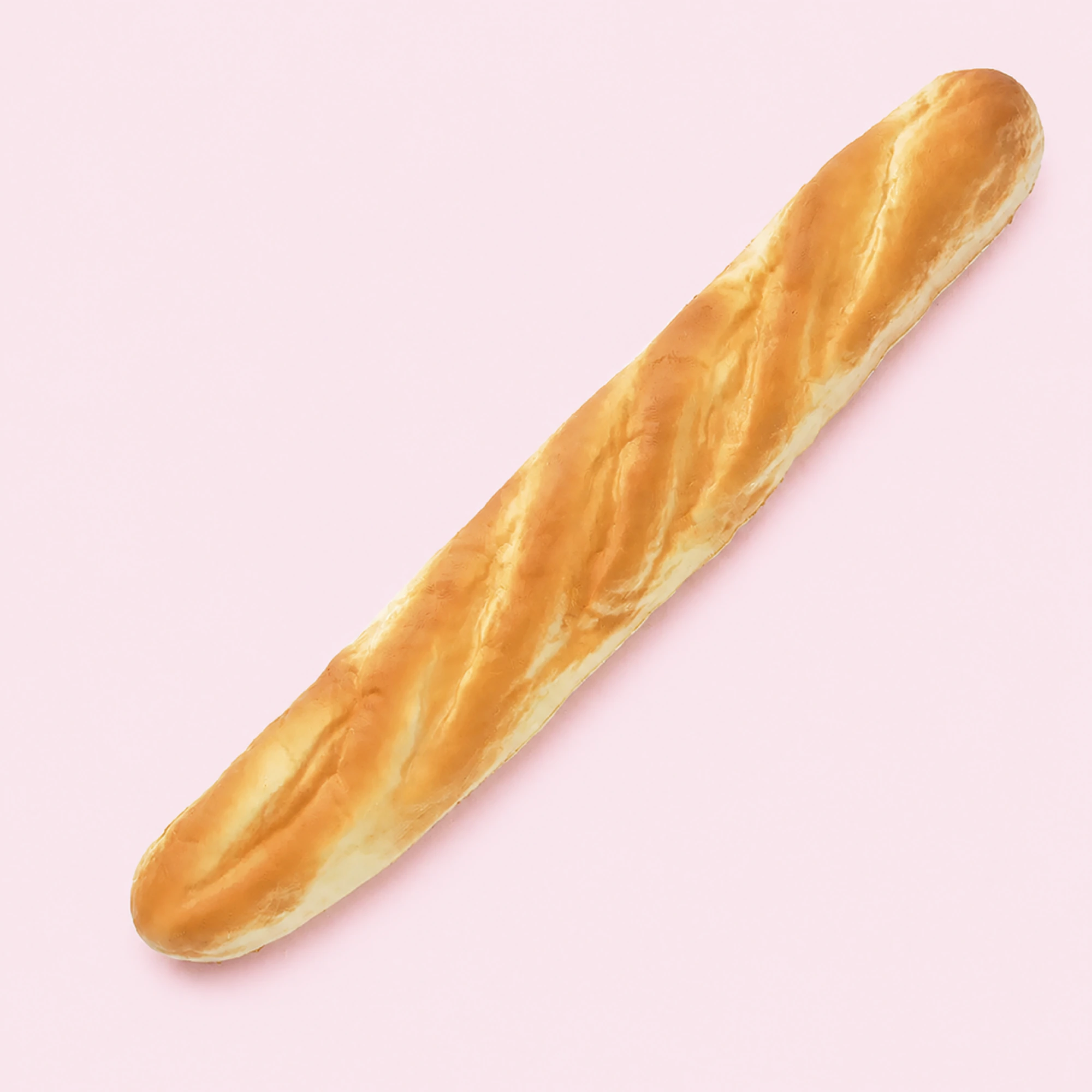
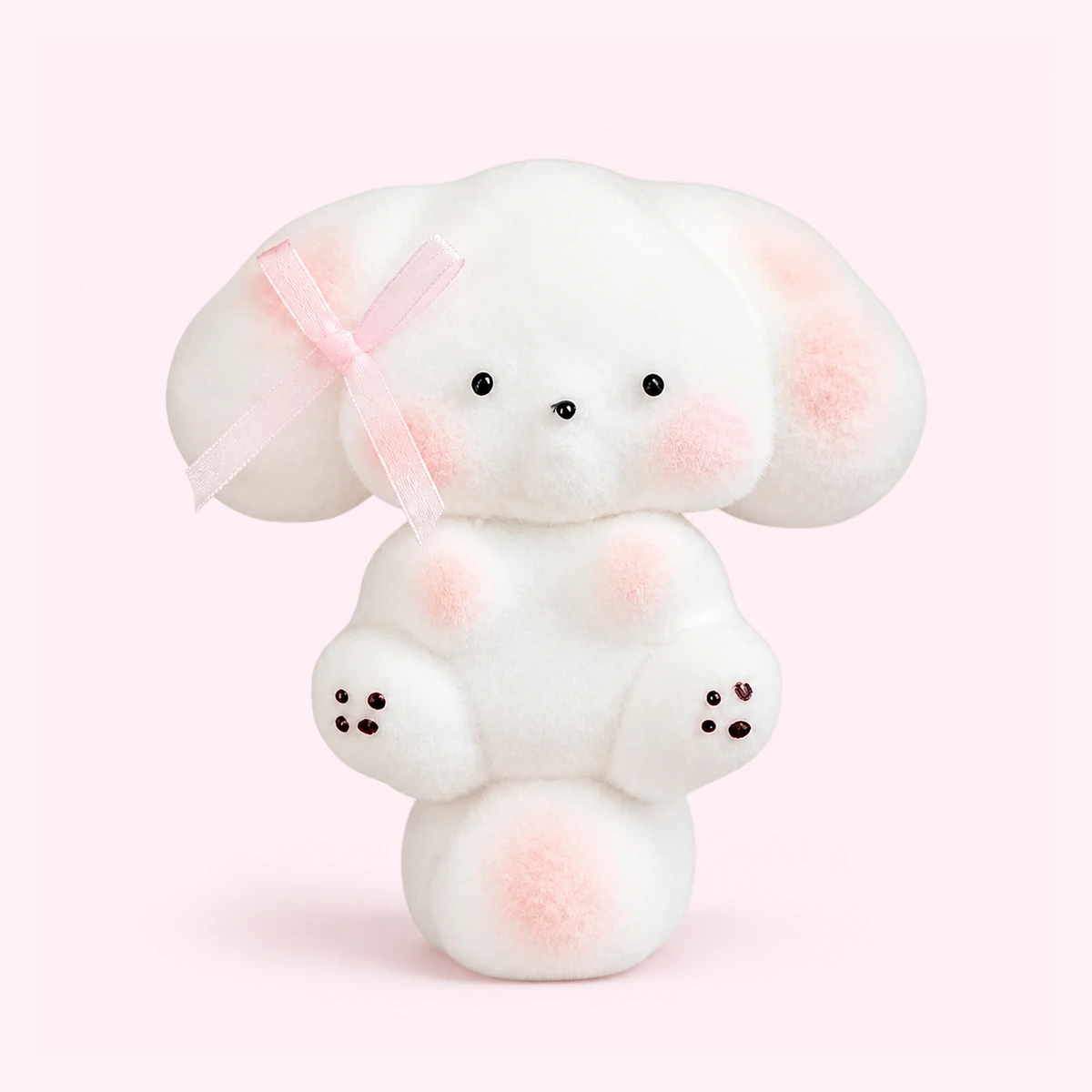
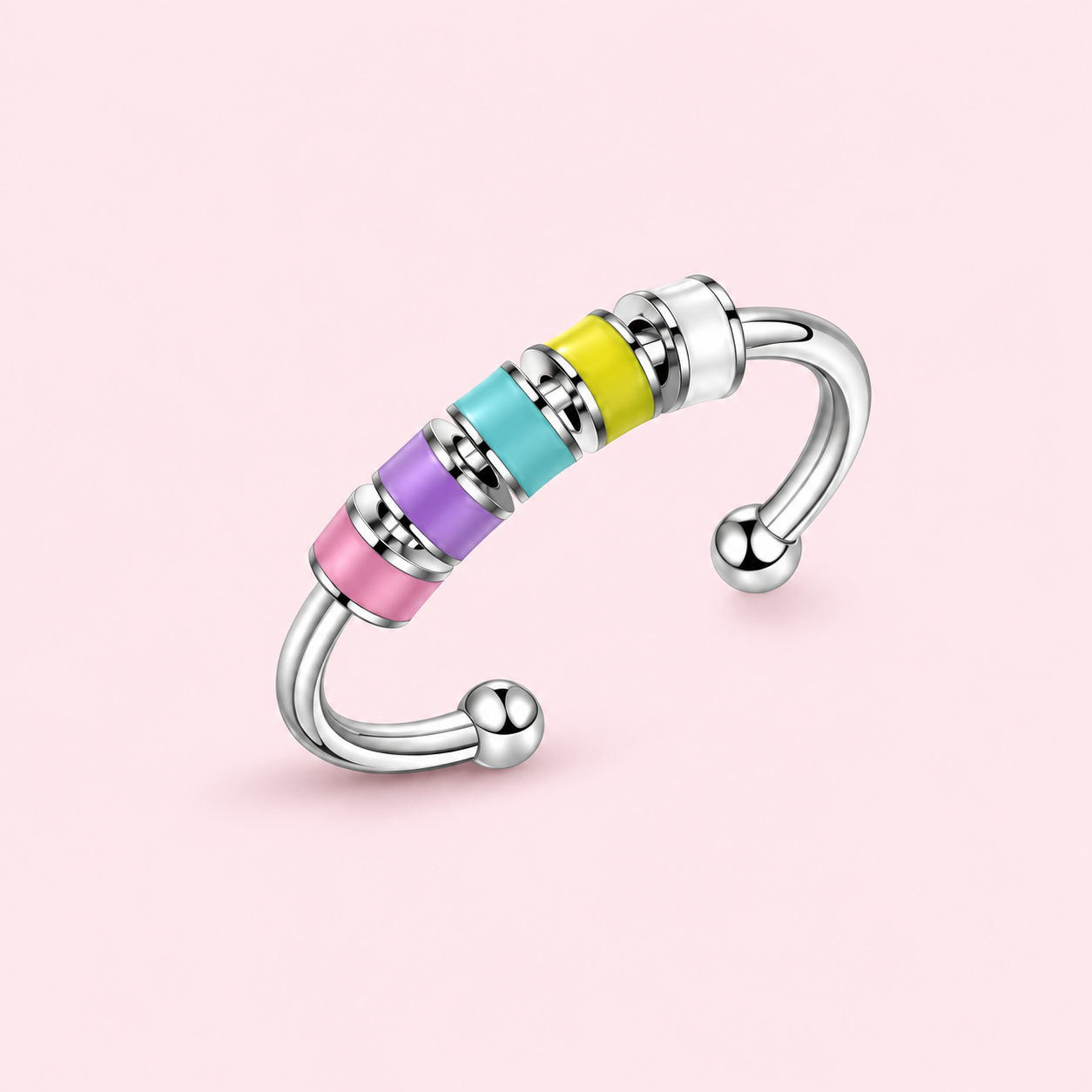
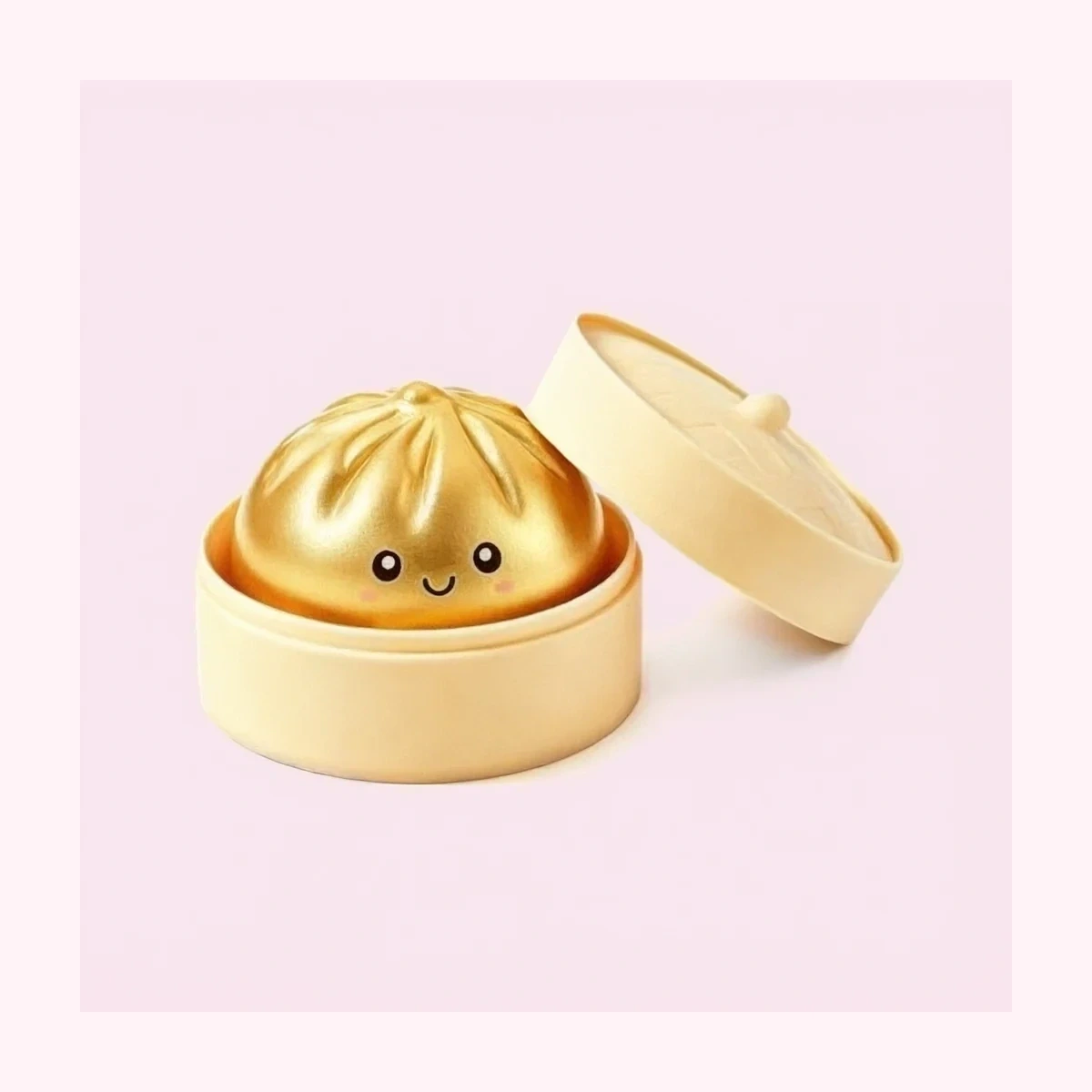
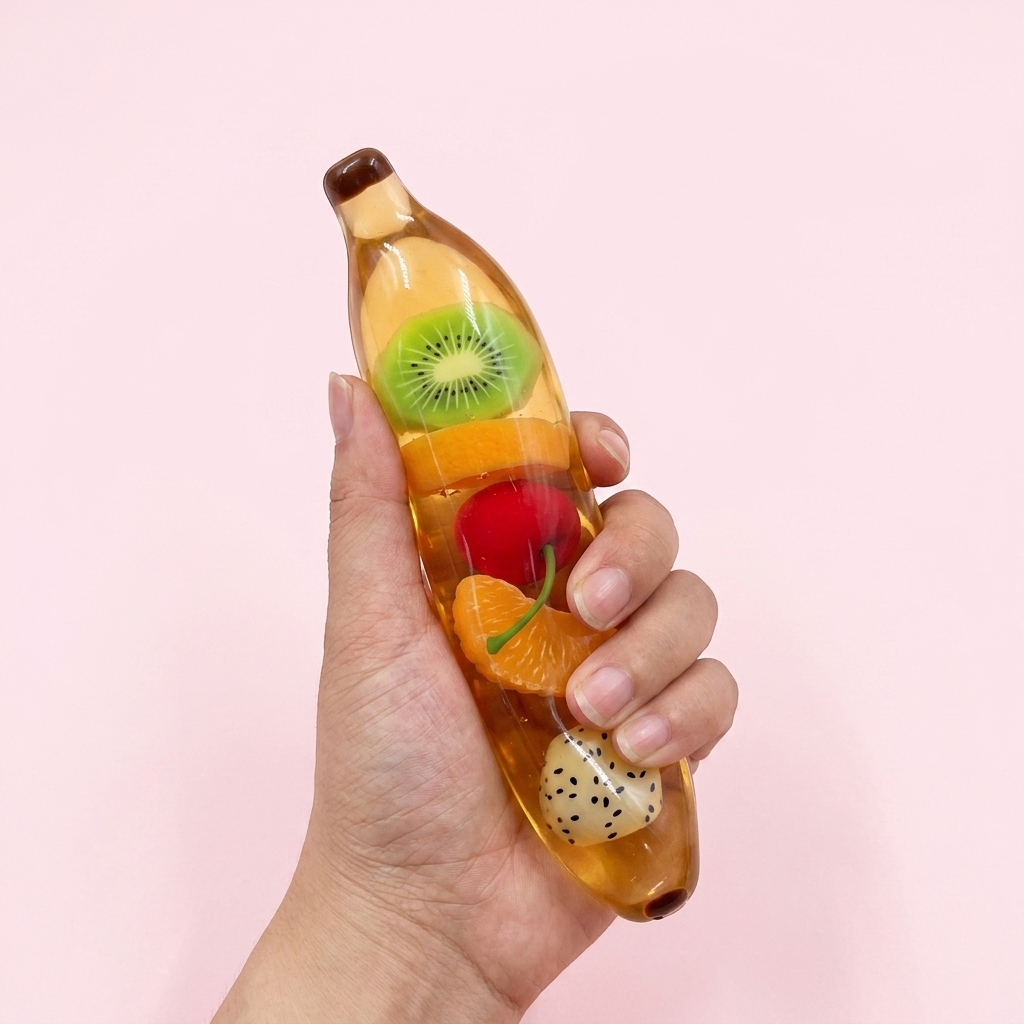

If you've ever absentmindedly squeezed a stress ball during a tense phone call, you already understand the appeal of a sensory fidget toy. But the world of squishies has exploded far beyond the basic foam ball — slow rising squishies, mochi squishies, pop-its, and silicone fidgets each offer a distinctly different feel and a different kind of relief.
This guide cuts through the noise. Whether you're buying for yourself, a stressed coworker, an anxious teen, or a child who needs to keep their hands busy, you'll learn which squishy fits which kind of anxiety, what materials to trust, how to spot a low-quality knockoff, and how to actually use these toys to calm your nervous system.
Table of Contents
- Why Squishies Work: The Science of Squeezing
- The Main Types of Squishy Fidget Toys
- Matching the Squishy to Your Anxiety Type
- Materials Matter: PU Foam vs. TPR vs. Silicone
- How to Spot a Quality Squishy
- How to Use a Squishy for Maximum Calm
- A Squishy Gift Guide for Every Recipient
- FAQ
Why Squishies Work: The Science of Squeezing
A squishy isn't just a distraction — it's a small, repeatable input to your nervous system.
When you squeeze and release a soft object, you provide gentle proprioceptive and tactile stimulation. This rhythmic, predictable sensory feedback helps activate the parasympathetic nervous system — the "rest and digest" branch that counteracts your fight-or-flight response. The result can be slower breathing, lowered muscle tension, and a measurable dip in cortisol, your primary stress hormone.
There's also a reward element. Repetitive fidgeting can nudge the brain's regulation of dopamine and norepinephrine, the neurotransmitters tied to focus and motivation. This is why fidget tools are so widely used by people with ADHD and autism: occupying restless hands frees up attention.
Slow rising squishies add a particularly satisfying twist. When you press one and watch it slowly inflate back to shape, you create a tiny cycle of anticipation and reward. That gentle wait-and-watch loop is almost meditative — closer to a breathing exercise than a toy.
So no, it's not "just a toy." It's a portable, no-batteries-required tool for down-regulating a busy mind.
The Main Types of Squishy Fidget Toys
Not all squishies behave the same way. Knowing the differences saves you from a disappointing purchase.
| Type | Feel | Best For |
|---|---|---|
| Slow rising squishy | Press it down and it slowly expands back over several seconds | Mindful, meditative calming; watching the rebound |
| Mochi squishy | Small, jelly-like, ultra-stretchy; bounces back fast | Quick, discreet fidgeting; pocket-sized portability |
| Stress ball | Firm resistance, instant rebound | Releasing acute tension and pent-up energy |
| Pop-it (bubble popper) | Silicone bubbles that pop with a satisfying click | Repetitive sound-and-touch feedback; focus |
The key difference is rebound speed. A slow rising squishy invites you to slow down; a stress ball lets you push hard. Both relieve stress — but they do it through opposite mechanisms.
Matching the Squishy to Your Anxiety Type
This is where most buying guides fall short. The "best" stress relief squishy depends entirely on how your anxiety shows up.
If your anxiety is restless, racing, or overwhelming — the kind that benefits from grounding and slowing down — choose a slow rising squishy. The gradual rebound naturally pairs with paced breathing and pulls your attention to a single, calming visual.
If your anxiety spikes into frustration or pent-up energy — the urge to do something with your hands right now — reach for a stress ball or firm TPR squishy. The resistance gives you something to push against, releasing tension in a single satisfying squeeze.
If you need discreet relief in public — meetings, classrooms, commutes — a mochi squishy or small fidget fits in a palm or pocket and won't draw attention.
If sound and rhythm soothe you — repetition is your reset button — a pop-it offers tactile clicking that's easy to do on autopilot.
Many people end up keeping two or three types for different moods. There's no rule against building a small toolkit.
Materials Matter: PU Foam vs. TPR vs. Silicone
Material affects durability, safety, feel, and smell — yet it's rarely discussed. Here's what you're actually buying.
- PU foam (polyurethane): The classic slow rising material. It delivers that signature slow rebound and soft, bread-like squish. Downside: it can tear over time, may absorb odors, and lower-grade foam can carry a chemical smell. Look for reputable brands.
- TPR (thermoplastic rubber): Stretchy, durable, and bouncy. Used in mochi squishies and many stretch toys. It resists tearing better than foam and is generally easy to clean.
- Silicone: The most durable and food-safe-friendly option, used in pop-its and premium fidgets. It's washable, odor-resistant, and the safest choice for children because it doesn't tear into small pieces easily. It also tends to be the most environmentally robust because it lasts.
For kids, prioritize silicone or sturdy TPR over cheap foam, which can break apart into chunks that pose a choking hazard.
How to Spot a Quality Squishy
A good squishy should feel pleasant from the first squeeze. Watch for these warning signs of a low-quality product:
- Strong chemical odor that doesn't fade — a red flag for unsafe materials.
- Color that rubs off onto your hands.
- Sticky or greasy residue on the surface.
- Uneven rebound or a squishy that stays dented (a sign of degraded foam).
- No safety labeling — for kids' products, look for CE, ASTM, or CPSIA compliance marks.
Pay a little more for known brands or sellers with detailed material listings. A quality squishy lasts months or years; a cheap one can disappoint within days.
How to Use a Squishy for Maximum Calm
Owning a squishy is one thing; using it intentionally multiplies the benefit.
- Pair it with your breath. Press a slow rising squishy as you inhale for four counts, then watch it rebound as you exhale for six. The toy becomes a visual breathing pacer.
- Anchor your attention. Notice the texture, temperature, and resistance. This is a simple grounding technique that pulls you out of anxious thought loops.
- Use it before, not during, the storm. Keep one at your desk or bedside and squeeze proactively when you feel tension building, rather than waiting for a full-blown spike.
- Build a habit cue. Reach for it during predictable stressors — emails, traffic, study sessions — so the calming response becomes automatic.
A Squishy Gift Guide for Every Recipient
Squishies make thoughtful, low-cost gifts — but the right pick depends on who's receiving it.
For a child (anxiety, ADHD, or just busy hands):
Choose durable silicone or TPR. A pop-it or sturdy mochi squishy is safe, quiet enough for the classroom, and hard to destroy.
For a stressed adult or coworker:
Go discreet and desk-friendly. A small slow rising squishy or a sleek silicone fidget looks professional and won't seem childish on an office desk.
For a friend or family member with anxiety:
A slow rising squishy paired with a note about breathing exercises turns a gift into a genuine self-care tool. Thoughtful and useful.
For a teacher (holiday or end-of-year gift):
A small set of classroom-friendly fidgets — quiet, durable, easy to sanitize — is practical and appreciated.
For a sensory-seeking teen:
A variety pack lets them explore textures and rebound speeds to find their favorite.
When in doubt, a small squishy gift set covering different types is the safest bet — it lets the recipient discover what soothes them most.
FAQ
Are fidget toys actually backed by science?
Yes. Tactile, repetitive stimulation can engage the parasympathetic nervous system and help regulate attention-related neurotransmitters. They're not a cure for anxiety disorders, but they're a legitimate, evidence-informed self-soothing tool.
What's the difference between a slow rising squishy and a regular one?
A slow rising squishy expands back to shape gradually over several seconds, creating a calming anticipation-and-reward effect. Regular squishies snap back instantly, which suits quick tension release instead.
Are squishies safe for young children?
Choose silicone or robust TPR, and avoid cheap foam that can tear into small pieces. Always supervise toddlers and look for safety certifications like ASTM or CE.
How do I clean a squishy?
Silicone and TPR can usually be washed with mild soap and water. PU foam squishies should be wiped gently and kept dry, as they don't tolerate soaking well.
Will the smell go away?
A light scent from new TPR or silicone often fades with airing out. A persistent, strong chemical odor is a sign of a low-quality product you should return.
Can adults use squishies without feeling silly?
Absolutely. Plenty of professionals keep discreet silicone fidgets at their desks. Anxiety relief has no age limit, and the right design looks more like a desk accessory than a toy.
Find Your Perfect Squeeze
The best stress relief squishy is the one you'll actually reach for when your mind starts to race. Start by identifying how your anxiety shows up — racing and overwhelmed, or tense and frustrated — then match it to a rebound speed and material that feels right in your hand. Buy quality, use it with intention, and keep one within arm's reach. Sometimes calm really is as simple as a single, satisfying squeeze.
Shop the squishies featured in this guide
Ready to squeeze? Browse the full squishies collection to match a rebound speed and material to how your anxiety shows up. Two reader favorites from this guide:
 Dumpling Squishy Mystery Box (24 Colors)
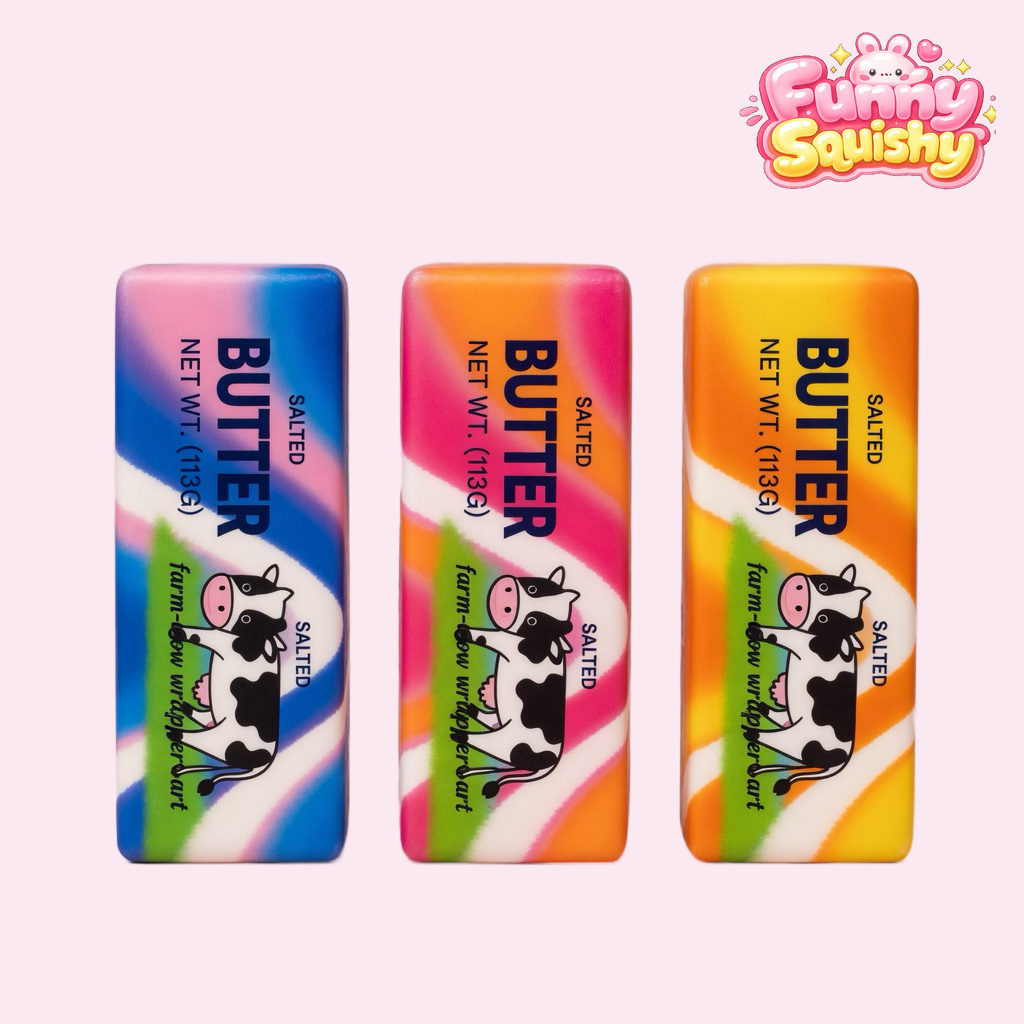
 Butter Squishy Toy (4 or 12 pcs)