

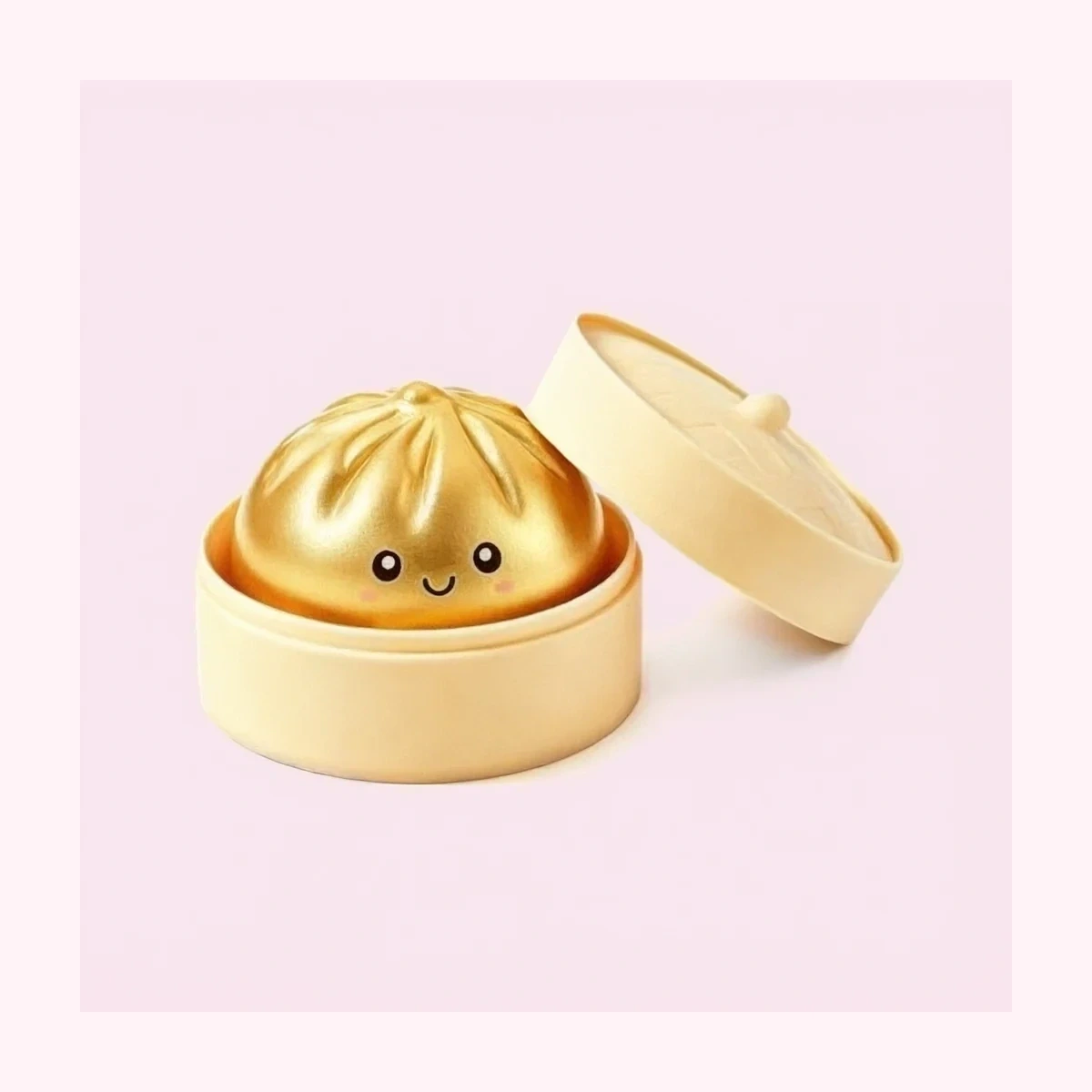



If you've ever pressed your thumb into a squishy and watched it slowly puff back into shape — or felt one snap back instantly with a springy bounce — you've already met the two ends of the squishy spectrum. The way a squishy recovers its shape isn't just a quirky detail. It tells you about the material inside, the build quality, and ultimately how satisfying the toy feels to squeeze.
This guide breaks down the real differences between a slow rising squishy and a fast rising squishy, explains where the butter squishy fits in, and helps you decide which type deserves a spot in your collection (or your desk drawer).
Table of Contents
- The Rebound Spectrum: From Ultra-Slow to Instant
- What Is a Slow-Rising Squishy?
- What Is a Fast-Rising Squishy?
- What Is a Butter Squishy, Exactly?
- Materials Behind the Rebound
- Which Is More Satisfying?
- How to Judge Squishy Quality
- Durability, Care, and Safety
- FAQ
The Rebound Spectrum: From Ultra-Slow to Instant
Most articles split squishies into two camps, but squishy rebound is really a spectrum. Thinking in terms of recovery time makes shopping far easier:
| Category | Recovery time | Feel |
|---|---|---|
| Ultra-slow rising | 5+ seconds | Dreamy, almost frozen recovery; highly hypnotic |
| Slow rising | 3–5 seconds | The classic "watch it puff back" satisfaction |
| Medium rising | 1–3 seconds | Balanced; some bounce, some softness |
| Fast rising | Under 1 second | Springy, instant snap-back |
These ranges aren't laboratory standards, but they reflect how the hobby community actually talks about rebound. Knowing where a product falls helps you predict the experience before you buy.

What Is a Slow-Rising Squishy?
A slow rising squishy compresses easily and then gradually expands back to its original shape over several seconds. When you press a fingertip into it, your imprint lingers — a deep dimple that slowly fills back in like a sponge releasing air.
People love slow risers for a few specific reasons:
- Visual satisfaction. Watching the shape slowly reform is genuinely mesmerizing, which is why slow risers dominate ASMR and oddly-satisfying videos.
- Tactile depth. The squeeze feels controlled rather than reactive, giving a calming, meditative quality.
- Collectibility. Premium slow risers often have detailed, food-shaped designs with painted surfaces.
The trade-off is responsiveness. Because they recover so gradually, slow risers aren't ideal when you want to squeeze rapidly and repeatedly — the foam simply can't keep up with you.
What Is a Fast-Rising Squishy?
A fast rising squishy snaps back to its shape almost instantly. Press it, release it, and it bounces right back, ready for the next squeeze. These are the springy, energetic members of the family.
Fast risers shine in situations slow risers can't handle:
- Rapid stress relief. When you need immediate feedback — squeeze, squeeze, squeeze — fast rebound delivers that satisfying resistance with every press.
- Active fidgeting. For restless hands during meetings or study sessions, the quick recovery keeps pace with nervous energy.
- Durability under heavy use. Springier materials often tolerate aggressive squeezing better than delicate slow-rise foam.
The downside is that fast risers lack the hypnotic, slow-motion visual appeal. They feel more like a stress ball than a sensory art piece.
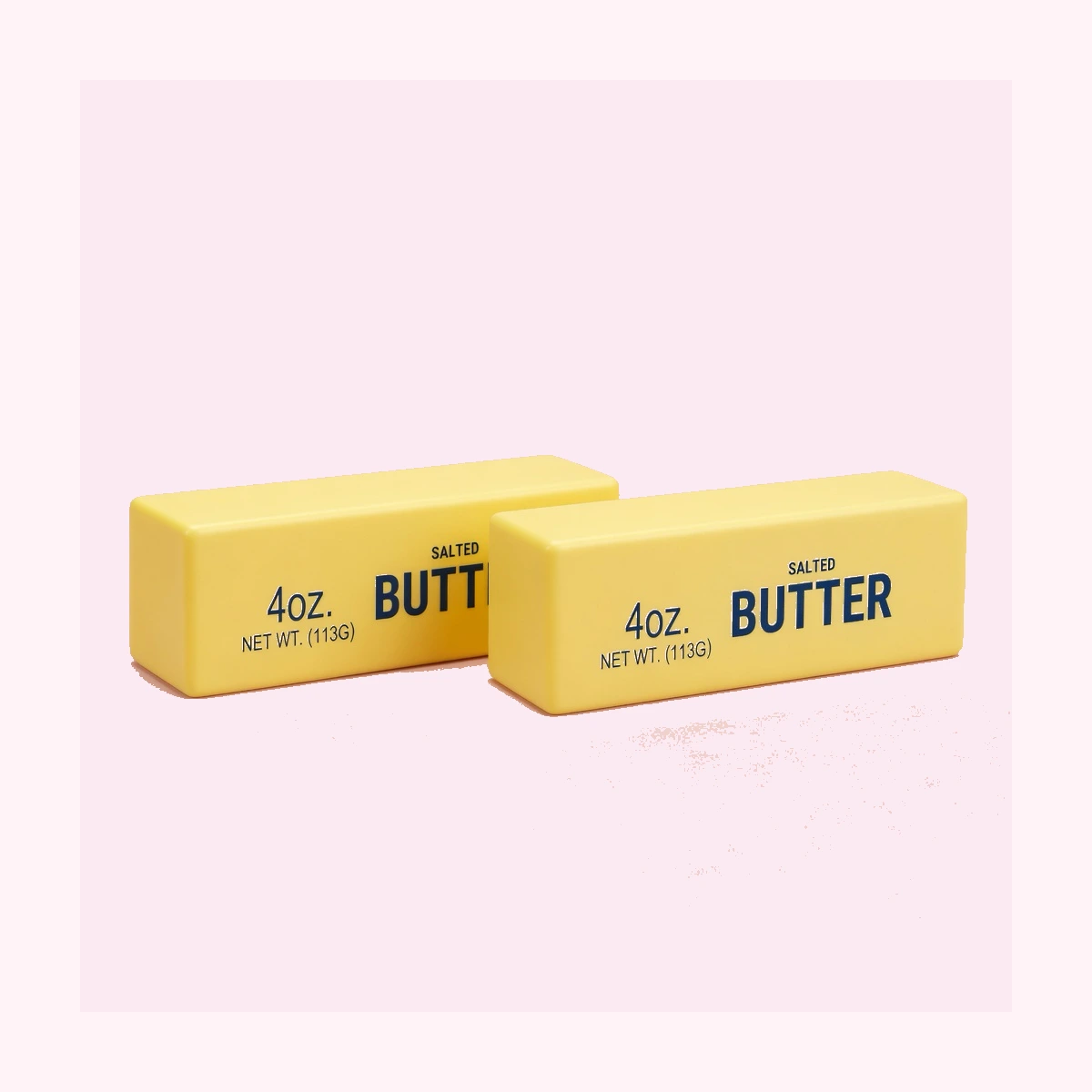
What Is a Butter Squishy, Exactly?
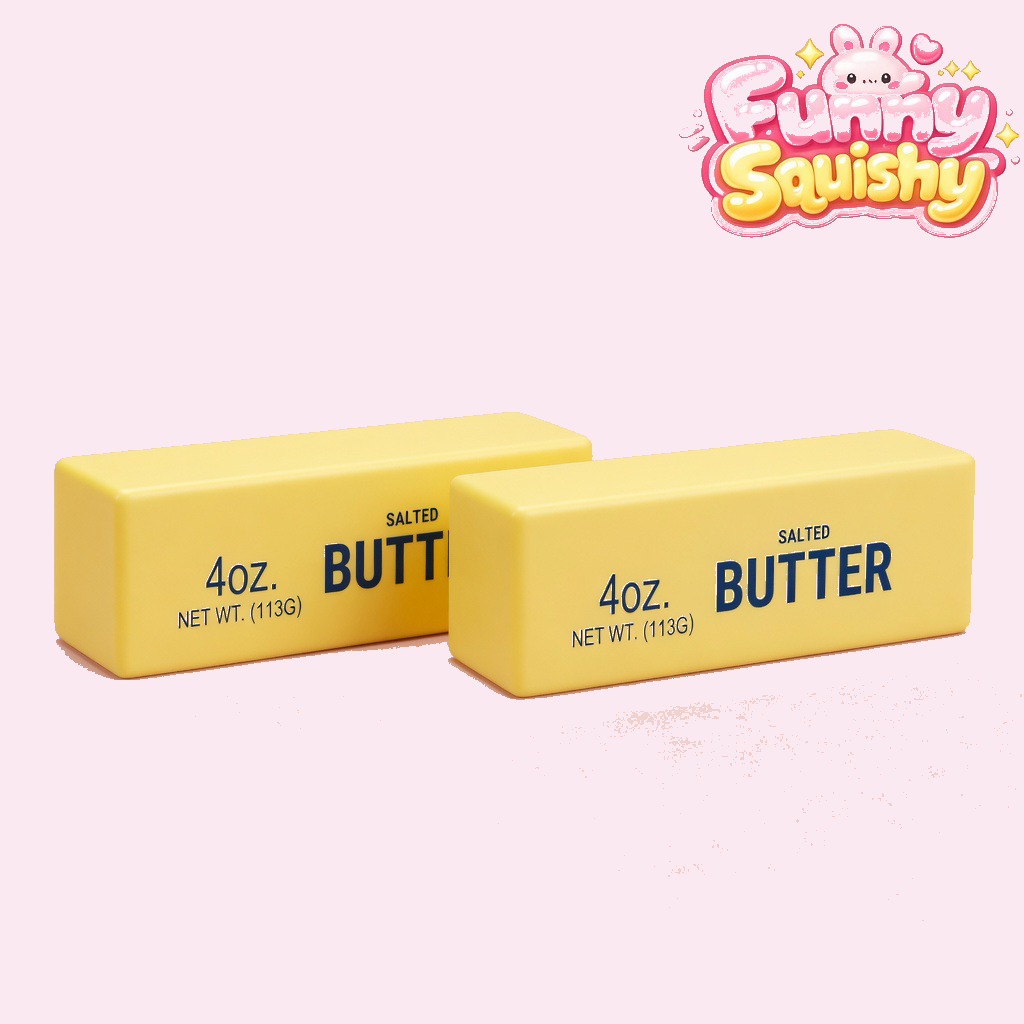
Here's where most guides get it wrong. A butter squishy is not simply another name for a slow riser. The term describes a texture, not a rebound speed.
A slow rise butter squishy feels exactly like its name suggests: soft, smooth, and slightly stretchy, like cold butter yielding under a knife. When you press it, the surface gives way with a creamy, almost moldable quality. Many butter squishies also rebound slowly, which is why the two terms get tangled together — but the defining trait is that buttery, pliable hand-feel.
Key characteristics of a butter squishy:
- Silky, matte surface rather than a glossy or sticky one.
- Slight stretch — you can gently pull and reshape it.
- Dense but soft resistance that feels luxurious in the hand.
So a squishy can be a butter squishy with slow rebound, or a butter-textured toy with medium rebound. The texture and the rebound speed are two separate dials.
Materials Behind the Rebound
Rebound speed comes down to what the squishy is made of:
- Memory foam / PU foam. This is the heart of most slow-rising squishies. The open-cell structure releases trapped air gradually, producing that signature slow puff-back. Higher foam density usually means slower, smoother recovery.
- TPR (thermoplastic rubber). Elastic and resilient, TPR tends toward fast or medium rebound. It's durable, springy, and common in stress-ball-style squishies.
- Soft silicone-blend materials. These soft, stretchy compounds often produce the buttery, slightly tacky feel associated with butter squishies and many slow-to-medium risers.
A useful rule of thumb: foam = slow and airy, rubber = fast and springy, soft silicone blends = buttery in between.
Which Is More Satisfying?
The honest answer: it depends on what kind of satisfaction you're chasing.
Choose slow rising if you want:
- A calming, meditative sensory experience
- Eye-catching, video-worthy rebound
- A collectible piece with detailed design
- ASMR-friendly squeezing
Choose fast rising if you want:
- Immediate, repetitive stress release
- An energetic fidget for busy hands
- Something more rugged for everyday abuse
For most people seeking that "ahh, so satisfying" sensation, a quality slow rise butter squishy is the winner. The combination of buttery texture and unhurried rebound engages both touch and sight — a multi-sensory payoff that fast risers can't replicate. But if your goal is to burn off tension quickly, fast rebound is genuinely the better tool. Neither is "better" in absolute terms; they're built for different moments.
How to Judge Squishy Quality
Slow rebound is often a quality signal, but slow alone doesn't guarantee a good toy. Cheap knock-offs imitate the look without the feel. Use these tests:
- Watch the rebound curve. A quality slow riser recovers smoothly and evenly. Cheap ones rise in jerky stages or develop a permanent dent.
- Check the surface. Premium squishies have a fine, even, matte texture. Grainy, sticky, or chemically smelly surfaces signal poor material.
- Squeeze test. It should compress with consistent resistance — no hard lumps, hollow spots, or tearing at the seams.
- Smell it. A strong chemical odor is a red flag for low-grade foam and potentially unsafe additives.
- Test the stretch (for butter types). A real butter squishy stretches slightly and returns; a cheap one cracks or stays deformed.
A genuine slow-rise piece that holds its shape after dozens of squeezes is worth far more than a bargain that flattens within a week.
Durability, Care, and Safety
Durability: Fast-rising TPR squishies generally outlast delicate foam slow risers, which can yellow, harden, or tear over time. Slow risers reward gentle handling.
Care tips:
- Keep slow risers away from direct sunlight and heat, which degrade foam.
- Clean the surface with a slightly damp cloth — never soak foam squishies, as trapped water ruins the rebound.
- Store them loosely; long-term compression can cause permanent deformation.
Safety for kids: If you're buying for children, choose squishies that are clearly labeled non-toxic and age-appropriate. Avoid pieces with small detachable parts, and steer clear of anything with a harsh chemical smell. Supervise young children, since soft squishy material isn't meant to be bitten or chewed.
FAQ
Is a slow-rising squishy always higher quality than a fast-rising one? Not automatically. Slow rebound often reflects denser, better foam, but quality also depends on surface finish, durability, and material safety. A well-made fast riser can outclass a cheap slow one.
Is a butter squishy the same as a slow-rising squishy? No. "Butter" describes a soft, smooth, slightly stretchy texture. Many butter squishies happen to rise slowly, but the terms aren't interchangeable.
Which type is best for ASMR and satisfying videos? Slow and ultra-slow risers, especially butter-textured ones. Their gradual, fluid recovery is what makes the visuals so mesmerizing.
Why does my slow-rising squishy stop returning to shape? Usually age, heat exposure, or low-grade foam. Once memory foam breaks down, it loses its rebound permanently. Proper storage slows this down.
Are squishies safe for young children? Choose non-toxic, age-labeled products, avoid small parts and strong odors, and supervise use. Squishies are toys, not chew items.
Can I make a hardened squishy soft again? Sometimes gentle warming and working it in your hands helps temporarily, but once the foam structure degrades, the original feel can't be fully restored.
Final Thoughts
Slow and fast rising squishies aren't rivals so much as different tools for different cravings. If you want a calming, hypnotic squeeze with that creamy, buttery give, a quality slow rise butter squishy will deliver the deepest satisfaction. If you need something springy to burn off stress on demand, a fast riser earns its place. Learn to read the rebound, trust your hands during the squeeze test, and you'll never waste money on a flat, lifeless knock-off again.
Want the real thing instead of a craft? Grab our butter squishy and explore the full squishy fidget toy collection.