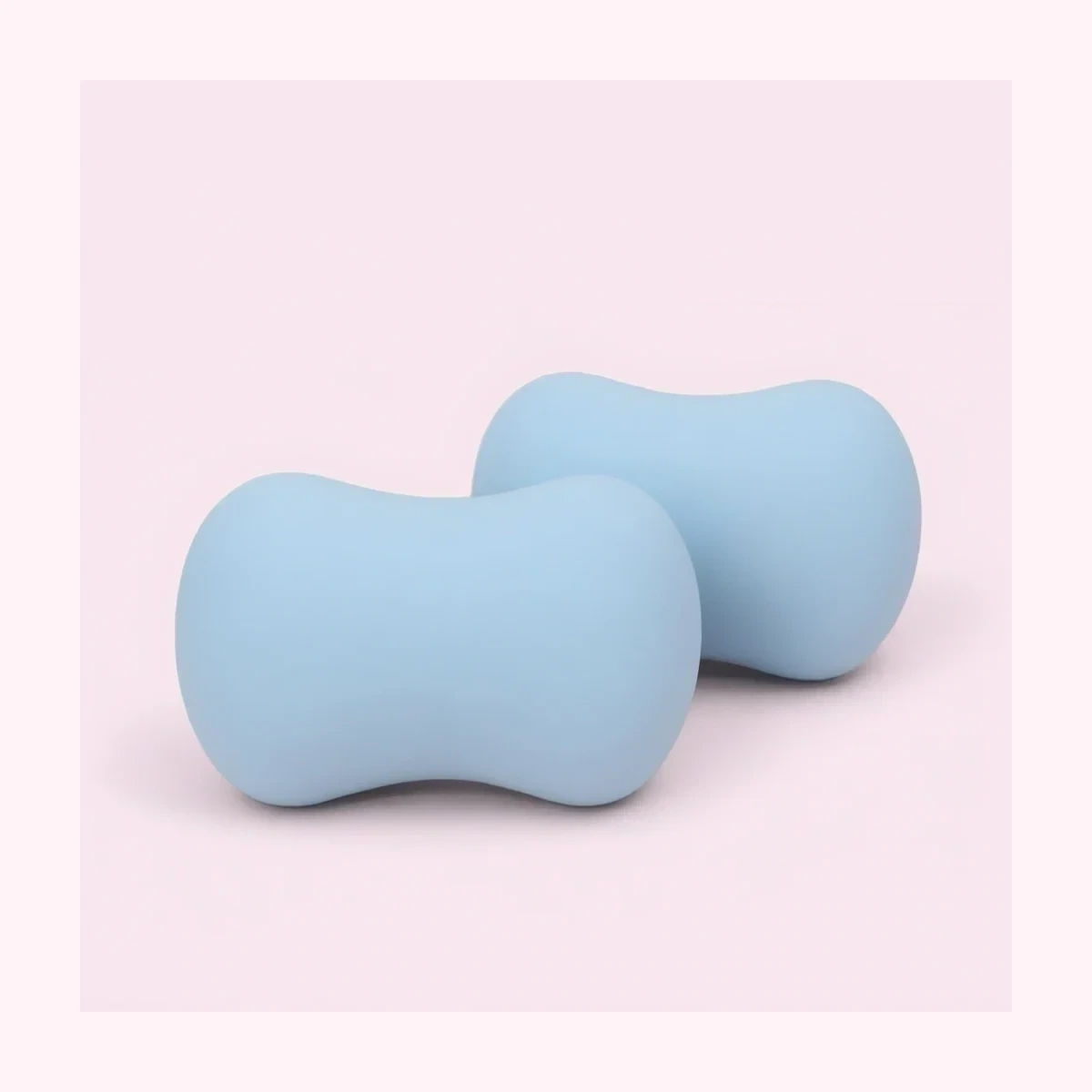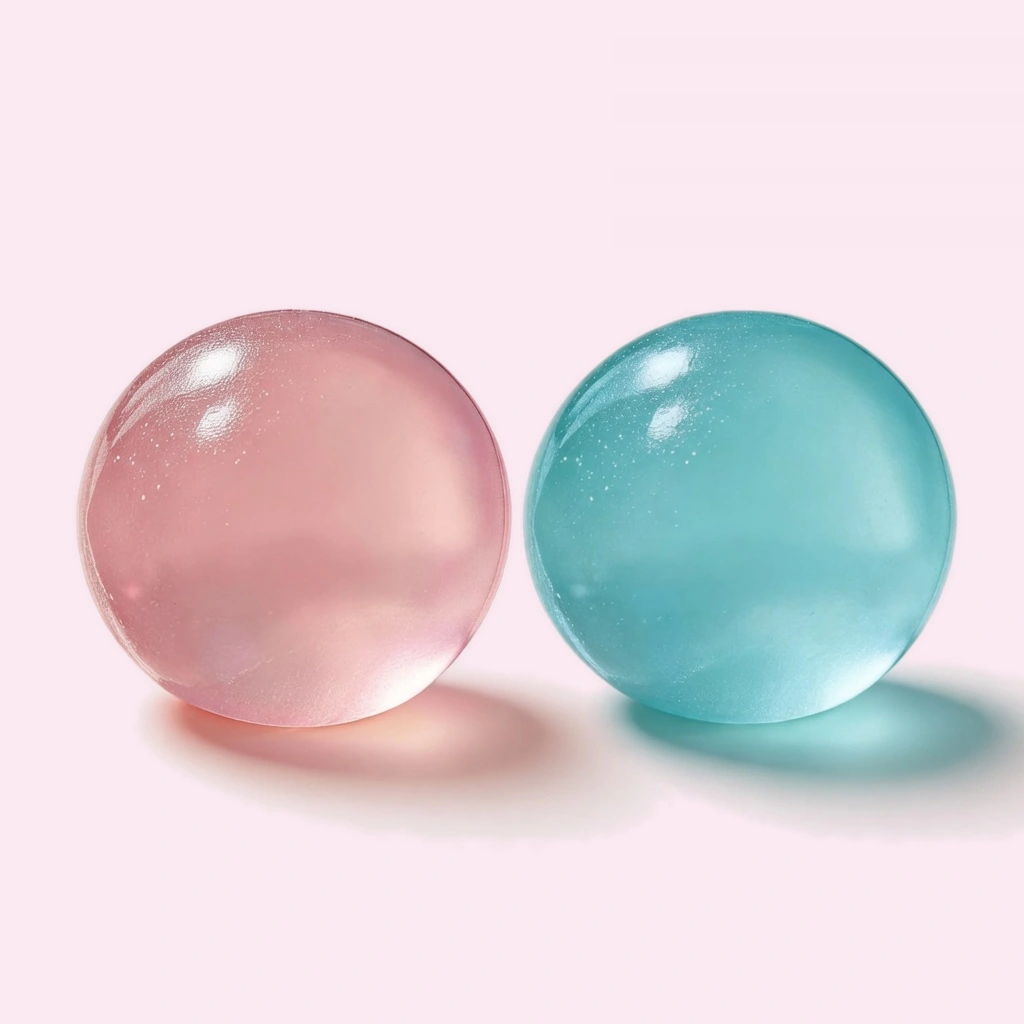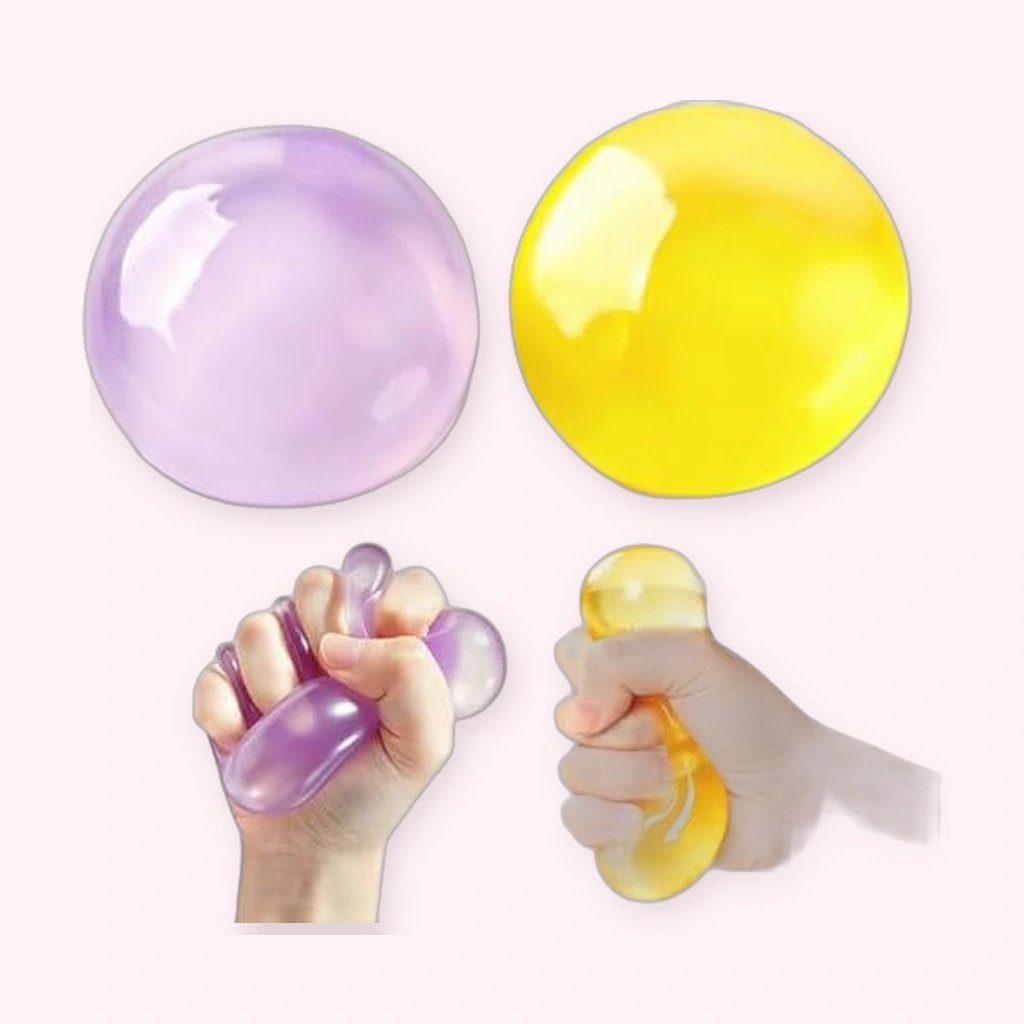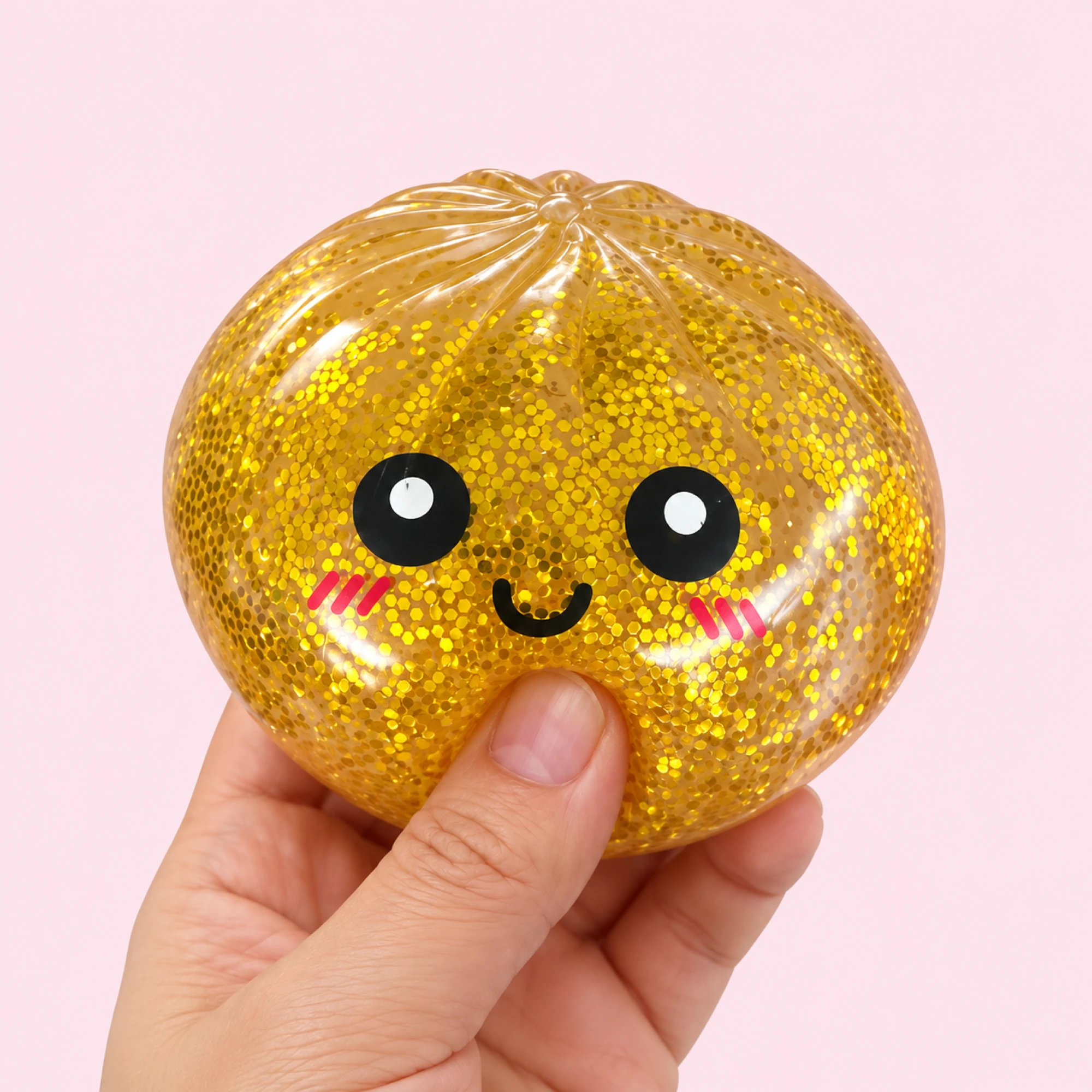


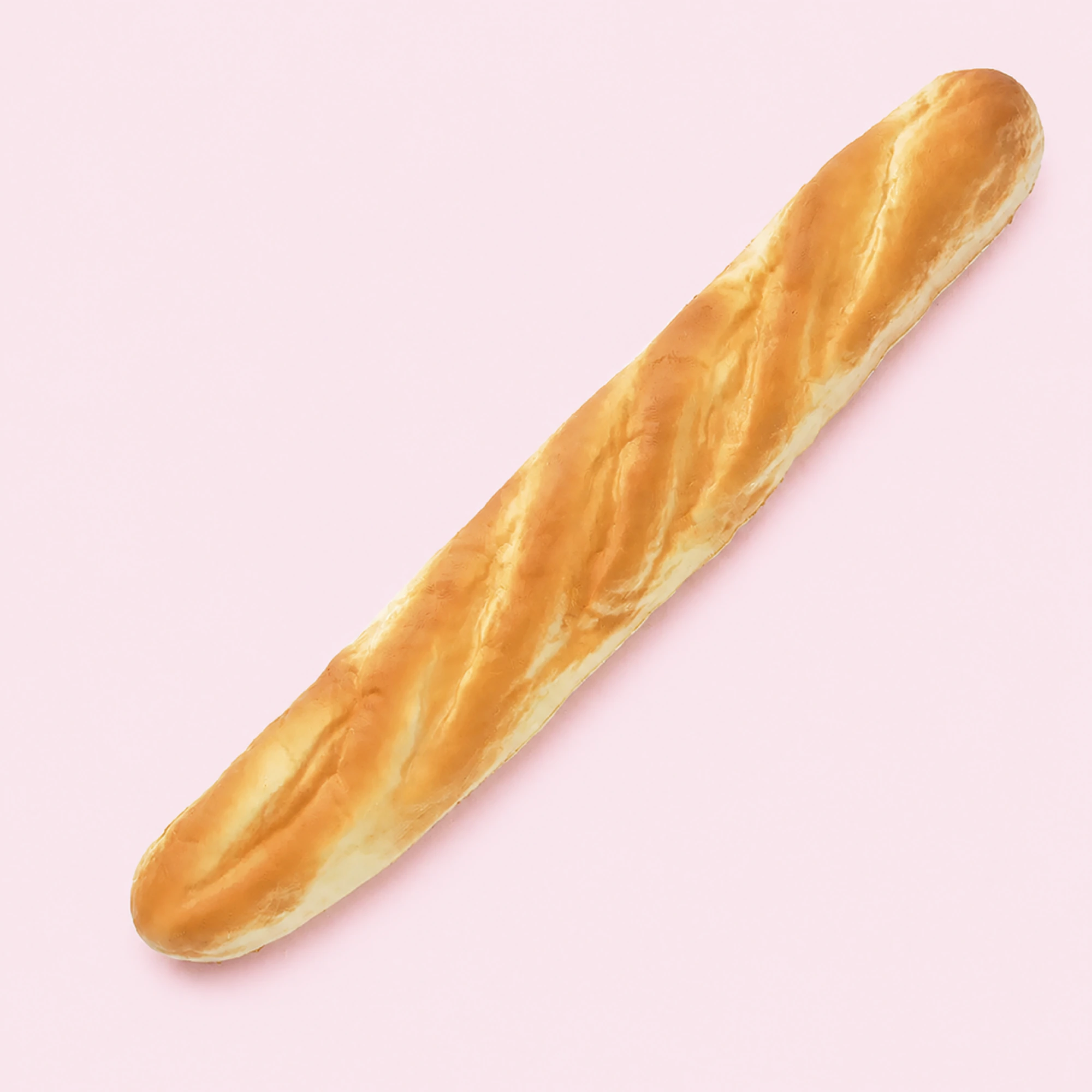
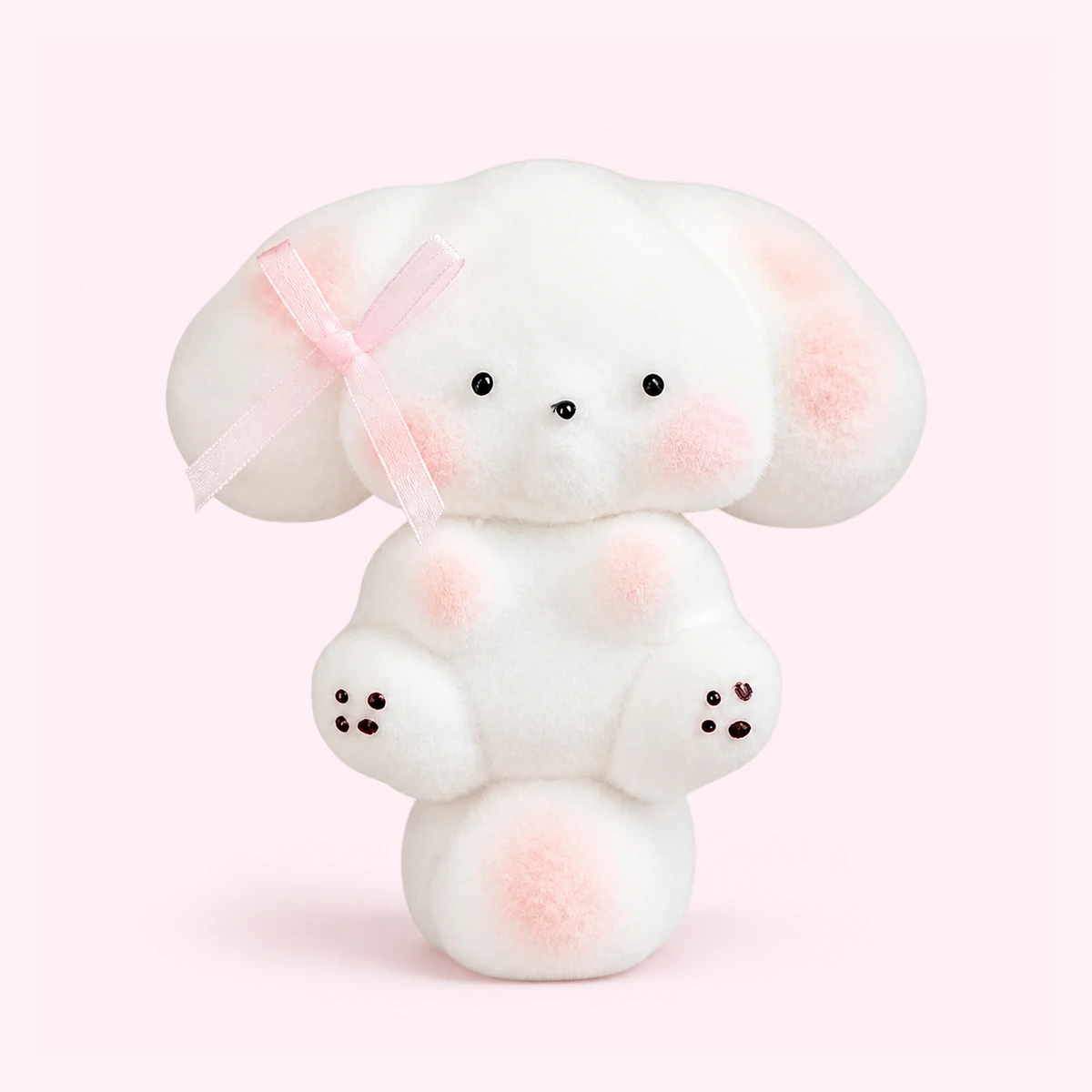
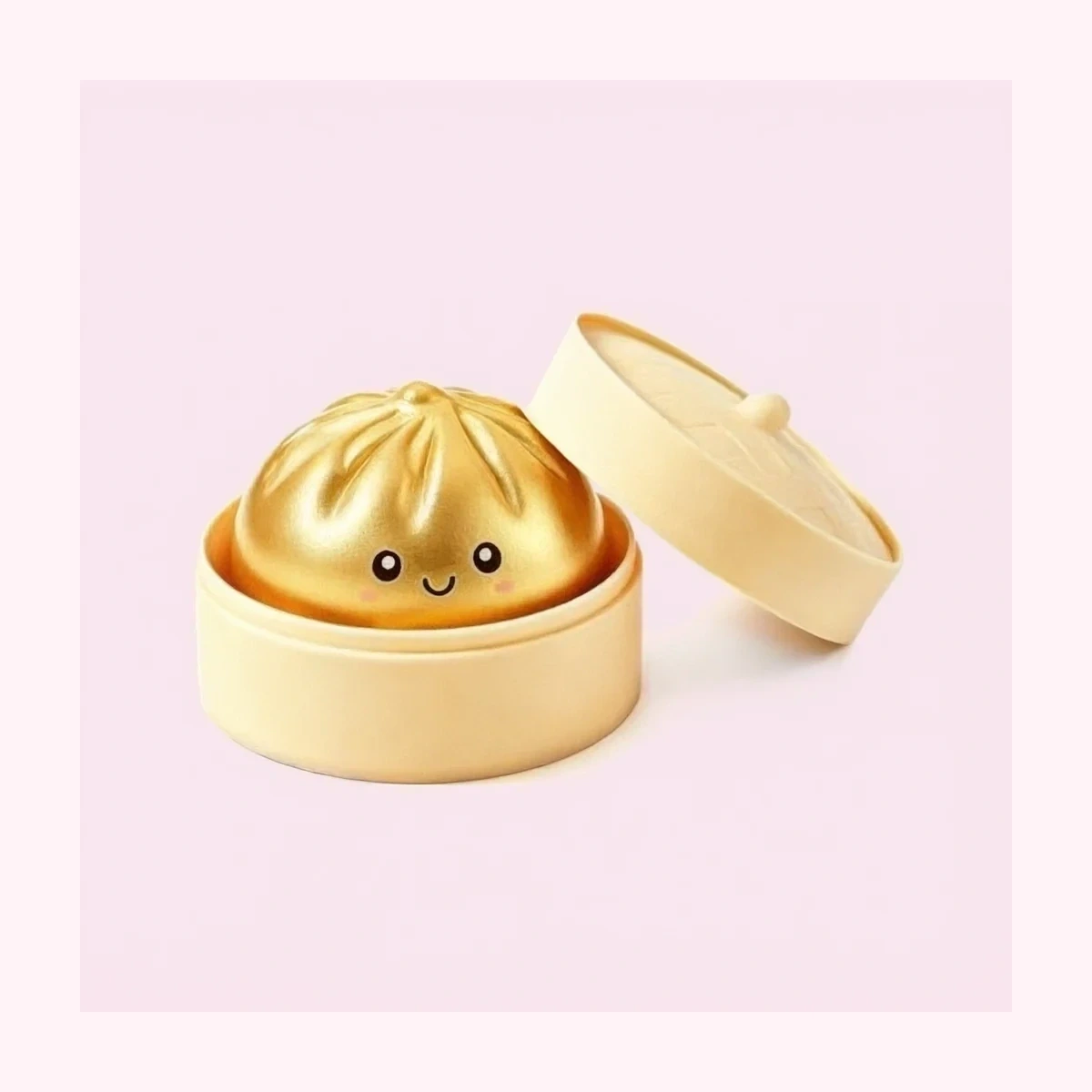


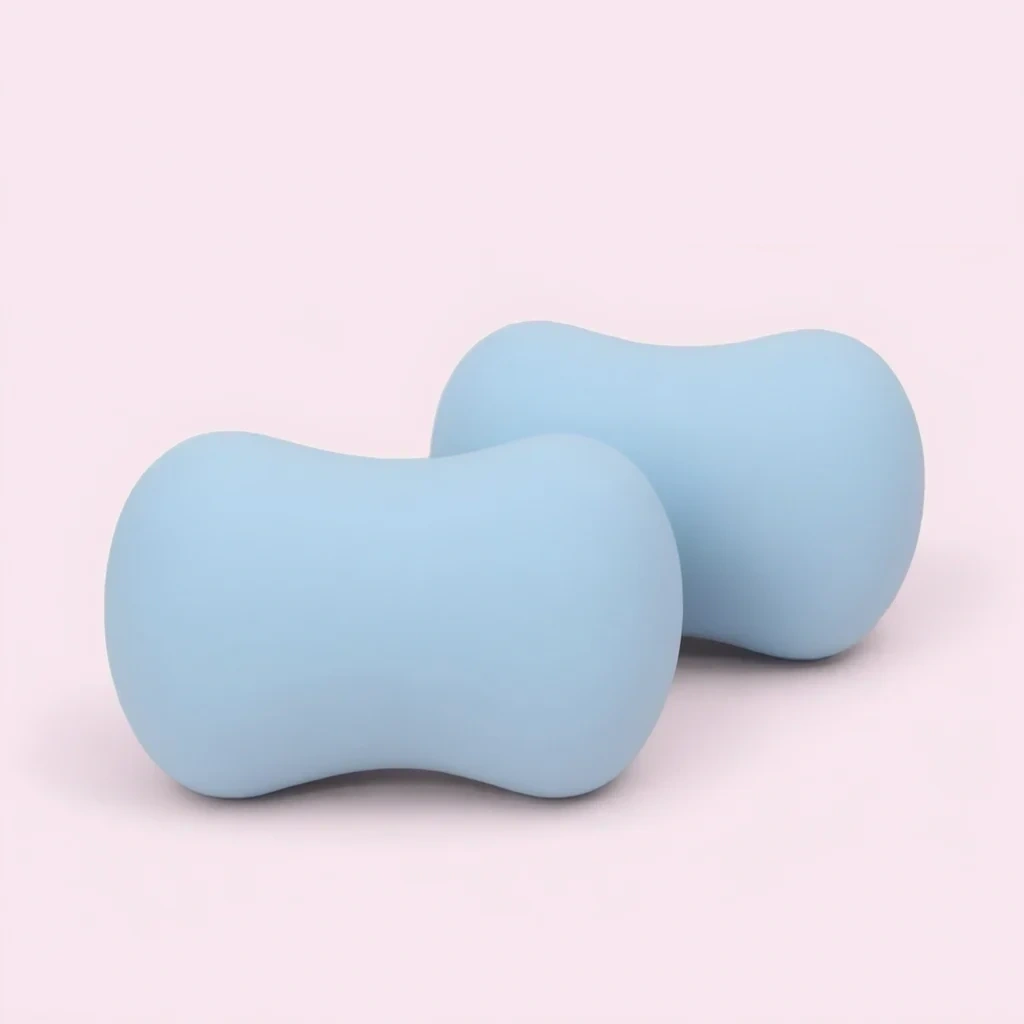
One hand is holding a blob of cool, stretchy dough that never quite settles. The other holds a slab of foam sinking slowly around my fingers. That’s the whole debate: a fast-rebound squeeze ball gives you a dense, gel-like dough feel with instant return, while slow-rising squishies trade stretch for creamy, sinking compression. Which one wins depends entirely on how you fidget.
What a Fast-Rebound Squeeze Ball Actually Feels Like
The dough-filled squeeze ball is the checkout-aisle classic: a soft skin wrapped around a dough-like filling that squashes, stretches, and flows a little in your palm before pulling itself back into a ball. The feel is typically cool to the touch, heavier than foam, and endlessly kneadable — closer to bread dough than to a sponge.
The signature move is the full-fist mash. You can crush one completely, roll it, wring it, and it recovers in about a second, ready for the next round. Many versions exist beyond the classic ball — cubes, blobs, character shapes — but the dough physics stay the same across the whole category.
The trade-offs: the skin matters. Treat a dough-filled stress ball like a chew toy or stab it with a pen and the filling situation becomes a desk situation. Intact, though, they hold up to serious daily abuse.
How Slow-Rising Foam Fights Back
A slow riser doesn’t stretch and doesn’t flow. You press in, the foam collapses with a soft give, and then — this is the whole point — it takes its sweet time coming back, swelling into shape over several seconds while you watch.
That delay changes how you use it. A fast-rebound ball rewards constant motion; slow-rise foam rewards a squeeze-and-hold rhythm. Press, hold, release, observe. It’s less kneading, more breathing exercise. The dense butter stick squishies are the best example of this — a brick like our Halloween Butter Squishy compresses flat under your thumbs and un-flattens like something alive.
Foam also wins on silence in a way even a quiet dough ball can’t match, which is why slow risers dominate our list of quiet fidgets for classrooms and offices. No slap, no squelch, no rubbery snap. Just air moving back into foam.
Round-by-Round: Feel, Sound, Mess, Durability
| Round | Fast-rebound dough | Slow-rising squishy |
|---|---|---|
| Texture | Cool, stretchy, flowing | Warm, soft, sinking |
| Return speed | Instant | Seconds, on purpose |
| Sound | Faint squish | Near silent |
| Stretch play | Excellent | None — foam tears |
| Watchability | Low | High (the rise is the show) |
| Weak spot | Punctured skin | Cuts and shared-with-the-dog incidents |
Scoring it honestly: dough takes the stretch and mash rounds, foam takes silence and spectacle. Durability is a draw — both live long lives if you keep them away from sharp objects and pets. We ran a wider version of this tournament, with slime and spinners in the bracket, in which stress toy is actually worth buying.
Pick Your Winner by Use Case
- Restless hands in meetings: slow riser. The squeeze-and-hold pattern is silent and doesn’t become a whole performance. Anything from our pocket-sized mini squishies works under a desk.
- Kids who stretch everything: fast-rebound dough. It’s built for exactly that impulse, and there’s no foam to tear. A dough-filled sensory ball is also a common pick for kids who like cool-touch textures.
- ASMR and screen breaks: slow riser, no contest. The visual rise is the content. Our love letter to zero-bounce-back stress balls explains the appeal of an even slower return.
- Sharing a bowl at a party: grab a multi-pack of slow risers like the Halloween Butter Squishy assorted set — identical feel across colors, so nobody fights over the good one.
- Can’t decide: own both. Dough for motion days, foam for slow days. Your hands will develop opinions fast, and the full shop covers the foam side of the ballot.
Both toy types are rated for ages 3 and up, and if you buy the foam side from us, the 30-Day Squishfaction Guarantee applies — if the squish isn’t your squish, we’ll sort it out.
FAQ
Is a squeeze ball the same as a squishy? Depends who you ask. It’s a squeeze toy, but not a slow riser — people call anything soft and squashable a squishy, while squishy purists reserve the word for slow-rising foam. Functionally they’re two different fidget species.
Which is better for anxiety and stress? Neither is objectively better. Fast, kneadable resistance suits people who calm down through motion; a slow squeeze-and-hold suits people who calm down by slowing their pace. Deep-pressure squeezing in general tends to feel settling — try both rhythms and keep the one your hands return to.
Which lasts longer? With normal use, both go the distance. Dough toys fail by puncture, foam toys fail by tearing at stress points. Keep either away from pets and pencil cups and you’re fine.
Can slow-rising squishies stretch like a dough ball? No, and don’t try — foam pulls apart instead of stretching. If your fidget instinct is pull-and-twist, that alone answers the debate for you.