



A squish test is a short video with one promise: press the toy flat, let go, and don’t cut away until it has fully risen. The format lives or dies on three things — a stable close-up, honest foam sound, and a rise slow enough to build suspense but quick enough to loop. Everything else is decoration.
The Anatomy of a Watchable Press
The classic mistake is starting with an intro. Nobody came for an intro. Open mid-press, crater already formed, and the viewer’s brain immediately asks the only question the video needs: will it come back?
| Seconds | Beat | Why it works |
|---|---|---|
| 0–2 | Open mid-press, dent already there | Instant question, zero setup |
| 2–5 | Full press and hold | The hold is the tension |
| 5–7 | The release | Payoff begins |
| 7–20 | The rise, uncut | Suspense does the retention work |
| Final frame | Fully risen, matching the opening framing | Clean loop point |
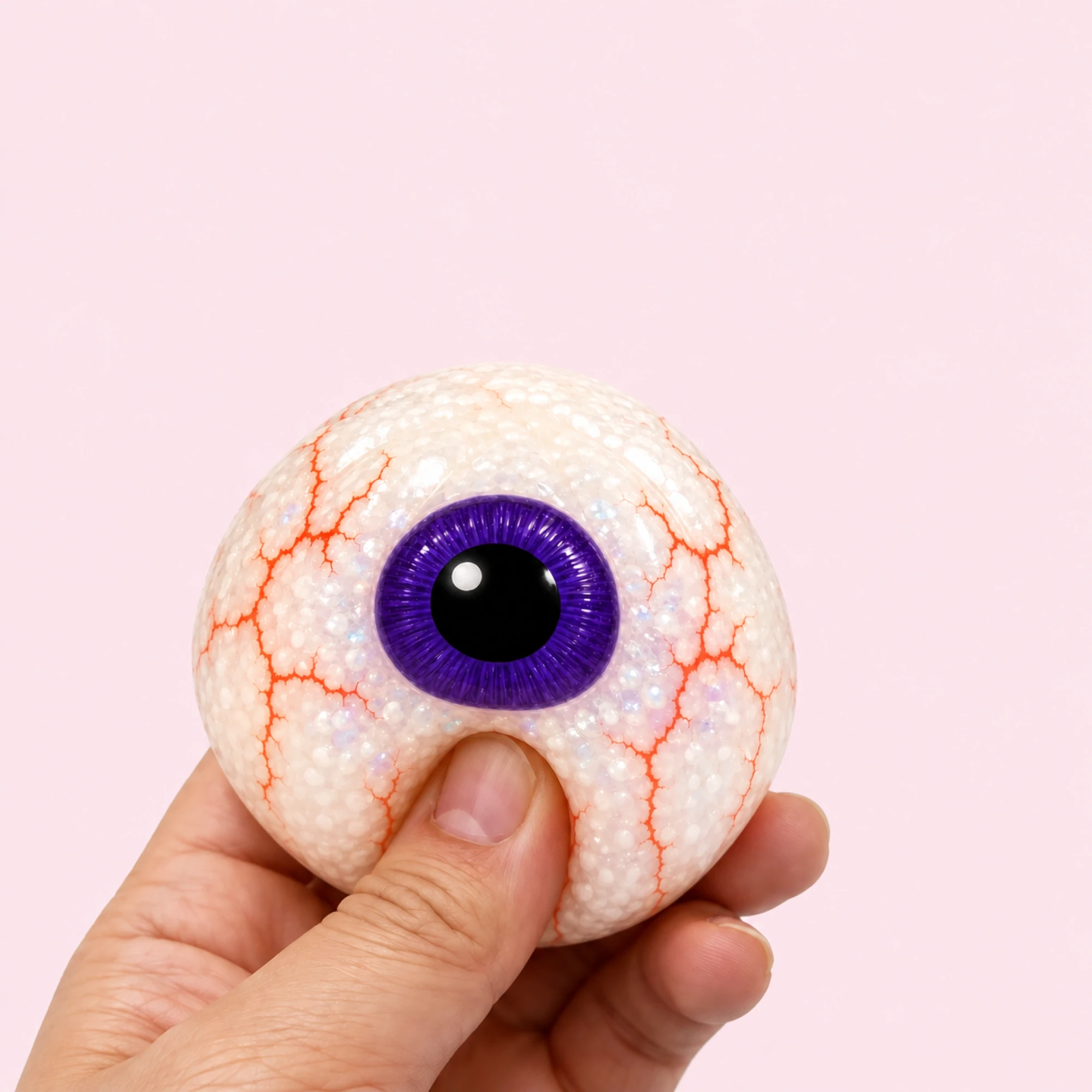
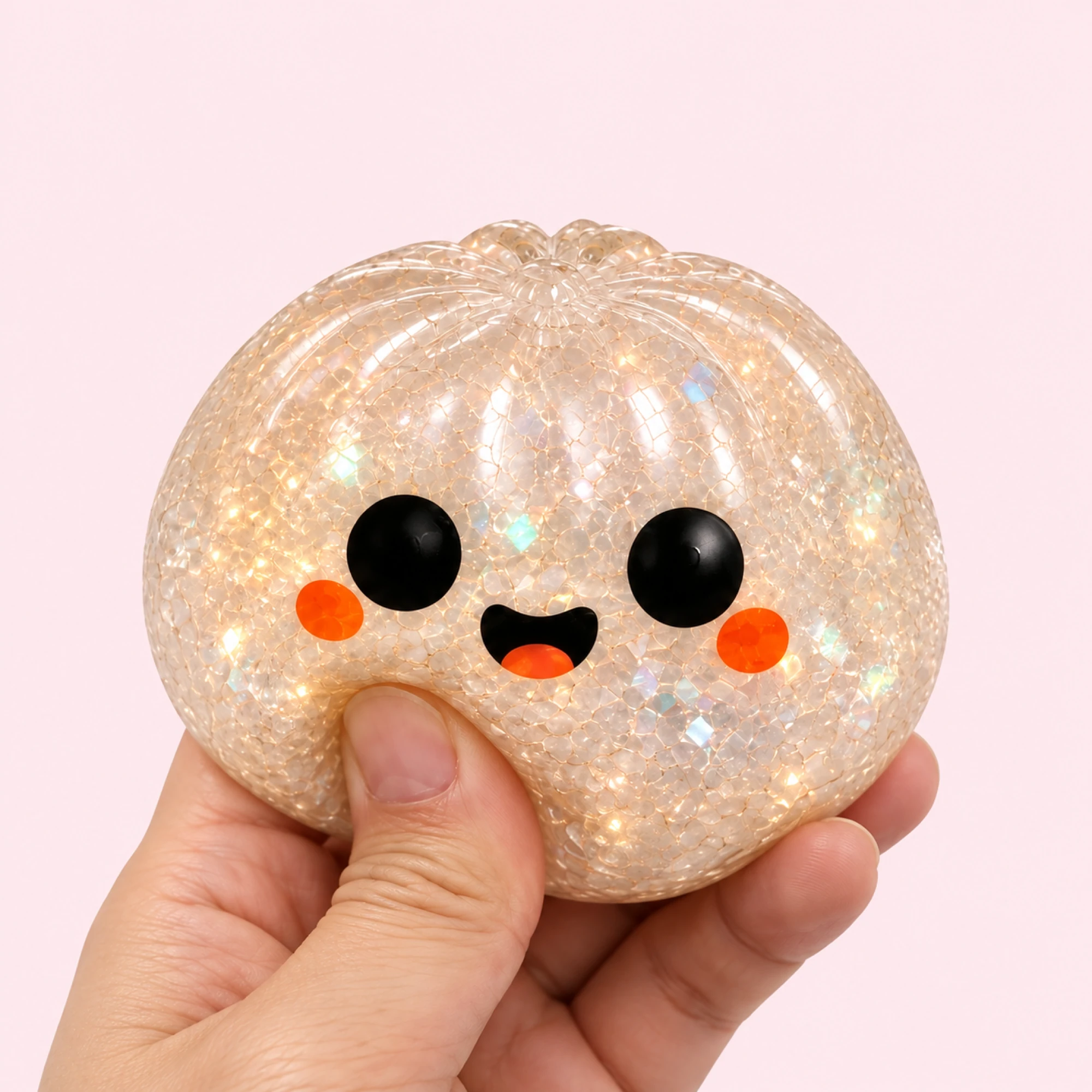
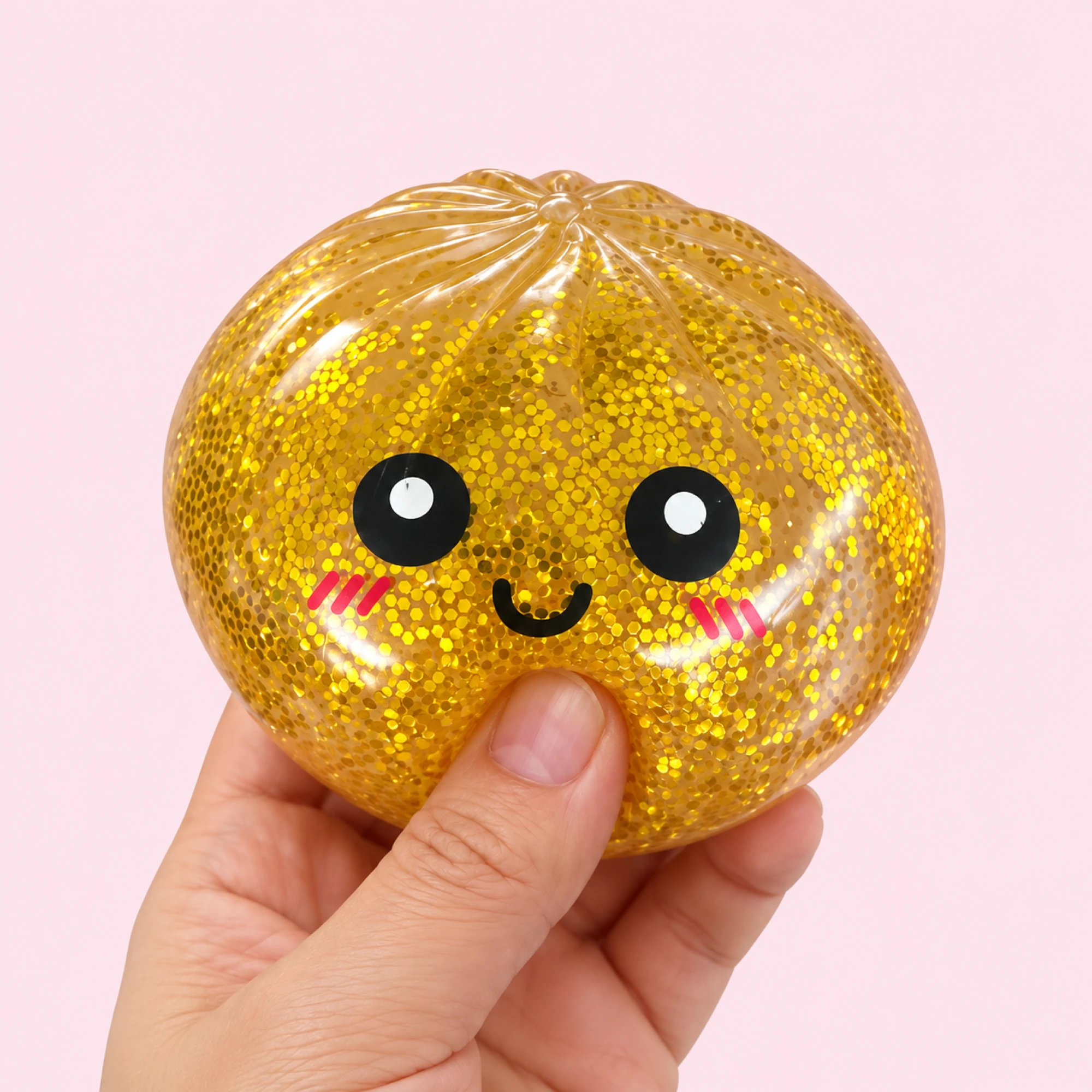
The hold deserves respect too. Two full seconds of stillness at maximum press — fingers buried, foam bulging between them — is what separates a proper test from a poke. The hold is where viewers involuntarily clench their own hand, and that tiny sympathetic squeeze is the entire magic of the format.
That last row is the sneaky one. If your final frame looks like the moment before your first frame, the video loops without a visible seam — and loops quietly rack up rewatches, which is the metric that actually matters.
Camera, Angles, and the No-Wobble Setup
Handheld filming is where good presses go to die. Prop the phone against a stack of books or use a cheap tripod, frame at table level or a slight 45°, and fill the frame with toy and hand — dead space is wasted screen. Lock focus and exposure before you press, or the camera will hunt mid-rise and ruin the take.
Shoot vertical unless you have a strong reason not to; the format wants a tall frame full of toy. Leave a little headroom above the squishy for the rise — a toy that grows out of frame is a punchline you didn’t intend.
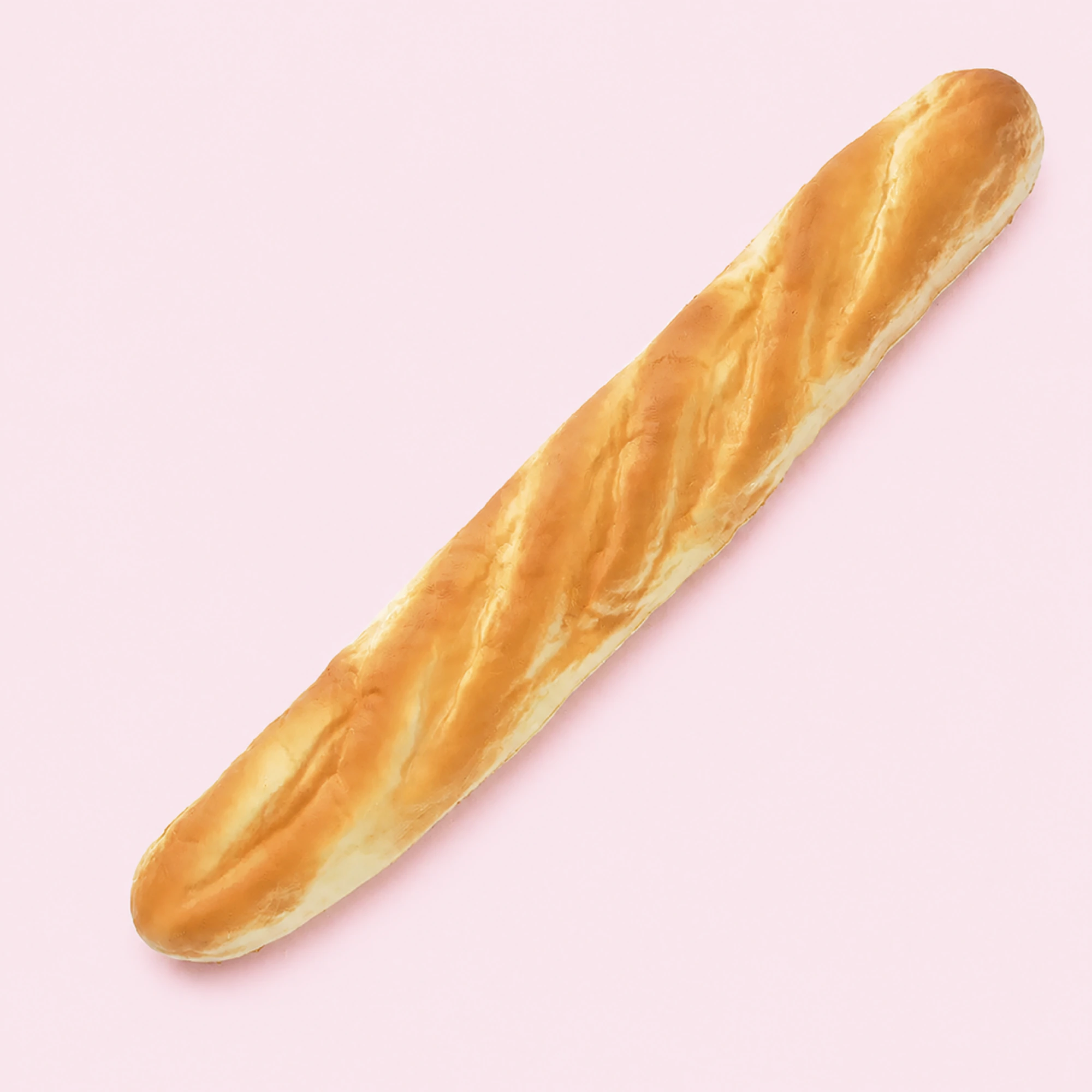
Light from the side, same as photography: a window works. Side light gives the crater a shadow, and the shadow is what makes the rise visible. Size helps too. A Jumbo Duck Squishy takes both palms to flatten, which reads beautifully on camera, and a Giant Banana Squishy fills a vertical frame all by itself.
Sound: The ASMR Squishy Layer
Half the audience is here with headphones on. Foam sounds are quiet — a soft crush, a faint hiss, a whisper of skin on matte surface — so the recording environment matters more than the gear. Kill the fan, the fridge hum, and the playlist, then get the phone close.
There are two schools and both work: pure sound, or soft-spoken narration over the press. Pick one per video. What kills the take is loud music pasted over the texture — viewers who came for the sound leave instantly. The near-silent, dense-press style has become its own genre; we covered how zero bounce-back ASMR presses earned that audience.
Timing the Rise Like a Story
The rise is your plot, so treat it like one. Count it out loud, or drop an on-screen timer — giving viewers a number turns passive watching into a tiny bet. If the rise runs long, one gentle speed-ramp in the middle is acceptable. Cutting the ending is not; the comment section audits squish tests like tax returns.
Lineups are the sequel format. Three toys pressed left to right, each rising on its own schedule, turn one suspense arc into a race — and the comment section will pick favorites, which is engagement you never had to ask for.
Know your toy’s pacing before you hit record. Dense slow risers build suspense on a single press, while fast rebounders play better as rhythm loops — press-press-press like a drum pattern. The difference between the two is the subject of our slow rising vs fast rising guide, and it should decide your edit before you shoot. Bigger foam also buys you a longer visible arc — that’s why the jumbo squishy collection is overrepresented in every squishtok feed.
Five Mistakes That Kill the Rewatch
- Shaky handheld. The crater is the star; keep it still.
- Backlight silhouette. A window behind the toy turns your press into a shadow puppet show.
- Cutting before the full rise. The one unforgivable sin of the format.
- Music over the foam audio. The texture is the soundtrack.
- A fifteen-second hello. Start mid-press. Say hi in the caption if you must.
Fix those five and you’re ahead of most of the format already. The bar is low; the loop is everything.
FAQ
How long should a squish test video be? As long as the press plus the full rise, with a second or two of margin — usually well under thirty seconds. If the toy rises fast, film a rhythm loop instead of padding.
What’s the best hook for a squishy video? Opening mid-press, dent already formed. It skips setup entirely and plants the “will it come back?” question in the first half second.
Do I need a microphone? Not to start. A quiet room and the phone held close capture foam sound surprisingly well. Upgrade only when background noise, not distance, becomes your problem.
Which squishies film best? Dense slow risers for single-press suspense, jumbos for two-hand drama, and multi-packs for rhythm edits — a 3-pack of jumbo jelly bears covers the percussion section nicely.