


Here’s the blunt version: Stitch is a Disney character, official Stitch merch is licensed, and a big share of the cheap stitch squishy listings floating around marketplaces typically isn’t. Unlicensed foam means unknown materials, sloppy paint, and no one accountable when it splits in a week. This guide covers how to tell licensed from look-alike, and what to buy when you just want that character energy.
Why Character Squeeze Toys Are a Minefield
Big characters print money, so they attract copycats. Disney licenses Stitch, Sanrio licenses Hello Kitty, and every licensed toy typically carries official branding — a tag, a stamped logo, real packaging, a retailer that answers emails. Copies skip all of that and lean on blurry renders and borrowed photos.
The problem isn’t snobbery about logos. Licensed production runs through actual quality control; anonymous factories pumping out lookalike stitch squishies answer to nobody. Same face on the listing, totally different object in the mailer.
The same logic applies to every hello kitty squishy search result you’ll ever scroll: the character’s fame is exactly why the fakes exist.
Here’s the gap at a glance:
| Licensed merch | Anonymous copy | |
|---|---|---|
| Branding | Logo, tags, real packaging | None, or printed guesswork |
| Materials | Documented, quality-controlled | Unknown blend, untraceable |
| Accountability | Retailer answers emails | Storefront vanishes overnight |
| Price | Predictable premium | Suspiciously cheap |
How to Vet a Stitch Squishy Before You Buy
Run any character listing through this checklist before paying:
- Branding on the product photos. Licensed merch typically shows the studio’s logo on a tag or the packaging itself. No packaging shots is a yellow flag.
- Seller history. A storefront selling forty unrelated character toys at once is usually a reseller of unlicensed stock.
- Photo consistency. Official renders in the gallery but janky, off-model photos in the reviews tell you which one ships.
- Price sanity. Licensed character goods rarely cost less than a plain unbranded squishy. Suspiciously cheap usually means exactly what you think.
- Review smells. Buyers mentioning strong chemical odors or paint rubbing off is your cue to close the tab.
Five minutes of this filters out most of the junk.
The Knockoff Foam Problem
Unlicensed doesn’t automatically mean dangerous, but it does mean unverified — mystery foam blends, mystery paint, no safety paper trail. With a toy your kid will squeeze a thousand times and occasionally press against their face, “no paper trail” is a real cost.
Bad copies also just feel bad. The foam tears at the seams, the surface gets sticky, and the paint cracks along squeeze lines within weeks. Price is the honest signal here: licensing costs money, decent materials cost money, and a toy priced like it paid for neither usually skipped both. Our guide to spotting a fake or toxic squishy covers the physical tells, and if you want the materials background, TPR vs. PU foam safety explains what these toys should be made of.
Original Characters, Zero Licensing Drama
Here’s the route most people don’t consider: skip the borrowed face entirely. Original character designs give you the same big-eyed, squeezable charm with no licensing gray zone and no knockoff roulette — what’s on the listing is simply what the maker designed.
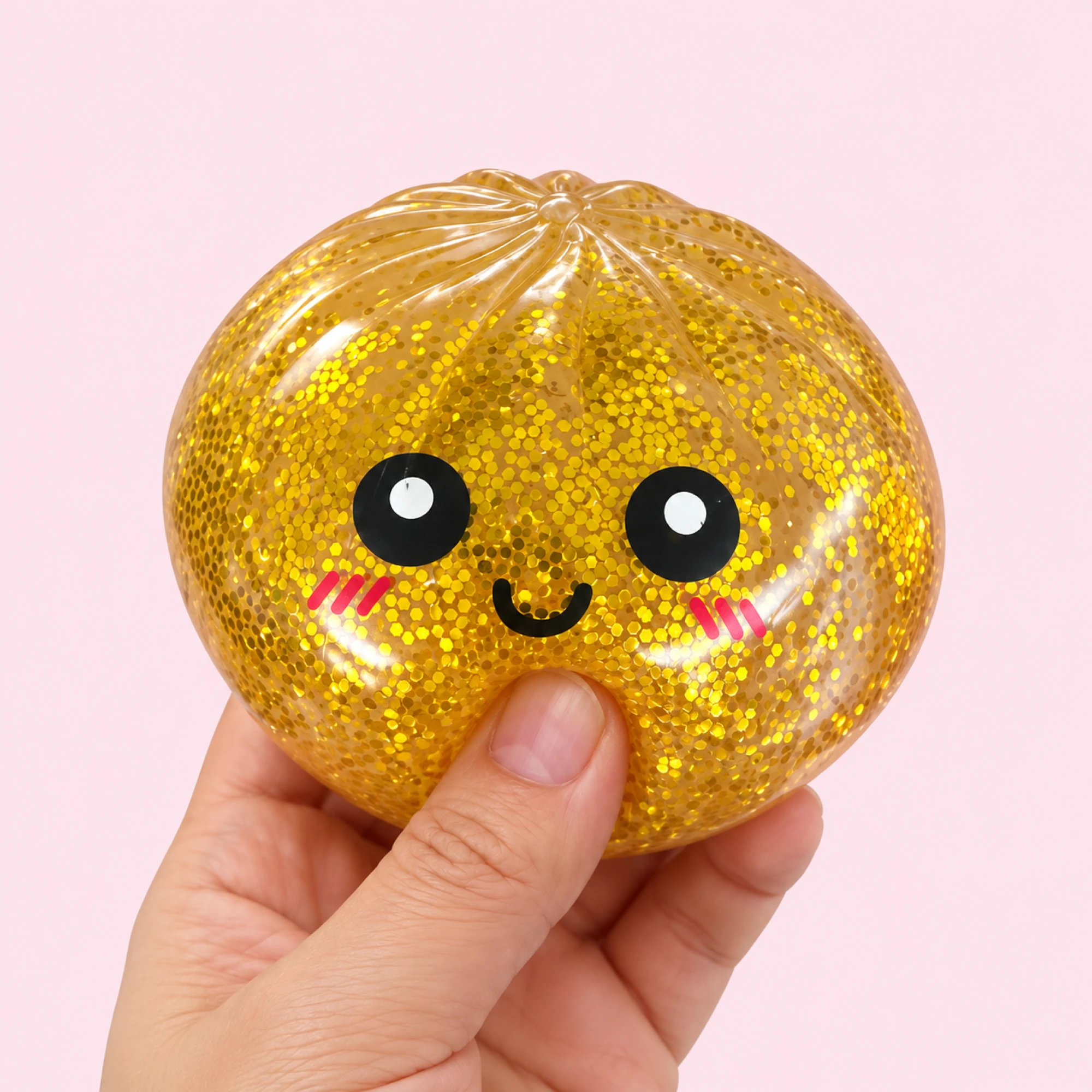
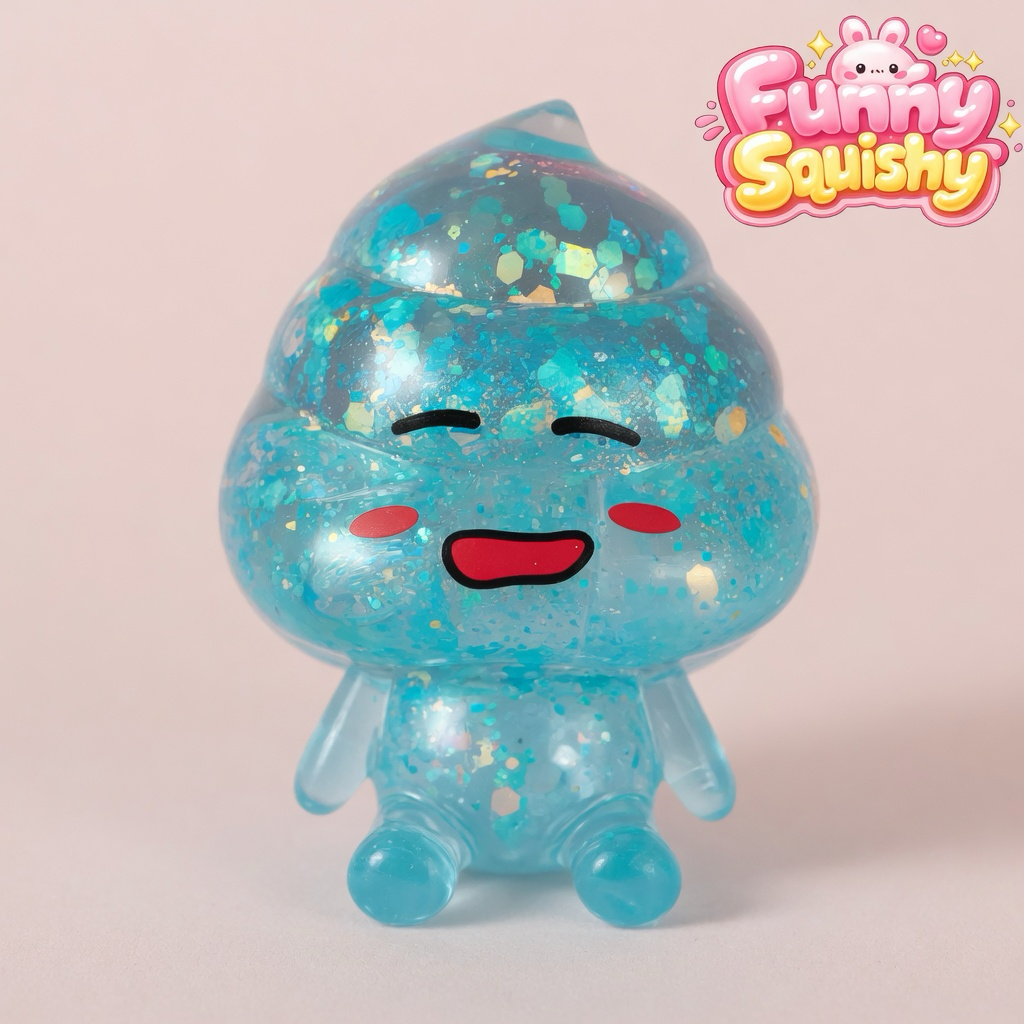
Our ghosts are a good example of the type. The Ghost Squishy with glitter is a slow riser with a grin that lands somewhere between spooky and pathetic, and the purple glitter version pushes the kawaii dial further. Neither pretends to be anyone famous, which is weirdly refreshing.
There’s a practical upside beyond the ethics, too: original designs don’t date themselves. A ghost with a dumb grin is funny forever, while character merch quietly announces which year you bought it.
Browse the novelty squishy collection for more personality-first designs, or the animal squishy collection if the appeal was always the creature, never the copyright.
When the Licensed Version Is Worth It
Sometimes only the real character will do — a superfan’s birthday, a themed collection, a kid who has watched the same movie forty times. In those cases, buy through official retail channels and treat the toy as merch first, fidget second.
Timing helps too. Copies flood in fastest right after a movie or series bumps a character’s popularity — which is precisely when excited buyers check listings least carefully. Shop the hype window with extra suspicion and the odds swing back your way.
A split strategy honestly works best: licensed items for the display shelf, unbranded or original squishies for the daily squeeze rotation. Fingers are hard on paint, and nobody wants to slowly erase a beloved face with their thumb.
FAQ
Are all cheap Stitch squishies fake? Not all, but many marketplace listings are unlicensed copies rather than official merch. Treat missing packaging, missing brand tags, and too-low prices as a pattern, and judge the listing on all three.
How do I tell licensed character merch from a knockoff? Look for the studio’s logo on a tag or box, buy from established retailers, and compare the buyer photos against the gallery. Licensed goods typically show their paperwork; copies typically hide it.
Is a hello kitty squishy subject to the same rules? Yes — swap Disney for Sanrio and everything here still applies. The more famous the character, the more copies circulate, so vet those listings just as hard.
What if I already bought one that seems off? Give it the smell test, watch for paint transfer on your hands, and keep it away from younger kids if anything seems wrong. Then read our fake-spotting guide so the next purchase goes better.